
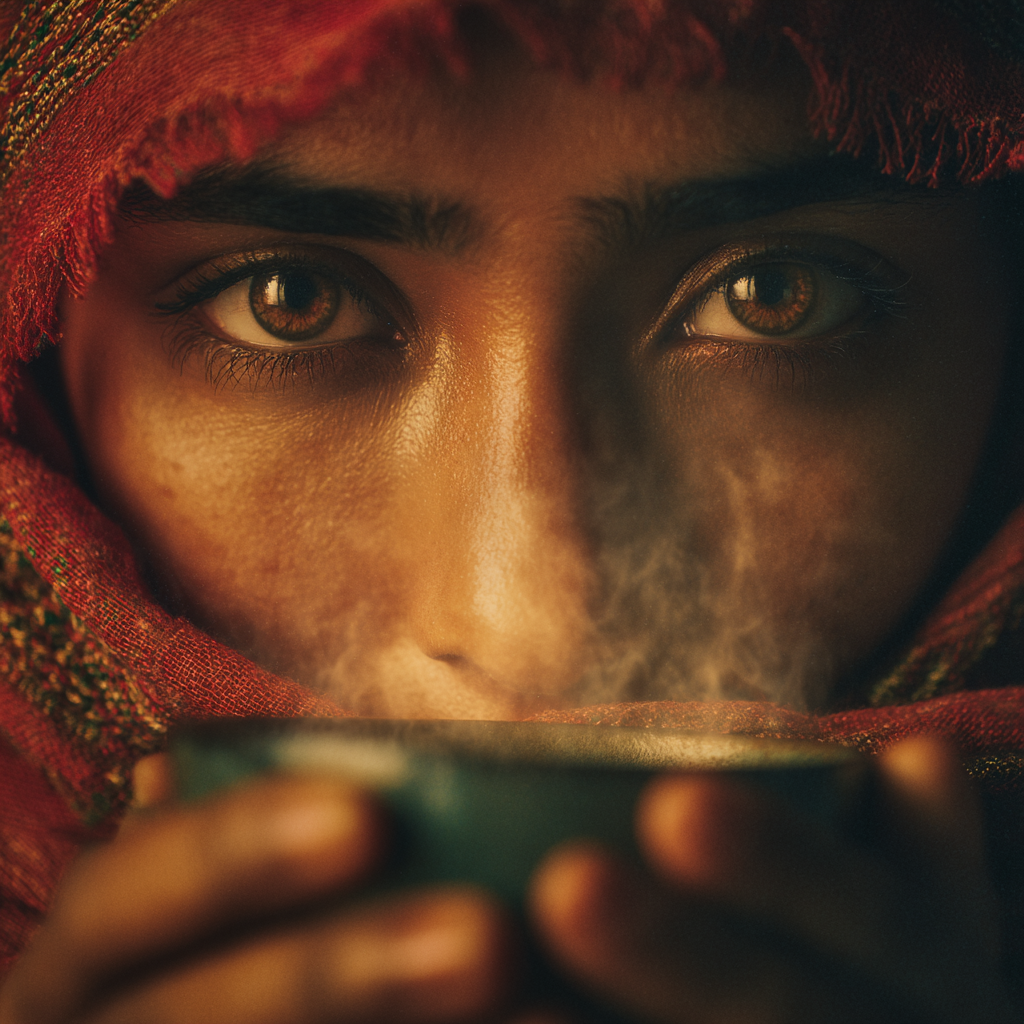
Pakistani Chai: A Cultural Ritual Shared Across the Country
Pakistani chai is more than a drink — it is a cultural language woven into everyday life. Across Pakistan, from the misty northern mountains to the humid Arabian Sea coast, the bubbling of a tea pot, the clinking of glasses, and the hiss of boiling milk create a soundtrack to the day. Whether served from a roadside kettle or in elegant drawing rooms, chai binds people together in moments of warmth and connection.
Tea culture in Pakistan is not something inherited passively; it is actively lived. Families debate which blend is best, vendors perfect their own recipes after years of trial, and entire neighborhoods become known for their chai dhabas — the iconic roadside tea stalls that serve as the social heart of urban and rural communities. Journeying through Pakistan’s tea culture is not merely tasting different brews. It is stepping into the country’s rhythm, observing how people gather, speak, argue, celebrate, and relax. Every cup has a story, and every region shapes chai in its own way.
Related: The Artistic Heart of Pakistan
Chai Dhabas: Where Life Unfolds One Cup at a Time
If there is a single symbol of Pakistani tea culture, it is the chai dhaba. These humble tea stalls stand at the crossroads of everyday life, their wooden benches and metal kettles attracting a constant stream of visitors. Drivers pull over for a quick refreshment, students gather after evening classes, families stop on long road trips, and workers take breaks from demanding shifts. The dhaba is where strangers become acquaintances and conversations about politics, cricket, love, and life continue late into the night.
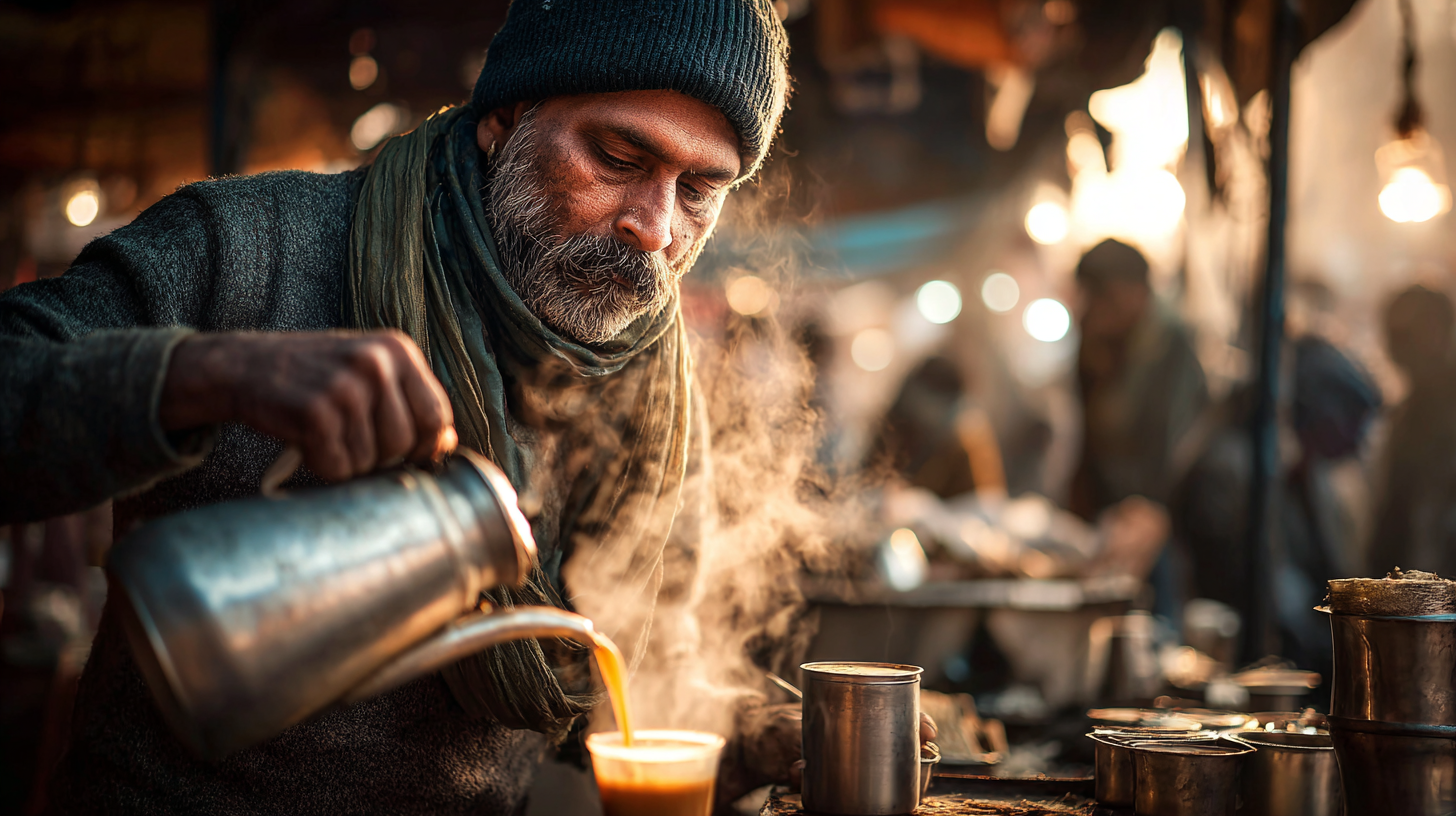
Here, the tea is brewed with practiced precision. Vendors boil black tea leaves — often robust varieties sourced from Assam or Kenya — in large pots with water, adding milk and sugar until the liquid becomes creamy and fragrant. The result is a strong, velvety chai that comforts even after the longest day. At busy dhabas, kettles rarely leave the flame. The air smells of caramelizing milk, firewood, and spices drifting from nearby food stalls.
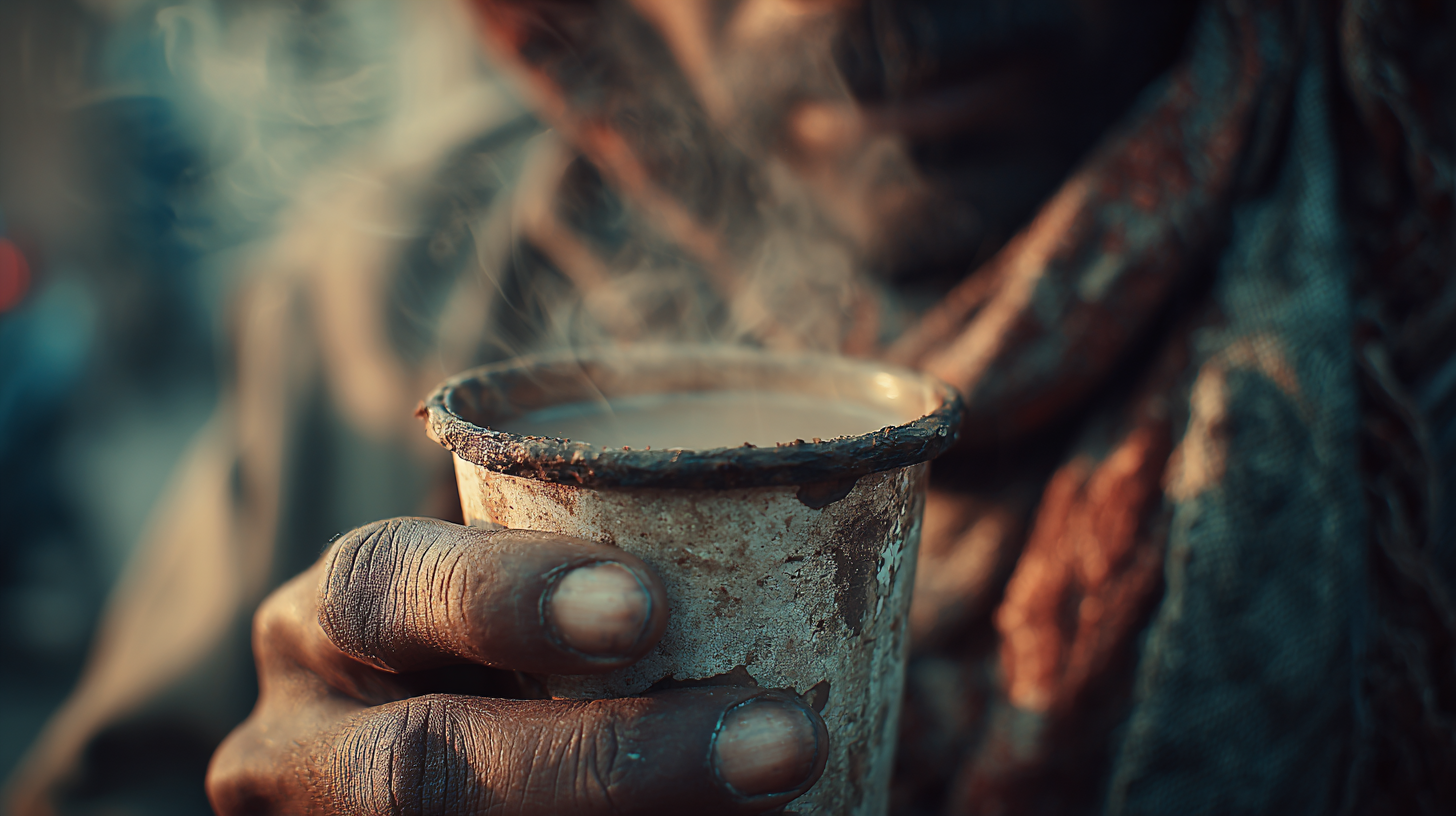
Beyond refreshment, dhabas serve as cultural hubs. Poets recite verses here, musicians gather with rubabs or guitars, and heated debates echo until dawn. A dhaba is the shared living room of a community — open to all, shaped by the voices of those who sit around its tables. In Pakistan, to drink chai at a dhaba is to witness the country’s pulse.
Kashmiri Chai: The Pink Jewel of the Northern Valleys
Moving northward, chai transforms into something unlike any other brew in the world: Kashmiri chai, also known as noon chai. This distinctive tea, with its soft pink hue and delicate nutty flavor, is steeped in centuries of tradition. It begins with green tea leaves cooked slowly with baking soda, which reacts with the leaves to produce the signature color when milk is added. The preparation demands patience; it is not a quick cup but a ritual.
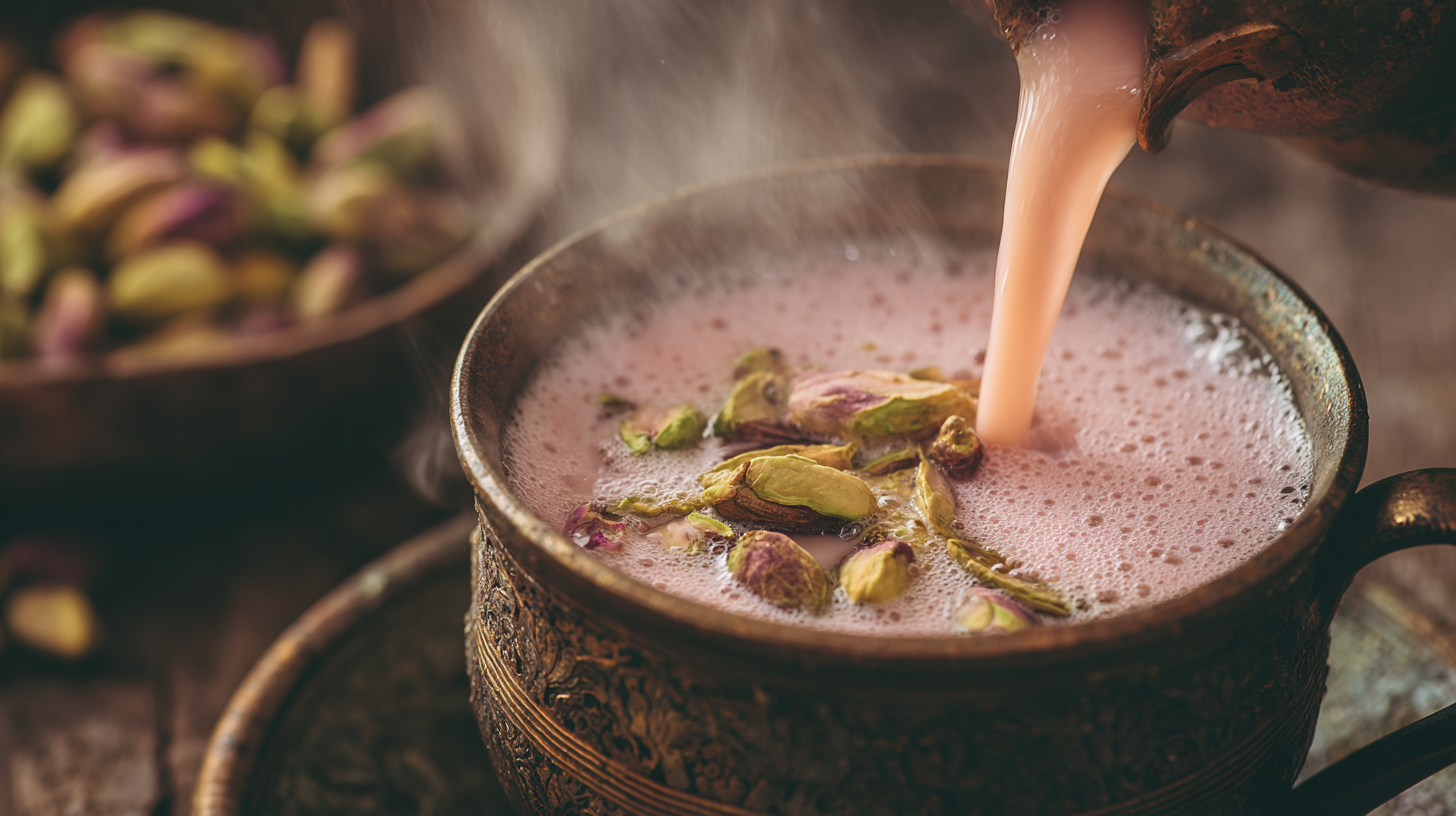
Cardamom, almonds, pistachios, and sometimes salt elevate the drink, transforming it into a tea that feels closer to dessert than a simple beverage. In the winter months, when Kashmir’s valleys are cloaked in snow, noon chai brings warmth and comfort to families gathered around low heaters. Its color brightens the table, and its richness reflects the hospitality of northern homes. Served during festivals, weddings, or quiet evenings, Kashmiri chai carries the aroma of mountain air, pine forests, and ancient traditions.

Even outside Kashmir, its popularity has spread across Pakistan. Urban cafés now serve their own interpretations, but the true essence of noon chai remains tied to the rhythm of northern life — slow, careful, and deeply connected to heritage.
Masala Chai: The Fragrance of Spice and Monsoon Winds
As the landscape changes moving south, so does the chai. In many parts of Pakistan, especially in Punjab and Khyber Pakhtunkhwa, masala chai adds a burst of spice to the traditional brew. Ginger, cardamom, cinnamon, and cloves simmer with the tea leaves, creating a fragrant steam that fills kitchens and market stalls. Vendors prepare it with theatrical flair, crushing spices under heavy stones, pouring tea from pot to pot to aerate it, and serving it in chipped cups that seem to enhance the experience.
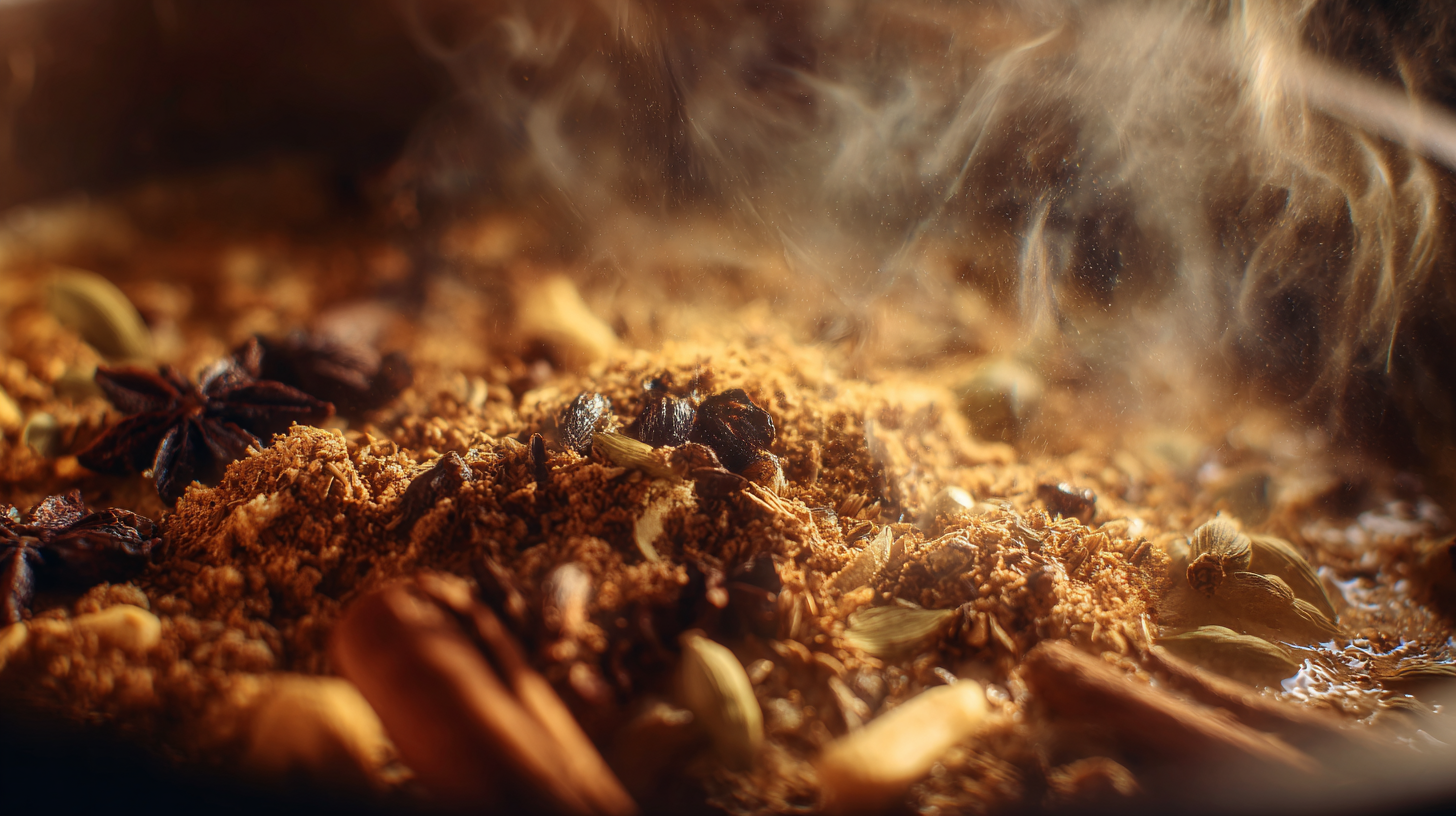
Masala chai is especially beloved during the monsoon season. When rain strikes rooftops and streets glisten with water, families gather indoors to share hot cups of spiced tea alongside fritters and fried snacks. The warmth of masala chai contrasts with stormy skies outside, becoming a seasonal comfort as essential as rain itself. In winter, its spiced depth provides heat against cold winds, making it a favorite in mountain lodges and roadside eateries.

Wherever it is served, masala chai engages all senses — the scent of crushed spices, the vibrant taste on the tongue, the plume of steam rising from each cup. It is chai at its most expressive.
Sulaimani Chai: The Coastal Breeze in a Cup
Along Pakistan’s southern coast, especially in Karachi’s bustling neighborhoods and Gwadar’s seaside cafés, a different version of chai has found its home: Sulaimani chai. Unlike the rich, creamy teas of the northern regions, Sulaimani is light, refreshing, and brewed without milk. Lemon, mint, and sometimes saffron provide a delicate brightness, making it ideal for hot, humid evenings by the Arabian Sea.

Originally linked to Arab and Persian influences, Sulaimani chai reflects centuries of trade and cultural exchange across the Indian Ocean. Sailors, merchants, and travelers brought their own tea traditions, which over time blended with local preferences. Today, Sulaimani is popular among Karachi’s late-night crowd — students, dock workers, cab drivers, and poets who gather at all hours. The tea is served in clear glasses, allowing its amber color to shine. Its crisp flavor offers a welcome break from the richness of traditional milk chai, especially on warm coastal nights.

More than any other type of chai, Sulaimani captures the spirit of movement and migration that defines Pakistan’s coastline — a tea shaped by the sea’s horizon.
Chai as Hospitality, Ritual, and Social Glue
Tea in Pakistan is not simply served — it is offered with pride. To decline an invitation for chai is considered rude, and to share it is to honor a guest. The ritual lives in every household: the clatter of cups being set on trays, the steam rising in the afternoon sun, the soft conversation that follows the first sip. Moments of joy, grief, negotiation, celebration, and quiet reflection often unfold over chai.
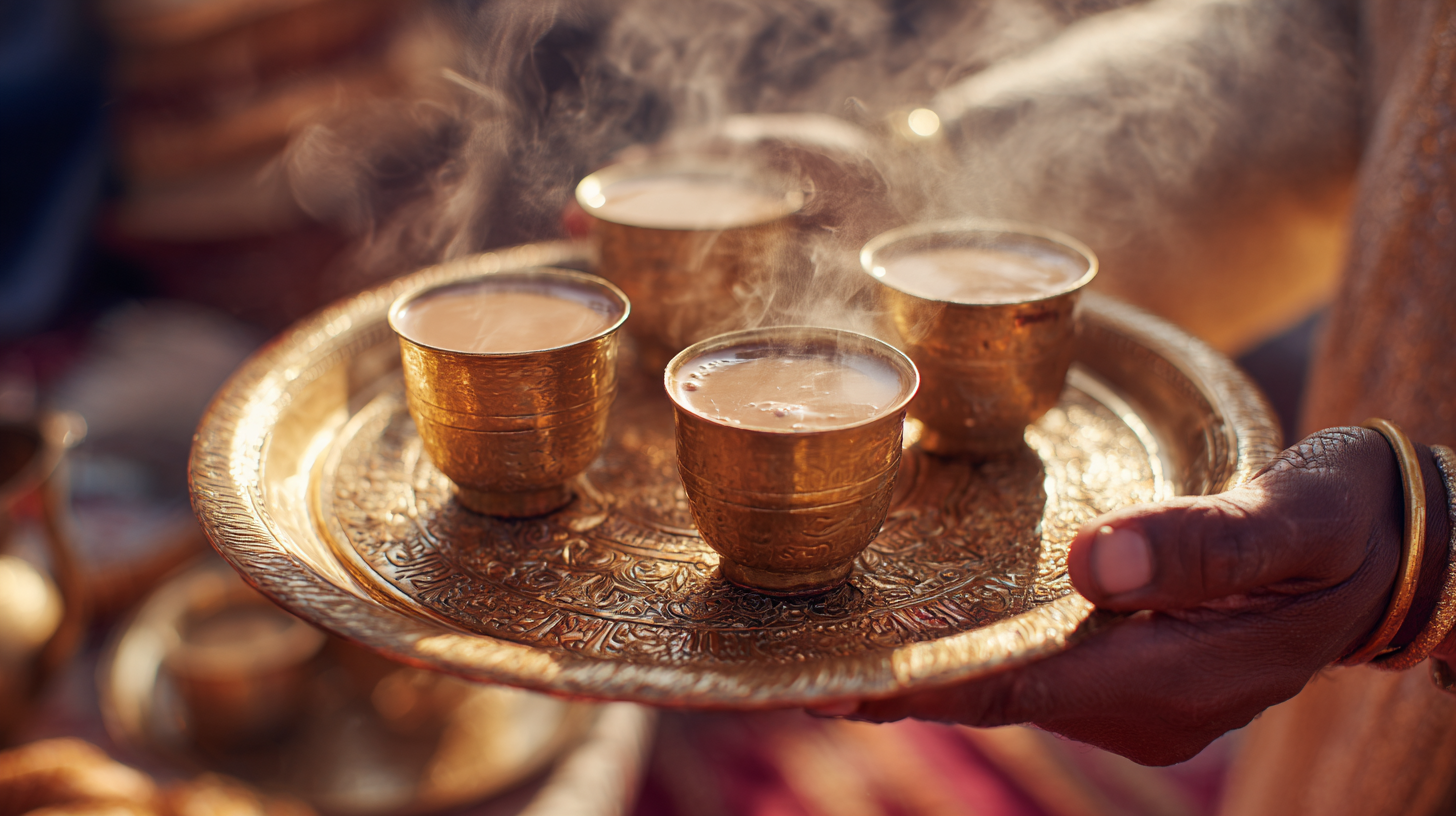
Artistic scenes and literary circles across Pakistan are closely linked to tea culture. Writers gather at dhabas to discuss manuscripts, musicians rehearse melodies over cups placed on uneven wooden tables, and actors meet after rehearsals in cafés infused with the scent of boiling tea. Some of Pakistan’s famous literary movements were shaped by conversations held in Karachi’s chaotic tea houses or Lahore’s historic markets.
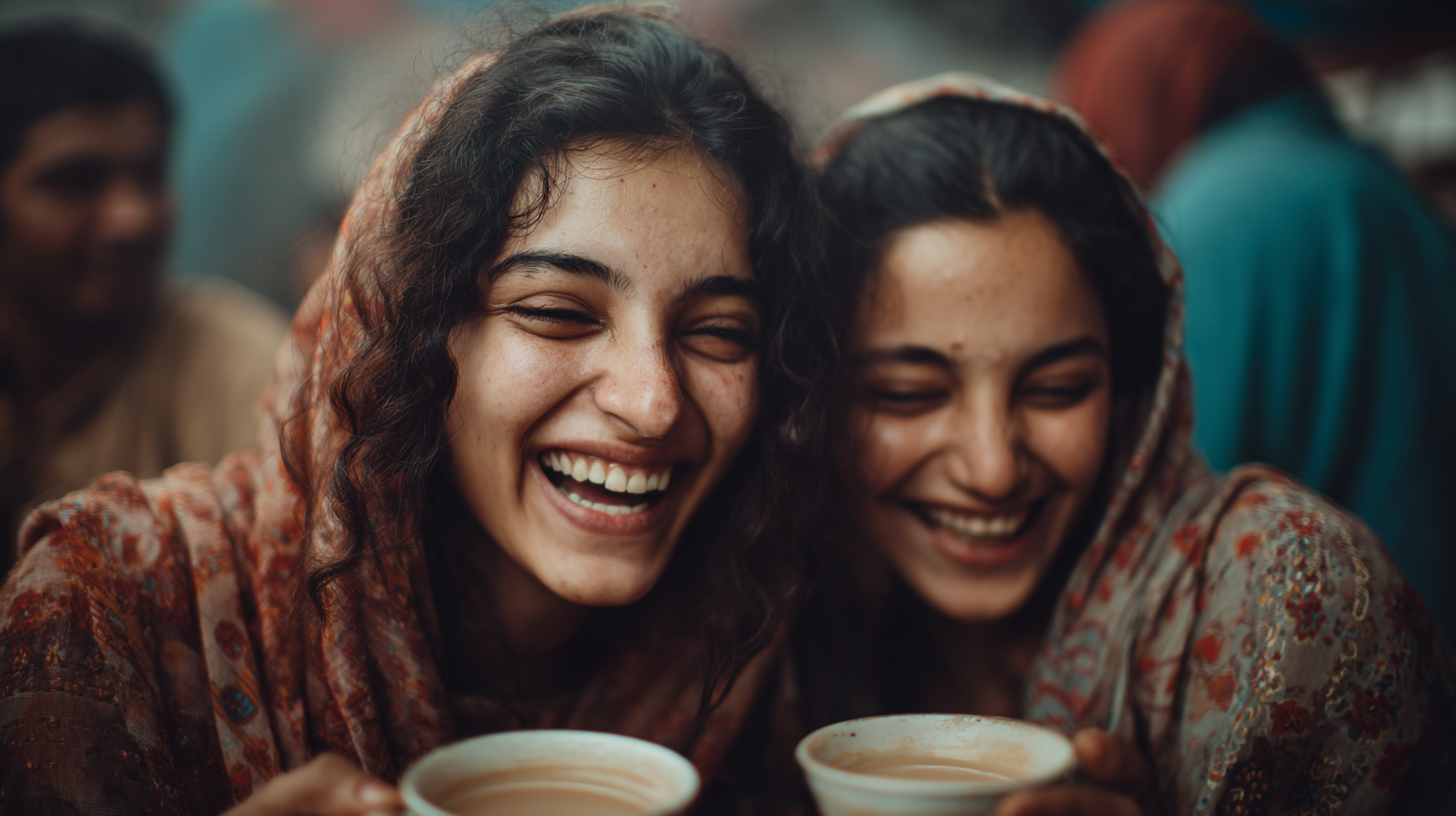
Chai also plays a crucial role in personal life. Marriage proposals traditionally begin with serving chai, symbolizing respect and openness between families. Long journeys feel incomplete without a roadside stop for a cup. Even moments of solitude — early morning reading, studying for late-night exams, or watching the sunset from a rooftop — often unfold with chai as a companion. It is not an exaggeration to say that chai shapes the rhythm of Pakistani days.
Tea Cultivation and Local Production: A Growing Frontier
Pakistan is one of the largest tea-consuming nations in the world, yet historically it has imported most of its supply due to climatic limitations. However, in recent decades, regions in Khyber Pakhtunkhwa — particularly Mansehra and Battagram — have begun cultivating tea with increasing success. Terraced hillsides now hold rows of tea plants tended by local workers, who carefully pluck the young leaves under the mild sunshine of northern valleys.
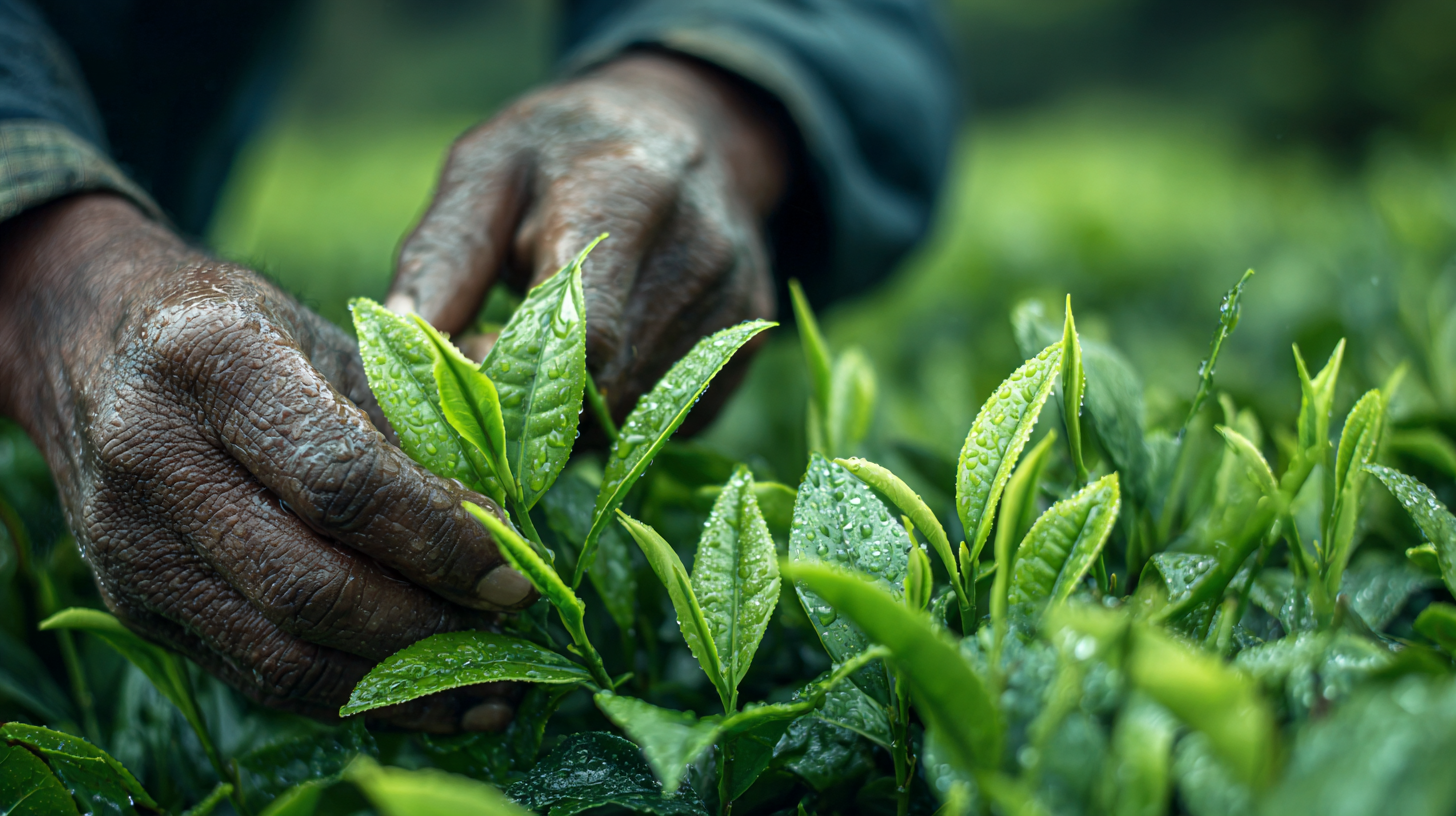
Although production remains smaller than in countries like Sri Lanka or India, local cultivation has significant potential. It introduces new agricultural opportunities, reduces reliance on imports, and creates employment in remote regions. Research centers continue to explore which tea varieties grow best in Pakistani soil, experimenting with plant genetics, shade techniques, and irrigation methods. These efforts reflect a national desire to bridge tradition with self-sufficiency.
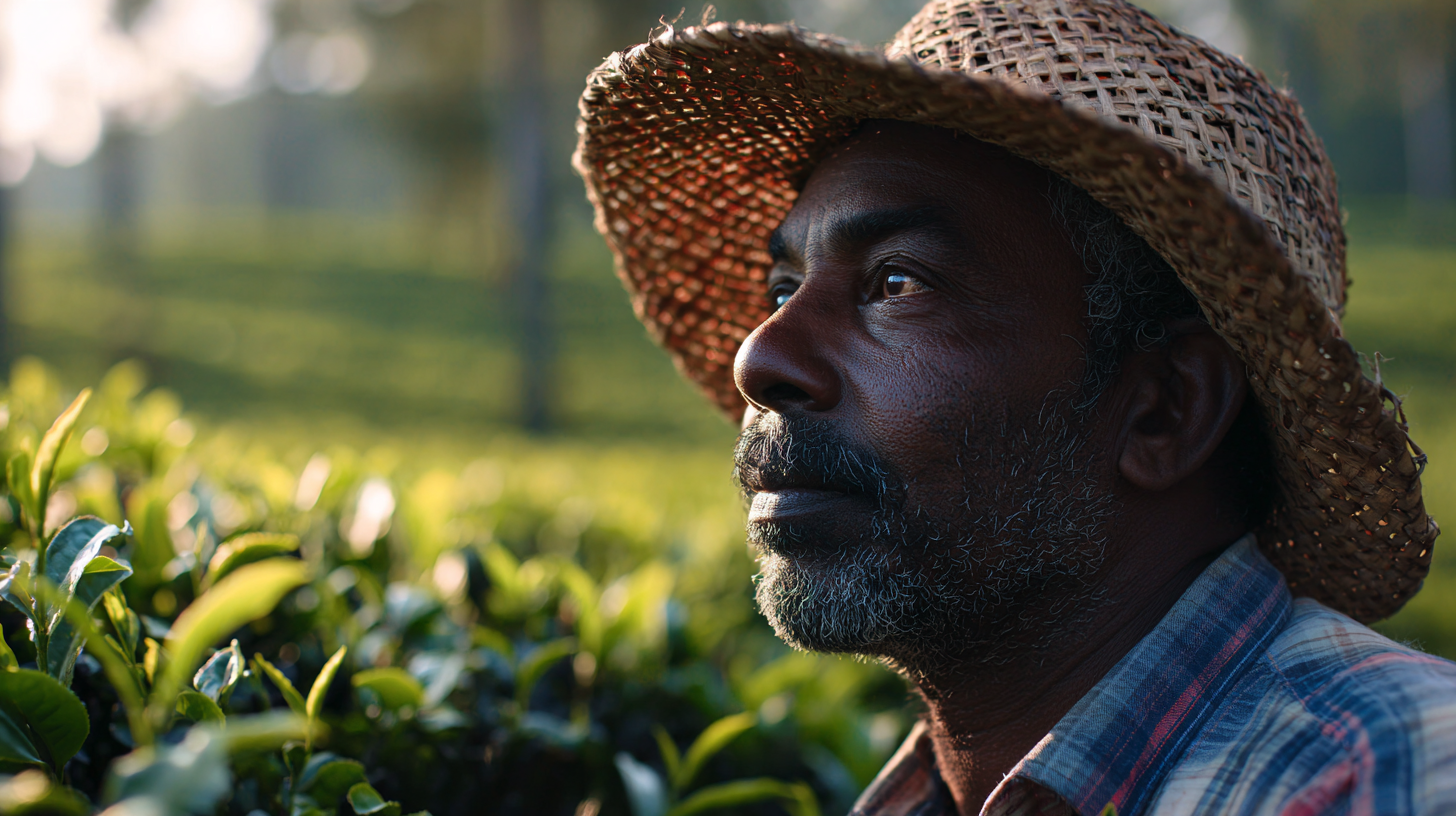
Visiting a tea plantation offers a calm contrast to Pakistan’s energetic cities. The air is cooler, the landscape structured and green, and the sound of workers moving through fields adds a gentle rhythm to the day. Watching leaves travel from plant to drying trays and finally to steaming cups creates a deeper appreciation for the beverage that anchors everyday life.
Tea Tourism and Education: A New Cultural Pathway
As global interest in tea culture grows, Pakistan has begun developing its own tea tourism experiences. Visitors can walk through plantations, observe the intricate process of withering, rolling, oxidizing, and drying tea leaves, and learn how subtle changes in temperature or timing affect flavor. Tea factories now welcome tourists for guided tours, offering insight into both artisanal and industrial methods of tea production.
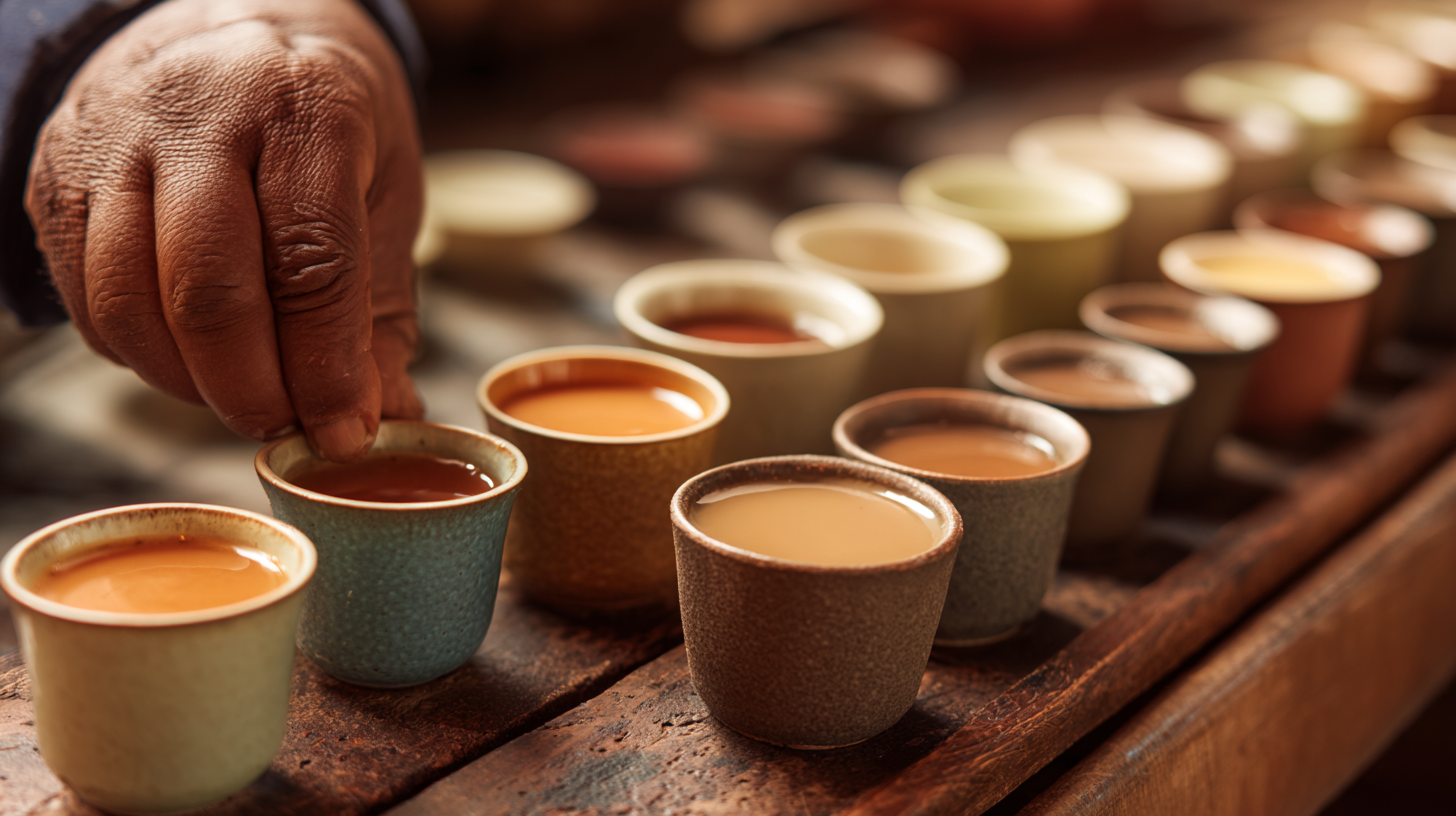
Tea tasting sessions have become increasingly popular. Trays of small cups allow guests to compare variations in strength, aroma, and texture — from bold black teas to gentle green blends. These sessions offer a rare opportunity to savor the complexity of flavors often taken for granted in daily cups. Many tourists find themselves leaving with a richer appreciation of how terroir, altitude, and local craftsmanship influence the character of each brew.
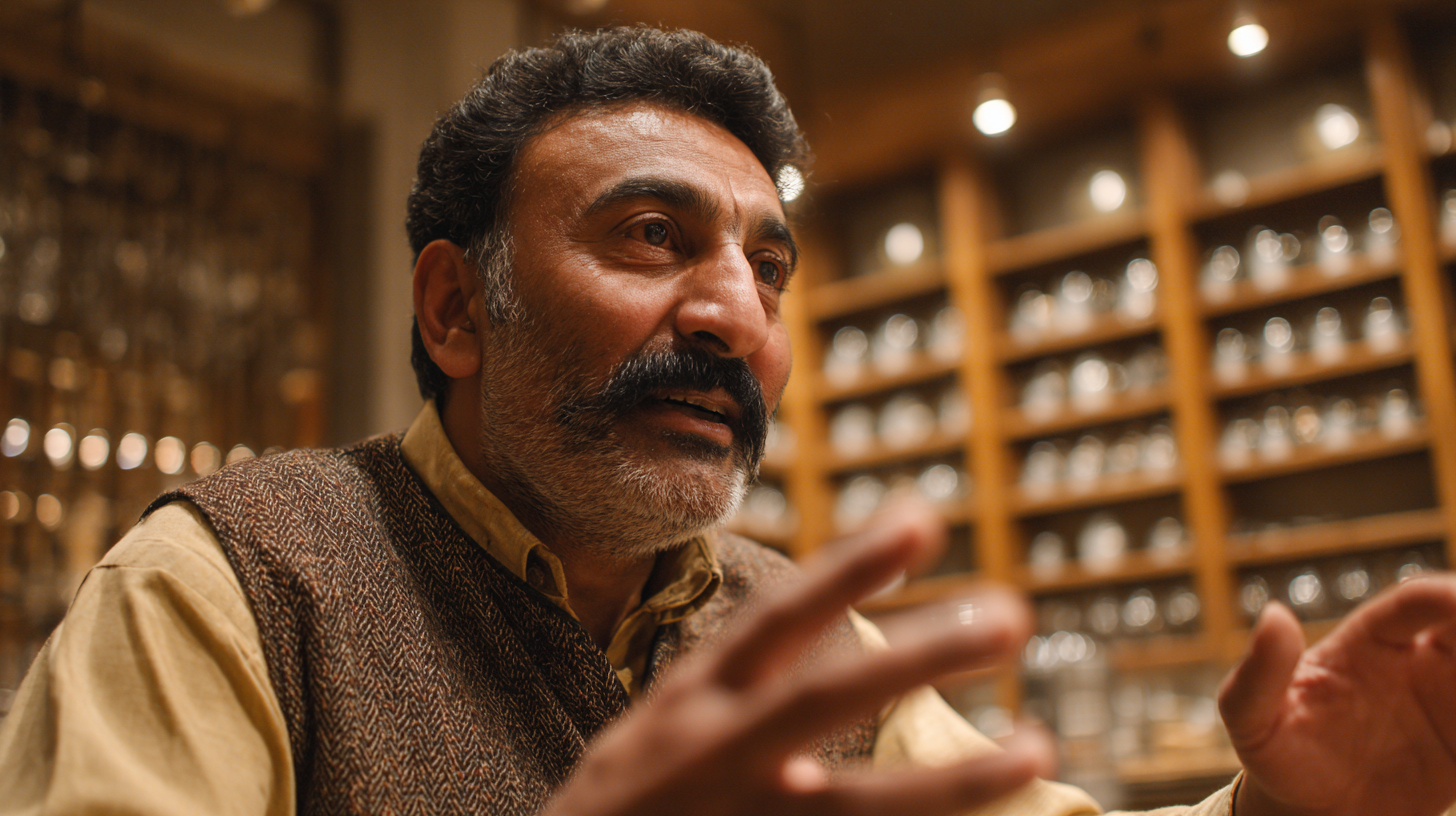
This educational trend also empowers local communities. As more travelers seek authentic, culturally grounded experiences, tea growers gain new avenues to share their knowledge, generate income, and celebrate a tradition deeply rooted in Pakistan’s identity.
Conclusion
Chai in Pakistan is not defined by a single style or recipe. It is a spectrum of flavors, rituals, landscapes, and memories. From the pink richness of Kashmiri noon chai to the spiced embrace of masala chai, from the airy refreshment of Sulaimani to the creamy strength served at chai dhabas, each cup tells a story of place and people. Chai is hospitality, comfort, routine, creativity, and connection — a cultural constant that transcends social boundaries.
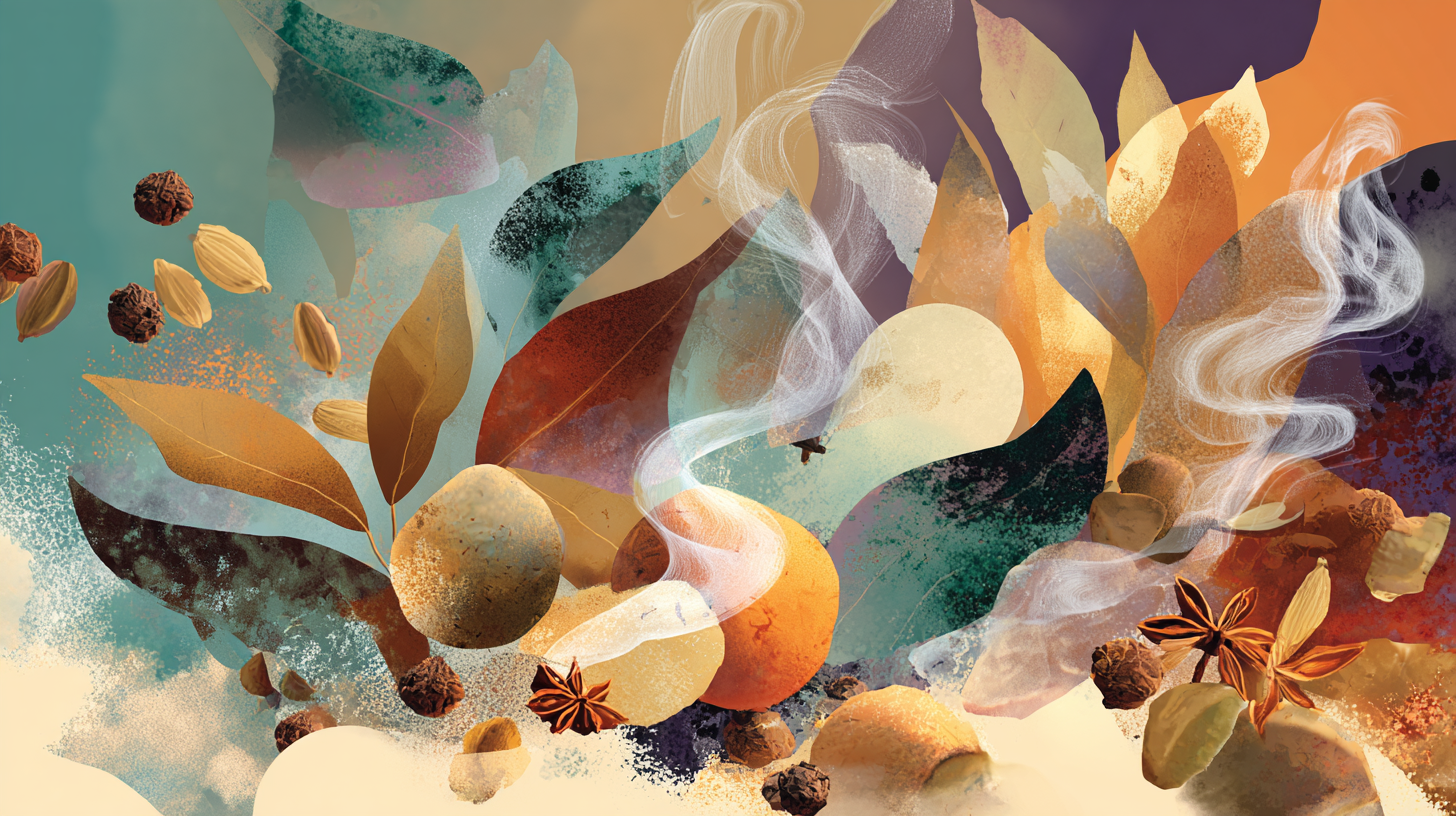
To sip chai in Pakistan is to share in a moment far bigger than a drink. It is to experience a nation’s warmth, to participate in conversations that stretch late into the night, to connect with centuries-old traditions, and to appreciate the craft behind every cup. Pakistan’s chai culture is rich not because of the tea alone, but because of the lives, landscapes, and stories steeped within it.
Learn more from: Pakistan Tea Association