
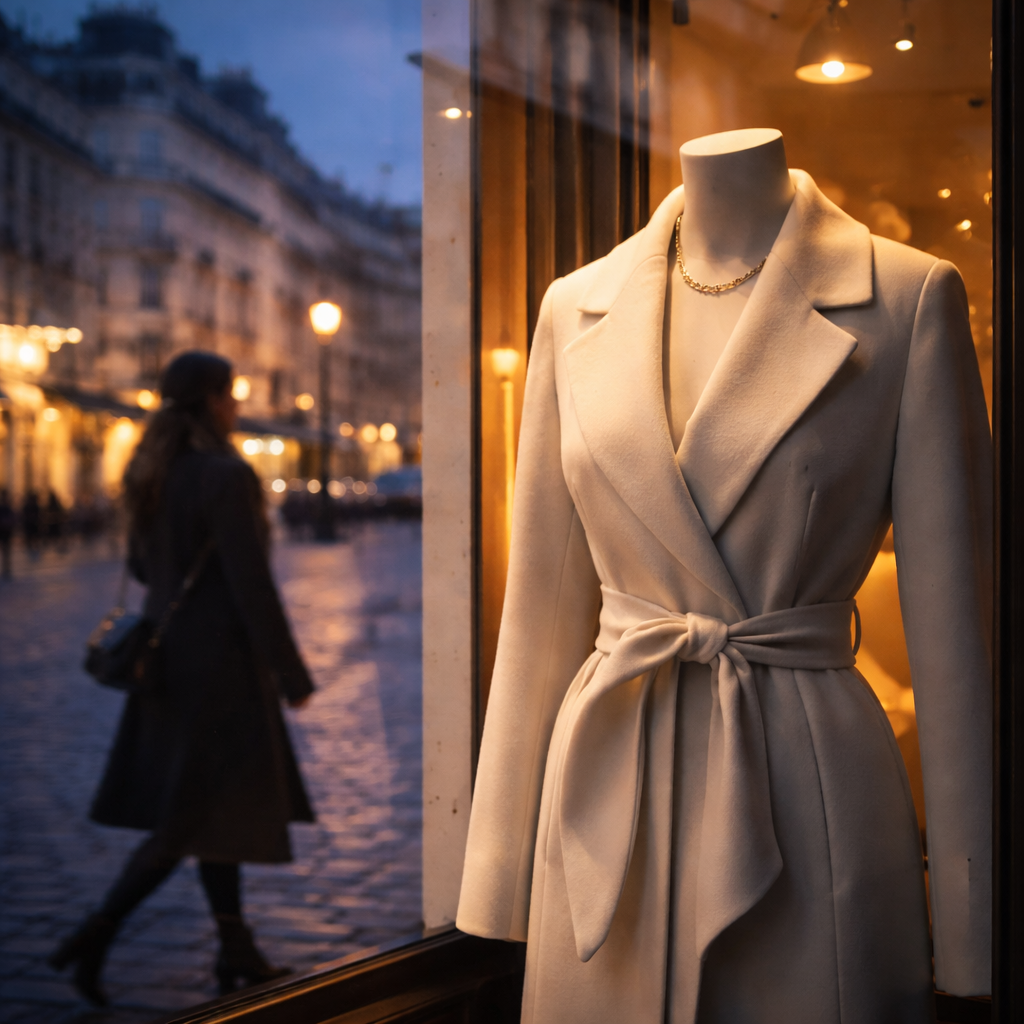
Paris has one of the rarest travel qualities in the world: it can make you feel underdressed just by existing beautifully. A woman crossing the street with a perfect coat and no visible effort, a boutique window that looks more like an exhibition than a shop, a café terrace where even the people doing nothing seem somehow well-composed — this city doesn’t just sell fashion, it lives inside it. That is why a trip to Paris can feel like entering a style system rather than simply a shopping destination.
The problem is that many fashion articles about Paris reduce the city to clichés: Paris Fashion Week, luxury maisons, Avenue Montaigne, and a few expensive shopping streets. Those things matter, but they are only the top layer. The real magic of Paris style is not only in what is sold, but in how taste is expressed through neighborhoods, museums, cafés, hotel lobbies, department stores, and the way people move through the city. A useful Paris fashion guide has to explain not only where to shop, but how to experience fashion in Paris even if you are not there to spend five figures on a handbag.
This guide is built for that exact purpose. It will help you understand where Paris fashion actually lives, how to structure a fashion-focused day without turning it into a retail death march, what is worth your time if you love luxury, and how to enjoy the city’s style culture whether your budget is high, medium, or purely observational. Paris rewards people who know how to look, not only people who know how to buy.
What Makes Paris Feel Fashionable in the First Place
Paris style is not only about clothing. It is about edit. The city has a talent for making elegance feel restrained rather than loud, intentional rather than overexplained. You see it in silhouettes, neutral palettes, tailoring, shoes that look worn in but not careless, and the confidence to let one strong piece carry the whole outfit. This is why travelers often find that Paris fashion looks simple until they try to replicate it. The simplicity is deceptive; it is built on choice.
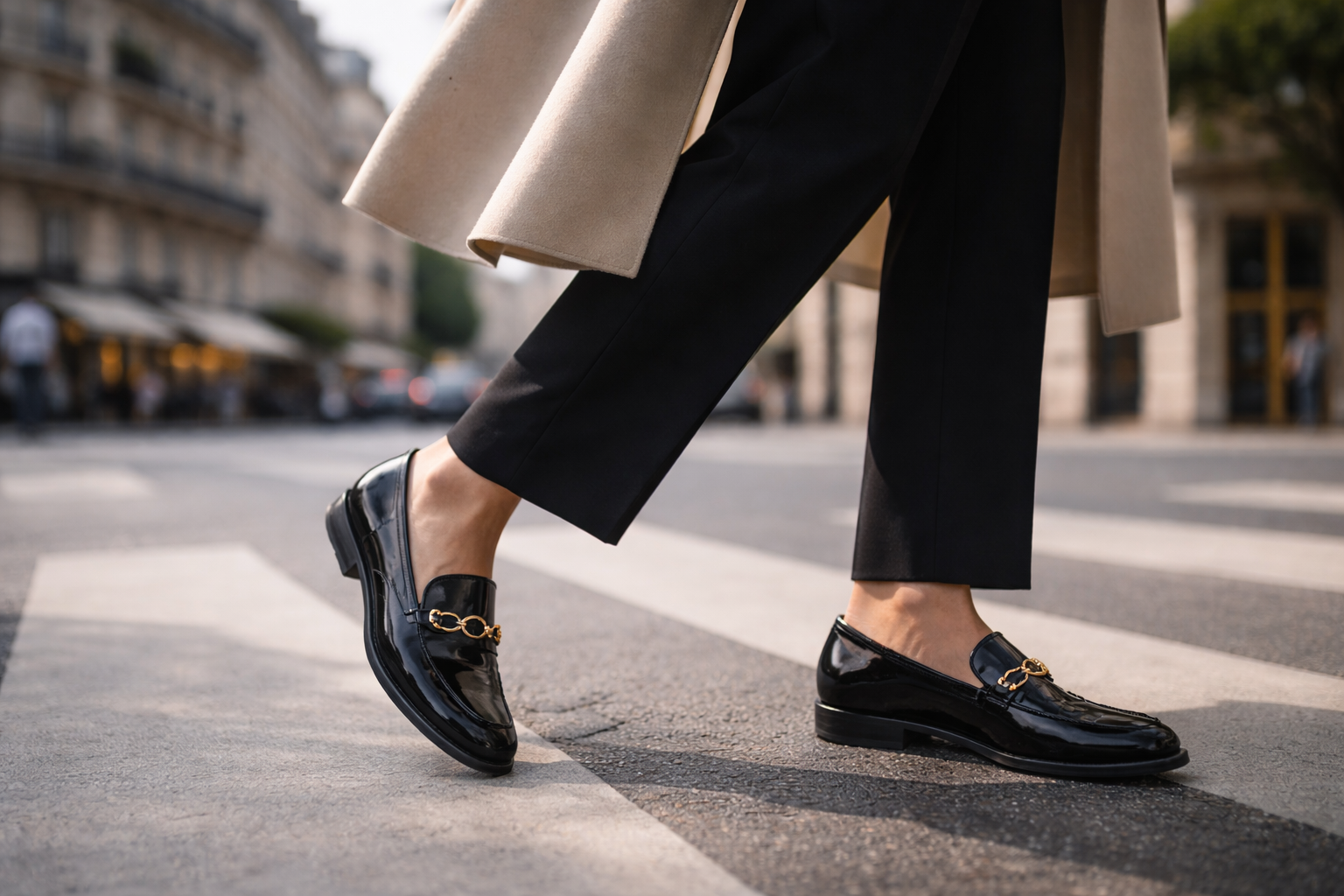
The city itself supports this feeling. Streets are proportioned in a way that makes walking look cinematic, cafés create little stages of observation, and even daily errands happen against a backdrop of symmetry, stone, and storefronts designed with visual discipline. In that environment, fashion stops being just self-expression and becomes part of urban choreography. People are not dressing for a runway — they are dressing for the city. That is a key difference, and understanding it makes the rest of your trip much more coherent.
This is also why a strong Paris fashion guide should begin with mindset rather than with shop names. If you arrive in Paris trying to “perform expensive,” you usually miss the point. If you arrive trying to observe how elegance is constructed — through cut, tone, restraint, and confidence — the city becomes much more generous. Paris is not only a shopping capital. It is a school of visual judgment.
Paris Fashion Week: What It Means Even If You’re Not Invited
Paris Fashion Week is one of the most recognized names in global style, but most travelers misunderstand what it can realistically offer them. For insiders, it is a calendar of shows, appointments, editors, buyers, photographers, and tightly controlled access. For visitors, it is more often an atmosphere than a ticketed experience. The city changes during Fashion Week: hotel lobbies become more charged, cafés fill with more sharply dressed people, luxury districts feel more alert, and the streets briefly become part runway, part theatre.
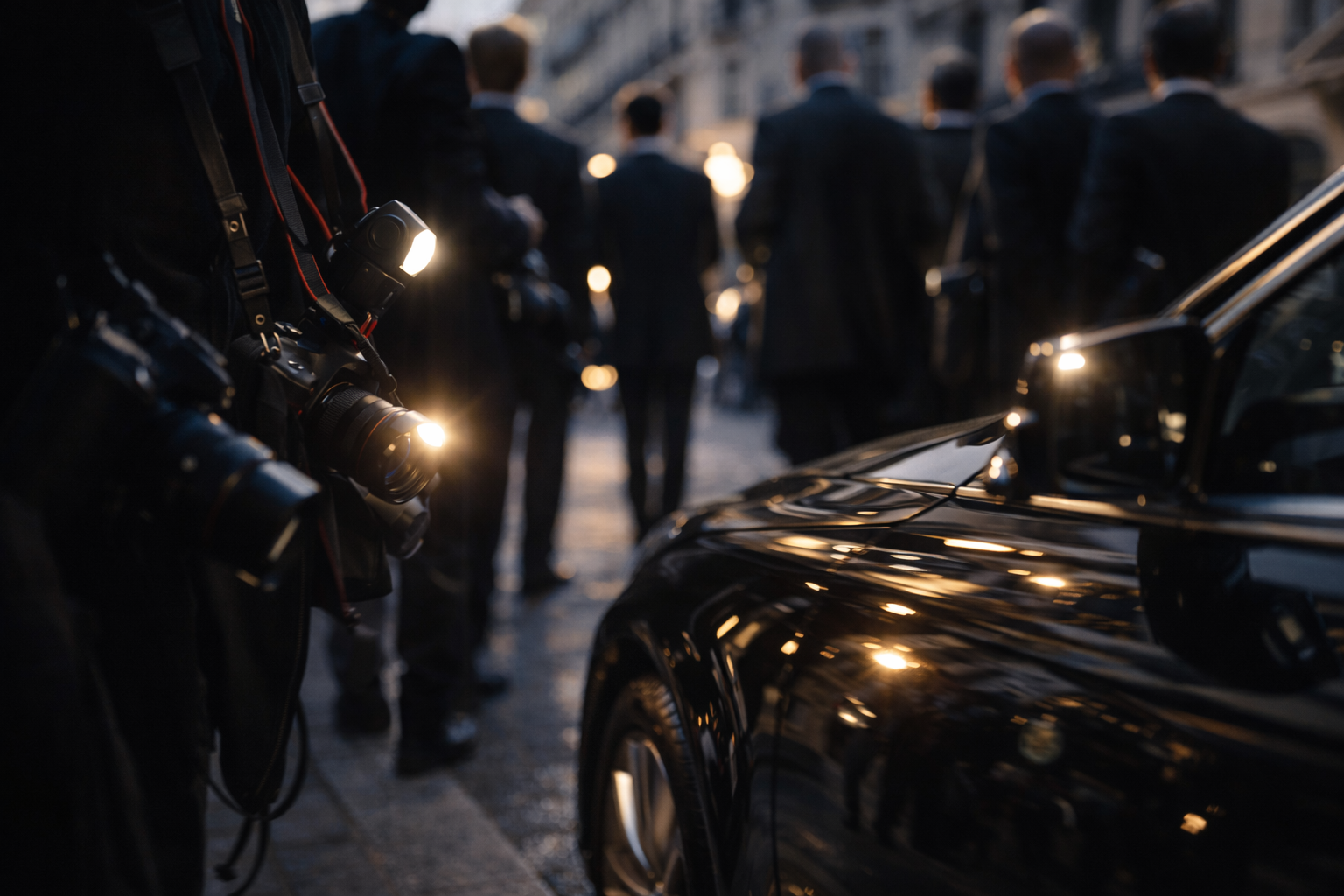
That does not mean the experience is irrelevant if you are not attending shows. In fact, it can be one of the most fun times to visit if you enjoy fashion as spectacle. You can position yourself around major luxury districts, people-watch outside key venues, feel the heightened energy around the city, and build days around fashion-adjacent experiences like exhibitions, department stores, or museum visits that suddenly feel more alive. The mistake is expecting access to the industry. The smarter move is to enjoy the city at its most self-conscious and style-saturated.
If you do travel during Fashion Week, keep your schedule loose and your expectations precise. This is not the moment for rigid restaurant plans across town or trying to “cover” the whole city. Pick one or two neighborhoods, dress with a little extra care, and allow yourself to absorb the mood. Fashion Week in Paris works best when treated as a lens, not a trophy.
Luxury Shopping in Paris: The Streets That Carry the Dream
Luxury in Paris lives in several districts, but it is not experienced the same way everywhere. Avenue Montaigne feels polished, concentrated, and highly symbolic — this is where major maisons present themselves with the kind of confidence that assumes you already know who they are. Rue Saint-Honoré feels more mixed and fashion-forward, with a broader blend of luxury labels, cult boutiques, and shoppers who seem to be building personal style rather than only chasing status. The Right Bank, more generally, is where Paris often feels most visibly luxurious.
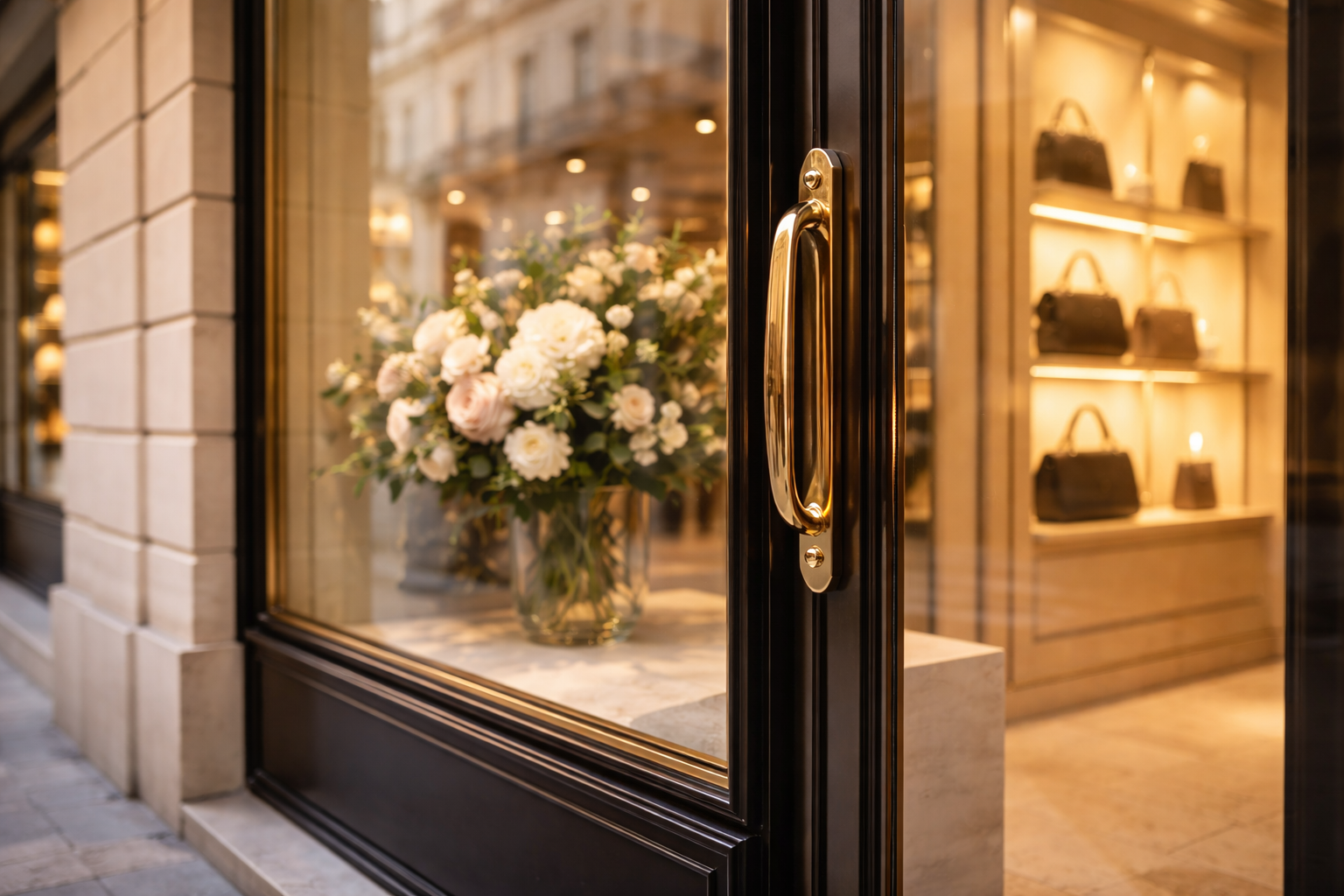
The smartest way to experience Paris luxury shopping is not to sprint from flagship to flagship. Pick one luxury zone and let it unfold slowly. Window displays in Paris are part of the experience, and department stores, perfume counters, shoe salons, and designer interiors all contribute to the emotional texture of the day. Even if you buy nothing, you are still seeing how fashion houses stage aspiration. That staging is part of Paris culture, and it deserves time.
If you do plan to shop, go early enough to enjoy the environment before fatigue sets in. Luxury districts become less charming when your feet hurt and you are carrying bags you didn’t mean to buy. The best fashion days in Paris are curated days: one serious browsing block, one beautiful meal, one recovery café, maybe one museum or exhibition. Luxury works better when it is framed, not stacked.
Designer Boutiques in Paris: Where Fashion Feels Personal Again
Flagships are impressive, but smaller designer boutiques in Paris are often where the city’s fashion identity feels most intimate. These are the places where taste becomes more specific, where buying one piece can feel more meaningful than entering a huge store with fifty brands shouting at you silently through immaculate shelves. Boutiques can also reveal a side of Paris fashion that is more editorial, more experimental, and sometimes more wearable than pure luxury branding.
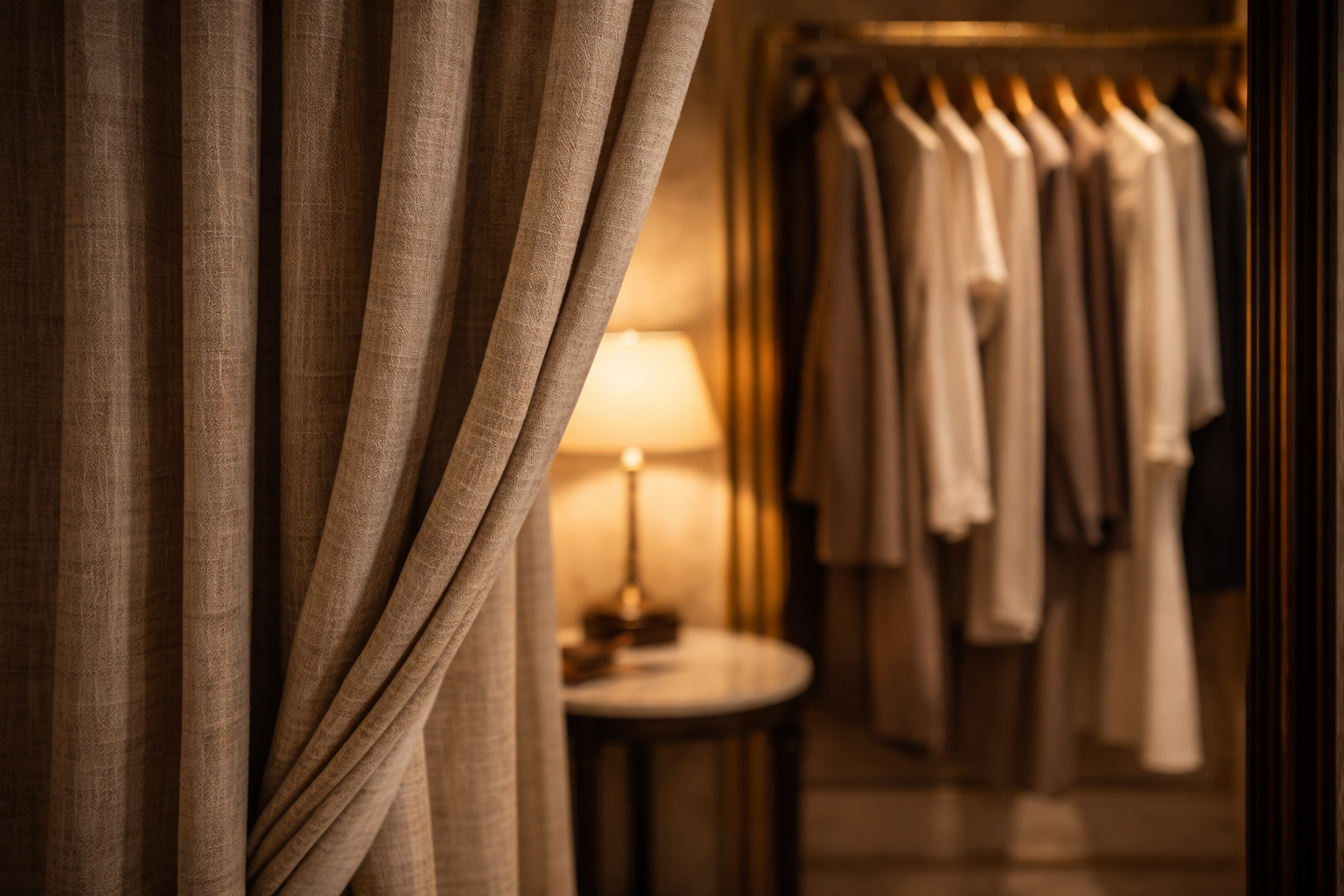
The pleasure of a boutique day is that it slows you down. You notice fabrics, cuts, lighting, curation, and the small visual decisions that make one space feel serious and another feel forgettable. In the best boutiques, the store itself becomes a lesson in style. You begin to understand how Paris fashion communicates quality without overexplaining it. That can be more useful than any trend report.
Boutique shopping also suits travelers who are interested in fashion but not necessarily in mega-brand purchases. It is an excellent way to bring home something that feels connected to the city without chasing the most famous labels. The right boutique does not only sell you clothing; it sells you a clearer understanding of what kind of taste Paris respects.
The Great Paris Department Stores: Fashion as Spectacle
Paris department stores deserve to be treated as attractions in their own right. They are not merely retail spaces; they are temples of mood, display, and controlled temptation. Galeries Lafayette and Le Bon Marché, for example, give you two different versions of fashion abundance: one more theatrical and iconic, the other often more curated and refined. Even if you never buy anything, you can easily spend an hour or two simply understanding how Paris packages aspiration for public consumption.
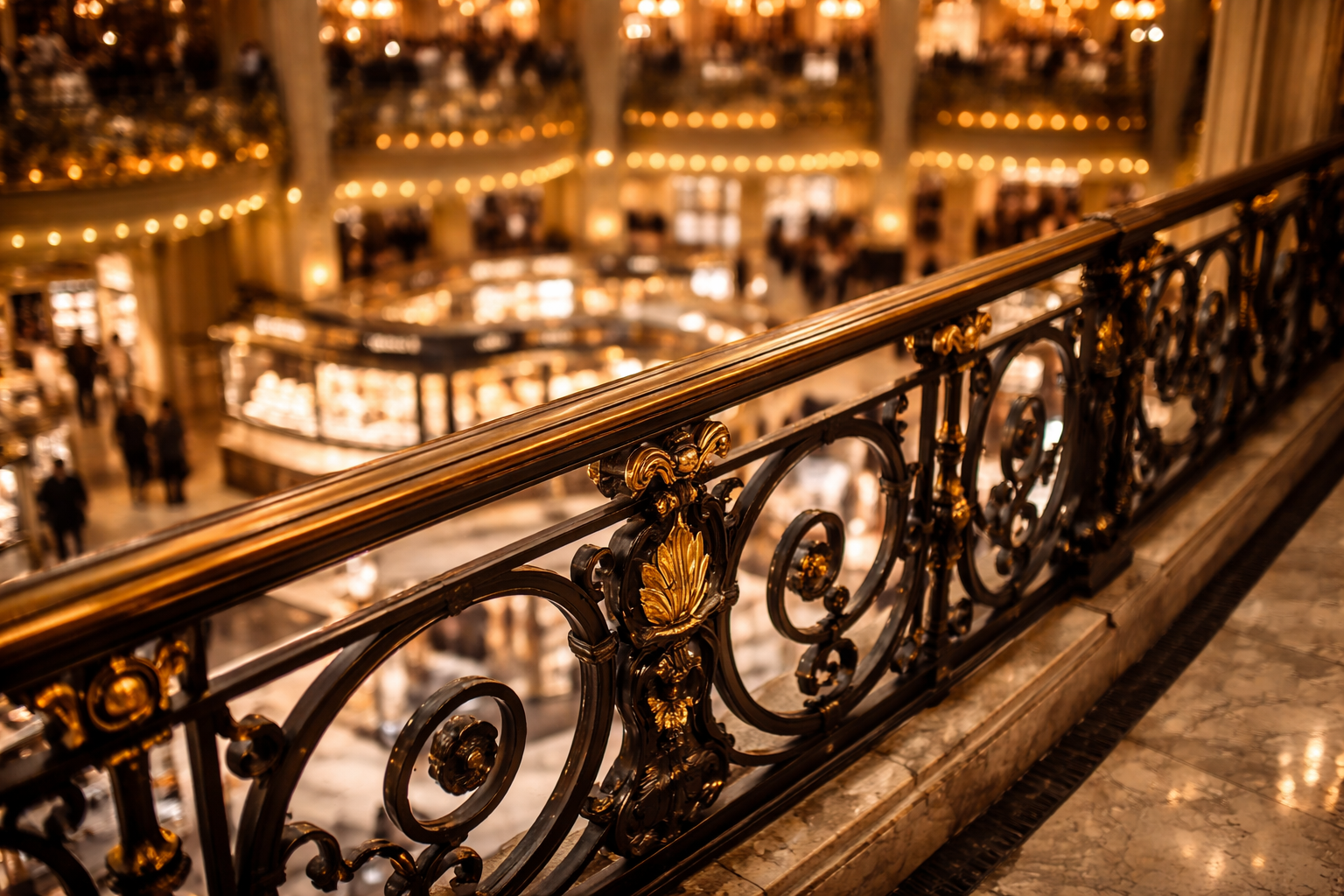
These stores are especially useful because they combine accessibility with glamour. A visitor who cannot realistically shop every luxury boutique can still experience a huge range of brands, styles, accessories, beauty counters, and visual merchandising inside one controlled environment. That makes them ideal if your fashion day needs to be efficient. They are also excellent during bad weather, since they preserve the style energy of the trip without forcing you into endless wet walking.
The key to enjoying department stores is to enter with intention. Do not try to “see everything.” Choose one or two departments that genuinely interest you — shoes, beauty, handbags, ready-to-wear, home design — and let the rest be visual texture. Paris can easily overwhelm, and department stores magnify that effect. Editing your attention is part of the fashion education.
Fashion Museums in Paris: Where Style Gets Depth
One of the best ways to keep a fashion article from becoming shallow is to include context, and this is where fashion museums in Paris become essential. Museums translate fashion from shopping into cultural history. They show construction, craft, artistic references, and the evolution of silhouettes over time, which makes the rest of the city suddenly more readable. After a strong exhibition, you notice different details in windows, coats, shoes, and archival references on the street.
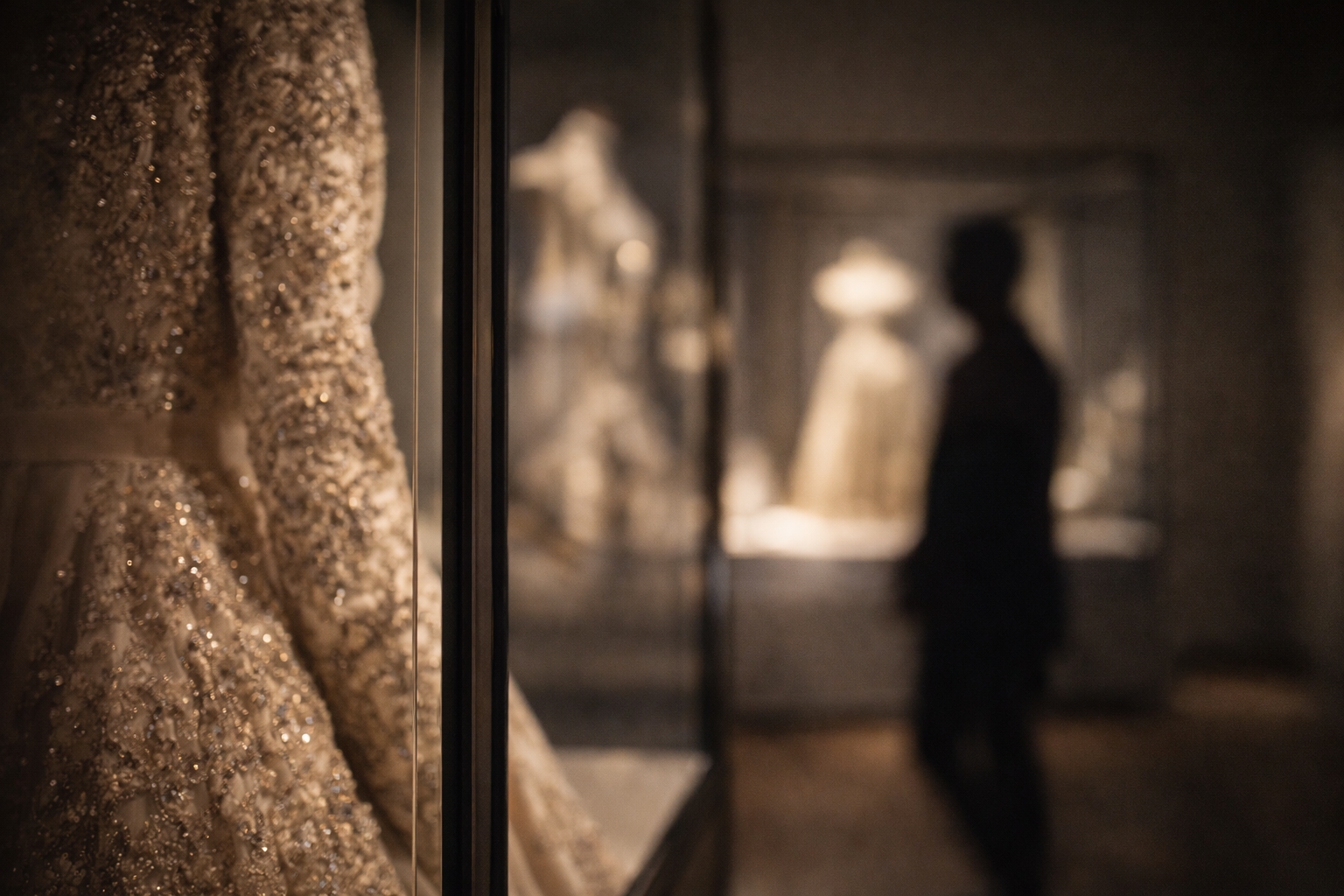
Museums also protect the trip from becoming too commercial. A fashion-focused visit to Paris should not feel like a long sales funnel. Adding one museum or fashion exhibition brings intellectual weight and visual variety to the itinerary. The Yves Saint Laurent Museum is especially valuable because it gives visitors a sense of process — studio life, sketches, materials, and the working atmosphere behind the finished image. That kind of access changes how people read luxury forever.
If you want your fashion trip to feel complete, make one museum the anchor of a day rather than an afterthought. Start with the exhibition, then move into boutiques or department stores afterward. You will shop differently once you have seen how design decisions are made, and the entire city begins to feel more coherent. This is one of the most effective upgrades you can make to any Paris fashion guide.
Before you go, check the official Yves Saint Laurent Museum Paris website for current exhibitions and visiting hours.
How to Dress for Paris So You Feel Better, Not Just More Expensive
Travelers often ask what to wear in Paris, but the better question is how to dress so the city feels easy on your body and flattering to your mood. The simplest answer is to lean into clean structure and comfort that still looks deliberate. Good shoes matter more than almost anything because Paris is a walking city, and uncomfortable glamour quickly turns into irritation. A strong coat, one reliable bag, simple jewelry, and neutral layers will take you further than a suitcase full of “special” outfits.
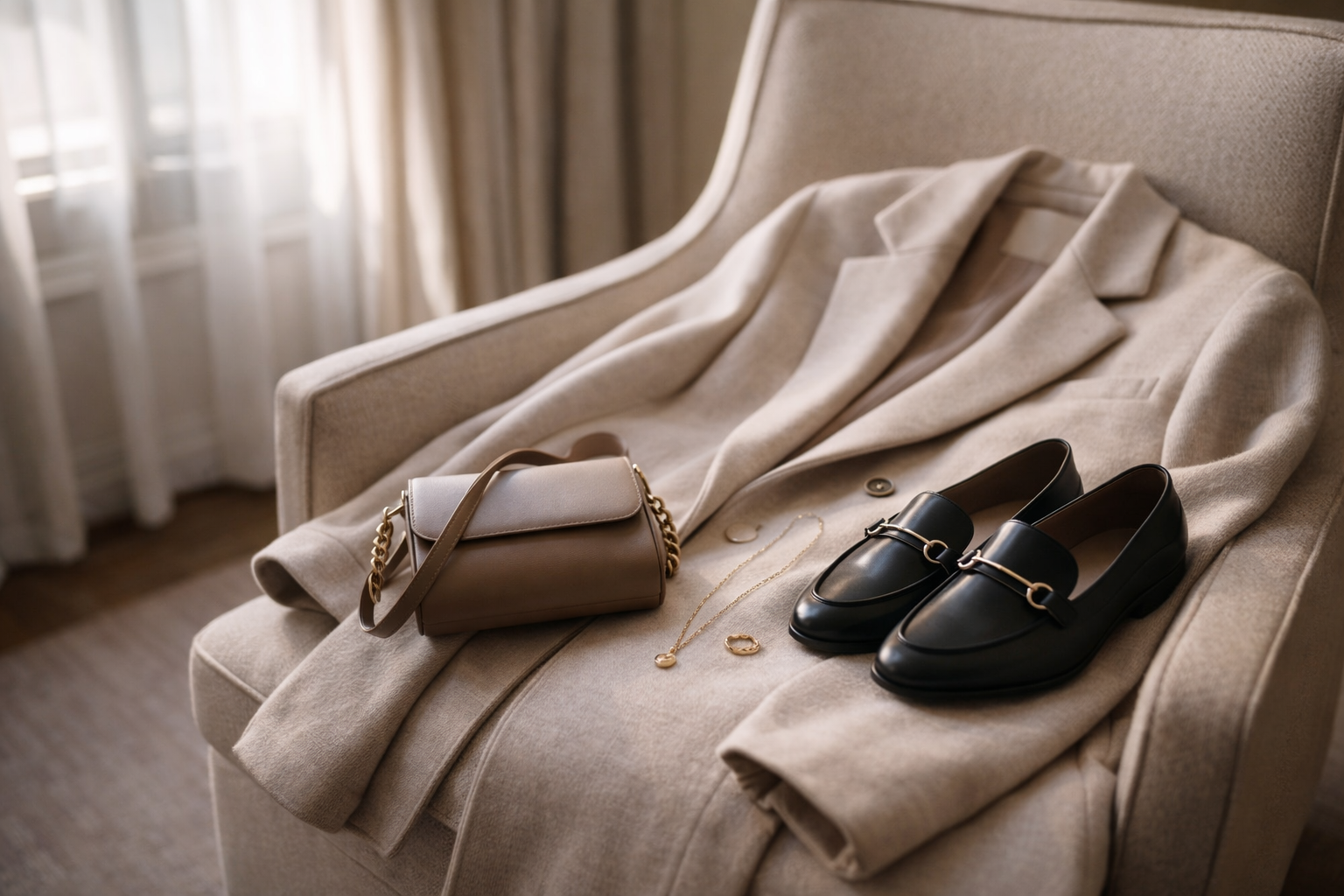
Paris style rarely rewards visible effort in the way some other glamorous destinations do. If you look as though you spent three hours styling for lunch, you can accidentally feel more costume-like than chic. The better path is to choose pieces that move well through the day: café, boutique, museum, terrace, dinner. That continuity is part of the city’s elegance. Fashion in Paris should feel lived in, not performed once for a photograph.
This is why many people feel unexpectedly good in Paris when they simplify. You do not need twenty options; you need a few intelligent ones. A fashion trip becomes more enjoyable when you are not fighting your own wardrobe. And when you feel physically at ease, you observe better, shop better, and enjoy more — which is the real point.
How to Build the Perfect Paris Fashion Day
A satisfying fashion day in Paris should have narrative shape, not just shopping volume. Morning is best for boutiques or department stores, when your attention is fresh and your patience is still high. Midday should include a good lunch somewhere that lets you sit, look around, and enjoy the visual social life of the city. Afternoon can then shift into a museum, a second shopping zone, or a slower browsing chapter depending on your energy. Evening should feel polished but not overbooked: one good dinner, maybe a hotel bar, maybe a slow walk through a beautiful district.
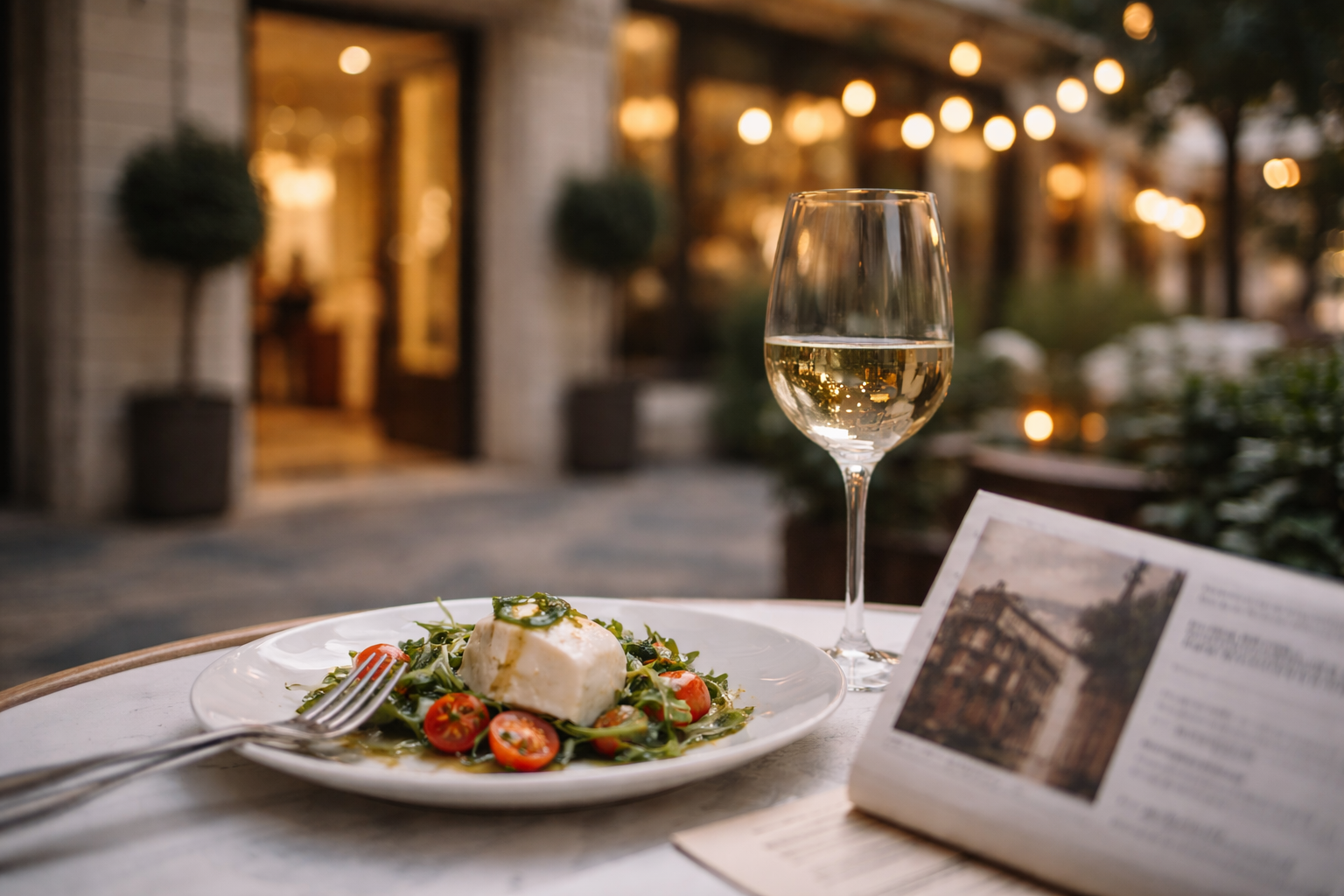
This structure matters because fashion travel is more exhausting than it looks. Standing, browsing, deciding, comparing, carrying, and visually processing hundreds of objects drains attention quickly. If you do not build in pauses, the city stops feeling stylish and starts feeling expensive. Paris rewards people who rest well between pleasures. This is true for eating, for culture, and especially for fashion.
The best version of a fashion day usually includes one luxury block, one more personal or curated block, and one contextual block like a museum or a café. That mix gives you aspiration, individuality, and depth all in one sequence. It also makes the day feel like a story, which is what readers remember and what keeps them on the page.
If you want that evening to feel more refined than random, this contemporary France travel guide helps you shape a smoother Paris night.
Conclusion: Paris Fashion Is Not Just Something You Buy
Fashion in Paris is not limited to catwalks or boutiques. It lives in posture, pacing, architecture, interiors, and that specific French ability to make restraint feel luxurious. The city teaches style through repetition: window after window, coat after coat, café after café, until you begin to understand that elegance is less about accumulation and more about editing. That is why even people who do not buy very much can leave Paris feeling as though they learned something real.
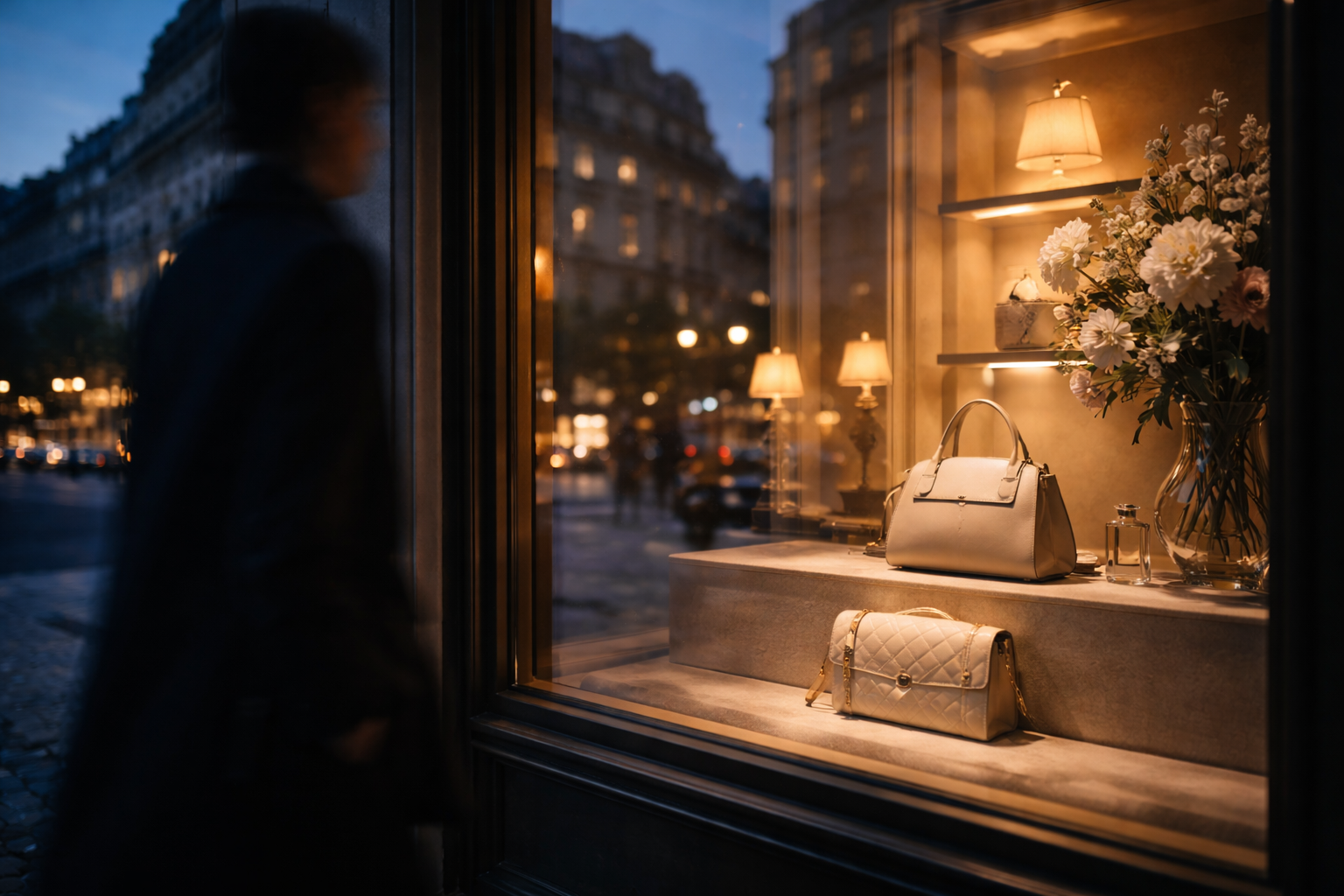
A strong Paris fashion guide should therefore do more than point to expensive streets. It should help you understand what the city is trying to show you. If you pace the trip well, combine luxury with curation and context, and allow some of the experience to remain atmospheric rather than transactional, Paris becomes much more than a shopping destination. It becomes a place that sharpens your eye — and once that happens, the city follows you home.