
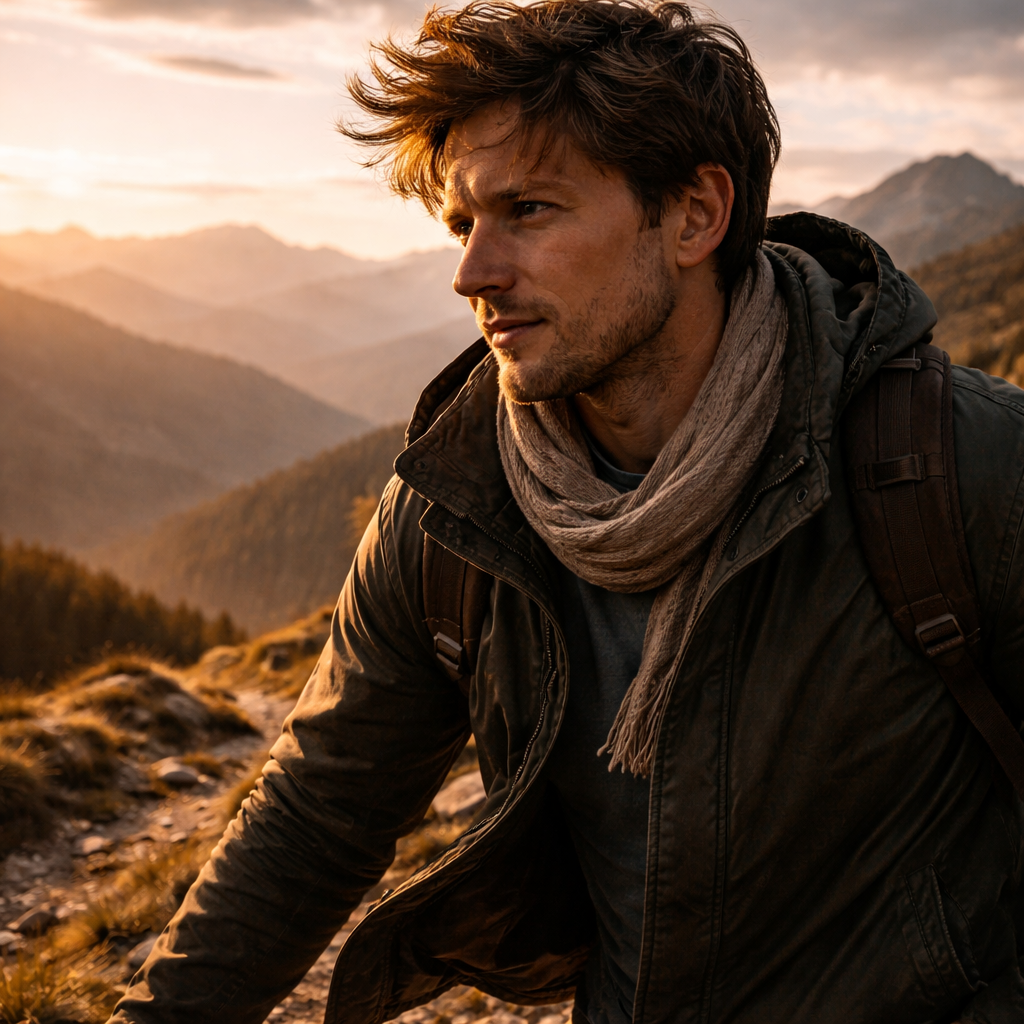
Poland is rarely marketed as an adventure destination first. Most travelers come for old towns, castles, history, and food, then discover that the country also has a far wilder side hiding behind that cultural image. It appears in remote mountain ridges, stormy Baltic landscapes, underground cave systems, and places where the terrain feels less polished and more elemental than many visitors expect. Once you begin looking at Poland through that lens, the country changes. It stops feeling like a city-break destination with a few scenic extras and starts feeling like a place where movement, weather, and landscape can shape the whole trip.
That is why this Poland adventure travel guide is built around experiences rather than generic scenic praise. The goal is not to tell readers that Poland has mountains, coast, and caves. They already know that in a vague way. The goal is to show them which parts of Poland feel genuinely adventurous, what kind of traveler each place suits, and how to build a route that feels exciting without turning into a physically draining mess. Adventure travel works best when it has contrast and structure, and Poland has enough regional variety to make that easy if you plan it well.
This guide focuses on four very different kinds of adventure: the remoteness of the Bieszczady Mountains, the wind-and-water energy of the Hel Peninsula, the underground challenge of Wielka Śnieżna Cave, and the surreal subterranean beauty of the Wieliczka Salt Mine. Together, they show a version of Poland that feels much more dynamic than the usual tourist narrative. And that is exactly why the topic works.
If you also want a broader look at Poland’s scenic landscapes, outdoor regions, and nature-focused travel ideas, see this guide.
Why Poland Works Surprisingly Well for Adventure Travel
Poland works for adventure because it combines real landscape variety with relatively manageable logistics. You do not need to cross an entire continent to move from mountains to coast, or from dense natural environments to underground worlds. That matters because many travelers want an active trip, but they do not want a full expedition with complicated transport and punishing transfers every two days. Poland gives them a middle ground: enough wilderness and physical reward to feel memorable, but enough infrastructure to keep the journey realistic.
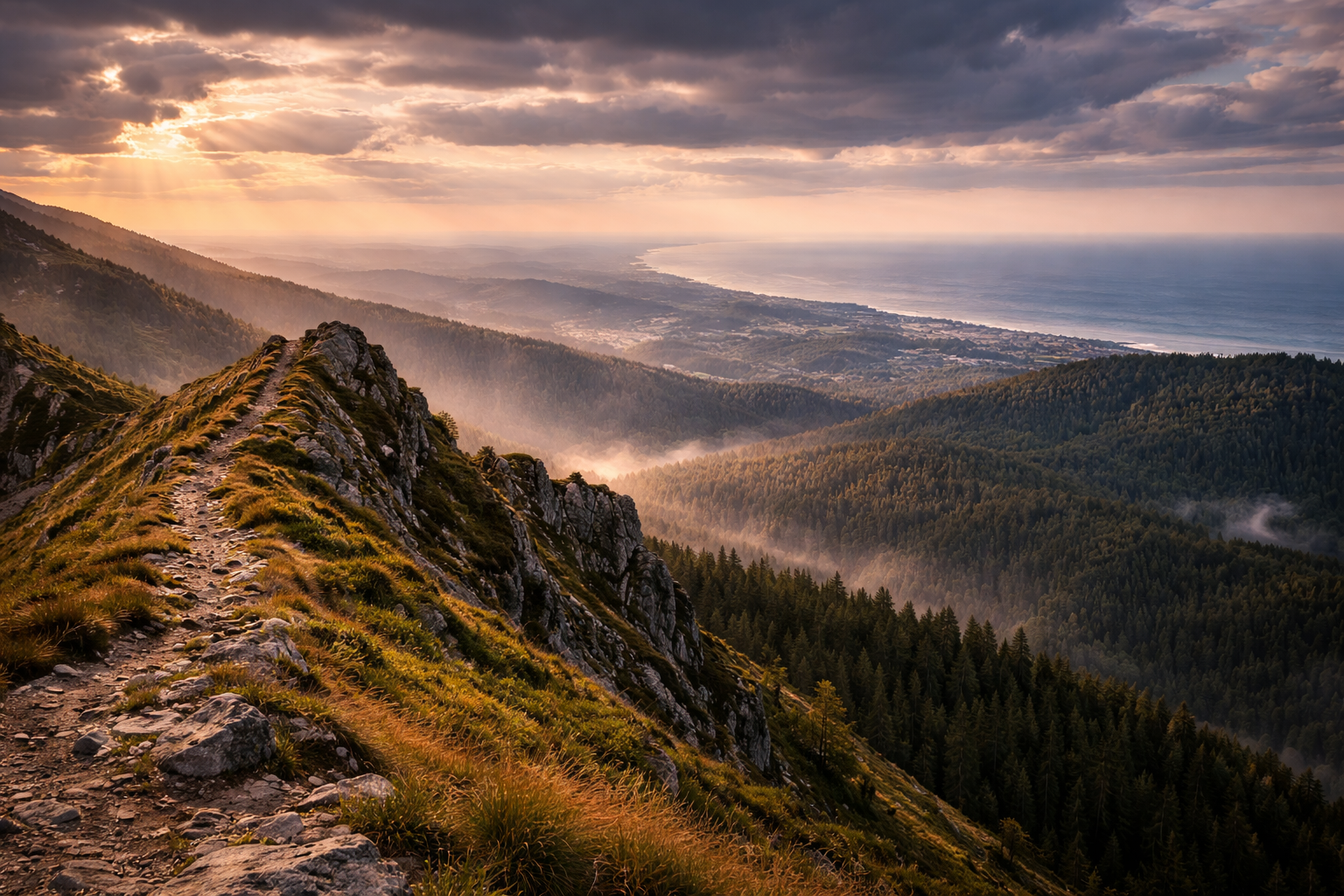
Another advantage is contrast. Polish adventure is not one note repeated across the country. The southeast feels remote and rugged, the Baltic coast feels exposed and kinetic, and the underground chapters bring in something entirely different — cool, mineral, enclosed, and almost otherworldly. This variety makes the trip feel like a sequence of chapters rather than a single repeated “outdoor” mood. A good Poland adventure travel guide should always lean into that, because contrast is what makes the route interesting.
It also helps that Poland’s adventure regions often still feel underexplored compared with equivalent places elsewhere in Europe. That gives the trip freshness. Readers are not only chasing famous postcard locations. They are discovering parts of the country that feel more personal, more physical, and less over-scripted. For a travel article, that is gold.
Bieszczady Mountains: Poland’s Best Region for Real Wilderness Mood
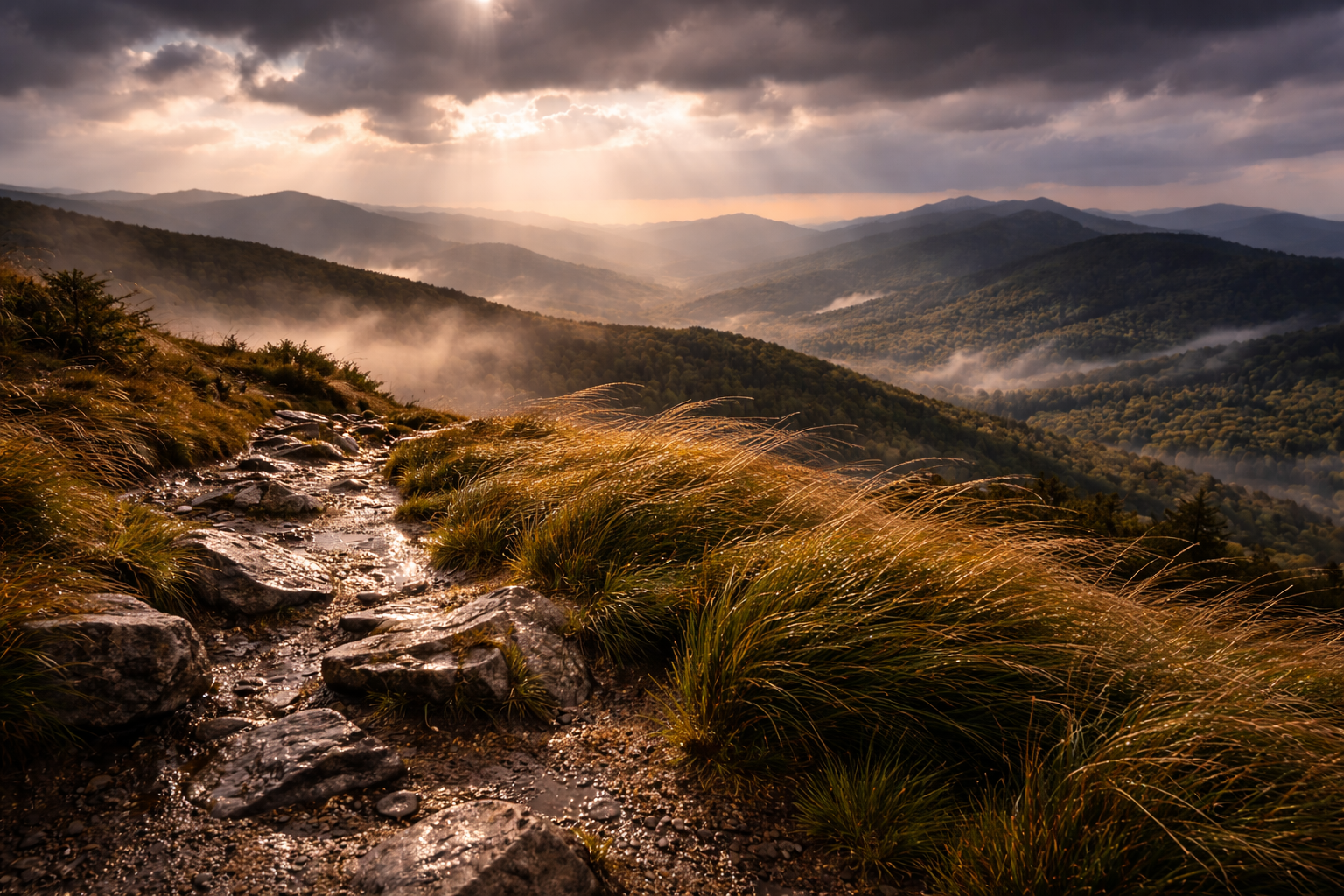
If one place represents untamed Poland better than any other, it is the Bieszczady Mountains. This far southeastern region has a reputation that goes beyond scenery. People speak about Bieszczady almost as a psychological landscape — remote, spacious, quiet, and just wild enough to feel like you have stepped to the edge of something larger than daily life. That atmosphere is what makes the region so powerful. It is not about the most dramatic altitude in the country. It is about mood, distance, and the sense that the land still sets the tone.
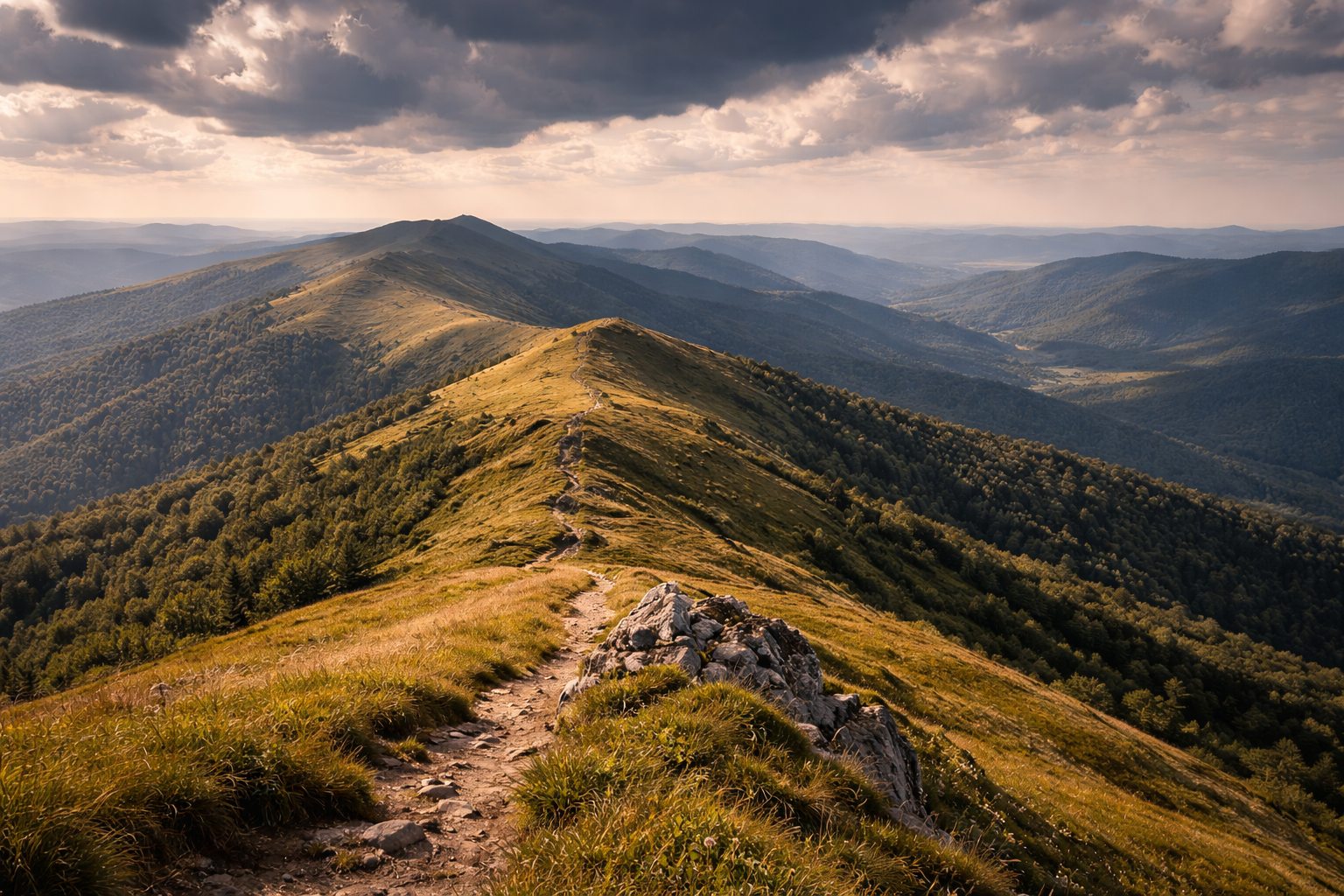
For readers interested in Bieszczady Mountains hiking, the appeal lies in openness rather than spectacle overload. Rolling ridges, forested slopes, long views, and less crowded trails create a different kind of mountain experience from the high-drama alpine model. You are not necessarily climbing for bragging rights. You are walking to feel space, weather, and remoteness. That gives Bieszczady an emotional strength that more famous mountain regions sometimes lose under the pressure of mass tourism.
The region is especially good for travelers who want nature to feel immersive rather than convenient. It rewards slower pacing, longer walks, and at least a couple of days rather than a quick in-and-out stop. This is not the place to “tick off” one hike and leave. It is the kind of region that becomes the identity of a whole trip chapter. That is exactly why it deserves a central place in a stronger Poland adventure travel guide.
Hel Peninsula: Wind, Water, and the Baltic at Its Most Alive
The Hel Peninsula gives Poland a completely different kind of adventure energy. Where Bieszczady is about inland remoteness and mountain quiet, Hel is about exposure. Wind moves the whole place. The sea defines it from both sides. The landscape feels narrow, open, and slightly restless in the best possible way. This is why the peninsula is so attractive to readers who want movement and elemental atmosphere rather than forest solitude.
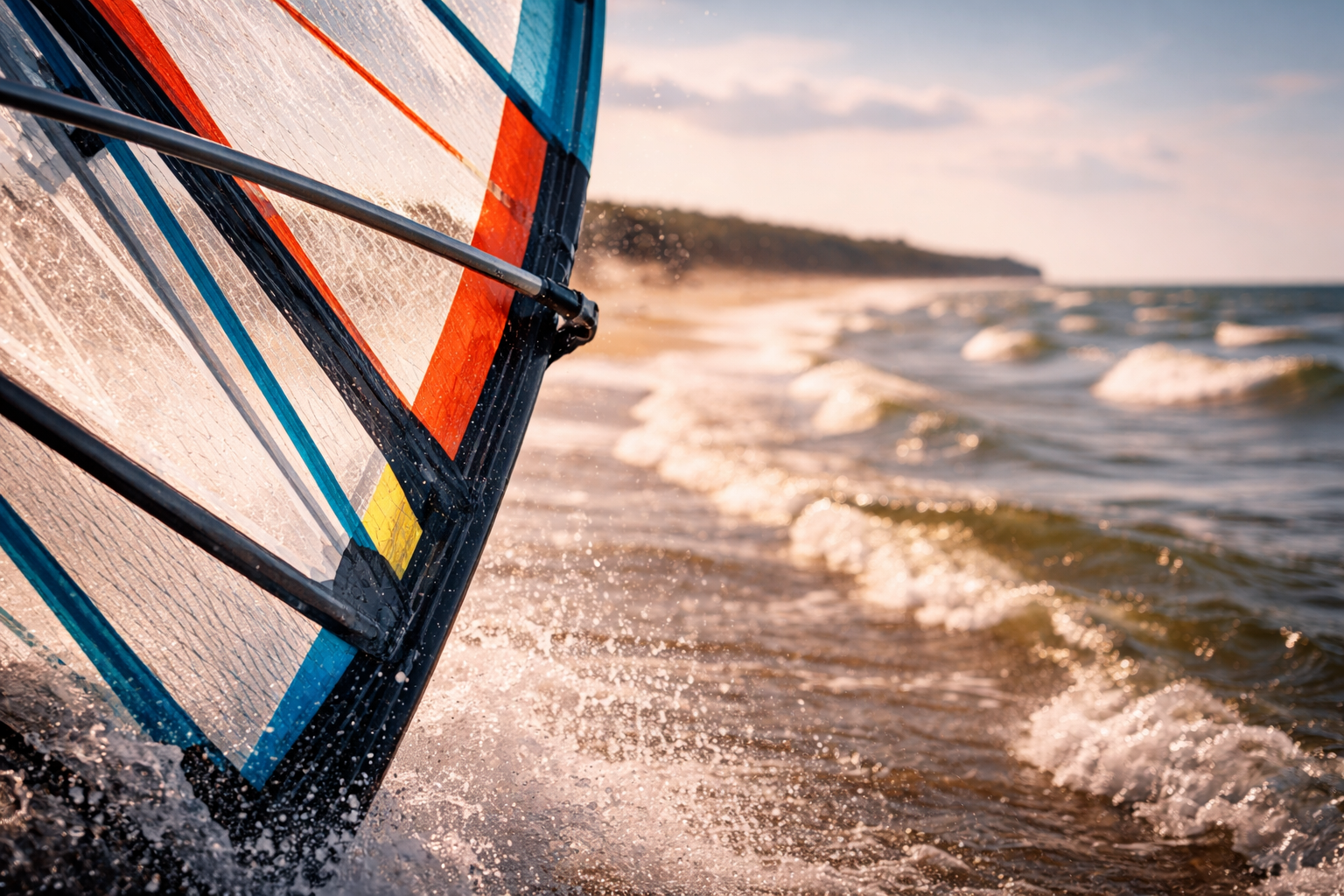
For many travelers, Hel Peninsula windsurfing is the clearest entry point into this world. The conditions, the strip-of-land geography, and the local sport culture make it one of Poland’s most distinctive active destinations. Even readers who are not advanced windsurfers can understand the appeal quickly: the place feels built for wind. That alone gives it strong visual and emotional identity. It is also useful for a travel guide because it broadens the Polish adventure story beyond mountains and hiking.
The Hel Peninsula also works well because it lets adventure sit next to lighter pleasures. A physically active day on or near the water can still end with fish, sunset light, and a slower coastal rhythm. That combination matters. Adventure destinations become more attractive when they do not demand constant intensity. Hel succeeds because it offers the thrill of weather and water without losing the relaxed Baltic atmosphere that makes the coast enjoyable.
For practical inspiration on coastal activities and travel along this part of the Baltic, visit this official tourism resource.
Wielka Śnieżna Cave: The Most Serious Adventure in the Article
If Bieszczady is the emotional wilderness chapter and Hel is the kinetic coastal one, Wielka Śnieżna Cave is the section that brings real underground seriousness into the guide. This is not the kind of cave visit meant for casual sightseeing. The reason it works in the article is precisely because it sharpens the adventure angle. It reminds readers that Poland’s most interesting landscapes are not only on the surface. Some of them descend into colder, tighter, more demanding environments where the tone shifts from scenic to technical.
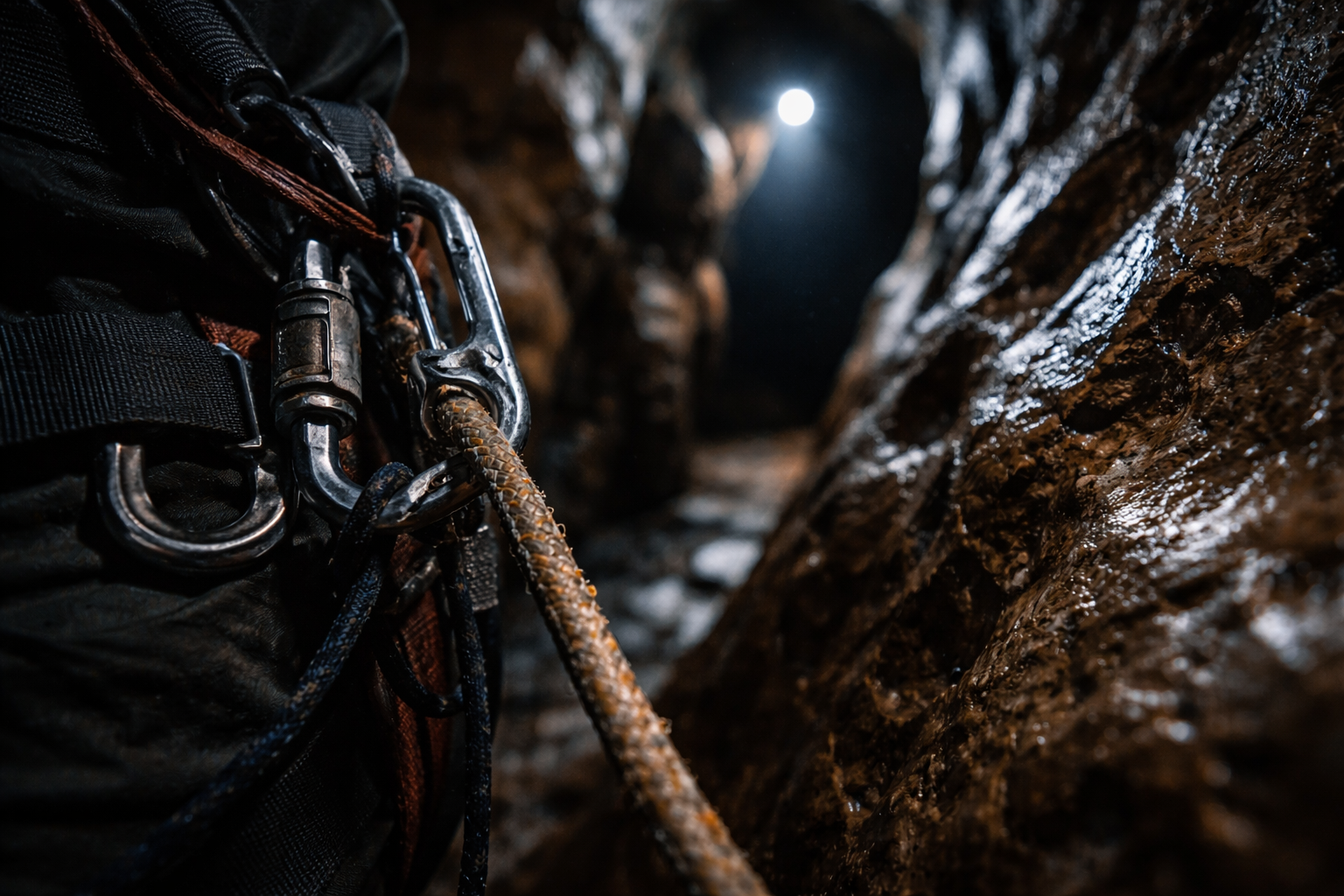
For travel writing, the cave is useful because it changes scale and texture completely. Narrow passages, underground water, darkness, descent, and a more physically constrained environment create a totally different emotional experience from open-air hiking or coastal travel. That contrast is powerful. It gives the route depth and makes the whole article feel less predictable. Not every traveler will actually attempt something like this, but they will absolutely understand its importance as part of Poland’s adventure identity.
The key is to position Wielka Śnieżna honestly. It is not a mainstream stop for everyone, and it should not be sold as such. But as part of a Poland adventure travel guide, it strengthens the piece by showing that the country can support more technical, more specialized forms of exploration too. It adds edge — and edge is exactly what the original “dangerous destinations” topic was trying, a bit clumsily, to achieve.
Wieliczka Salt Mine: The Adventure That Feels Accessible but Still Surreal
Wieliczka is the perfect counterweight to the more physically demanding parts of the guide. It keeps the underground theme, but turns it into something that more readers can realistically experience. The Wieliczka Salt Mine tour is one of those rare travel experiences that manages to feel both famous and genuinely strange. Descending into the mine, moving through chambers carved from salt, and seeing spaces like the Chapel of St. Kinga gives travelers the sensation of entering a world that should not logically exist, yet somehow does.
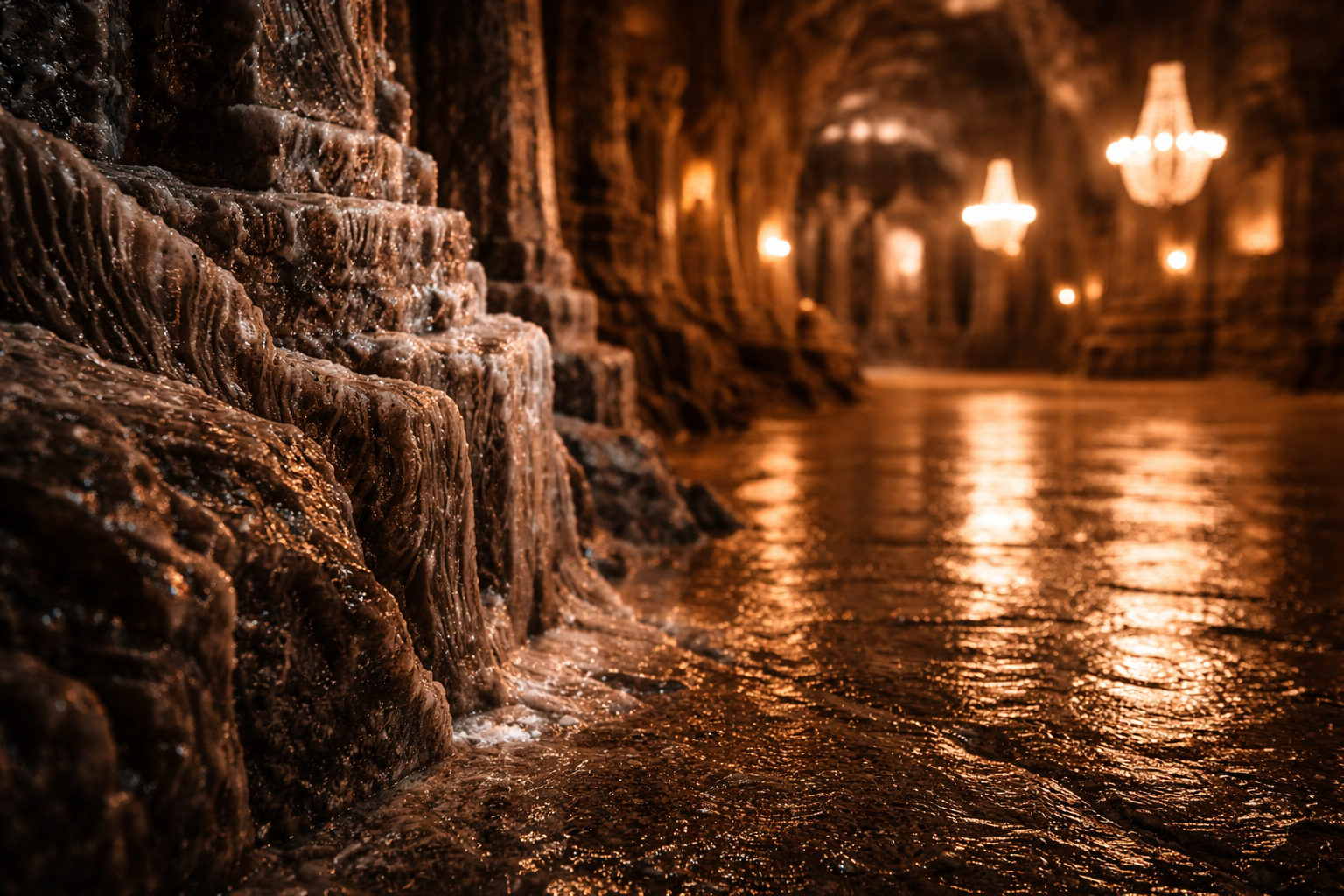
What makes Wieliczka especially useful in this article is that it expands the meaning of adventure. Not all adventure has to be about danger or endurance. Sometimes it is about scale, atmosphere, and the uncanny pleasure of seeing something completely outside normal daily life. Wieliczka delivers that beautifully. It feels subterranean, crafted, historical, and almost theatrical, which makes it a very different kind of thrill from mountains or wind sports.
It is also highly practical in route terms. Wieliczka can be added to a southern Poland itinerary without creating chaos, especially for readers already planning Kraków. That makes it one of the easiest “adventure chapters” to integrate into a broader trip. A strong Poland adventure travel guide needs at least one experience like this: intense in atmosphere, accessible in logistics, and memorable even for travelers who are not hard-core outdoor people.
How to Choose the Right Adventure Chapter for Your Travel Style
Not all adventure travelers want the same thing, and the article gets much stronger once that is said plainly. Readers who want solitude, long views, and nature that feels emotionally raw will usually respond best to Bieszczady. Readers who want sport, movement, and coastal energy are more likely to connect with Hel. Readers drawn to technical challenge or unusual underground environments will be most intrigued by Wielka Śnieżna. And readers who want the thrill of descent and subterranean scale without specialist demands will likely get the strongest payoff from Wieliczka.
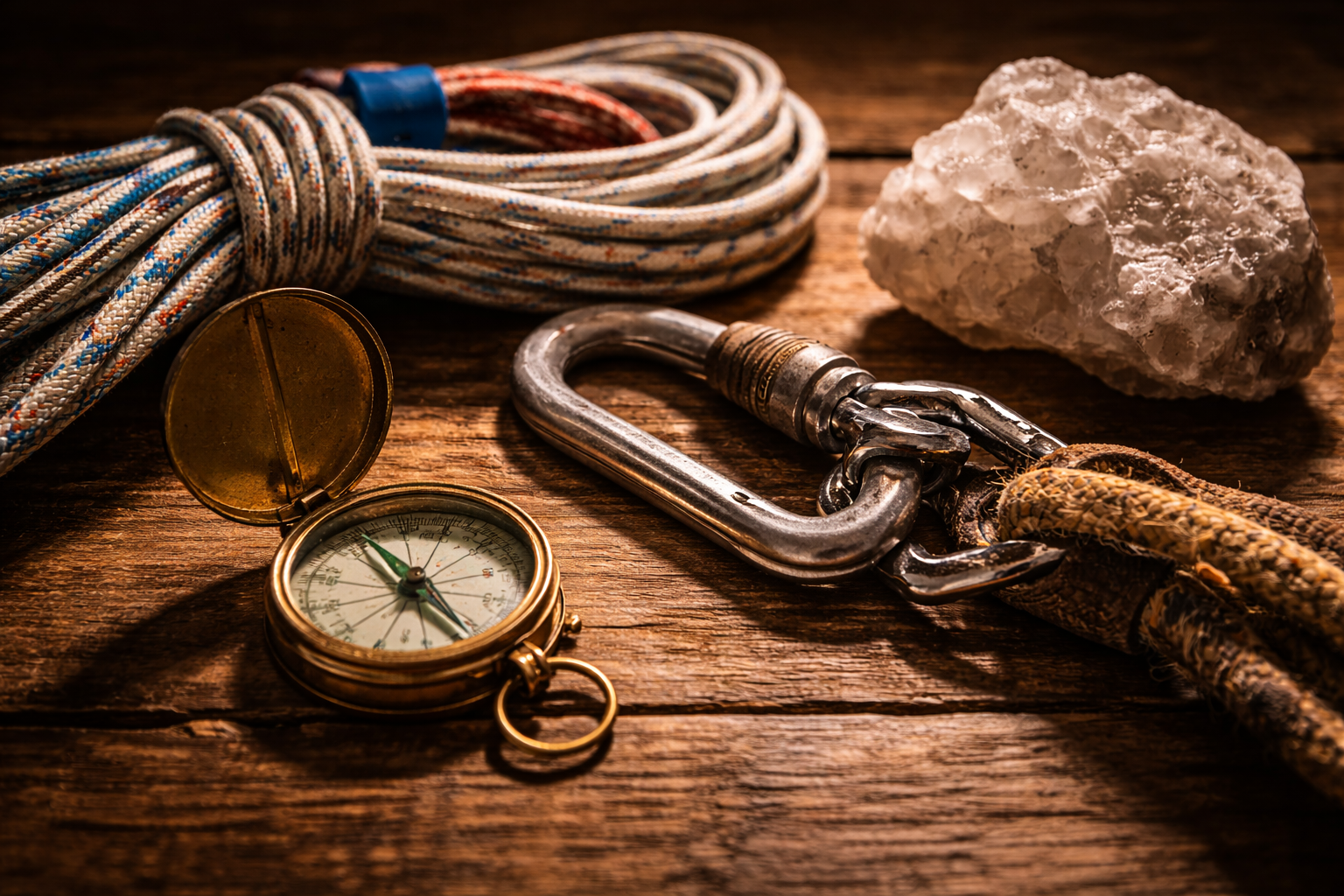
This matters because disappointment usually comes from mismatch, not from the destination itself. A traveler wanting soft scenic outdoor days may hate the idea of technical cave adventure. A traveler craving more action may find a passive scenic stop too gentle if it is sold as “thrilling.” A good Poland adventure travel guide should therefore work like a filter. It should help readers choose which kind of “thrill” they actually mean before they start booking.
It also helps the whole route design. A trip built around Bieszczady plus Kraków will feel very different from one built around Hel plus Gdańsk, and different again from a southern route that pairs Wieliczka with more active mountain-style travel. Once readers see those possibilities clearly, the article stops being inspiration only and starts becoming planning material.
How to Build an Adventure Trip in Poland Without Burning Out
The easiest way to ruin an active trip is to treat every day as though it needs to be extreme. Poland works much better when intensity and recovery alternate. A strong hike or outdoor day in Bieszczady should be followed by a softer local day, not by an immediate six-hour transfer and another demanding activity. A windy, active day on the Hel Peninsula feels better when the next morning is slower. Underground experiences, especially cave or mine visits, also have their own kind of fatigue. They need space around them.
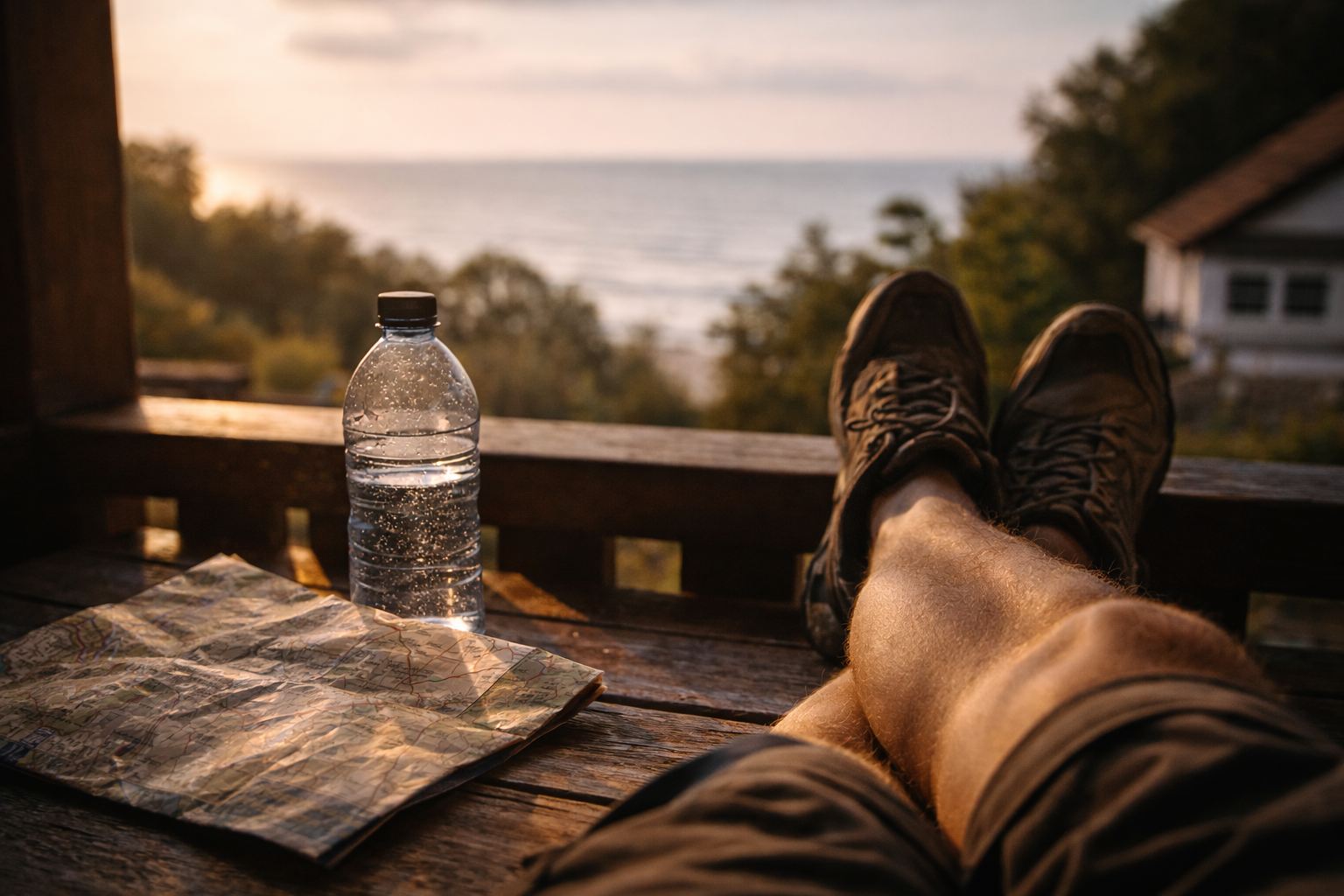
This kind of pacing is not only practical; it improves the emotional tone of the journey. Adventure becomes more memorable when the traveler still has enough energy to enjoy the evening, notice the landscape, and absorb what happened. Otherwise the trip turns into physical administration. Poland is especially good at avoiding that because its adventure destinations often sit near places with slower pleasures — village meals, coastal walks, old-town evenings, or simply scenic quiet.
A good guide should say this directly: readers do not need to prove themselves every day. They need one or two real highlights and enough space for those highlights to feel distinct. Adventure travel is strongest when it is shaped, not when it is piled up.
A Better Angle Than “Dangerous Poland”
The original theme of “dangerous destinations” sounds dramatic, but it is weaker than it looks because “danger” is not really what makes these places worth visiting. Bieszczady is compelling because of wilderness mood, not because it is dangerous. Hel is attractive because of wind, water, and atmosphere, not because it threatens people. Wielka Śnieżna is genuinely more serious, but even there, the travel value comes from challenge and underground mystery rather than from danger as a marketing word. Wieliczka, obviously, is about wonder.
That is why shifting the article into a proper Poland adventure travel guide is not only cleaner — it is much more useful. It lets the piece stay exciting without sounding forced. It also makes the article more evergreen, because readers looking for adventure, wild regions, or active travel in Poland are much more likely to engage than readers searching for “dangerous destinations” in an abstract sense. Adventure has better travel intent, better internal-linking potential, and better long-term value.
And importantly for your content structure, it also helps you avoid repeating what you already used in the nature article. By removing Białowieża and Tatras, the story becomes fresher and more focused. That alone makes the rewrite worth doing.
Conclusion: Poland Is More Adventurous Than Its Reputation Suggests
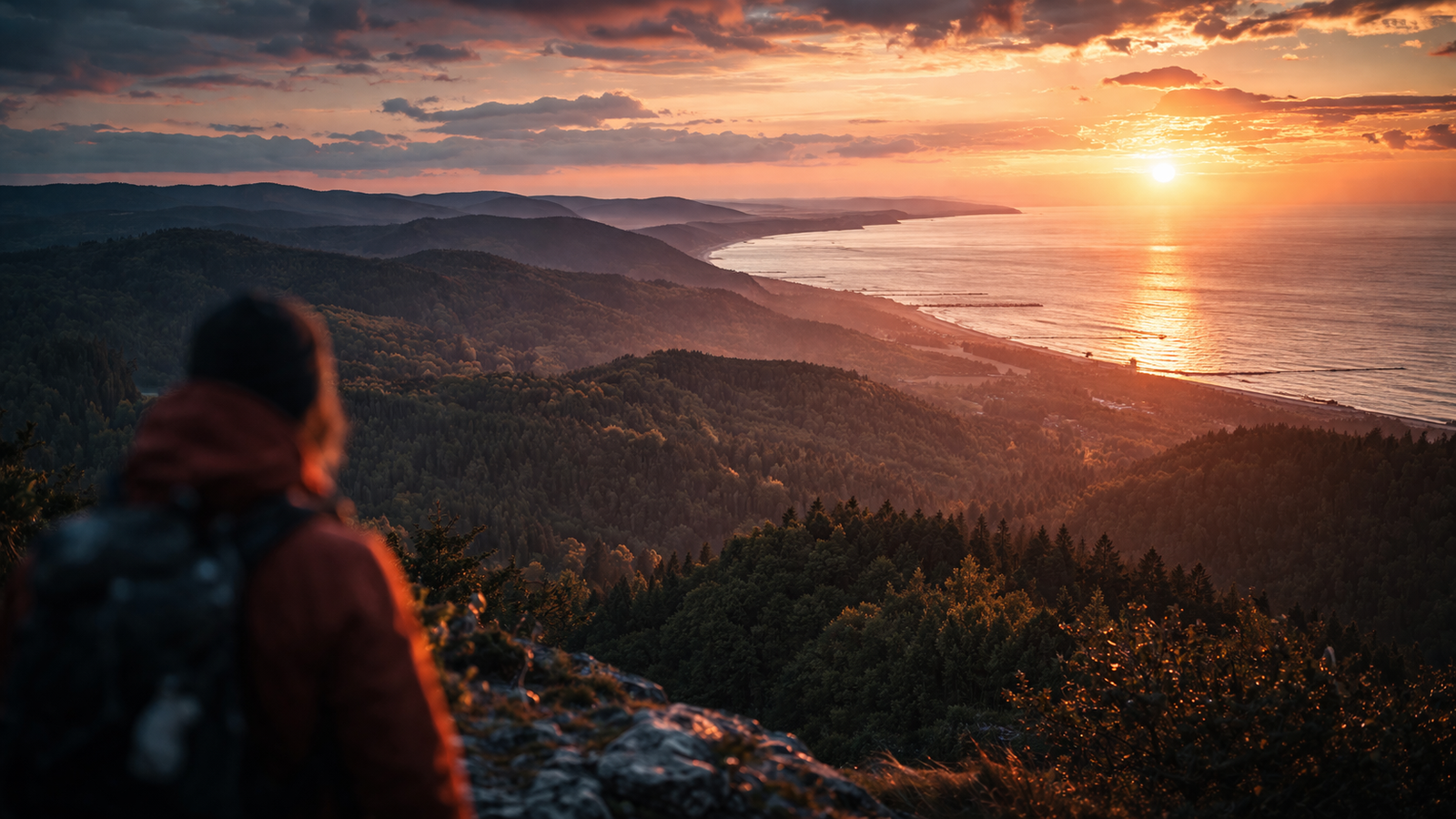
Poland may not market itself as aggressively as some countries do when it comes to adventure, but that is part of its appeal. The country still has room to surprise people. Bieszczady gives it wild remoteness, Hel gives it wind and sea energy, Wielka Śnieżna gives it underground challenge, and Wieliczka gives it one of the most unusual accessible subterranean experiences in Europe. Together, they create a version of Poland that feels more textured, more physical, and more exciting than the usual city-and-history image.
That is why the stronger version of this topic is not about danger. It is about range, mood, and discovery. A good Poland adventure travel guide should help readers see that Poland can deliver far more than they expect — not through exaggerated risk, but through landscapes and experiences that feel genuinely alive. And that is a much better reason to go.