
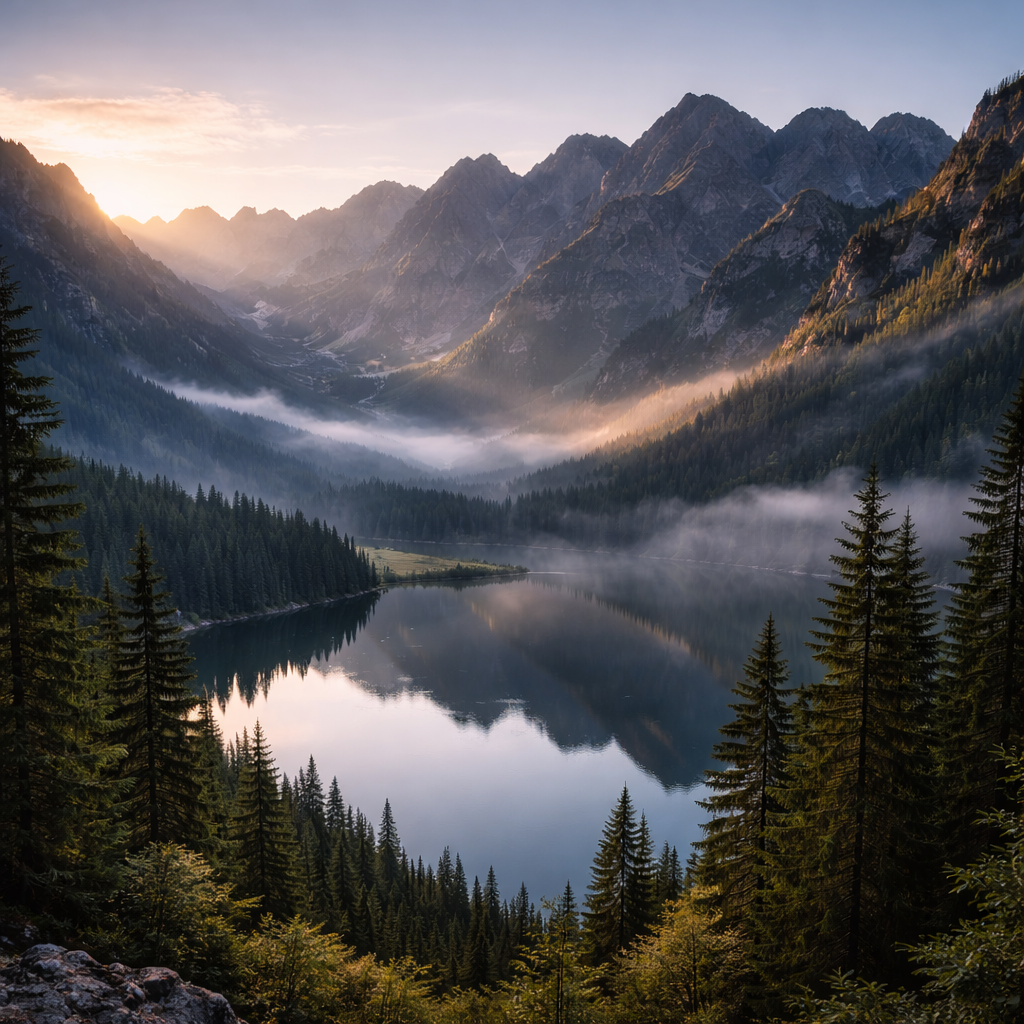
Poland is rarely the first country people name when they think about nature travel in Europe. They think of cities, history, old towns, or maybe food before they think of wild landscapes. That is exactly why Poland can be such a pleasant surprise. The country offers a broader range of natural experiences than many travelers expect: mountain scenery in the south, lake districts in the northeast, ancient forests in the east, and a Baltic coastline that feels softer and more spacious than the Mediterranean version of a beach trip. Once you start planning around those contrasts, Poland stops feeling like a city-break destination with a few parks and starts feeling like a genuinely strong nature itinerary.
That is why this Poland nature travel guide is not built as a simple list of “beautiful places.” Most travelers do not need another vague article telling them that mountains are scenic and lakes are peaceful. They need help choosing what kind of landscape actually fits their trip. Do they want a hiking chapter? A slow lake holiday? Wildlife and old forest atmosphere? A breezy coastal reset after cities? Poland can do all of that, but not all in one rushed loop. The best route comes from knowing what kind of nature mood you want.
This guide is designed to make that choice easier. Instead of flattening Poland into one “green” destination, it breaks the country into its strongest natural identities and shows how each one works in a real itinerary. Some regions are for movement, some for quiet, some for scenery, and some for the feeling of stepping into a much older Europe. Once you see those roles clearly, Poland becomes much easier to plan — and much more exciting to imagine.
Why Poland Is Better for Nature Travel Than Many People Realize
Poland works so well for nature travel because its landscapes are varied without feeling geographically impossible. You can build a trip around mountains, lakes, forests, or coast without needing expedition-level planning or endless transfers. That matters because many travelers want natural beauty, but they do not necessarily want a hardcore wilderness holiday. Poland gives them the middle ground: strong scenery, real ecological richness, and enough infrastructure to keep the trip comfortable. In practice, that means nature can fit naturally into a broader route instead of replacing it.
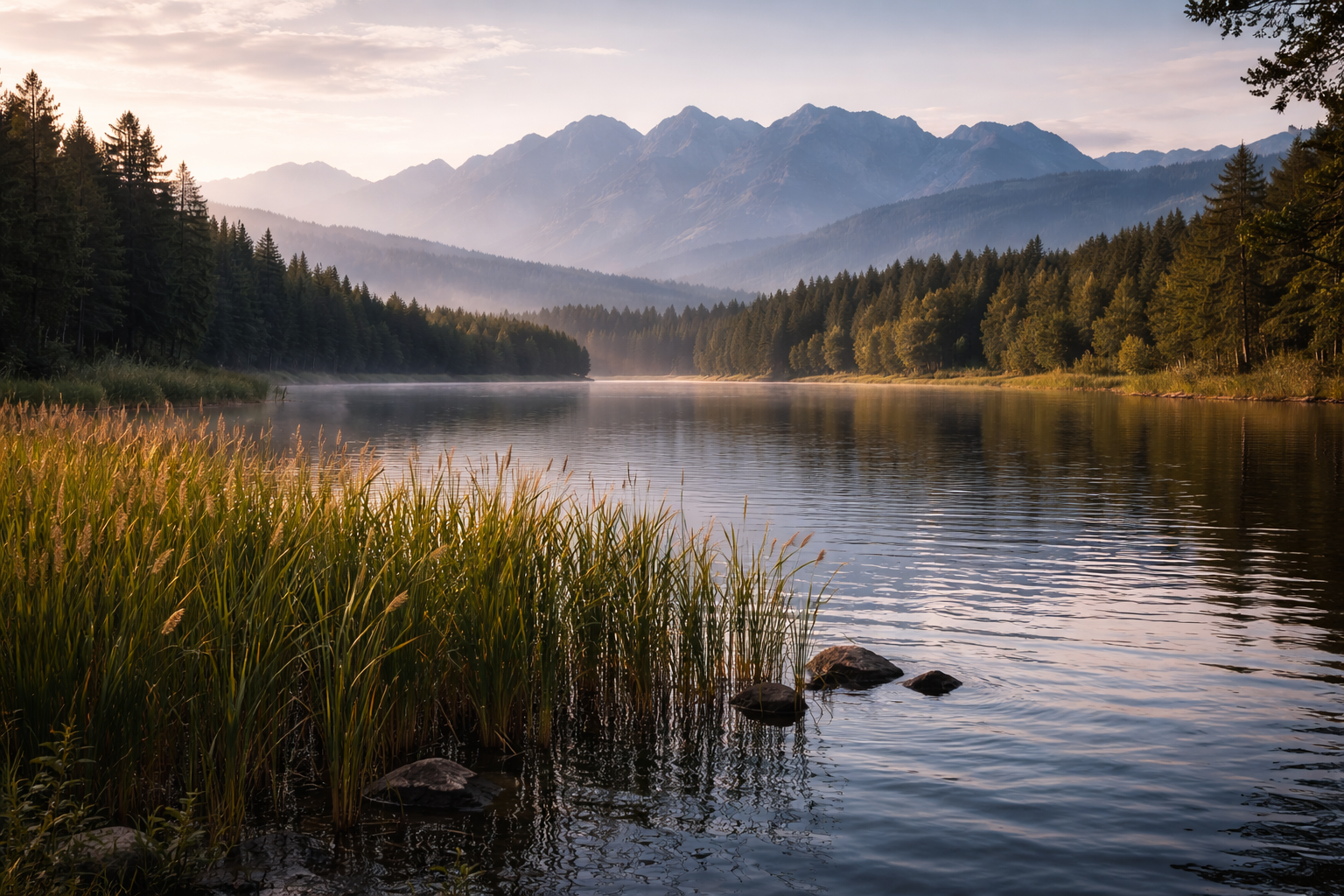
Another advantage is contrast. The country does not repeat the same visual language everywhere. The Tatra Mountains Poland chapter feels completely different from the Masurian Lake District, and both feel different again from Białowieża Forest or the Baltic coast Poland. This helps the trip stay fresh, because each region answers a different desire. Mountains are for effort and views, lakes for softness and water, forests for atmosphere and wildlife, coast for light and space. Poland’s natural identity is stronger once you stop treating it as one thing.
This is also why a travel guide angle works better than a generic scenic overview. Readers need choices, not praise. They want to know where to go for hiking, where to slow down, where to feel wilderness, and where to add a restorative chapter after cities like Kraków, Warsaw, or Gdańsk. Poland becomes much more attractive when nature is presented as part of route design rather than as a side note.
Tatra Mountains: Poland’s Strongest High-Impact Nature Region
If readers want the most dramatic scenery in the country, the Tatra Mountains Poland section of the trip is the obvious place to start. The Tatras give Poland verticality, alpine energy, and that powerful feeling of being in a landscape that commands physical attention. This is where the country feels most immediately “outdoor” in the classic sense: sharp ridgelines, mountain lakes, panoramic views, and trails that make the trip feel active rather than purely observational. Even travelers who think of Poland mainly through cities are often surprised by how strong the mountain chapter can be.
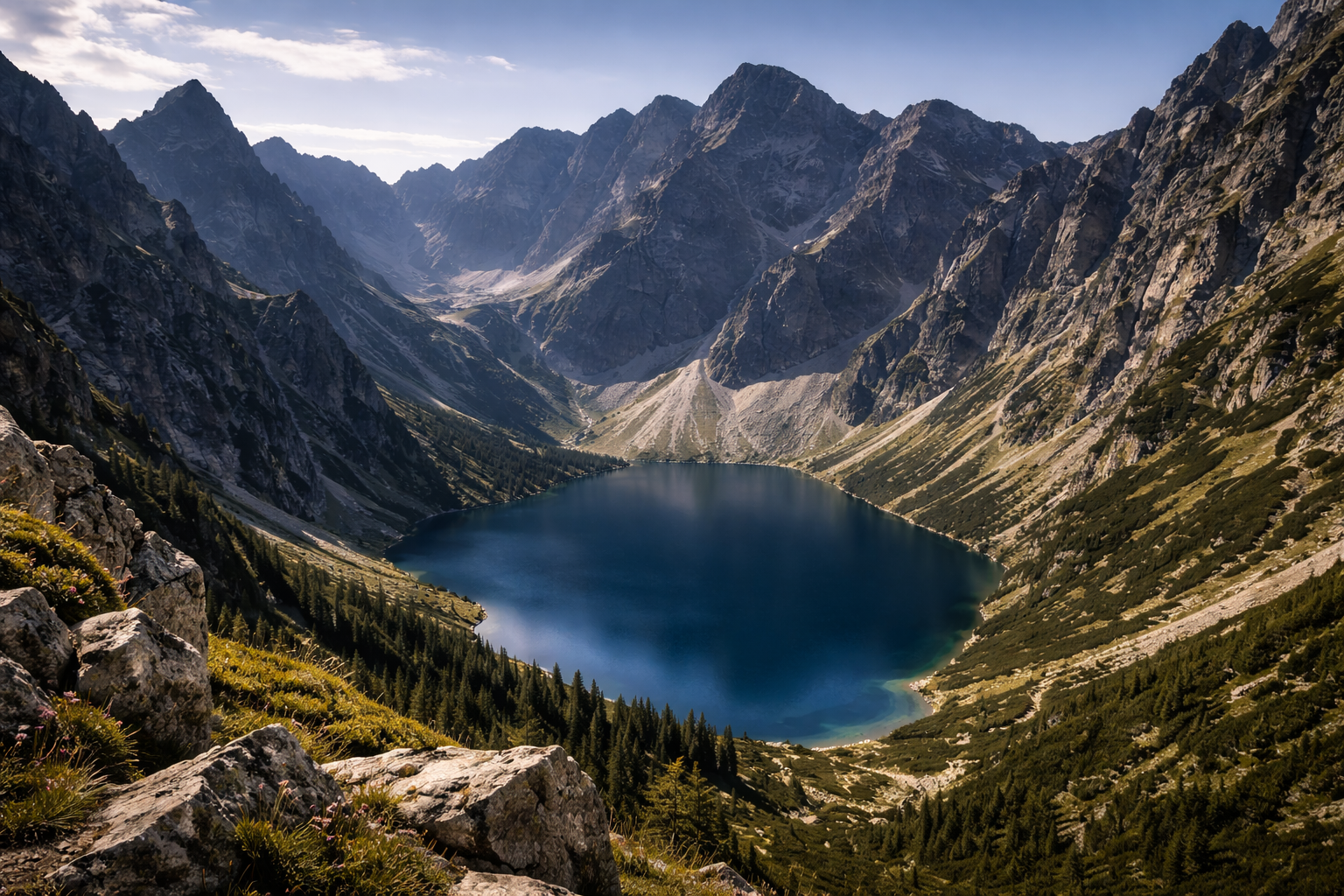
The region works especially well because it combines beauty with accessibility. Zakopane and surrounding areas give travelers a practical base, while Tatra National Park provides the real sense of landscape. That mix is important. It means readers can build a mountain chapter without turning the trip into a remote logistics project. They can hike, rest, eat well, and stay connected to a recognizable travel rhythm rather than feeling like they need specialist expedition planning. This makes the Tatras ideal both for more active travelers and for ordinary visitors who simply want one memorable mountain section.
The key is to use the Tatras as an anchor, not a rushed detour. A strong mountain chapter needs at least a couple of days so the region has time to feel different from the rest of the trip. One day can show scenery, but two or three days let the traveler experience morning air, changing weather, and the sense of scale that makes mountains emotionally convincing. That is when the Tatras stop being “a place you saw” and become part of the trip’s structure.
Masurian Lake District: The Best Part of Poland for Slow Nature Travel
If the Tatras are the country’s physical highlight, the Masurian Lake District is its strongest answer for softness. This region is not about dramatic elevation or hard-earned views. It is about water, light, reeds, boats, quiet mornings, and the kind of travel that improves when you deliberately stop trying to maximize every hour. That is exactly why it is so valuable. Many readers do not need another active chapter. They need a place where Poland becomes gentle.
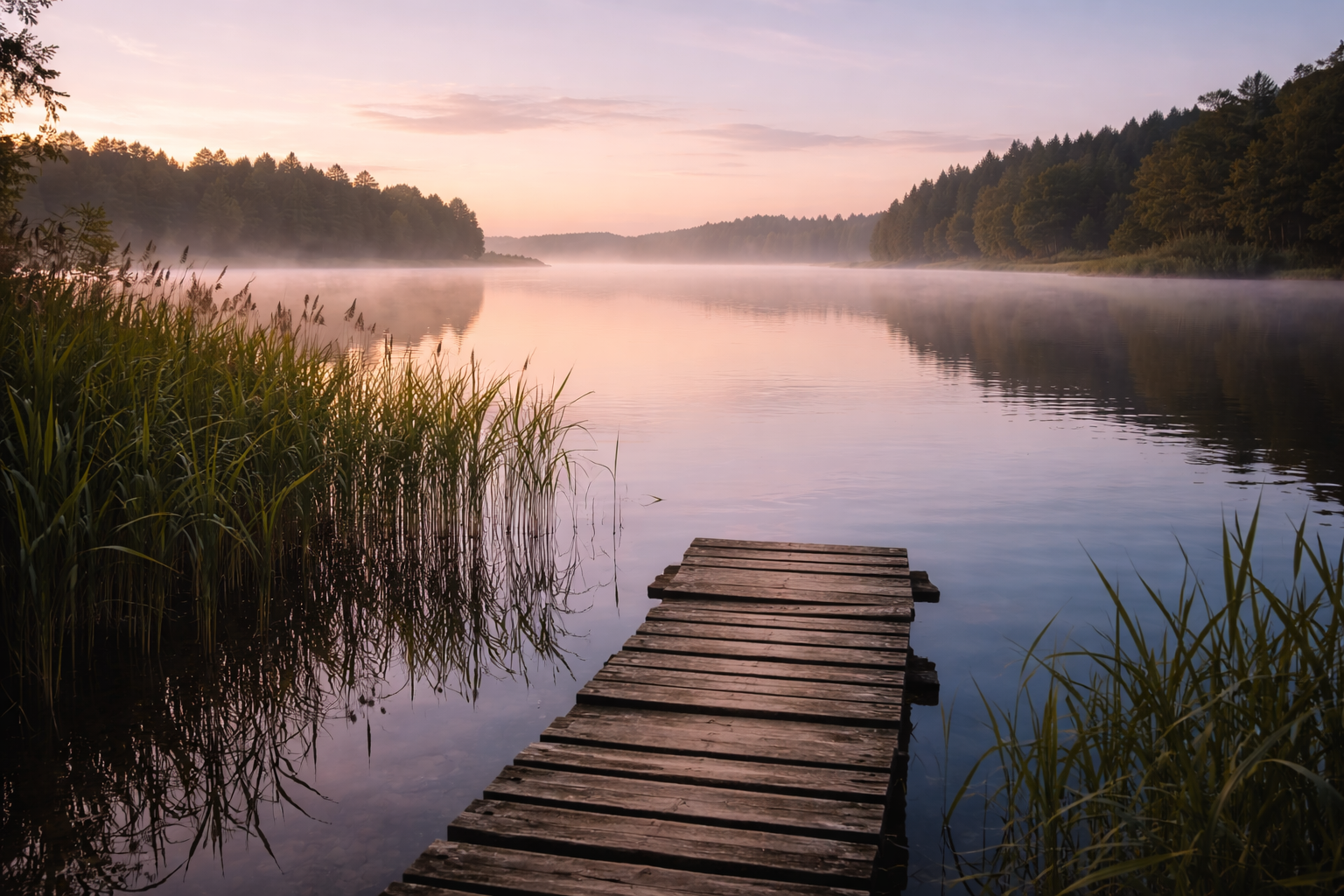
The magic of Masuria is that it offers scenic reward without pressure. Lakes connect to canals, villages sit near the water, and the whole area supports a slower pace that feels different from almost every major Polish city. Travelers can cruise, kayak, cycle, sit by the shore, or simply move between small waterside places without the trip feeling like it needs one giant “headline attraction.” In travel terms, this is a strength. It creates atmosphere rather than forcing spectacle, and atmosphere is often what people remember longest.
Masuria is especially good for couples, families, and readers who want a restorative chapter built around nature without needing intense physical effort. It also works beautifully after heavier urban travel. If Warsaw or Kraków gives the trip history and architecture, the lake district gives it breath. That contrast is what makes a broader Poland nature travel guide feel useful rather than repetitive.
Białowieża Forest: The Most Distinctive Wilderness Experience in Poland
If one place gives Poland ecological seriousness, it is Białowieża Forest. This is not just another forested region. It is one of the last and largest remnants of the primeval forest that once covered much of Europe, and that alone changes how the visit feels. You are not simply entering “nice woodland.” You are stepping into a landscape that carries age, continuity, and biological weight in a way most European forests no longer can. The atmosphere is different from the moment you frame it that way.
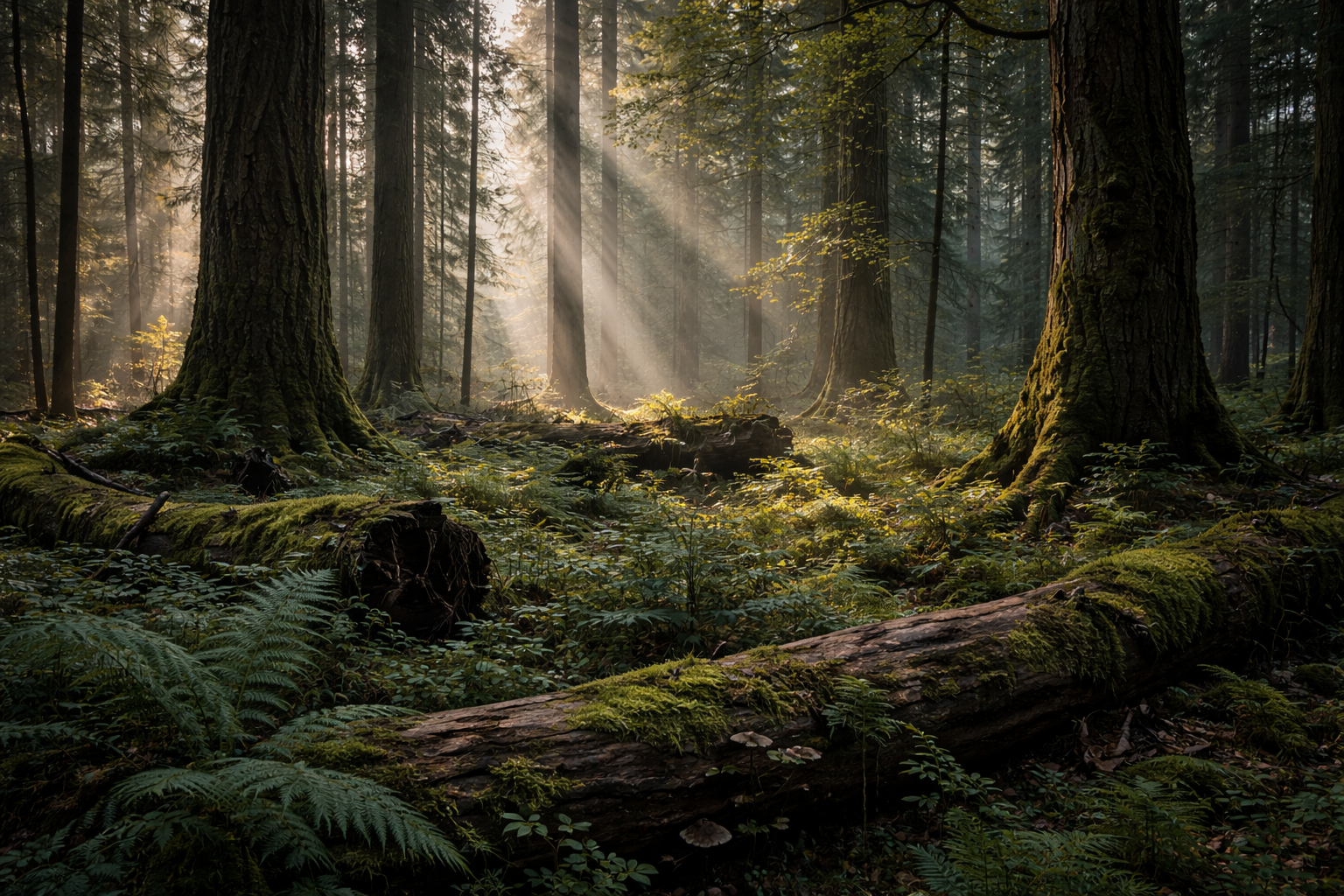
The emotional strength of Białowieża also comes from wildlife, especially the European bison, which gives the region one of its clearest and most memorable symbols. But the forest works even beyond the bison story. The real value is the feeling of oldness: dense woodland, quiet trails, shaded light, and the sense that this ecosystem belongs to a deeper historical timeline than the surrounding roads and towns. That makes it one of the most distinct chapters in any Poland nature travel guide, because it offers something the mountains and lakes do not: primeval atmosphere.
Białowieża is best for readers who want nature to feel contemplative rather than adrenaline-driven. It is less about conquering a route and more about entering a mood. That makes it especially good for slow travelers, wildlife-curious readers, and anyone who wants Poland to feel wilder and stranger than expected. It also pairs well with eastern Poland routes that already move more gently and with more emphasis on space than on big-name attractions.
For an official overview of the country’s protected landscapes, see the Poland Travel guide to national parks.
Baltic Coast: Poland’s Most Underrated Reset
The Baltic coast Poland chapter is often underestimated because people assume it will be a lesser substitute for Mediterranean beach travel. That is the wrong way to approach it. Poland’s coast works because it offers a different kind of pleasure: broader beaches, cooler light, wind, dunes, piers, and the feeling of a northern seaside rather than a hot resort strip. It is less about intense heat and more about air, walking, and a softer kind of summer atmosphere. For many travelers, that is exactly why it works so well.
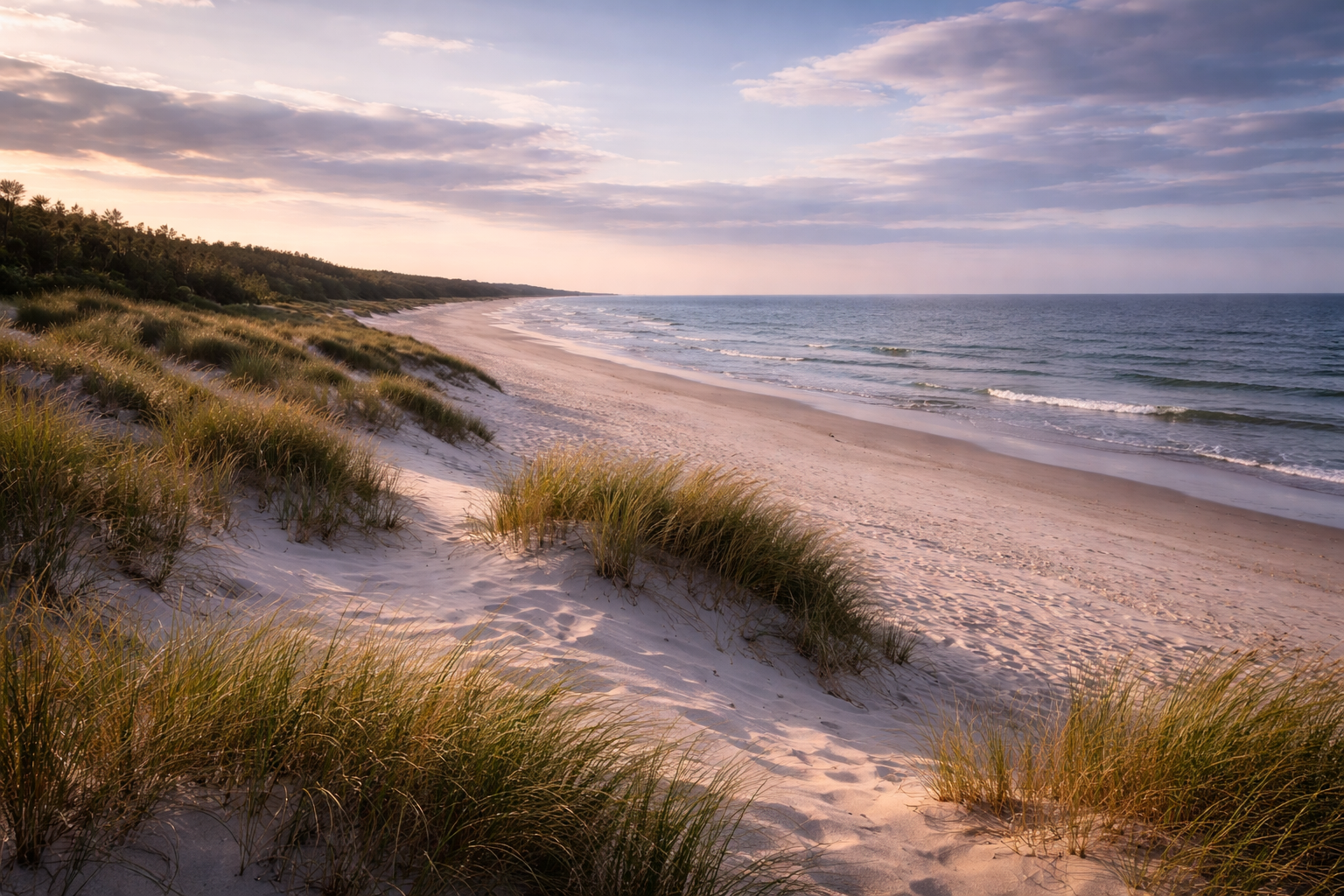
Places like Sopot add a social and urban layer, with promenades and classic resort energy, while quieter stretches of coast allow for longer walks and a more restorative pace. This makes the Baltic useful in a route not only as a “beach option,” but as a recovery chapter after cities or more active inland travel. Readers who have done mountains or dense sightseeing often respond strongly to the coast because it gives them open horizon and less structured days. That emotional reset has real travel value.
The coast also broadens the article in an important way. Without it, Poland’s nature story risks becoming too inland and too forest-mountain focused. The Baltic shows that the country’s natural richness also includes light, water, dunes, and maritime atmosphere. That makes the whole guide feel more complete — and gives readers another reason to see Poland as more varied than expected.
How to Choose the Right Nature Region for Your Travel Style
One of the best ways to make this article genuinely useful is to stop pretending all nature travelers want the same thing. They do not. Some want physical effort and dramatic views, which makes the Tatras the clear answer. Some want lake calm, boats, and low-pressure scenery, which points directly to Masuria. Some want wildlife and a stronger sense of untouched Europe, which makes Białowieża the most compelling choice. Others want coast, space, and recovery, which means the Baltic is the smartest fit.
This kind of positioning helps readers immediately. Instead of asking “What is the most beautiful part of Poland?”, they can ask “What kind of natural chapter do I want in this trip?” That is a much better travel question. It reduces disappointment and improves route design because it aligns landscape with expectation. Mountains are not automatically better than lakes, and lakes are not automatically better than coast. They simply support different moods.
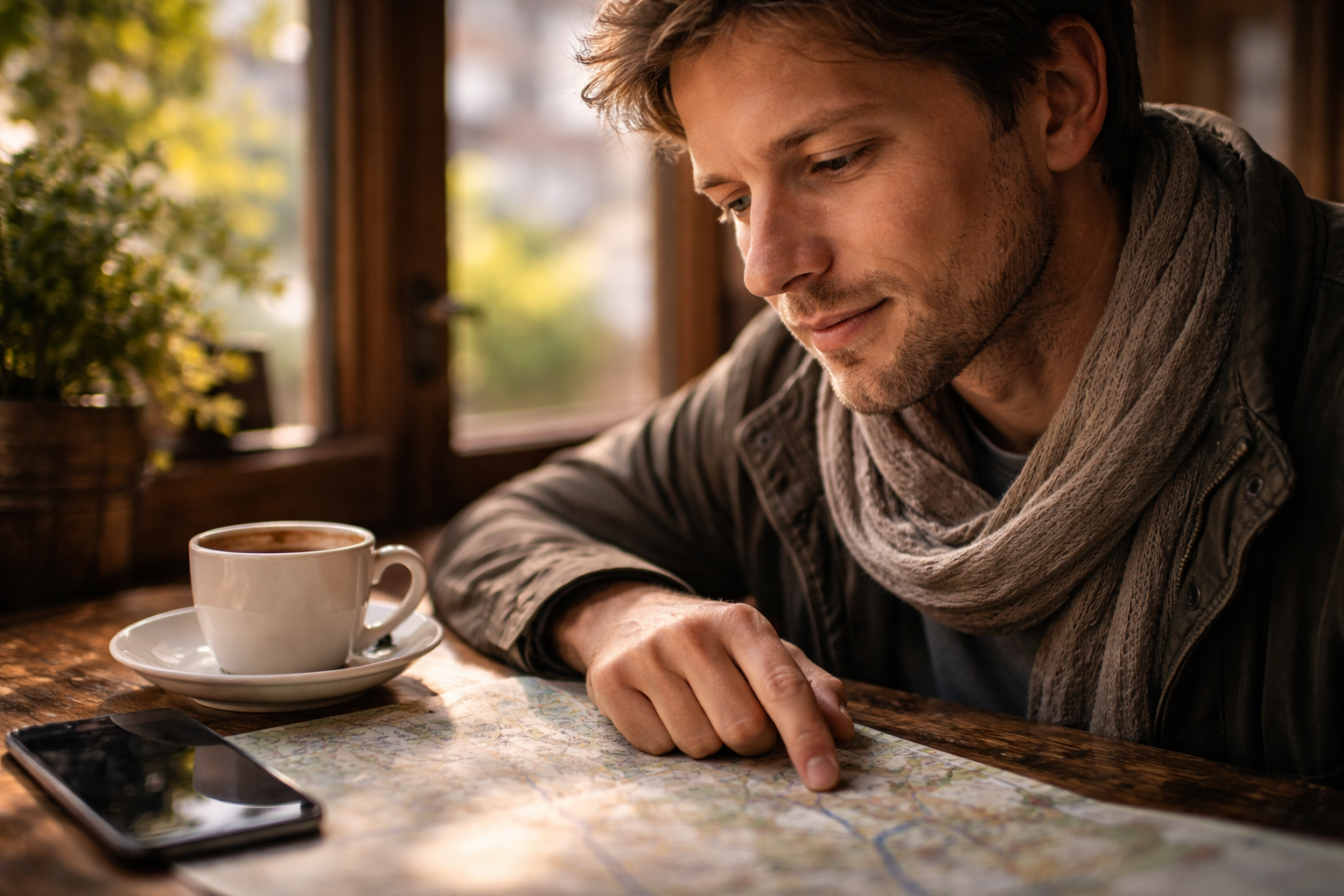
It also creates stronger combinations. The Tatras pair well with Kraków and southern Poland. Masuria works well after Warsaw or on a northeast route. Białowieża strengthens a quieter eastern Poland itinerary. The Baltic pairs naturally with Gdańsk and northern city-coast travel. This is what makes the guide more than inspiration — it becomes a route-planning tool.
If you want to add a stronger cultural chapter to that kind of route, this Poland festivals and traditions guide helps you match nature with the right season and atmosphere.
How to Build a Poland Nature Trip Without Overcomplicating It
The easiest mistake readers make with Poland is trying to treat nature as one more thing to “fit in” after cities. That almost always weakens both parts of the trip. A better structure is to give nature at least one real chapter — two to four days in one region rather than one random day trip that barely lets the landscape register. Poland rewards that kind of slower planning because its natural regions need a little time to change the emotional tone of the journey.
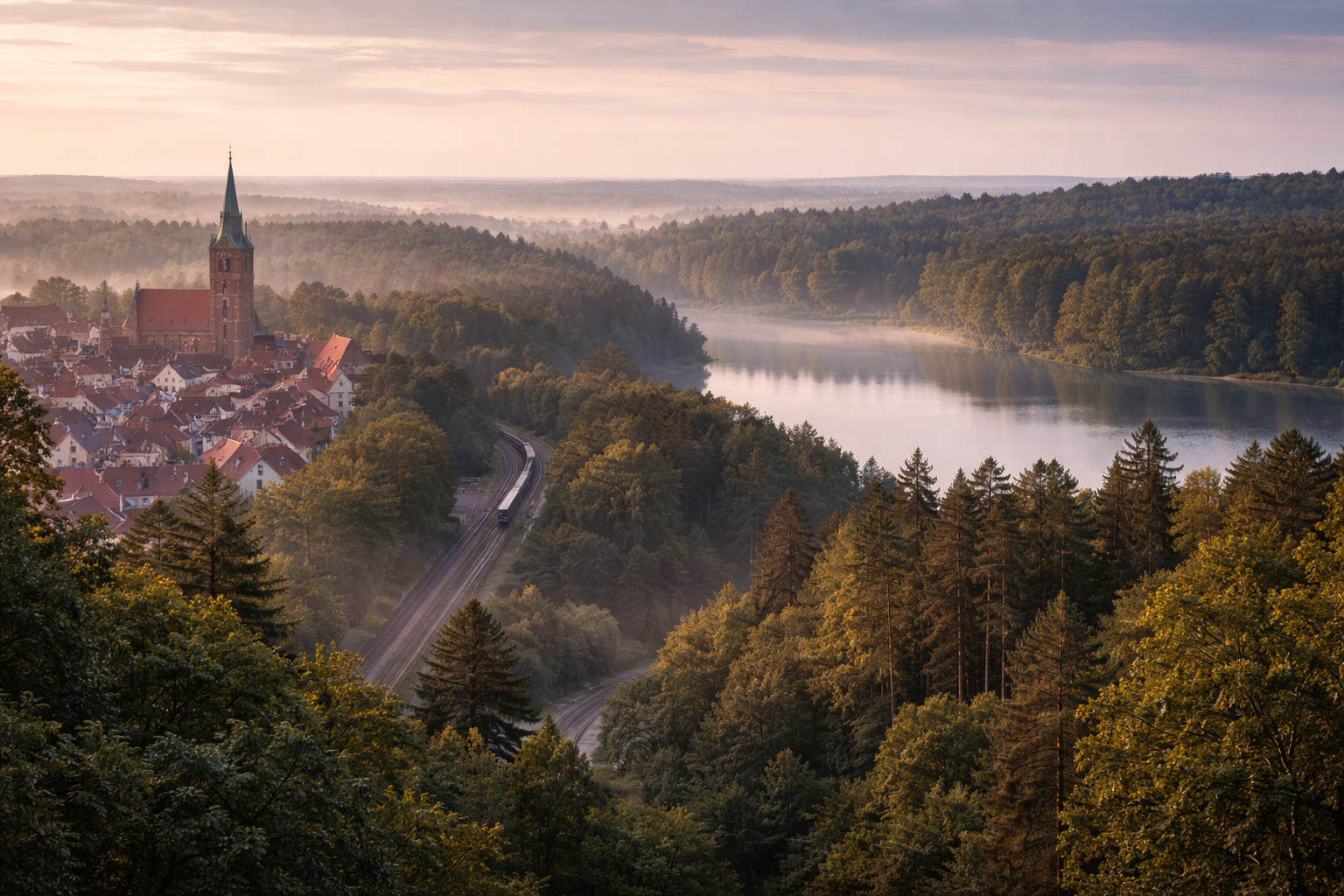
A smart route also avoids chasing every landscape type in one short trip. For a week, one strong nature region plus one city is often enough. For ten days, two contrasting natural chapters can work beautifully if they are linked logically — mountains plus city, or lakes plus forest, or coast plus city. The key is coherence. Poland is not a tiny country, and overloading the trip with too many different environments can make it feel more like transport than travel.
The other big rule is pacing. A nature-heavy trip should still leave space for ordinary pleasure: good dinners, calm mornings, scenic stops, and days that are not built like endurance tests. Poland becomes much stronger as a nature destination when readers understand that the best landscapes do not need constant “content moments.” They need attention, weather, and a little time.
Conclusion: Poland’s Natural Side Is One of Its Biggest Surprises
Poland’s landscapes are powerful because they reveal a country much broader and more varied than many travelers expect. The Tatras give it drama, the Masurian lakes give it softness, Białowieża gives it age and wilderness, and the Baltic gives it air and openness. Together they show that Poland is not only a place of history, cities, and culture, but a country whose natural chapters can easily become some of the strongest parts of the trip.
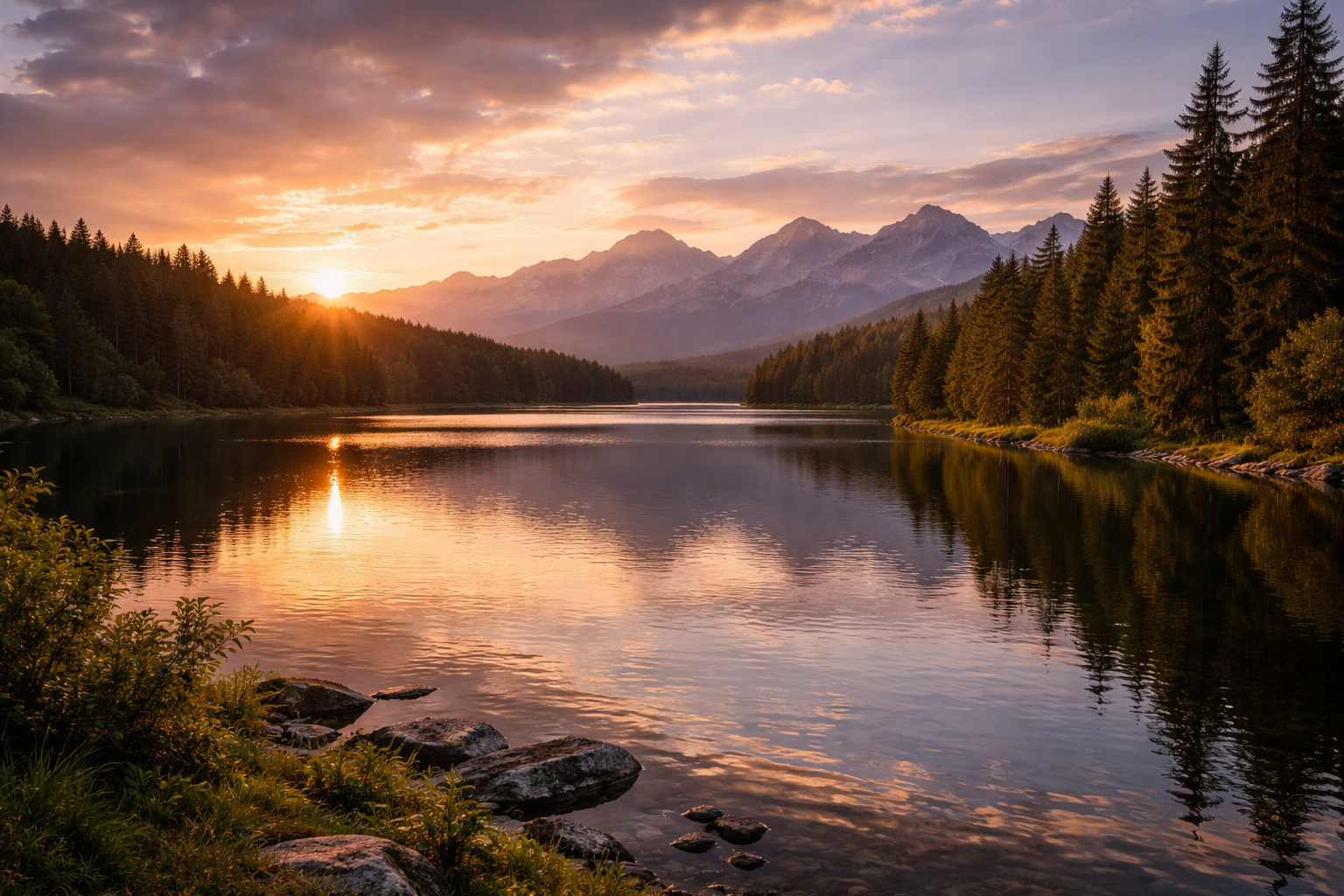
That is why a good Poland nature travel guide should not only praise scenery. It should help readers choose the right landscape for the kind of trip they actually want. Once they do that, Poland stops feeling like an underestimated extra and starts feeling like one of Europe’s smartest destinations for travelers who want variety without chaos. And that is exactly the kind of surprise people remember.