
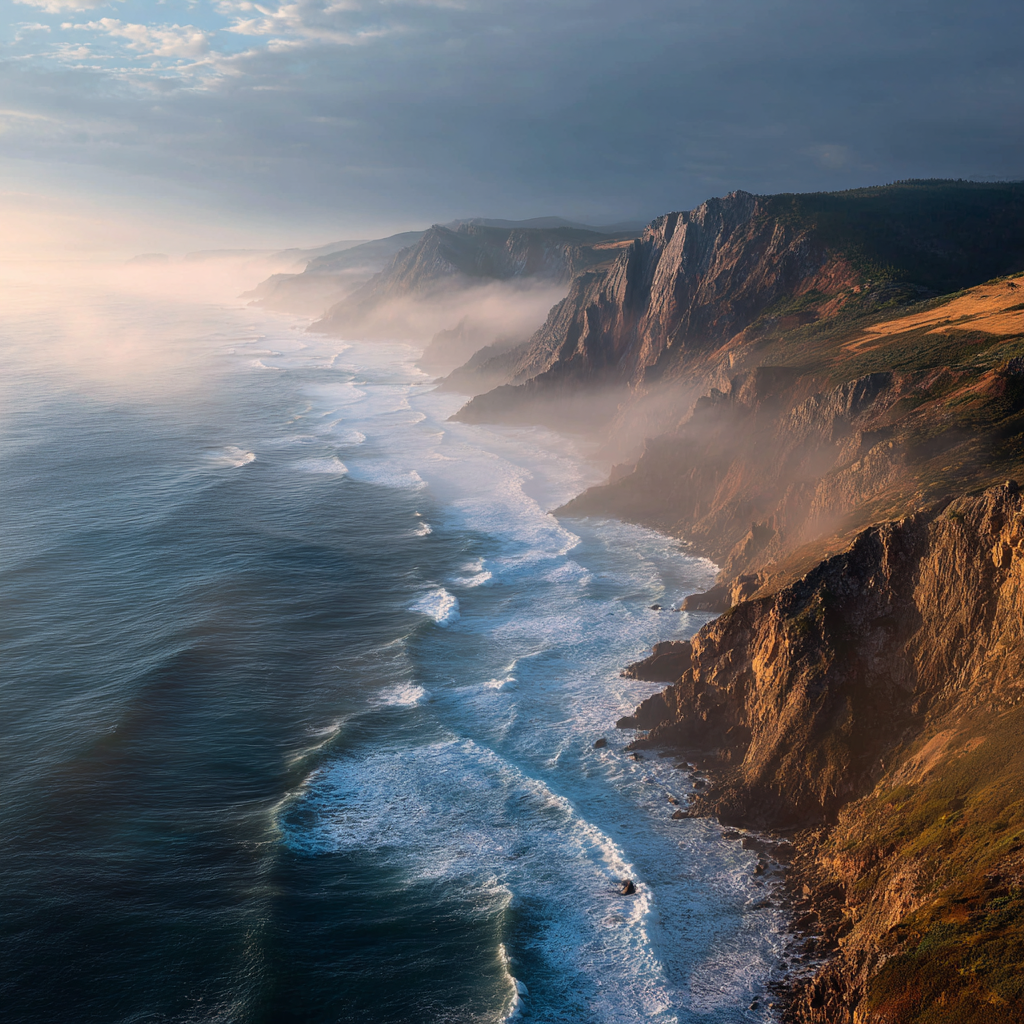
Portugal’s geography is not a backdrop; it is a presence — powerful, shifting, alive. These are the Portugal natural landscapes that define the country’s character from Portugal coastlines to volcanic islands. The country stands at the meeting point of water, wind, stone, and fire, a place where landscapes are woven from contrasts: lowlands pressed by the ocean’s breath, volcanic islands forged from the deep, mountains that remember the weight of ancient glaciers, and valleys where rivers carve through lush terrain. This is a land that has shaped explorers, artists, fishermen, farmers, and storytellers for centuries. Portugal geography combines coastlines, islands, mountains, and plains into one continuous narrative.
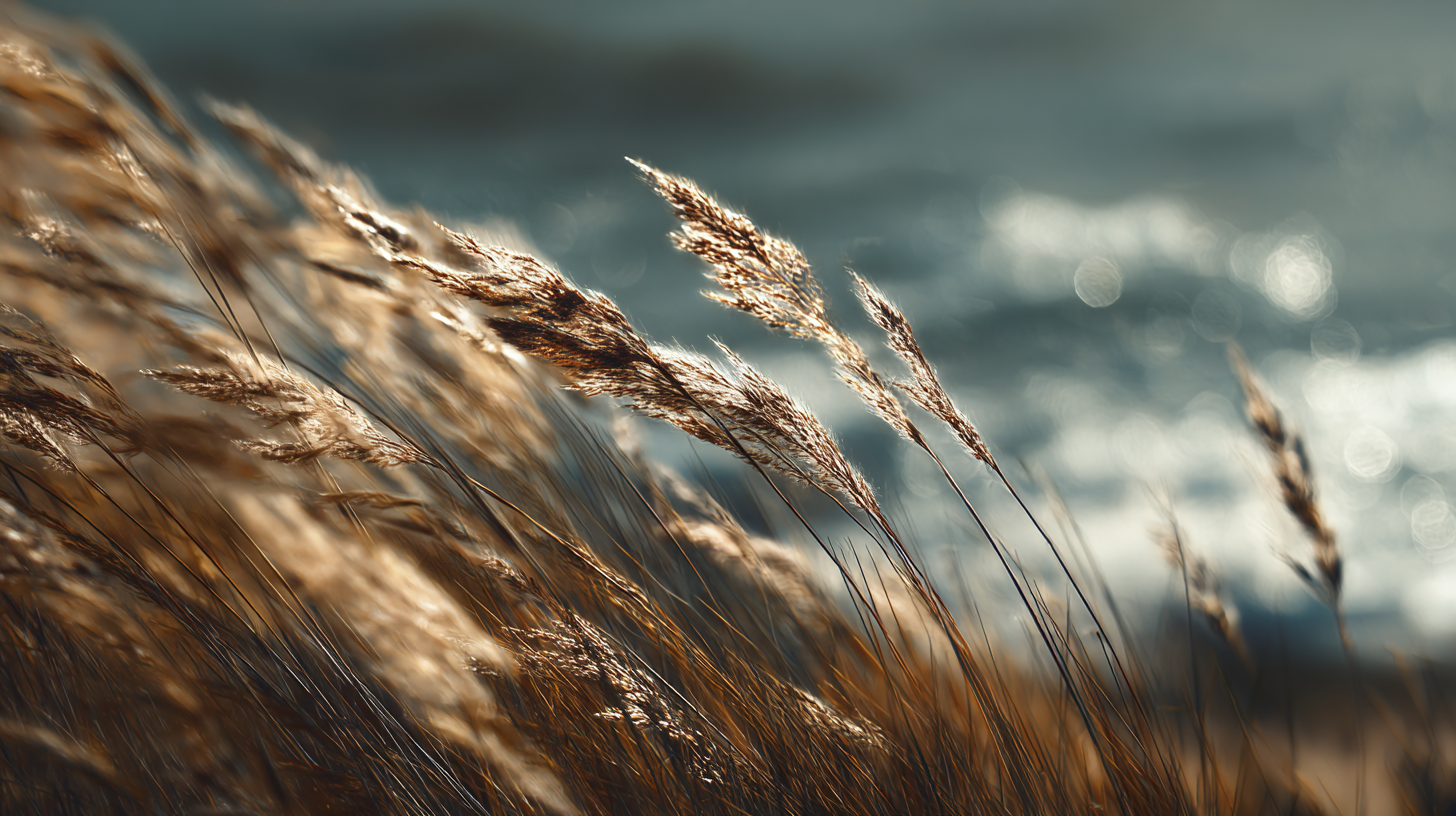
To understand Portugal natural landscapes is to travel through landscapes shaped by wind, stone, and sea, to witness how the environment speaks in shapes, rhythms, and atmospheres. The following journey is not a regional guide but a panoramic exploration — a master map of Portugal’s wild heart. Each section opens a door into deeper articles, inviting readers to wander through oceans, forests, mountains, and islands where the soul of the country reveals itself quietly, yet unmistakably.
Shores of Motion: The Atlantic as Portugal’s First Frontier
These Portugal coastlines shift daily under the influence of wind and tides. Along Portugal’s western edge, the Atlantic extends into an endless horizon, its waters constantly rewriting the shoreline. Some days the sea arrives with soft, rolling waves that shimmer under golden light. Other days, it hammers the cliffs with raw force, sending salt spray into the wind like a whispered reminder of nature’s authority. Among all Portugal coastlines, this Atlantic frontier remains the most dynamic and defining.
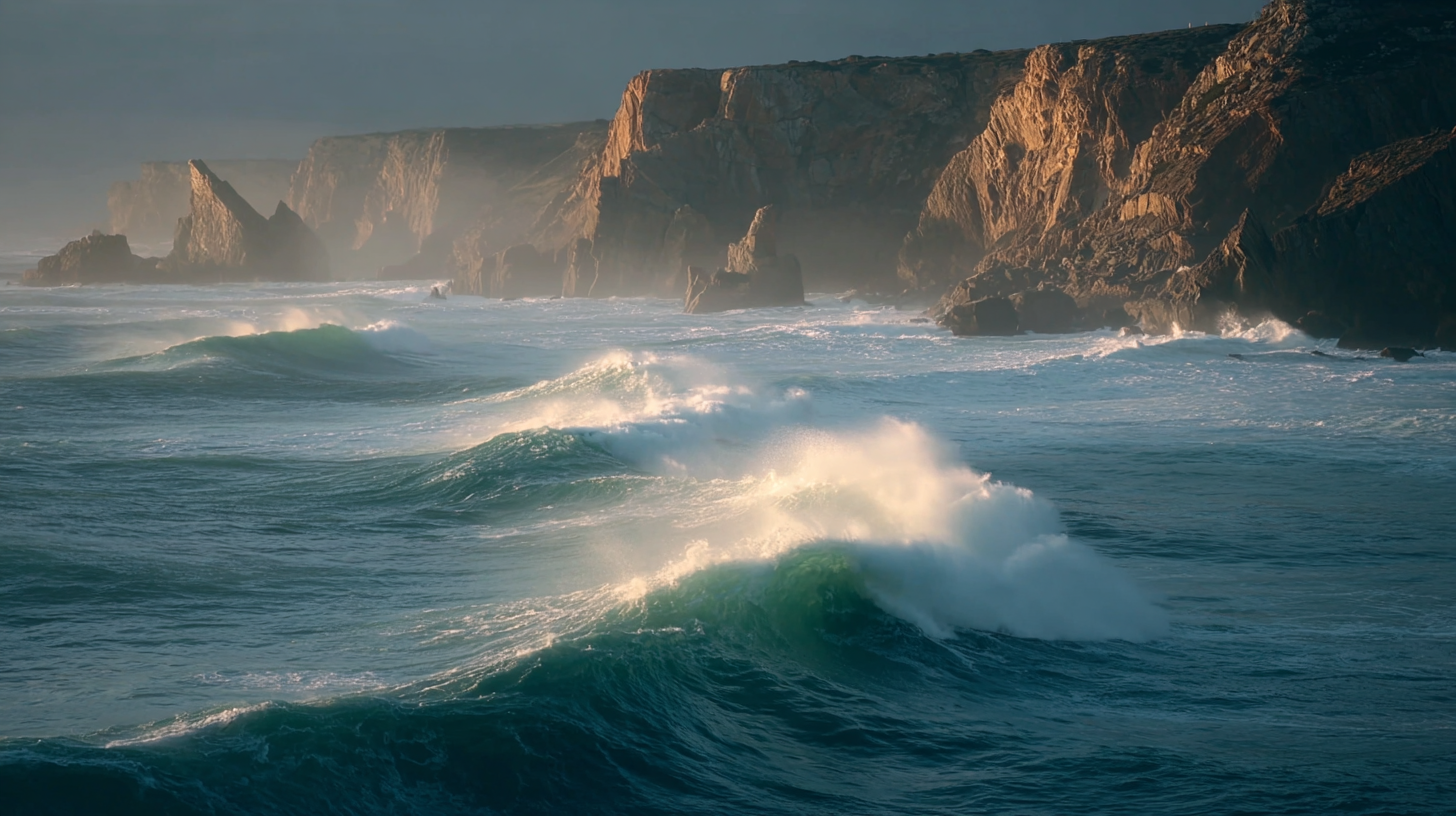
The coastline is a living illustration of movement — dunes shaped by invisible currents, rocks sculpted into arches, and beaches that stretch miles under shifting skies. Fishing villages sit poised between tide and land, their boats painted in bold colors that echo centuries of maritime tradition. Travelers walking these shores often feel a blend of serenity and awe, as though witnessing the quiet conversation between earth and ocean.
For many travelers, this coastline becomes the beginning of a Portugal adventure, shaped by tides, cliffs, and open horizons. This is the coastline that nurtures Portugal’s surfing spirit, the same shoreline explored in greater depth in our article on Portugal’s Surfing and Water Sports — where the sea becomes both playground and teacher, offering lessons in respect, courage, and adaptability. The Atlantic frontier is Portugal’s first invitation into its natural world, a meeting point between stability and change, stillness and motion.
Landscapes of Light: Cliffs, Coves, and Sculpted Stone
Portugal’s coastal cliffs rise from the sea like watchful guardians, their colors shifting from amber to rose at sunrise and deepening into violet at dusk. These formations have been shaped over millions of years, carved by wind and waves into grottoes, arches, and sweeping shelves that overlook the ocean’s rhythm. Standing atop these cliffs, one feels suspended between sky and sea — a moment of weightlessness framed by the power of nature.
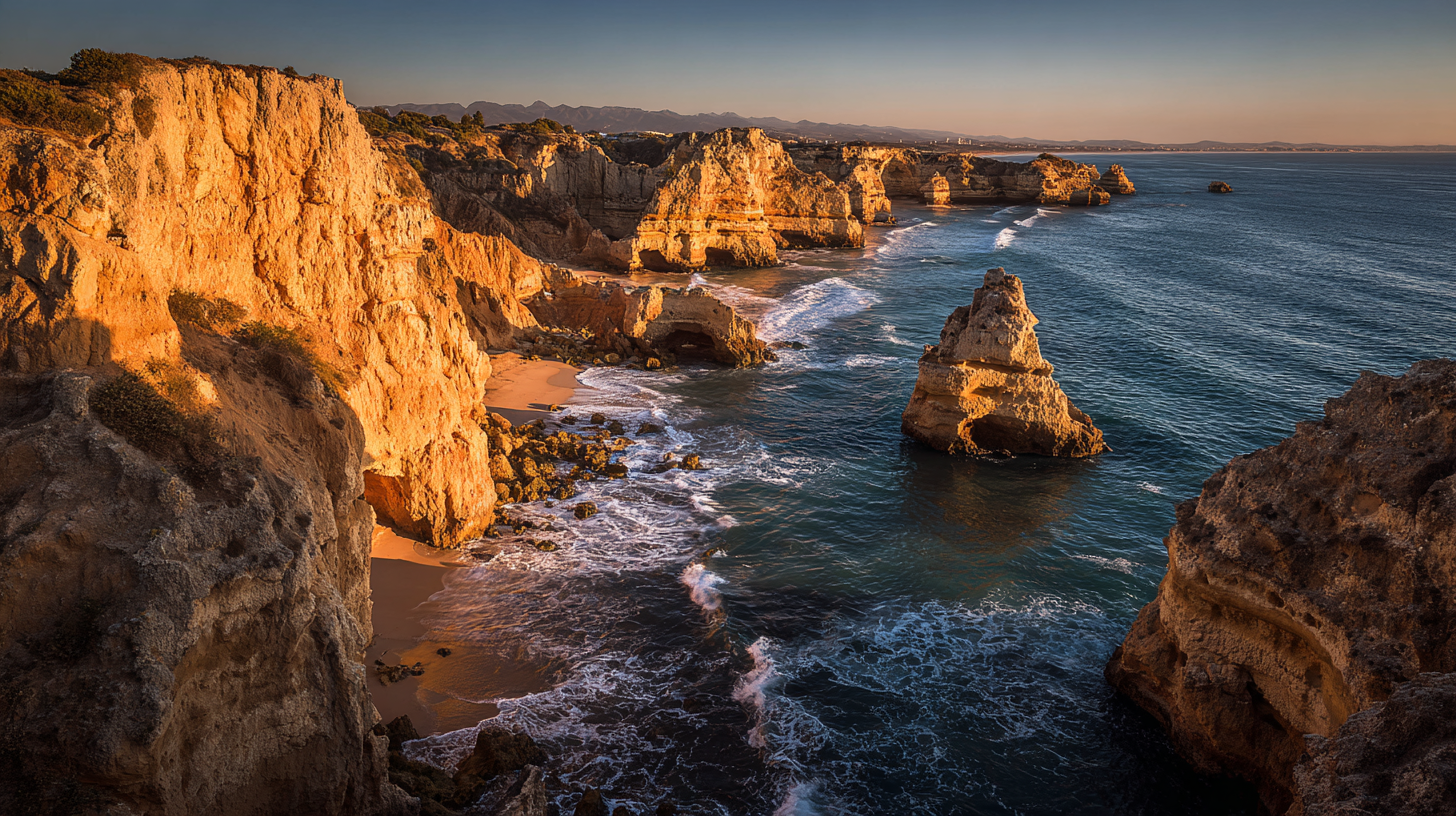
Below, hidden coves form quiet sanctuaries where the tide pools reflect the sky in small, perfect fragments. The water here holds a clarity that reveals patterns in stone and sand, creating worlds at the boundary of land and sea. Ancient footpaths wind along cliff edges, connecting viewpoints that once guided fishermen and traders who learned to read the coastline’s moods.
Though travelers often associate these landscapes with southern Portugal, the cliffs themselves tell a broader story — one not bound to a region but to geology. They are remnants of ancient seas, uplifted and shaped by the relentless push of nature. For those who wish to explore how these ecosystems intertwine with sustainable travel, the Eco-Tourism in Portugal article offers a deeper insight into how cliffs, dunes, and marine life coexist with human stewardship. These landscapes remind visitors that even stone, seemingly eternal, is in constant transformation.
Islands of Fire and Mist: A Glimpse Into Portugal’s Atlantic Worlds
Far off the mainland, Portugal’s islands rise from the ocean with an elemental presence unlike anything else in Europe. Here the land speaks the language of volcanoes — basalt cliffs, black sand, craters filled with still lakes, and terraces of stone built by hands working with nature rather than against it. In morning light, mist clings to ridges and slopes, softening the sharp silhouettes of mountains that once erupted from the sea.

Among all Portugal islands, these Atlantic territories feel the most ancient and elemental. The islands carry a sense of rawness and purity. Waterfalls descend from high plateaus, steaming vents warm the earth beneath one’s feet, and forests of laurel and fern create atmospheres reminiscent of ancient eras. Life unfolds in harmony with geological forces — storms that sweep in from open ocean, winds that carry tropical scents, and the deep, resonant sound of waves striking volcanic rock.
As part of the broader Portugal islands experience, these volcanic lands reveal ancient geological stories. These islands hold countless stories for travelers: underwater realms explored further in our Surfing and Water Adventures article, and cultural landscapes shaped by isolation and imagination, revealed in our Portugal Travel Guide to Atlantic Islands. Each island world offers a reminder of nature’s ability to build beauty from fire and time. Here, Portugal feels both timeless and newly born — a place forged at the meeting point of ocean and earth’s molten heart.
Portugal Natural Landscapes: Mountains of Sky and Silence
ogether, these ranges showcase the diversity of Portugal natural landscapes at higher altitudes. In the country’s interior, where granite rises and the air grows thinner, Portugal reveals a different expression of its natural soul. The mountains here are marked not by dramatic height but by character — broad plateaus, glacial valleys, and ridges where silence settles like snow. These landscapes feel contemplative, created for those who seek stillness rather than spectacle.

The air carries a clarity found only at altitude, where pine forests open onto rocky expanses and the wind traces long, quiet paths across the peaks. Winter brings a layer of white that softens every contour, transforming the land into a hush of bright light and muted sound. Spring reveals wildflowers clinging to cracks in stone; summer opens trails that wander through villages shaped by centuries of self-reliance; autumn paints the valleys in warm reds and golds.
These highlands form Portugal’s spine — not geographically alone but metaphorically. They embody endurance, patience, and an intimate relationship with time. For travelers seeking adventure, culture, and altitude, our article on Portugal’s Mountain Adventures dives deeper into the stories found here: shepherd traditions, glacial lakes, and the quiet beauty of elevated solitude. The mountains remind visitors that nature’s power can be felt not only through storms but also through silence.
Rivers, Valleys, and the Green Heart of the North
As rivers carve their way from the mountains toward the ocean, they create valleys rich with life, history, and agricultural tradition. These waterways nourish forests, shape terraced hillsides, and support communities that have learned to work in harmony with their environment. Along riverbanks, light moves differently — softer, dappled through leaves, reflecting in graceful curves across water.

The northern landscapes are defined by texture: moss-covered stones, vineyards climbing slopes with mathematical precision, orchards stretching toward distant horizons. These are places where the land’s generosity is evident, feeding both people and culture. In some valleys, river mists rise at dawn, creating atmospheres that feel as though time has paused for a moment of quiet reflection.
Wines born in these regions, particularly in the Douro and Minho valleys, reflect the complexity of soil, sunlight, and tradition. For a deeper exploration of this connection between geography and flavor, readers can follow into our Journey Through Portugal’s Wine Heritage, where terraced vineyards, ancient cellars, and river-carved landscapes form the backdrop to one of the country’s richest cultural stories. Rivers and valleys are Portugal’s green breath — a reminder of resilience, fertility, and interconnectedness.
Forests, Plains, and the Soul of Rural Portugal
Beyond Portugal mountains and valleys lie vast expanses of plains, forests of cork oak and olive, and agricultural fields that have shaped Portugal’s rural identity for centuries. This region highlights another side of Portugal geography, where forests and plains define rural identity. These landscapes move with a quieter rhythm — wind rustling through tree canopies, the creak of a farmer’s gate at sunset, the distant sound of bells echoing across open fields.
The plains capture light in wide, generous strokes. Sunsets stretch across the horizon in hues of amber, rose, and deep violet. Cork forests provide both ecological refuge and cultural heritage, their bark harvested with care in patterns that reveal human stewardship over generations. Olive groves shimmer with silvery leaves that move like water when the breeze passes.
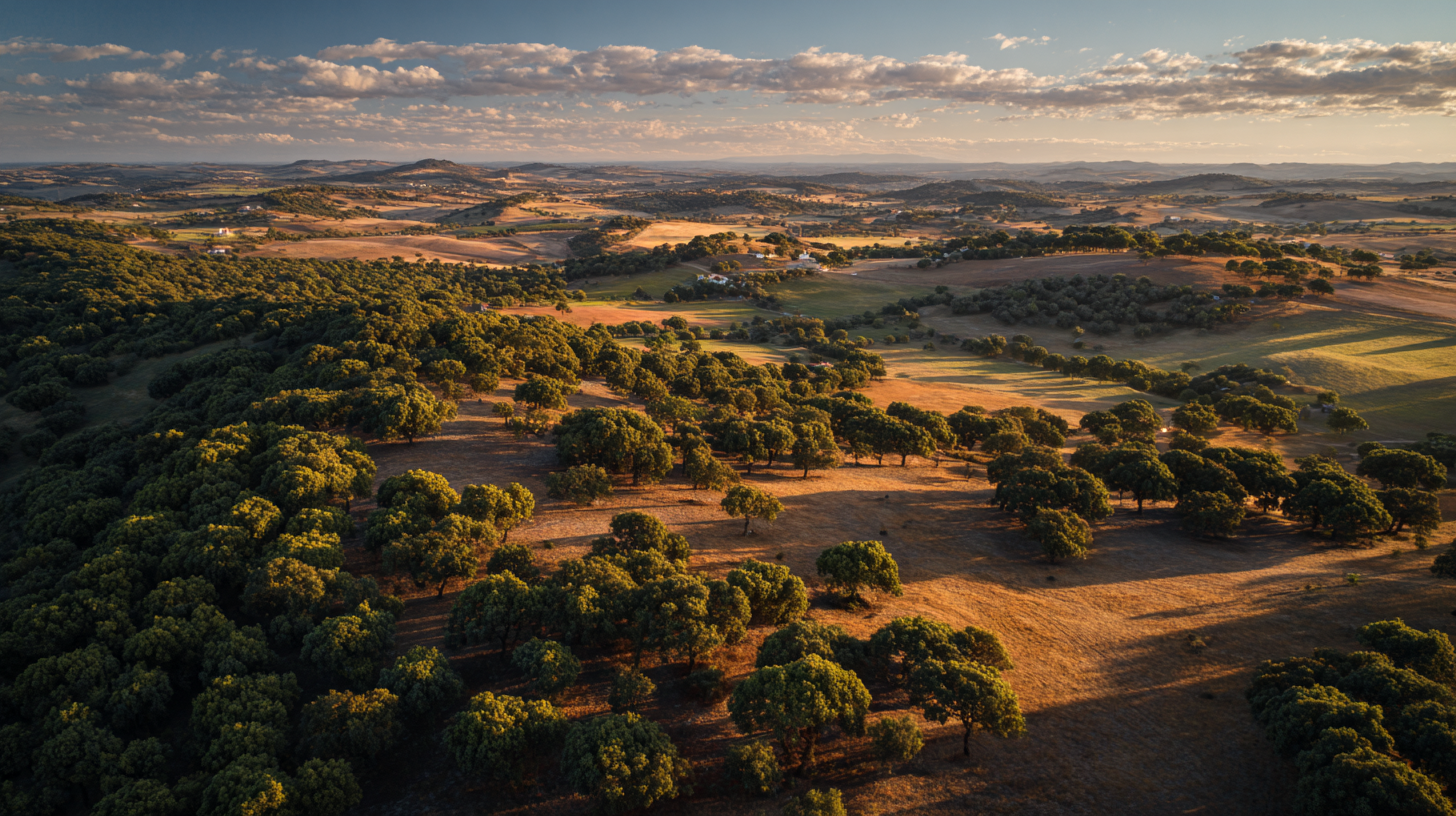
Rural Portugal preserves traditions that balance sustainability with everyday life — crafts, farming rituals, and nature-based practices that embody a gently enduring way of being. These stories unfold more deeply in our articles on Portuguese Crafts and Eco-Tourism, where land and culture intertwine. This landscape forms the quiet center of the country’s spirit — grounded, warm, and shaped by centuries of coexistence between people and nature.
The Atlantic Culture: How Nature Shapes People, Traditions, and Identity
Portugal’s natural environments do more than create beautiful vistas; they shape the country’s cultural expressions — its music, cuisine, festivals, and daily habits. The ocean encourages openness, curiosity, and a sense of possibility that has influenced exploration, trade, and art. Portugal mountains cultivate introspection and resilience. Plains teach patience and connection to cycles of earth and sky. Even in urban centers, these natural forces echo in architecture, rhythms of life, and communal spaces.
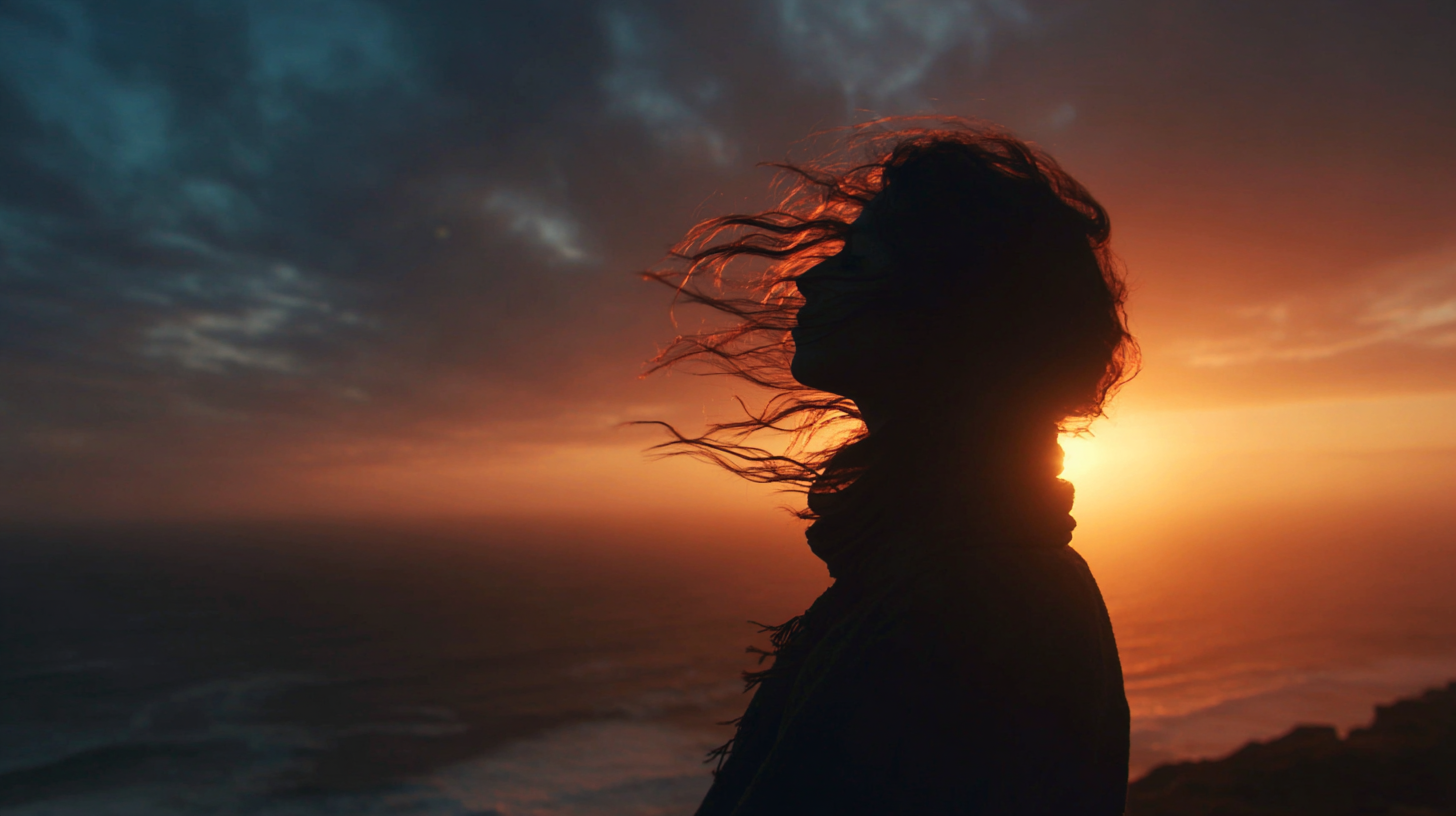
The country’s cultural identity is inseparable from its landscapes. The sweeping coastlines inform a cuisine of seafood and salt, storms influence music born from longing, and valleys inspire crafts grounded in the textures of wood, clay, and grapevine. Readers interested in this intersection of nature and culture can continue through our articles on Portuguese Literature, Festivals, Nightlife, and Religious Heritage, where geography becomes a stage for human creativity. Nature here is not simply a setting. It is a collaborator.
Conclusion — Portugal’s Wild Heart as a Living Story
Portugal’s landscapes tell a story of edges and continuities, of forces that collide and harmonize, of terrain that invites exploration and contemplation in equal measure. From ocean cliffs carved by relentless tides to volcanic islands rising from the deep, from mountains shaped by glacial memory to valleys fed by winding rivers, each environment adds a chapter to the country’s living history.
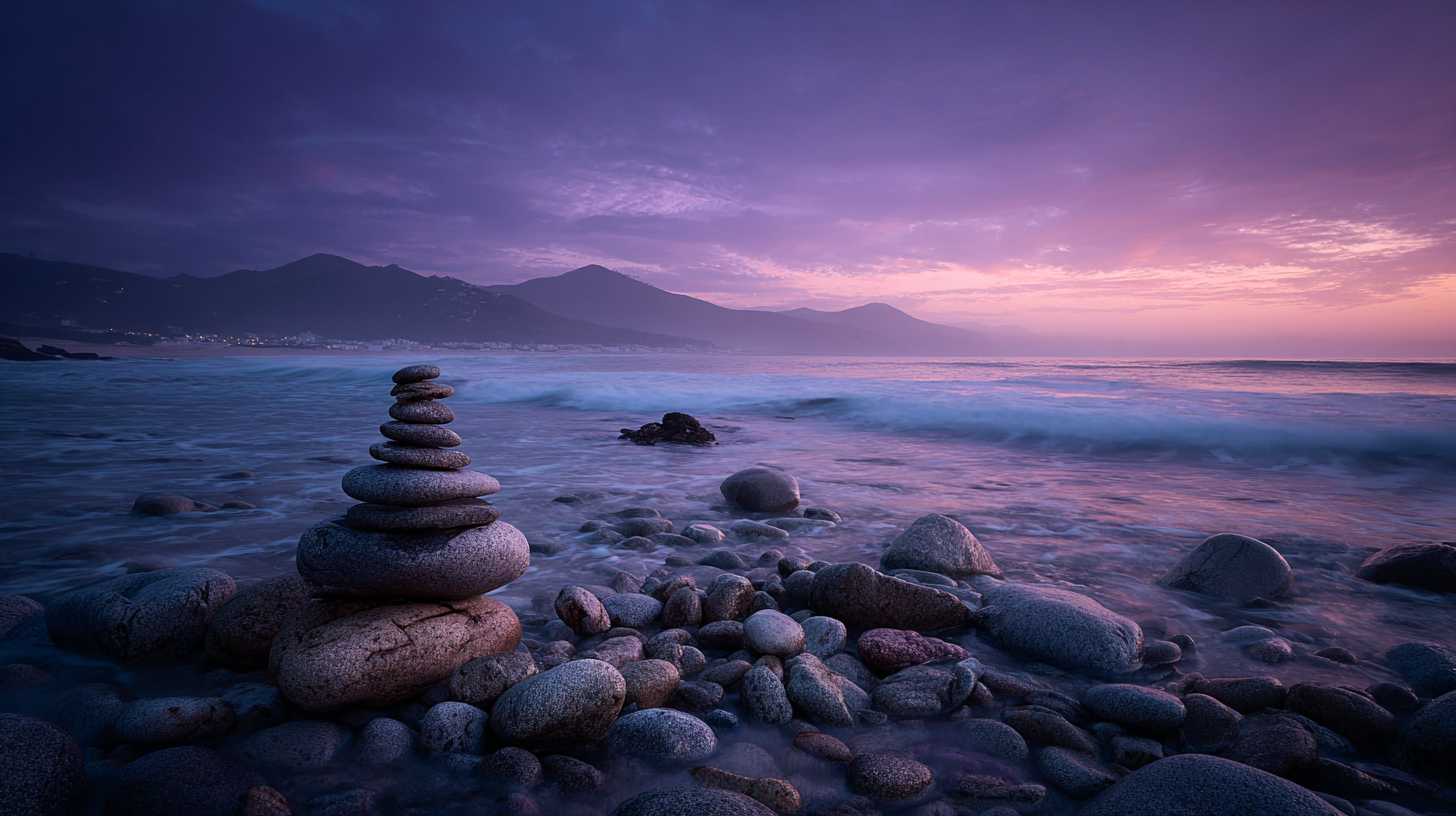
This master overview is an entryway — a broad horizon from which travelers can dive deeper into Portugal’s many natural narratives. Whether seeking adventure, serenity, culture, or understanding, readers will find pathways into more detailed stories woven across our collection of articles. Portugal’s wild heart beats through its geography, offering not only beauty but insight: a reminder that nature shapes identity, resilience, and imagination.
Across all Portugal natural landscapes — cliffs, islands, mountains, forests, and valleys — the country reveals its wild heart. In the meeting of stone, wind, fire, and water, this country reveals itself — not all at once, but in layers, like a story told gradually, with care, under open skies.
For official information on protected parks and natural reserves, visit the ICNF – Instituto da Conservação da Natureza e das Florestas