

Portugal Traditional Crafts: A Journey Through Heritage and Handmade Artistry
Portugal traditional crafts are not museum artifacts—they live in the hands of artisans, in rural workshops, and in the quiet rhythm of people shaping natural materials into meaning. Portugal is a country where tradition breathes, evolves, and speaks through cork, filigree, carpets, clay, and wood. Traveling through Portugal reveals a world shaped not only by landscapes and architecture but by the intimate artistry of people who transform natural materials into objects of beauty and function. These crafts are not souvenirs—they are expressions of identity, heritage, and landscape.
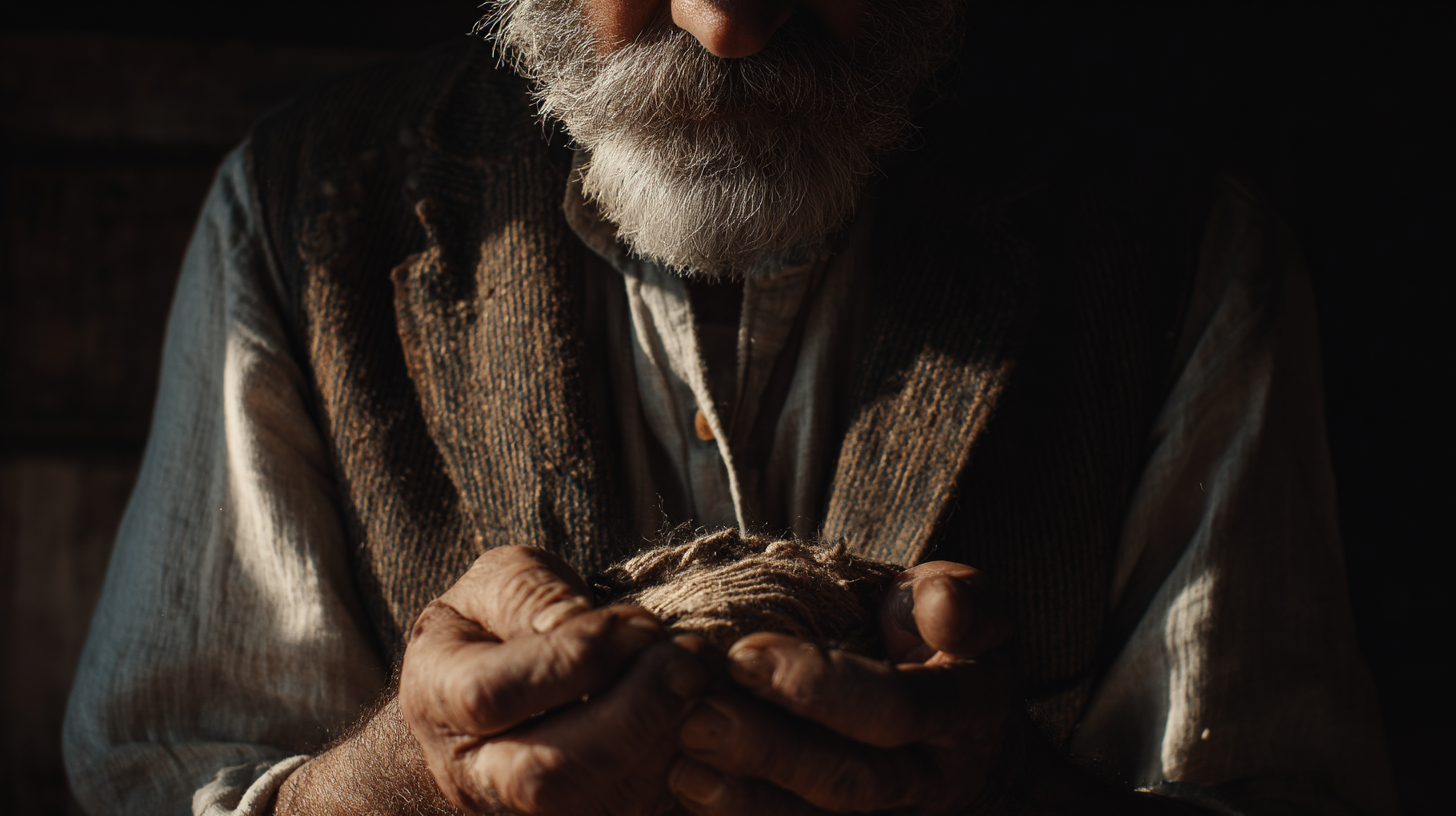
To understand Portugal through its handmade traditions is to appreciate how culture, memory, and material come together. Cork is harvested from ancient forests that stretch across Alentejo. Filigree jewelry is shaped by artisans whose skills echo medieval guilds. Wool carpets carry geometric codes inherited from generations of women who weave stories into every stitch. Clay forms are shaped by earth, water, and fire in workshops where time seems suspended. Each object tells a story: of the region where it was born, the people who crafted it, and the history that shaped their techniques.
Exploring these crafts is not simply shopping. It is a journey through Portugal’s rural heartlands, coastal villages, mountain towns, and historic neighborhoods, where every workshop opens a window into the country’s soul. Understanding Portugal traditional crafts means understanding how landscape and memory shape its artistic identity.
Related: Portuguese Literature
Cork: Portugal’s Natural Gift to the World
Cork is one of Portugal’s most emblematic materials, and its story begins in the sprawling cork oak forests of Alentejo. These forests, among the most biodiverse ecosystems in southern Europe, stretch across rolling hills painted in muted greens and golds. Harvesting cork is a skill passed down through generations. Workers known as tiradores use small, sharp axes to carefully remove the bark without harming the tree. The process is slow, deliberate, and rooted in deep environmental knowledge. A single cork oak may live for centuries, and its bark is harvested only every nine years, creating a rhythm that links human labor with the cycles of nature.
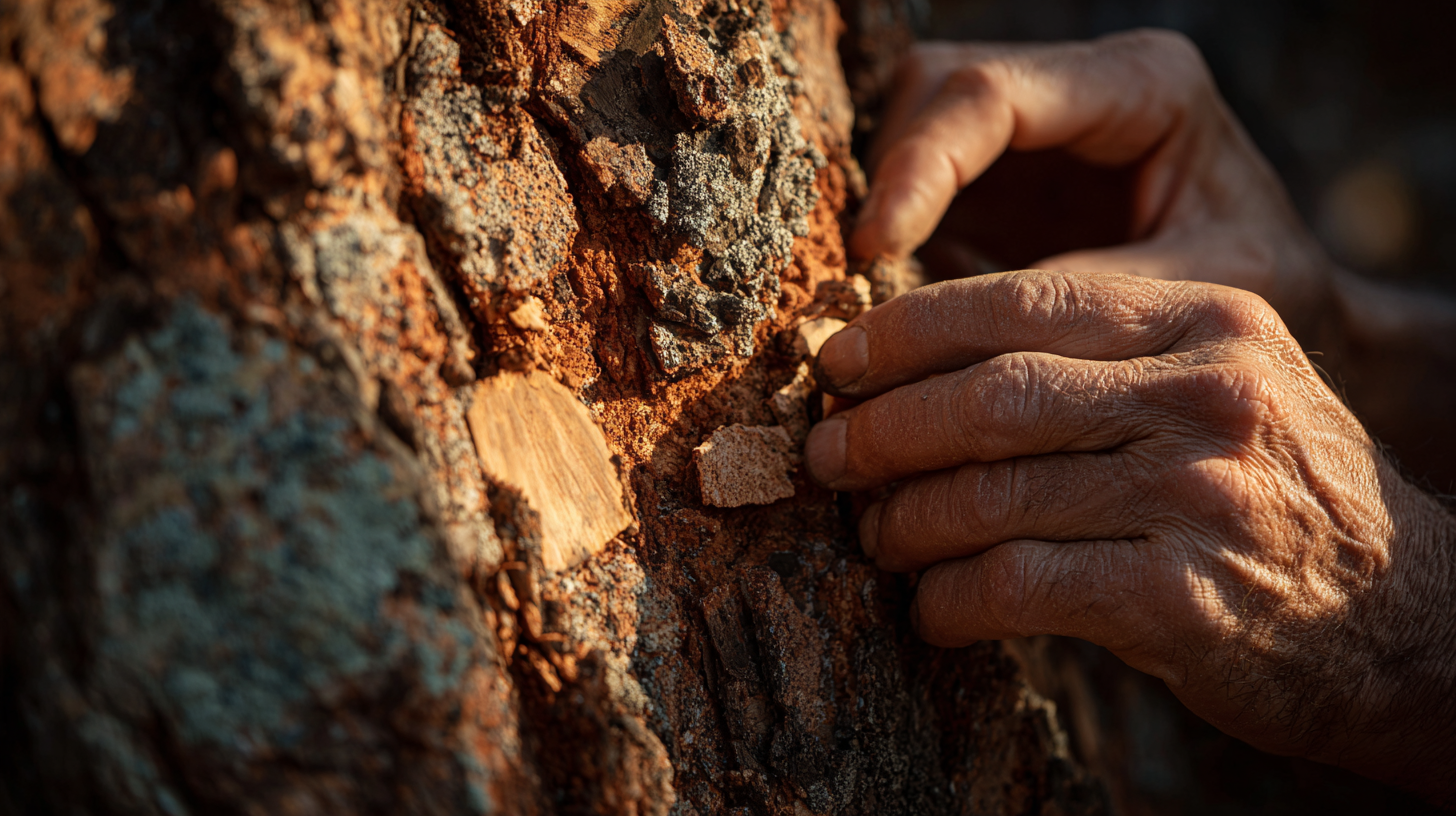
Once removed, the bark dries in the sun, its rough texture transforming gradually into a flexible material that artisans shape into objects both traditional and contemporary. While wine stoppers remain the most famous use of cork, Portugal’s craftsmen have expanded its possibilities. Walking through workshops in Évora or São Brás de Alportel, you find cork transformed into handbags, shoes, furniture, and intricate home décor. Its warm tones and organic patterns give each piece a quiet elegance.
Cork’s appeal lies not only in its beauty but in its sustainability. Lightweight, water-resistant, and biodegradable, cork reflects Portugal’s intimate relationship with its environment. In every crafted piece, whether a simple coaster or an elaborate bag, you can feel the patience of the forest and the rhythm of a land shaped by centuries of symbiosis between people and trees.
Arraiolos Carpets: Wool Stories Woven by Generations
In the town of Arraiolos, north of Évora, weaving carpets is not a profession but a cultural inheritance. The craft dates back to at least the 16th century, blending influences from Moorish designs, Persian techniques, and Portuguese motifs. Women sit near windowsills or in quiet corners of family homes, pulling wool threads through jute canvas with steady precision. The rhythm of needlework creates a soft whisper, a sound that has echoed through Arraiolos for hundreds of years.
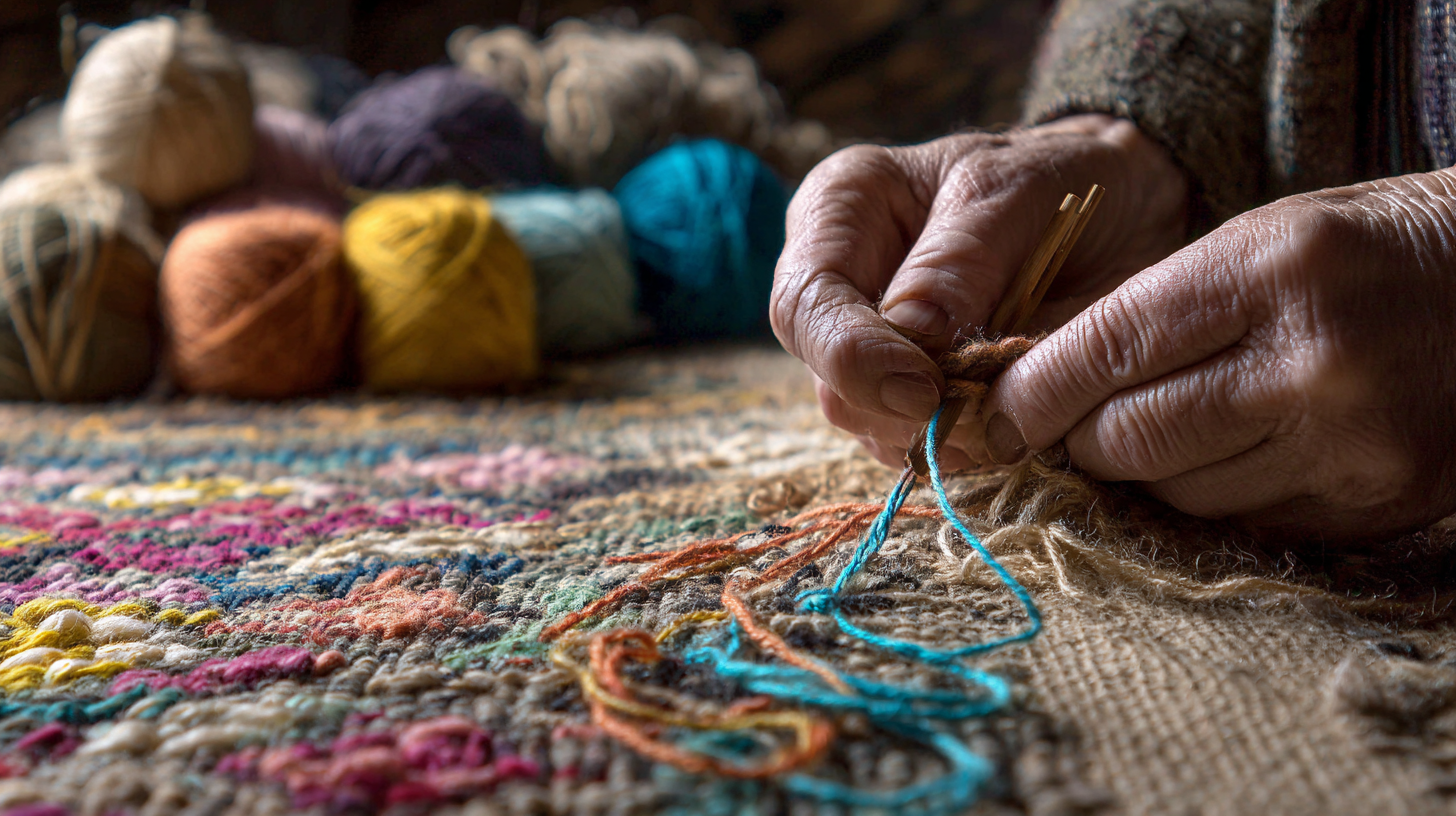
Each carpet is a tapestry of geometric shapes, floral motifs, and complex borders that seem to both constrain and liberate the patterns within. The colors—earthy reds, deep blues, olive greens, soft yellows—reflect the natural dyes once extracted from plants, minerals, and roots found in the region. Although modern dyes are often used today, the palette still honors the tones of Alentejo’s rural landscape.
Watching an Arraiolos carpet come to life is witnessing time made visible. A single piece may take weeks or months to complete, and its imperfections reveal the human touch of the craftswoman. These carpets are more than floor coverings; they are heirlooms passed from one generation to the next, carrying stories embedded in wool. They speak of patience, memory, and the enduring strength of tradition.
Filigree: The Art of Gold in Air and Light
In the north of Portugal, particularly in Gondomar and Porto, gold filigree is one of the country’s most exquisite artistic traditions. The technique is delicate and requires extraordinary skill. Thin threads of gold or silver are curled, twisted, and soldered together to form lace-like patterns so intricate they seem to defy the solidity of metal. Filigree is an art performed with fire, breath, and almost invisible movements of the hand.
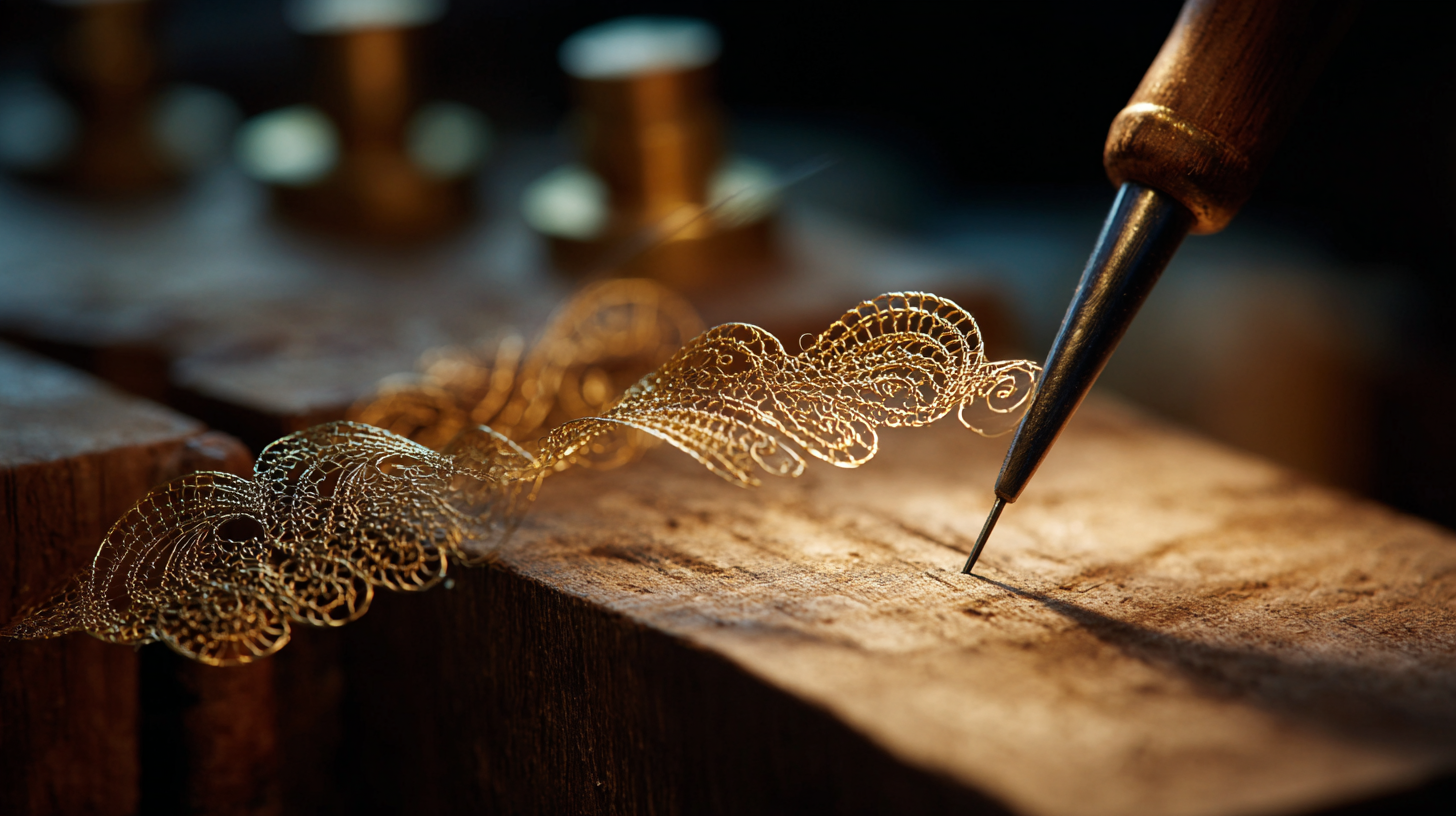
The heart-shaped coração de Viana is the most iconic symbol of Portuguese filigree—a motif rooted in devotion and folklore. Historically, these pieces were worn during festivals, weddings, or religious celebrations, shimmering under sunlight as part of traditional costumes. The designs often incorporate spirals, leaves, and tiny geometric shapes that echo Portugal’s maritime past and Baroque aesthetic.
Entering a filigree workshop feels like stepping into a microcosm of patience. Artisans sit at wooden benches, their faces illuminated by small lamps as they guide thin strands into curls and coils. The soft crackle of the soldering flame punctuates the silence. Every piece, even the smallest earring or pendant, requires hours of labor. The result is jewelry that carries both lightness and depth—objects that seem almost weightless yet rich with cultural legacy.
Pottery and Ceramics: Clay, Fire, and the Colors of the Earth
Across Portugal, pottery traditions reflect the varied landscapes of the country. In the Alentejo region, potters shape clay into large amphorae, jugs, and bowls that recall centuries-old utilitarian forms. The clay here is rich and dense, creating sturdy vessels that once stored olive oil, wine, and grain. In the hands of modern artisans, these forms remain deeply connected to the land. Their surfaces often show the marks of hands and tools that shaped them, preserving an organic rawness.
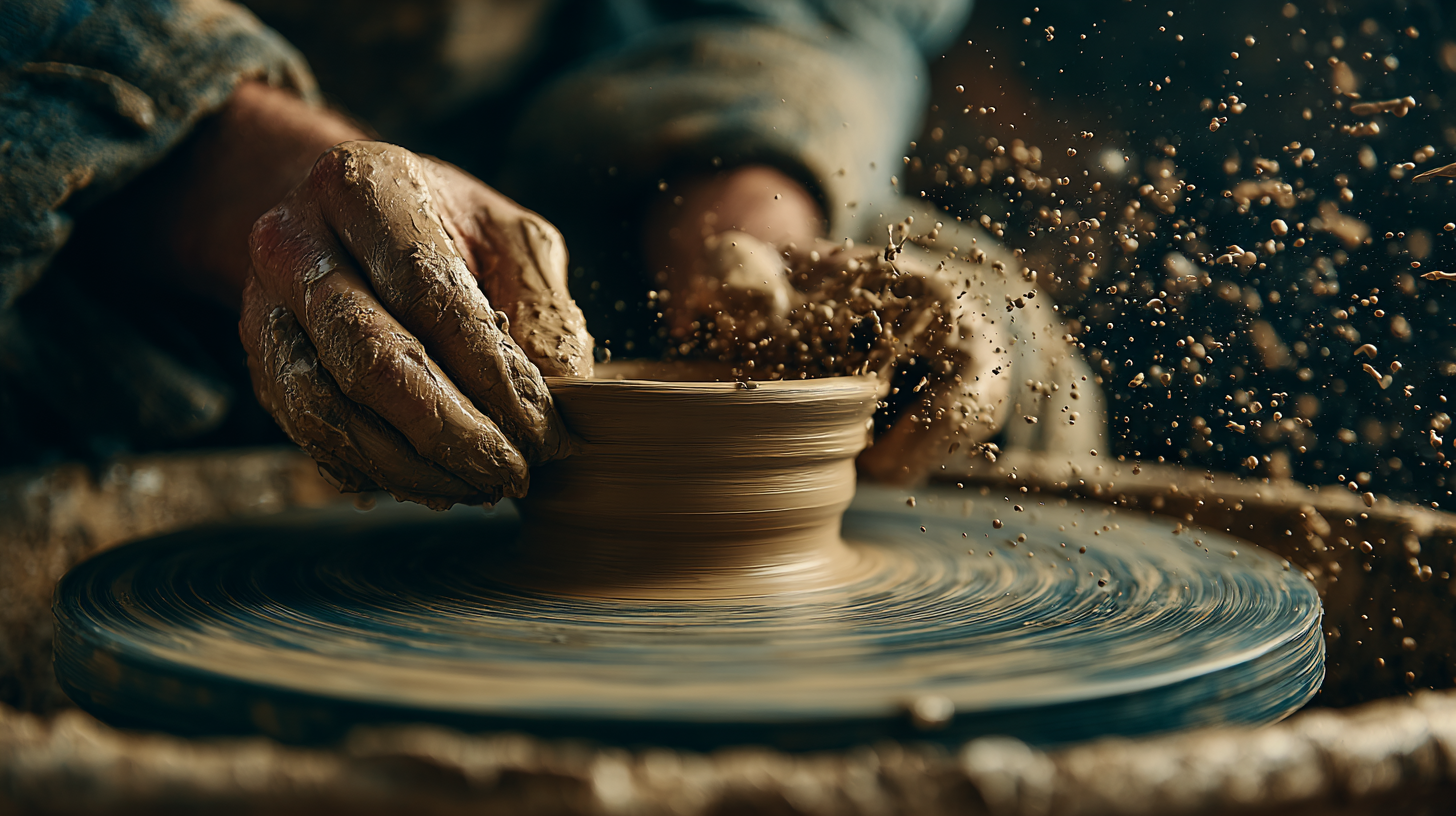
In northern Portugal, particularly in Barcelos and Caldas da Rainha, ceramics take on a more vibrant and whimsical character. Bright glazes, bold patterns, and humorous figures reflect a more playful artistic identity. The famous Galo de Barcelos, a brightly colored rooster, symbolizes good fortune and hospitality. Although easily found in souvenir shops, its origins lie in folk art traditions that valued storytelling and symbolism.
Portuguese tiles, or azulejos, represent perhaps the country’s most recognizable ceramic form. These glazed tiles cover churches, train stations, palaces, and ordinary homes, transforming everyday architecture into visual narratives. The deep blue and white patterns tell stories of voyages, myths, harvests, and religious scenes. Tile workshops still operate today, where artisans paint each piece by hand, preserving a tradition that has shaped Portugal’s visual language for centuries.
Lacemaking: The Quiet Precision of Coastal Towns
Along the western coast, especially in towns like Peniche and Vila do Conde, lacemaking is both a craft and a heritage of community. Women gather in small groups, sitting with wooden bobbins clicking rhythmically against each other, their fingers moving with a speed that belies years of practice. The lace created in these towns is renowned for its delicate patterns, airy structures, and fine craftsmanship.
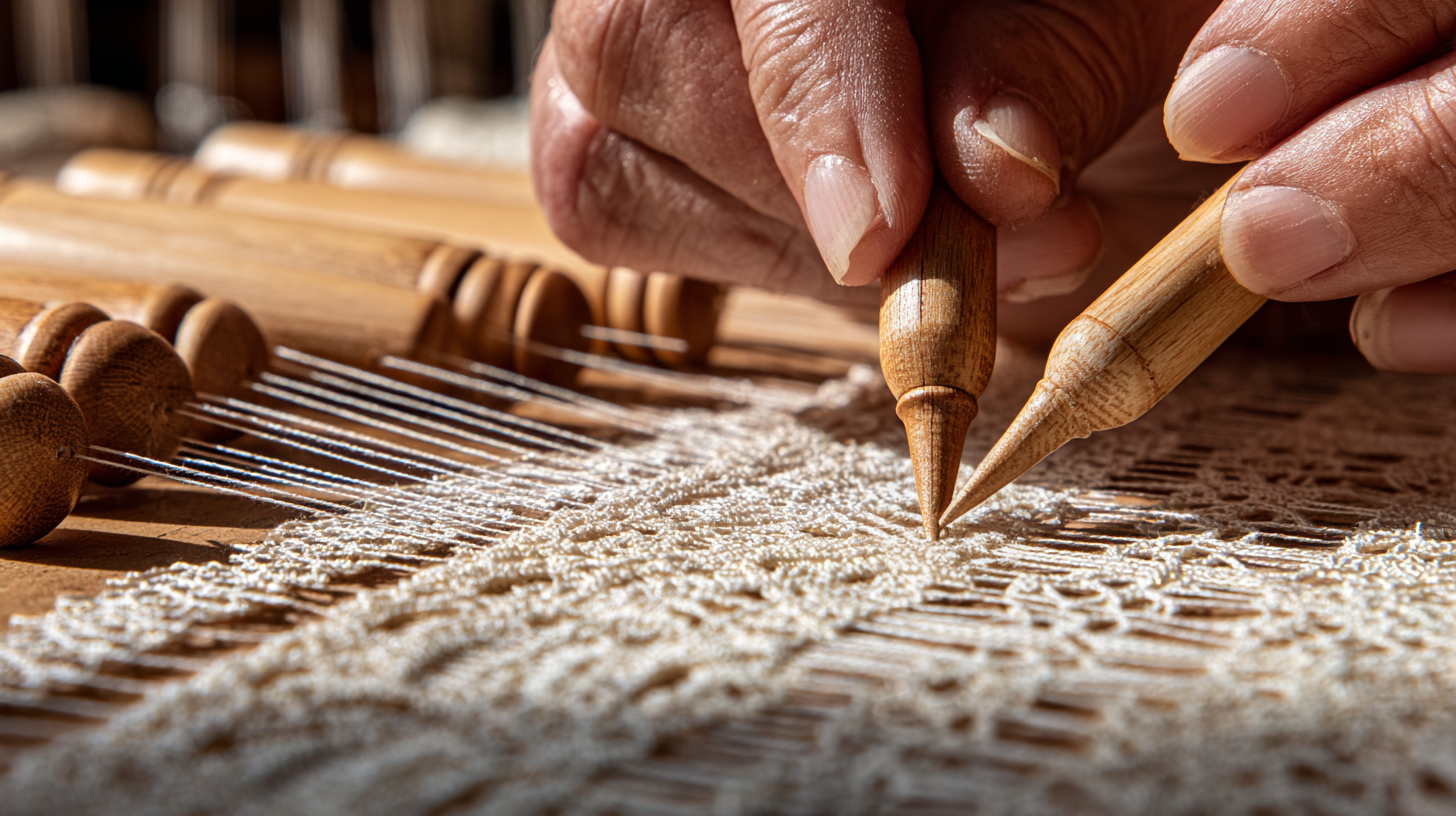
This tradition evolved from Portugal’s maritime past. Sailors’ wives crafted lace to supplement family income while their husbands were away at sea for months. Over generations, the patterns became more refined, the techniques more complex, and the lace more valued. Today, visitors can still see women sitting by doorways or in workshops, shaping threads into intricate webs. The craft remains a symbol of resilience, patience, and the quiet strength of coastal life.
Woodworking and Regional Artistry: Crafting Shape from Nature
Portugal’s forests, particularly those in the northern and central regions, provide wood that artisans transform into furniture, utensils, and decorative objects. In small workshops hidden among villages, carpenters and woodcarvers rely on skills honed over decades. They work with chestnut, oak, pine, and olive wood, each material offering its own personality.
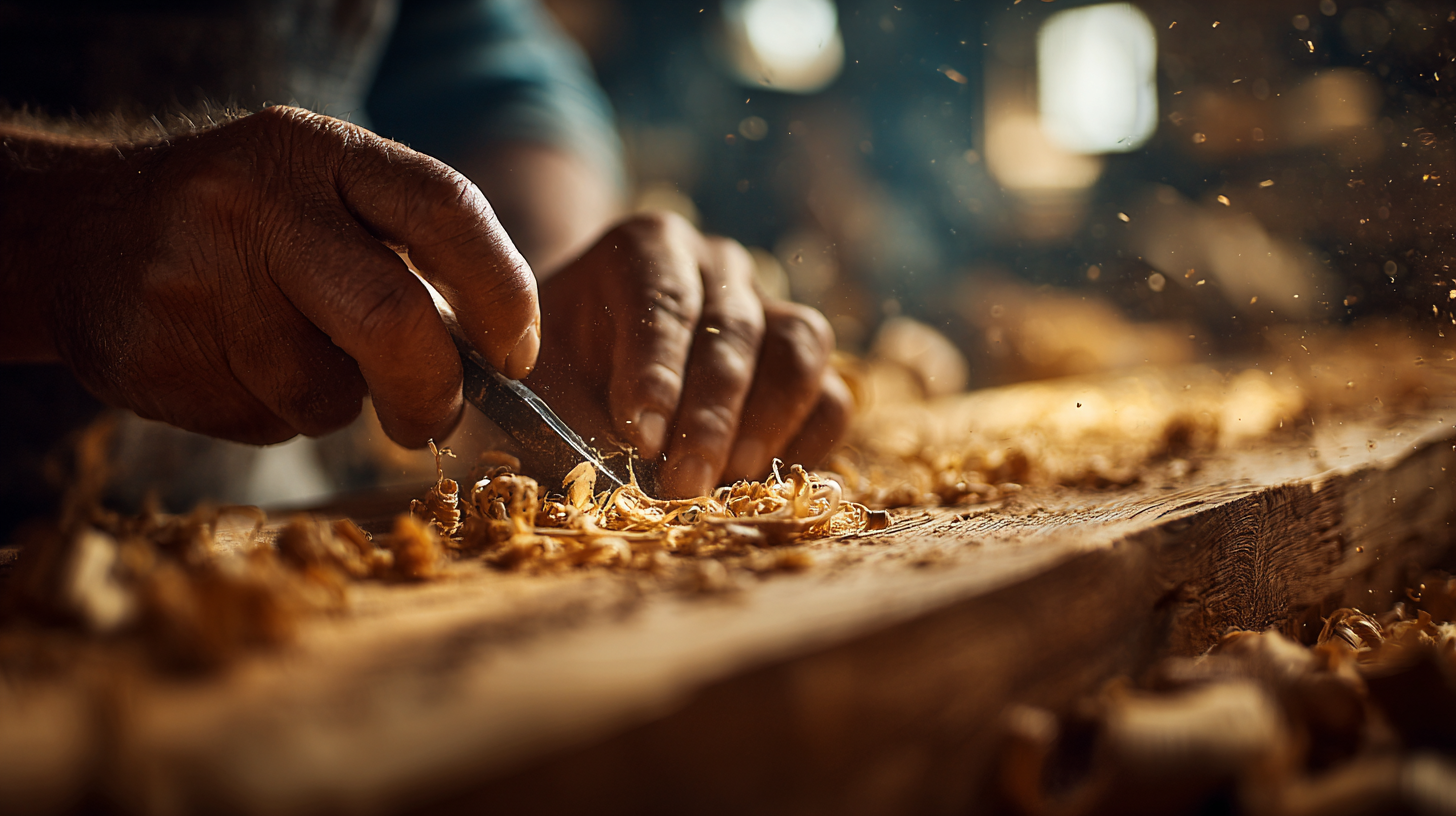
Traditional Portuguese furniture often features simple silhouettes and clean lines, reflecting a culture that values practicality without sacrificing beauty. In coastal areas, driftwood is sometimes incorporated into modern designs, bringing a raw, natural element to contemporary craft pieces. These objects bridge past and present, blending old techniques with new interpretations.
Woodcraft in Portugal feels deeply tied to place. The scent of shavings, the grain of polished timber, and the rhythmic sound of carving tools create an atmosphere rooted in both nature and manual genius. To own a handmade wooden piece from Portugal is to hold a fragment of the country’s landscapes.
Contemporary Craft Revival: Where Tradition Meets Innovation
In recent years, Portugal has witnessed a resurgence of interest in handmade crafts. Young artisans, designers, and entrepreneurs are reinventing traditional techniques, blending heritage with modern aesthetics. Concept stores in Lisbon, Porto, and Faro showcase collections that reinterpret cork, ceramics, textiles, and metalwork for contemporary lifestyles.

Workshops once threatened by industrial decline are experiencing renewal as travelers and locals seek sustainable, authentic products. Many artisans now host visitors, offering demonstrations and teaching short courses. This connection between maker and traveler transforms handmade crafts into meaningful experiences rather than simple transactions.
Portugal’s commitment to preserving its craft traditions is visible in festivals, cooperatives, and municipal programs that support artisans. The result is a thriving ecosystem where old skills continue to evolve without losing their identity.
Conclusion
Through Portugal traditional crafts, travelers encounter a living expression of cultural heritage. Portugal’s handmade crafts embody the country’s spirit: rooted in tradition, shaped by landscape, and alive with the creativity of generations. Whether it is the warm texture of cork, the intricate grace of filigree, the earthy weight of pottery, or the delicate beauty of lace, each craft tells a story of place, heritage, and hands at work.
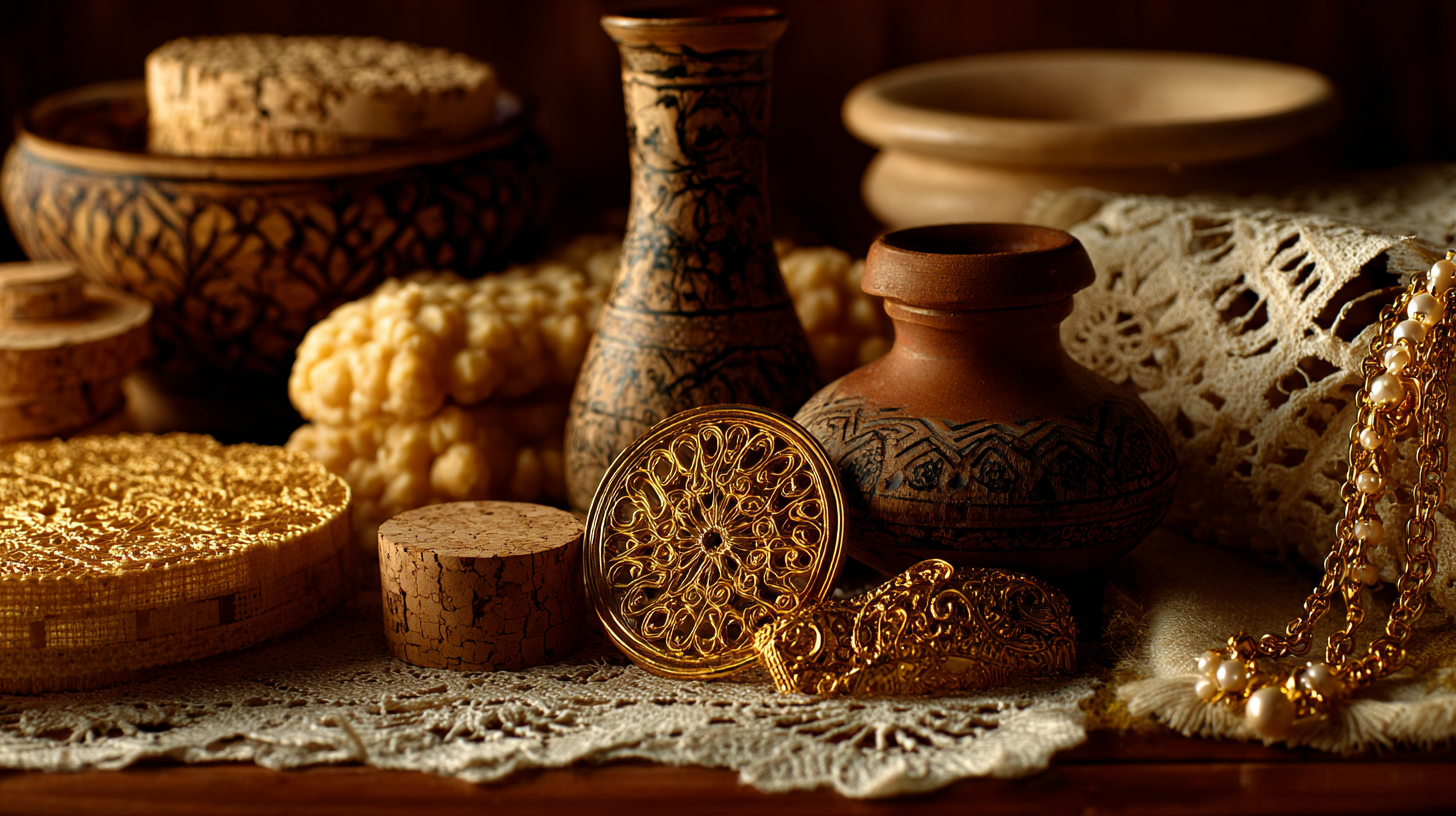
To explore these crafts is to journey through Portugal’s cultural geography, moving from the forests of Alentejo to the river valleys of the north, from coastal towns shaped by the sea to villages where time flows more slowly. In every workshop and market stall, travelers encounter a piece of Portugal’s identity—authentic, enduring, and deeply human.
Handmade objects here are more than decorative; they are fragments of memory, vessels of tradition, and expressions of a nation where craft remains a living, breathing art. For those who wander through Portugal seeking meaning beyond landscapes and monuments, its crafts offer a quiet but powerful reminder: beauty is often created by hands that carry centuries of wisdom.