
Portugal’s Surfing: A Culture Shaped by the Atlantic
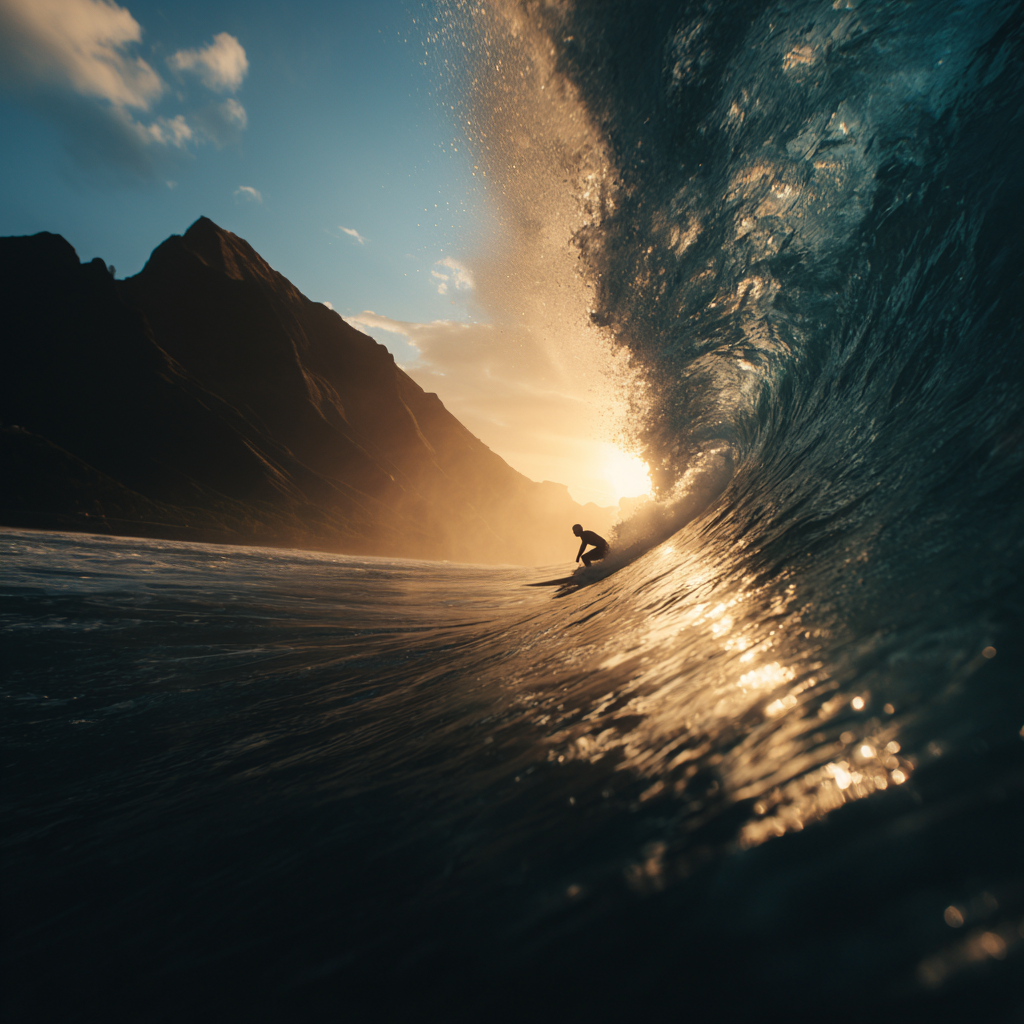
Portugal is a country in constant dialogue with the Atlantic. The ocean shapes its climate, its cuisine, its history — and perhaps most powerfully, its sense of rhythm. Along the country’s western edge, where continents end and open water begins, the shoreline becomes a meeting point between human resilience and the raw energy of nature. This is where Portugal’s surfing culture was born: at the edge of cliffs sculpted by storms, on beaches where wind shifts suddenly, and in towns where fishermen and surfers exchange the same quiet respect for the sea’s unpredictability.
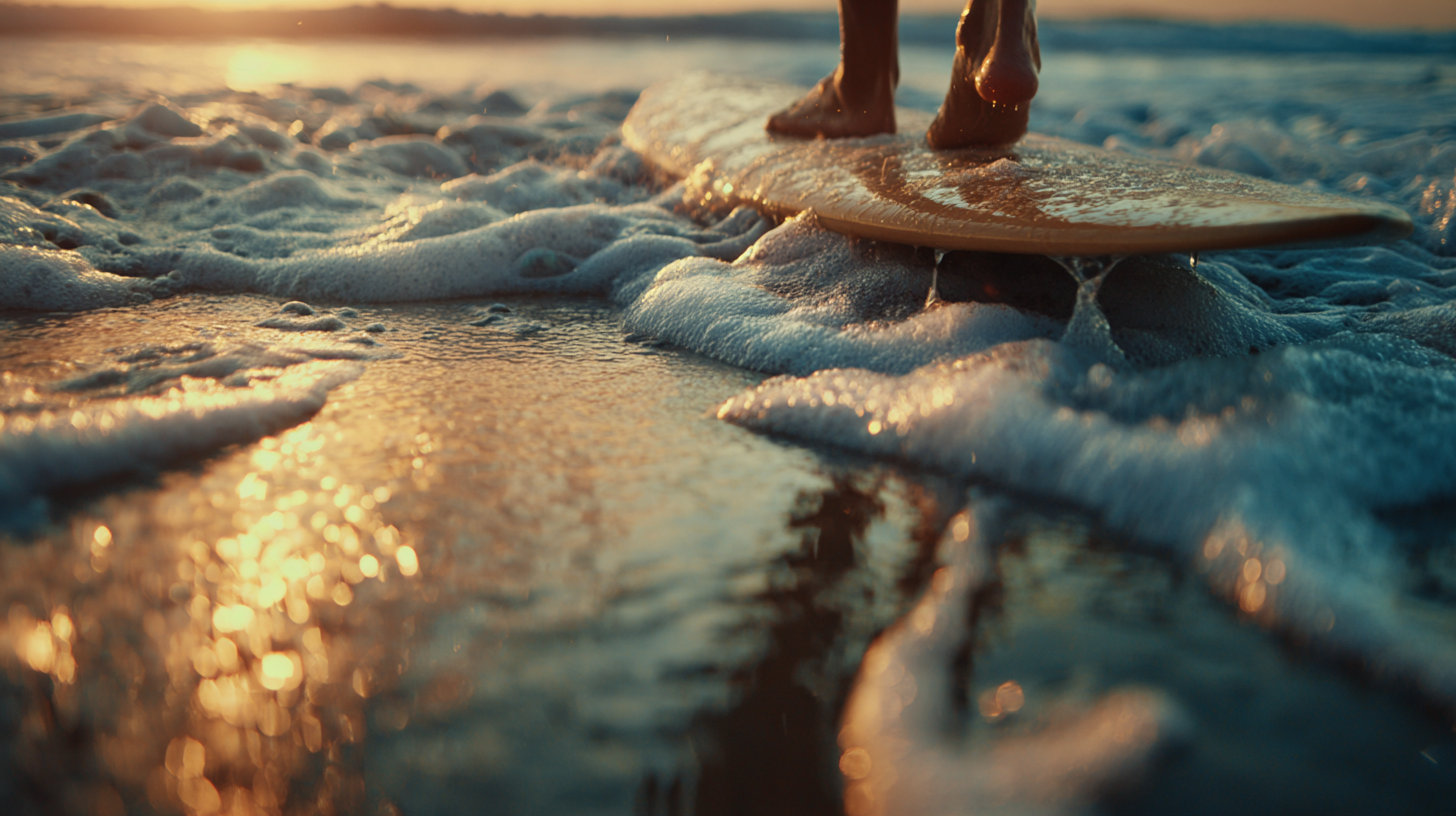
To surf in Portugal is to tap into this relationship. It is not merely a sport here; it is a way of entering the country’s deeper pulse. Whether watching giant winter swells crash against the lighthouse at Nazaré, paddling through the calm dawn at Peniche, or diving off volcanic shores in the Azores, travelers discover a landscape shaped by water and motion. The ocean invites exhilaration, but also humility — a reminder that this is a playground built by geological forces far older and stronger than any human ambition.
Nazaré: Where Giants Rise from the Deep
Nazaré is unlike any other surf spot in the world. What appears at first glance as a humble fishing town — with narrow streets, drying nets, and women in traditional layered skirts — transforms each winter into the stage for one of nature’s greatest performances. Here, waves the height of ten-story buildings rise suddenly from the Atlantic, propelled by the underwater Nazaré Canyon, a geological trench that channels power toward the shore with astonishing force.
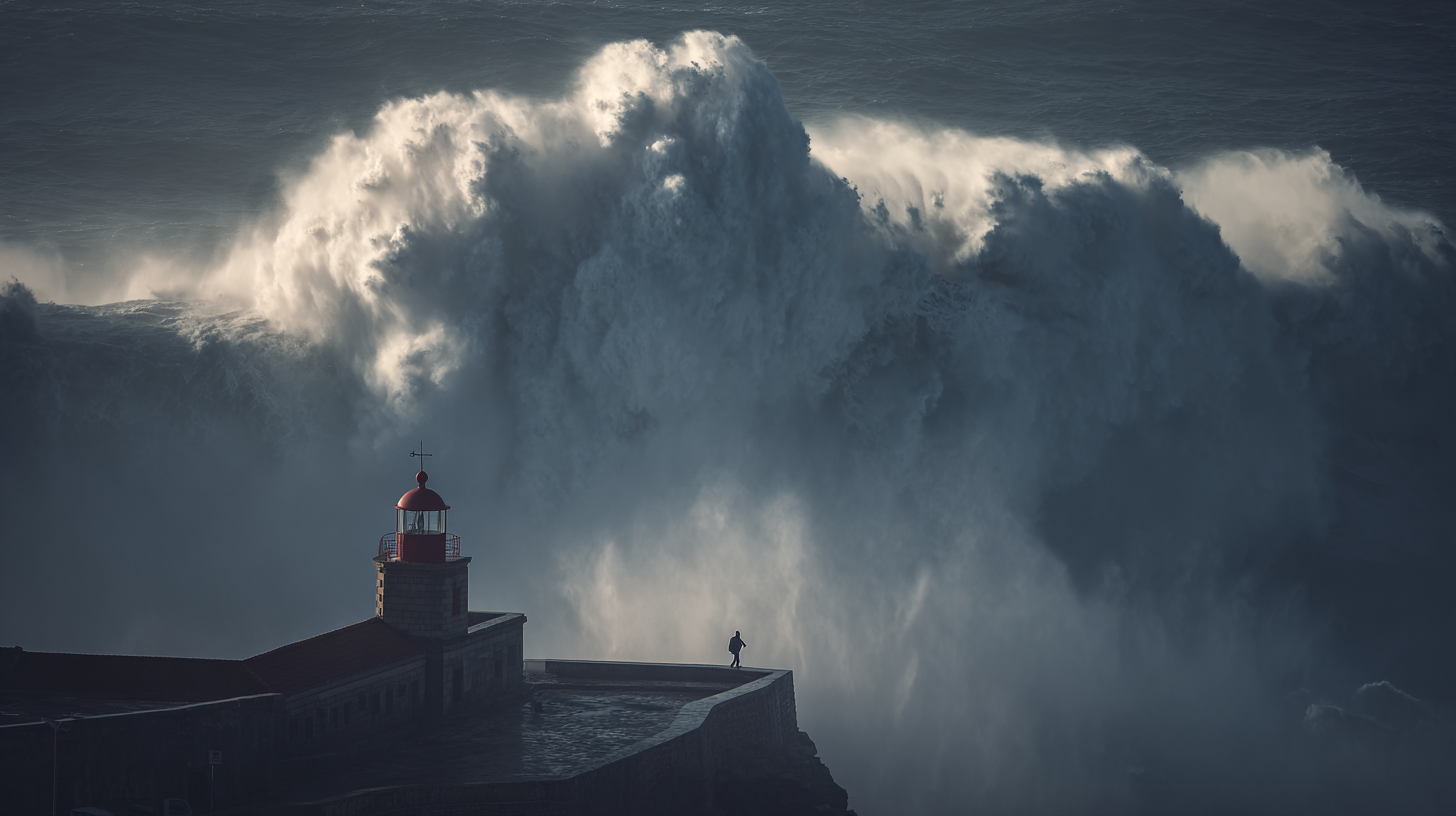
Standing on the cliffs near the red lighthouse, visitors feel the roar long before they see it. The sound is not simply noise; it is vibration, a deep rumble that travels through stone and bone. Mist drifts upward as swells break against the headland, sending plumes of water into the air like signals fired by the sea. During winter, surfers from across the globe gather here — individuals known as big-wave riders, whose craft borders on the mythic. They launch themselves down walls of water so steep and fast they appear to defy gravity. Jet skis tow them into position, then peel away as a surfer drops down the face, carving a fleeting path between chaos and control.
Watching a ride in Nazaré feels like witnessing a dialogue between human courage and natural power. Even on calmer days, the ocean’s vastness is palpable. When the sun sets behind the Atlantic, casting crimson light onto the waves, Nazaré becomes a reminder of how small and extraordinary human presence can be at the world’s edge.
Peniche: The Peninsula of Endless Motion
If Nazaré is defined by extremes, Peniche offers a different kind of discovery — a democratic openness that welcomes surfers of every level. The coastline here forms a natural amphitheater of beaches, sandbars, and reefs that shift with tides and wind, creating a mosaic of waves suitable for beginners, intermediates, and professionals alike. At the heart of Peniche lies Supertubos, one of Europe’s most famous breaks. On the right autumn swells, the wave forms a barrel so hollow and fast it seems engineered rather than natural. Surfers line up in quiet concentration, waiting for the moment when the water pitches forward into a liquid tunnel. The ride lasts only seconds, but its intensity stays with them long afterward.
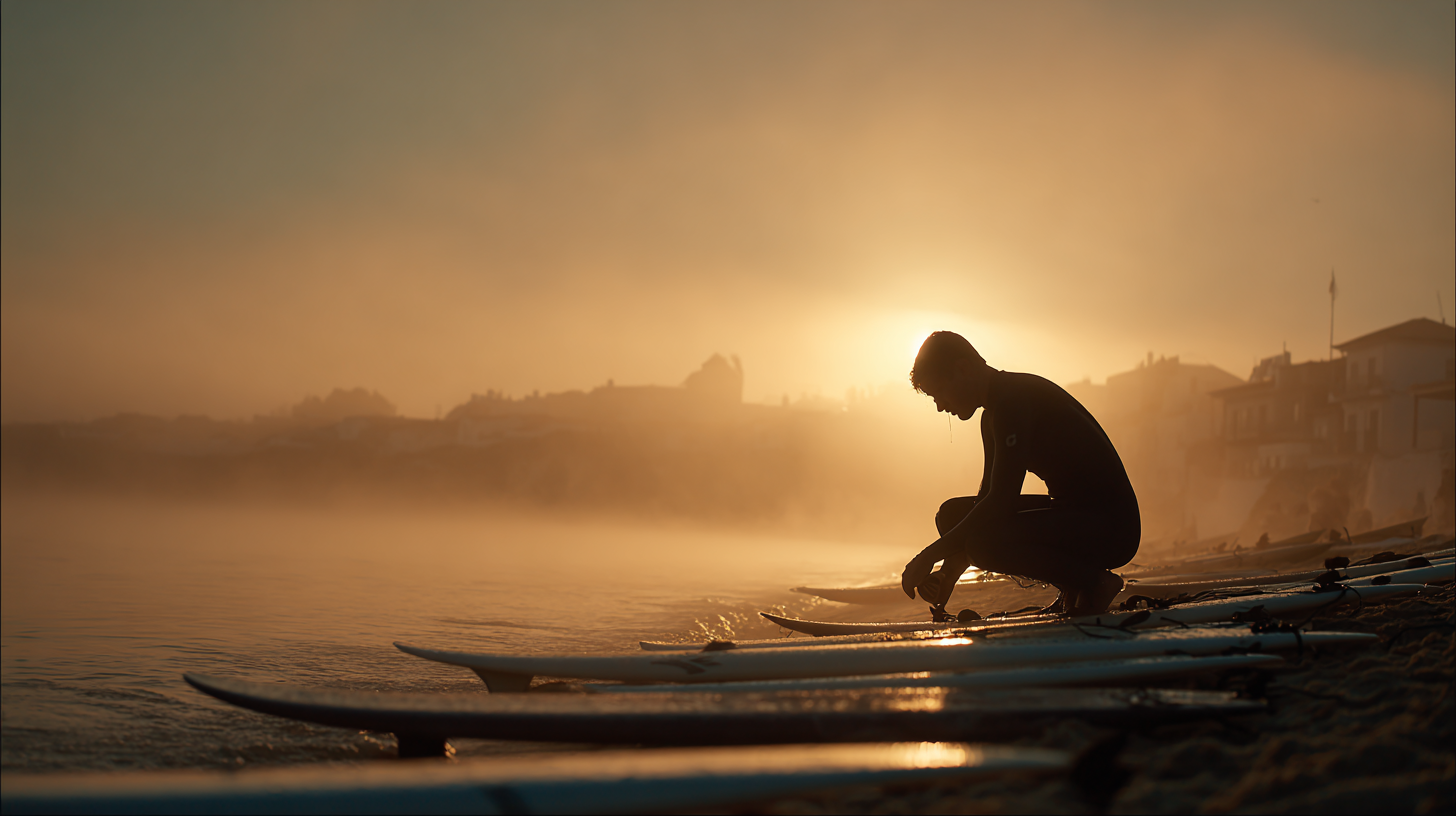
Outside the peak seasons, Peniche softens. Morning fog lifts slowly from the water as small fishing boats drift into the harbor. Surf schools open their doors, boards are waxed, and students gather on the sand for warm-up stretches. The peninsula’s geography — extending into the Atlantic like an outstretched arm — means that when one side is windy or rough, another side may be calm. This makes Peniche a rare place where the ocean always has something to offer.
The town itself reflects surfing’s easygoing rhythm. Cafés fill with people comparing forecasts, and evenings unfold in relaxed conversations about wind direction, swell intervals, and the day’s small triumphs on the water. Peniche embodies the idea that surfing is not a moment, but a lifestyle — one shaped by patience, observation, and the simple joy of adapting to the sea’s changes.
Southern Breaks: Warm Waters and Limestone Coasts
Further south, the Algarve reveals a coastline marked by dramatic variety. Here the architecture of the land changes — cliffs of amber limestone rise above hidden coves, while long stretches of beach extend toward Spain under wide-open skies. The region offers gentler waters in some places and wild Atlantic exposure in others, creating an ideal environment for both beginners and experienced surfers seeking new terrain.
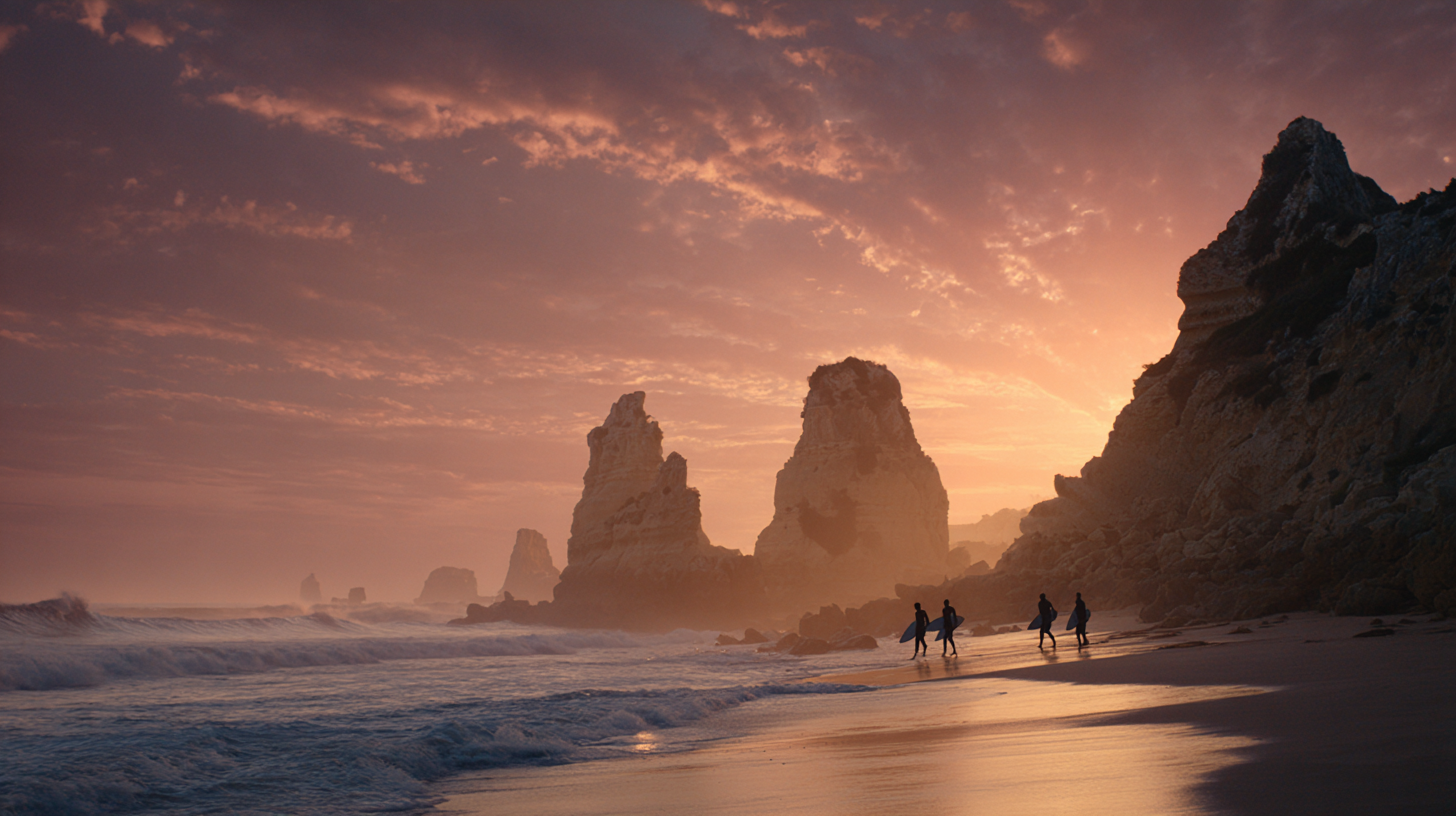
The western Algarve, exposed to the full force of the Atlantic, is known for its rugged beauty. Windswept headlands frame beaches where the surf breaks with clean precision. At dusk, cliffs glow in deep orange as waves roll toward the shore with the steady rhythm of a metronome. Surfers emerge from the water wrapped in towels, faces illuminated by the final light of day. Conversations drift lightly across the sand, mingling with the sound of waves collapsing softly at their feet.
By contrast, the southern Algarve embraces calmer seas and warmer currents. While this coastline is better known for swimming and kayaking, it also offers unique surf spots sheltered from the elements. The interplay between cliff shadow and morning sun creates conditions that are as visually captivating as they are inviting. The Algarve’s diversity ensures that the surfing experience is never uniform. Every beach, every shift in wind, and every hour of the day can produce a different personality. It is a region that teaches surfers to tune their attention to light, tide, and the language of the ocean.
Related: Portugal Travel Guide – 7 Cities That Reveal the Country’s Soul
Atlantic Islands: Volcanic Waves and Deep-Water Energy
Portugal’s island regions — Madeira and the Azores — reveal a different face of the Atlantic, one shaped by volcanic origins and breathtaking topography. These islands rise from deep ocean trenches, forming cliffs, natural pools, and lava shelves that create both challenges and opportunities for surfers and water explorers.
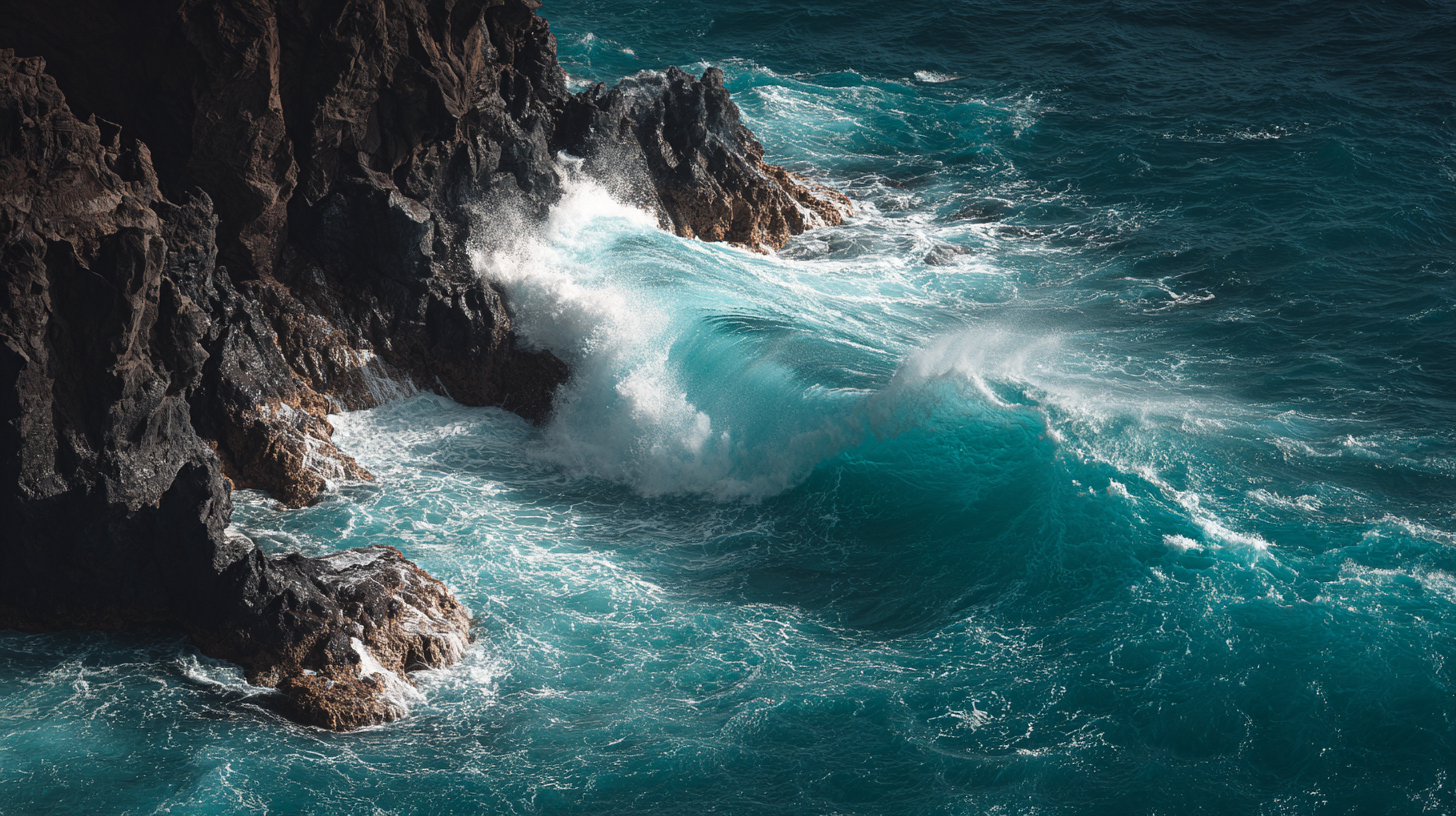
In Madeira, waves crash against basalt formations that look sculpted by fire and time. Surfing here demands confidence and precision: many breaks are over rock rather than sand, and access points require navigating narrow paths carved into cliffs. But the reward is unmatched — powerful waves, dramatic scenery, and a sense of isolation that makes each ride feel like a secret shared with the sea. Beyond surfing, Madeira invites travelers into its underwater world. The clarity of its waters and the presence of marine reserves make snorkeling and freediving unforgettable. Schools of fish shimmer around volcanic formations, and rays glide through blue shadows with an effortless grace that reflects the island’s tranquil soul.
The Azores, scattered across the Atlantic’s mid-ocean ridge, offer even greater geological diversity. Waves form where underwater topography rises sharply, creating breaks that shift with storms, seasons, and tides. The islands’ lakes, craters, and thermal springs provide a backdrop that feels almost otherworldly. Diving here opens a window into vibrant ecosystems shaped by currents and volcanic nutrients — encounters with large pelagic species, colorful reef fish, and dramatic underwater landscapes.
The islands extend Portugal’s surfing and water-sports culture into new dimensions — wilder, deeper, and intimately tied to the primal forces that created them.
Related: Eco Tourism in Portugal – Green Destinations from North to South
Life Around the Waves: Community, Culture, and Coastal Rhythm
Surfing in Portugal is more than chasing swells. It shapes the lifestyle of entire communities, creating a coastal culture built on respect for the sea and shared experience. Along beaches from the Minho coast to the Algarve, surfers greet each other with familiarity regardless of skill level. Conversations begin naturally — about tides, forecasts, equipment, or simply the beauty of a wave caught at sunrise.
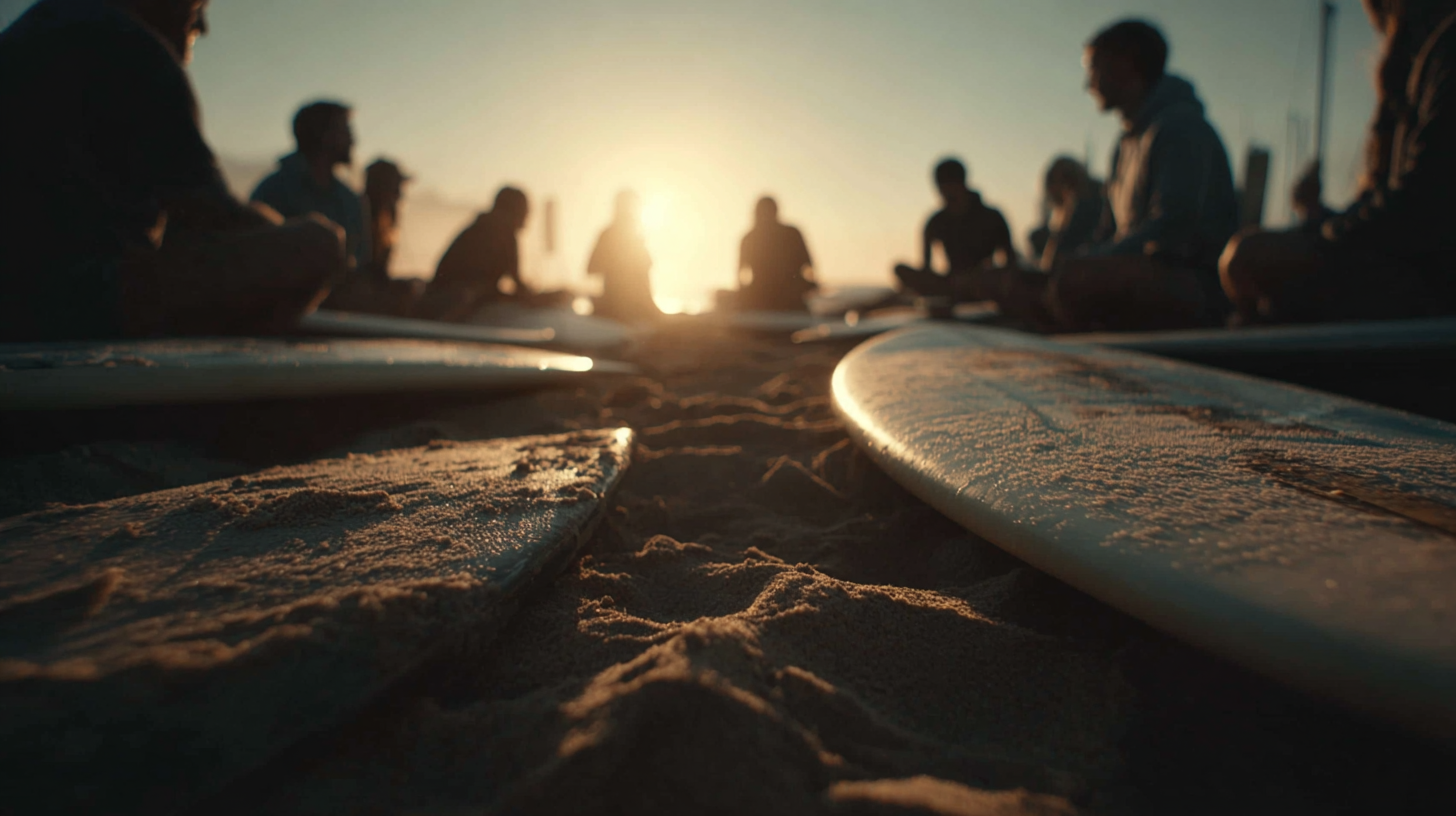
Fishing villages, once defined solely by maritime labor, have adapted to this new rhythm. Local restaurants display boards stacked against their walls, while markets sell fresh fish alongside wax and surf accessories. Yet despite this transformation, the essential identity of these towns remains intact. The sea continues to be their provider, teacher, and constant presence.
There is also a growing emphasis on sustainability. Coastal communities recognize the fragility of marine ecosystems and the responsibility of those who enjoy them. Beach clean-ups, conservation initiatives, and eco-focused surf camps encourage travelers to engage with the environment thoughtfully. Surfers understand the unpredictable nature of the ocean, and this humility fosters a culture of care — not just for waves but for the beaches, dunes, cliffs, and wildlife that complete the coastal world.
To live or travel among Portugal’s surf culture is to enter a slower rhythm. Days revolve around tide charts rather than clocks. Mornings bring swell reports instead of news headlines. Evenings unfold in gentle conversation, where stories of the day blend with the sound of distant waves breaking in the dark.
Conclusion
Portugal’s surfing and water-sports landscape is not defined by a single place or season. It is a tapestry woven from the force of the Atlantic, the diversity of its coastlines, the resilience of its communities, and the curiosity of those who seek connection with the sea. From the colossal swells of Nazaré to the welcoming beaches of the Algarve, from the volcanic cliffs of Madeira to the hidden coves along the mainland, each location tells its own story of motion and discovery.
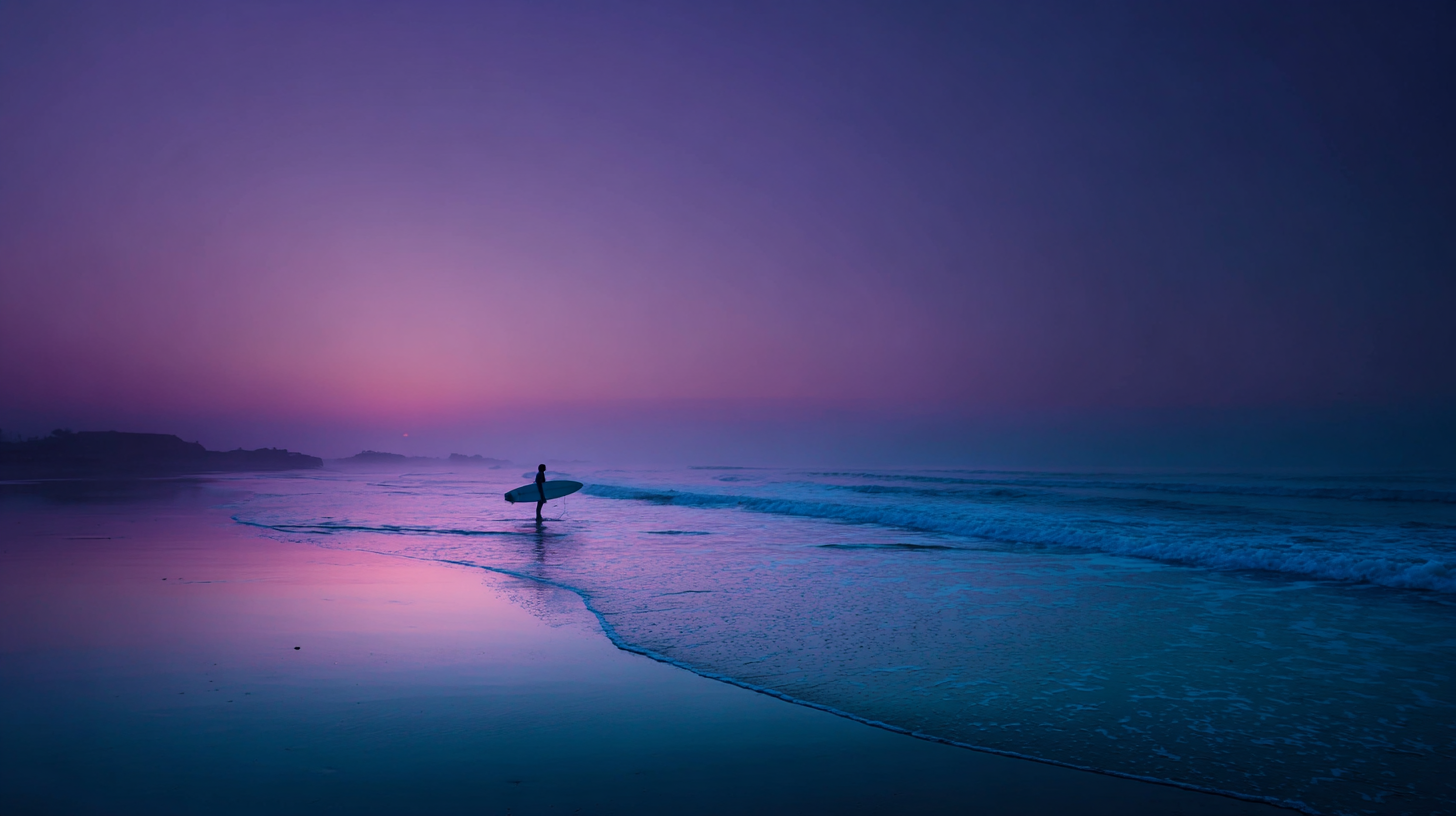
To ride a wave here is to participate in a conversation older than memory — a conversation between wind, water, rock, and human determination. Surfing becomes a way of listening to the ocean’s shifting moods, of understanding its dangers and its gifts. Travelers leave with more than photographs or souvenirs; they carry the rhythm of the Atlantic within them, a reminder of how powerful and humbling nature can be.
Portugal’s waves offer exhilaration, but also reflection. They challenge, inspire, and connect, revealing a coastline where adventure and contemplation coexist. For those who seek the edge of experience, the touch of wild water, and the poetry of movement shaped by nature itself, Portugal remains one of the world’s most extraordinary places to meet the sea.
For surf conditions, safety information, and official coastal guidelines, visit the Portuguese Sea and Atmosphere Institute (IPMA).