
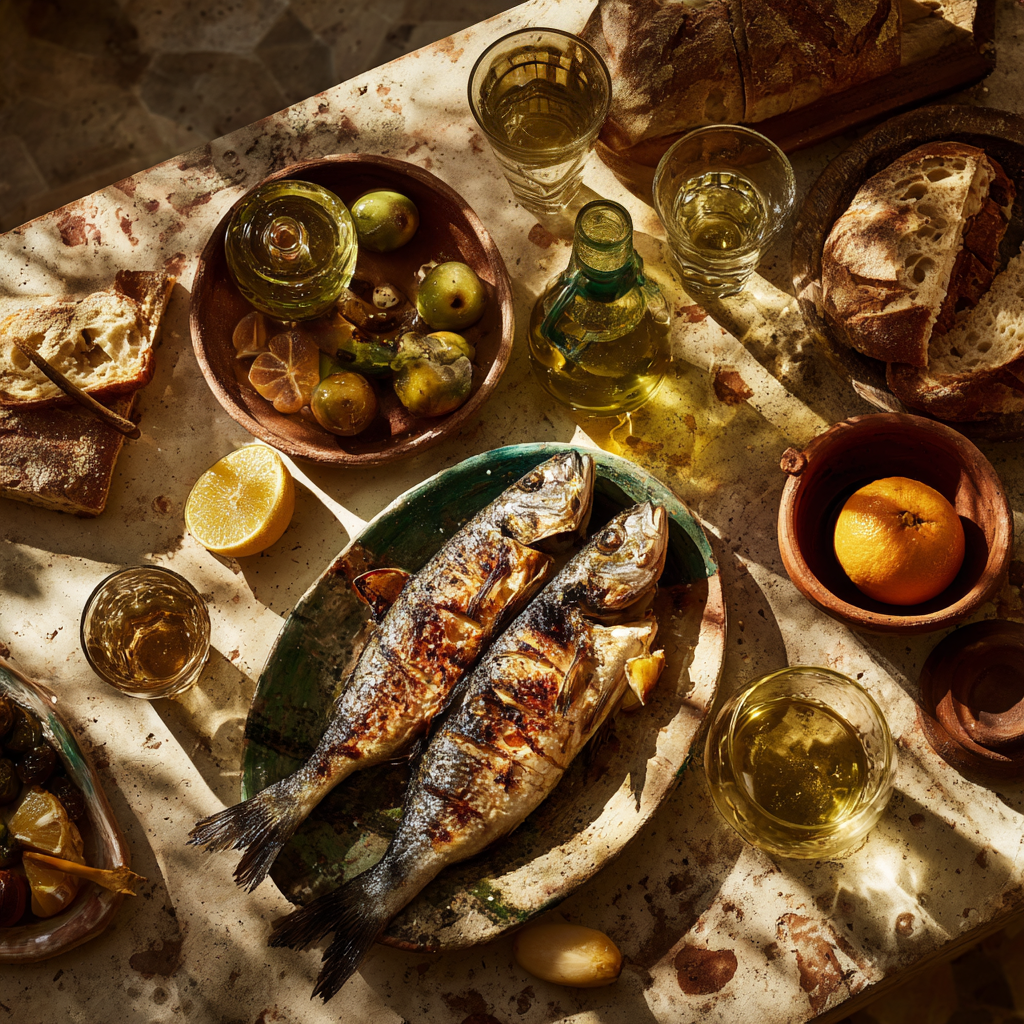
The Essence of Portuguese Cuisine
Portuguese cuisine tells its story in flavors shaped by sea winds, rural traditions, monastic creativity, and centuries of exploration. Portugal speaks many — stone, wind, light — but one of its most intimate languages is flavor. Across coastal villages, mountain towns, river valleys, and centuries-old cities, the Portuguese table reflects a shared memory shaped by exploration, devotion, hardship, celebration, and an enduring respect for the land and sea.
To eat in Portugal is not simply to taste ingredients. It is to experience a living dialogue between past and present, between what the country once was and what it continues to become. Meals unfold slowly, with an unspoken understanding that food binds people — families, neighbors, generations — around warmth, conversation, and tradition. From the hum of market stalls to the quiet amber glow of countryside kitchens, Portugal reveals itself one dish, one aroma, one story at a time. This culinary portrait is not a list of recipes; it is the soul of a nation rendered in flavor.
For more cultural heritage, see Traditional Crafts of Portugal.
The Atlantic Spirit: A Cuisine Born from the Sea
Portugal’s coastline stretches for hundreds of kilometers, and the Atlantic is more than scenery — it is the heartbeat of the national cuisine. Fishing communities have relied on these waters for centuries, shaping a culinary identity rooted in salt, wind, tide, and resilience. The sea is present in everyday life, in early morning markets where fishermen unload shimmering catches, and in simple meals where ocean freshness takes precedence over embellishment.
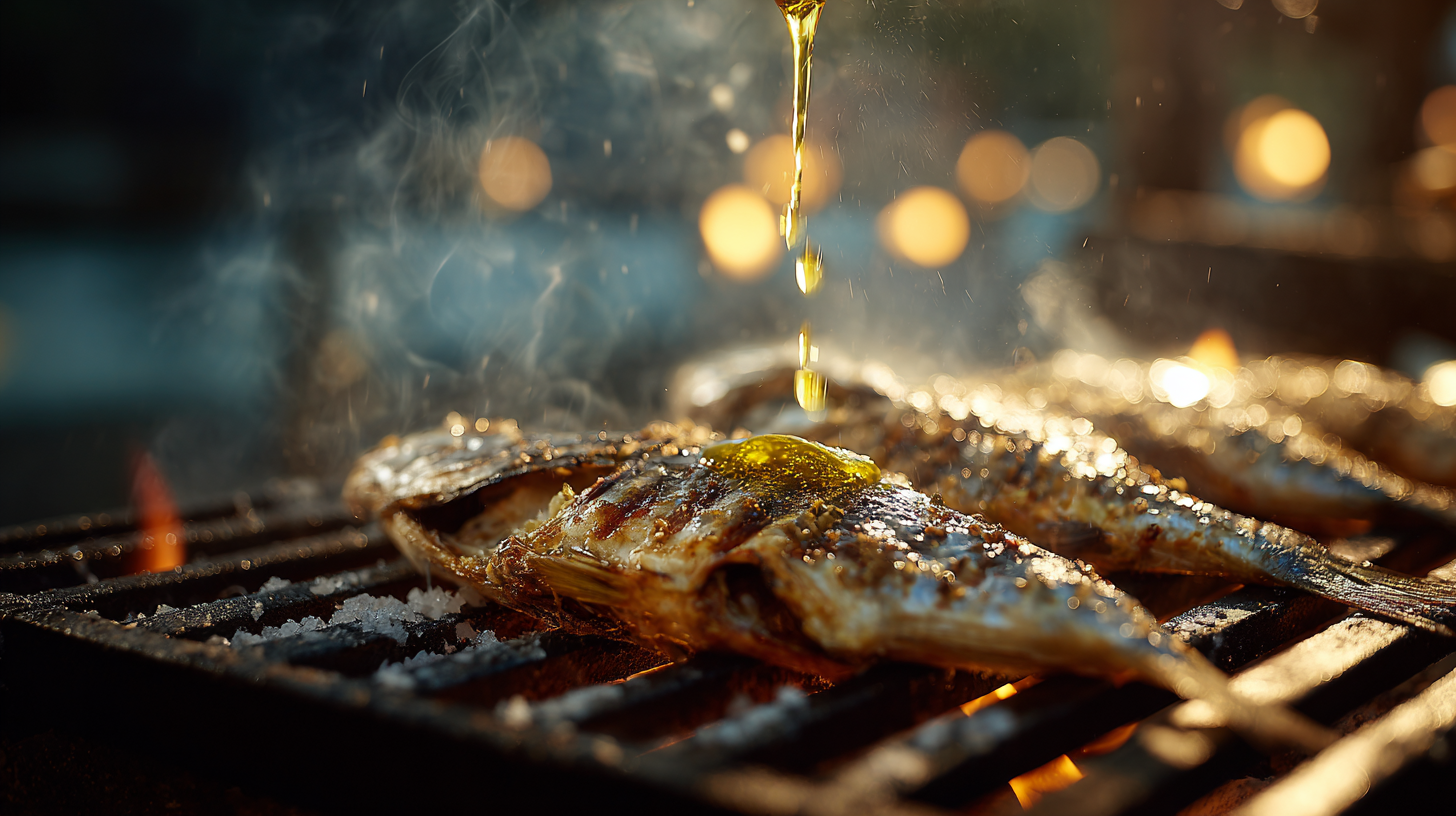
The Portuguese approach to seafood is defined by purity. Grilled fish is seasoned with little more than coarse salt and olive oil, allowing the natural flavor to speak. Shellfish is steamed just long enough to open, never overpowered, never rushed. Salted cod, once a symbol of endurance and long voyages, carries the weight of history — the memory of distant trade routes, months at sea, and the ingenuity of preserving food before refrigeration.
Eating by the ocean often feels like stepping into a ritual. The air smells of iodine and smoke, waves echo in the distance, and each bite seems to restore a connection with something elemental. Even inland, the sea’s influence persists. Markets in mountain towns display fish brought from distant harbors that morning, preserving a thread that ties the entire country to the coastline.
The Atlantic gives Portugal a flavor unlike any other: bold yet delicate, confident yet humble, shaped by tides that have carried explorers outward for centuries — and always brought them home.
Fire, Iron, and Earth: Rural Flavors of the Interior
While the coast offers freshness and salt, Portugal’s interior brings warmth, depth, and the aroma of slow-cooked comfort. In the countryside, meals rise from iron pots simmering over wood fires, clay ovens glowing with embers, and ingredients drawn from fields, orchards, and pastures that have fed families for generations. This is a cuisine shaped by patience, rooted in agricultural rhythms and the practical wisdom of rural life.
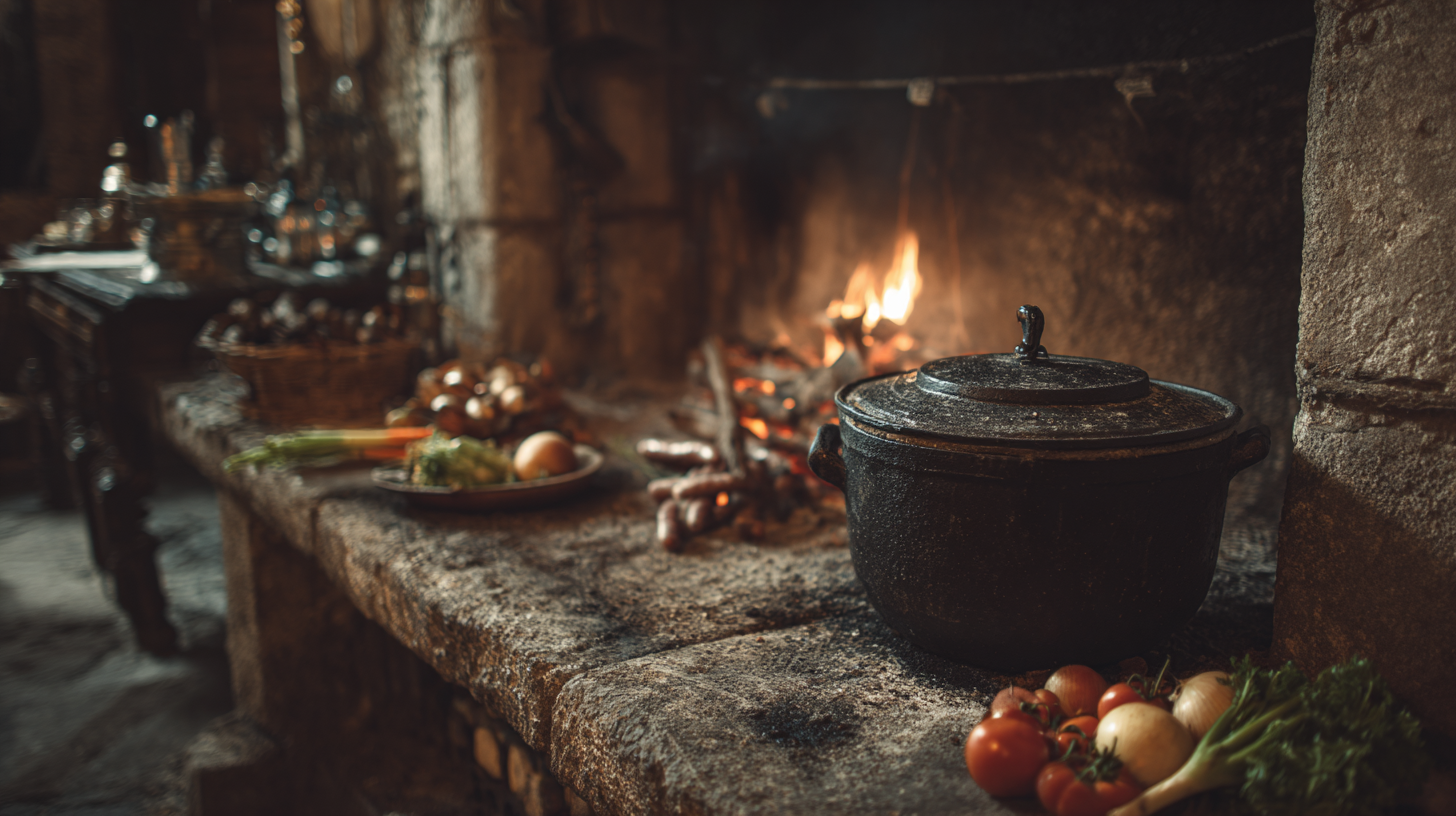
The interior’s flavors are darker, earthier, and more robust. They speak of chestnut groves rustling under autumn winds, vineyards glowing at dusk, olive trees casting silver shadows over dusty soil. Rustic stews blend pork, beans, cured sausages, and vegetables grown in small garden plots. Game meats reflect centuries-old hunting traditions in the north and Alentejo’s wide-open plains. Bread is thick, crusty, and integral — not a side, but a companion to every meal.
What stands out in these rural kitchens is simplicity joined with soul. Recipes are rarely written; they pass from grandmother to granddaughter, from neighbor to neighbor, shaped by memory rather than measurement. A handful of herbs, a splash of local wine, a drizzle of olive oil, and hours of slow, deliberate heat transform humble ingredients into dishes that taste of comfort, survival, and land.
Here, food is less about presentation and more about presence — a fireside warmth that stays long after the meal ends.
Monastic Roots: Sweet Traditions and Sacred Recipes
Portugal’s most cherished sweets have origins not in professional bakeries, but in convents. For centuries, monastic kitchens were centers of culinary creativity. Nuns, working with limited ingredients — eggs, sugar, almonds, citrus — developed recipes that were both practical and divine. Excess egg yolks, left over from using whites to starch habits and clarify wine, became the base of desserts now woven into national identity.
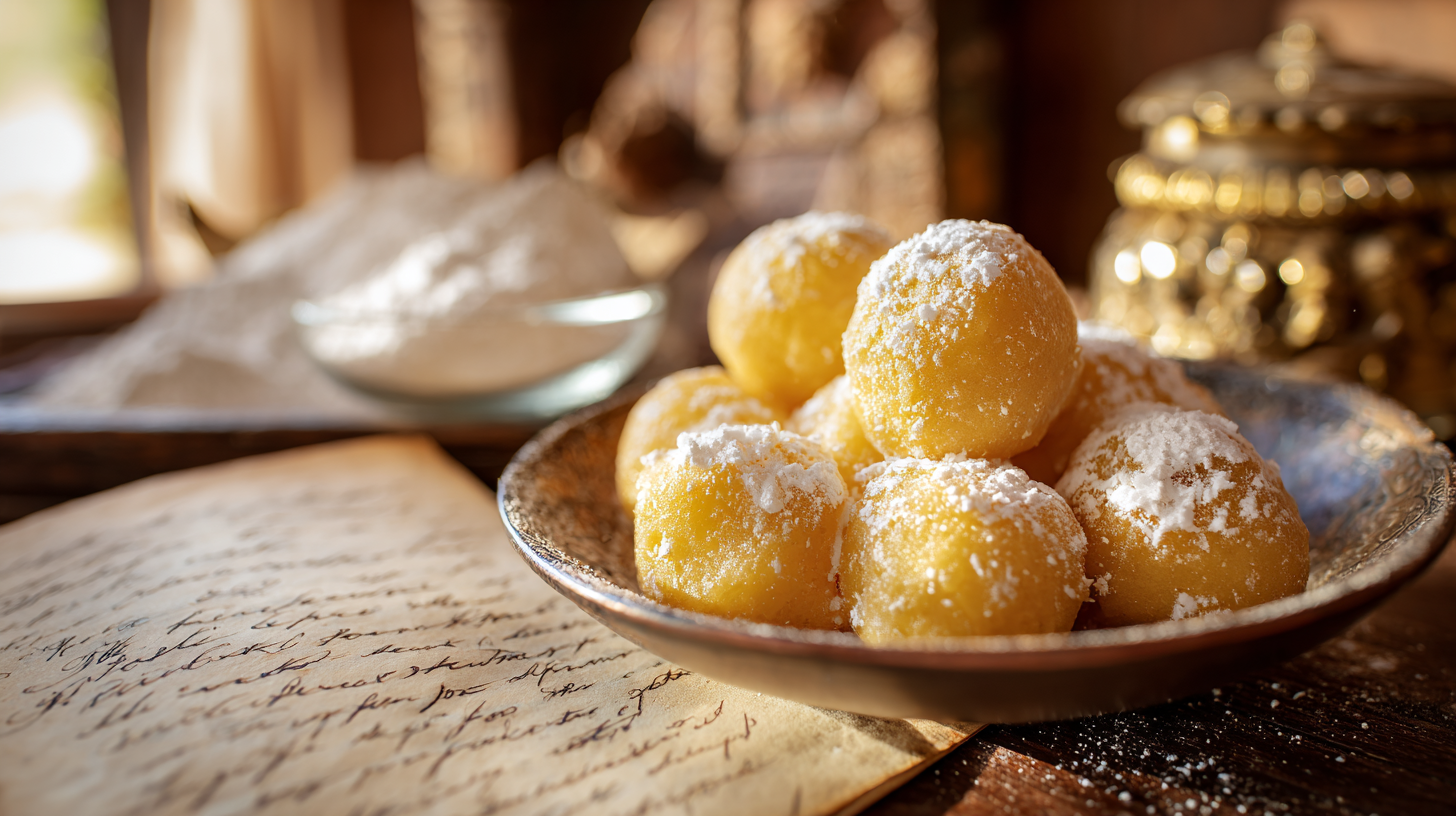
Walking into a traditional pastry shop feels like stepping into a continuation of that sacred craft. Glass displays glow with pastries the color of sunrise — golden custards, almond cakes, airy confections dusted with sugar, and silky treats infused with vanilla and cinnamon. While one pastry is famous worldwide, the deeper truth is that Portugal’s sweetness is not defined by a single icon. Instead, it is defined by countless regional creations that carry the imprint of local memory.
Sweets here are not indulgence alone; they are cultural inheritance. They represent the fusion of Portuguese agriculture, monastic ingenuity, and centuries of devotion. Eating them evokes cloisters filled with quiet industry, sunlight falling through stone arches, and the delicate rustle of recipes preserved in handwritten notebooks.
In these desserts, Portugal tastes both ancient and timeless.
Spices, Empires, and the Global Journey of Portuguese Taste
Portugal was one of the first European nations to sail beyond the horizon, and its culinary identity carries the imprint of that era. When explorers traveled to Africa, Asia, and Brazil, they encountered flavors, techniques, and ingredients previously unknown at home. These encounters transformed the Portuguese kitchen, leaving a legacy of global fusion long before the word existed.
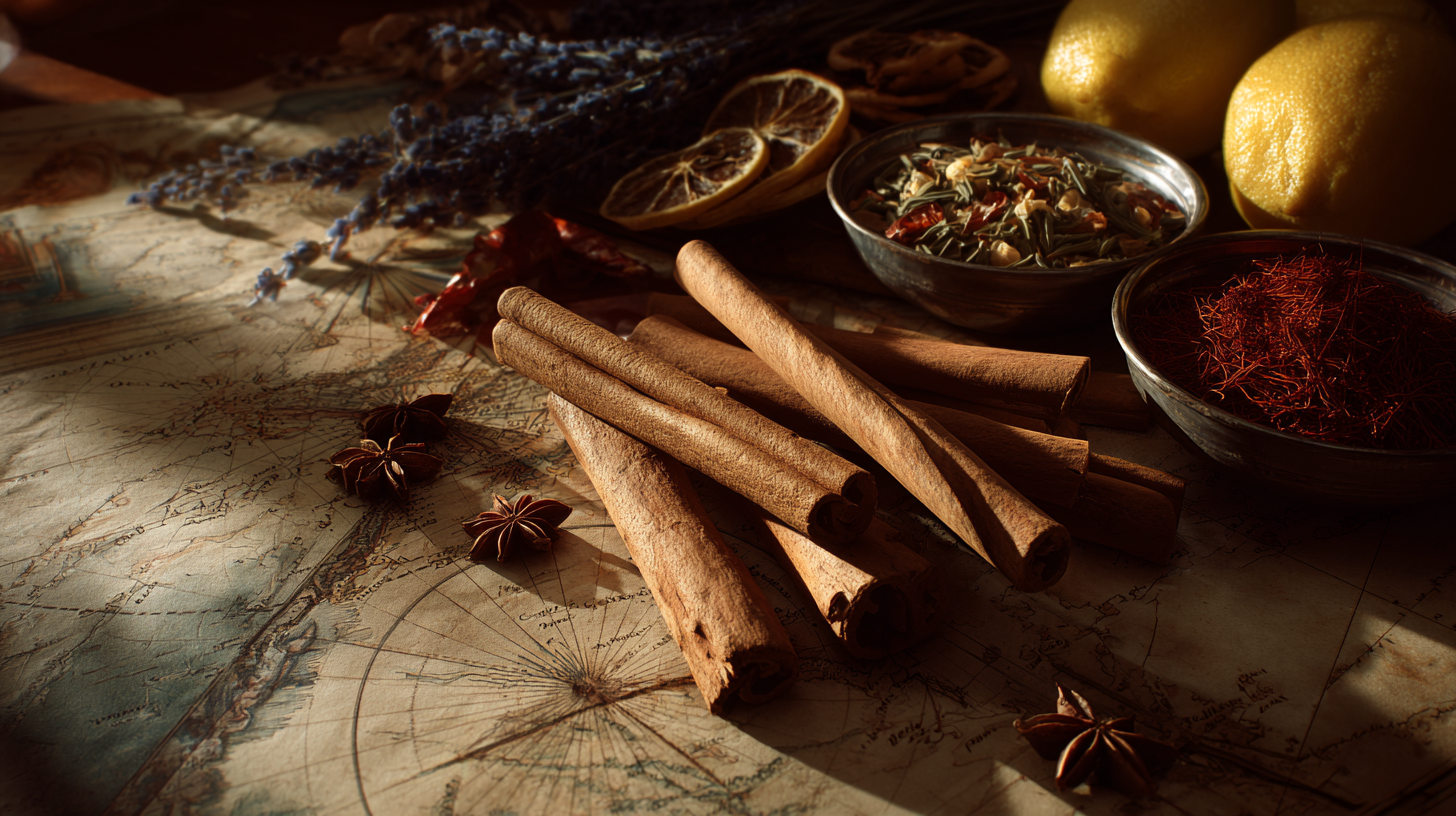
The aroma of cinnamon, the warmth of piri-piri chili, the vibrant color of saffron, the bold sweetness of tropical fruits — all entered the Portuguese pantry through trade, exchange, and cultural encounters. These influences mingled with native traditions, creating dishes that feel both familiar and exotic.
Yet Portugal did not only bring back ingredients. It brought back ways of cooking: marinating, stewing, blending spices, and balancing sweet with heat in subtle harmony. Over time, these techniques integrated seamlessly into the fabric of Portuguese cuisine, revealing a country whose culinary identity is both deeply rooted and globally intertwined.
Portugal’s palate is a map — a record of places it touched, journeys it undertook, and cultures it encountered. Each spice carries a story, a memory of distant waters and shifting winds.
Bread, Olive Oil, and the Ritual of Everyday Eating
Portugal’s cuisine is not defined solely by dramatic flavors or festive dishes. It is equally shaped by everyday rituals — the humblest moments that anchor life. Bread, for instance, is more than sustenance. It is tradition, nourishment, and symbol. In every region, bread takes a different form: dense rounds from the north, airy loaves from the interior, cornbread that tastes of hearth and field. It accompanies every meal, framing it with familiarity and continuity.
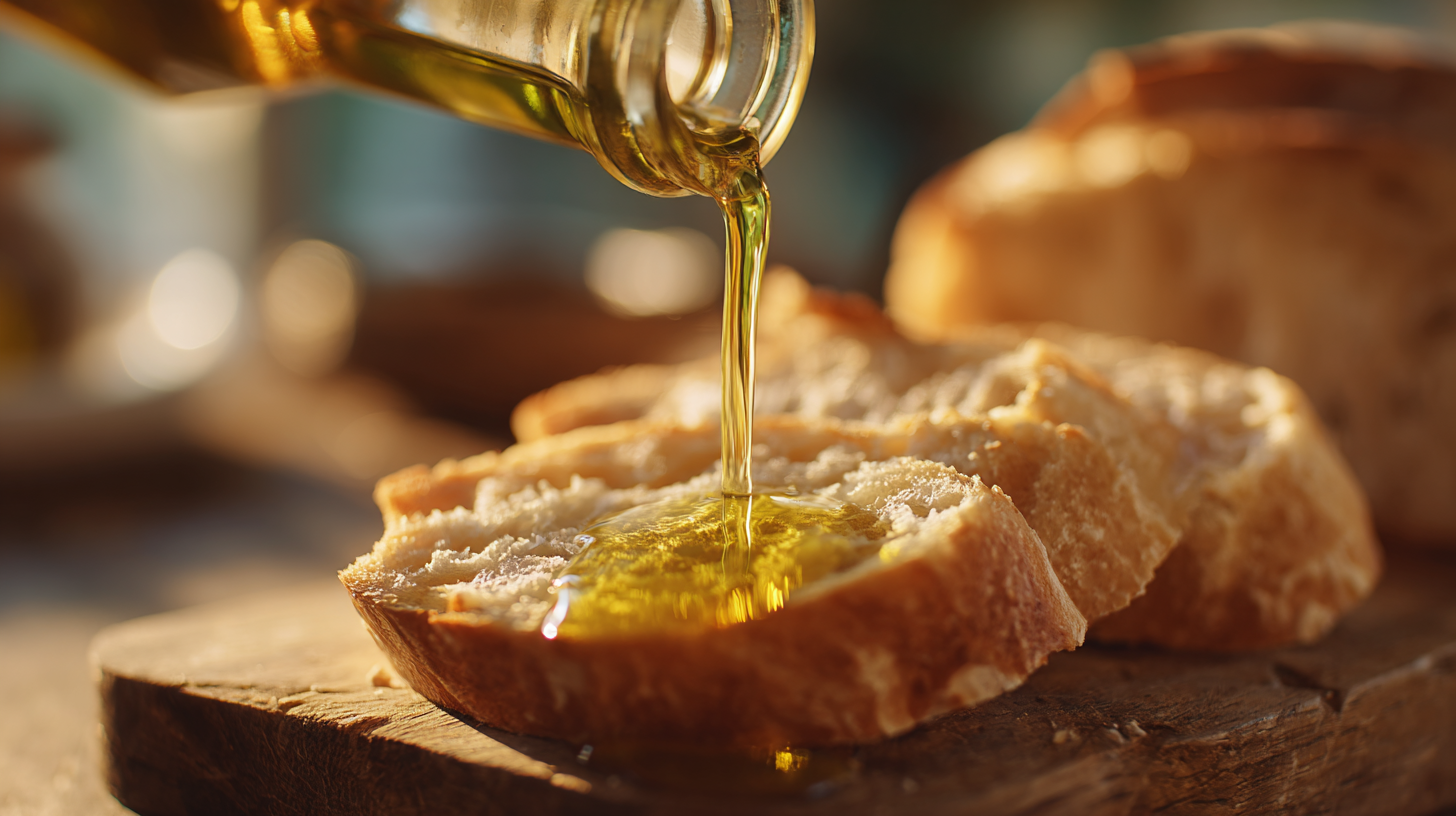
Olive oil, too, plays a role far greater than seasoning. Portuguese olive groves stretch across sunlit valleys, producing oils that range from peppery to fruity, always expressive of the land. Drizzled over fish, vegetables, soups, or simply over bread, olive oil provides the quiet brilliance that elevates even the simplest meal.
The table in Portugal is a gathering place. Meals are rarely rushed. Conversations drift, laughter fills the air, and plates are passed from hand to hand. This culture of sharing reveals the true nature of Portuguese food: it is communal, generous, built not around perfection, but around belonging.
To eat in Portugal is to participate in a ritual older than recipes — a ritual of togetherness.
The Modern Table: Reinvented Traditions and Contemporary Portugal
In recent decades, Portugal’s culinary landscape has undergone a renaissance. Young chefs draw inspiration from ancient methods and regional ingredients, blending them with contemporary techniques that broaden the country’s gastronomic identity. The result is a cuisine that feels both renewed and grounded — inventive without abandoning its roots.
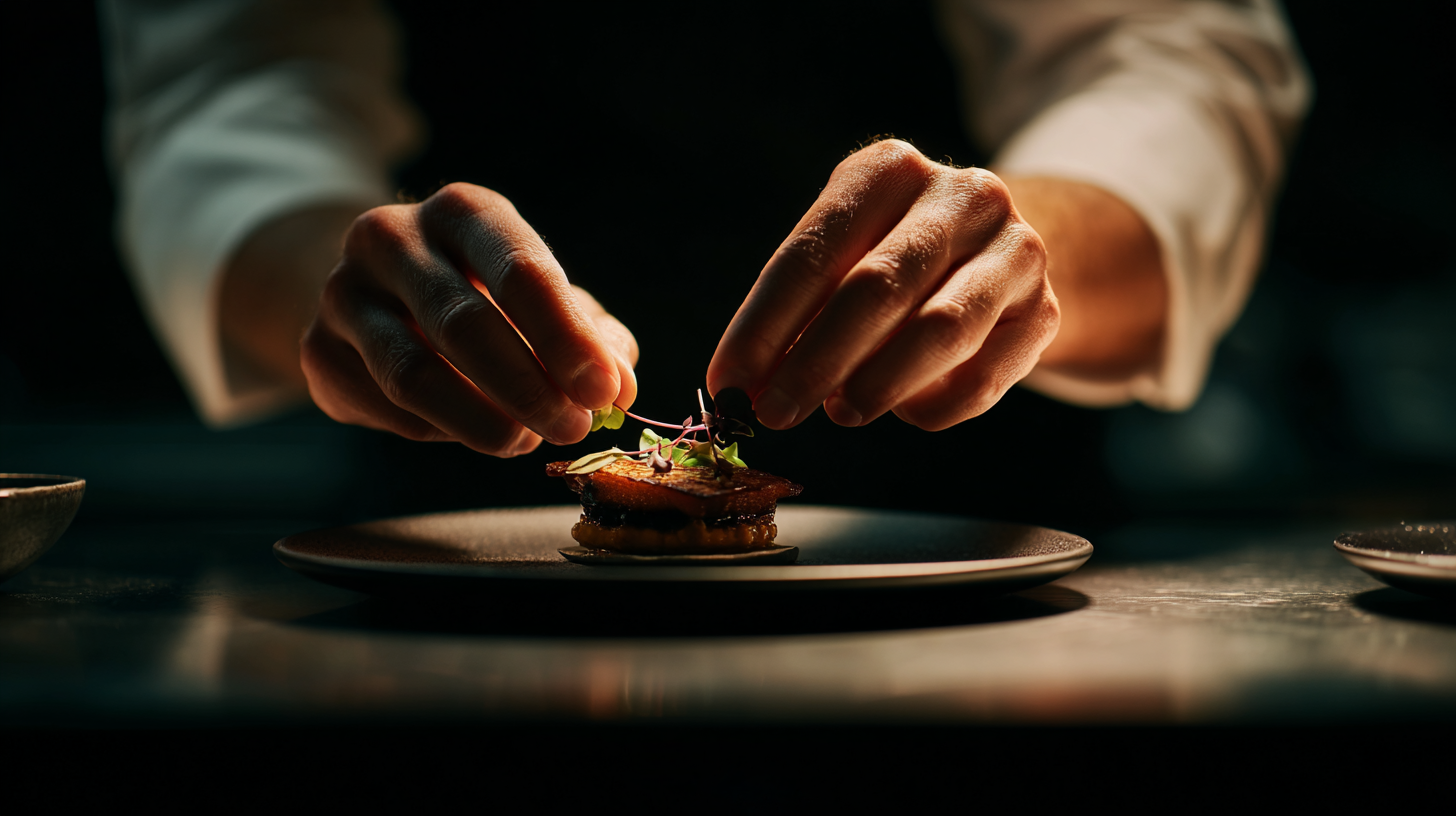
Restaurants now celebrate the terroir of specific valleys, the catch of particular coasts, and the harvests of longtime farmers. Old dishes appear redesigned, stripped to their essentials or reimagined through modern textures and presentations. But the heart remains the same: authenticity elevated, not erased.
In cities, markets have become hubs of culinary creativity, where traditional vendors stand alongside experimental stalls offering bold reinterpretations of Portuguese favorites. In rural regions, families continue to uphold traditions that chefs later reinterpret with sophistication and care.
This dynamic between old and new creates a vibrant culinary identity — one that pays homage to memory while embracing evolution. Portugal’s modern table is both a celebration and a promise: of continuity, creativity, and a future shaped by respect for the past.
Conclusion — A Country Remembered Through Flavor
Portuguese cuisine is not defined by individual dishes, but by a philosophy — a way of approaching food that reflects history, emotion, place, and community. It is the taste of an ocean that determined destiny, of landscapes that nurtured resilience, of monasteries that transformed simplicity into art, and of global journeys that expanded the country’s imagination.
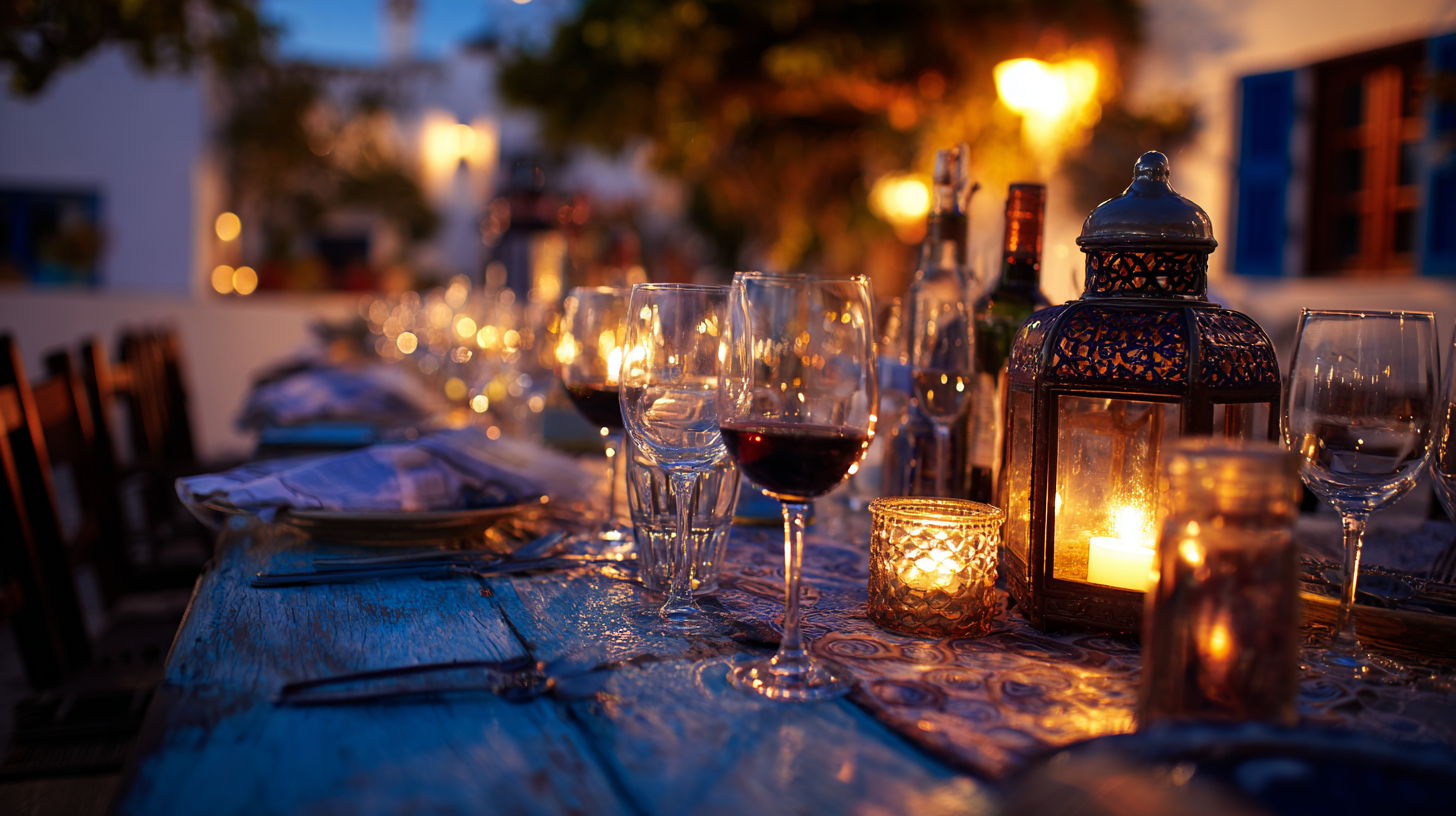
To savor Portugal is to understand its identity. Each flavor — whether born from sea breeze, clay ovens, old orchards, or spice routes — carries a fragment of the nation’s story. Meals are not merely eaten; they are shared, honored, and remembered.Portugal’s culinary soul lies not in complexity, but in honesty. In the humility of ingredients, the warmth of kitchens, and the enduring belief that food connects people across time.
Here, around a table filled with bread, wine, and stories, the essence of the country comes alive — quietly, beautifully, and forever tied to the flavors that shaped it.