
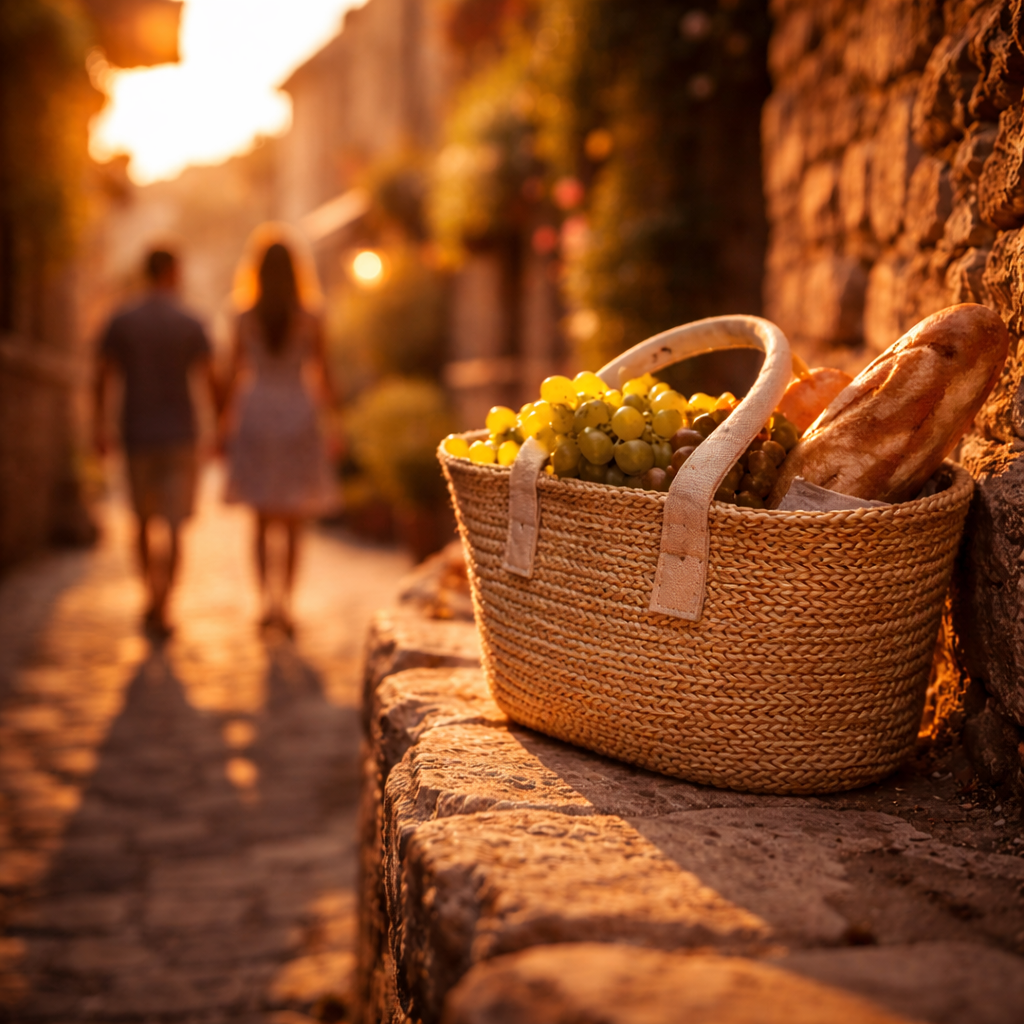
Paris is brilliant, but it’s not the whole story. The France people daydream about—the slower lunches, the village markets, the golden stone streets, the vineyards that seem to stretch forever—often lives outside the capital. Provincial France isn’t a single “countryside vibe.” It’s a collection of regions with distinct personalities, rhythms, and flavors, each offering a more intimate way to understand the country. If you’ve ever felt like big-city travel moves too fast, this is the version of France that invites you to breathe.
The trap with provincial travel is that it looks easy on paper and becomes messy in reality. Distances feel short until you start changing bases too often, renting a car without planning parking, or trying to “see everything” when what you really want is to feel something. This provincial France travel guide is designed to prevent that. It shows you how to choose regions, build a logical route, pick smart home bases, and enjoy the charm without turning your trip into a logistics marathon.
This isn’t just an ode to lavender fields and castles—though we’ll cover those. It’s a practical framework for planning: what to prioritize, when to go, how long to stay, and how to shape each day so the province feels like an experience, not a list. By the end, you’ll know exactly how to build a provincial trip that’s beautiful, calm, and deeply memorable.
Why Provincial France Feels So Different From Paris
Provincial France changes the way you move. In the capital, the city pulls you forward—there’s always one more museum, one more neighborhood, one more line worth standing in. In the provinces, the best moments happen when you stop trying to “optimize.” A market morning becomes a whole chapter. A sunset walk becomes the highlight. You start measuring the day by feeling, not by volume.
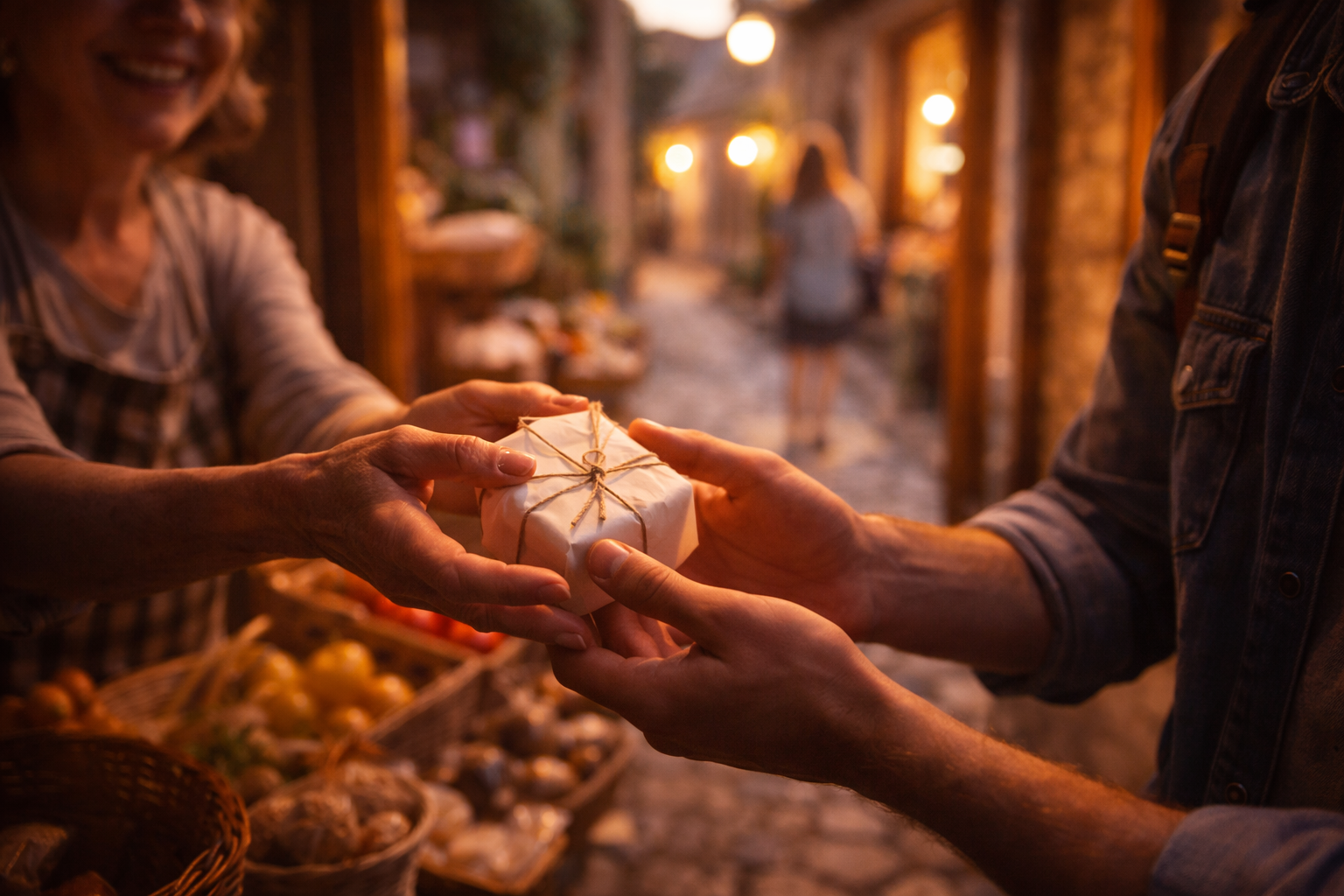
The second difference is connection. Outside Paris, you’re more likely to have small interactions that make a trip feel human: a shopkeeper recommending a local cheese, a winemaker explaining what the soil does to the grape, a baker remembering your order. These details don’t show up in guidebooks, but they’re exactly what people remember. Provincial travel tends to deliver fewer “iconic” photos but more lived memories.
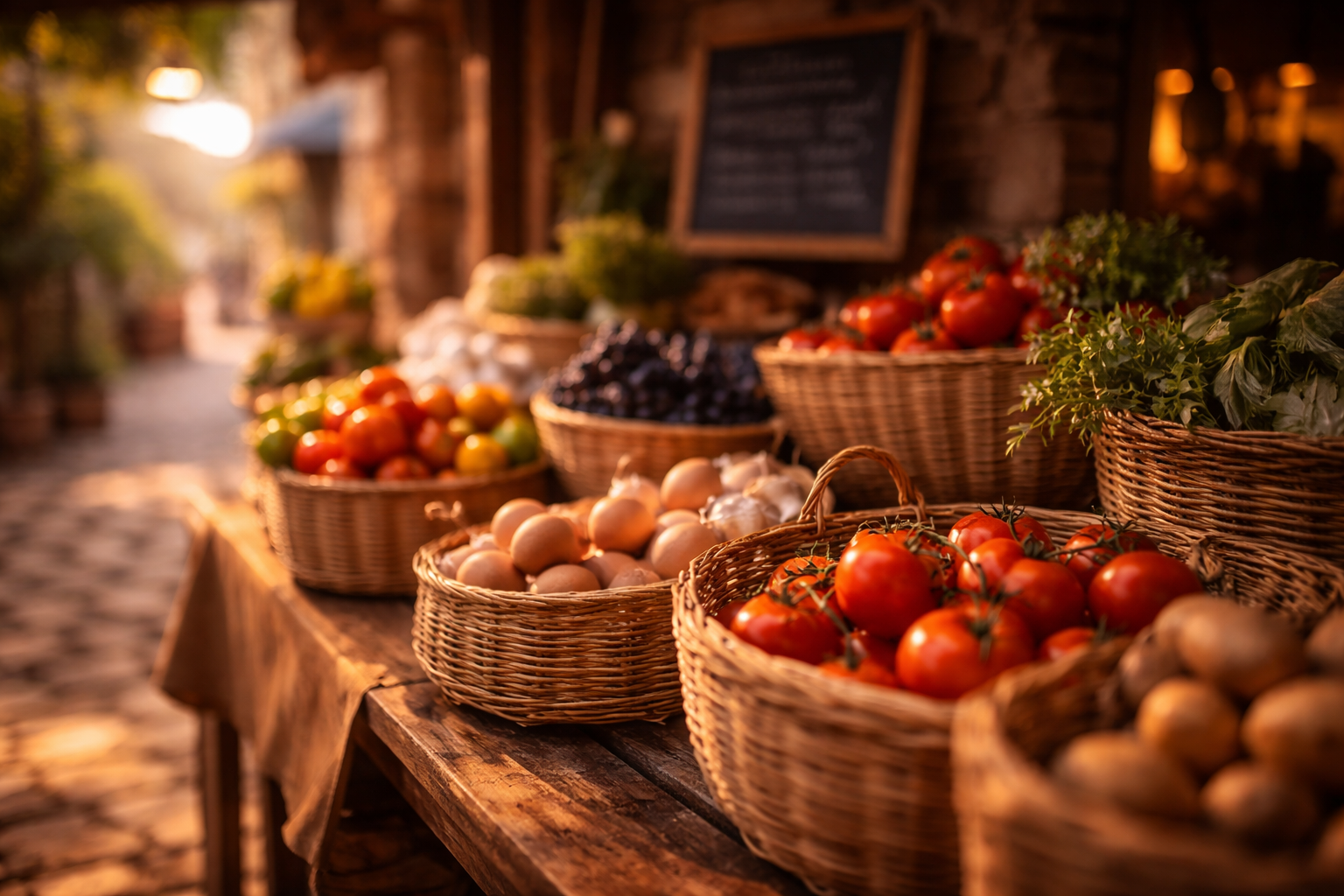
And finally, provincial France is varied in a way many travelers underestimate. Provence is not Bordeaux. The Loire is not Alsace. Each region has its own architecture, food identity, landscape, and pace. A good provincial France travel guide helps you treat the provinces as distinct worlds, not a single countryside stereotype.
How to Plan a Provincial Trip Without Overmoving
The most common mistake is switching hotels every one or two nights. It sounds adventurous, but it drains time and energy—especially if you’re driving or navigating regional trains with luggage. Provincial France works best with a “hub-and-spoke” strategy: choose one base for 3–4 nights, explore day trips from there, then move to the next region. That rhythm keeps the trip calm while still giving you variety.
For train times and bookings between regions, SNCF Connect is the simplest place to plan your legs.
A second planning rule: don’t try to cover the entire country in one trip. Choose two regions if you have a week, three regions if you have ten to fourteen days. Anything beyond that turns into transit tourism, and the provinces lose their charm when you’re always arriving or leaving. The goal is to settle long enough to feel the place.
Finally, build daily structure around softness. Morning is for your main outing, midday is for a long meal or market, late afternoon is for a scenic walk or a quiet town, and evening is for a simple dinner and early rest. When you travel like this, you stop fighting the province and start matching its rhythm. That’s when provincial France becomes addictive.
Provence: Lavender, Hill Towns, and the Art of Slow Summer
Provence is the postcard region for a reason. The light is warmer, the colors feel saturated, and villages look like they were designed to be photographed. But the real Provence experience isn’t just “seeing lavender.” It’s learning how the region lives: morning markets, long lunches, shaded streets in the afternoon heat, and evenings that feel social without being rushed. If you want a trip that feels sensory, Provence is a perfect anchor.
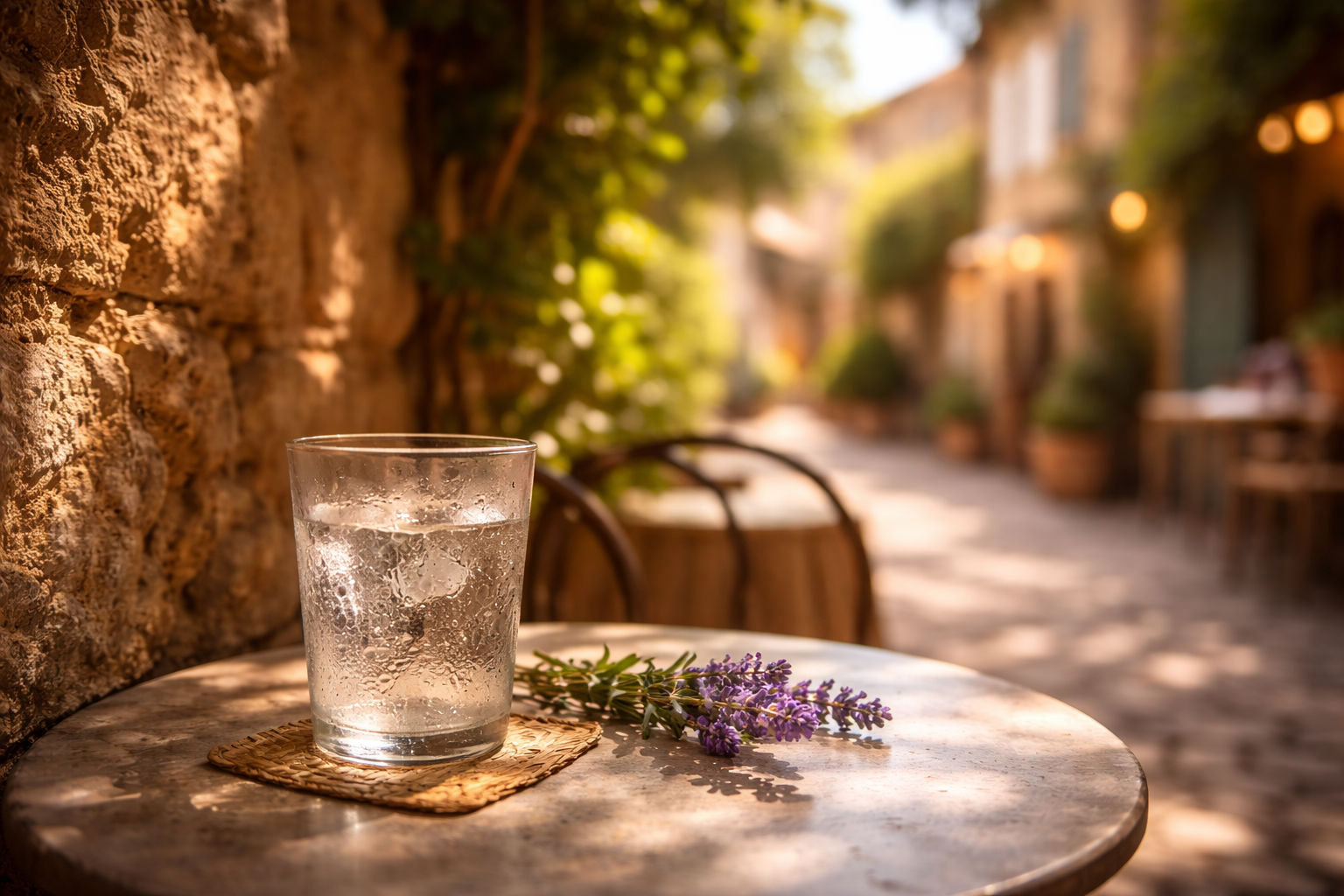
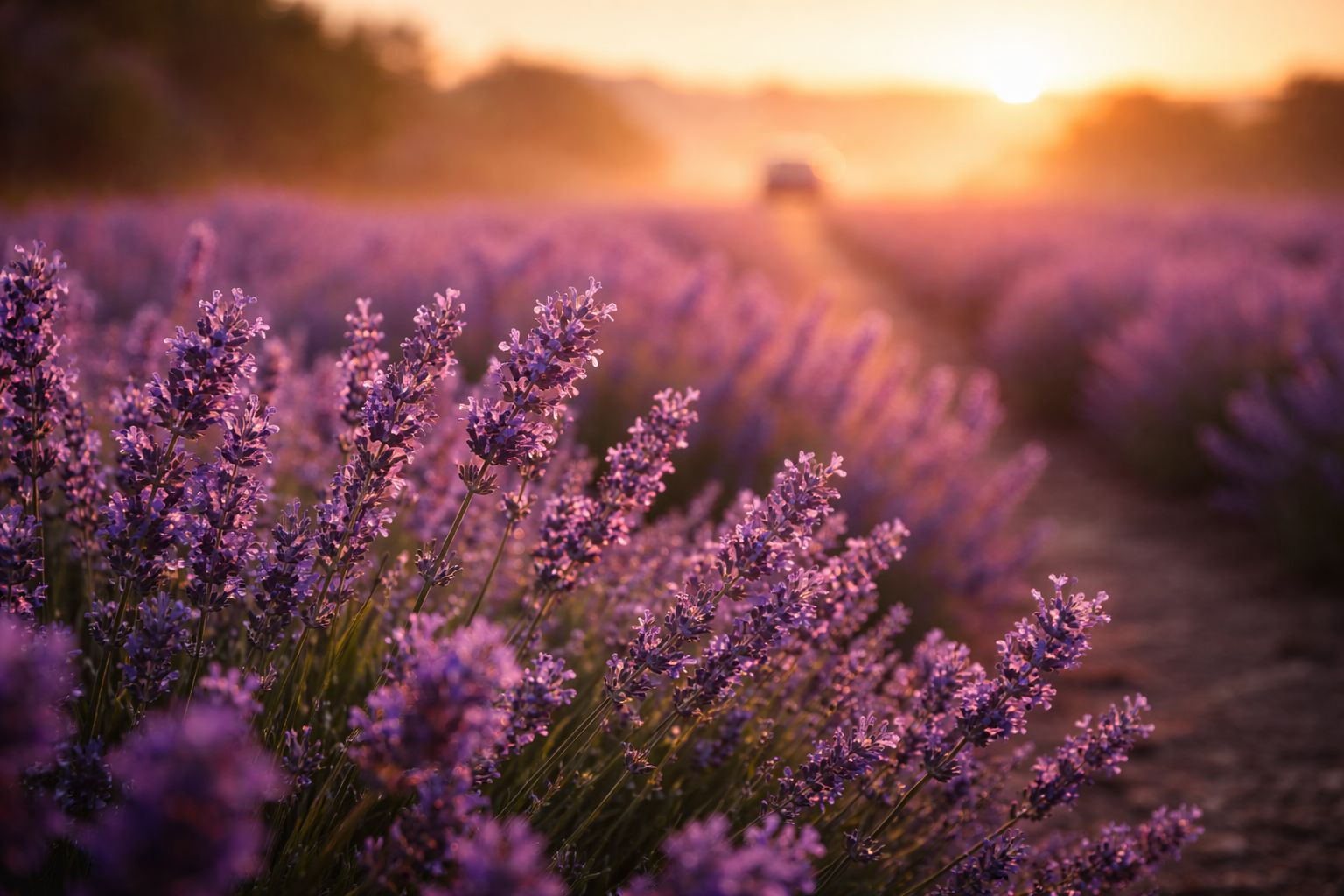
The headline draw is the Provence lavender fields, especially around the Plateau de Valensole, where the landscape becomes a sea of purple in peak season.But the smarter travel move is not to plan your whole Provence chapter around one photo spot. Lavender is seasonal and weather-sensitive, and crowds can be intense. Use lavender mornings as a highlight, then fill the rest of your time with villages, scenic drives, and market-based meals that don’t depend on one bloom window.
Provence also rewards “small-town hopping” done slowly. Places like Gordes and Roussillon deliver that hilltop magic, but they’re best when you don’t rush them. Give yourself time to wander side streets, find viewpoints, sit in cafés, and let the village feel like a place rather than an attraction. Provence is not a checklist region—it’s a rhythm region.
The Loire Valley: Châteaux That Actually Feel Worth Your Time
The Loire Valley has a reputation for castles, and yes—it delivers. But a châteaux trip can either feel magical or exhausting depending on how you plan it. The common failure mode is trying to visit too many castles in one day. Châteaux are beautiful, but they can blur together if you don’t give each one a reason. The solution is to choose your châteaux by mood: one grand statement, one romantic river setting, one smaller castle that feels intimate.
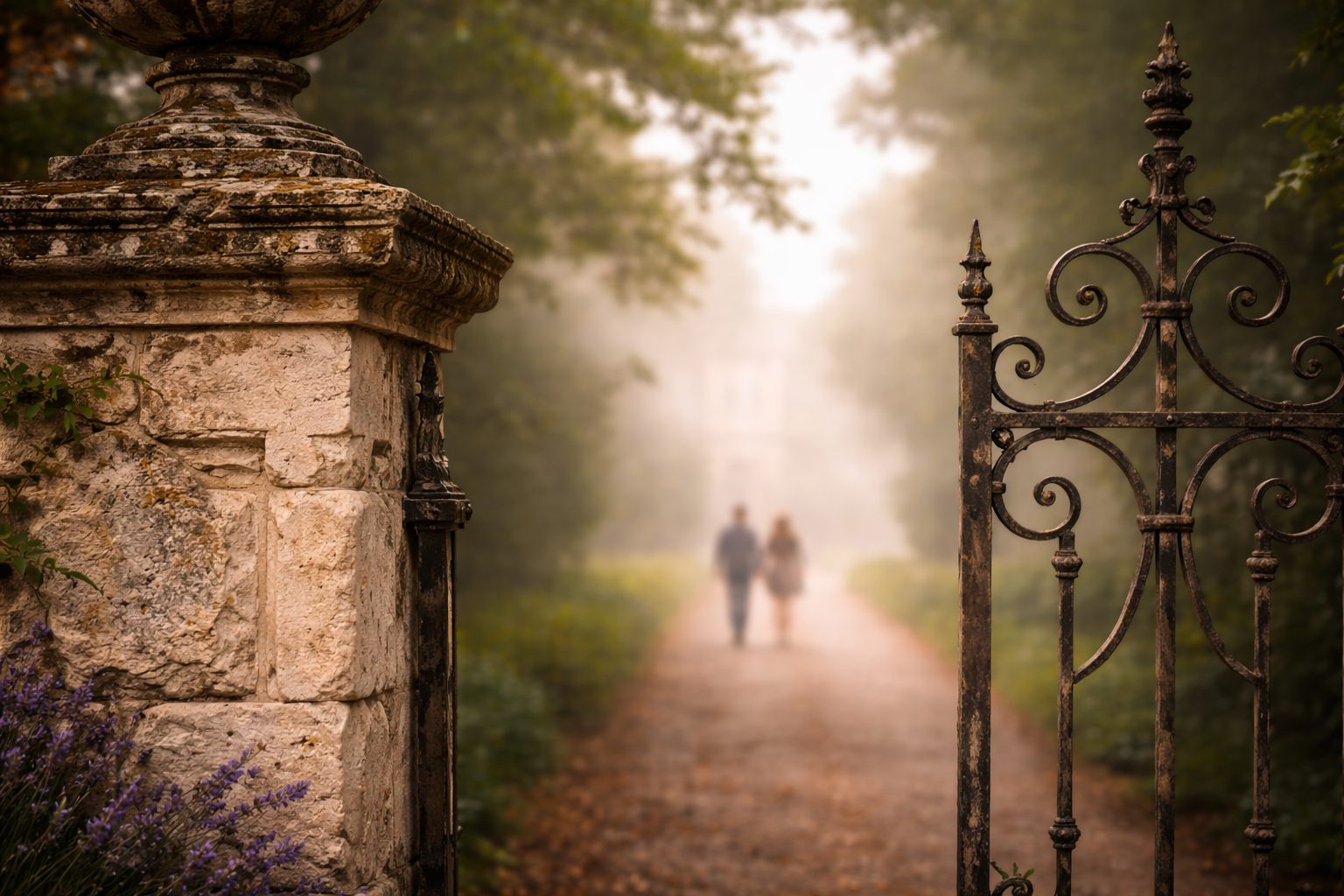
Two of the biggest highlights, like Chambord and Chenonceau, offer very different experiences and are often the best “contrast pair.” Chambord feels like scale and spectacle, while Chenonceau feels like elegance and story. If you do both, separate them by a slow lunch, a garden walk, or a town stop so your day doesn’t feel like constant driving and crowds.
The Loire also shines beyond castles. Towns like Amboise and Blois add livability to the region, and the landscape itself is calm and green in a way that makes travel feel restorative. If your trip needs a “soft history” chapter—beautiful, rich, but not emotionally heavy—the Loire Valley châteaux route is one of the best options in France.
Bordeaux: Wine Culture Without Pretension
Bordeaux can be intimidating if you think it’s only for serious wine people. In reality, the region can be enjoyed at many levels, from casual tastings to deeper vineyard experiences. What makes it so travel-friendly is that it combines a beautiful city base with easy access to countryside wine routes. You can spend a morning in vineyards and still return to a city evening with restaurants, riverside walks, and vibrant street life.
For a broader tasting-focused route, see Savoring the Flavors: A France’s Wine and Cheese Journey.
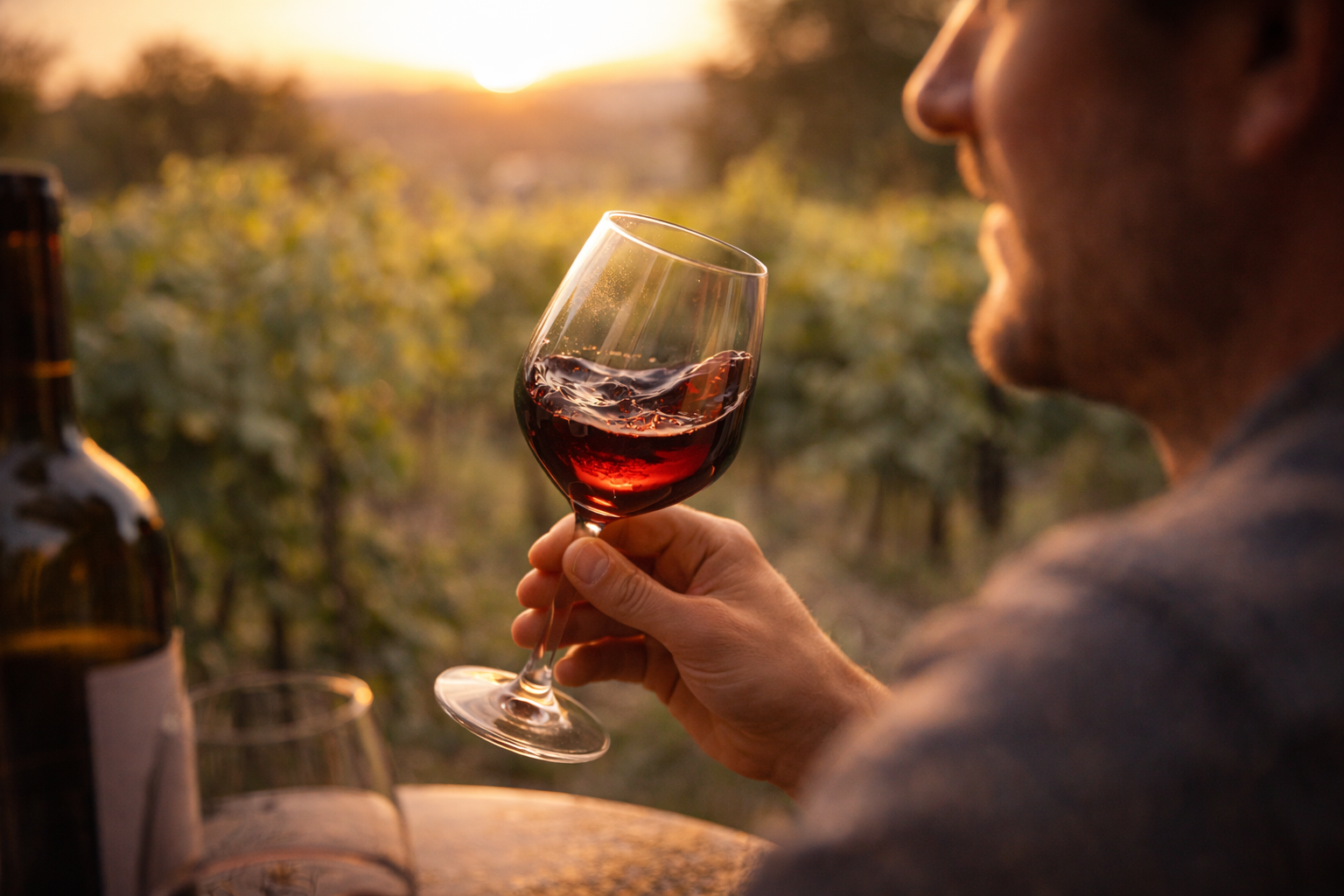
The Bordeaux wine region is also a lesson in place. Wine here isn’t just a drink; it’s geography, tradition, and craft. A good visit teaches you how soil and climate shape flavor, how harvest cycles affect the year, and why certain areas became famous. Even if you’re not a collector, this can be one of the most satisfying cultural experiences because it connects taste to landscape in a very direct way.
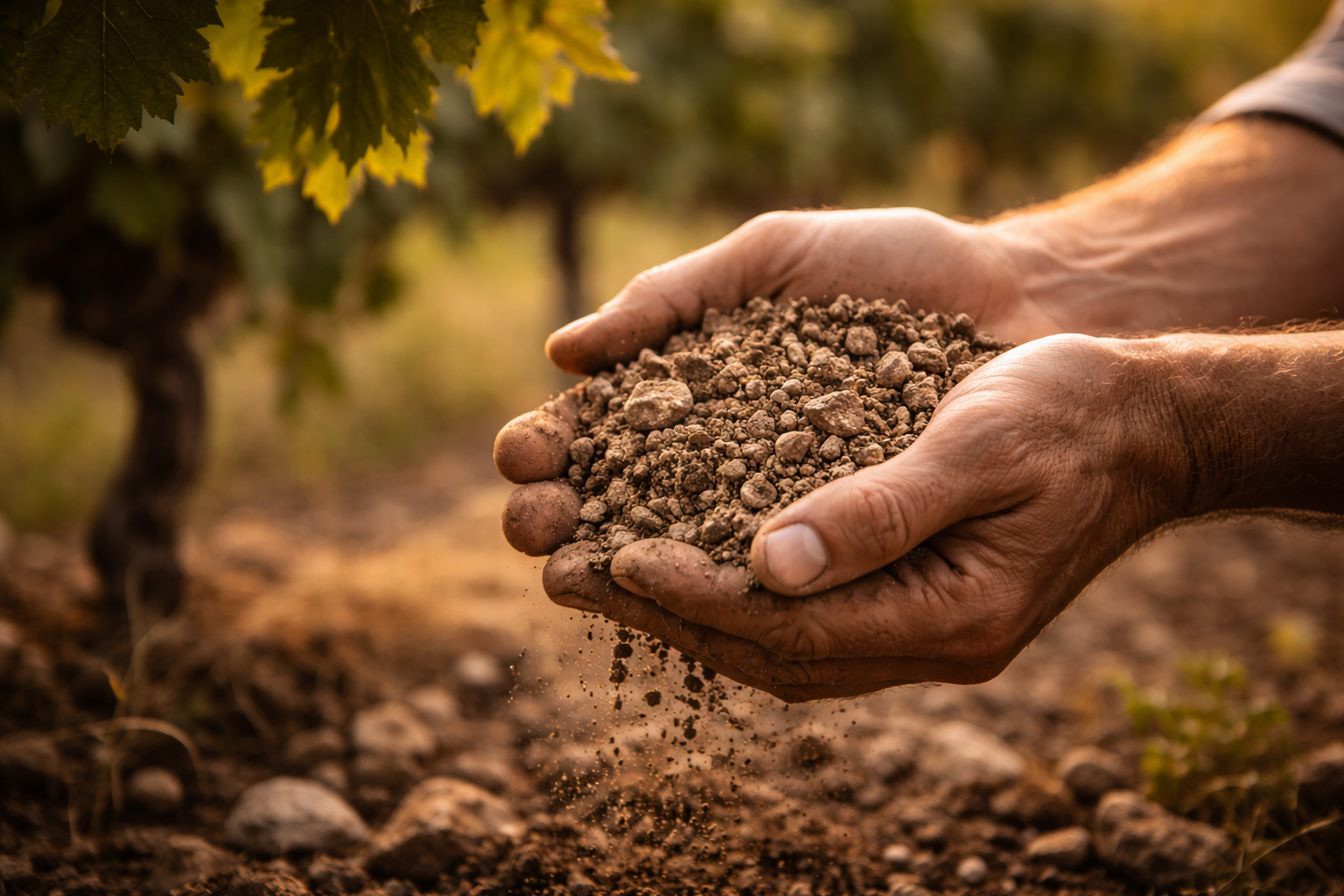
To keep Bordeaux accessible, plan one structured wine day and keep your other days more flexible. Too many tastings in a row can feel repetitive and heavy. Balance the wine with markets, architecture walks, and simple meals. Bordeaux is at its best when it feels like a lifestyle, not an itinerary.
The Best Town-and-Village Add-Ons That Make a Trip Feel “Provincial”
Provincial France becomes unforgettable when you include at least one small town that isn’t globally famous. These places give you the feeling you can’t buy: quiet streets, slow cafés, local routines, and moments where you feel like you’re inside someone’s daily life rather than a tourist corridor. The “best” villages depend on your route, but the principle is consistent: add one small, walkable place where you can do nothing for a few hours and still feel content.
When people search for best towns in France to visit, what they often want is not a ranking—it’s a vibe match. Do you want stone villages and viewpoints? Do you want riverside calm? Do you want markets and food culture? Choose the town that supports your trip’s mood, not the one with the loudest online reputation. A small town is a seasoning, and the right seasoning makes the whole dish taste better.
This is also where your blog can win. Smaller towns create longer time-on-page because readers start imagining themselves there: where they’d stay, what they’d eat, how slow mornings would feel. Even if you don’t name dozens of places in the main text, you can create a “small towns” section that invites deeper browsing and internal links later. Provincial content thrives on that interlinking.
When to Go: Seasonality That Actually Matters
Provincial France changes dramatically by season, and planning around that can make your trip easier and cheaper. Summer gives you long evenings, festivals, and lavender in places like Provence, but it also brings crowds and higher prices. Spring and early autumn often offer the best balance: pleasant weather, fewer crowds, and landscapes that still feel lush. Winter can be quiet, but it can also be deeply charming for wine regions and cities where cozy indoor culture matters.
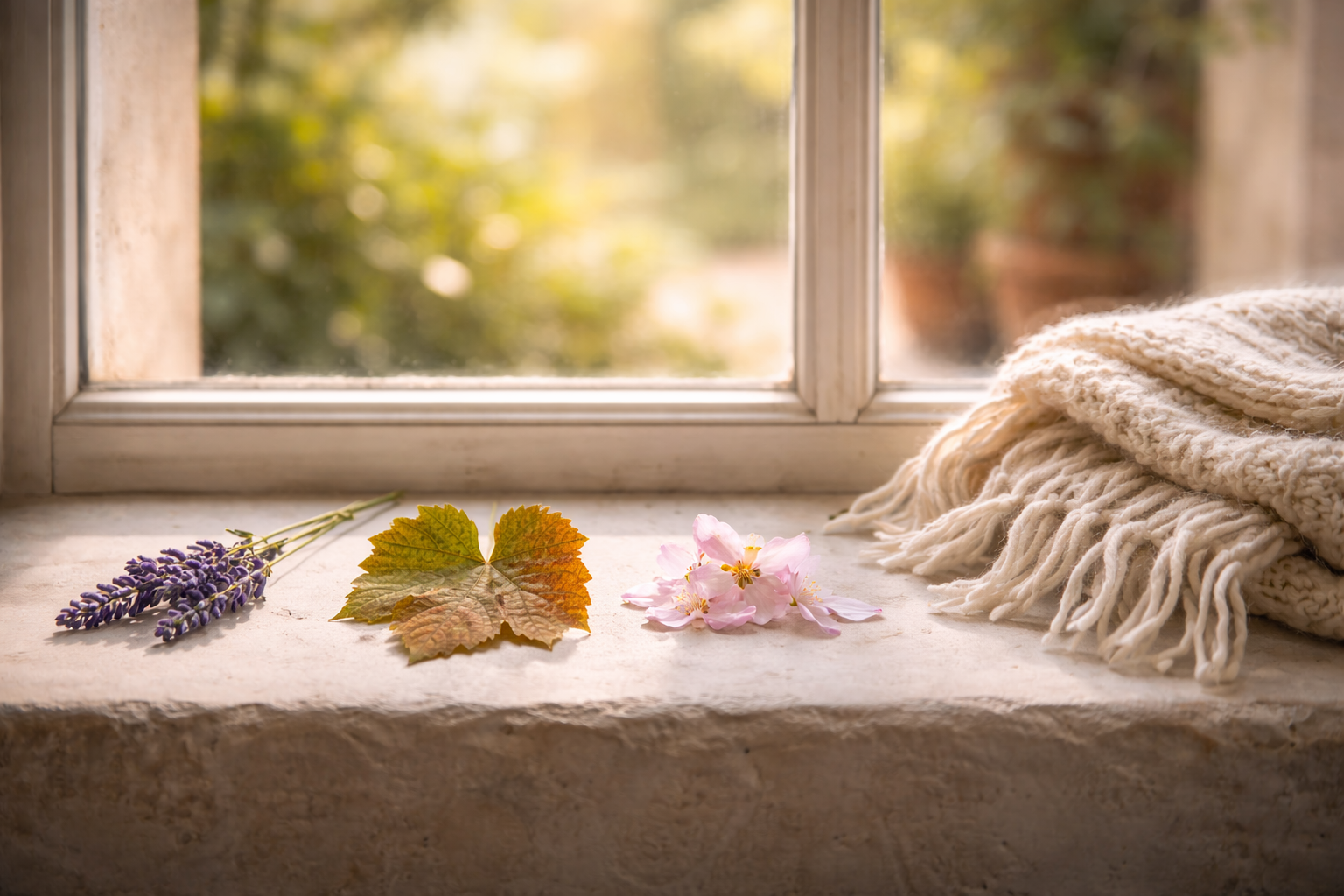
If your goal is lavender, timing is crucial, because bloom windows vary and peak scenes can be short. If your goal is châteaux and towns, shoulder season can be ideal because you’ll enjoy the same beauty with less pressure. Bordeaux is more flexible seasonally, but the mood changes—harvest season can feel especially alive, while winter can feel more intimate and focused.
The key is choosing a season that supports your travel personality. If you love social energy and don’t mind crowds, summer can be amazing. If you prefer calm and space, spring and autumn will often feel like a private version of France. This is a big reason the provinces are so addictive: you can return in different seasons and feel like you’re visiting different countries.
A 7–10 Day Provincial Route You Can Copy
If you want a simple route that covers the spirit of provincial France without chaos, choose two regions and give each a real chapter. A classic structure is Provence + Loire, or Loire + Bordeaux, depending on whether you want sun-and-landscape or castles-and-wine. Start with 3–4 nights in one base, then move and repeat. The trip stays clean, and you actually have time to feel the places.
A week works best with two bases. Ten days can support three bases, but only if you keep transitions smooth and avoid overpacking each day. The goal is not to “touch” everything; it’s to build days that allow long meals, short drives, and unplanned wandering. That’s what makes provincial France feel like provincial France.
This is also where your future internal links will fit naturally. Provence can link out to lavender deep-dives, hill towns, and markets. Loire can link to individual châteaux or day trips. Bordeaux can link to wine routes and city food culture. A strong provincial France travel guide becomes a hub that keeps readers clicking.
Conclusion: The Real France Often Starts When You Leave Paris
Provincial France is where the country’s identity becomes tactile. You taste the region, you see how landscapes shape culture, and you feel how daily life slows down once the city noise fades. Provence gives you light and sensory joy, the Loire gives you history without heaviness, and Bordeaux gives you craft and lifestyle in a way that feels both elegant and approachable. Together, they create a version of France that’s not just impressive—it’s personal.

If you want France that feels intimate, plan fewer moves, choose smart bases, and let your days breathe. The provinces don’t reward speed; they reward presence. And when you travel that way, you don’t just visit France—you start to understand why people fall in love with it and keep coming back.
Such beautiful images. Very atmospheric. Would love to go to provincial France.