
France is usually sold as a country of museums, wine, and long meals, but it also has a quieter reputation locals understand instinctively: it knows how to rest with intention. In France, wellness isn’t always packaged as a trend. It often shows up as tradition—mineral water towns built around healing, coastal therapies shaped by the sea, and retreats where the goal is simply to breathe better and sleep deeper. If you’ve been carrying stress for months, this is the kind of trip that can give you your nervous system back.
This guide focuses on spa and wellness retreats in France that feel genuinely restorative, not just “pretty.” We’ll cover the big wellness categories—thermal towns, sea-based thalasso resorts, countryside retreats, and Paris options—plus the planning decisions that actually matter: what each type is best for, how long to stay, what it tends to cost, and how to avoid a disappointing experience. Think of this as a map that helps you choose a wellness trip that matches your body and your mood.
France works so well for wellness because you can combine recovery with real travel pleasure. You can soak in mineral waters in the morning, eat something simple and perfect at lunch, take a slow walk in a place that feels beautiful without demanding effort, and end the day early without feeling like you’re “wasting” your vacation. Done right, spa and wellness retreats in France aren’t an escape from the country—they’re another way of experiencing it.
If you like slow travel that actually restores you, you might also enjoy Turning Pages in Time: A Literary Journey Through France.
Choosing Your France Wellness Style: Thermal, Thalasso, Holistic, or City Spa
Before choosing a destination, decide what kind of reset you actually need. Some people want pain relief and physical recovery—muscles, joints, inflammation, post-burnout fatigue—and those travelers tend to do best in thermal towns with structured spa programs. Others want a mental reset: sleep repair, stress reduction, a calmer relationship with their phone and thoughts. For that, holistic retreats often work better than “beauty spa” experiences, because the schedule is built around slowing down rather than pampering.
Coastal wellness is its own category. Sea-air locations often feel instantly restorative, especially if you’ve been in dense cities for too long. The body responds to coastline rhythm: salt air, walking, ocean views, and therapies that use marine elements. If you want a trip that feels like “cleaning out your system,” coastal thalasso programs can be surprisingly effective when done for more than one night.
Finally, city spas in Paris are for travelers who want wellness without leaving their itinerary behind. They can be luxurious and excellent, but the reset tends to be shorter and more sensory than transformational. If your stress is deep, a Paris spa is a beautiful bandage—but a countryside or coastal stay is more likely to create lasting change. The right choice is not about what looks most luxurious, but about what matches your real needs.
Thermal Spas: The Classic France Wellness Tradition That Still Works
France’s thermal culture isn’t new—it’s centuries old, and it’s still a pillar of the country’s wellness landscape. Towns like Vichy, Aix-les-Bains, and Évian became famous because their mineral waters were associated with specific benefits, and over time they developed full wellness ecosystems around that identity. Today, many programs combine soaking, hydrotherapy, massages, and targeted treatments that feel more medical than “instagrammable,” which is exactly why they work for some travelers.

If your goal is physical relief—tight muscles, persistent stress tension, recovery after intense travel—thermal spas in France can be a smart choice. The experience often feels structured: you’re not just buying a massage, you’re entering a rhythm of treatments designed to support the body. Even if you don’t do a full “cure,” a few days of mineral water therapy and gentle movement can noticeably change sleep quality and energy levels. The environment matters too: thermal towns tend to be calm by nature, with promenades, parks, and a slower pace that reinforces recovery.
To get the best value, plan for at least two nights if you can. One-night stays often feel rushed because your body needs time to settle into the rhythm. A three-night trip can be a sweet spot: long enough to feel the benefit, short enough to fit into a broader France itinerary. If you’re building spa and wellness retreats in France into a normal sightseeing trip, thermal towns can be perfect as a mid-trip reset before you move on.
If you want a quick overview of how thermal treatments work in France, the official guide on France.fr is a solid starting point.
Coastal Thalasso Retreats: When the Sea Becomes the Therapy
Thalassotherapy is one of the most distinct wellness experiences France offers, and it’s deeply tied to coastline regions like Brittany and the Atlantic Basque coast. It’s based on the idea that the sea—its water, minerals, algae, and climate—can support circulation, skin health, and overall recovery. The experience often includes heated seawater pools, marine wraps, hydrotherapy circuits, and treatments that leave you feeling light, warm, and strangely “clean” inside. It’s not subtle, but it can be profoundly soothing.
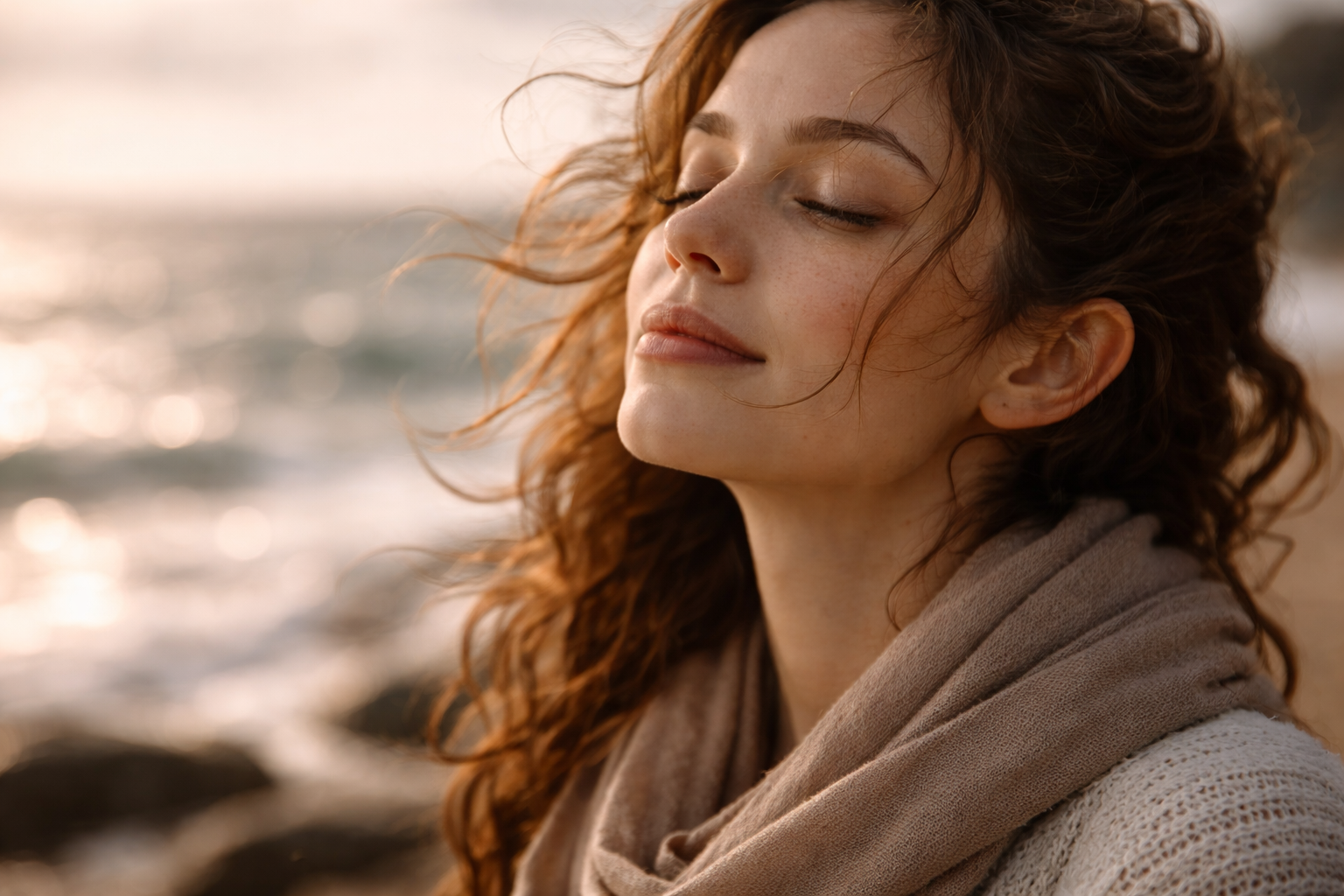
A key advantage of thalassotherapy in France is that the setting itself does half the work. When you spend days near the ocean, you naturally walk more, breathe deeper, and sleep better, even before treatments begin. The wellness structure then amplifies those benefits: scheduled sessions create rhythm, and the sea-based focus feels like a complete system rather than a random menu of spa services. If you’ve been stuck in a high-stress loop, the coast can interrupt it.
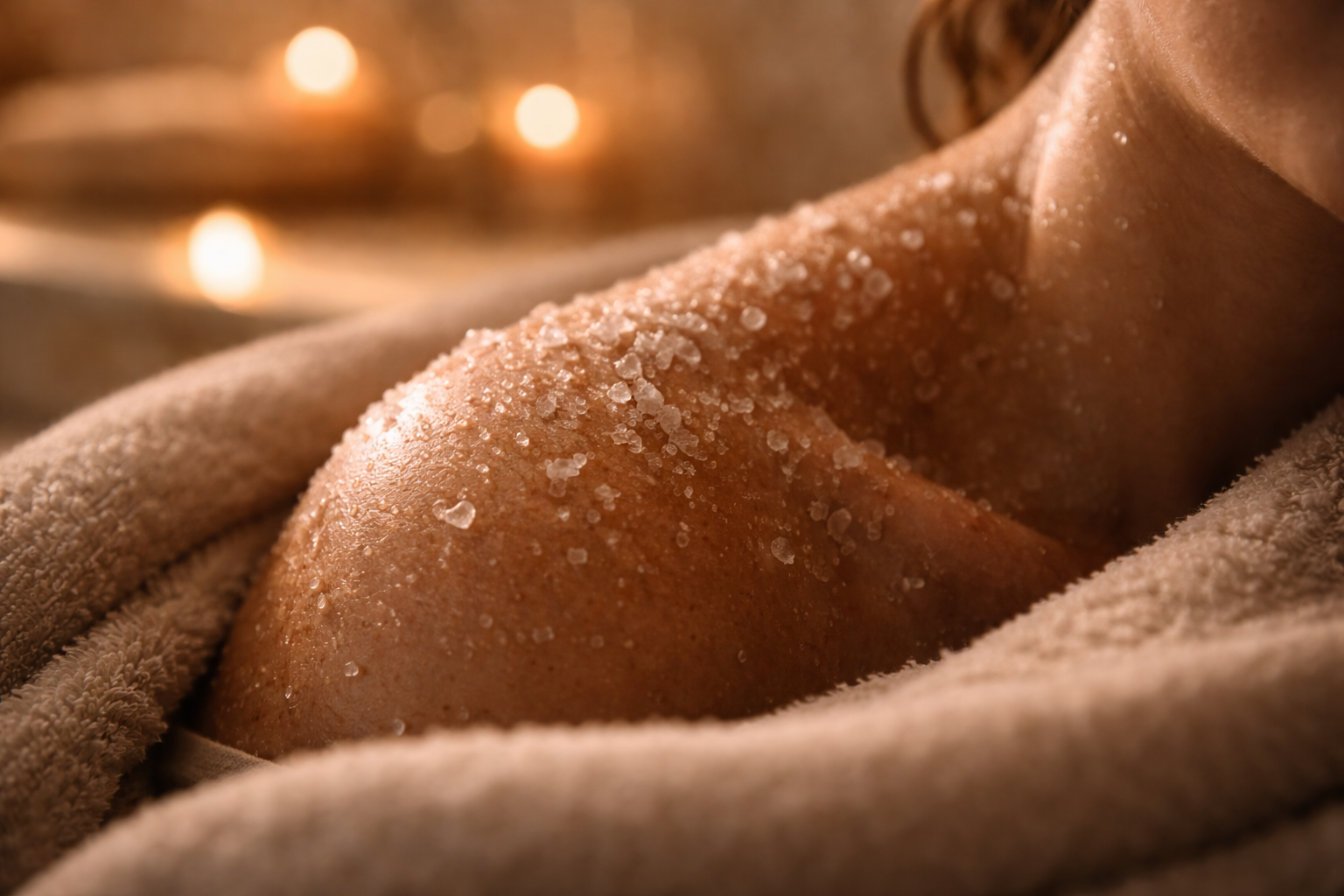
To make coastal wellness feel truly restorative, plan your days to remain soft. Don’t fill them with aggressive sightseeing. Choose a morning treatment, a long coastal walk, a slow lunch, and time to read or nap without guilt. Many travelers sabotage wellness trips by trying to “maximize” them like normal vacations. The sea already gives you enough; your job is to let it land.
Holistic Retreats in the Countryside: The “Reset Your Life” Version
If your stress feels existential rather than physical, holistic retreats can be the most meaningful form of wellness travel. These places often combine yoga, breathwork, meditation, nutrition-focused meals, and nature time into a schedule that gently rewires your daily patterns. Unlike a classic spa where you’re being treated, holistic retreats often ask you to participate—show up for morning sessions, eat intentionally, and slow down in a way that can feel unfamiliar at first. That participation is exactly what makes the results last longer.
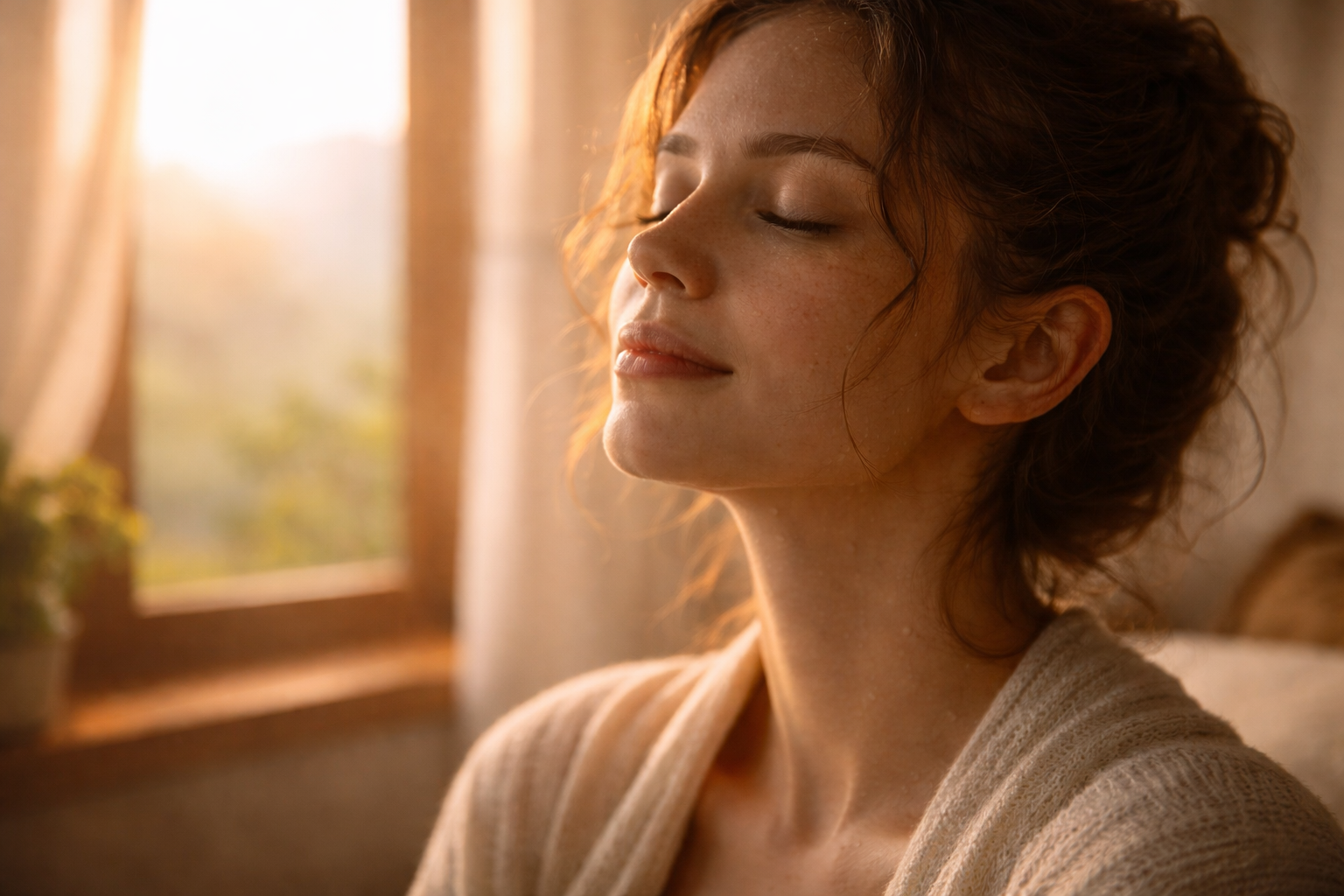
Countryside settings matter here because they reduce stimulation automatically. Fewer distractions, fewer crowds, and quieter nights mean your nervous system has a chance to recalibrate. You’ll often find that sleep changes first, then mood, then energy. The retreat becomes a controlled environment where your body remembers how to rest without constant input. If you’ve been living in chronic stress, this can feel almost shocking—in a good way.

The best way to choose a holistic retreat is to be honest about your personality. If you hate strict schedules, choose something flexible. If you feel scattered and need structure, choose a more organized program. Don’t choose based on aesthetic alone. The prettiest retreat won’t help if you can’t commit to its rhythm. In the landscape of spa and wellness retreats in France, holistic stays are the ones that can change your habits, not just your weekend.
Paris Wellness: A Short, Luxurious Pause That Fits City Travel
Paris is not a place most people associate with “rest,” but it can still be a surprisingly good wellness stop if you frame it correctly. After long museum days and constant walking, a spa session can soften the edges of city intensity and help you recover without sacrificing your itinerary. Paris also offers high-end wellness experiences that feel polished, controlled, and deeply indulgent—ideal if your goal is a short reset rather than a full wellness transformation.

City spas work best when you treat them as a deliberate pause, not an afterthought. Book a time that protects your energy—late afternoon, for example, when the city starts to feel heavy and you want to slow down before dinner. Choose one or two treatments that focus on how you actually feel: tired legs, stiff back, sleep disruption, stress tension. The best spa choice is the one that solves your real travel problem, not the one with the fanciest description.
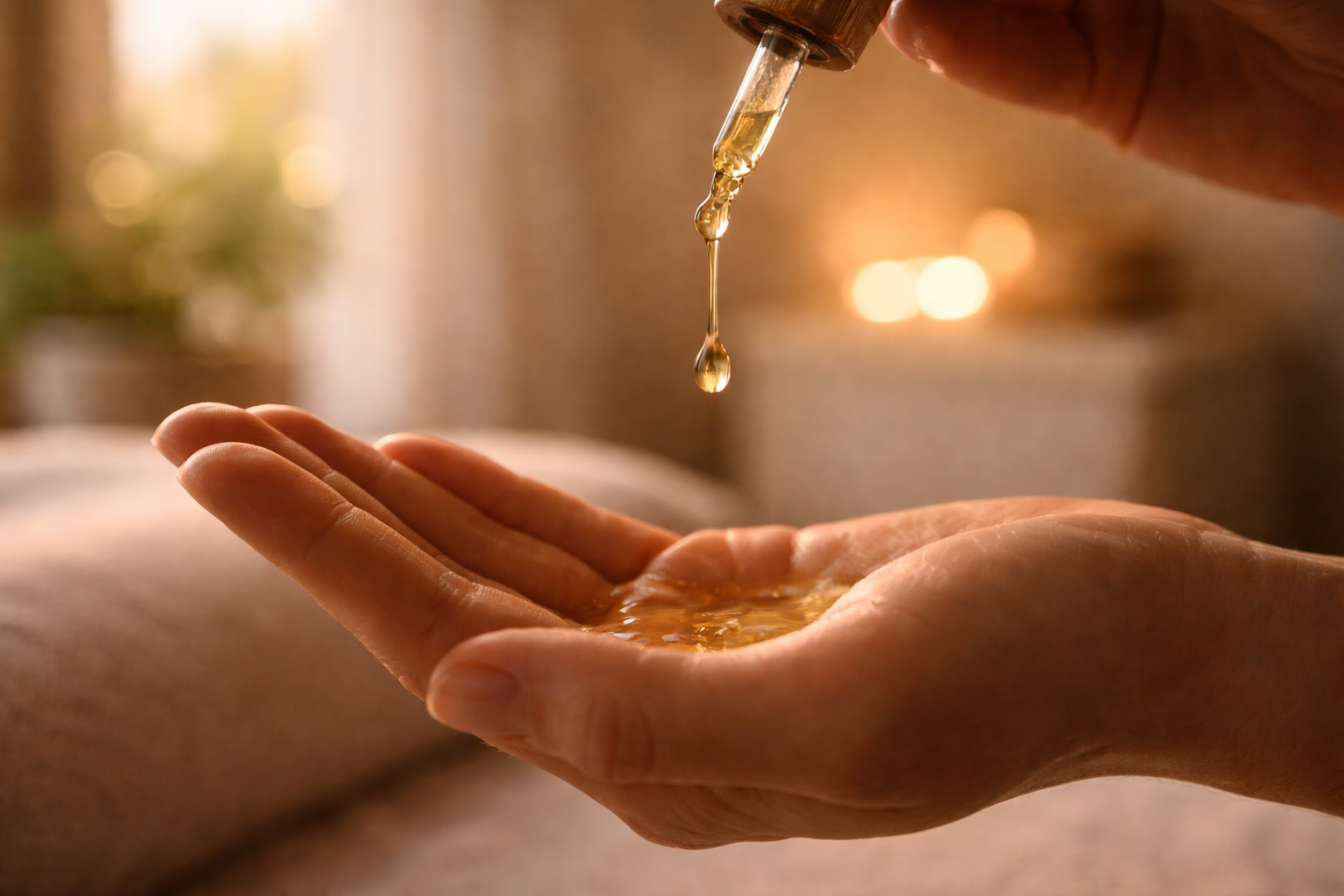
If you’re doing a larger wellness trip, Paris can be a perfect beginning or ending. It can start your trip with softness, or it can close your trip by helping you process everything you’ve absorbed. It won’t replace a coastal or thermal program if you need deep recovery, but it can make your city travel feel more sustainable. And that’s often exactly what people need.
[GetYourGuide Tip]: If you want a simple “reset” in the middle of a France itinerary, browse Thermal, Turkish & hammam spa experiences in France and pick the one closest to where you’ll already be.
Cost and Planning: What to Expect Without Overpromising Numbers
Prices in France wellness travel can swing widely depending on region, hotel level, and how “medical” the program is. A simple city spa visit is usually the most accessible option, while thalasso resorts and structured thermal programs tend to cost more because they include facilities, specialized water systems, and multi-session packages. Holistic retreats vary the most: some are simple and quiet, others are luxury experiences with premium pricing and curated extras.

The most important budgeting tip is to plan based on duration, not just on treatments. A wellness trip works when you give your body time to respond, so spending more for a longer, calmer stay often delivers better value than doing a single expensive treatment in a rushed schedule. If you can, aim for a minimum of two nights for thermal or coastal wellness, and three nights if you want the reset to feel more lasting. One night can be pleasant, but it often doesn’t change much.
Also plan the wellness trip inside your broader itinerary with care. Don’t put it after the most exhausting travel day or right before an early morning flight. Give it a gentle entry and a gentle exit. If you treat wellness as “filler,” it becomes filler. If you treat it as a pillar of your trip, it becomes the part you remember most.
How to Get the Most From Spa and Wellness Retreats in France
Wellness travel succeeds when you cooperate with it. That means lowering your stimulation, sleeping earlier, drinking water, and allowing time between treatments for your body to absorb the effect. It also means resisting the urge to keep checking your phone as if you’re missing something. The quiet is the point, and the benefit is often cumulative—day two feels better than day one, and day three feels noticeably different from both.

Choose one daily anchor habit to keep the reset consistent: a morning walk, a short stretch routine, or even a fixed “no phone” window. These tiny rituals act like glue. They keep your mind from slipping back into the old speed and help you carry the wellness effect home. Many travelers spend money on wellness and then sabotage it with the same frantic behavior that exhausted them in the first place. Don’t do that; let the retreat do its job.

France makes this easy because the country is designed for slow pleasure. Good food doesn’t require effort, beauty doesn’t require chasing, and rest doesn’t require justification. When you align with that cultural rhythm, spa and wellness retreats in France stop being a luxury and start feeling like a skill you’re learning—how to live with a calmer system.
Conclusion: The Most French Kind of Luxury Is Feeling Rested
A wellness trip in France isn’t only about treatments. It’s about rhythm: water, air, quiet, and the permission to live a little slower without guilt. Thermal towns offer tradition and body repair, the coast offers sea-driven clarity, holistic retreats offer habit change, and Paris offers a polished pause that fits city travel. The best choice depends on what kind of tired you are, and what kind of recovery you actually need.

If you plan it well, you’ll come home with more than “relaxed” photos. You’ll come home with better sleep, a calmer nervous system, and a clearer sense of how to protect your energy in everyday life. That’s the real value—and it’s why spa and wellness retreats in France can be one of the smartest travel investments you make.