

France has a way of making learning feel like a lifestyle rather than a phase. It’s in the rhythm of morning cafés where people read without rushing, in museum corridors where art feels like a public good, and in markets where the ingredients themselves teach you what the region values. For travelers, France can be a destination you “see,” but for learners, it becomes a place you enter—with more depth, more structure, and more personal payoff. If you’ve ever wanted a trip that leaves you with a skill, a credential, or a new way of thinking, this is one of the richest countries to build it in.
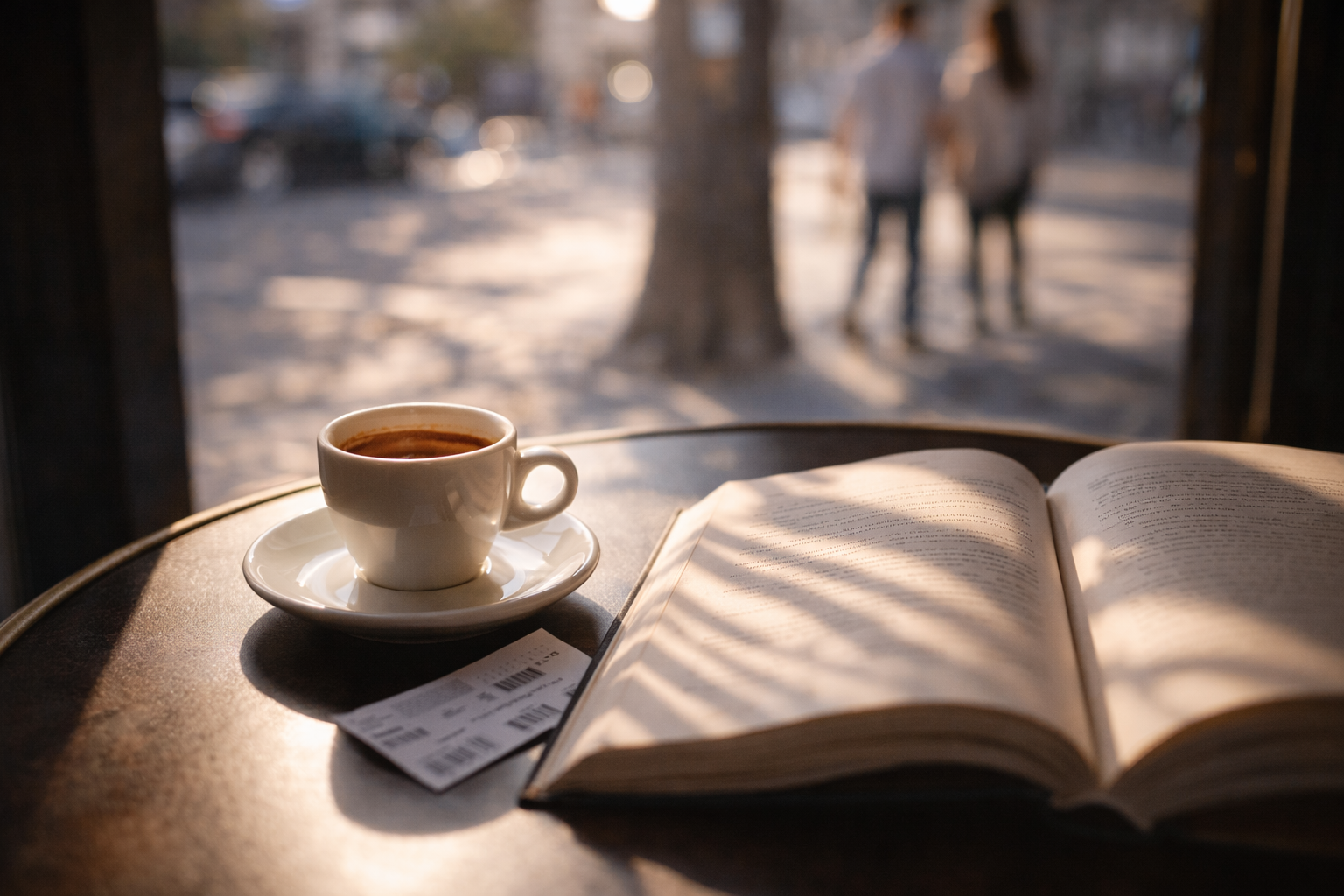
What makes France special isn’t only the prestige of its institutions, though that is real. It’s the ecosystem: universities and institutes, language schools, culinary academies, workshops, studios, and informal learning spaces that exist alongside everyday culture. You can take classes in the morning, spend afternoons practicing in real life, and end the day in neighborhoods that reinforce what you learned without feeling like “extra homework.” That’s why study abroad in France often becomes more than an academic choice—it becomes a personal reset, a confidence upgrade, and sometimes even a turning point.
This guide is built to help you choose the right kind of learning experience for your goals and your travel style. Maybe you want a formal program with a certificate, or maybe you want a short course that adds meaning to your trip without locking your schedule. Either way, France makes it possible to turn curiosity into something concrete. Let’s break down the best paths—and how to plan them without overcomplicating your life.
If books are part of how you travel, you’ll love Turning Pages in Time: a literary journey through France.
Study Abroad: Why France Works So Well for International Students
France is one of those places where higher education and cultural life overlap naturally. You’re not studying in a bubble; you’re studying inside a society that treats ideas seriously, preserves its intellectual traditions, and still leaves room for modern reinvention. Whether you’re drawn to humanities, business, politics, arts, or science, the academic environment tends to feel structured and demanding in a way that can be deeply motivating. Even if you’re there for one semester, the experience often changes how you approach work.

A major advantage of study abroad in France is that you can shape the intensity. Some students want a full degree track, others prefer exchange semesters, summer programs, or short specialized courses that fit between jobs or career transitions. France accommodates all of these, which is why it attracts both traditional students and adult learners. The country also offers a wide variety of cities and campus atmospheres, so you can choose between big-city energy and slower, more focused regional life.
The real win, though, is what happens outside the classroom. You learn through proximity: debates in cafés, exhibitions and film culture, public lectures, libraries, and the everyday practice of living in a different cultural code. Studying abroad becomes less about “collecting credits” and more about building a broader mind. If you want an education that feels like life rather than paperwork, France is unusually good at delivering that.
For official guidance on programs and the application process, start with Campus France (Studying in France).
Language Learning: How to Actually Become Fluent in French (Not Just “Study It”)
If French is your goal, immersion is not a cliché—it’s the difference between progress and plateau. Vocabulary sticks faster when you hear it on the street, in shops, in announcements, and in spontaneous conversations where your brain has to respond quickly. Grammar becomes less theoretical when you’re using it to solve real problems, like booking a train, asking for directions, or explaining your preferences at a restaurant. France gives you constant practice, which is what turns “learning” into fluency.

The smart approach is to pick a program that fits your level and your confidence. Some people need structure and daily classes, while others learn best with fewer lessons but more real-life speaking practice. Many French language schools offer programs across levels and styles, which lets you choose between intensive courses and flexible pacing without guessing what will work. The key is consistency: short daily practice beats occasional long study sessions.

You also want to plan for the emotional side of language learning. There will be days when your confidence spikes and days when you feel stuck, and both are normal. The people who become fluent are rarely the most talented; they’re the most persistent. France gives you the opportunity, but you still have to take it daily. If you commit to that routine, language becomes one of the most satisfying learning outcomes you can bring home.
Culinary Learning: Turning a Trip into a Skill You Can Keep Forever
France is famous for food, but what’s more interesting is how food is treated as culture, technique, and discipline—not just pleasure. When you take a cooking course here, you’re not only learning recipes; you’re learning how French kitchens think about structure, timing, ingredients, and precision. The experience tends to be hands-on, practical, and surprisingly confidence-building, especially if you’ve always felt intimidated by “proper” cooking. A good class can change how you cook for the rest of your life.
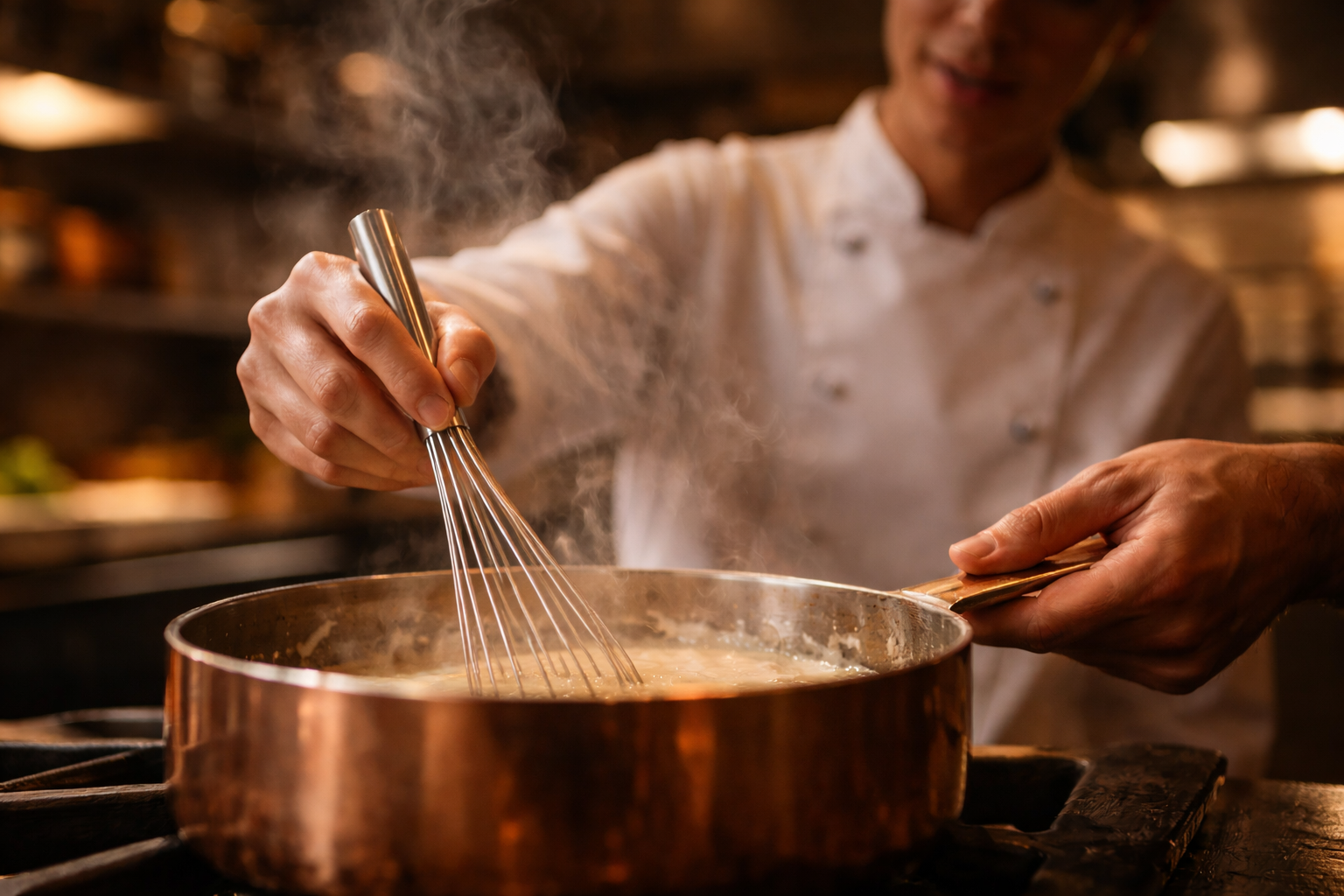
One of the best things about cooking classes in France is that they work at different levels of ambition. You can do a short class that focuses on a few dishes and techniques, or you can go deeper into pastry, baking, or classic cuisine paths if you want serious skill development. Either way, the learning is reinforced by the environment: you can walk through markets, see ingredient quality firsthand, and understand why regional cuisine tastes different depending on geography and season. The country itself becomes part of the lesson.
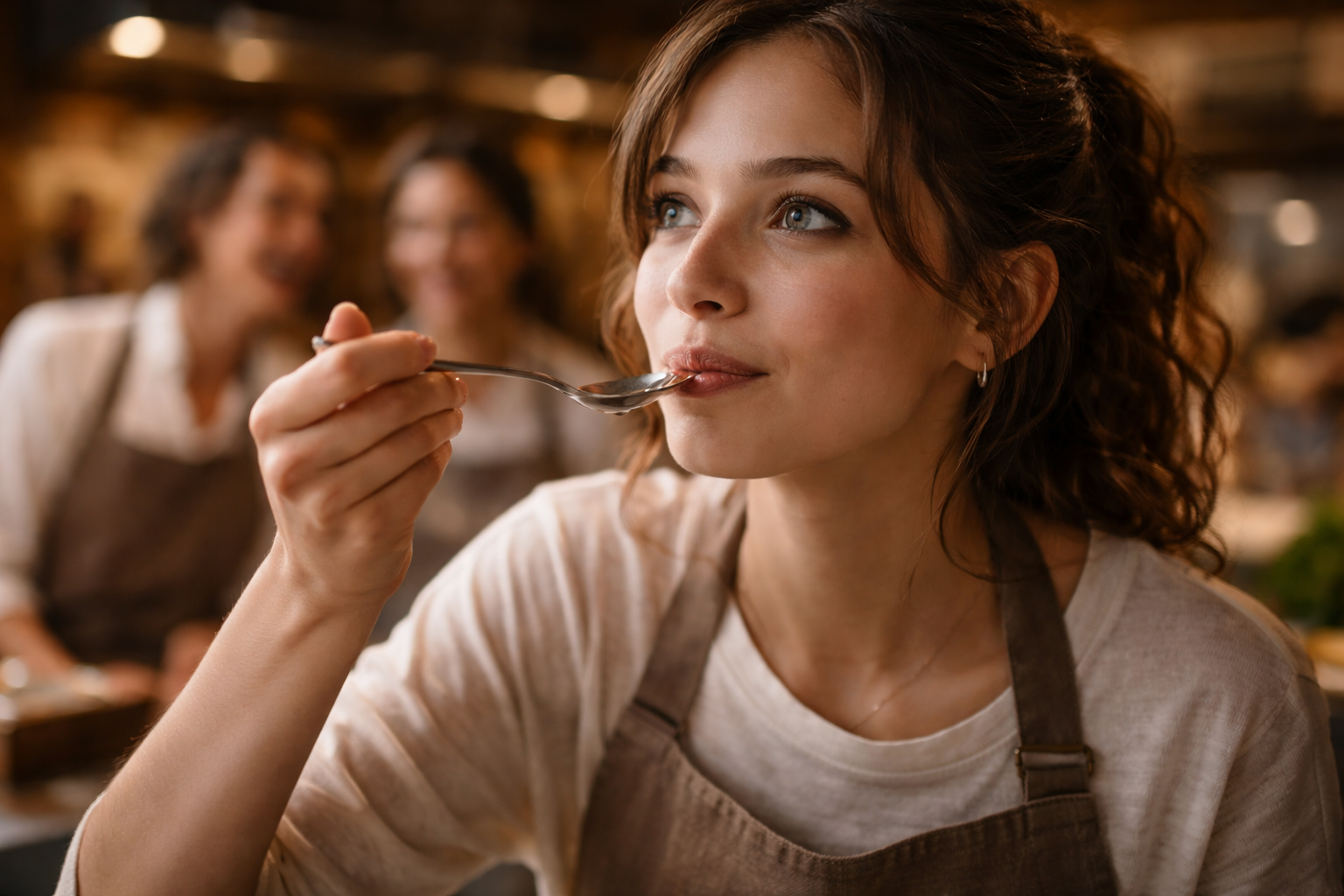
Culinary learning also fits beautifully into a travel itinerary. A class can be a “mid-trip anchor” that gives you structure and a story to tell, without requiring a full academic commitment. It’s also deeply social: you learn with people, you share results, and you often leave with a feeling of warmth that sightseeing alone doesn’t always create. If your goal is a trip that feels both enjoyable and productive, culinary learning is one of the strongest options.
[GetYourGuide Tip]: Want to turn “French food” into a real skill you take home? Browse cooking classes in France and pick one that matches your trip pace (short pastry workshop vs. full meal class).
Artistic and Creative Learning: France as a Studio, Not Just a Museum
For art lovers, France is often imagined as galleries and masterpieces—and that’s true—but the deeper experience is creating something while you’re there. Workshops, studios, and creative courses turn France into a living classroom where you don’t just admire technique, you try it. That shift matters, because it changes your relationship with culture from consumption to participation. You start noticing details in museums and streets that you would have ignored before, because your hands now understand the difficulty behind the beauty.
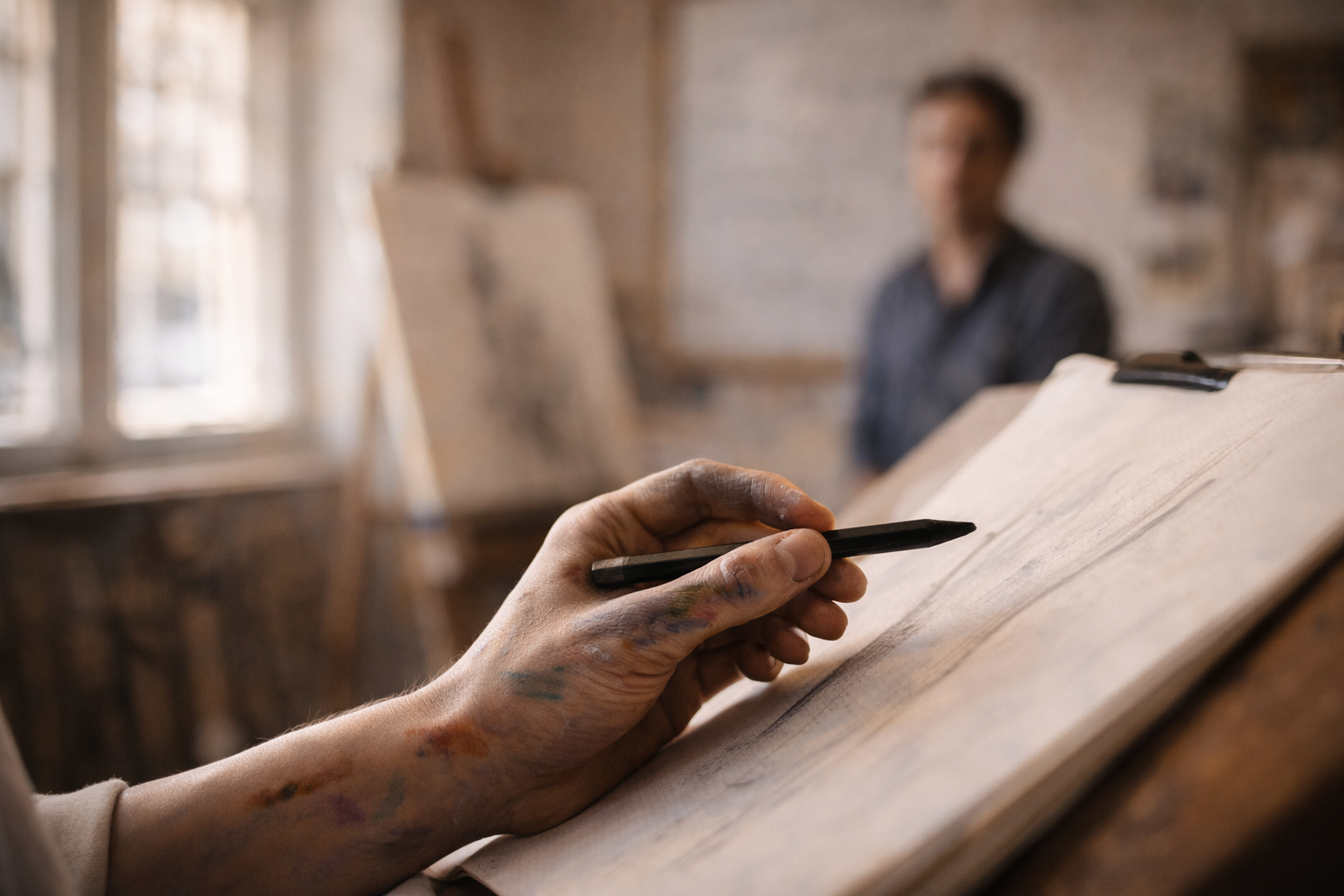
Creative learning can be flexible and personal. Some travelers want formal instruction and critique, while others want a guided experience that helps them explore mediums like drawing, painting, photography, or design without pressure. France supports both, and the inspiration level is consistently high because art is embedded into public space, architecture, and daily aesthetics. A city walk can become a lesson in composition, color, and atmosphere if you’re paying attention.
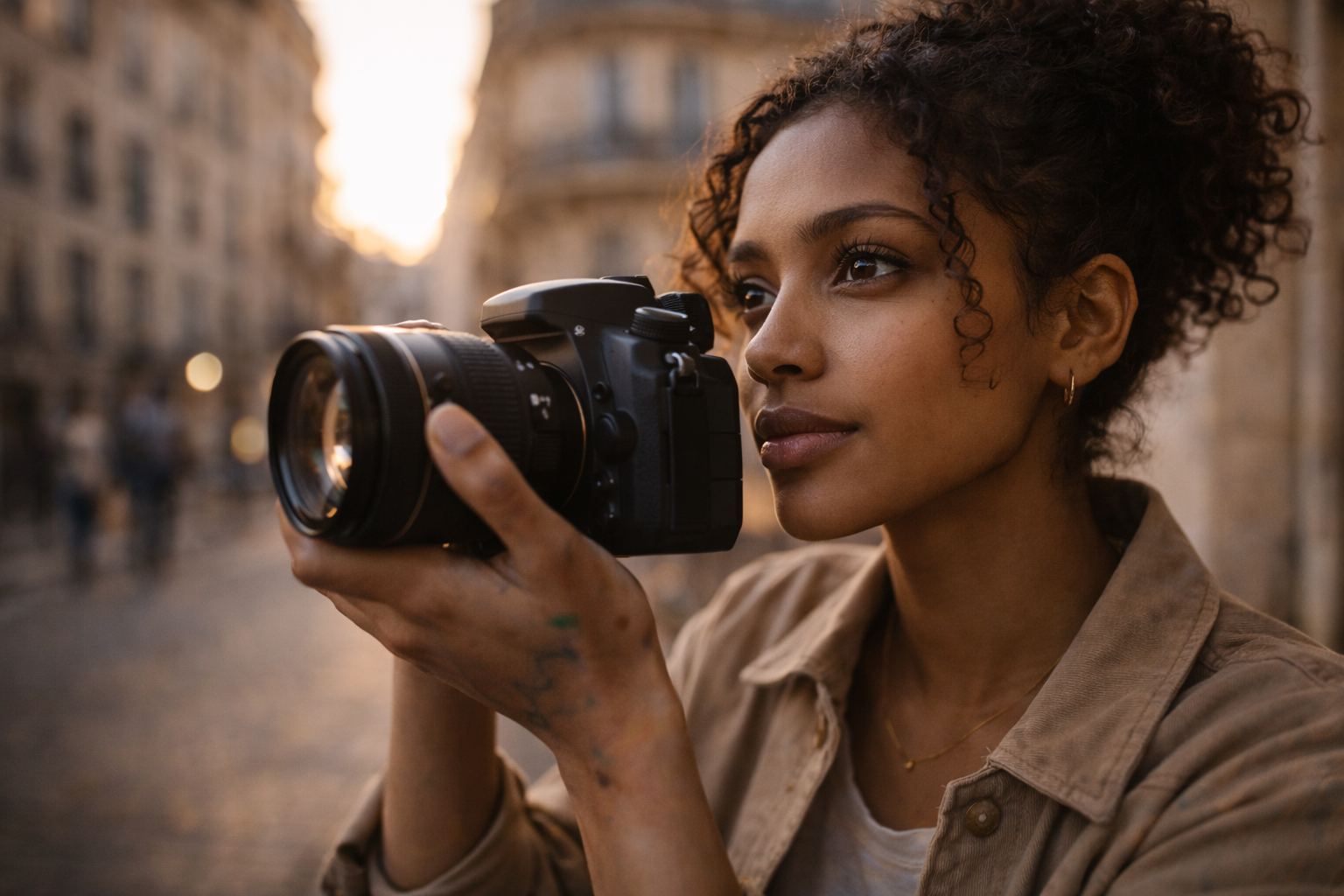
The best part is that creativity travels home with you. A certificate is useful, but a creative habit can be even more powerful because it changes how you see the world. If you’ve felt blocked, tired, or too “busy” to make anything, France can be the place where you start again. And starting again is sometimes the most valuable learning outcome of all.
Short Courses vs. Long Programs: Choosing the Right Commitment
Not everyone wants a degree program, and that’s completely fine. In fact, many travelers get the most value from short learning formats that fit naturally into a trip. A one-week language intensive, a weekend culinary workshop, or a short art course can add depth without consuming the entire itinerary. Short programs are also less mentally heavy, which matters if you’re traveling to recharge rather than to push yourself.
Long programs—semester exchanges, multi-month language courses, full academic tracks—offer a different kind of payoff. They create identity change through repetition: you stop feeling like a visitor and start feeling like someone who belongs in the rhythm of the country. That belonging can be life-changing, especially if you’ve been craving a fresh start, a new environment, or a serious skill upgrade. The longer you stay, the more France becomes normal—and that’s where the deepest learning happens.
A simple decision rule helps. If your goal is a skill you can apply immediately, short programs often deliver faster satisfaction. If your goal is transformation—new habits, deeper fluency, academic progress, professional reorientation—longer programs create the structure for that. Study abroad in France isn’t one product; it’s a spectrum, and your best choice depends on what kind of person you want to be after the trip.
Where to Learn: Big-City Energy vs. Regional Focus
Location shapes learning more than people expect. Paris offers access to major institutions, cultural density, and endless events, but it can also be intense and expensive, which may affect your focus depending on your personality. Some learners thrive in that energy because the city becomes a nonstop source of stimulation and opportunity. Others find that the same stimulation makes it harder to slow down and absorb.
Regional France can be a powerful alternative, especially for language learning and skill-building. Smaller cities and towns often give you more daily immersion opportunities because you’re less likely to default into English-speaking travel habits. The pace can be calmer, routines more stable, and costs sometimes lower, which can translate into better concentration. You also get deeper contact with local culture, which can make learning feel more real.
A good learning trip is less about choosing the “best city” and more about choosing the environment that supports your mindset. If you want constant variety, choose a larger city. If you want clarity and focus, consider a smaller place. Either way, France offers enough variety that you can match the country to your personal learning style rather than forcing yourself to fit one travel stereotype.
Practical Planning: Budget, Scheduling, and What to Prepare
Learning travel becomes much easier when you plan your time like a human, not like a machine. Don’t stack classes with nonstop sightseeing, especially at the beginning, because you’ll exhaust yourself and reduce the quality of both experiences. A better approach is to build a stable weekly structure: study blocks, practice blocks, and exploration blocks that give your mind recovery time. France rewards this kind of planning because so much learning happens through quiet repetition, not through frantic consumption.
Budget planning is also simpler if you decide what “learning” means for you. Formal programs often include clear fees, while workshops vary widely depending on duration and materials. Language learning might involve course costs plus daily life costs, but the return is constant real-world practice. Culinary or art courses can be treated as one-time investments that upgrade the meaning of your trip without becoming a full financial commitment. The goal is to spend intentionally, not to spend maximally.

Preparation matters, but it doesn’t need to be dramatic. Bring a notebook or a simple system for capturing what you learn, because insights come quickly when you’re immersed. If you’re learning French, commit to daily speaking—even if it feels awkward—because awkwardness is the price of fluency. If you’re taking creative or culinary courses, arrive willing to fail lightly and learn fast. France will meet you with resources, but your attitude is what converts them into real progress.
Conclusion: The Best Kind of Travel Leaves You With More Than Photos
France is often framed as a destination of beauty, and it is. But the deeper gift of France is that it can turn a trip into momentum—toward a new language, a new craft, a new academic direction, or a new creative habit. When you learn in France, the country stops being a backdrop and becomes a partner. Every street becomes practice, every café becomes a classroom, every museum becomes a reference point for your own growth.
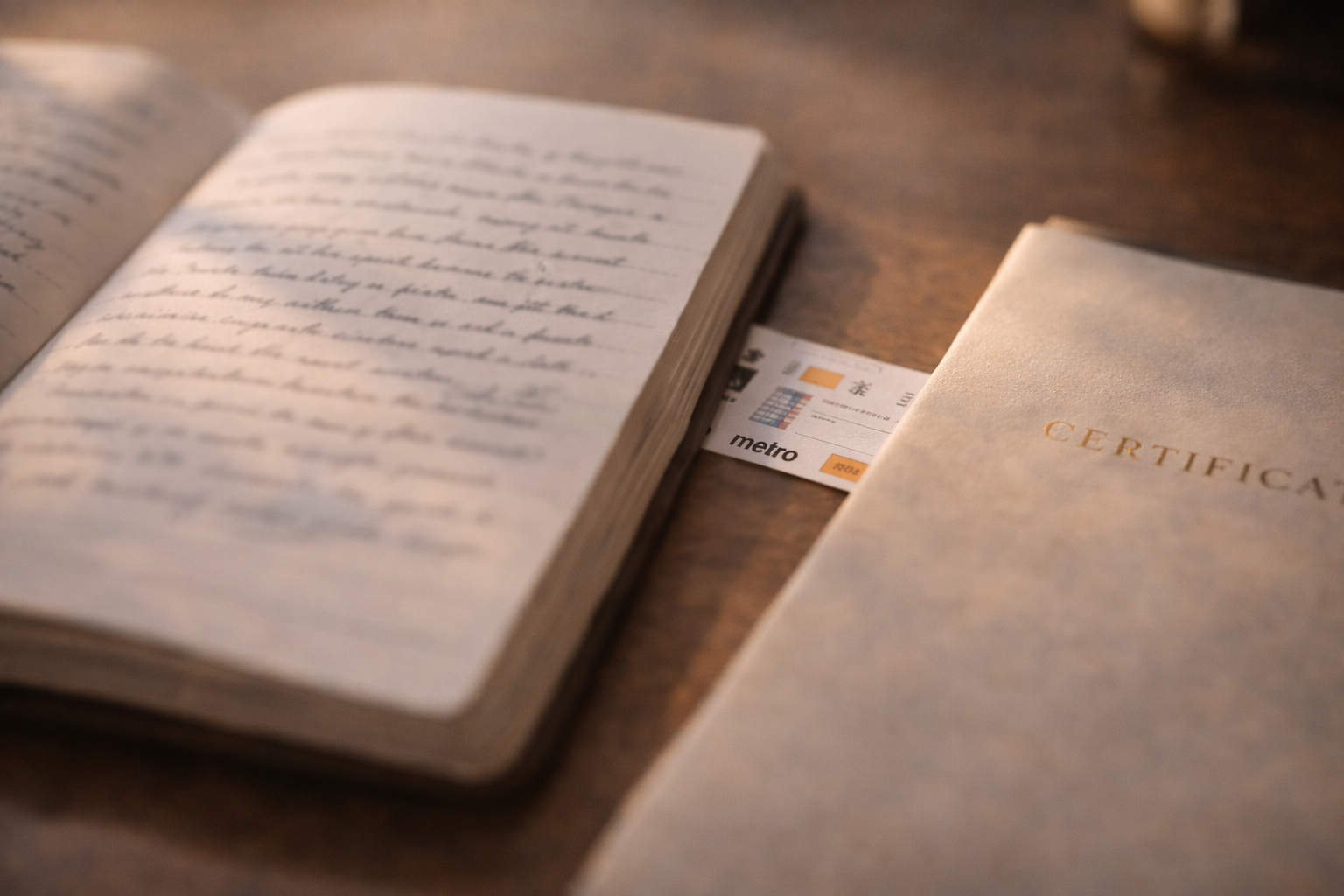
If you’re choosing between a normal vacation and a learning trip, consider what you want to bring home. A tan fades, but a skill stays. Confidence built through real practice changes how you move in the world long after the flight ends. That’s why study abroad in France continues to attract people from every stage of life—not because everyone wants a degree, but because many people want a meaningful chapter.
If you’re ready to make your next trip feel richer, start simple: pick one learning goal and build a trip around it. France will do the rest, as long as you show up consistently. And if you do, you’ll leave not only with memories, but with something you can use—something that keeps paying you back long after you return.