
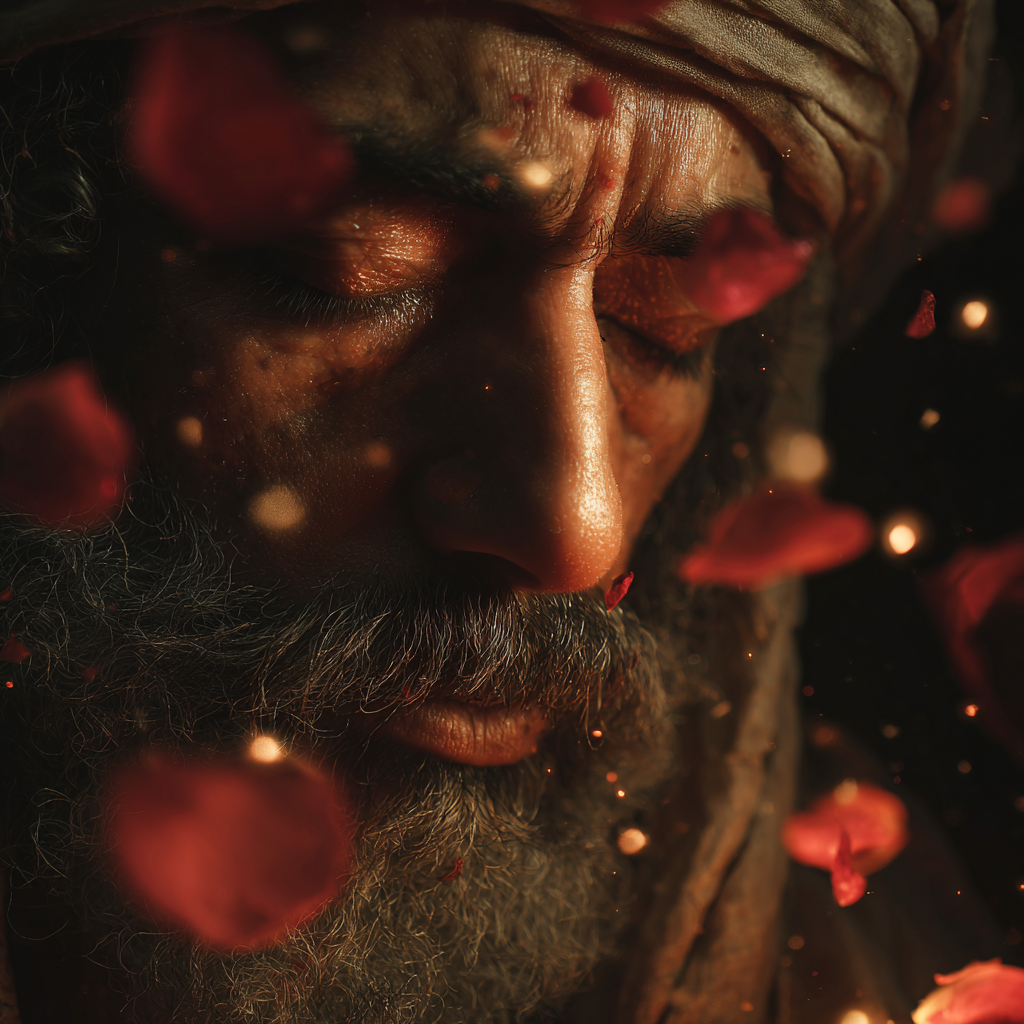
Sufism in Pakistan is not merely a spiritual tradition — it breathes in crowded streets, in the rhythm of drums echoing through ancient courtyards, in the incense swirling above marble tombs, and in the ecstatic sway of devotees dancing beneath flickering lanterns. This is the world of Sufism — a mystical tradition that has shaped Pakistan’s cultural and emotional identity for centuries. More than an Islamic philosophy, Sufism here is a living, beating heart. It is the fragrance of rose petals scattered at a saint’s tomb, the sound of qawwali bursting from a shrine at dusk, and the belief that divine love can be felt through music, poetry, and human connection. For centuries, Sufism in Pakistan has shaped the country’s emotional landscape.
Travelers who enter the Sufi world of Pakistan encounter a culture where devotion transcends ritual. Shrines become sanctuaries for the weary; festivals transform into collective catharsis; and music opens inner doors that logic cannot. This journey into Sufi heritage is not merely historical — it is emotional, luminous, and profoundly human.
Related: The Artistic Heart of Pakistan
Sufism in Pakistan: A Spiritual Bridge Between Heaven and Earth
Sufism in Pakistan arrived in South Asia over a thousand years ago, carried by wandering mystics, poets, scholars, and saints. They did not bring swords or armies; they brought compassion, music, and messages of unity that resonated deeply with local communities. Their teachings emphasized love over law, intention over appearance, and the belief that every individual carries a spark of the divine.
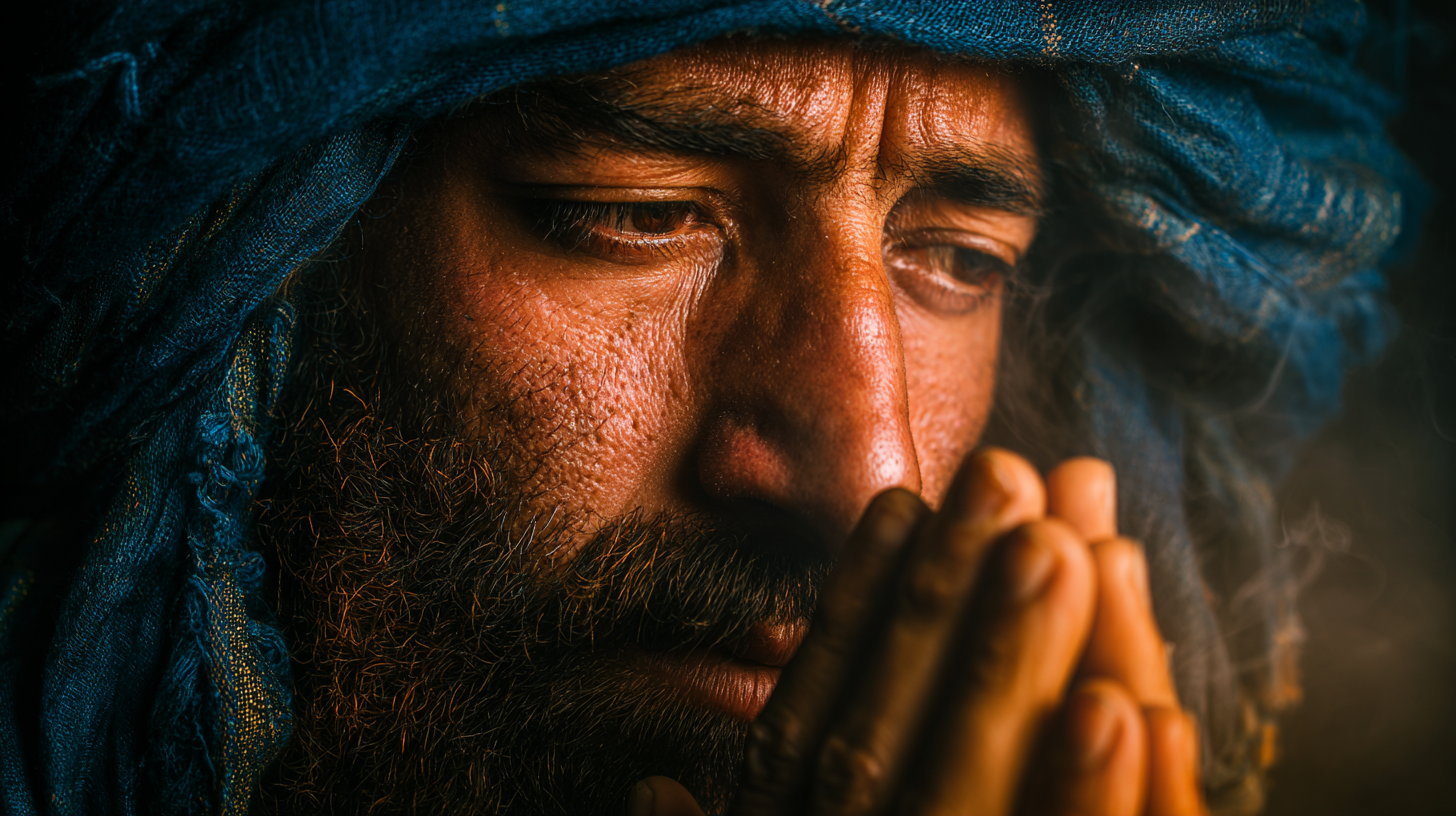
Today, Sufism remains one of Pakistan’s strongest cultural foundations. It influences language, literature, everyday greetings, family rituals, and social values. From rural Punjab to urban Karachi, Sufi ideals of tolerance and generosity shape how people interact. Even those who are not formally connected to Sufi orders often carry Sufi philosophy in their hearts — an instinctive openness toward spirituality and community.
In a world often divided, Sufism offers Pakistan a different way of being: inward-looking, poetic, and full of grace.
Shrines of Devotion: Where the Material Meets the Divine
Sufi shrines in Pakistan are far more than places of prayer — they are emotional worlds unto themselves. Entering one feels like stepping into a powerful current of human longing. The scent of sandalwood, the clang of metal gates, the murmur of prayers, the glitter of green and gold fabrics draped over tombs — everything creates an atmosphere that is both intimate and overwhelming.
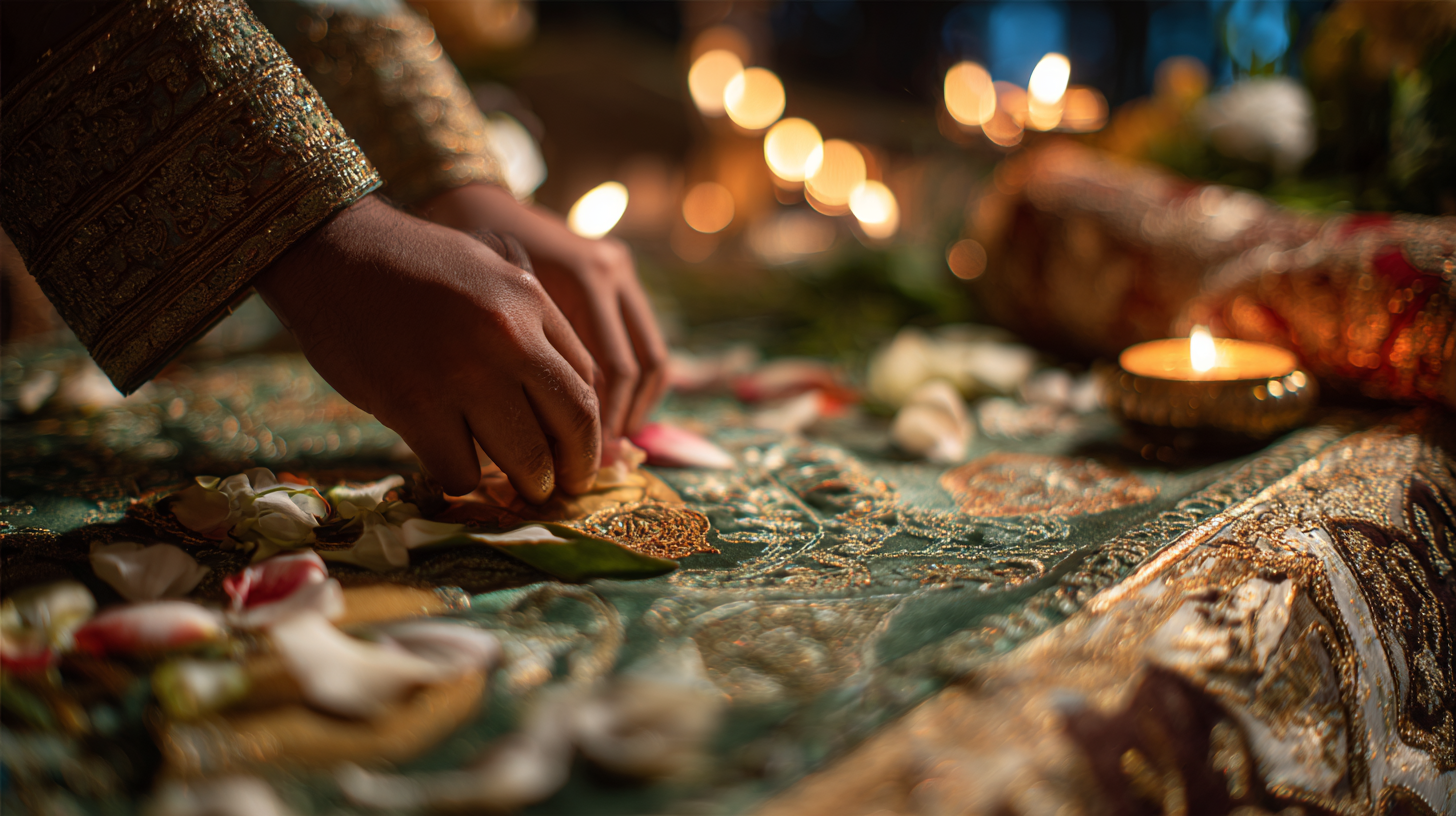
Devotees visit shrines to seek healing, gratitude, inspiration, or simply peace. These places are open to everyone: rich and poor, literate and illiterate, locals and travelers. No one is turned away. People sit quietly with their palms raised, or join crowds placing garlands over the tomb of a saint who is believed to intercede with God on their behalf.
The philosophy is simple but profound:
Love leads to God, and saints light the path.
Data Darbar: Lahore’s Heart of Spiritual Light
Among the most powerful expressions of Sufism in Pakistan is the vibrant world of sacred shrines. No shrine embodies this truth more powerfully than Data Darbar, one of South Asia’s largest and oldest Sufi sanctuaries. Located in the heart of Lahore, it is a sanctuary that never sleeps. Devotees arrive at all hours: men carrying roses, women whispering prayers, children clutching their parents’ hands. The marble courtyard glows under soft lights, while qawwali musicians prepare their instruments for the evening’s performance.
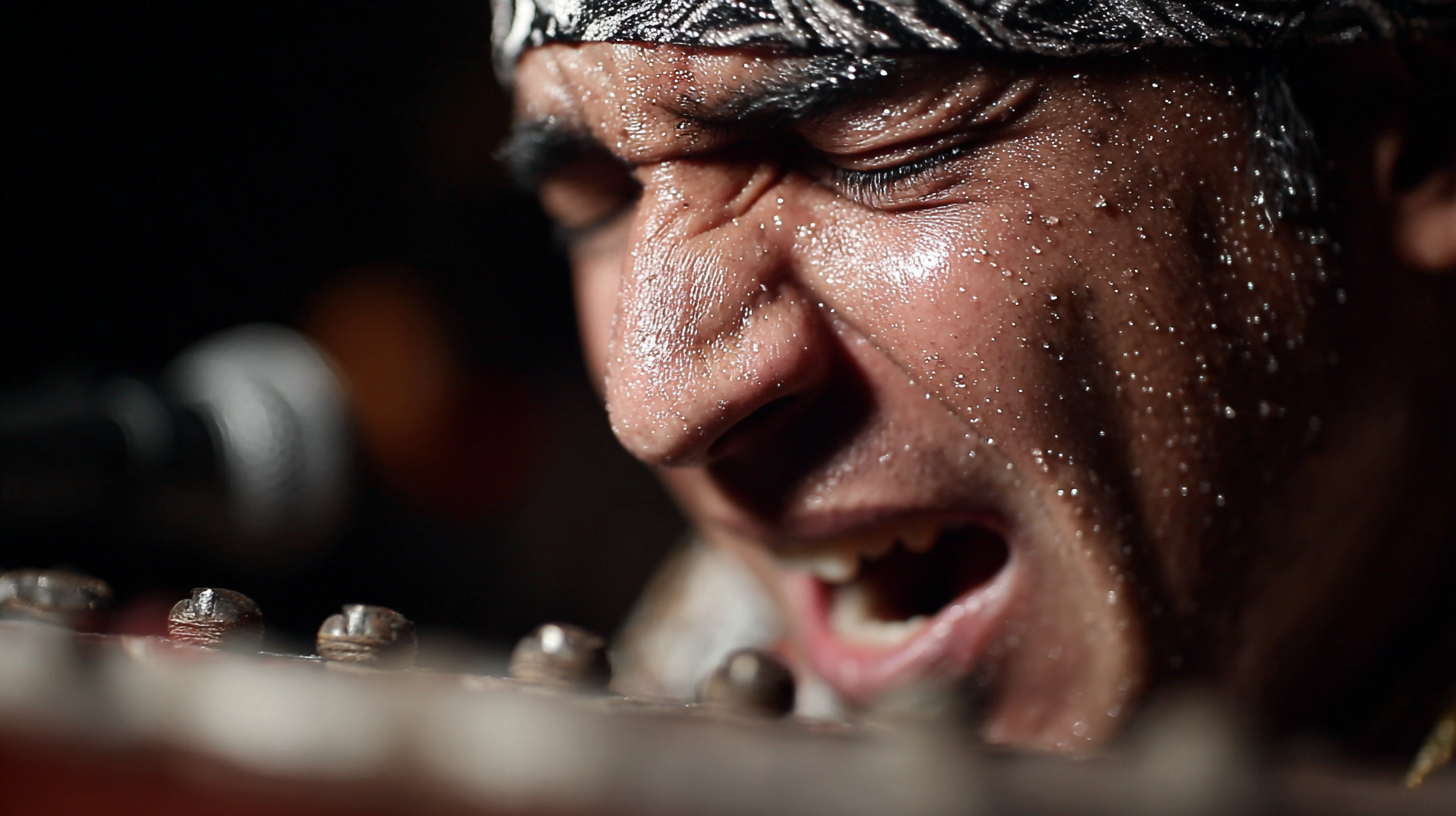
At sunset, the transformation begins. Harmoniums hum, tablas pulse, and voices rise into soulful pleas. Qawwali at Data Darbar is not entertainment — it is a spiritual offering. The music builds like a storm, dissolving the boundaries between performers and listeners. People cry, smile, sway, and sometimes reach a state of wajd — spiritual ecstasy.
Standing there, surrounded by hundreds of strangers united by devotion, you feel the same force that has drawn people here for nearly a thousand years.
Lal Shahbaz Qalandar: The Red Saint of Sehwan Sharif
If Data Darbar is disciplined devotion, Sehwan Sharif is devotion set ablaze. The shrine of Lal Shahbaz Qalandar, draped in red and gold, is a place where mysticism becomes pure energy. The air vibrates with chants, drums, and human emotion. As the sun sets, the shrine bursts into life with the famous Dhamaal — an ecstatic, trance-like dance performed to the beat of massive dhol drums.

Pilgrims whirl in circles, arms raised, eyes closed, surrendering themselves to divine love. Dust rises from the courtyard as hundreds of bodies move with the rhythm, a physical prayer expressed through motion. For many, the trance is healing — a release of pain, fear, longing, and joy.
Watching Dhamaal at Sehwan is witnessing the raw power of Sufism:
unfiltered, passionate, and deeply transformative.
The Sound of the Soul: Qawwali and Sufi Music Traditions
If shrines are the physical heart of Sufism, qawwali is its voice. Originating from the poetry of medieval saints, qawwali is a form of musical devotion that carries listeners through layers of emotion — longing, surrender, union. Its structure is hypnotic: harmoniums build tension, clapping accelerates the rhythm, and the lead singer’s voice rides on waves of poetry.
Qawwali lyrics often revolve around divine love, humility, and spiritual intoxication. But the most magical part is how deeply they resonate beyond language. Even listeners who do not understand Urdu, Punjabi, or Persian feel the meaning through melody alone.

Great masters like Nusrat Fateh Ali Khan and Abida Parveen carried Pakistan’s Sufi music across the globe, transforming qawwali into a universal spiritual language. Their songs are not performances — they are journeys. And in their soaring crescendos, audiences find moments of transcendence rarely experienced elsewhere.
Festivals of Ecstasy: When Music Becomes Prayer
Sufi festivals in Pakistan transform entire neighborhoods into worlds of devotion. Streets glow with lanterns, vendors sell garlands and sweets, and music fills the air long before one reaches the shrine. These festivals are inclusive celebrations where all barriers melt — sect, wealth, gender, and age lose meaning in the radiance of shared prayer.
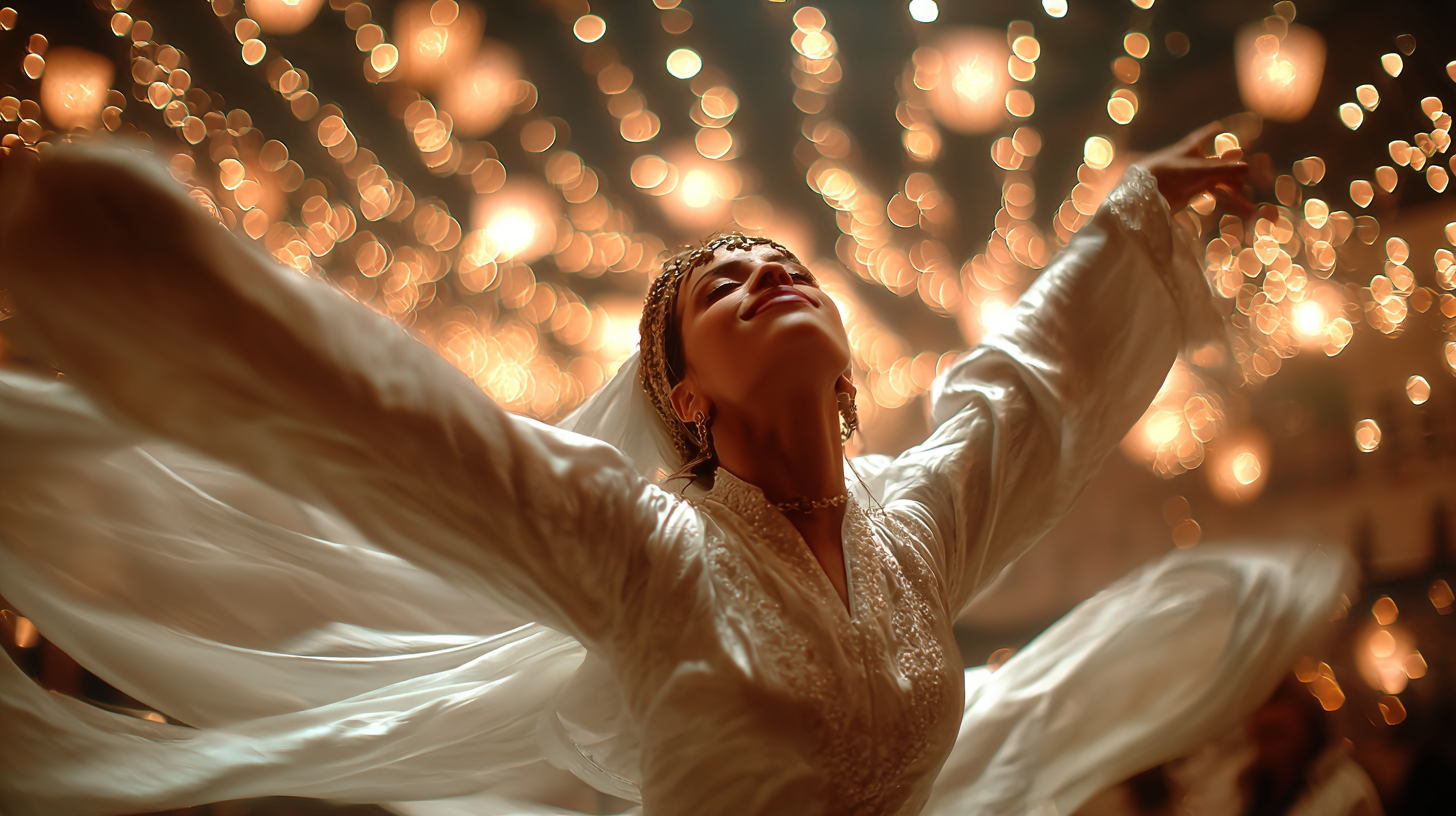
The Rafi Peer Sufi Festival brings together qawwals from across the country, offering nights filled with music that stretches into dawn. In Lahore, the All Pakistan Music Conference elevates classical and devotional music to a grand stage. Smaller festivals at shrines throughout rural Sindh and Punjab offer more intimate experiences — bonfires, storytelling, spinning dancers, and poetry recitals that echo into the night.
Each festival is a living testament to Sufi belief:
that joy, music, and unity are forms of worship.
Sufi Poetry: The Language of Love and Liberation
If qawwali is the voice of Sufism, poetry is its soul. Pakistan’s literary landscape is inseparable from the verses of saints like Bulleh Shah, Shah Abdul Latif Bhittai, Sultan Bahu, and Waris Shah. Their poetry challenges ego, criticizes injustice, and celebrates divine love as the ultimate truth.
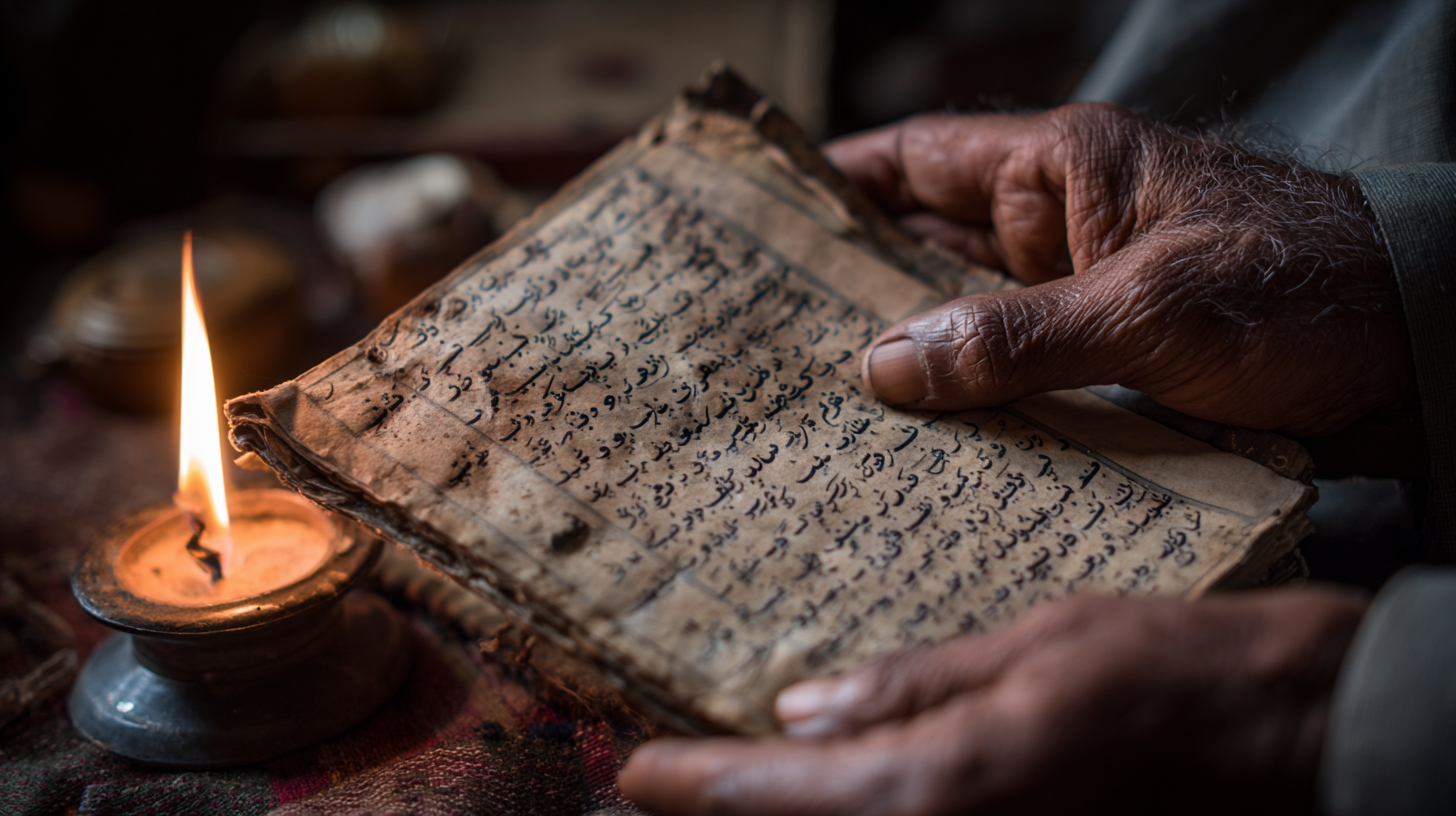
These poems are sung, whispered, memorized, painted on shrines, printed in books, and woven into daily life. Farmers quote them in the fields; musicians improvise them in gatherings; scholars debate their meanings in universities.
To read Sufi poetry is to feel the burning desire for unity — with God, with humanity, with one’s own soul.
Modern writers like Mohsin Hamid still carry traces of Sufi influence, embedding mystical metaphors into contemporary narratives. The message endures because it remains universal:
Love destroys fear. Love reveals the divine. Love frees the spirit.
Art and Architecture: Mysticism Carved in Tile and Stone
Sufi aesthetics permeate Pakistan’s visual landscape. Shrines such as Shah Rukn-e-Alam in Multan and Bhit Shah in Sindh pulse with turquoise tilework, geometric arabesques, and calligraphic verses that swirl across domes like celestial maps.
Every shrine has its own artistic identity — colors chosen for symbolism, motifs representing unity, symmetry reflecting divine perfection.
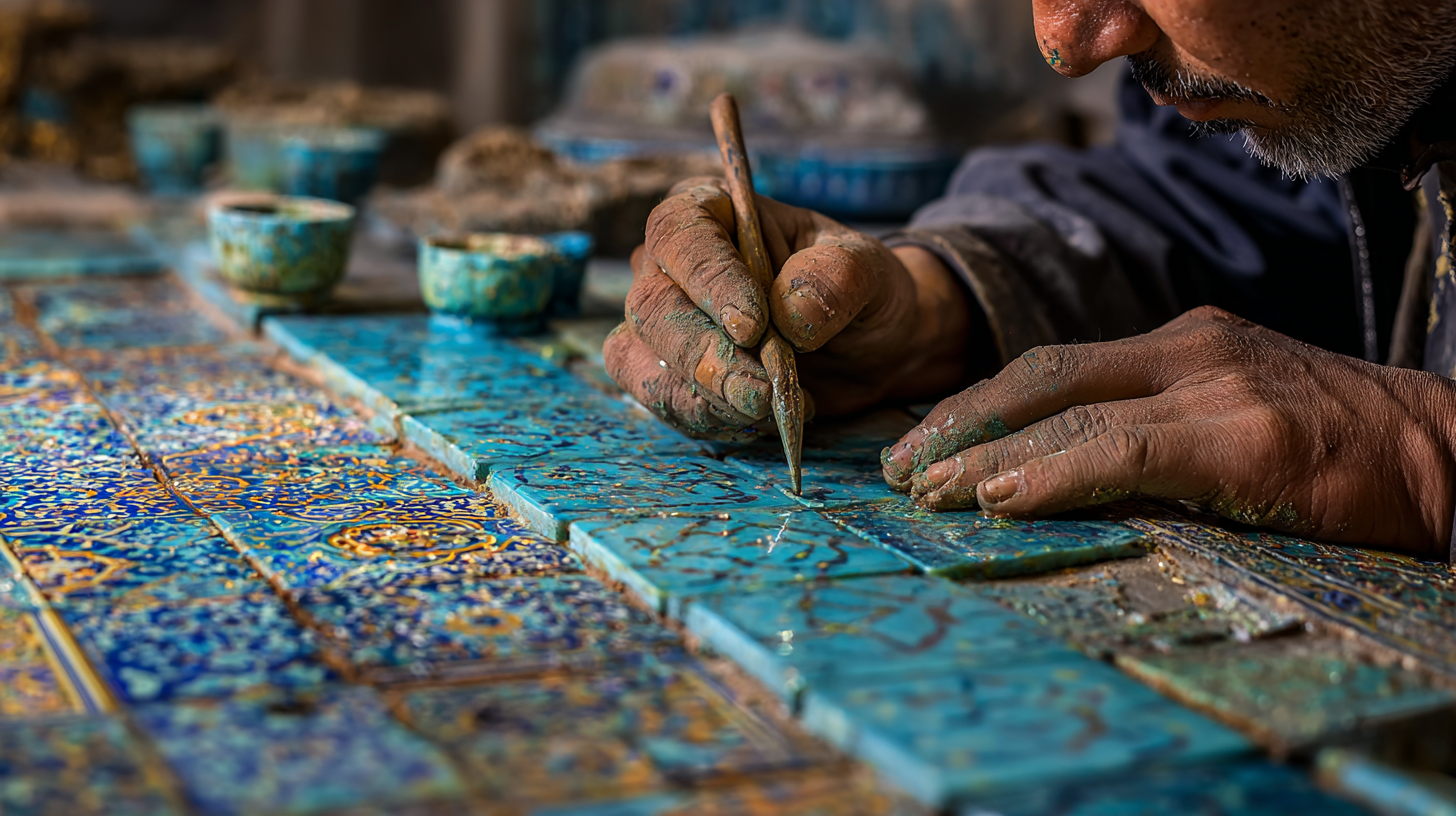
Inside, flickering candlelight dances across carved marble and mirrored mosaics. Pilgrims tie threads of prayer on wooden lattices, while artisans restore centuries-old frescoes with steady hands. Shrine architecture is not merely beautiful; it is designed to elevate the spirit. Domes amplify sound for qawwali; courtyards create communal spaces; gateways symbolize the passage from worldly concerns to inner peace.
Even modern artists draw inspiration from Sufism. Paintings, sculptures, and contemporary installations reinterpret Sufi metaphors in bold new forms, showing that mysticism continues to spark creativity across generations.
Conclusion: The Eternal Pulse of Sufi Heritage
Sufism in Pakistan is not just a chapter in history — it is a living force shaping the country’s emotional and cultural identity. It survives in the trance of Dhamaal, the poetry of saints, the harmonies of qawwali, the architecture of shrines, and the quiet prayers whispered beneath green domes.
To explore Pakistan’s Sufi heritage is to witness humanity at its most sincere — raw love, unfiltered longing, and the belief that the divine can be felt in music, movement, and compassion.
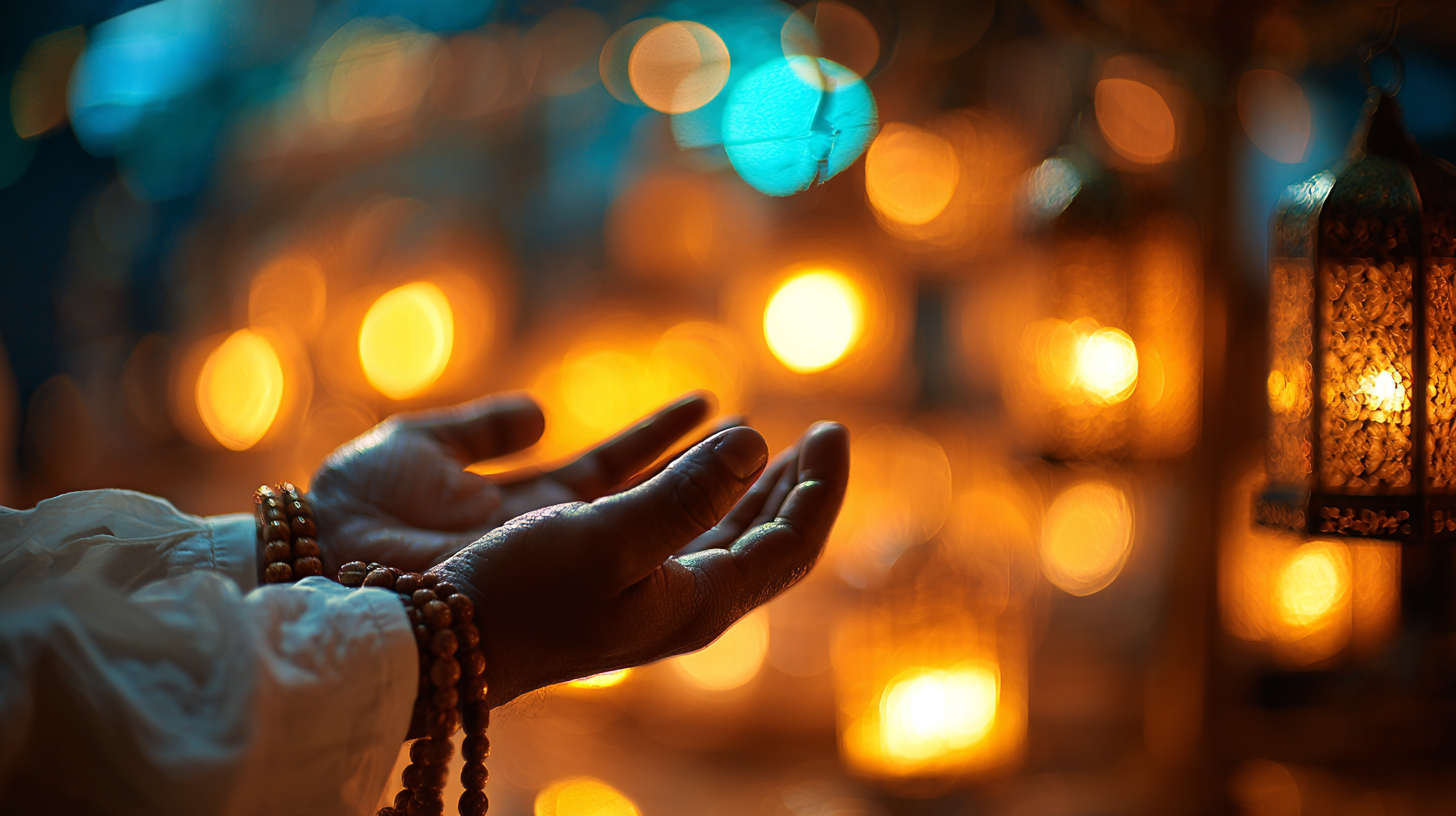
Pakistan’s mystic tradition continues to guide, heal, and inspire millions. And for travelers, it offers a rare kind of experience:
a journey not just through a country, but through the deepest chambers of the human heart.
Learn more from UNESCO: Sufi traditions in South Asia