
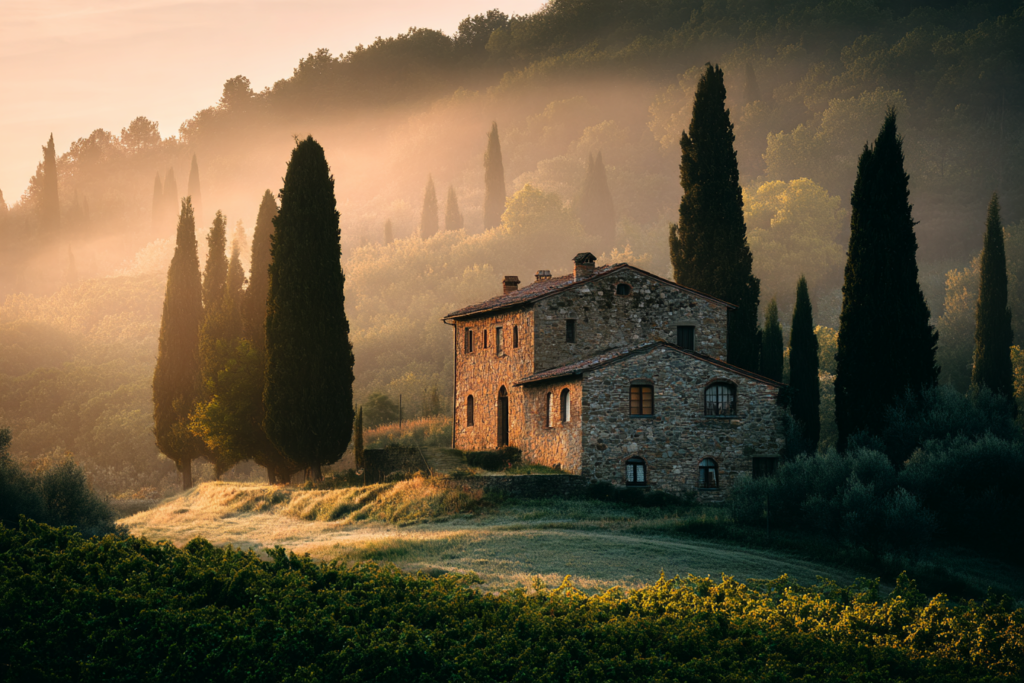
Italy has long been the dream destination for travelers worldwide, offering a rich tapestry of history, art, and culinary excellence that few other countries can rival. In this sustainable Italy travel guide 2025, we explore how to visit responsibly has placed immense pressure on its historic cities and fragile ecosystems. Iconic destinations like Venice and the Cinque Terre are grappling with overcrowding, prompting a necessary and urgent shift towards more responsible exploration.
In 2025, visiting Italy isn’t just about ticking boxes on a bucket list; it’s about preserving these wonders for future generations. Sustainable travel in Italy offers a deeper, more authentic connection to the Bel Paese. It moves away from the “hit-and-run” tourism of the past towards meaningful, immersive experiences. By making conscious choices about how we move, where we stay, and what we eat, we can help protect the very beauty we came to see. This comprehensive guide explores how to embrace the “slow travel” philosophy and discover the true, unhurried soul of Italy. If you want a custom plan, check our Italy Tours page.
The Philosophy of Slow Travel: Embracing “Il Dolce Far Niente”
At the heart of sustainable tourism lies the famous Italian concept of il dolce far niente, or the sweetness of doing nothing. In a travel context, this doesn’t mean being lazy; rather, it encourages travelers to slow down and savor the moment instead of rushing frantically from one landmark to another. By spending more time in fewer places, you significantly reduce your carbon footprint and gain a genuine understanding of local life.
Adopting a slow travel mindset allows you to discover hidden gems that mass tourism often overlooks. Instead of a day trip to Venice where you barely leave St. Mark’s Square, consider spending a week exploring the smaller, quieter canals of Cannaregio or the neighboring islands of Burano and Torcello. This approach not only alleviates the strain on overcrowding in hotspots but also enriches your personal travel experience, allowing for spontaneous interactions with locals that you would otherwise miss.
The “Green Heart” Itinerary: A Perfect 7-Day Sustainable Route
If you are overwhelmed by choices and want a pre-planned, low-carbon adventure, this itinerary connects history, nature, and food without a single domestic flight or car rental. It relies entirely on Italy’s world-class rail network.
Days 1-3: Rome – The Eternal City (On Foot & E-Bike) Start your journey in Rome. To reduce strain on the historic center’s infrastructure, choose accommodation in a neighborhood like Monti or Trastevere, which feel like small villages within the city.
Morning: Walk to the Colosseum. We recommend booking a small-group guided tour to support licensed local guides rather than large international operators.
Afternoon: Rent an e-bike to explore the Appian Way (Via Appia Antica). It is an ancient Roman road surrounded by umbrella pines, catacombs, and ruins, far from the city smog and traffic. It is the perfect way to see history while breathing fresh air.
Dining: Search for “Suppli” shops that use local Lazio rice and mozzarella for a quick, low-impact lunch.
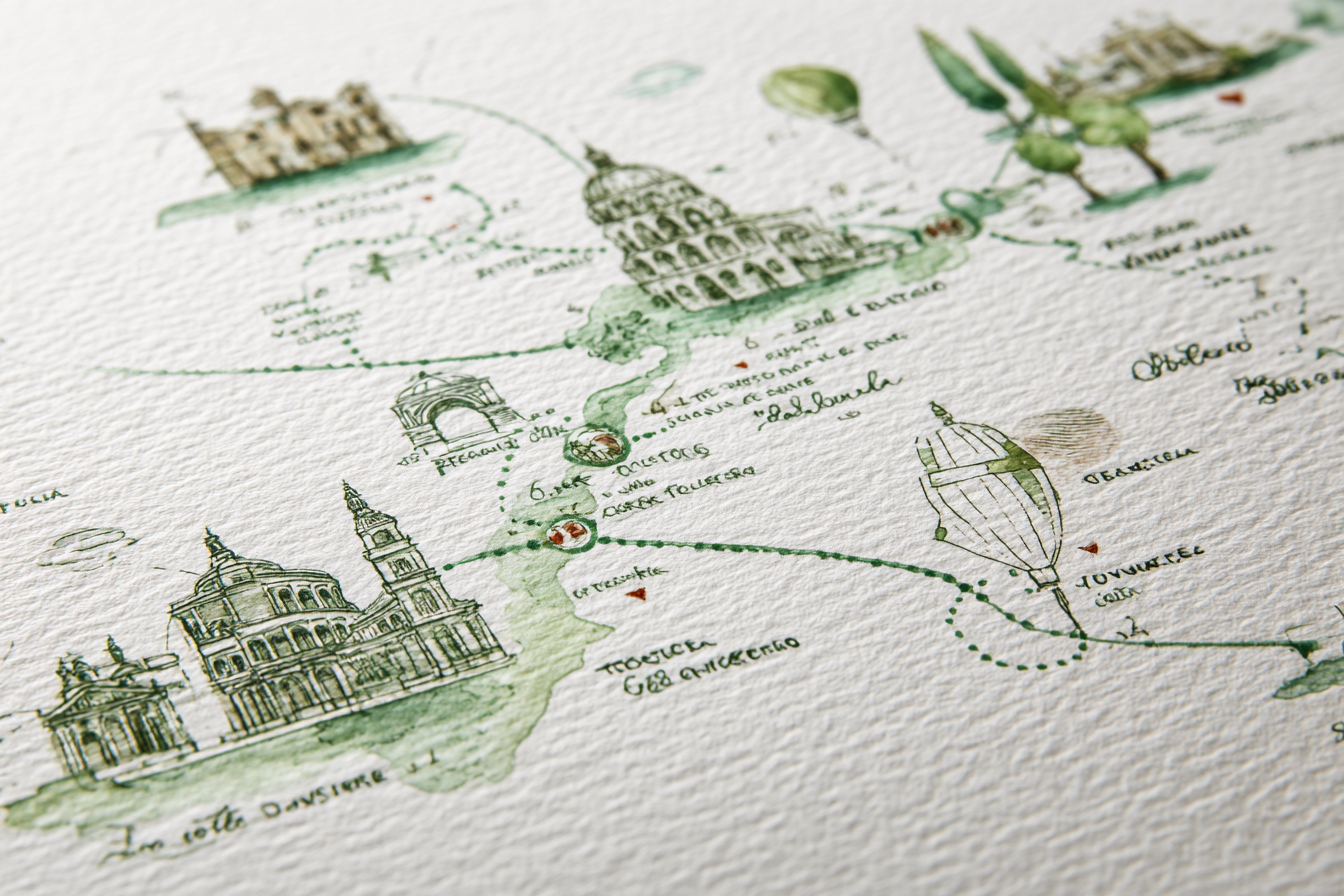
Days 4-5: Umbria – The Green Lung (By Regional Train) Take a regional train from Rome to Orvieto (approx. 1 hour). Umbria is often called “Tuscany’s wilder cousin”—it’s greener, less crowded, and deeply traditional.
The Vibe: Orvieto sits majestically atop a volcanic tuff cliff. Upon arrival, take the funicular up to the town center to avoid steep climbs and vehicle emissions.
Activity: Visit the Pozzo di San Patrizio, an architectural marvel. Then, take a local electric bus to a nearby vineyard that specializes in Orvieto Classico wine. Umbria is famous for its slow food movement, focusing on black truffles and pork dishes from free-range animals.
Days 6-7: Florence & The Hills (By High-Speed Rail) From Orvieto, catch a train to Florence.
Stay: Instead of staying in the chaotic city center, book an agriturismo in the nearby hills of Fiesole. It is accessible by a short, scenic bus ride (line 7), giving you a panoramic view of the Duomo without the noise and pollution.
Activity: Explore the Oltrarno district on the south bank of the Arno river. This is where the traditional workshops are located. Watch artisans bind books, work leather, or restore furniture using centuries-old techniques. Buying directly from them keeps these dying arts alive.
Regional Spotlights: Where to Go in 2025
While Italy is unified, every region is a country unto itself. To truly embrace sustainable travel, we recommend focusing on regions that prioritize nature and preservation.
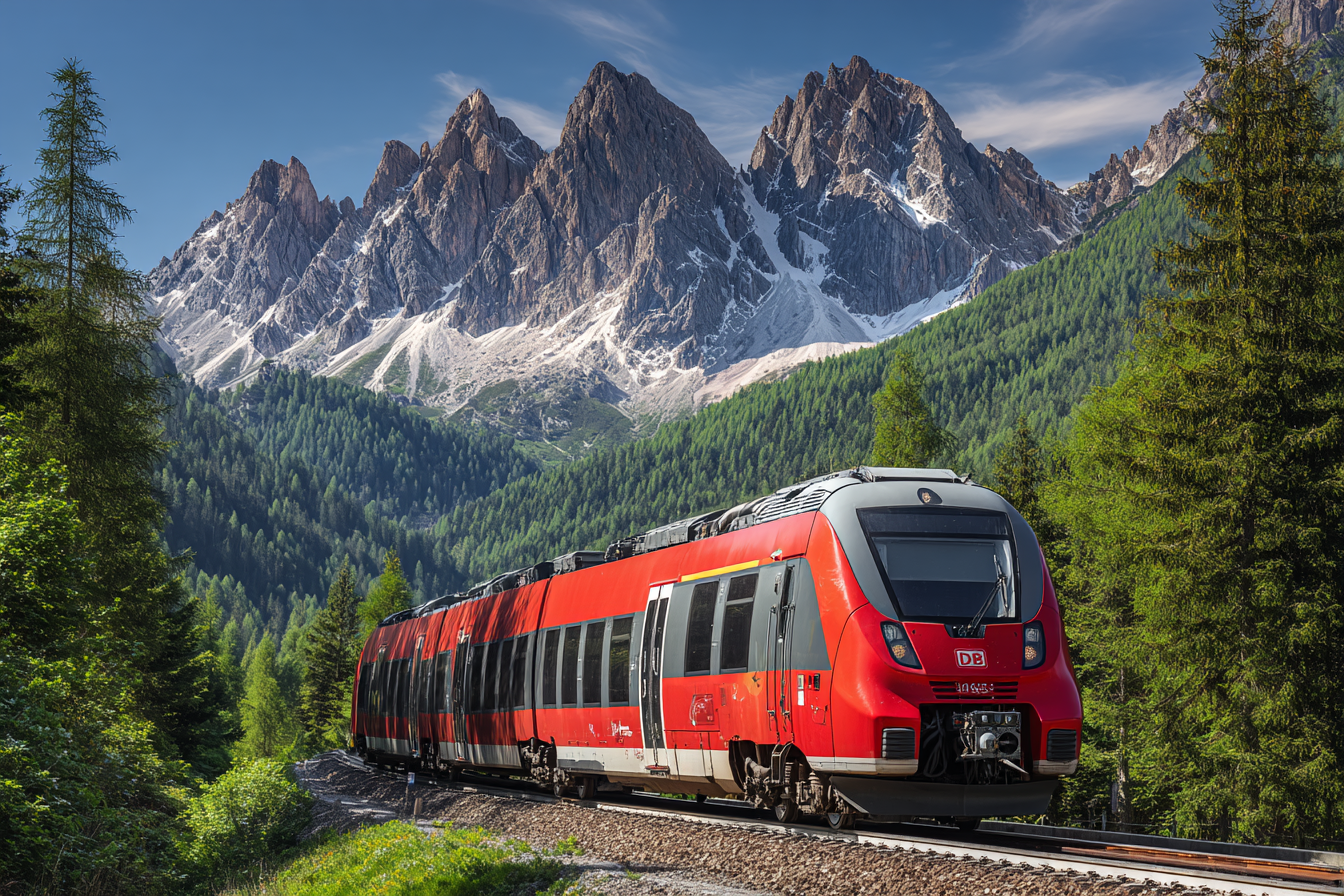
1. The Dolomites (Trentino-South Tyrol): The Alpine Standard The Dolomites are arguably the world leader in sustainable tourism. The region has invested heavily in creating a car-free environment, proving that luxury and ecology can coexist.
The Benefit: The “South Tyrol Guest Pass,” often included with your hotel stay, gives you free access to all regional trains and buses. You can traverse the entire region without ever touching a car key.
Eco-Activity: In summer, hike the Alta Via trails. In winter, choose ski resorts that run their lifts on renewable hydroelectric power, such as those in the Dolomiti Superski area.
2. Sardinia: The Blue Zone Experience Sardinia is one of the world’s five “Blue Zones”—places where people live significantly longer than average. Their secret? Local food, an active lifestyle, and strong community bonds.
The Benefit: Sardinia promotes active tourism over passive resort stays. The island has a rugged interior perfect for hiking, climbing, and exploring.
Eco-Activity: Take the Trenino Verde (Little Green Train). It is a slow, narrow-gauge railway that winds through the wild heart of the island, traversing bridges and mountains inaccessible by car. It’s a journey back in time.
3. Puglia: Guardians of Ancient Trees Located in the heel of Italy’s boot, Puglia offers a slower pace of life centered around agriculture and the sea.
The Benefit: Puglia is fighting to save its monumental olive trees. By visiting heritage masserias (farm estates), your tourism dollars help fund the preservation of trees that are over 1,000 years old.
Eco-Activity: Rent a bike and cycle through the Parco Naturale Regionale Dune Costiere. It’s a flat, scenic route taking you through ancient olive groves right down to the pristine Adriatic beaches.
Green Transportation: Mastering the Rails & EVs
Italy boasts one of the most efficient and scenic rail networks in Europe, making a car-free vacation entirely possible. High-speed trains like the Frecciarossa (Red Arrow) and Italo connect major hubs like Rome, Florence, Naples, and Milan faster than flying, with a fraction of the environmental impact. Choosing the train over short-haul flights is the single most effective step you can take towards a greener trip.
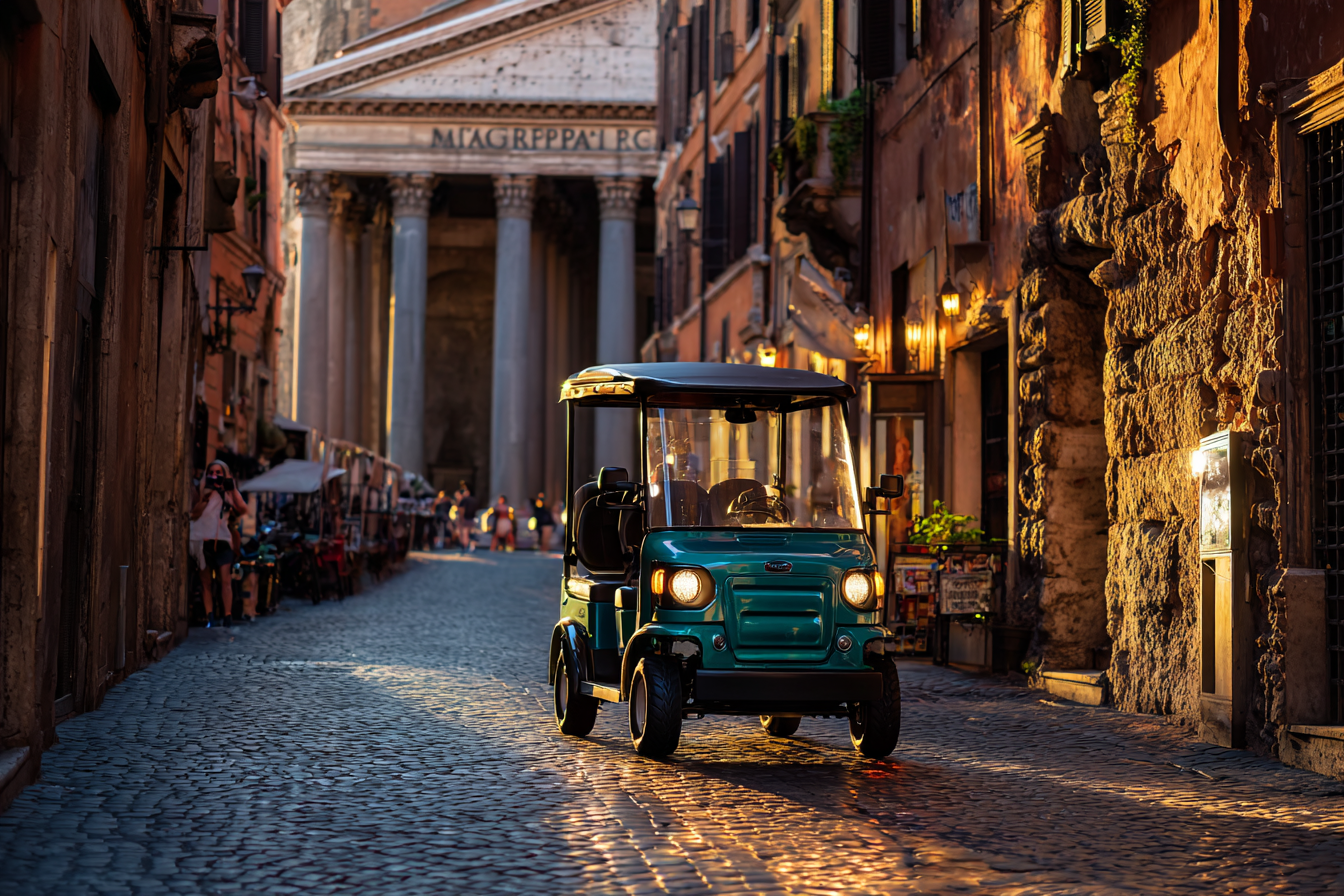
For those venturing into the countryside, regional trains offer a window into the stunning Italian landscape that highways simply cannot match. From the rugged coastlines of Liguria to the alpine passes, the journey becomes part of the adventure.
The Rise of Electric Mobility If you must drive—for instance, to reach a remote villa in Tuscany—2025 is the year of the EV. Italy has massively expanded its “Be Charge” and “Enel X” networks. Most major rental agencies at Fiumicino or Malpensa airports now offer dedicated Tesla or Fiat 500e fleets. Mentioning these specific charging networks ensures you are never left without power.
Eco-Friendly Accommodation: The Agriturismo
One of the best ways to support local economies is by staying in an agriturismo. These are working farms that have opened their doors to guests. By Italian law, an agriturismo must produce a significant portion of the food they serve to guests, ensuring that your stay directly supports sustainable farming practices.
Staying at an agriturismo connects you to the land in a way that a standard hotel never could. You might wake up to the sound of roosters, eat breakfast with fresh eggs from the coop, and spend your afternoon learning how olive oil is pressed. These establishments often utilize solar power, biomass heating, and water recycling systems, making them leaders in the hospitality sector’s green transition.
Top Eco-Friendly Activities (Bookable Experiences)
Integrating responsible activities is key to sustainable travel. These hand-picked experiences not only minimize impact but also maximize your connection to Italy’s unique heritage.
1. Rome: Electric Golf Cart Tours Navigating Rome’s ancient streets on foot can be tiring in the heat, and traditional bus tours contribute to congestion and emissions. Opt for an electric golf cart tour. These silent, emission-free vehicles allow you to cover significant ground, from the Colosseum to the Spanish Steps, with an expert guide, all while reducing your environmental footprint.
[GetYourGuide Tip]: Check out the “Rome: Electric Golf Cart City Tour” for a private or small-group experience.
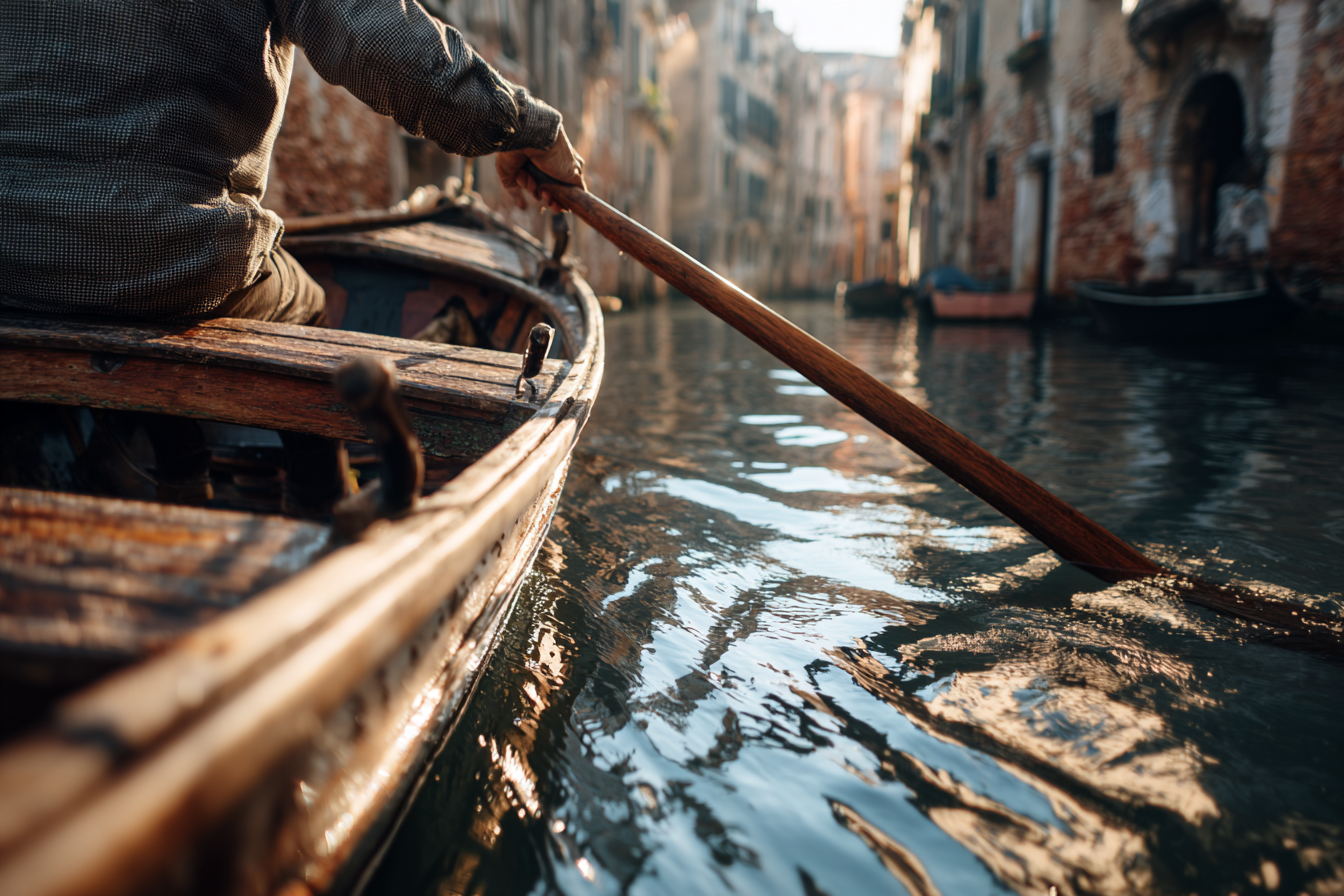
2. Venice: Row Venice (Voga alla Veneta) Beyond the tourist-trap gondola rides, discover Row Venice, a non-profit organization dedicated to preserving the traditional Venetian rowing technique. Instead of a motorboat, you’ll get a lesson from a local expert in a traditional wooden batela. It’s an active, intimate, and profoundly sustainable way to explore the canals.
[GetYourGuide Tip]: Look for “Venice: Private Lesson in Voga alla Veneta” to support this local tradition.
3. Tuscany: Organic Wine & Olive Oil Tasting Tuscany’s rolling hills are iconic. Instead of large, commercial vineyards, seek out small, organic wineries. Many offer tours that explain their biodynamic farming practices. You’ll taste exceptional products straight from the source and support local families committed to preserving the land.
[GetYourGuide Tip]: Filter for “Chianti: Organic Wine Tasting Tour” for the most authentic experience.
Sustainable Souvenirs: Buying Authentic, Not Plastic
One of the biggest traps for tourists is buying “Italian souvenirs” that were actually mass-produced overseas. Sustainable travel means ensuring your money stays in the local community.
1. Leather in Florence Avoid the street stalls near San Lorenzo market selling cheap bags; they are often made of imported, chemically treated leather.
Where to go: Look for the “Scuola del Cuoio” (School of Leather) or small workshops in the Oltrarno district. Real vegetable-tanned leather smells earthy and rich, not like chemicals.
2. Ceramics on the Amalfi Coast In towns like Vietri sul Mare, ceramics are a tradition. Real hand-painted pieces are expensive and have imperfections.
The Check: Turn the plate over. If it says “Painted in Italy,” it might still be industrially made. Look for “Fatto a mano” (Made by hand) and the artist’s signature.
3. Glass in Venice Murano glass is legendary, but 70% of the glass sold in Venice is fake import.
The Trademark: Look for the “Vetro Artistico Murano” trademark sticker with a QR code in shop windows. This guarantees the piece was made on the island of Murano, supporting local furnaces.
Dining Sustainably: The “Km Zero” Movement
Italian cuisine is world-famous, but sustainable dining goes beyond just eating pizza. The “Km Zero” (Kilometer Zero) movement is thriving across the country, encouraging restaurants to source ingredients strictly from their immediate vicinity. This reduces transportation emissions and guarantees the freshest, most seasonal produce.
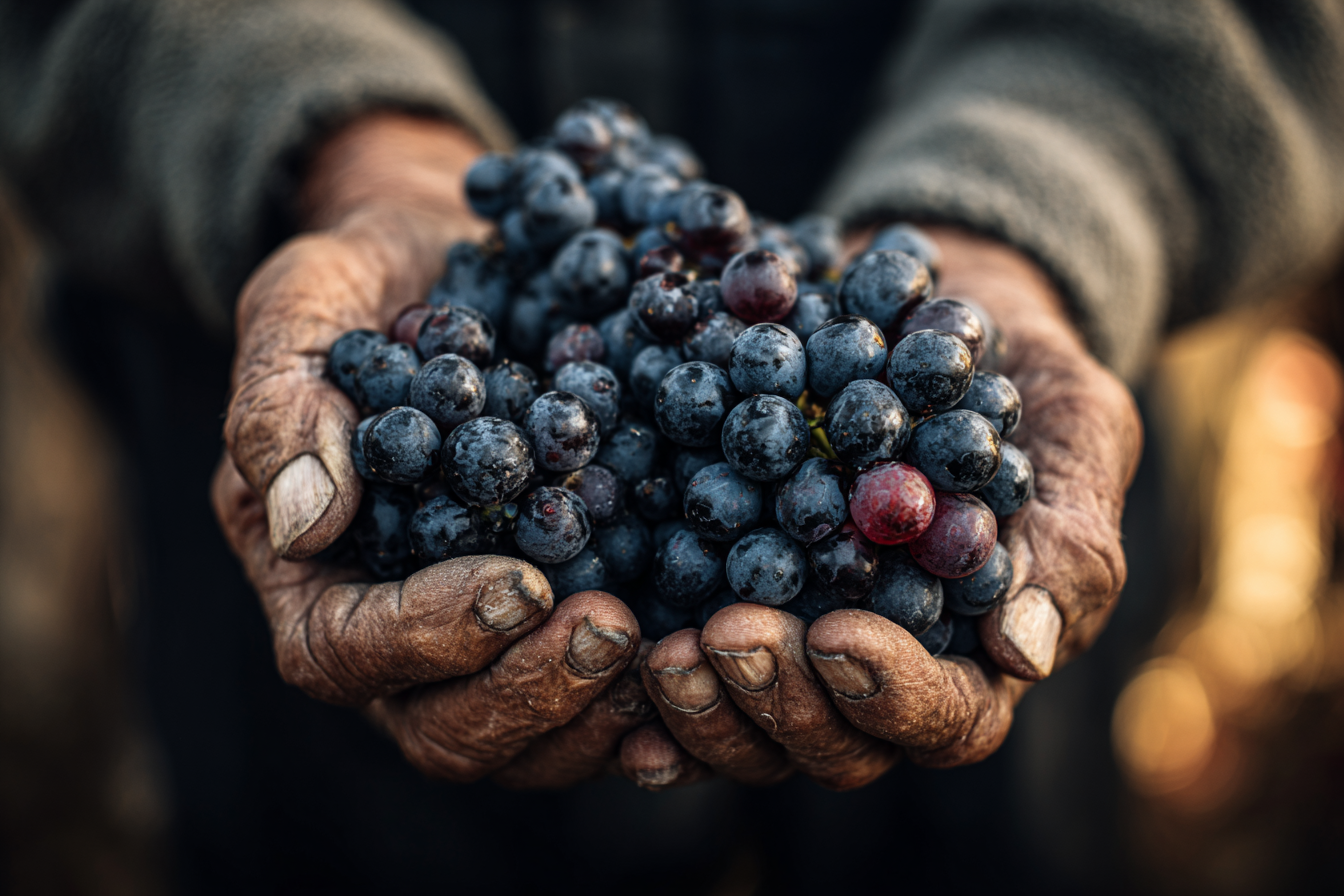
When choosing a restaurant, avoid tourist traps displaying pictures of food. Instead, seek out osterias or trattorias frequented by locals. By eating seasonally—artichokes in spring, truffles in autumn—you align your diet with nature’s cycles and support small-scale farmers who resist industrial agriculture.
Essential Apps for the Eco-Traveler
Modern technology is a sustainable traveler’s best friend. Download these apps before you land to make your trip smoother and greener.
Waidy WOW / Fontanelle d’Italia: These apps map out thousands of public drinking fountains across Italy. You will never need to buy a plastic water bottle again.
Trenitalia / Italo Treno: Paper tickets are obsolete. Buy your train tickets on the app, skip the queues, and simply show the QR code to the conductor.
TheFork: Great for finding restaurants. Filter by “Insider” or “Yums” to find high-quality local spots rather than tourist traps.
Too Good To Go: This app fights food waste. Bakeries and restaurants sell their unsold (but perfectly fresh) food at the end of the day for a fraction of the price. It’s a great way to grab a cheap, delicious picnic dinner.
Timing is Everything: The Art of Off-Season Travel
One of the pillars of sustainable tourism is de-seasonalization. Italy in July and August is hot, overcrowded, and expensive. The infrastructure strains under the pressure.
The Magic of Shoulder Season (April-May & September-October) This is the sweet spot. The weather is mild—perfect for walking Rome or hiking in Tuscany without heatstroke. You can actually see the art in the Vatican Museums without being pushed, and you aren’t contributing to the peak-summer water shortages.
Winter: The Secret Delight (November-March) Aside from Christmas and Carnival, winter is Italy’s quietest time. Imagine having the Trevi Fountain almost to yourself or walking through a misty, atmospheric Florence. This is when Italians reclaim their cities. You’ll eat in restaurants surrounded by locals, not tourists, and accommodation prices can drop by up to 50%.
The Eco-Traveler’s Packing List
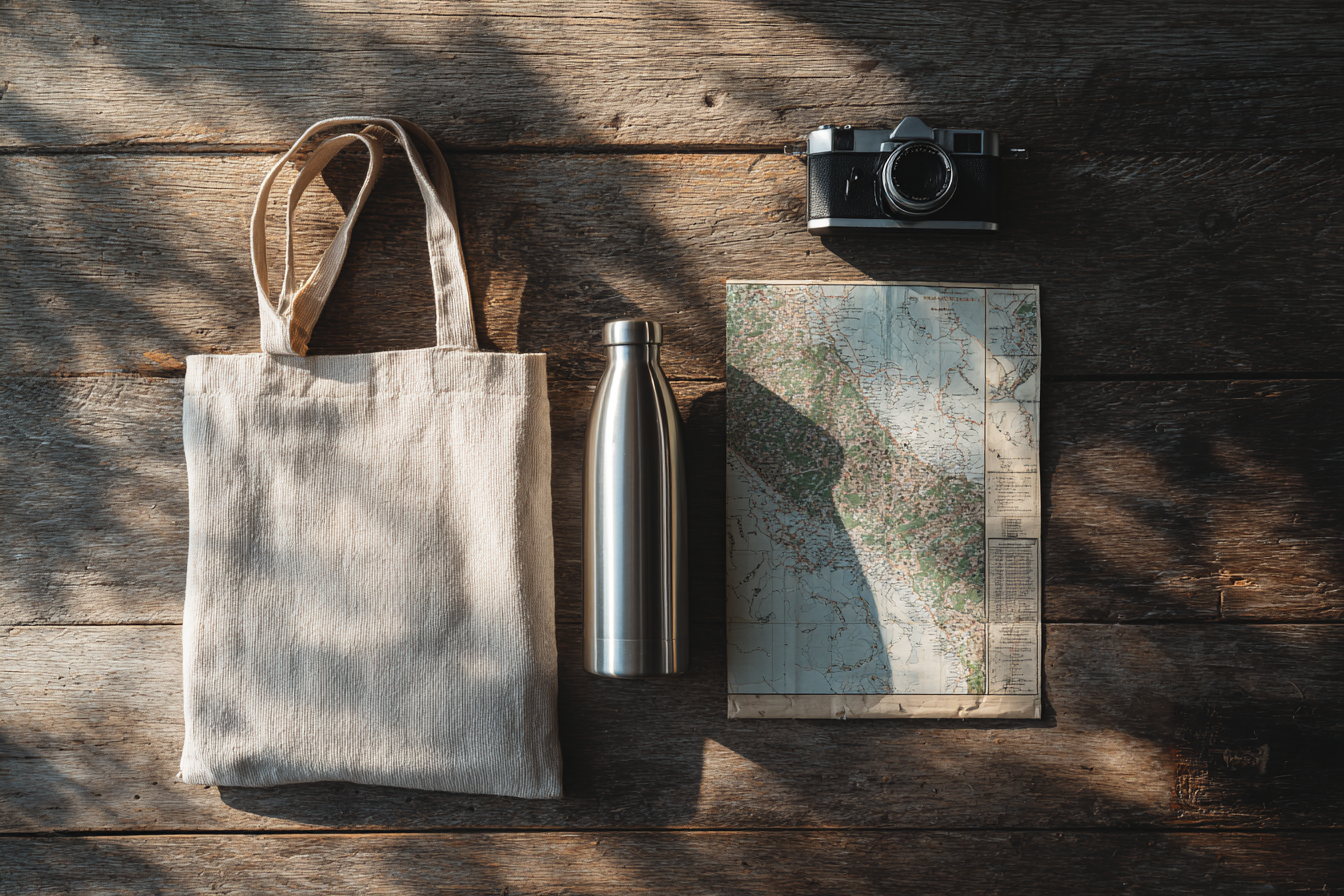
Sustainability starts before you leave home. Packing the right gear means you generate less waste during your trip.
Reusable Water Bottle: Essential. Italy has thousands of nasoni (fountains) with free, cold, delicious volcanic water.
Cloth Tote Bag: Italian supermarkets charge for bags, and plastic bags are largely banned. Carry a stylish tote for your market finds.
Solid Toiletries: Shampoo bars and solid toothpaste tabs reduce plastic packaging and are lighter in your luggage, lowering the plane’s fuel consumption.
Power Bank: Since you’ll be using your phone for digital tickets (saving paper) and maps, a battery pack ensures you never get stuck.
Conclusion
Traveling sustainably in Italy doesn’t require sacrificing comfort or missing out on the highlights. It is simply about making mindful choices that enhance your experience while protecting the destination. By slowing down, choosing trains over planes, buying authentic crafts, and supporting local farmers, you become part of the solution.
Armed with the insights from this Sustainable Italy Travel Guide 2025, let your journey through Italy be one of discovery and respect. You will return home not just with photos, but with the satisfaction of knowing that your visit helped preserve La Dolce Vita for years to come.
FAQ: Sustainable Travel in Italy
Is it difficult to travel Italy without a car? Not at all. Italy has one of the best rail networks in the world. High-speed trains connect all major cities, and regional buses serve smaller towns effectively.
What is the best time to visit Italy to avoid crowds? To avoid mass tourism, visit during the shoulder seasons: April to May or late September to October. Winter (November to March) is also fantastic for city breaks.
Is tap water safe to drink in Italy? Yes, tap water is safe and high quality across Italy. Bring a reusable bottle and fill up at public fountains to reduce plastic waste.
What is the “City Tax” (Tassa di Soggiorno)? This is a small daily fee charged by hotels and Airbnbs. The money goes towards maintaining the city’s infrastructure and heritage sites—a direct contribution to sustainability.