

France is one of those countries where “sustainable travel” doesn’t have to feel like sacrifice. You can eat incredibly well without chasing imported ingredients, move between regions without renting a car, and stay somewhere beautiful without the trip turning into a guilt story. The reason it works is simple: France already has the infrastructure for slow, regional, and seasonal living. If you align your trip with that rhythm, the eco choice often becomes the easiest choice.

The problem is that most articles about eco tourism in France sound vague. They tell you to “be mindful,” “reduce waste,” and “respect nature,” but they don’t show you how to plan a trip that feels realistic—especially if you’re not trying to be a perfect environmental hero. This guide is built for normal travelers who want a better footprint without killing the fun. It’s practical, flexible, and designed to help you create a trip that feels lighter on the planet and better for your own energy.
You’ll find concrete ways to build an itinerary: where to base yourself, how to choose accommodation without getting scammed by green marketing, how to travel by train smoothly, how to enjoy nature responsibly, and how to make your food choices automatically more sustainable. If you do even half of what’s here, you’ll already be doing sustainable travel in France better than most people—without obsessing over it.
What “Sustainable” Actually Means on a France Trip
Sustainable travel isn’t one action; it’s the combined effect of dozens of small decisions. In France, the biggest levers are usually transport, accommodation, and how you experience nature. If you reduce short flights inside the country, prefer trains, and choose stays that aren’t wasteful or energy-heavy, you’ve already made a meaningful impact. Everything else—reusable bottles, small shopping habits, mindful eating—adds up after that.
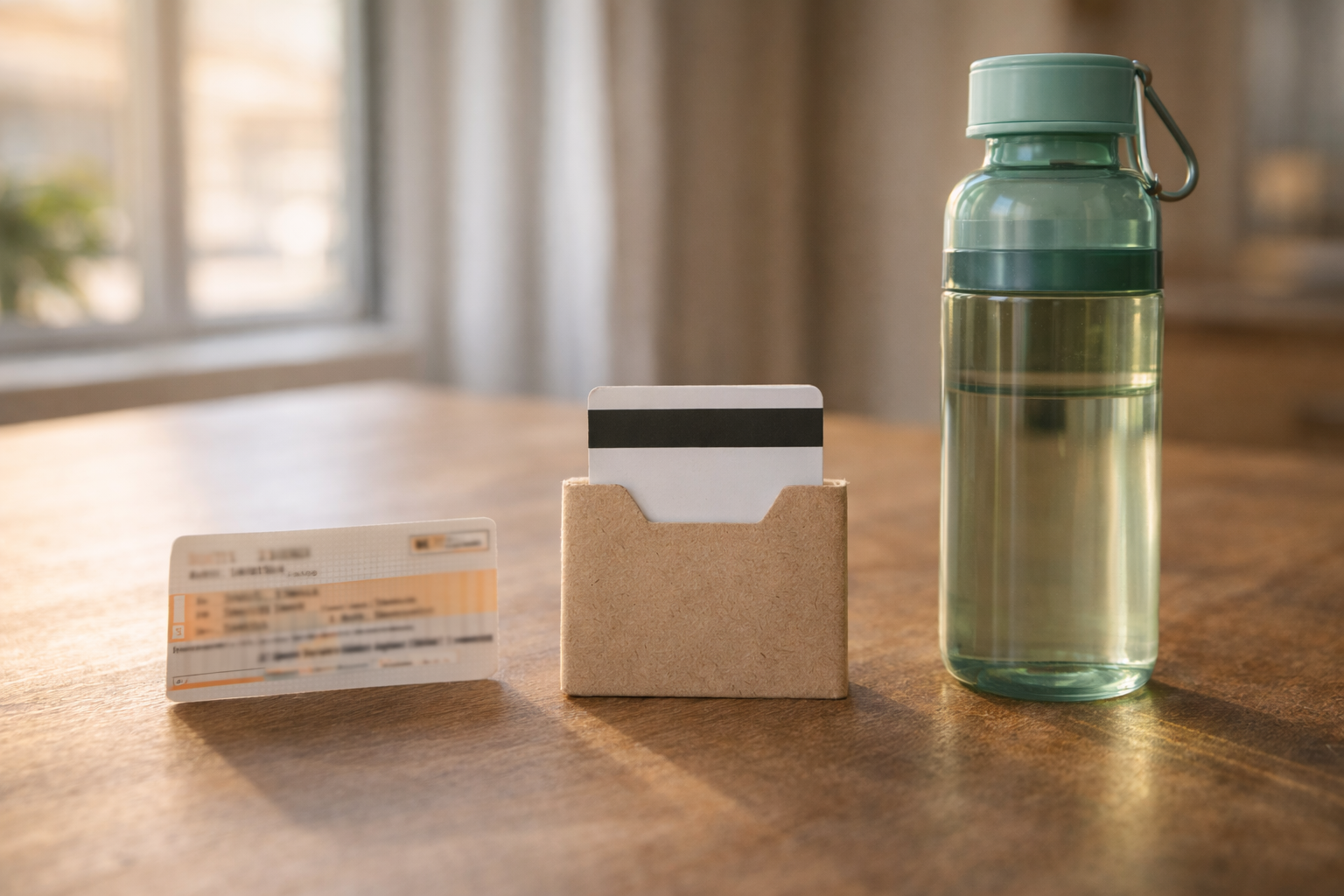
It also helps to separate “low-impact” from “high-effort.” Some eco choices cost nothing and require zero extra work, like taking a train between major cities or choosing one base and doing day trips instead of changing hotels every two nights. Other choices take effort, like going fully zero-waste or avoiding all packaged items, and those can turn a vacation into a stress project. The sweet spot is building a trip where the green choice is naturally convenient.
France is ideal for this because so much of the country is built around local identity—regional food, local markets, and landscapes that reward slower exploration. A good eco trip isn’t about limiting yourself; it’s about traveling in a way that feels more connected. That’s why sustainable travel in France can actually feel richer than normal travel, not stricter.
Eco-Friendly Places to Stay Without Falling for Greenwashing
Accommodation is where many travelers want to do better, but it’s also where marketing gets slippery. “Eco” can mean anything if you don’t look closer. The practical goal is to find places that reduce energy and water waste, manage waste responsibly, and support local communities rather than extracting from them. In France, that often looks like small-scale stays, rural gîtes, eco-lodges, or hotels that clearly communicate their sustainability actions rather than just using green language.

A simple filter is to look for proof of systems, not slogans. Solar panels, refillable amenities, visible recycling systems, locally sourced breakfast, and clear policies around laundry and water use often indicate real effort. Some places also have recognized certification schemes, but you don’t need to chase labels obsessively if the behavior is transparent. The point is not perfection; it’s choosing eco-friendly accommodations in France that feel honest and functional.

Another high-impact move is staying longer in one place. Every hotel change creates extra transport, extra laundry cycles, and extra consumption patterns. When you choose a base for 3–5 nights and explore from there, your footprint drops and your experience improves. You unpack once, you settle into a neighborhood rhythm, and the trip becomes calmer—which is usually what people want anyway.
Train-First France: The Easiest Sustainability Upgrade You Can Make
If you want one decision that upgrades the entire trip, choose trains as your default. France’s rail network connects major cities efficiently, and train travel often reduces both stress and emissions compared to flying short distances or driving long routes. More importantly, trains change the feel of the trip: you arrive in city centers, you see landscapes transition, and your travel day feels like part of the experience instead of a logistical hole. It’s one of the simplest forms of train travel in France that also happens to be one of the greenest.
To plan routes and book rail legs in one place, use SNCF Connect.

The best way to use trains is to design your itinerary around rail-friendly hubs. Paris, Lyon, Bordeaux, Marseille, Strasbourg, Lille, and Nice all work well as anchors where you can do regional day trips without a car. If you want countryside immersion, you can still use trains to reach a region and then decide whether a short car rental makes sense for the last-mile exploration. This “train + local mobility” approach is often better than renting a car for the entire trip.

To keep train travel easy, avoid building your schedule around tight connections and early-morning sprints. Choose departures that give you breathing room, especially if you’re traveling with family or heavy luggage. Sustainable travel is partly a mindset of pacing: when you stop rushing, you consume less and enjoy more. France is designed for that slower rhythm if you let it be.
Low-Impact City Travel: Paris and Lyon Done the Green Way
Big cities can be surprisingly sustainable if you use them correctly. Paris and Lyon offer walkability, public transport, bike share culture, and a growing ecosystem of refill shops, markets, and sustainable businesses. The key is to build days that are neighborhood-based rather than cross-city marathons. When you stay within one district for a day—morning café, museum, park, dinner—you reduce transit, reduce decision fatigue, and your trip feels more human.
If you want a modern city rhythm that still stays low-effort and low-impact, this contemporary France travel guide pairs perfectly with a “one-district-per-day” plan.
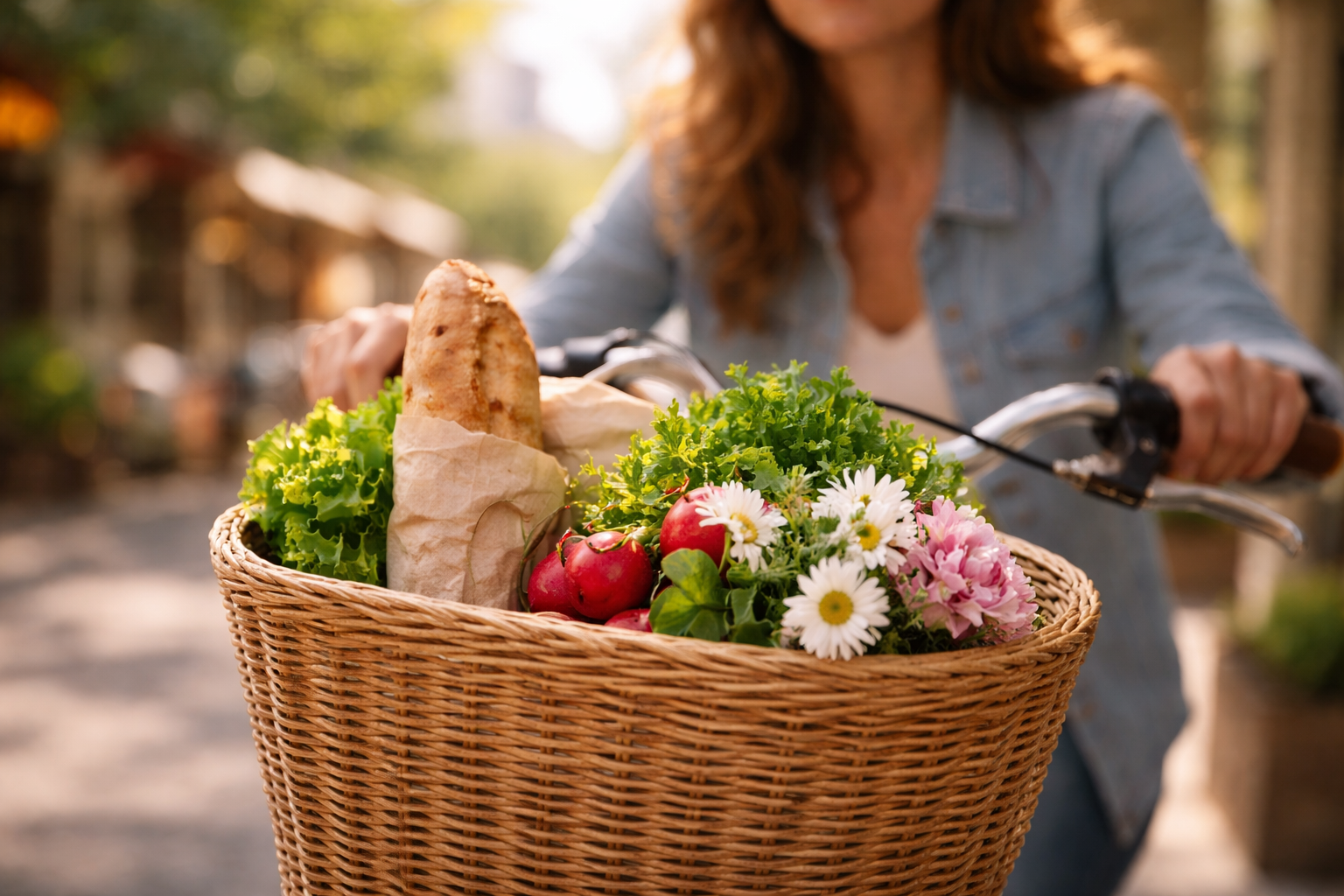
Paris also rewards travelers who prioritize public life over constant purchasing. Picnics by the Seine, long park afternoons, museum days paired with simple neighborhood meals—these are low-impact experiences that are also some of the best experiences. Lyon often feels even easier for eco travel because the city is compact, food culture is strong, and day trips into nature are accessible. If you’re chasing the lowest-effort form of sustainable travel in France, a city + regional day trips structure works beautifully.

Cities also give you a practical eco advantage: you don’t need to buy bottled water constantly, and you can rely on public infrastructure. Bring a refillable bottle, carry a small tote, and avoid buying disposable “just in case” items. These aren’t moral rules—they’re comfort hacks that also reduce waste. Eco travel feels easier when it aligns with convenience.
Farm-to-Table and Market Culture That Doesn’t Feel Like a Trend
France’s most sustainable food experiences are often the least branded. They’re markets, bakeries, small restaurants that cook what’s available locally, and regional specialties that exist because they were historically practical. When you eat this way, sustainability becomes automatic: fewer imported ingredients, more seasonal choices, and less packaging compared to supermarket-heavy travel habits. This is why farm-to-table in France is more than a fancy phrase—it’s often just normal local life.
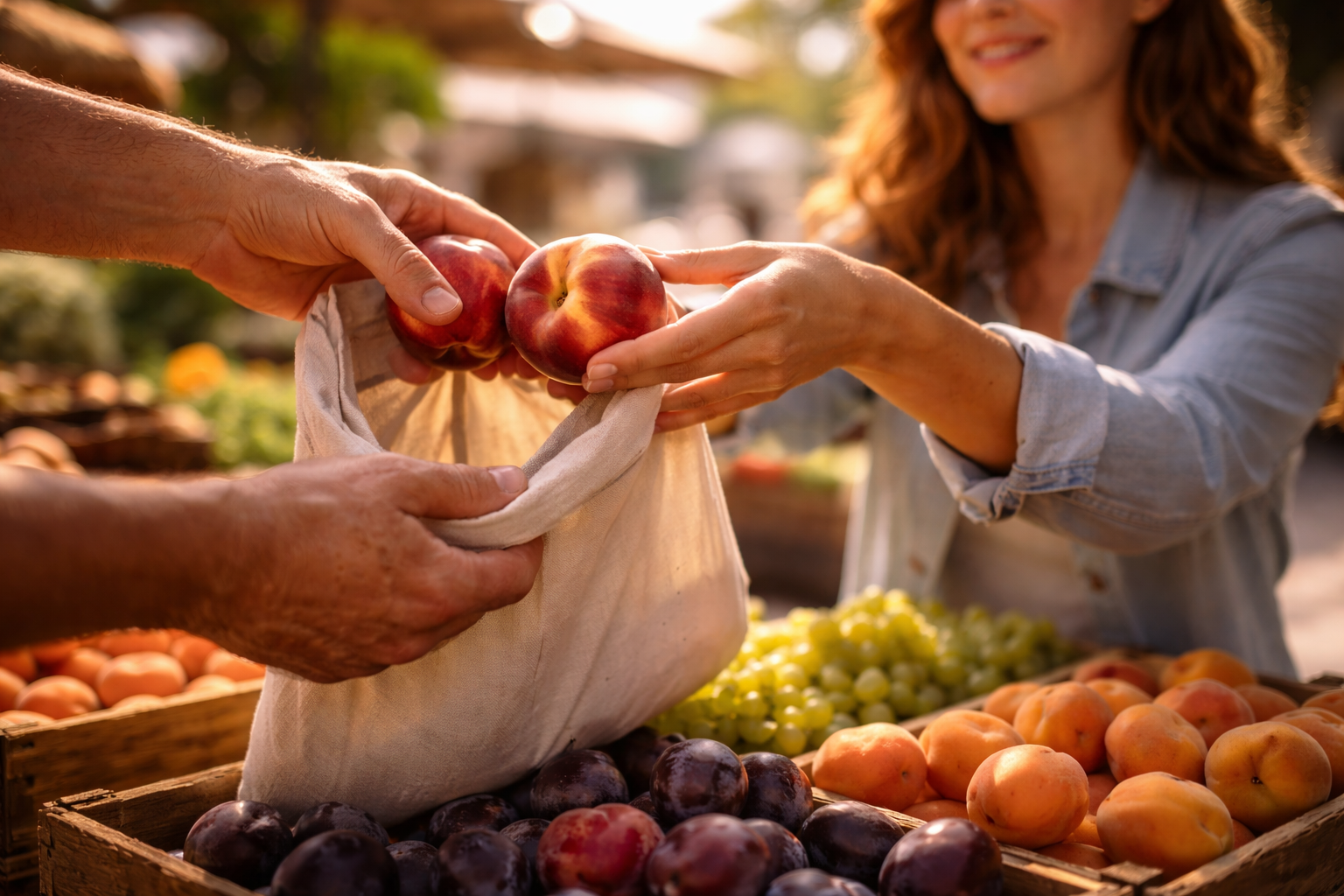
The easiest way to do this as a traveler is to build one market meal per day, even if it’s simple. Buy fruit, cheese, bread, and something local you’ve never tried. Eat it in a park or by the water. You’ll spend less than a restaurant meal, experience local flavor directly, and avoid the waste that comes with constant takeaway containers. It’s also one of the most memorable ways to travel because it feels personal.
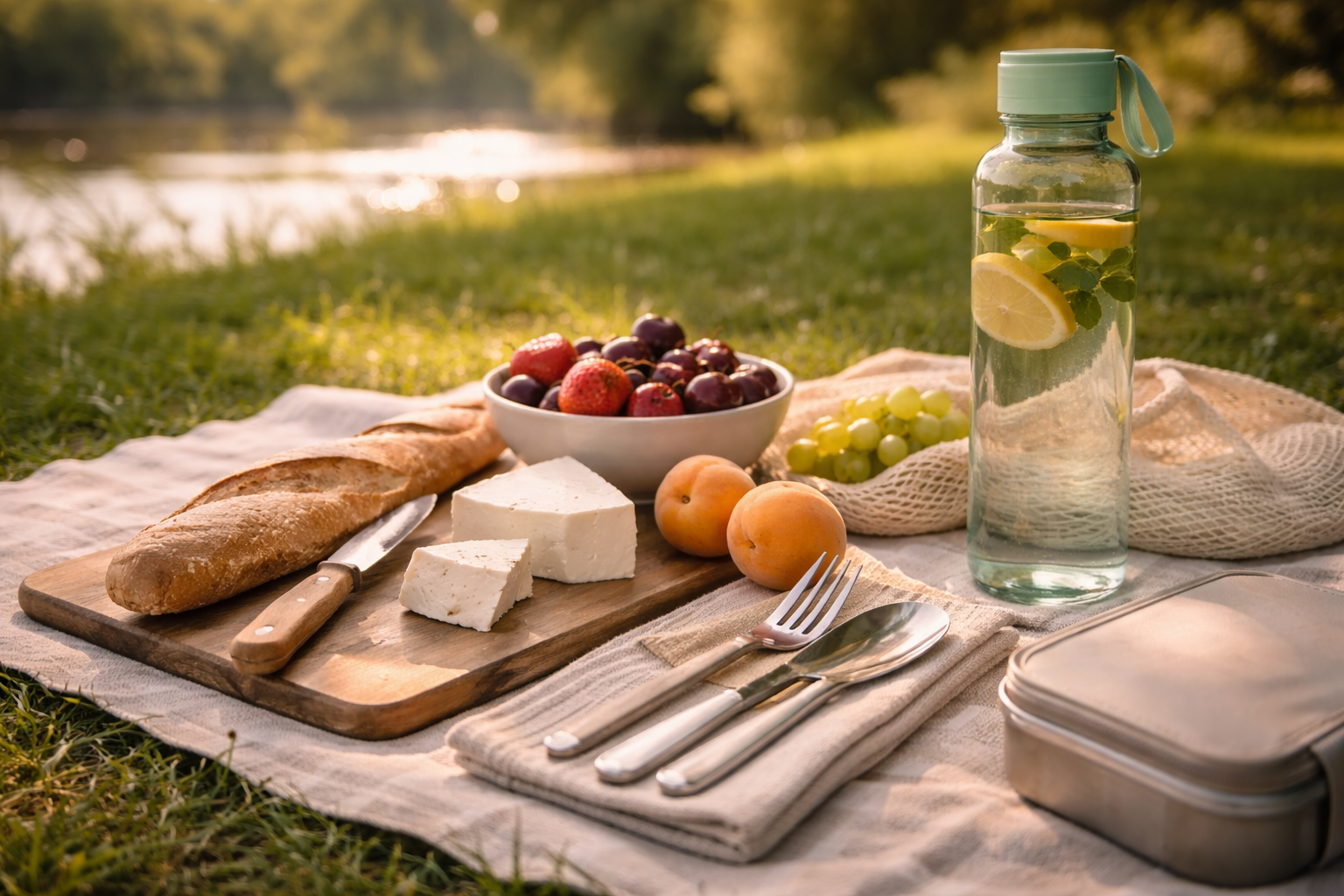
If you want a deeper experience, choose one region known for food identity—Provence, Bordeaux, Alsace, Brittany—and lean into it slowly rather than chasing “best restaurants” across a city. Sustainable travel isn’t about finding the most viral place; it’s about finding the places that belong to their region. When you eat what belongs, you naturally travel lighter.
Nature Done Right: National Parks, Coastlines, and Responsible Access
France’s landscapes are a huge part of its appeal, and eco travel becomes real when you enter nature with respect rather than entitlement. National parks and protected areas often have rules for a reason: erosion, fire risk, biodiversity protection, and crowd management. Many travelers only see restrictions as inconvenience, but the smarter frame is: rules are what keep the place beautiful enough to return to. If you care about national parks in France, care about how you move through them.
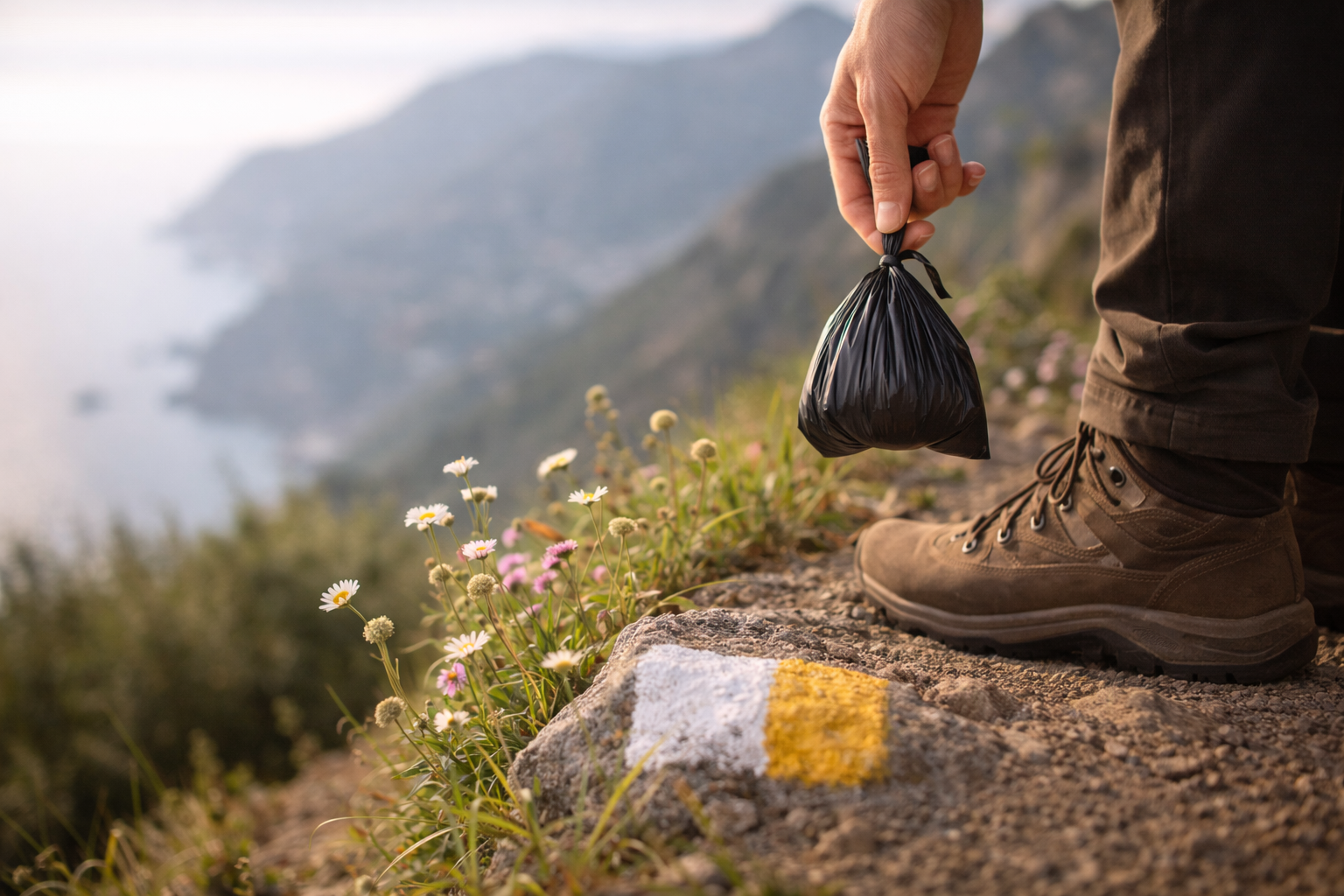
A practical approach is to plan nature days with one main activity and plenty of buffer time. Don’t stack aggressive hikes with long drives and late dinners. Choose one trail, one viewpoint, and one recovery plan. Bring water, pack out waste, and stay on paths where the ecosystem is fragile. These are not “eco preaching” tips; they’re what keeps nature travel from turning into a mess.
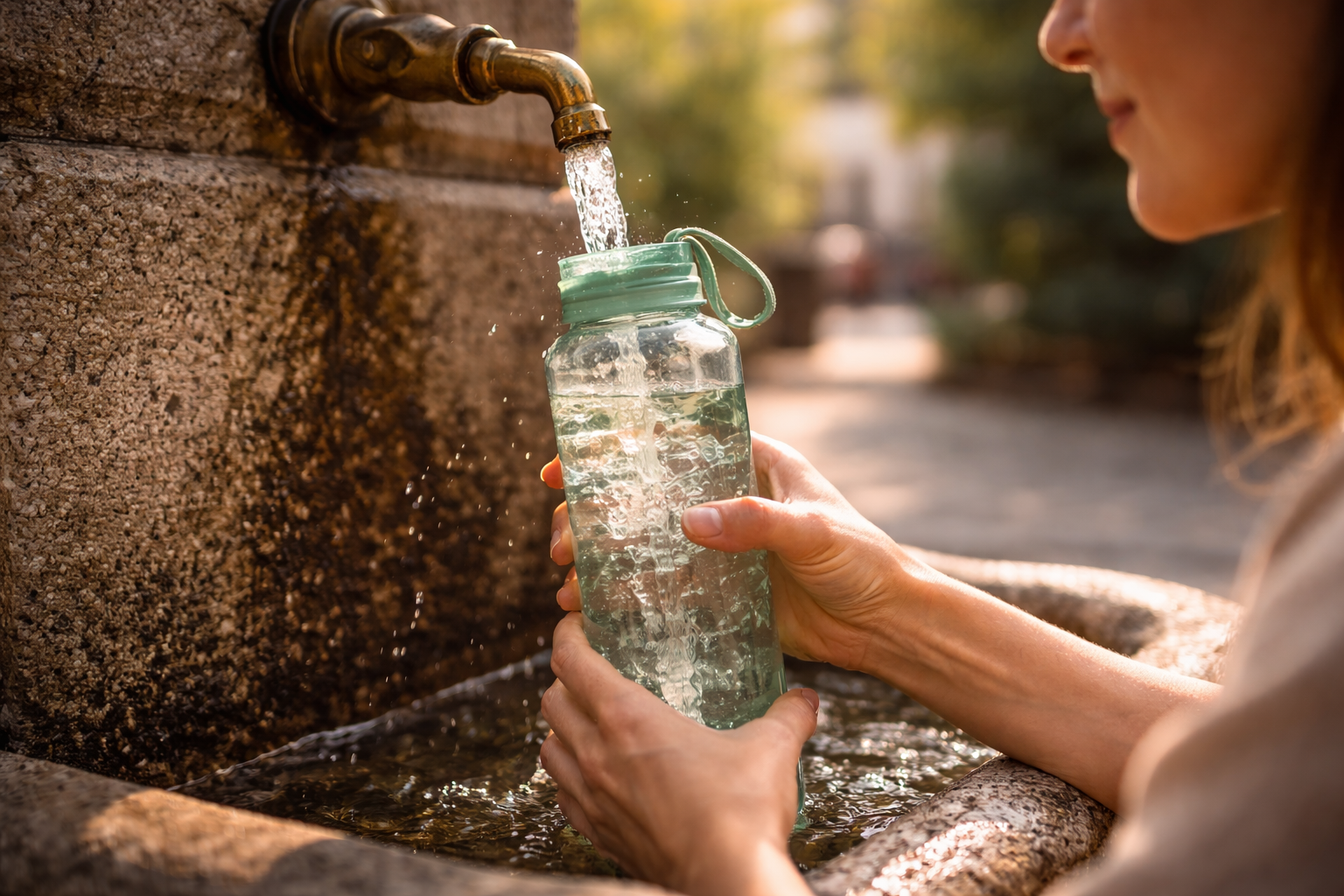
Also, consider off-peak timing. A coastal or national park experience can be dramatically more sustainable—and more enjoyable—if you visit early in the day or outside peak season. Crowds concentrate impact and change behavior; fewer people means less damage and a calmer experience. Sustainable travel often looks like smart timing, not complicated restrictions.
Building a Green Itinerary That Still Feels Like a Vacation
Most people fail at sustainability because they try to do it at 100% intensity. A better method is to choose three anchors: transport, accommodation, and one daily habit. Use trains for long distances, choose one stay that’s genuinely low-waste or locally rooted, and then adopt one habit like a daily market meal or a reusable bottle. That combination already transforms your footprint without turning travel into a strict program.
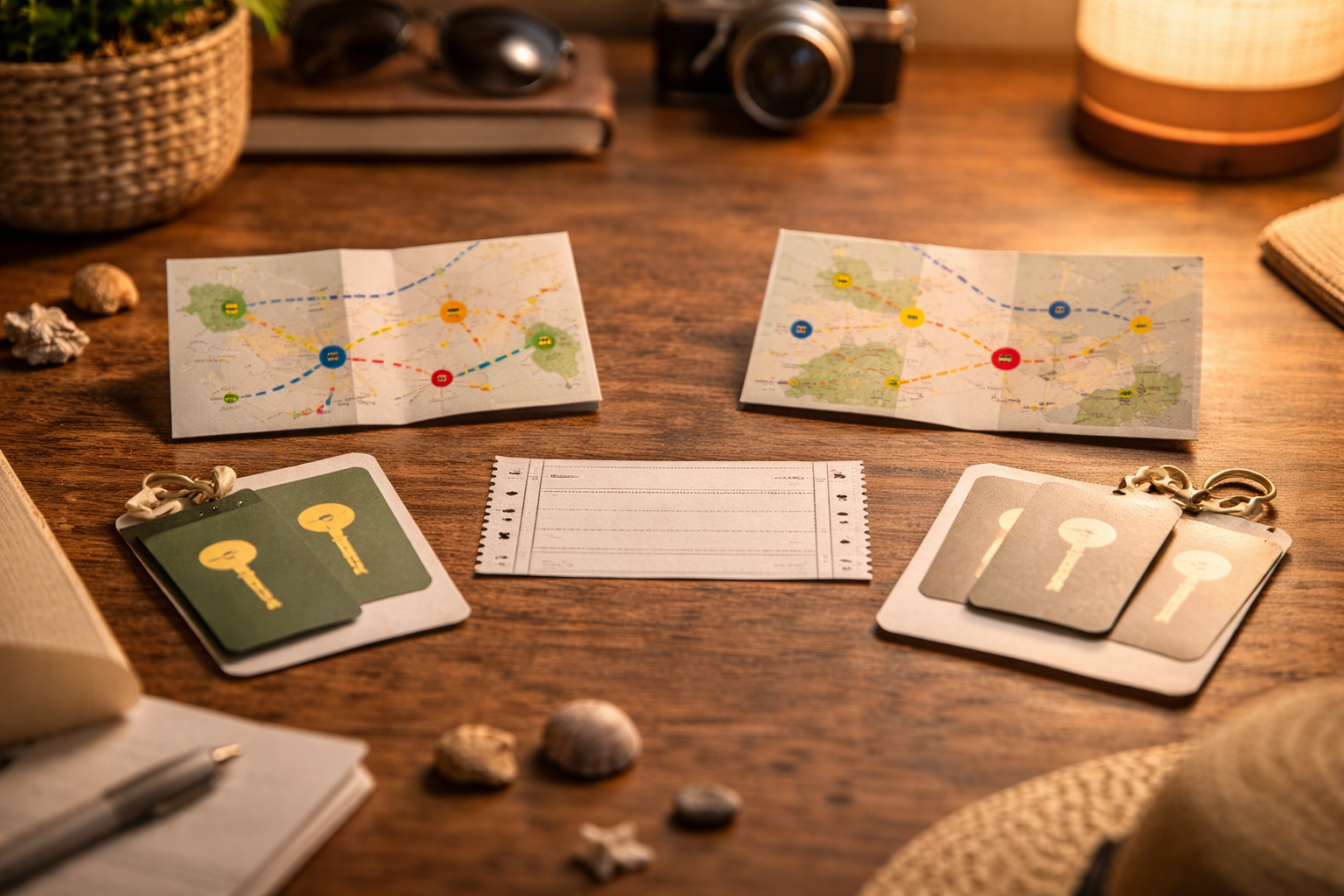
Your itinerary should also respect human energy. Sustainability is easier when you’re not exhausted, because exhaustion makes you default to convenience waste: taxis, packaged food, rushed decisions, extra purchases. Plan slower days and fewer hotel moves, and you’ll automatically consume less. The eco version of travel is often the calmer version—and calm is what most people secretly want.

If you’re monetizing through ads, this kind of itinerary is also a win for reader engagement. People stay longer on pages that help them plan real decisions and feel confident. A strong sustainable travel in France guide should feel like a blueprint: not just ideas, but a path the reader can actually follow.
A Simple “Green France” Week You Can Copy
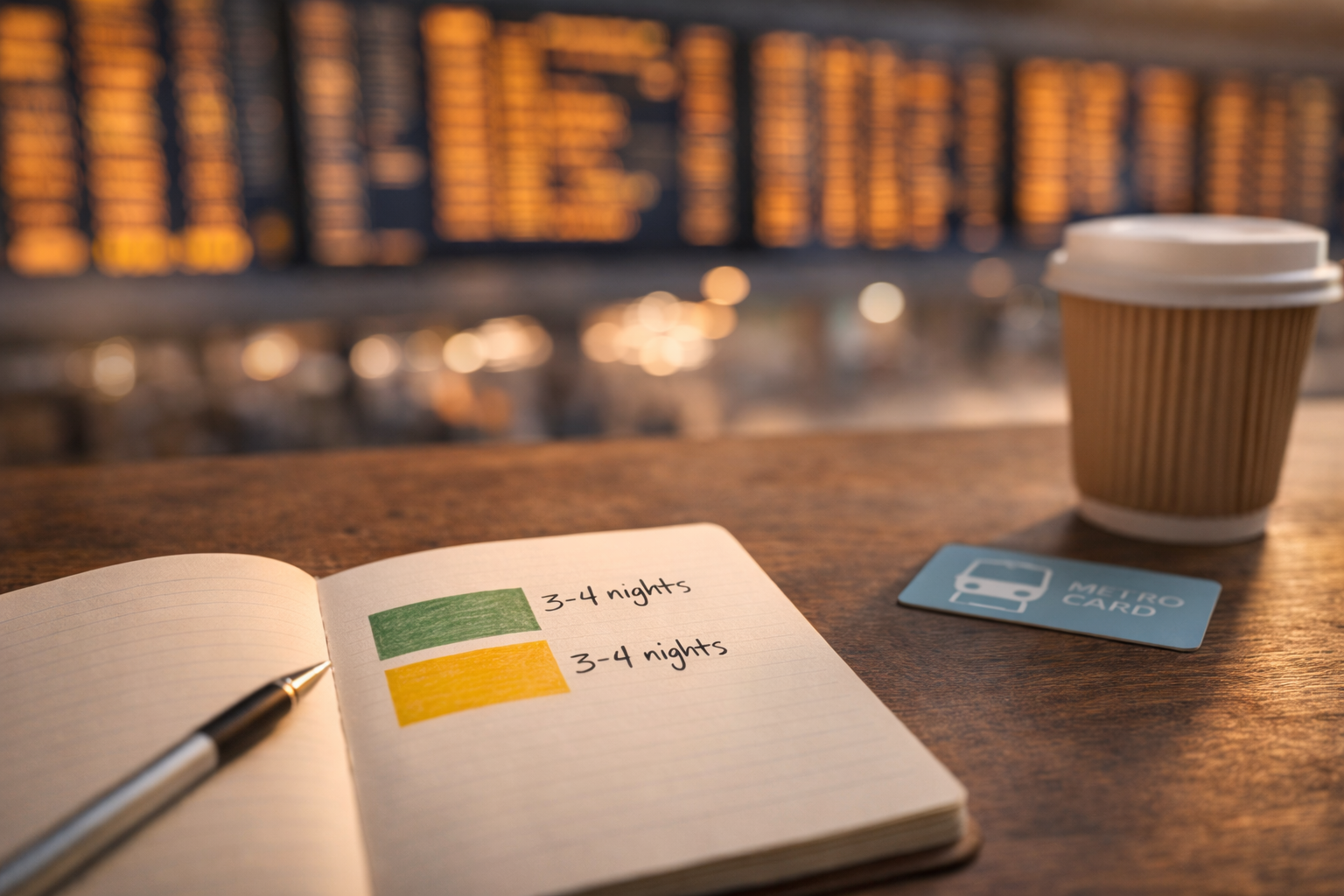
A week-long trip can be both classic and sustainable if it’s anchored around two bases. Start in Paris for 3–4 nights, plan neighborhood-based days, take trains and metro, and include one market picnic day. Then take the train to a second base like Lyon, Bordeaux, or Marseille for 3–4 nights and focus on regional identity: food, day trips, nature access, and slower evenings. This structure reduces transport chaos and creates a clean narrative arc.
From the second base, choose one nature day that fits the region—coastal walks, a protected park, or a countryside loop reachable by train plus a short local transfer. Keep the day simple and let it be restorative rather than maximal. Sustainable travel gets stronger when it feels good, not when it feels like a checklist you must perform. A green trip should leave you refreshed, not morally exhausted.
Finally, end your week with a “low-consumption day”: cafés, parks, museums, and walking. That day feels deeply French and is naturally low impact. It also creates a strong emotional ending, which makes your trip feel complete. Eco travel becomes appealing when it’s designed as a good story.
Conclusion: The Most French Way to Travel Sustainably Is to Travel Slowly
France doesn’t require you to be perfect to travel greener. It rewards a simpler approach: fewer moves, better pacing, more trains, local food, and nature experiences that respect the landscape. When you travel this way, the trip often becomes more beautiful, not less—because you’re not rushing past the very things that make France special. You’re actually living inside them.

If you take only one idea from this guide, let it be this: sustainable travel is mostly about structure. Choose a rail-friendly itinerary, pick honest stays, and build days around markets and walkable neighborhoods. The rest will follow naturally. That’s how sustainable travel in France becomes not a trend, but a better way to travel.