
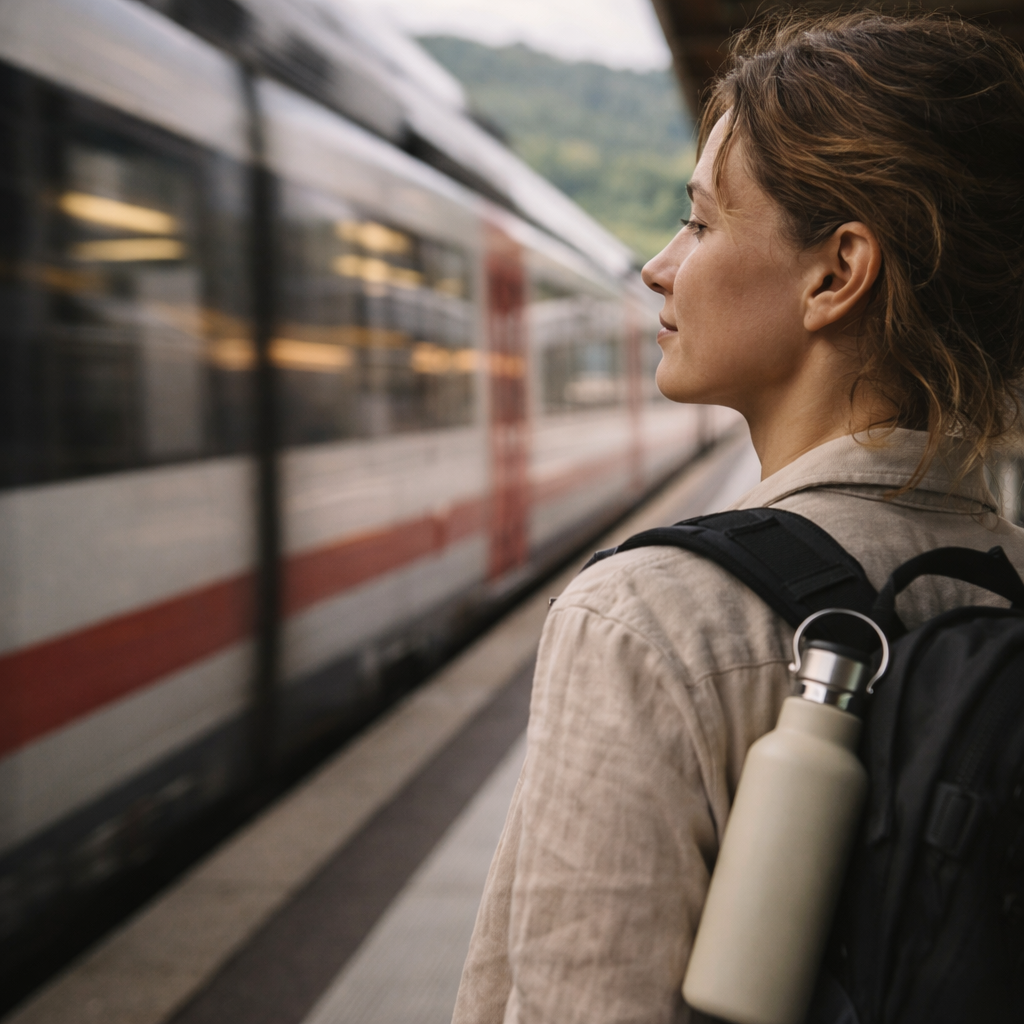
Germany is one of the easiest countries in Europe for travelers who want to move more thoughtfully without turning the trip into a moral project. You do not need to sleep in a treehouse, live on raw vegetables, or spend half the day decoding eco-labels to travel better here. The country already gives you the ingredients: strong rail connections, walkable cities, well-managed protected landscapes, and a culture that is generally comfortable with recycling, public transport, and regional food. That makes Germany unusually good for travelers who want a trip that feels both responsible and easy.
That is why sustainable travel in Germany works best when it is framed as a smarter way to travel, not as a sacrifice. You can stay longer in one place, move by train instead of constantly renting cars, choose regions where nature and town life connect well, and spend your money in ways that support local systems rather than high-waste convenience. The result is often a better trip overall: calmer, more coherent, and less exhausting. Sustainability in Germany is not only an ethical angle; it is also a quality-of-travel angle.
This guide is built around that idea. Instead of treating eco-tourism like a vague lifestyle slogan, it focuses on practical travel choices: where to go for protected nature, which cities feel genuinely green rather than merely well-branded, how to plan a low-impact itinerary, and how to experience Germany’s landscapes without reducing them to quick scenic checkboxes. If you use it well, the trip becomes more meaningful without becoming more difficult.
Why Germany Is One of Europe’s Best Countries for Sustainable Travel
Germany works well for sustainable travel because it already has systems in place that make lower-impact decisions feel normal. Good rail connections reduce the need for short domestic flights and long car-dependent itineraries. Cities are often designed in ways that support walking, trams, cycling, and public life. Protected landscapes are accessible enough to include in ordinary travel plans rather than needing expedition-style logistics. That combination matters because many countries ask travelers to “be sustainable” while making the sustainable option inconvenient. Germany often does the opposite.
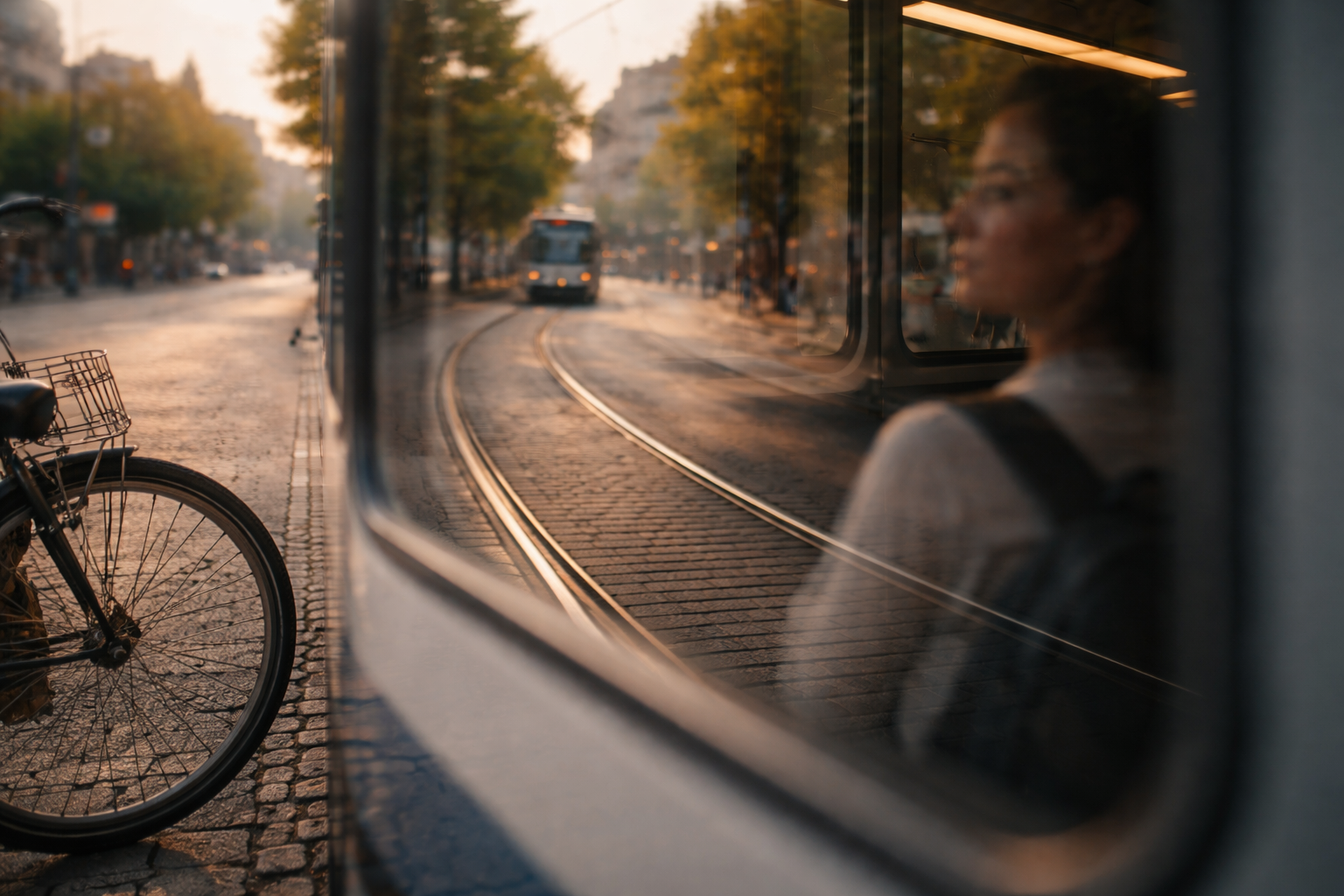
Another strength is variety. A traveler can build a greener trip around forests, mountains, dark-sky reserves, wetlands, river regions, or urban sustainability experiments without constantly crossing the country in wasteful loops. This allows for route design that feels intentional. You can choose one or two strong bases and actually settle into them instead of changing hotels every two nights. That is one of the simplest upgrades in eco-friendly travel in Germany: fewer moves, better rhythm, and more connection to place.
Germany is also strong because sustainability does not need to be separated from pleasure. You can still eat well, stay somewhere beautiful, spend time in lively cities, and have visually rewarding nature days. In fact, the sustainable version of a Germany trip often feels richer because it encourages slower pacing and more regional depth. This is what makes the topic attractive to readers: they are not losing anything important. They are usually gaining a better trip.
Germany National Parks: The Best Nature Chapter for a Low-Impact Trip
If readers want the strongest natural side of Germany, the national parks are the obvious place to begin. Germany national parks offer something that many urban-focused travelers do not expect from the country: ancient forests, dramatic cliffs, alpine settings, river systems, and large protected areas that feel genuinely immersive. They are also a practical eco-travel choice because they concentrate scenic reward into places already structured around conservation and visitor management. Instead of random nature detours, travelers get meaningful landscapes with clear identity.
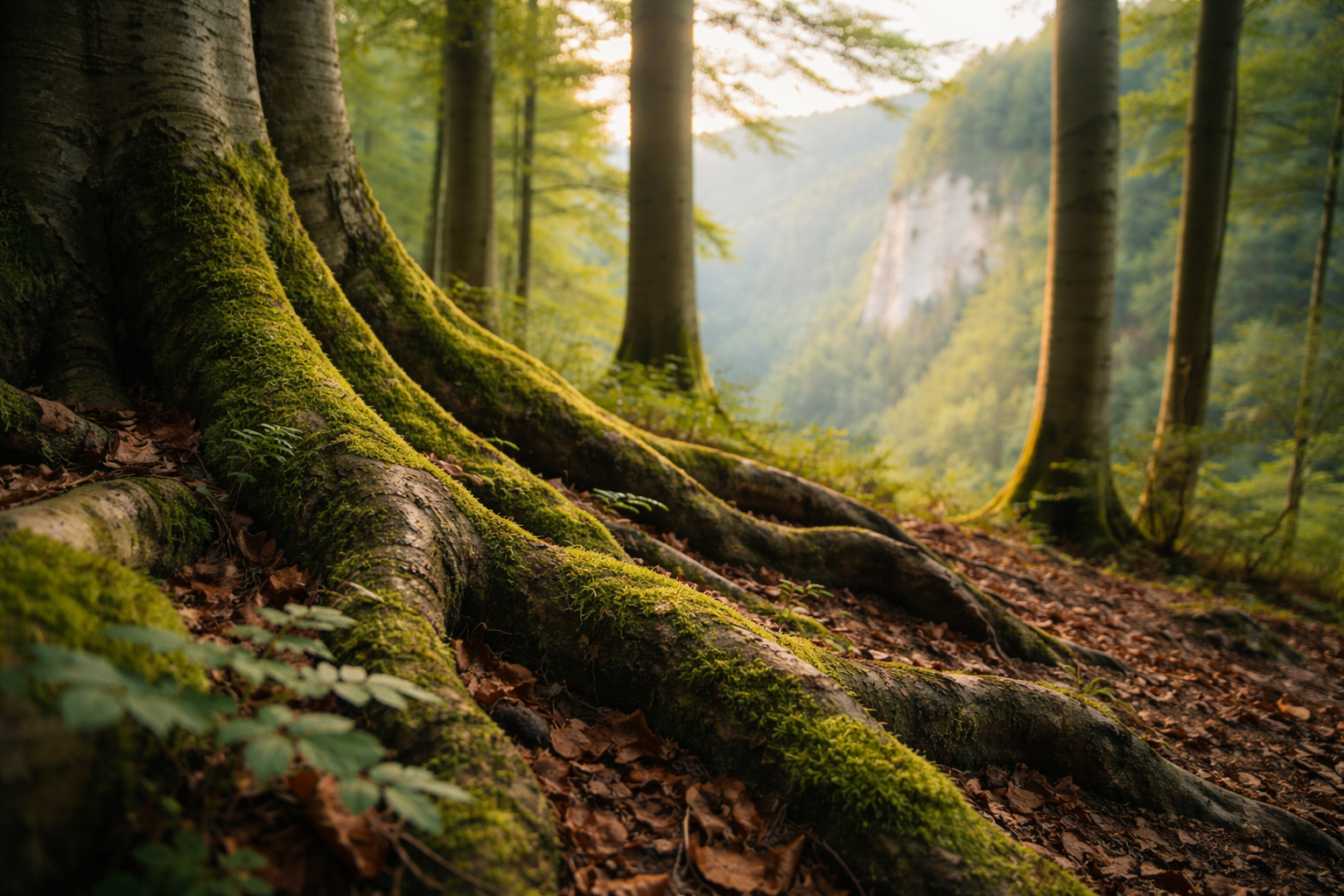
Jasmund National Park is one of the best examples because it combines the famous chalk cliffs of Rügen with ancient beech forests that feel older and quieter than the usual image of northern Germany. Berchtesgaden offers an entirely different atmosphere: alpine views, mountain air, lakes, and the kind of scenery that makes readers realize Germany can feel almost cinematic. Lower Oder Valley National Park adds another ecological register through waterways and wetland systems, showing that the country’s natural appeal is not only about mountains and forests. This diversity is what gives the national-park angle real travel value.
The strongest way to use parks in a sustainable itinerary is not to chase several of them in one week. Choose one that fits the route and let it define a chapter of the trip. A park works best when travelers have enough time for one strong trail day, one slower observation day, and a nearby town or regional base that gives the whole experience comfort and continuity. Sustainable travel improves when nature is integrated rather than forced.
For an official overview of protected areas worth building a route around, see the German National Tourist Board’s guide to Germany’s national parks.
Biosphere Reserves in Germany: The Smarter, More Distinctive Angle
If national parks are the obvious “big nature” choice, biosphere reserves in Germany are often the more distinctive one. They are especially useful for readers who want landscapes that feel protected but not purely wild, because these regions are often defined by balance: nature, local communities, traditional land use, and slower forms of tourism existing together. That makes them ideal for a more layered trip, where hiking, wildlife, regional food, and village life can all belong to the same route without tension.
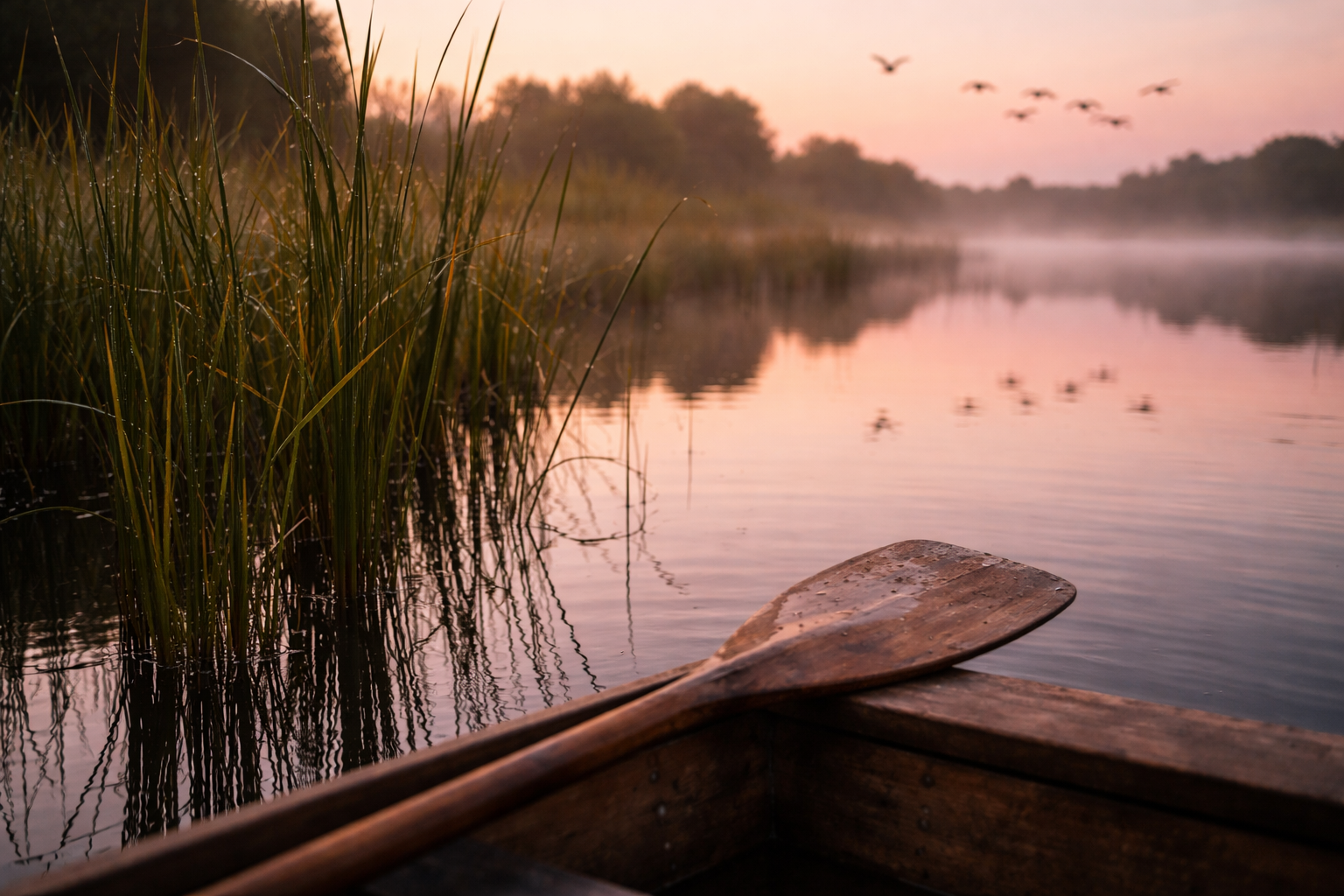
The Rhön Biosphere Reserve is a perfect example of how this works. It is known not only for open landscapes and biodiversity, but also for dark skies, which gives it an unusual travel advantage: stargazing. That single feature already makes it more memorable than a generic “green destination,” because it gives readers a very clear emotional image of what the trip feels like at night. The Spreewald Biosphere Reserve offers something equally distinctive but totally different — waterways, canoeing, wetlands, and a much softer, slower travel rhythm built around movement through channels rather than through roads.
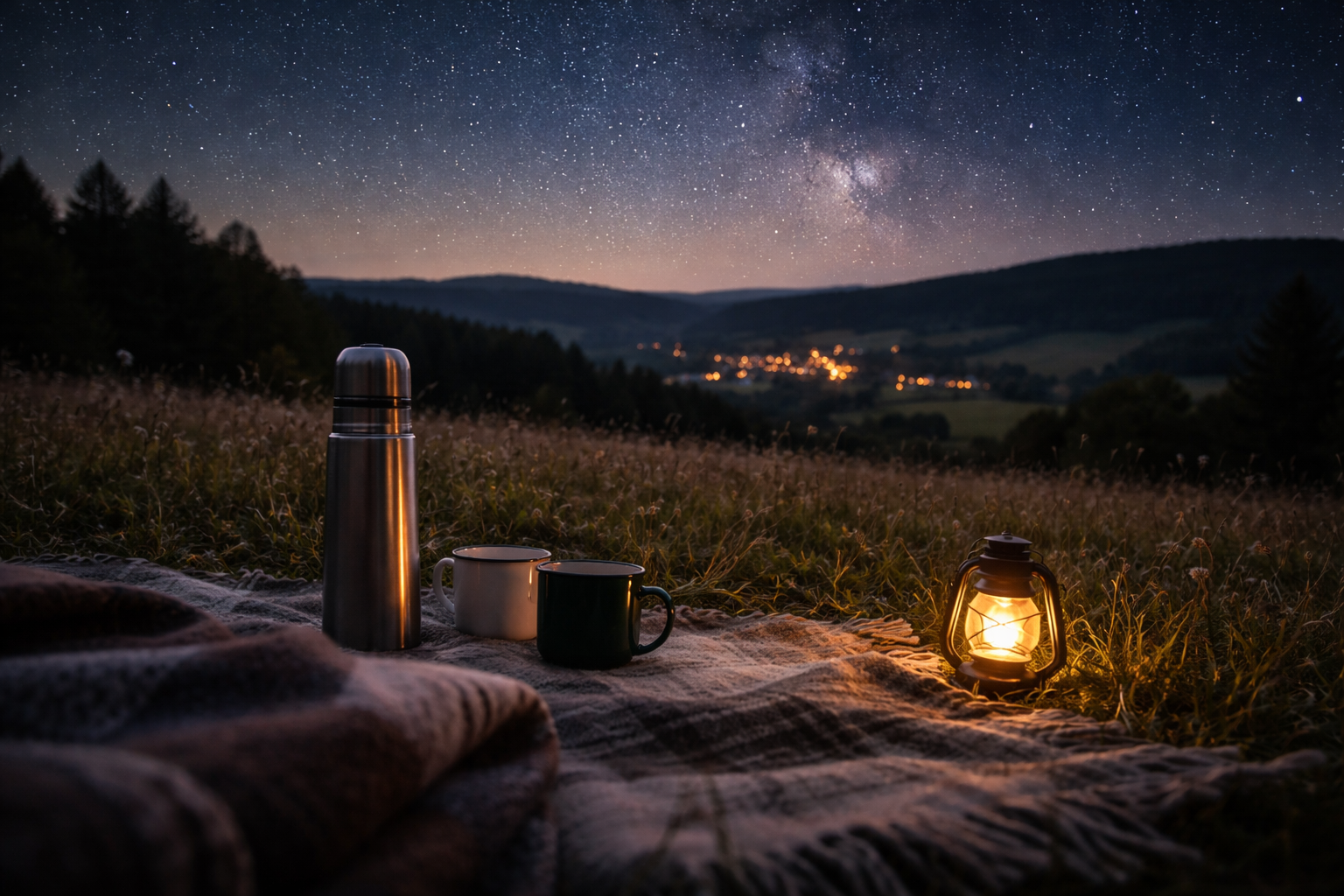
This is also where the article becomes more unique. Plenty of eco-travel content repeats the same mountain-forest narrative. Biosphere reserves let you position Germany as a country of ecological texture rather than just “good nature.” For readers, that makes the guide feel more useful and more original. For you, it helps the article stand apart from more generic sustainability pieces on other countries.
Freiburg: The Green City That Actually Feels Like a Good Trip
Some so-called eco-cities are interesting only on paper. Freiburg is not one of them. Freiburg green city works because it is not only a case study in sustainability; it is also a genuinely pleasant place to visit. The city combines solar-forward identity, cycling culture, tram-based ease, and proximity to the Black Forest in a way that makes everyday travel feel fluid rather than performative. You can spend a few days there and actually enjoy the systems, not just admire them conceptually.
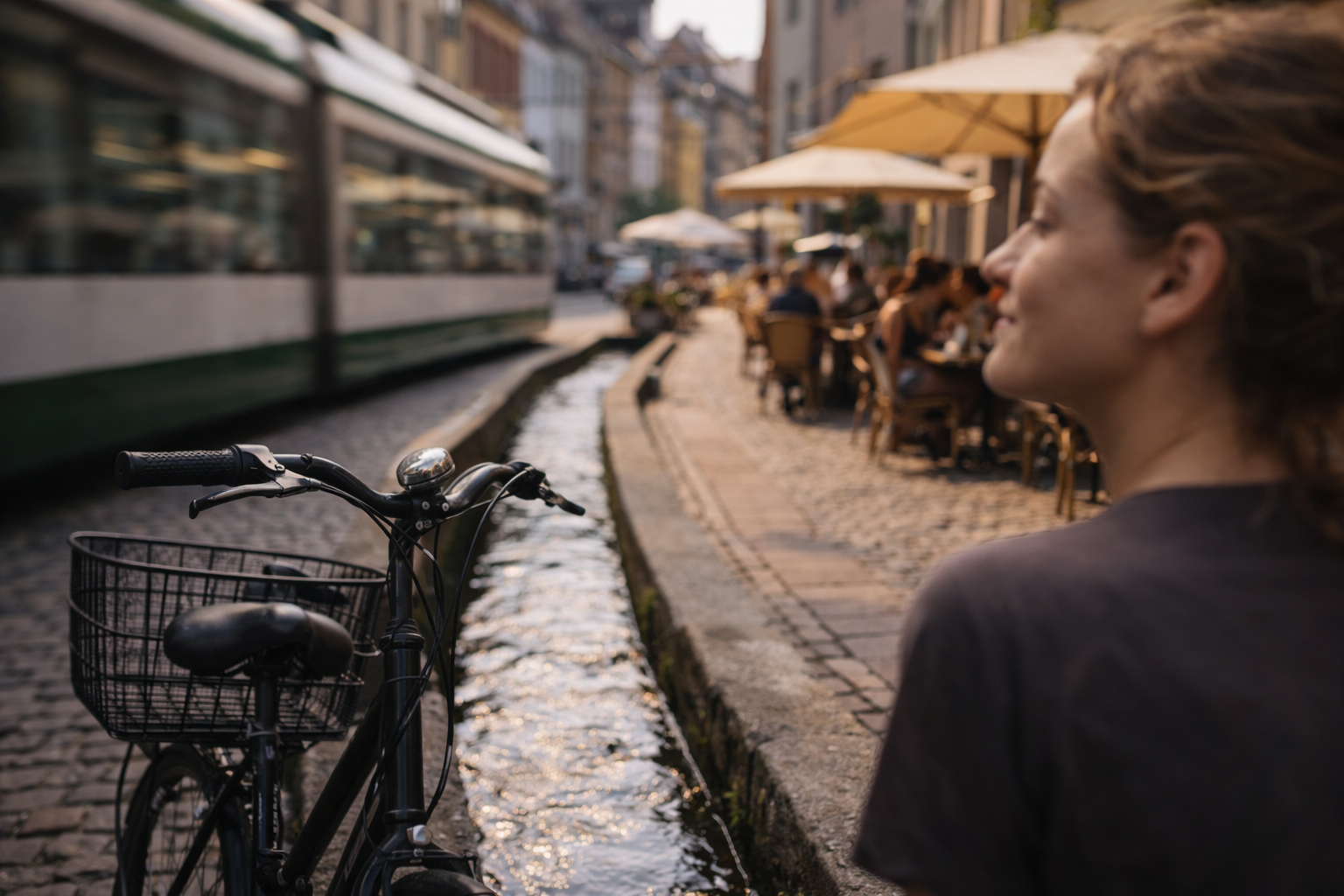
This matters because green urban travel often fails when it becomes too abstract. Readers do not want a lecture about policy; they want to know whether a place feels good to move through. Freiburg does. It feels smaller-scale, calmer, and more human than many larger cities, while still offering enough cafés, markets, public spaces, and architecture to hold attention. That makes it one of the strongest answers for travelers who want a sustainable trip without abandoning city comfort.
It also works especially well as part of a mixed itinerary. A reader can combine Freiburg with Black Forest nature, nearby wine regions, or slower regional rail travel without creating a messy route. That is exactly the kind of travel logic a good guide should deliver: one city that already feels aligned with the sustainability theme, plus nearby landscapes that strengthen it naturally. Freiburg is not just a symbol. It is a usable base.
Hamburg’s HafenCity and the Urban Side of Sustainable Germany
Freiburg represents one model of greener urban life, but HafenCity shows another: large-scale modern development trying to embed sustainability into a major city’s future rather than into a smaller existing one. That difference is useful because not every reader wants charming slow-city eco travel. Some are interested in what modern sustainable urbanism looks like when it is tied to architecture, waterfront redevelopment, public space, and energy-conscious building design. HafenCity gives them that lens.
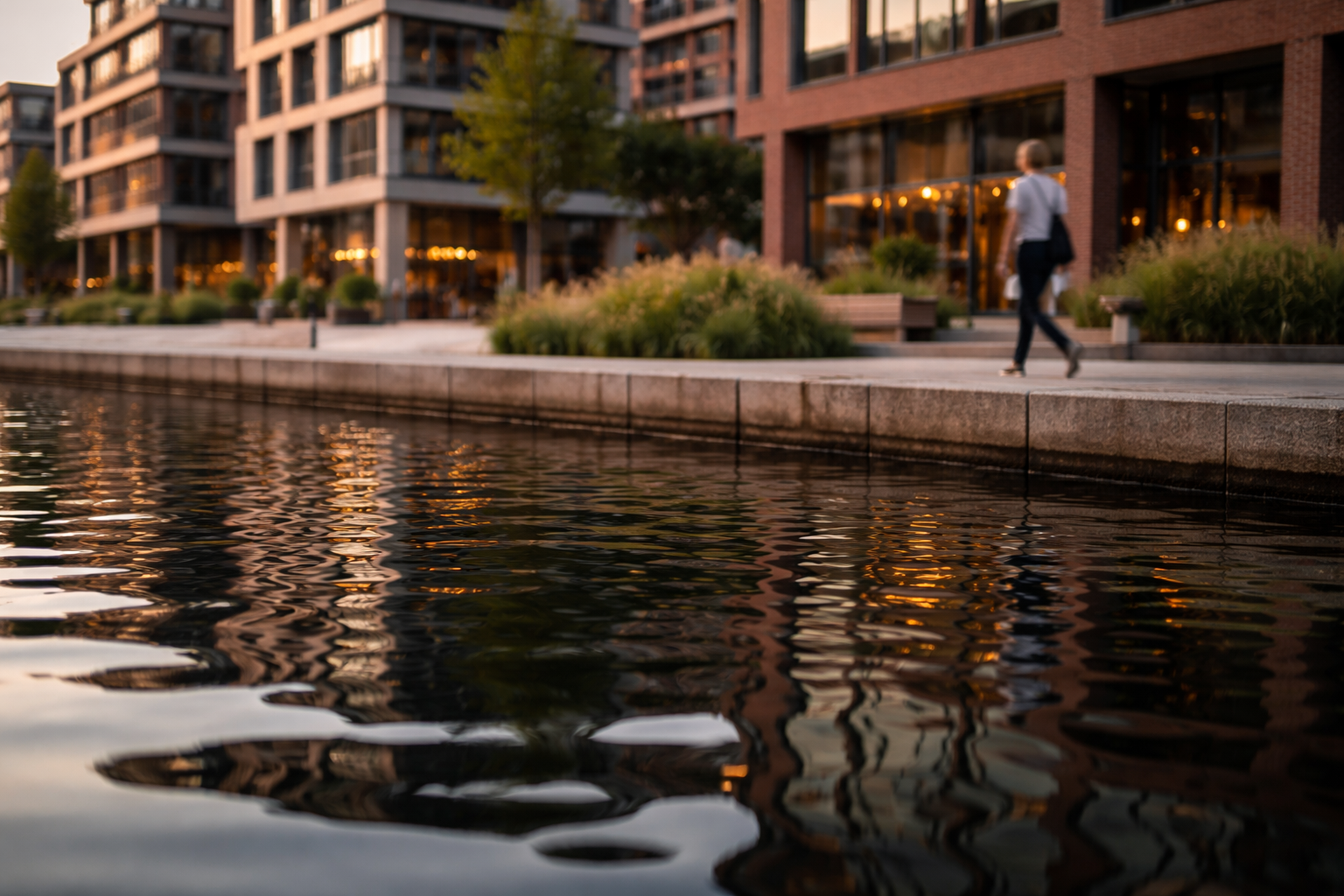
The value here is not that travelers need to spend days “touring sustainable architecture.” It is that the district changes the way a city break feels. Urban sustainability stops being an invisible technical layer and becomes visible in how a district is laid out, how it handles public movement, how buildings relate to water and green space, and how contemporary Germany imagines livable density. This makes the city chapter of the article more complete. Sustainability in Germany is not only forests and reserves; it is also design logic.
For a practical itinerary, HafenCity works best as one part of a larger Hamburg day rather than the whole purpose of the visit. Walk it, absorb its tone, notice how the city feels different there, then connect it to museums, harbor culture, or slower waterfront time. Readers benefit most when sustainability is experienced as part of real urban life, not isolated as a “special interest” stop.
If you want to add a cultural layer to that city chapter, this musical journey through Germany fits naturally with Hamburg’s urban rhythm.
How to Build a Low-Impact Germany Itinerary That Still Feels Exciting
One of the easiest ways to weaken a sustainable trip is to make it too worthy and not enjoyable enough. Readers need to feel that the greener choice also produces a better narrative. Germany is perfect for this if the itinerary is designed around two principles: fewer bases and stronger contrasts. Instead of doing five cities in seven days, choose two bases that support different modes — perhaps one green city and one protected landscape region. This immediately lowers transport stress and gives the trip coherence.
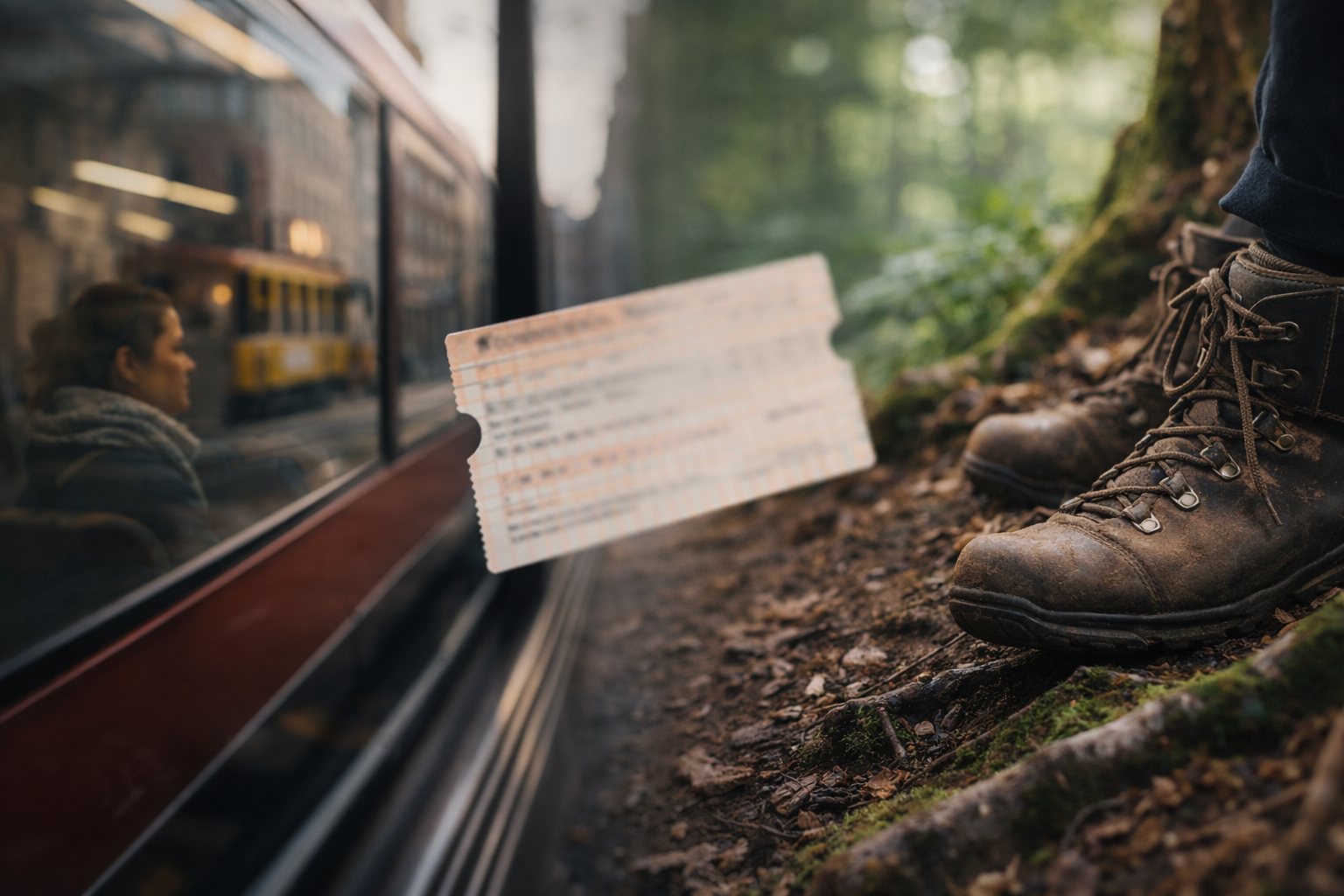
A strong 5–7 day structure might look like this: a few days in Freiburg or another rail-friendly city with strong local mobility, followed by a national park or biosphere reserve chapter where slower nature days take over. Another version could combine Hamburg with a northern natural area, or Berlin with a carefully chosen environmental detour that adds ecological contrast. The important thing is that movement should support the trip, not dominate it. This is one of the most practical lessons in sustainable travel in Germany.
It also helps to build in softer days. Sustainable travel is easier when people are not tired, because tired travelers make waste-heavy decisions: taxis, overpacked convenience food, unnecessary shopping, panicked transport choices. A low-impact itinerary is not only about carbon logic. It is also about traveler psychology. Calm people travel better, and better travel often ends up greener by default.
Food, Pace, and the Sustainable Side of Everyday Germany
Food may not be the headline of this article, but it matters because sustainability is often reinforced through daily habits rather than dramatic gestures. Germany is a good country for this because regional eating still makes sense in many places. Markets, bakeries, local produce, and seasonal menus help readers participate in place without needing to overthink every meal. A simpler lunch from a local market can be more sustainable and more enjoyable than a random chain stop grabbed in a hurry.
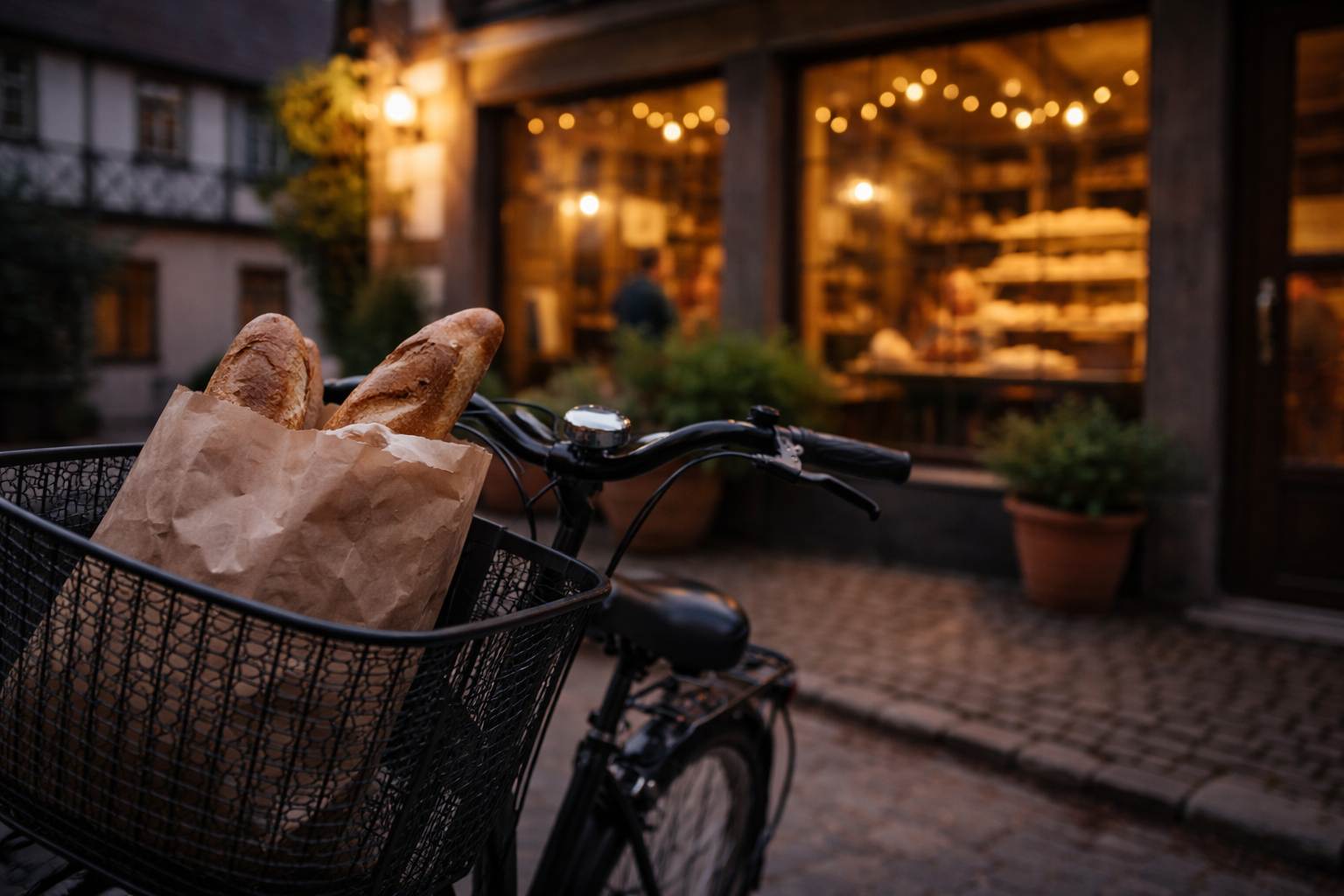
Pace matters even more. A sustainable Germany trip should feel slower than a checklist trip, and that is a strength, not a weakness. Longer walks, public transport days, time in parks, village evenings, and one-region immersion all improve the emotional texture of the journey. Readers often imagine “doing more” means seeing more. In Germany, doing less often produces clearer memories because the country has enough depth that one region, one city, or one reserve can reward attention for longer than expected.
This is also why sustainability content performs best when it is framed as a travel upgrade. Readers do not want to be scolded into carrying a reusable bottle. They want to know how to create a trip that feels cleaner, calmer, and more connected. Germany is one of the easiest countries in Europe to make that case for.
Conclusion: Germany Is Best When You Travel Through It More Thoughtfully
Germany’s green side is not a niche add-on to the trip. It is one of the clearest ways to experience the country with more depth and less friction. National parks show scale, biosphere reserves show balance, Freiburg shows urban livability, and places like HafenCity show what a more sustainable future might look like when it is built into the city itself. Together, they create a version of Germany that feels far more nuanced than the standard city-break stereotype.
A good sustainable travel in Germany itinerary therefore does not need to be radical. It just needs to be designed with intention: fewer jumps, smarter transport, one or two meaningful nature chapters, and enough time to let each place become real. When readers travel this way, they usually come home with more than eco-satisfaction. They come home with a better trip.