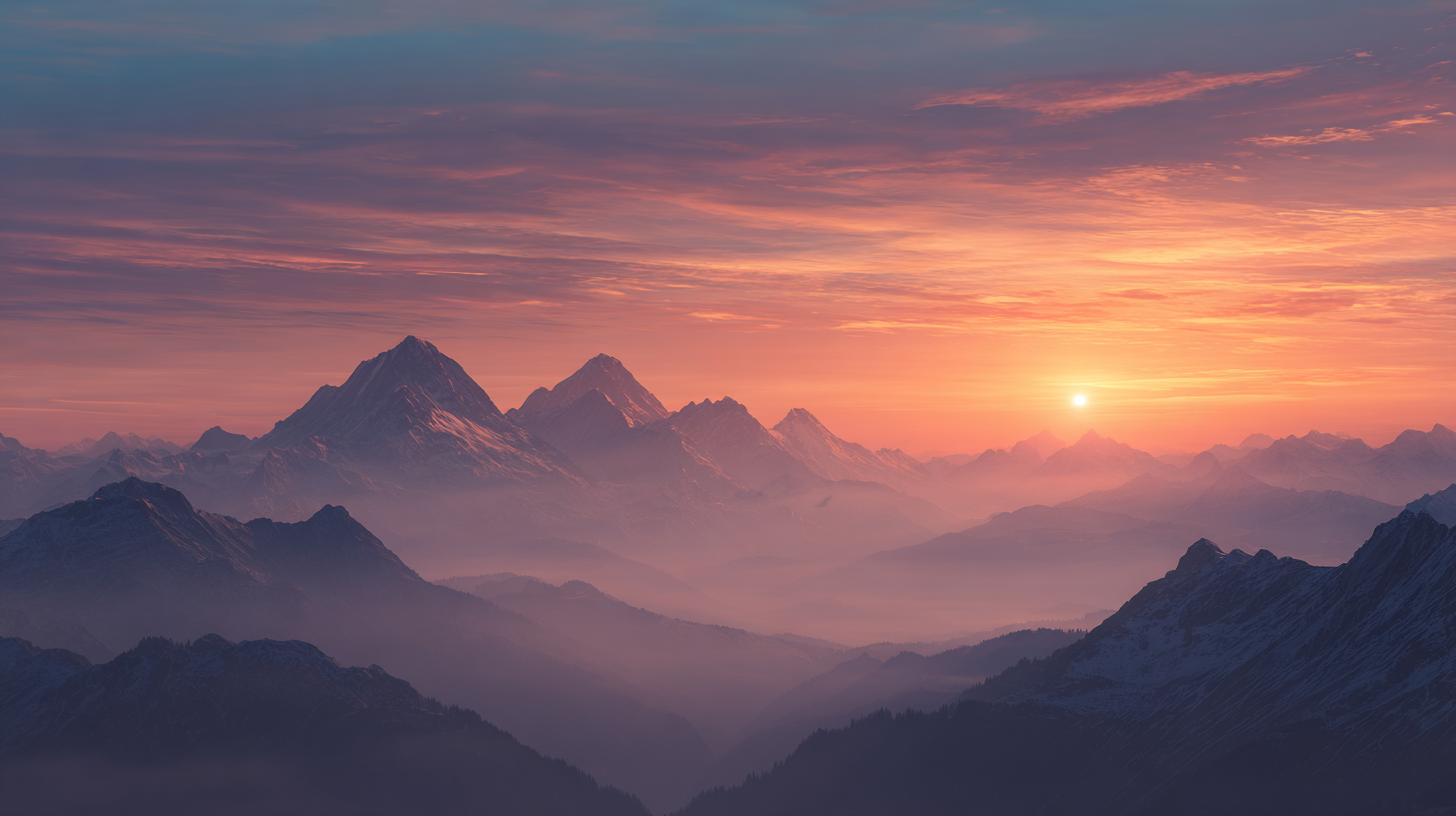
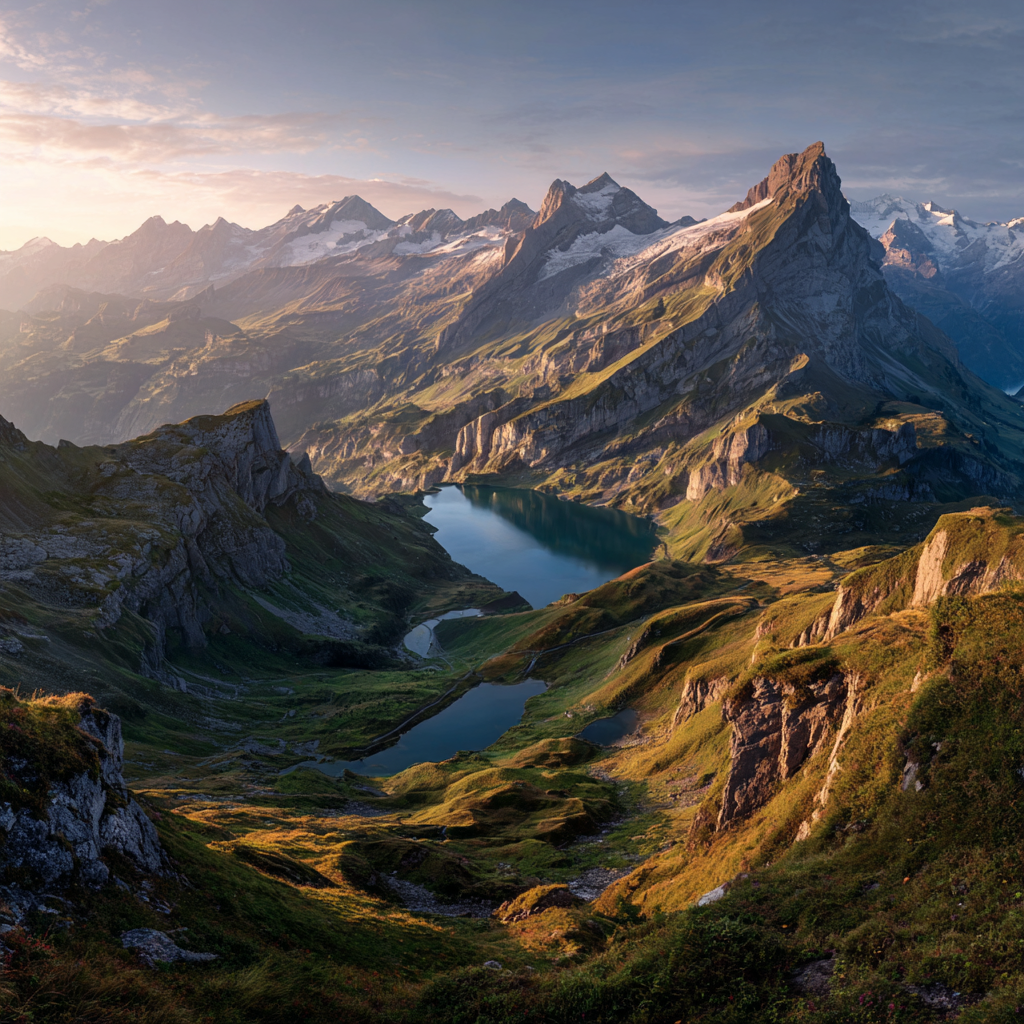
Swiss Alps adventures capture the raw beauty and spirit of Europe’s most iconic mountain range. From its dramatic peaks to its glacier-fed valleys, the Alps remain a playground for explorers and nature lovers alike.
The Swiss Alps stand among the world’s most extraordinary natural landscapes — a realm where jagged peaks rise above glacial valleys, emerald meadows, and mirror-like lakes. This region has captivated explorers, poets, climbers, and wanderers for generations. Its beauty is not only visual but cultural, shaped by centuries of tradition, craftsmanship, and a lifestyle born from living close to the mountains. To journey through the Alps is to experience a world where nature’s power meets human resilience, where adventure blends with serenity, and where every path leads to something unforgettable. Whether hiking, skiing, mountaineering, or simply breathing in the crisp alpine air, the Alps offer a profound connection to Switzerland’s soul.
Also Read: Switzerland Lakes Guide
The Swiss Alps: A Landscape Carved by Time
The Alps are not merely mountains — they are a living geological masterpiece sculpted over millions of years. Glaciers carved deep valleys and gave birth to dramatic ridgelines, creating one of the most diverse alpine ecosystems on Earth. Today, these landscapes shape the lives of the communities who inhabit them, influencing architecture, cuisine, agriculture, and traditions. The mountains are home to wildlife such as ibex, marmots, chamois, and golden eagles, which thrive in untouched alpine environments. Their presence adds another layer of wonder to every outdoor adventure.
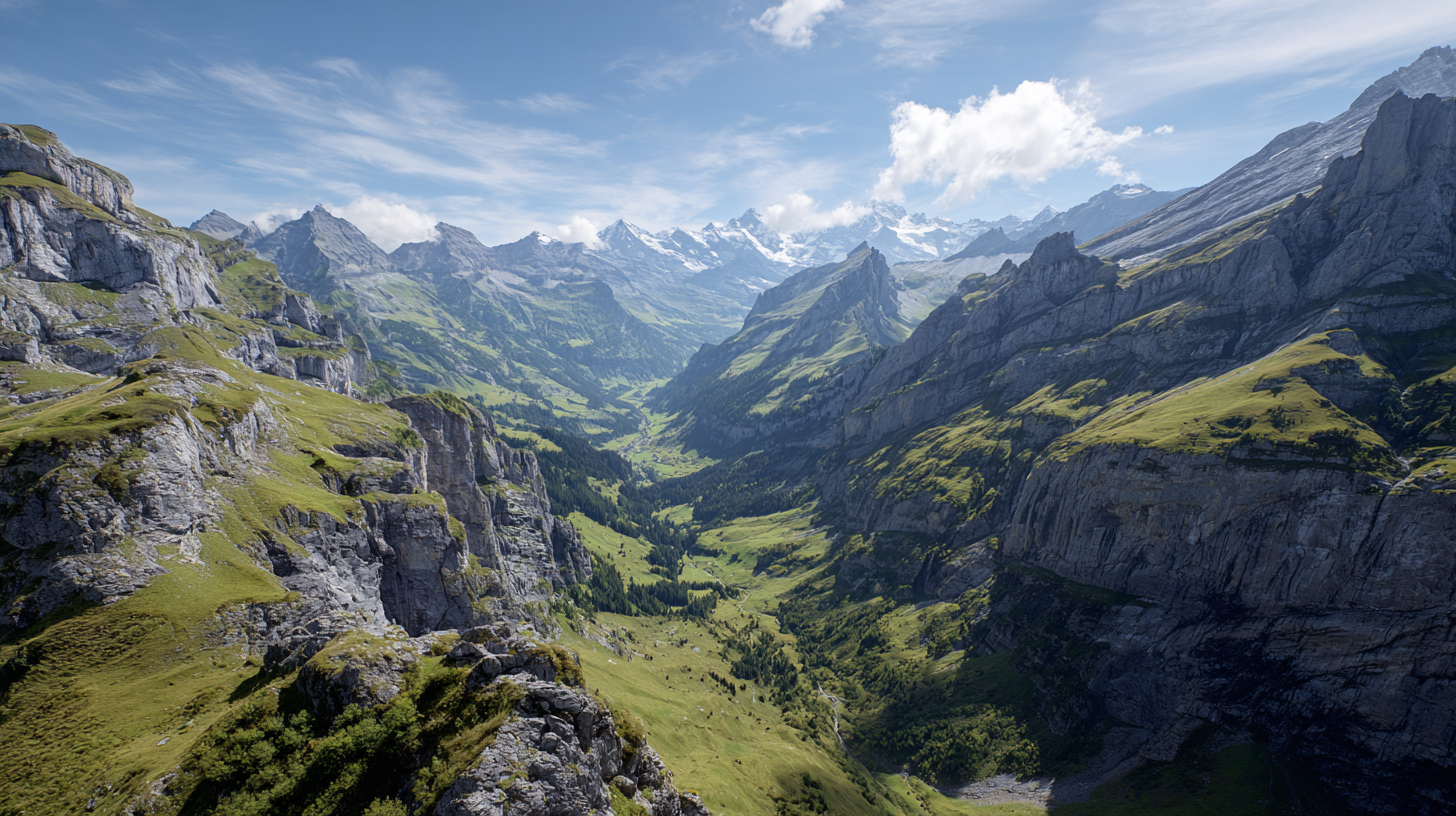
Season by season, the Alps transform into entirely different worlds. In summer, wildflowers blanket hillsides, streams flow with glacial meltwater, and the air is warm enough for long hikes at elevation. In winter, the mountains shift into an icy kingdom where snow-covered forests, frozen lakes, and ski slopes dominate the scenery. This constant evolution allows travelers to experience the Alps in countless ways, each offering a unique perspective on Switzerland’s natural heritage.
Swiss Alps Adventures: Hiking the Alps Through Nature and Culture
Among all Swiss Alps adventures, hiking remains the most immersive way to connect with the region’s natural character. The region boasts over 65,000 kilometers of marked trails, each meticulously maintained and designed to lead adventurers through scenic landscapes. From gentle valley paths to demanding high-altitude routes, the trails offer something for every skill level. Walking these paths allows travelers to explore everything from peaceful lakeside strolls to ridge-top traverses that reveal sweeping panoramas of iconic peaks like the Eiger, Jungfrau, and Matterhorn.
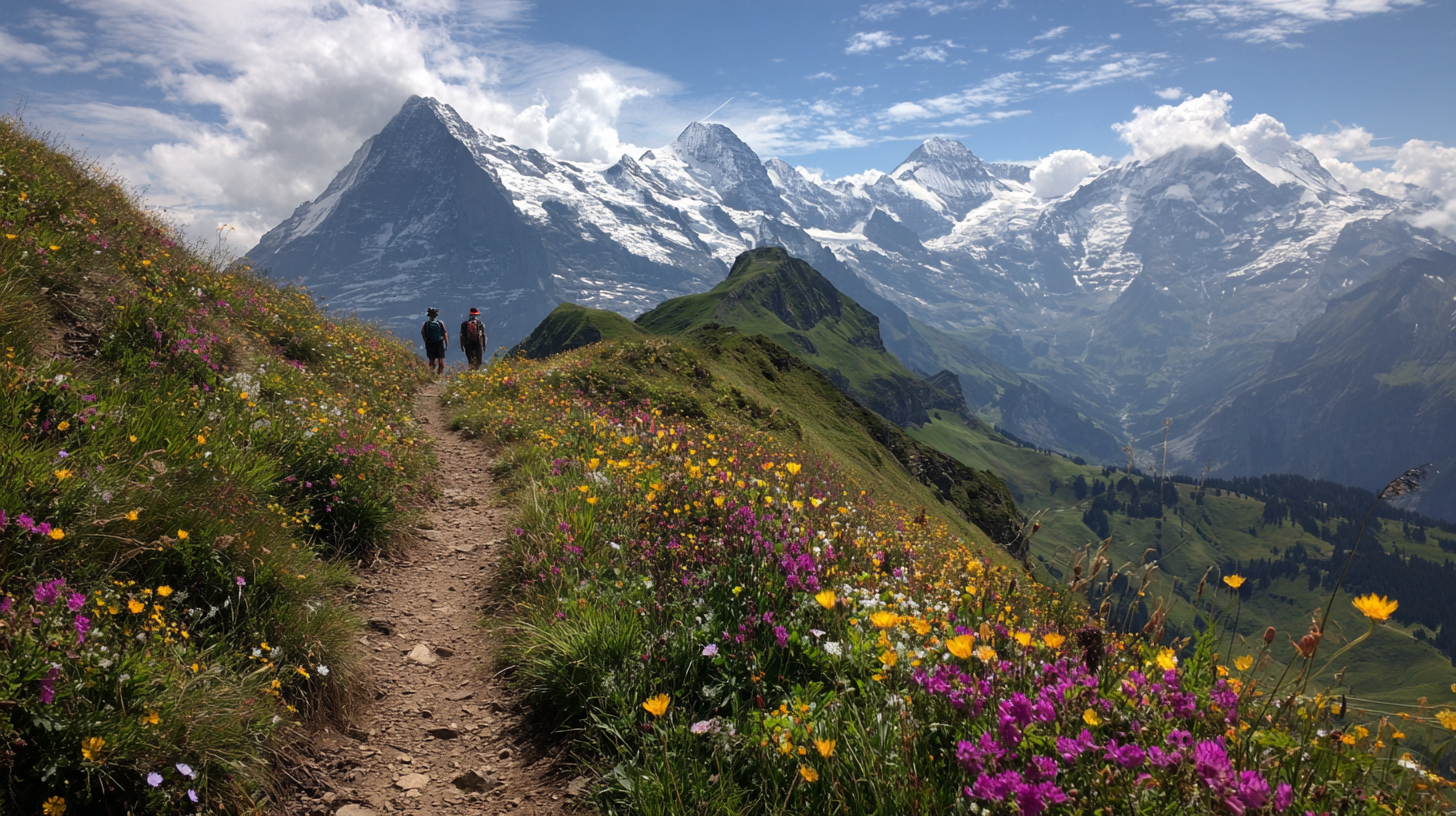
Every trail tells a story. Some wind through villages where wooden chalets have stood for centuries, while others climb through forests filled with spruce and larch. High above the tree line, hikers encounter alpine meadows dotted with grazing cows and wildflowers. The sound of cowbells echoing across the slopes becomes part of the landscape’s familiar rhythm. Whether following the Eiger Trail with its dramatic views of the North Face or exploring the peaceful beauty of the Lauterbrunnen Valley’s waterfalls, hiking in the Alps is an immersion into nature’s masterpiece.
The Culture of Alpine Huts and Mountain Hospitality
One of the most treasured aspects of hiking in Switzerland is the network of alpine huts that offer shelter, meals, and community in the heart of the mountains. These huts, some over a century old, welcome hikers with warm food, rustic charm, and breathtaking views. They play an essential role in alpine life, serving as refuges for mountaineers, meeting places for locals, and havens for travelers seeking connection with the mountains.
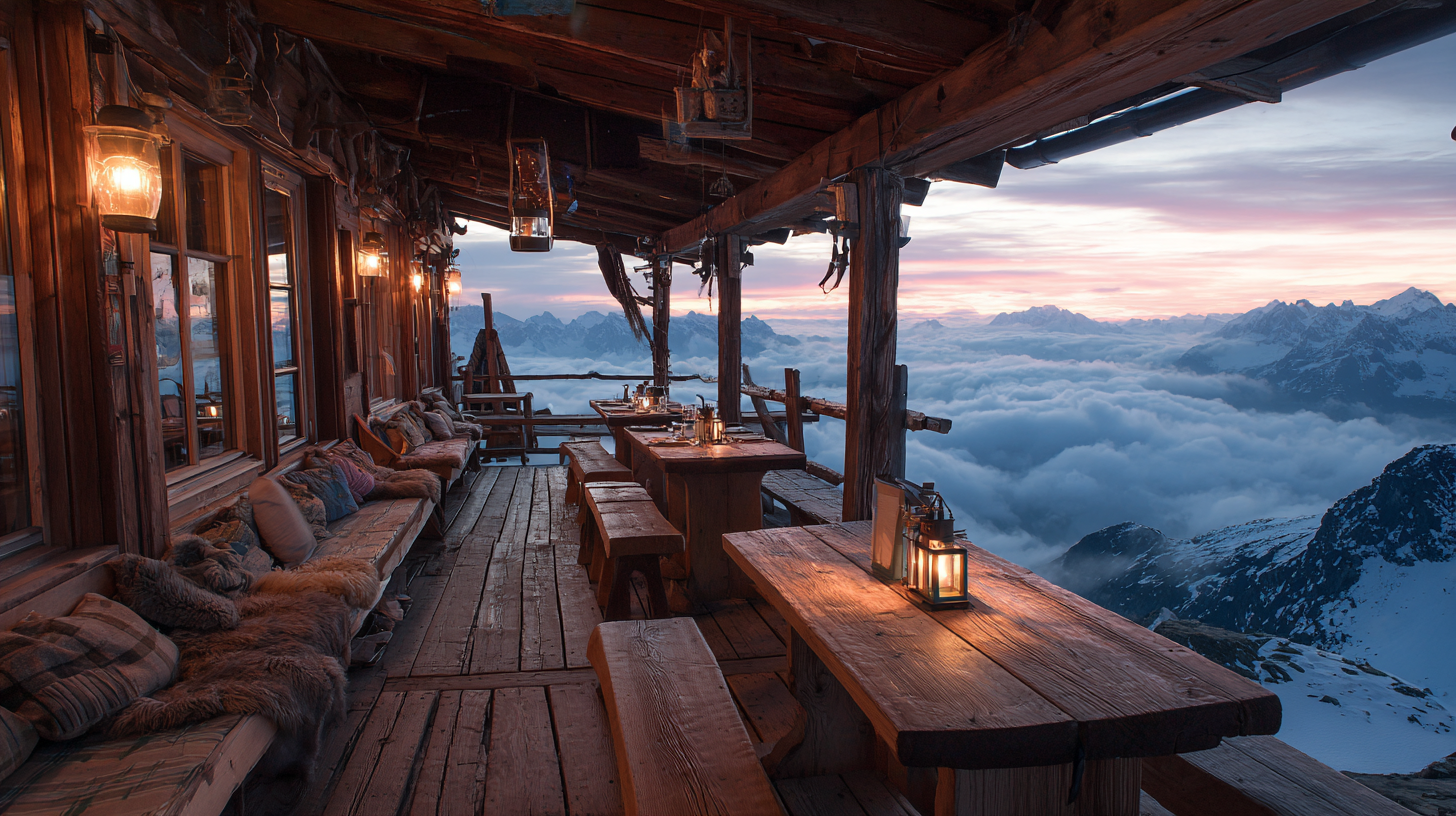
Inside these huts, traditional Swiss dishes — rösti, soups, Alpine cheese, and freshly baked bread — provide comfort after long climbs. The experience is both cultural and practical, offering insight into the alpine lifestyle while allowing hikers to rest and acclimate. Many huts operate with a spirit of sustainability, using solar power, rainwater systems, and environmentally conscious practices. Staying in one is more than a stopover — it is an opportunity to live, even briefly, as part of the mountain world.
The Thrill of Alpine Skiing: A Winter Wonderland
Winter sports form the core of many Swiss Alps adventures, bringing visitors from around the world. Snow blankets the peaks and valleys, turning villages such as Zermatt, St. Moritz, Verbier, and the Jungfrau Region into playgrounds for skiers from around the globe. The slopes vary from gentle beginner pistes to challenging black runs and off-piste powder fields that attract experts seeking adventure. With superb snow quality, modern infrastructure, and breathtaking scenery, skiing in the Alps is not just a sport — it is an experience.
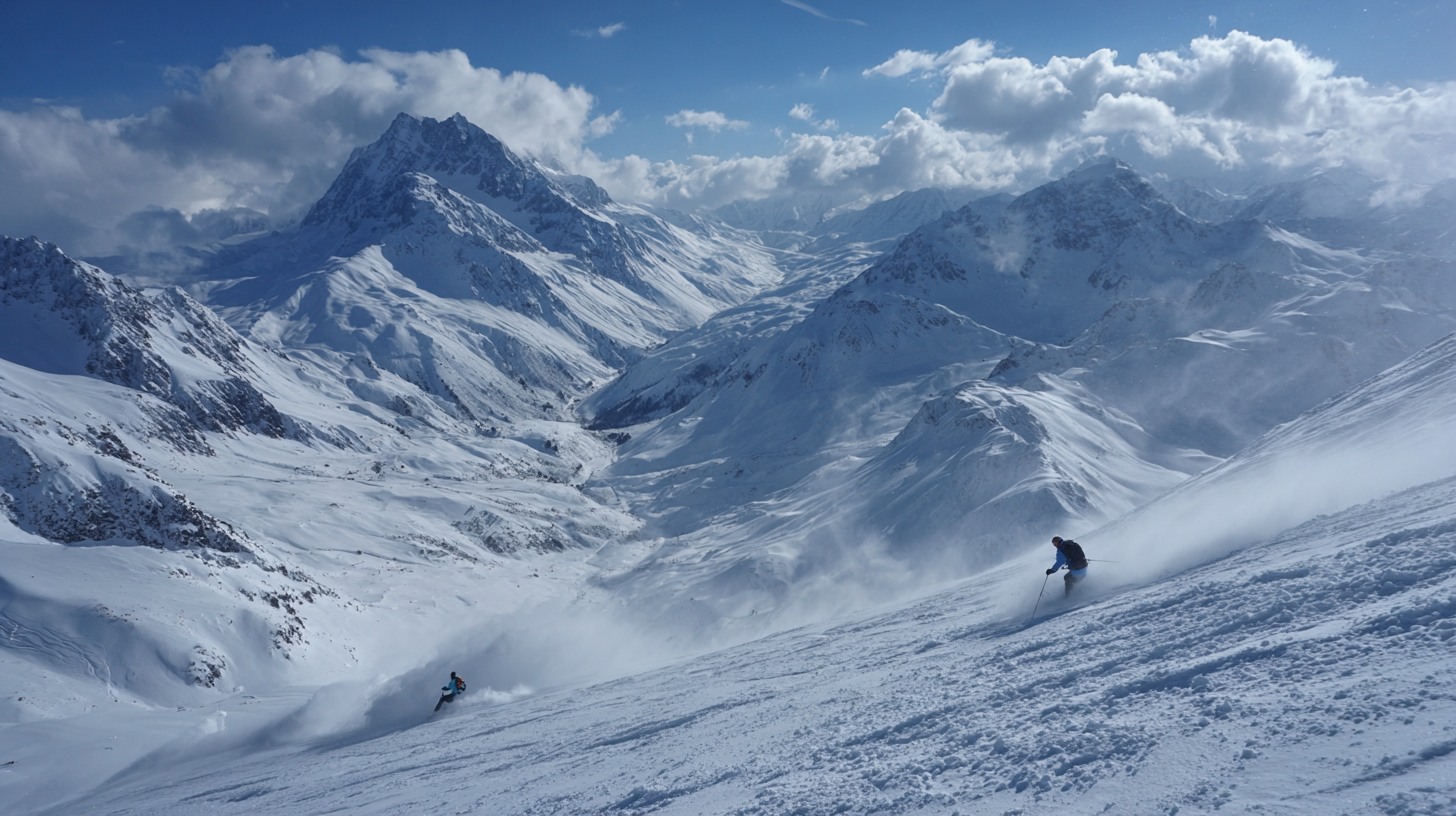
Ski resorts in Switzerland are known for their efficiency, comfort, and attention to detail. High-speed lifts transport skiers with ease, while perfectly groomed trails ensure safety and consistency throughout the season. Off the slopes, après-ski culture adds warmth to cold winter days. Mountain huts serve fondue by roaring fireplaces, while lively bars and outdoor terraces offer music, hot drinks, and social energy. From sunrise slopes to starlit dinners, the Alps create winter memories that last a lifetime.
Premier Ski Regions and Their Unique Charm
Each ski region in Switzerland carries its own identity and appeal. Zermatt, watched over by the mighty Matterhorn, offers high-altitude skiing year-round. Its car-free village, luxury chalets, and glacier runs make it one of Europe’s most iconic winter destinations. The Jungfrau Ski Region, surrounded by the Eiger, Mönch, and Jungfrau mountains, blends classic alpine beauty with a wide selection of slopes perfect for families and professionals alike. The scenery here is so dramatic it feels like skiing inside a postcard.
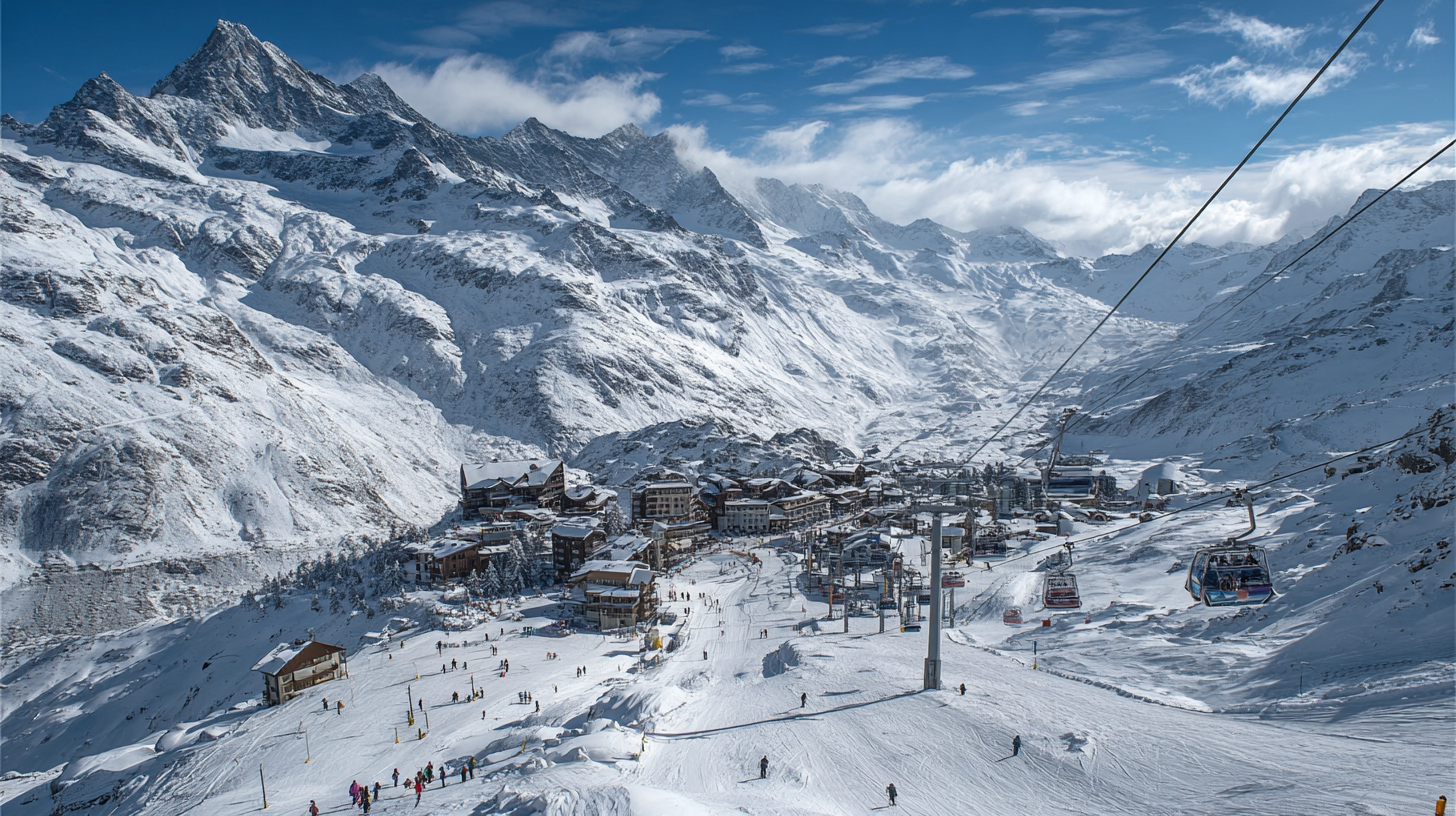
Verbier, part of the vast Four Valleys, attracts thrill-seekers with its steep terrain and legendary off-piste areas. It has also become a hotspot for nightlife, drawing younger crowds who want both adrenaline and entertainment. Meanwhile, regions like Davos-Klosters and Arosa-Lenzerheide combine excellent snow conditions with a relaxed atmosphere, appealing to travelers who prefer quieter escapes. Together, these resorts form a diverse playground for winter lovers of all kinds.
Eco-Friendly Skiing and Sustainable Alpine Tourism
Switzerland has long been a leader in sustainable tourism, and its ski industry reflects that commitment. Many resorts rely on renewable energy sources, including hydroelectric and solar power, to run lifts and facilities. Snowmaking systems are designed to minimize water waste, while local conservation efforts protect fragile alpine habitats. Eco-friendly hotels use efficient heating, recycled materials, and low-impact designs that blend into the landscape without disturbing natural beauty.
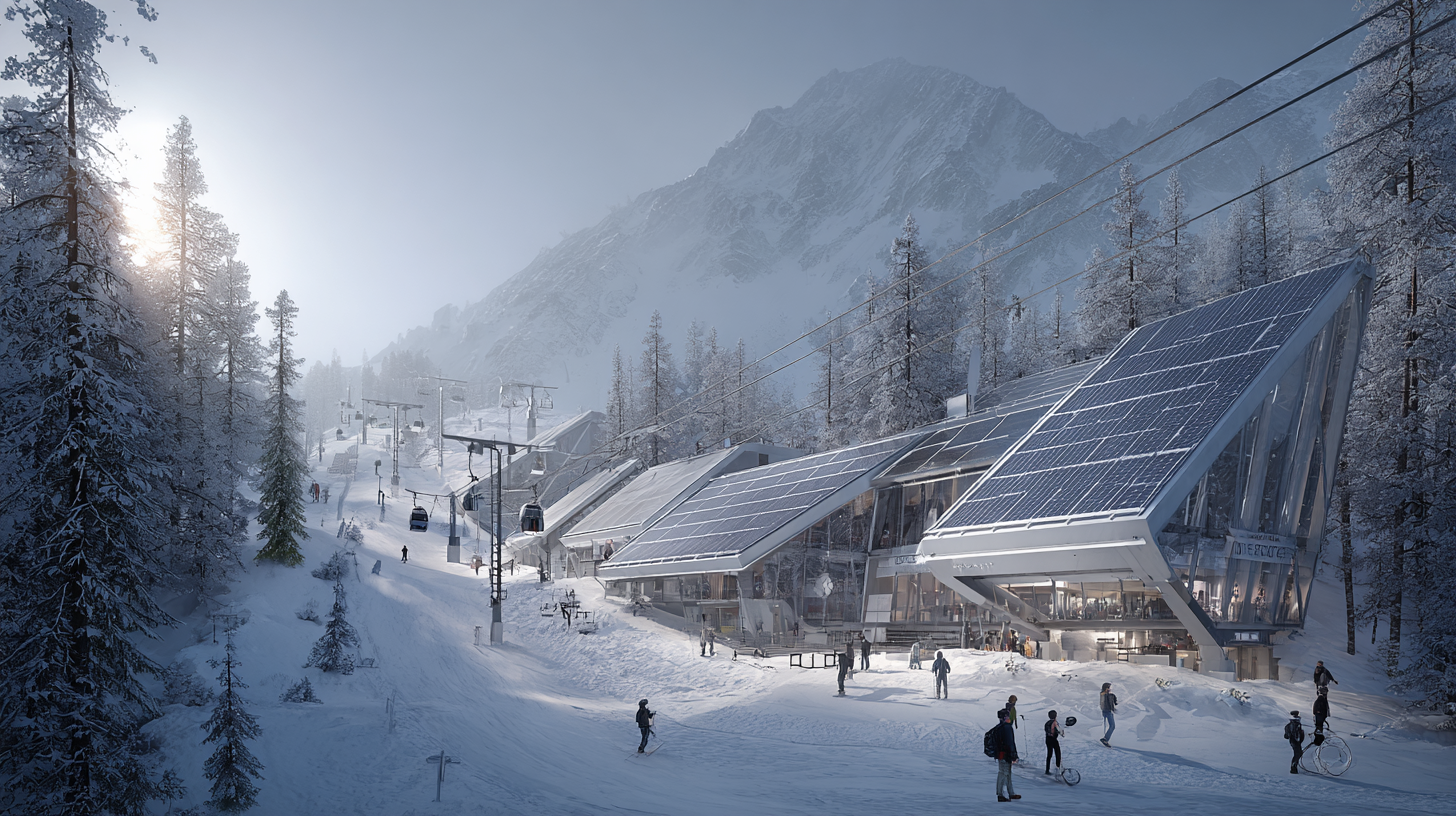
These sustainable practices allow travelers to enjoy the Alps without contributing to environmental stress. Educational programs, guided nature tours, and wildlife conservation initiatives help visitors appreciate the delicate ecosystems that make the Alps so extraordinary. This responsible approach ensures that future generations can continue to experience the mountains’ magic.
Mountaineering: Conquering the Great Alpine Giants
For adventurers seeking the ultimate challenge, mountaineering in the Swiss Alps offers an unforgettable test of endurance, skill, and spirit. Peaks like the Matterhorn, Eiger, and Jungfrau hold legendary status among climbers. Their routes demand experience, physical strength, and respect for the unpredictable forces of nature. Climbing these mountains is not simply a physical achievement — it is a journey into the essence of alpine exploration.
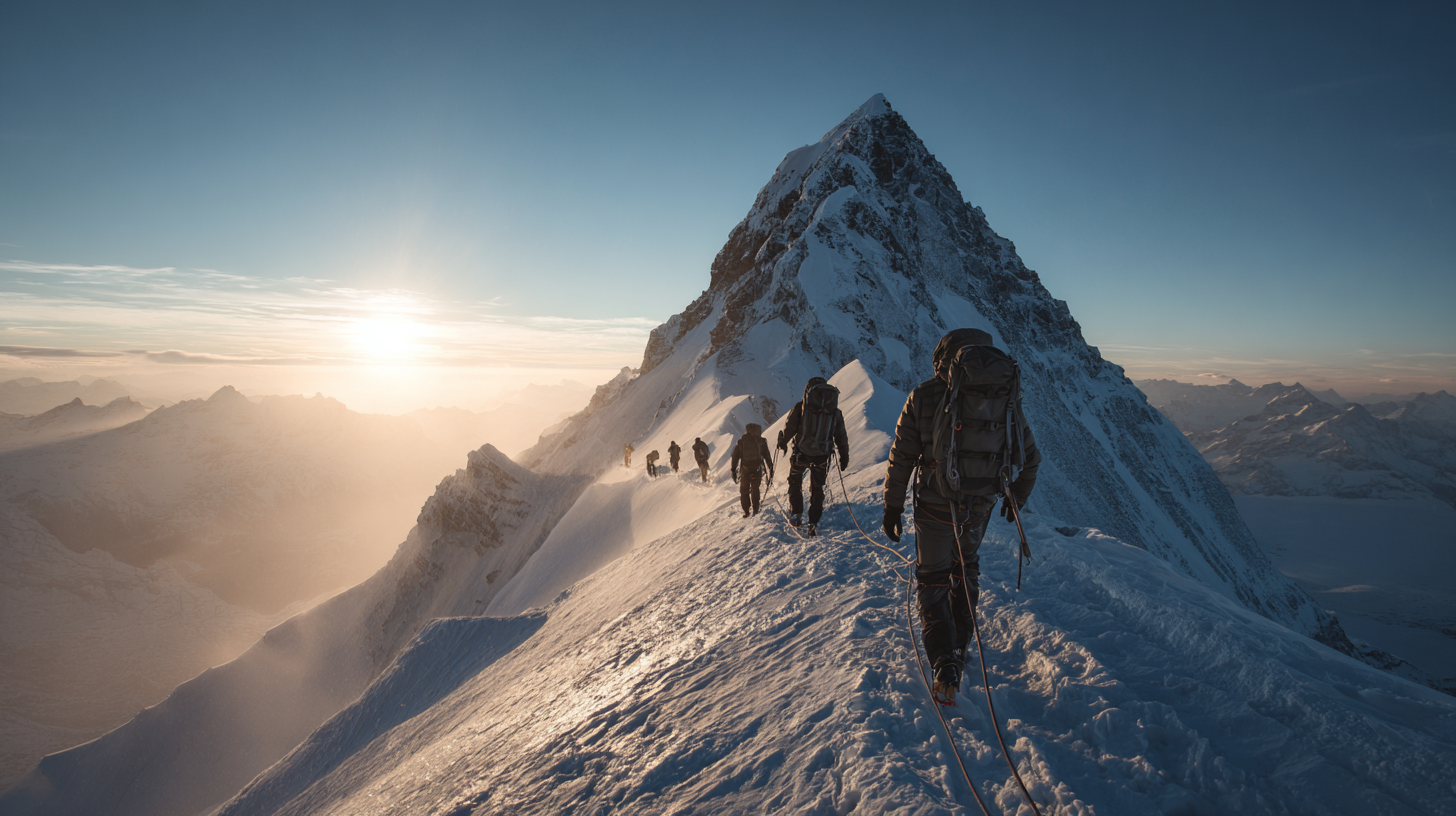
History echoes through these peaks. The dramatic 1865 ascent of the Matterhorn, the first encounters with the Eiger’s North Face, and countless stories of triumph and tragedy shape the culture of mountaineering. Today, climbers often team up with experienced mountain guides who know every ridge, crevasse, and weather shift. Equipped with ropes, crampons, and ice axes, climbers learn the discipline, patience, and mental strength required to conquer these giants. The reward is immense: sweeping views, deep personal pride, and the awareness of having touched something truly elemental.
Mountain Huts, Bivouacs, and the Life of the Climber
Mountaineering relies heavily on Switzerland’s extensive network of mountain huts and bivouacs that provide shelter high in the Alps. These refuges vary from simple shelters offering basic protection to fully staffed lodges serving hot meals and offering warm beds. They are strategically placed along popular climbing routes, allowing climbers to rest, acclimate, and prepare for summit attempts.
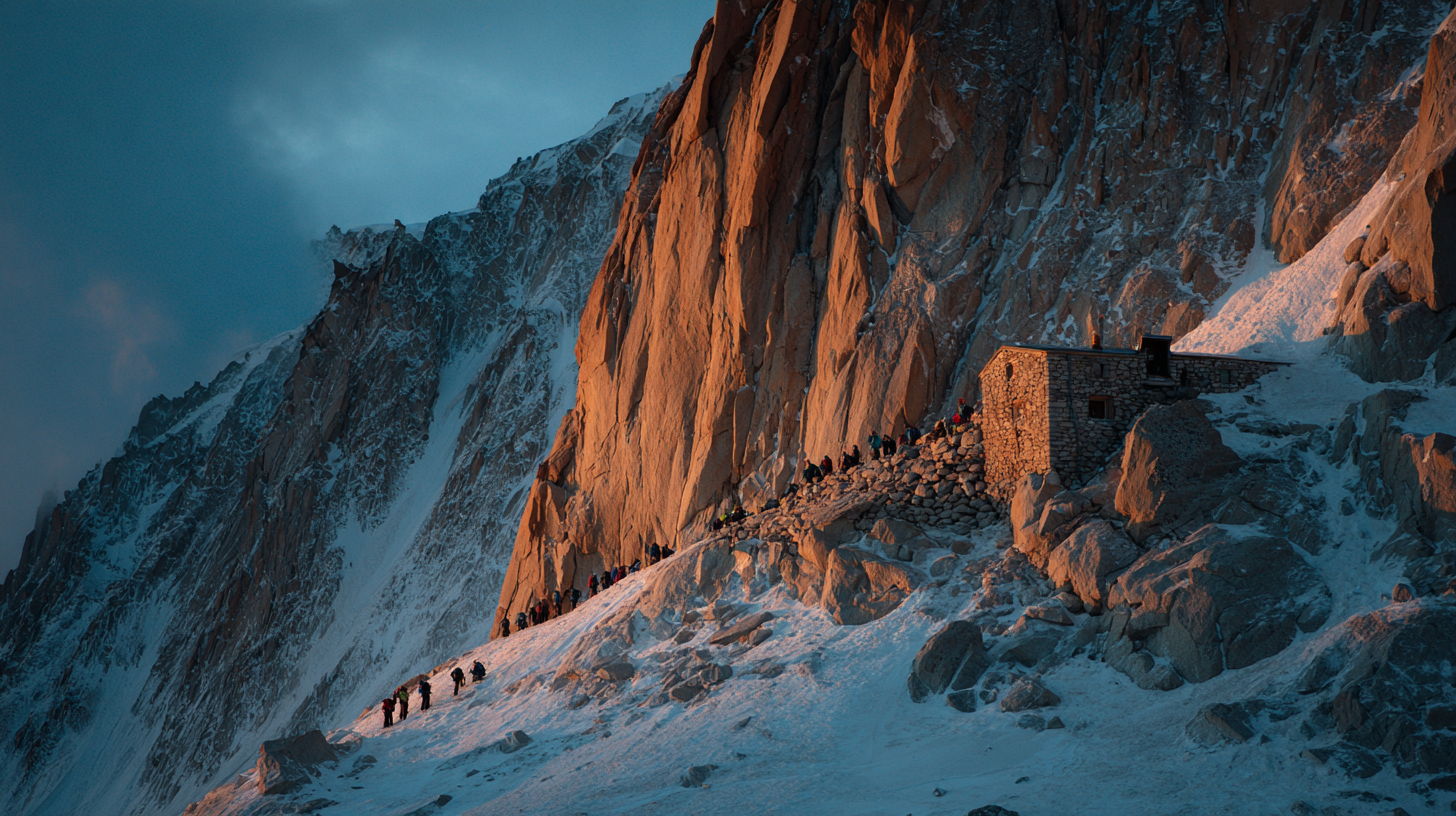
Life in these huts carries a unique atmosphere. Evenings are filled with the sound of shared stories, quiet planning, and the camaraderie of people united by adventure. The sense of community is strong — strangers quickly become partners in the shared pursuit of overcoming nature’s extremes. Spending a night in these high-altitude refuges creates a connection to generations of climbers who have passed through the same doors on their way to the peaks.
Swiss Alpine Wildlife, Flora, and the Alpine Ecosystem
Beyond its trails and summits, the Swiss Alps host extraordinary biodiversity. Marmots whistle across meadows, ibex navigate steep cliffs with astonishing agility, and eagles circle overhead searching for prey. These animals are a testament to the Alps’ delicate balance, surviving in environments where weather shifts dramatically in minutes. The flora is equally impressive — edelweiss, alpine roses, and gentians thrive in harsh conditions, coloring the mountainsides with seasonal beauty.
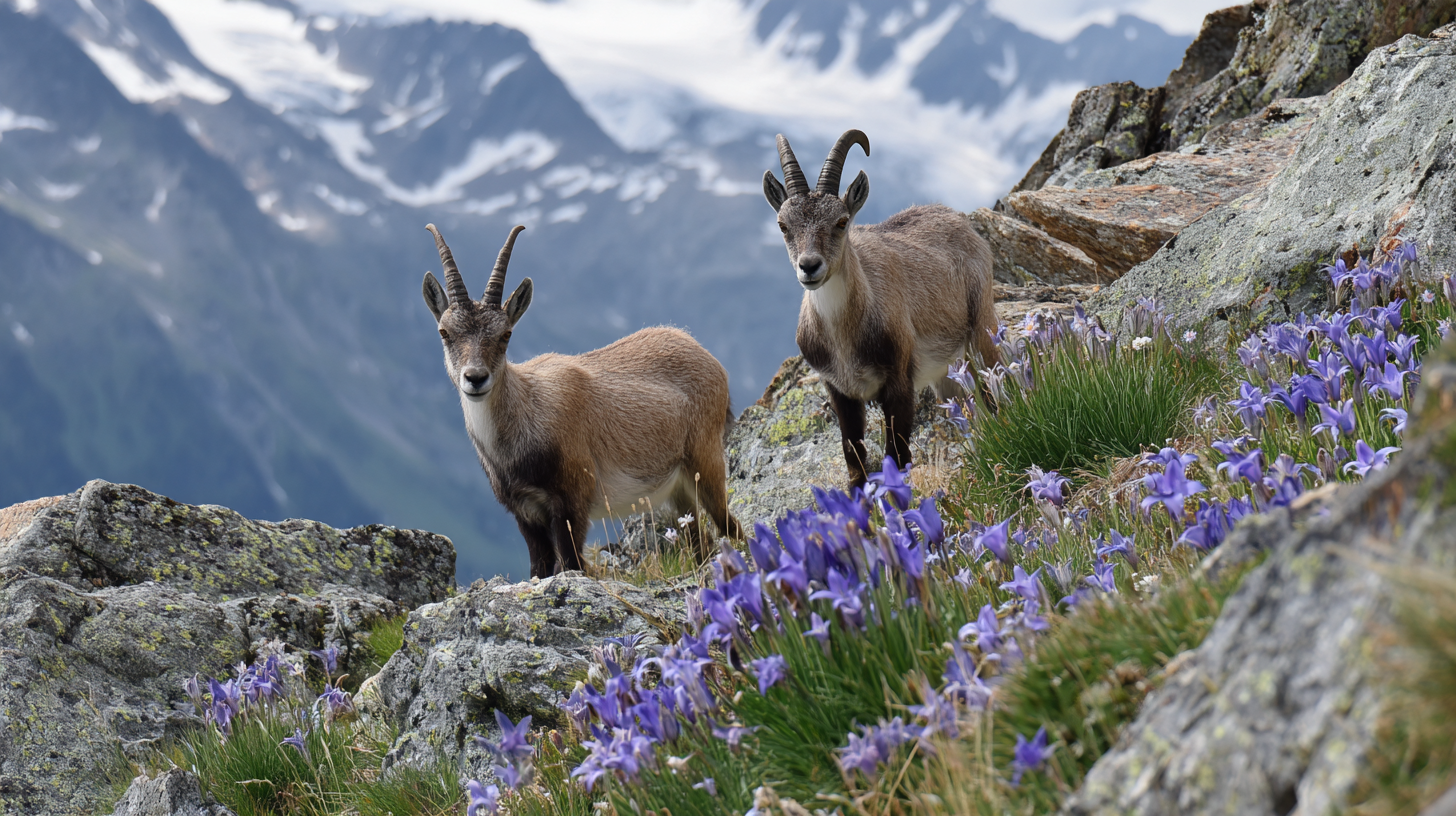
Nature lovers visiting the Alps can experience this ecosystem’s wonders firsthand. Guided wildlife tours, botanical trails, and nature conservation centers offer insight into the region’s environmental significance. The Alps are not only a destination for adventure but also a sanctuary for unique species that depend on its untouched habitats.
Swiss Alpine Villages: Culture Shaped by the Mountains
The charm of the Swiss Alps extends into its villages, where traditional wooden chalets, cobblestone streets, and centuries-old churches create timeless scenes. Villages such as Zermatt, Grindelwald, Mürren, and Wengen reflect a lifestyle shaped by mountain life. Here, traditions such as cheese-making, woodcarving, and seasonal festivals remain central to community identity. Local cuisine — hearty soups, roasted meats, raclette, and mountain cheeses — carries the flavors of alpine heritage.
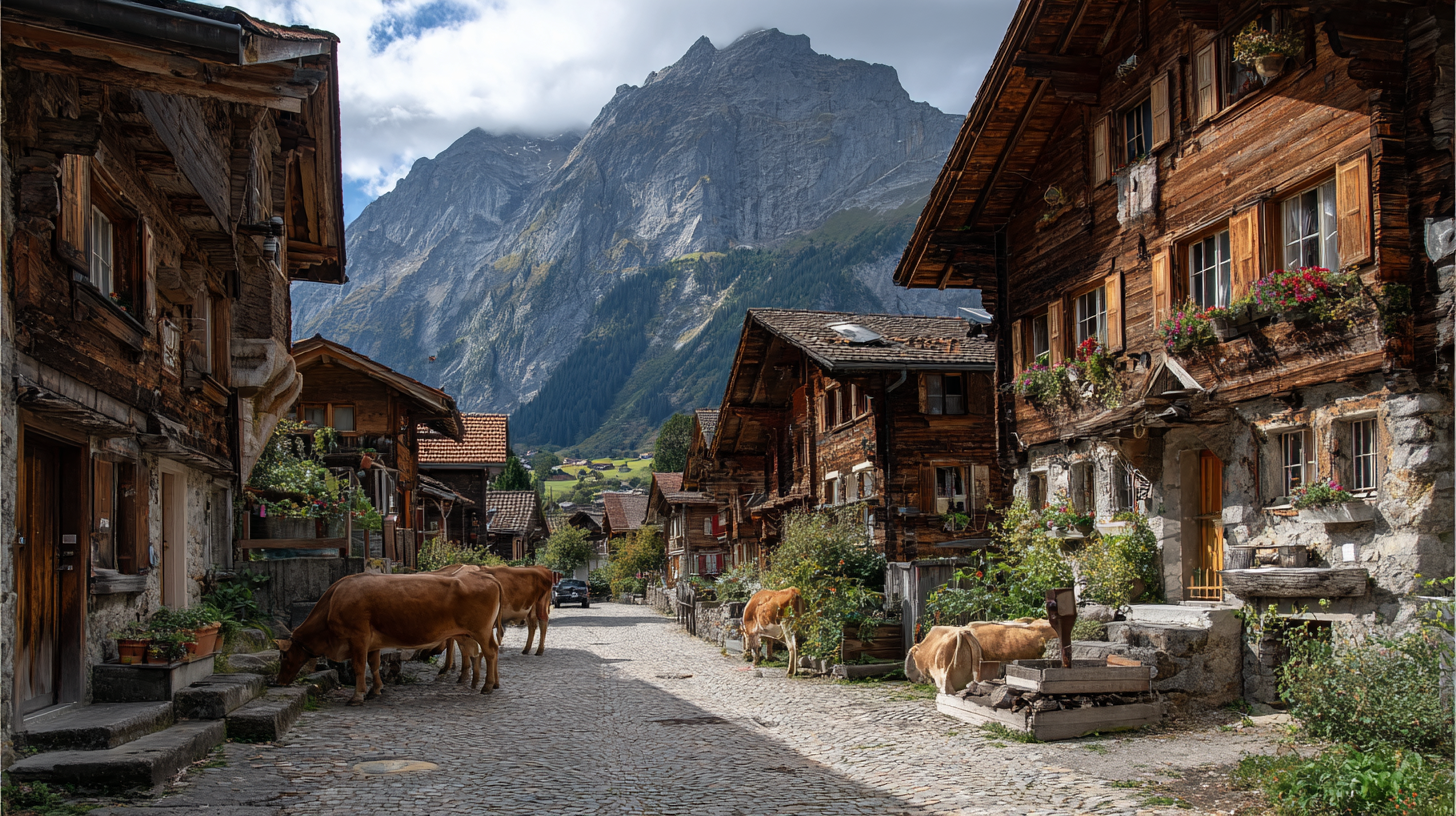
These villages blend modern comfort with rustic authenticity. Electric buses, efficient railways, and eco-friendly chalets allow visitors to enjoy contemporary amenities without disturbing the quiet rhythms of the mountains. Staying in an alpine village offers the perfect balance between adventure and relaxation, combining majestic scenery with warm hospitality.
The Four Seasons of the Alps: A Landscape in Constant Transformation
Every season in the Swiss Alps brings a distinct character and beauty. Spring awakens the mountains with blooming flowers and melting snow that feeds roaring rivers. Summer invites hikers and outdoor enthusiasts to explore high-altitude trails under bright blue skies. Autumn paints the valleys in gold and crimson as the larch forests transform into fiery landscapes. Winter wraps the mountains in silence and snow, creating the perfect environment for skiing, snowshoeing, and cozy evenings by the fire.
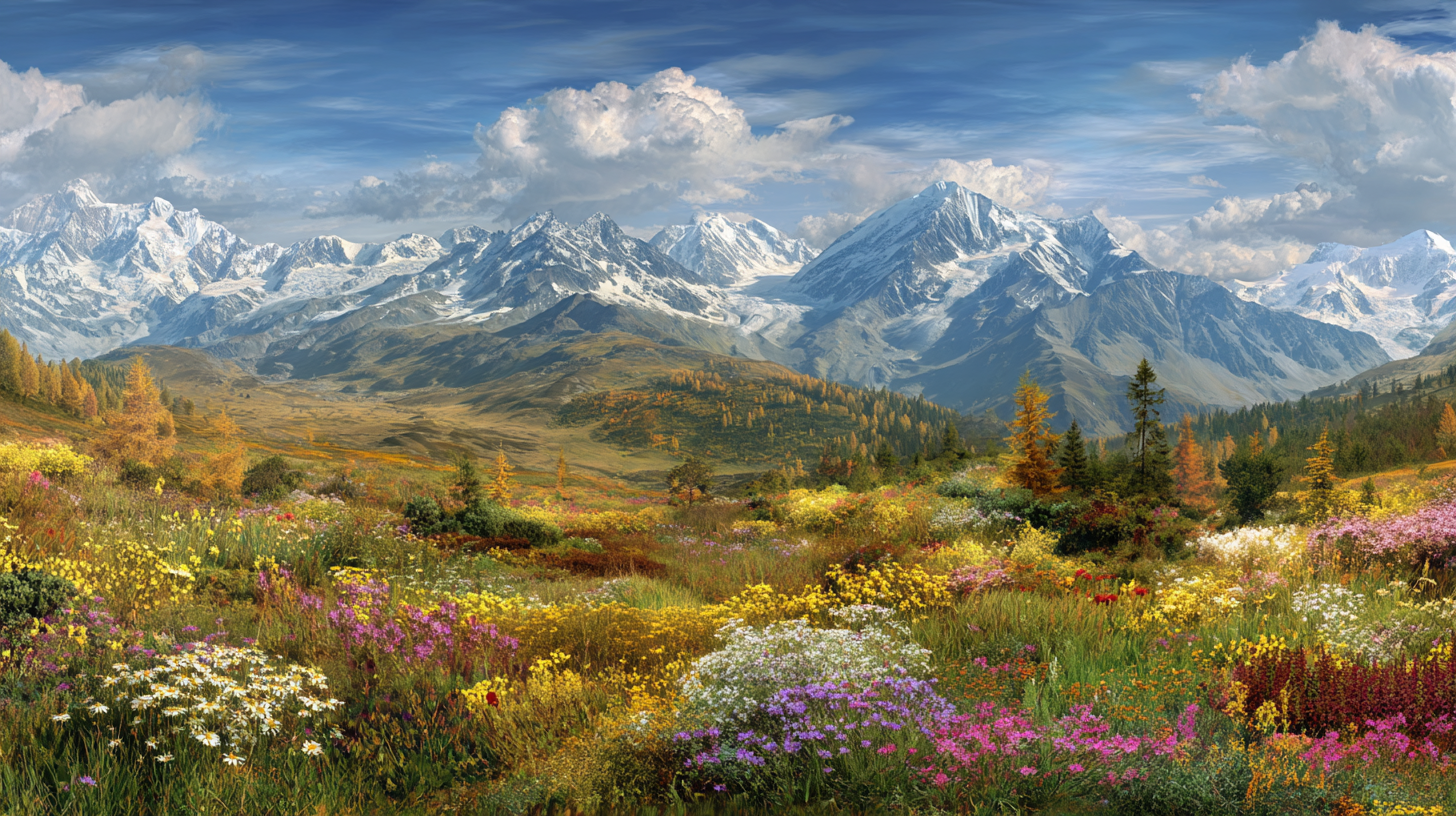
This seasonal rhythm allows travelers to experience the Alps in countless ways. No two visits are the same, and each time of year reveals new wonders. Whether it is the hush of a snowy forest or the chant of cowbells in a summer meadow, the Alps offer moments that feel timeless, peaceful, and profound.
Conclusion
The Swiss Alps are a realm where adventure, culture, and natural beauty blend into one of the world’s most extraordinary destinations. From serene hikes to daring climbs, from charming alpine villages to legendary ski slopes, the Alps offer something for every traveler. They invite exploration not just of mountains, but of heritage, community, and the human spirit’s connection to nature. To journey through the Alps is to discover a landscape that inspires awe, fosters reflection, and leaves an imprint long after the journey ends. The Alpine spirit lives in every trail, every peak, and every sunrise over the mountains — waiting for all who seek it.
Learn more about official alpine experiences in Switzerland.