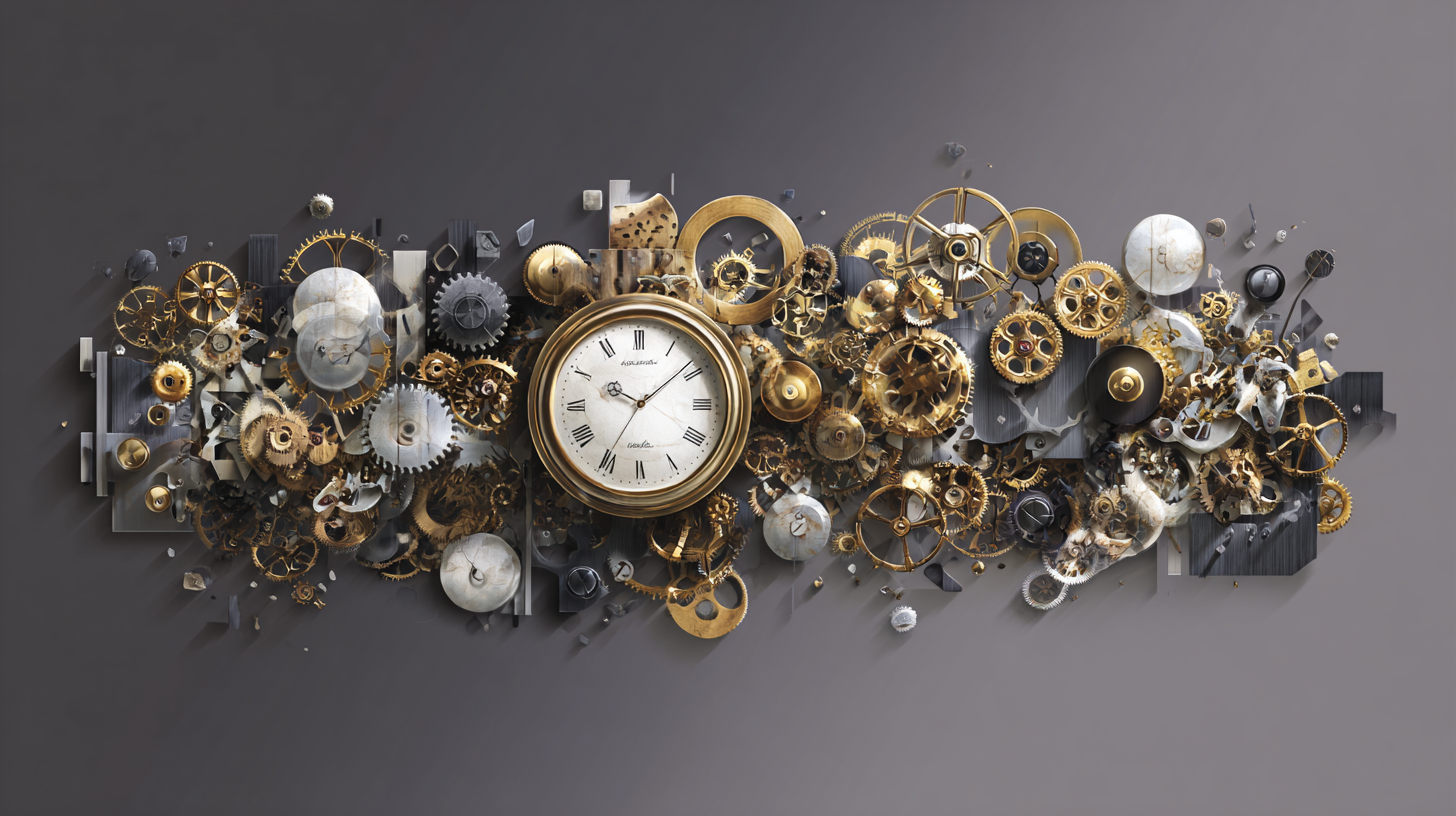
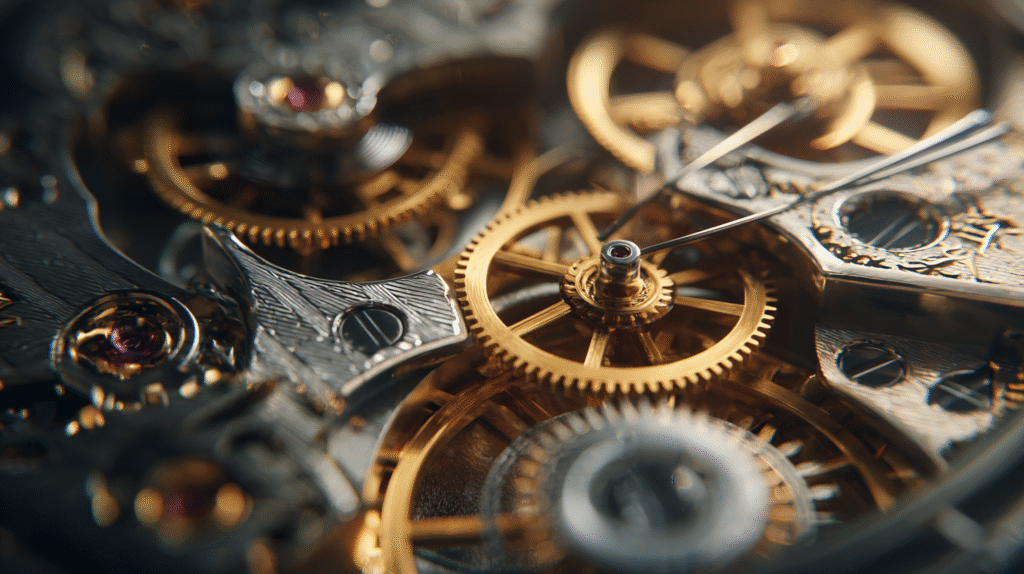
Swiss watchmaking is more than the art of measuring time — it is a living cultural legacy. For centuries, Switzerland has cultivated a tradition of horological excellence built on precision engineering, uncompromising craftsmanship, and a deep respect for heritage. Today, Swiss watchmaking stands at the intersection of art and science, blending the meticulous work of master artisans with cutting-edge technology. Exploring this world is like opening a mechanical universe where every gear, spring, and balance wheel tells a story. This journey into Swiss watchmaking reveals how a small nation became the global epicenter of timekeeping excellence and how its traditions continue to shape the future of modern luxury.
Read Also: Sustainable Tourism in Switzerland
Geneva: The Cradle of Haute Horlogerie
Geneva’s reputation as the beating heart of world watchmaking dates back to the 16th century, when master craftsmen fleeing religious conflict brought their exceptional skills to the city. Over time, Geneva became a hub of innovation, creativity, and high-end craftsmanship — qualities that remain central to its identity. Walking through the city today, one encounters a delicate balance of past and present: historic workshops hidden inside centuries-old buildings and futuristic boutiques displaying the latest marvels of engineering. The city’s watchmaking culture is not only preserved but celebrated, making Geneva a pilgrimage site for enthusiasts around the world.

This deep-rooted heritage is best experienced by exploring Geneva’s watchmaking districts, where artisans still assemble components by hand under microscopes. Their precision is astonishing — a single misaligned screw or dust particle can alter an entire mechanism. These watchmakers are the guardians of a tradition that demands absolute perfection. The world’s most admired brands — including Patek Philippe, Vacheron Constantin, and Rolex — thrive in this environment, each contributing to the city’s reputation for uncompromising excellence. In Geneva, time is not just measured — it is crafted with reverence.
The Museums of Time: Preserving the Art and Science of Swiss Watchmaking
No exploration of Swiss watches is complete without visiting the museums that safeguard the history of the craft. The Patek Philippe Museum is among the most remarkable, offering a profound journey through centuries of horological innovation. Display cases filled with ornate pocket watches, enamel masterpieces, and early automata illustrate how timekeeping evolved from rudimentary mechanisms into high art. Each room feels like a chapter in humanity’s effort to understand and refine time, reflecting the creativity of artisans who worked long before the modern era.
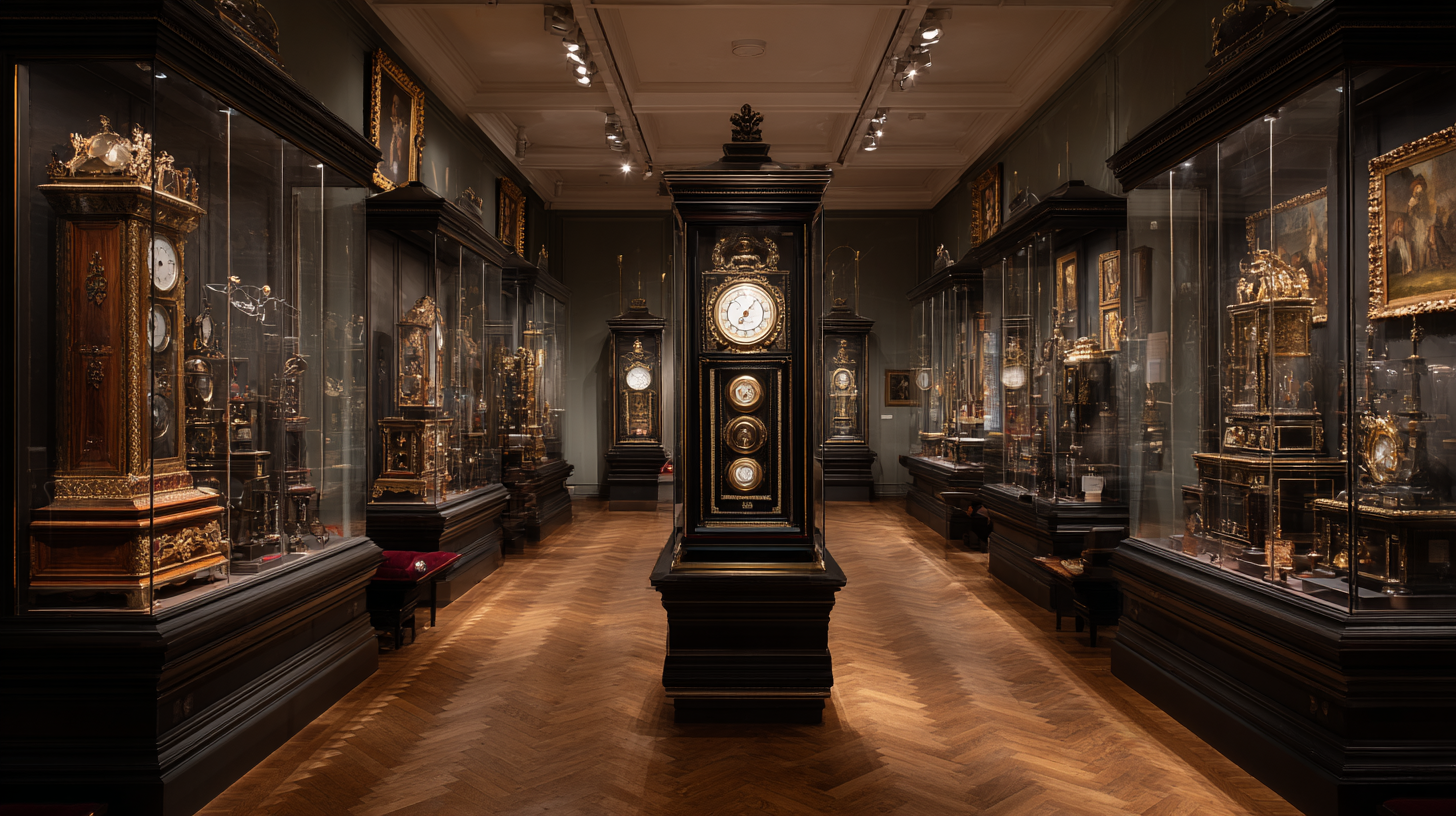
These museums are not mere collections; they are cultural vaults preserving irreplaceable knowledge and inspiration. Antique astronomical clocks reveal early attempts at measuring celestial movement, while delicate wristwatches from the 20th century highlight the rise of personal luxury timepieces. Visitors leave with a deeper appreciation for the dedication, patience, and artistry that define Swiss watchmaking. These spaces ensure that both specialists and curious travelers can witness how tradition and innovation have shaped the evolution of time itself.
La Chaux-de-Fonds: The Industrial Heart of Precision
Located in the Jura Mountains, La Chaux-de-Fonds embodies the industrial strength behind Swiss horology. Unlike Geneva, which is rooted in luxury boutiques and heritage artisanship, La Chaux-de-Fonds was built specifically for production. Its grid-like city plan — a rarity in Switzerland — was designed to maximize sunlight in watchmaking workshops, allowing craftsmen to perform microscopic tasks with natural illumination. This unique layout earned the city UNESCO World Heritage status and reflects how deeply the craft shaped local life.
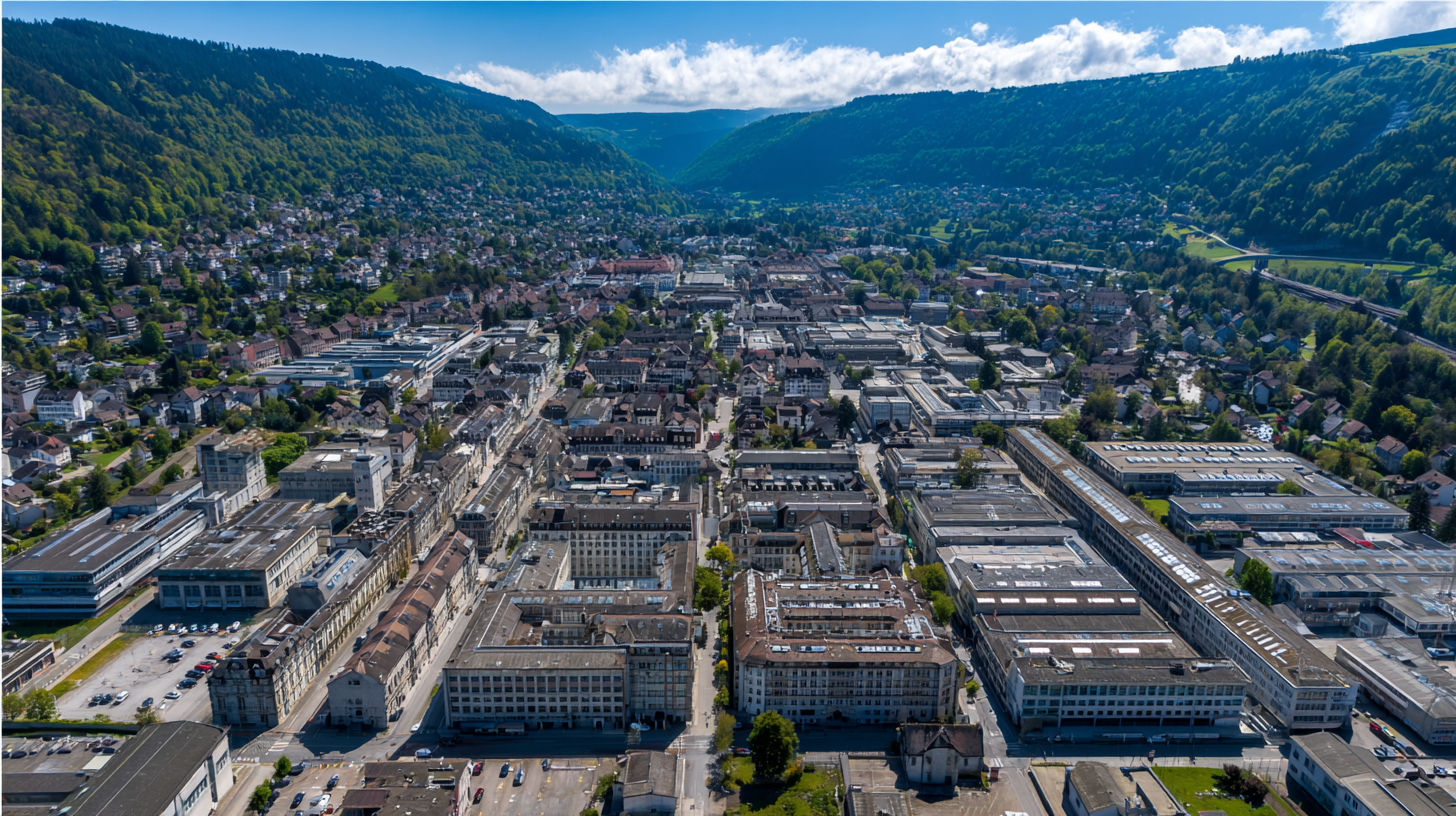
Inside these workshops, generations of artisans refined techniques that revolutionized mechanical timekeeping. The city became a powerhouse, producing components for the most prestigious houses across Switzerland. Factories such as TAG Heuer and Breitling represent the industrial evolution of the craft, where tradition meets modern manufacturing. Tours of these facilities reveal a mesmerizing world of precision engineering: 3D-printed prototypes, laser-cut components, ultra-modern clean rooms, and finishing by hand. La Chaux-de-Fonds reminds visitors that Swiss watches are not born from luxury alone — they are built on discipline, science, and collective expertise.
The Schools of Horology: Crafting the Next Generation
One of Switzerland’s greatest strengths lies in its watchmaking schools, where young artisans learn the rigorous skills required to join this elite profession. These institutions are renowned for their demanding curricula that combine mechanical engineering, microfabrication, design, and artistic finishing. Students spend years mastering delicate operations such as assembling escapements, regulating balance springs, and performing hand-finishing techniques that define Swiss quality.
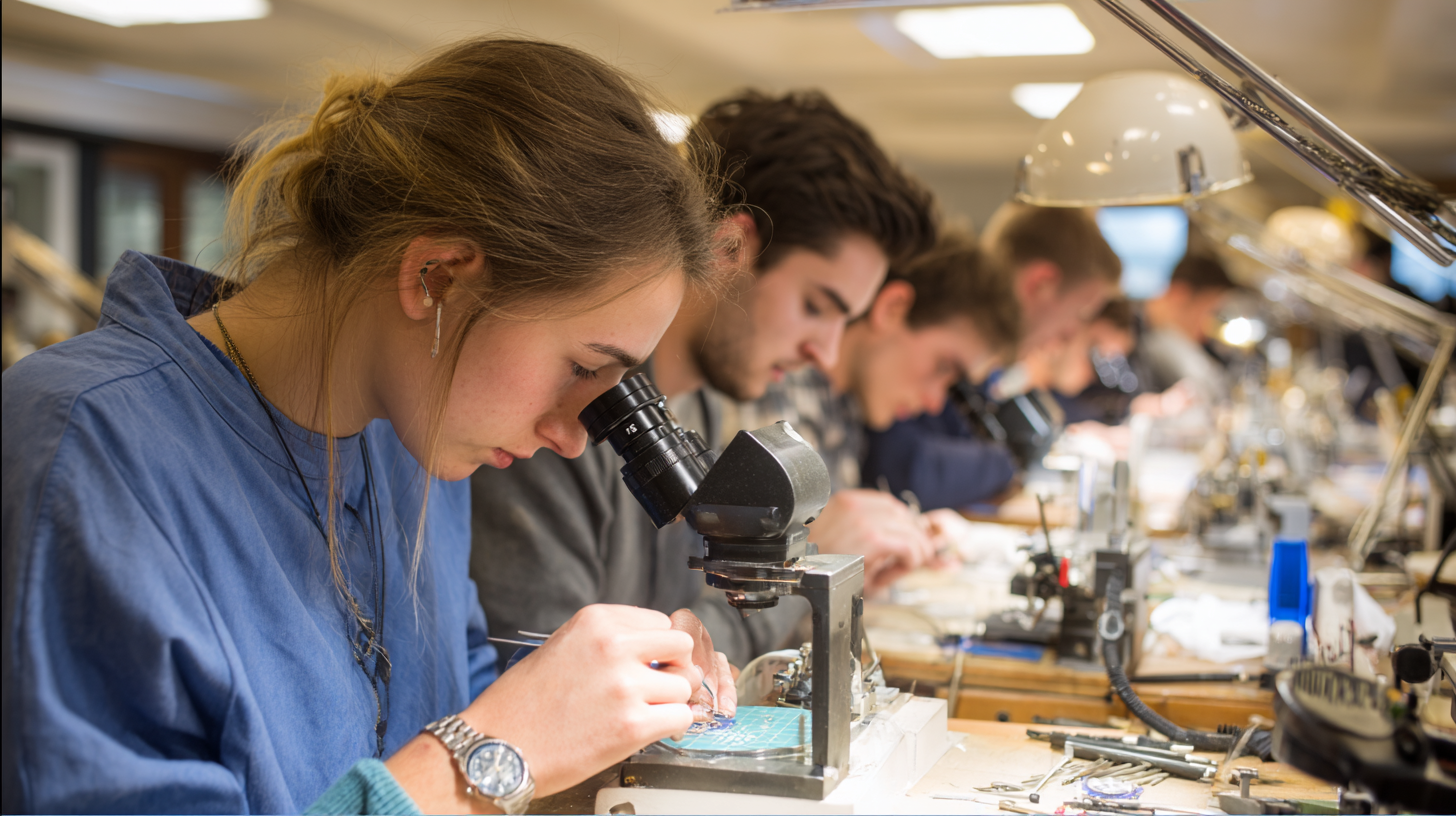
Mentorship plays a crucial role. Veteran watchmakers guide apprentices through tasks that require steady hands, analytical thinking, and near-meditative focus. In these classrooms, mistakes are part of the learning process — a single misaligned gear can teach a student more than a dozen lectures. When they graduate, these young artisans uphold a lineage of craftsmanship that stretches centuries into the past. Switzerland’s commitment to education ensures that the future of horology remains in capable hands, preserving the essence of a cultural legacy built on precision.
Bienne: Where Tradition Meets Technological Innovation
Bienne (Biel) is another key center of Swiss watch culture, best known as the home of major brands like Omega and Swatch. What differentiates Bienne is its seamless integration of tradition and technology. The city embraces cutting-edge innovation while maintaining a deep respect for mechanical heritage. Laboratories equipped with robotic arms, nanotechnology instruments, and advanced testing chambers sit alongside traditional ateliers where artisans still polish bridges by hand.
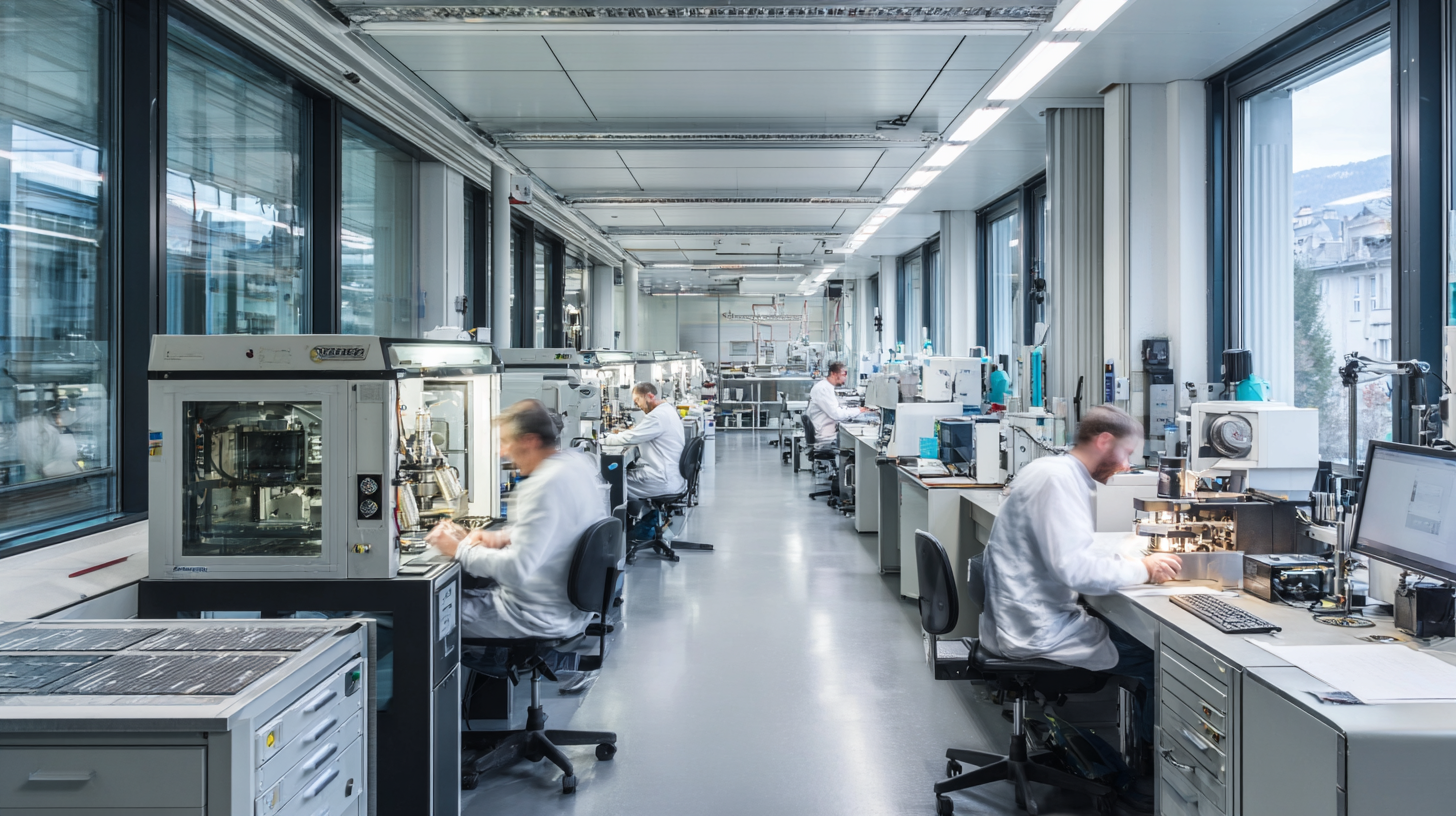
This dual identity reflects Switzerland’s broader approach to watchmaking: honor what works, improve what can be refined, and innovate where imagination allows. In Bienne, tourbillon regulators, silicon balance springs, and antimagnetic movements are developed with scientific precision. These advancements push the limits of accuracy, durability, and efficiency while keeping the spirit of mechanical watchmaking alive. For visitors, Bienne offers a glimpse into the future of Swiss horology — one built on both scientific rigor and artistic devotion.
The Master Watchmakers: Artists of Microscopic Worlds
Behind every exceptional timepiece is a master watchmaker whose skill borders on the extraordinary. These artisans dedicate their lives to perfecting mechanisms that must operate flawlessly for decades — sometimes centuries — without error. A single high-end watch can contain hundreds of components, many smaller than a grain of rice. Assembling these elements requires precision, patience, and a deep emotional connection to the craft. For many watchmakers, building a movement is an intimate act of creation, one that blends logic with artistry.
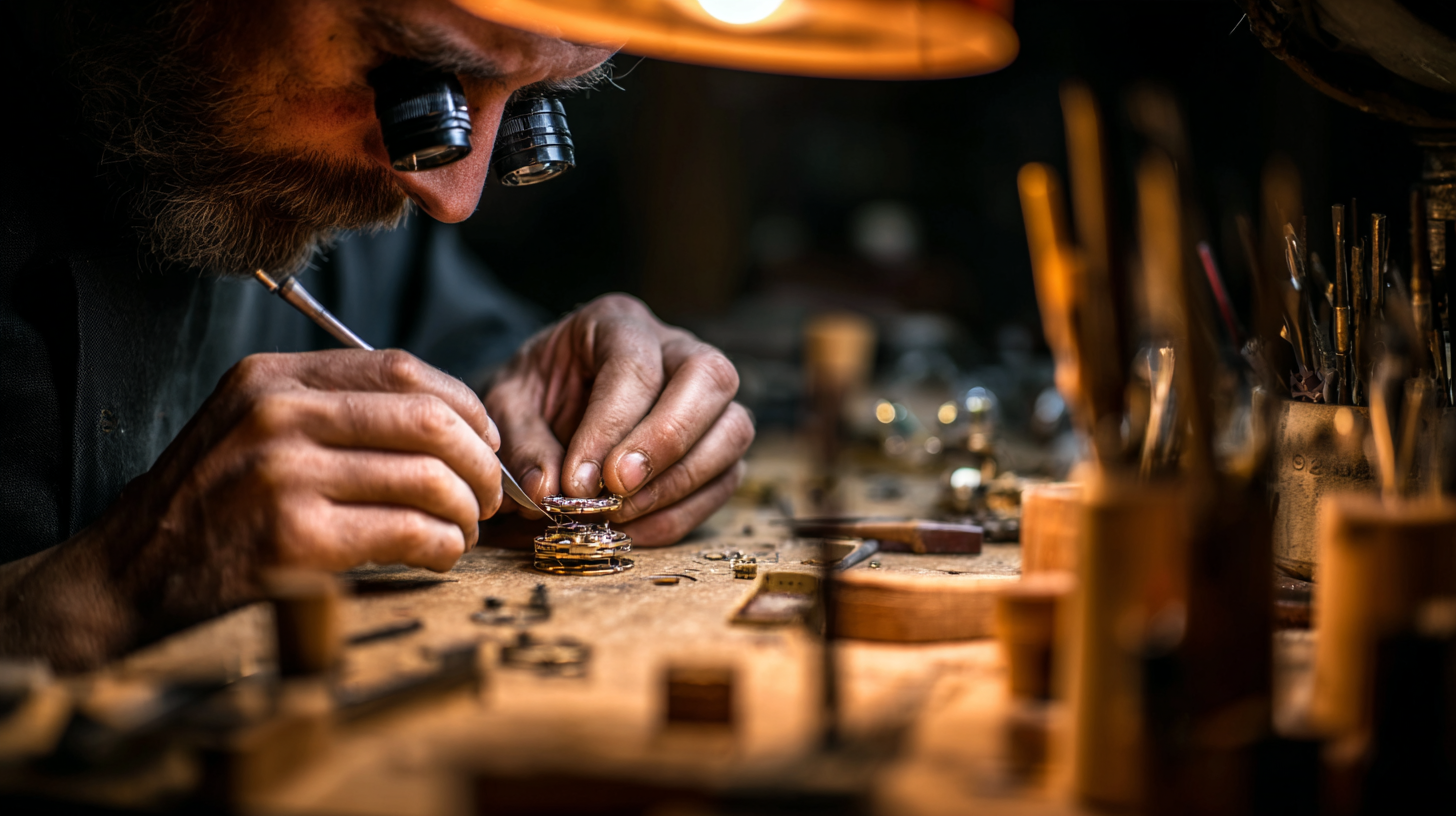
Workbenches are often lit by daylight or soft lamps, and the quiet concentration within a watchmaker’s workshop feels almost sacred. Tools have changed little over generations — tweezers, screwdrivers, loupes — because the human hand remains the most refined instrument of all. These watchmakers embody the essence of Swiss excellence: discipline, humility, and meticulous dedication. Their work transforms a watch from a functional device into a masterpiece of mechanical poetry.
The Geneva Seal: A Symbol of Perfection
Among the highest honors in the world of watchmaking is the Geneva Seal, an exclusive certification awarded only to timepieces produced within the canton of Geneva and crafted according to strict standards of quality. Receiving the Geneva Seal is not simply a technical achievement — it is a recognition of artistry, ethics, and heritage. Watches bearing this hallmark must meet rigorous requirements related to finishing, movement design, precision, and craftsmanship.
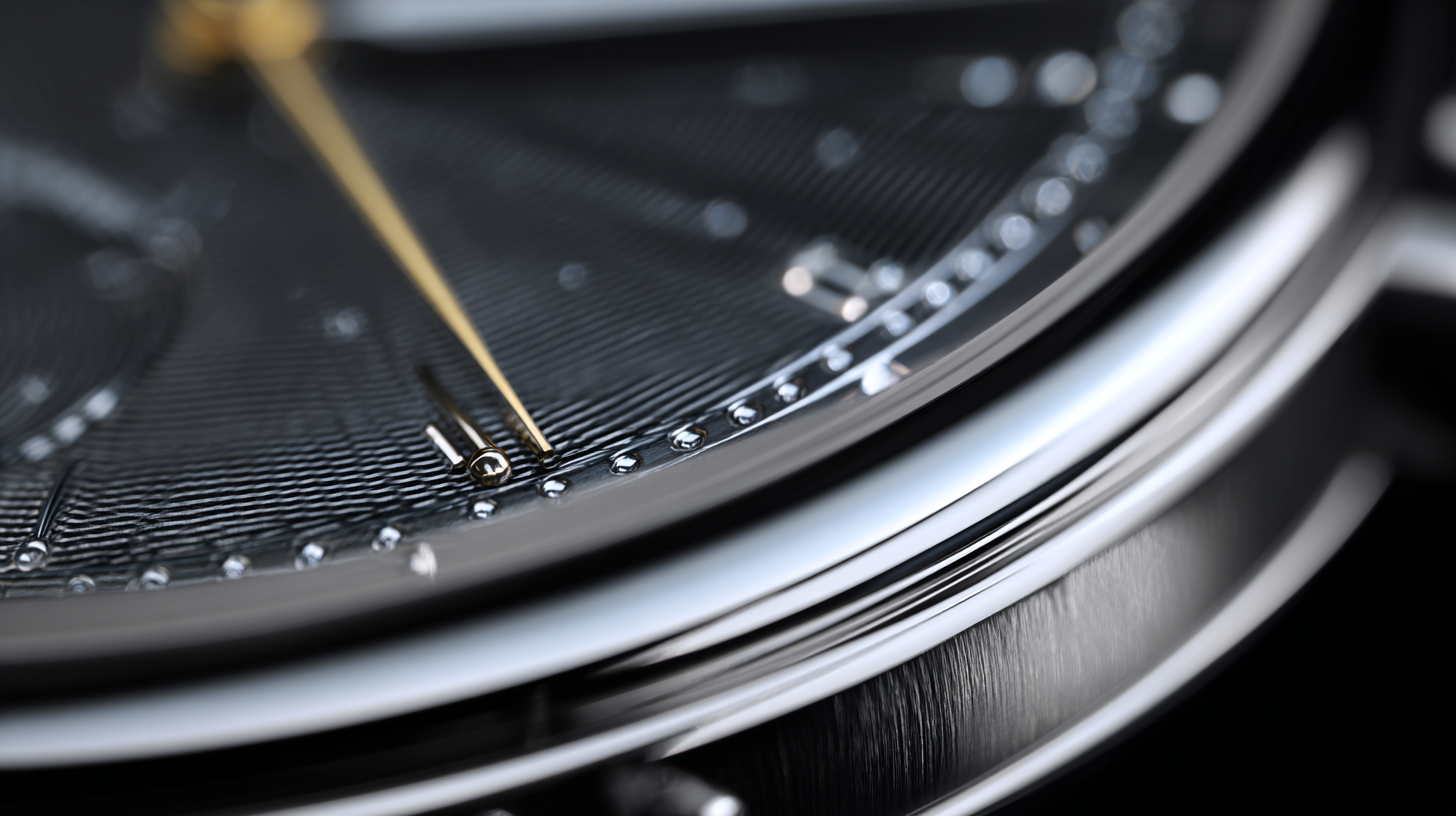
The Seal symbolizes more than perfection; it represents the spirit of Swiss watchmaking itself. The meticulous finishing of polished bevels, Geneva stripes, anglage, and hand-engraving demonstrates the care invested in every surface, even those invisible to the wearer. When a watch receives the Geneva Seal, it enters a small and elite circle of masterpieces that embody the highest ideals of the craft. For collectors and enthusiasts, it is a mark of authenticity and cultural prestige.
The Future of Swiss Horology: Innovation Rooted in Tradition
While Swiss watchmaking is steeped in history, it is far from static. The future of the industry is shaped by new materials, advanced engineering, and a growing focus on sustainability. Brands are experimenting with carbon composites, titanium alloys, recycled steel, lab-grown diamonds, and transparent ceramics that push the boundaries of design. These innovations reflect an industry willing to evolve without compromising its core identity.
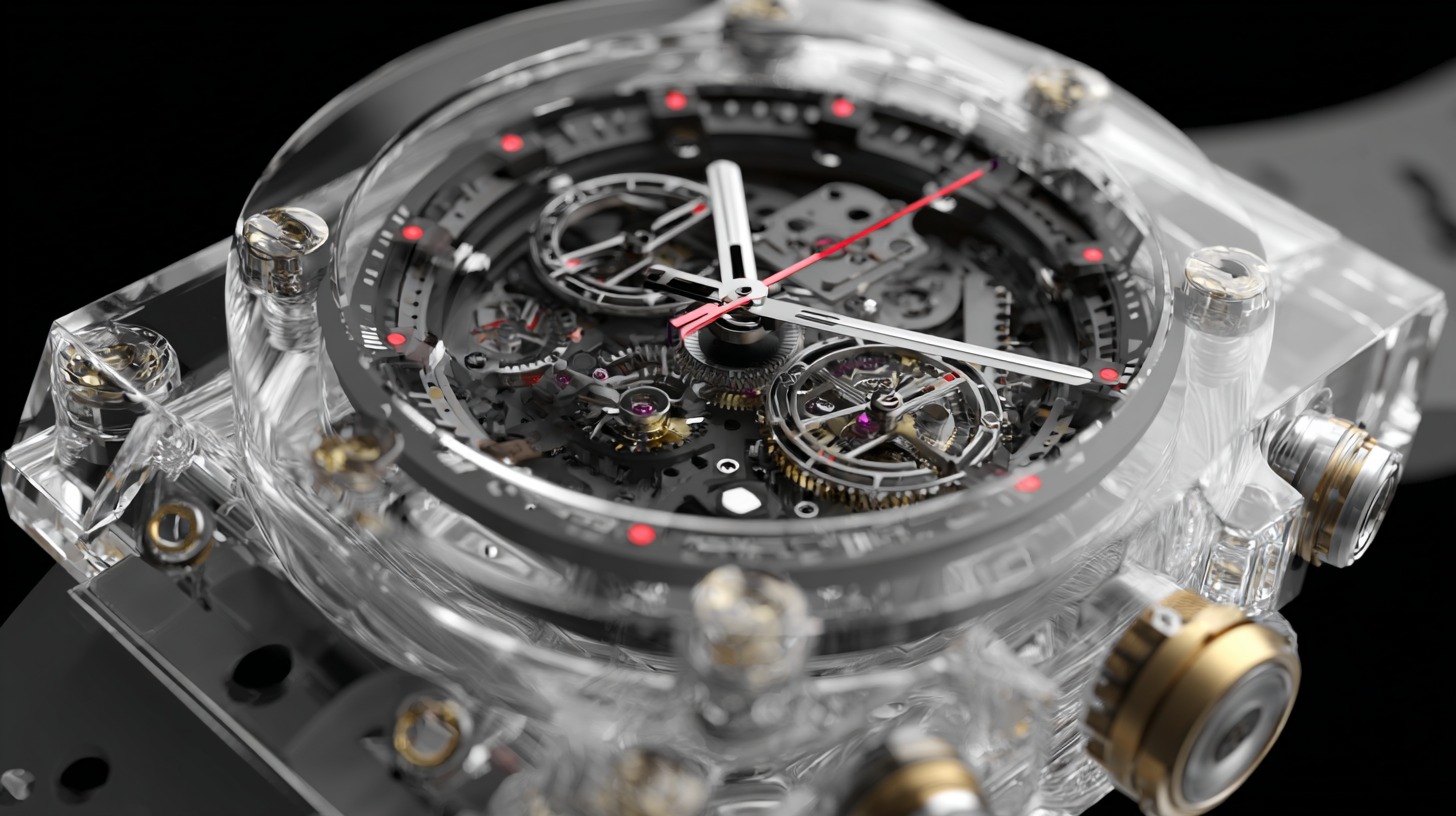
At the same time, mechanical watches continue to inspire emotional connection in a digital world dominated by smart devices. Collectors and newcomers alike appreciate the artistry behind traditional movements — a fascination that transcends trends. Swiss watchmakers understand that their role is not to compete with digital technology but to offer something timeless: beauty, craftsmanship, and a piece of human ingenuity. The future of Swiss horology will be one where tradition and innovation coexist, each enriching the other.
Conclusion
Swiss watches stand at the crossroads of art, science, and cultural heritage. From the historic workshops of Geneva to the industrial precision of La Chaux-de-Fonds and the technological laboratories of Bienne, Switzerland has built an industry that defines global excellence. Every timepiece is a reflection of centuries of knowledge, countless hours of craftsmanship, and an unwavering commitment to perfection. To explore Swiss watchmaking is to discover a world where time is not merely measured — it is honored, shaped, and celebrated. In a rapidly changing world, Swiss watches remain symbols of patience, beauty, and human genius — timeless creations in every sense of the word.
According to the Federation of the Swiss Watch Industry (FHS), Swiss watchmaking remains a global benchmark for precision and quality.