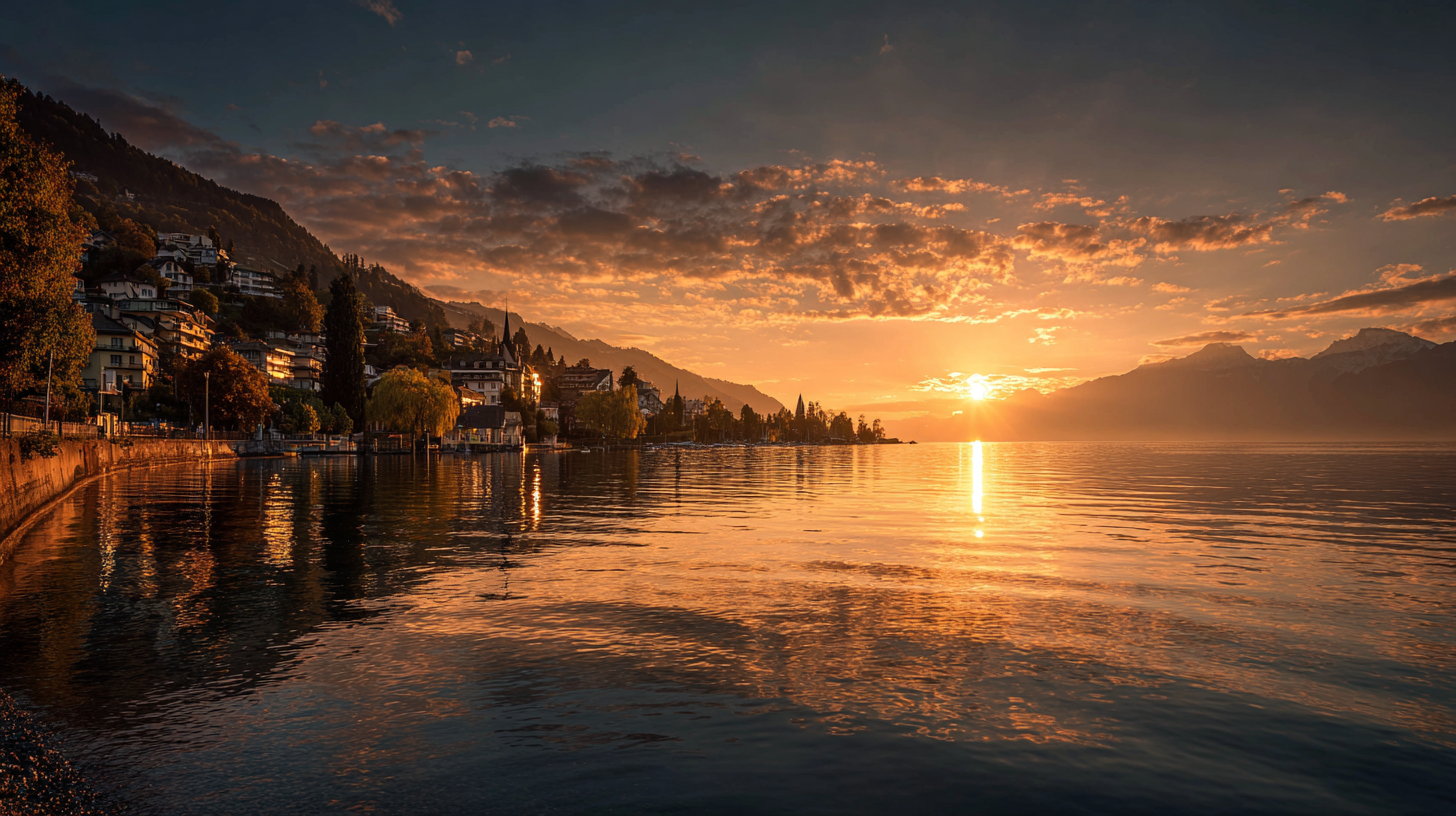

Switzerland lakes are more than bodies of water — they are the lifeblood of the country’s landscapes, history, and cultural identity. Carved by glaciers and framed by towering mountains, these lakes shape the rhythm of Swiss life, offering serenity, recreation, and a connection to nature that feels almost sacred. Each lake has its own personality: some mirror elegant cities, others lie beneath dramatic peaks, while a few preserve stories of medieval legends and alpine folklore. Exploring Switzerland through its lakes is a journey through landscapes where nature and culture flow together seamlessly. This exploration reveals a Switzerland defined not only by mountains, but by the shimmering waters that give the country its soul.
Also Read: Swiss Cultural Festivals
Lake Geneva: Poetry, Elegance, and Alpine Grandeur
Lake Geneva, shared between Switzerland and France, is one of the most captivating freshwater landscapes in Europe. Its vast, glassy surface reflects the silhouette of the Alps, creating a dramatic meeting point of water and mountains. Along its Swiss shores lie cities such as Geneva, Lausanne, and Montreux — each contributing a unique blend of cultural sophistication and natural beauty. The lake’s ambiance is shaped by contrasts: lively promenades, quiet vineyards, historic castles, and gentle waves that catch the soft light of sunrise and dusk. It is no surprise that Lake Geneva has inspired writers, musicians, and painters for centuries.
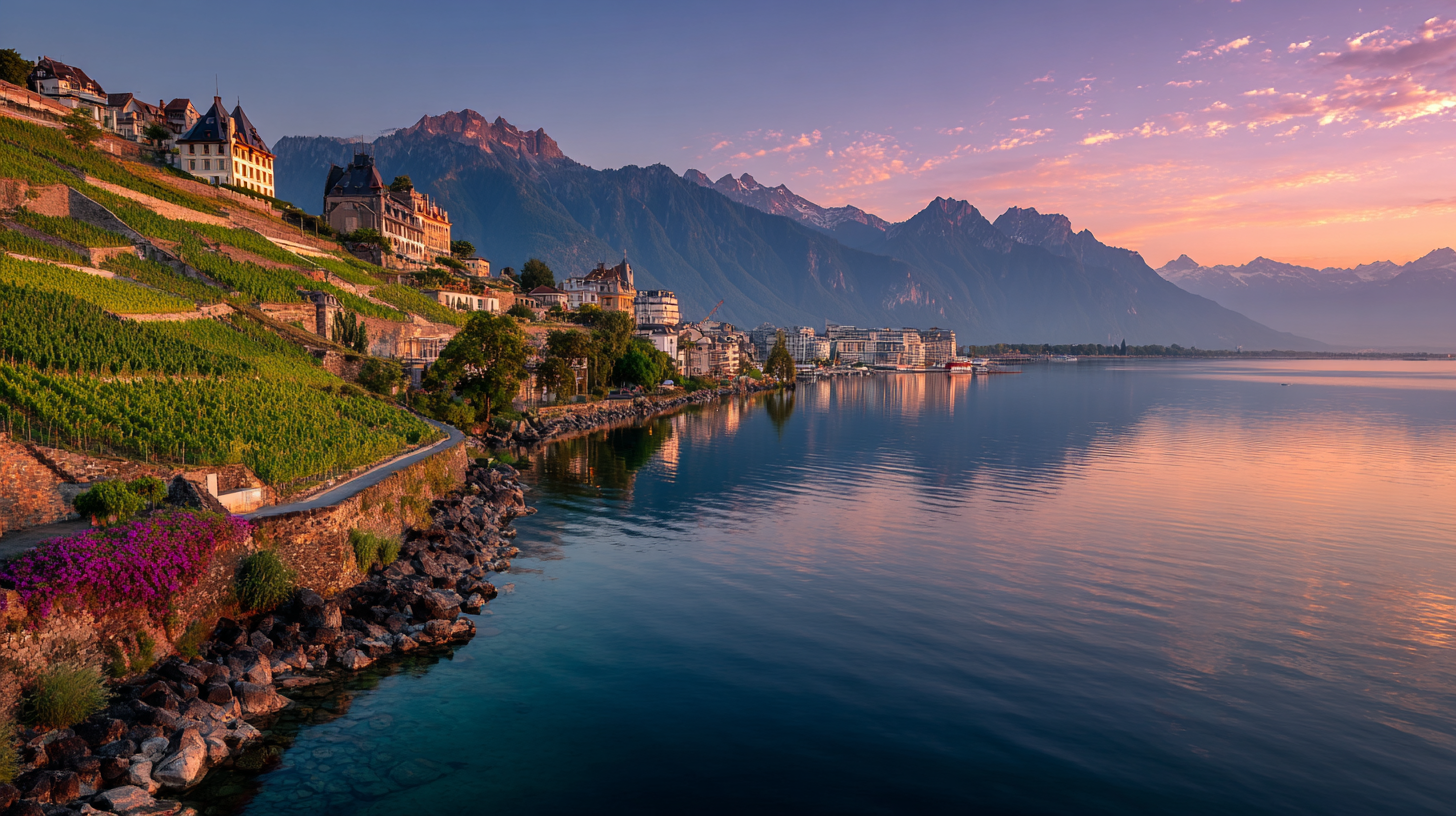
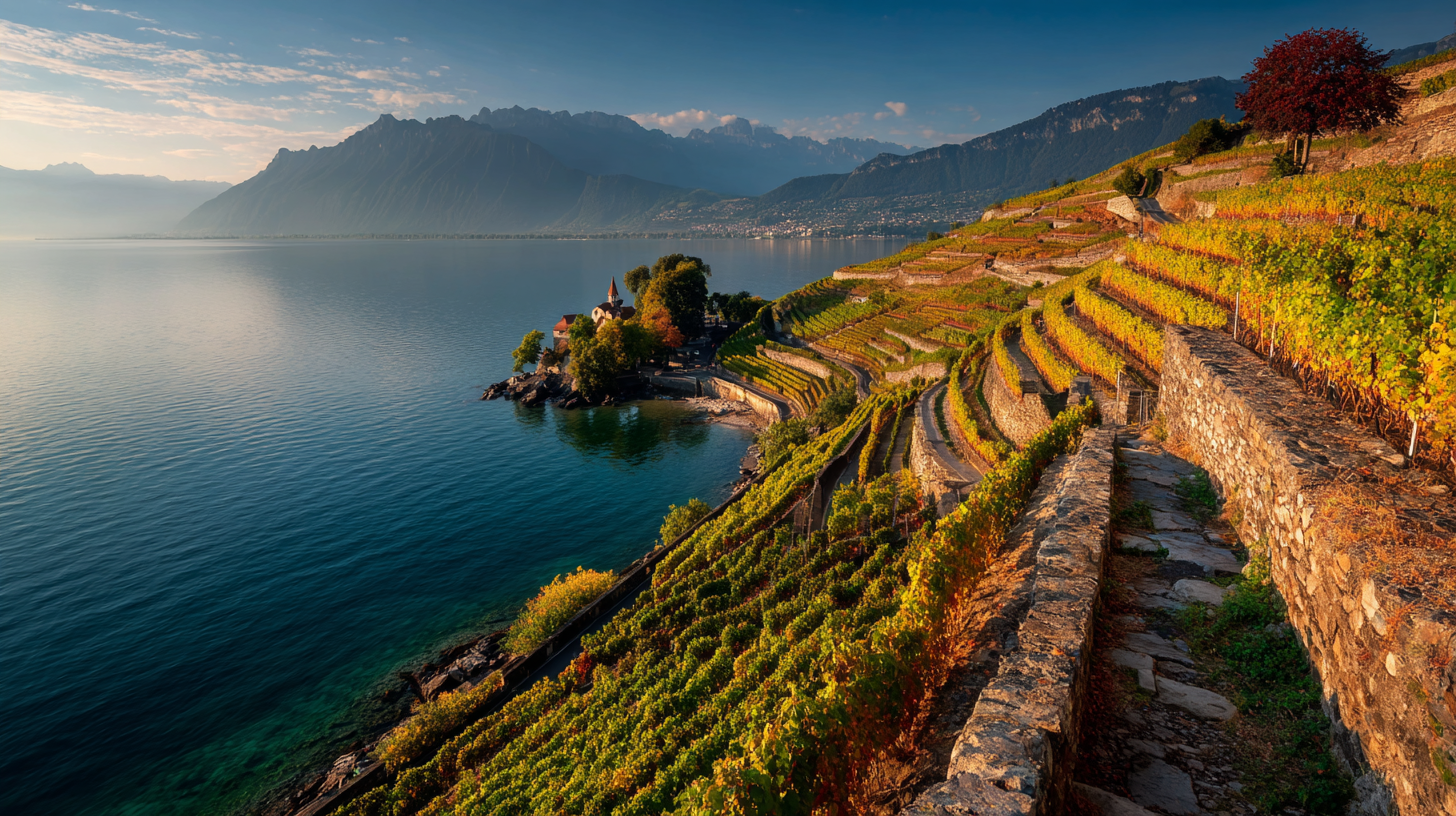
Travelers experience Lake Geneva as a place where elegance meets adventure. Scenic cruises reveal the lake’s immense scale and its many moods — from calm, mirror-like mornings to stormy afternoons where wind sweeps across its surface. The Lavaux vineyards rising above the northern shore form a UNESCO World Heritage landscape, offering terraces that seem to float above the water. Towns such as Montreux host world-famous cultural events, from jazz festivals to literary gatherings, while medieval Chillon Castle remains one of the most iconic fortresses in Switzerland. Around every curve of the shoreline, Lake Geneva presents a different facet of its character, making it endlessly fascinating to explore.
Cultural Heritage and Wine Traditions of Lake Geneva
The villages surrounding Lake Geneva carry centuries of cultural and agricultural heritage. Lavaux, with its ancient terraced vineyards, stands as living proof of human ingenuity and devotion to the land. Winegrowers have shaped these terraces stone by stone since the Middle Ages, creating a region where craftsmanship and tradition blend with spectacular scenery. Visitors walking through Lavaux’s winding paths witness both the agricultural rhythms of vineyard life and the breathtaking panorama where rows of vines meet the deep blue lake.
Local culture thrives along the shore as well. Lausanne’s historic center, Geneva’s cosmopolitan charm, and Montreux’s artistic spirit each highlight the diverse cultural expressions shaped by the lake. Museums, galleries, and lakeside cafés bring together residents and travelers in an atmosphere that feels leisurely yet sophisticated. Whether enjoying a glass of Chasselas overlooking the water or strolling the promenades at sunset, Lake Geneva offers a refined yet welcoming glimpse into Swiss lakeside life.
Recreation and Natural Experiences Around Lake Geneva
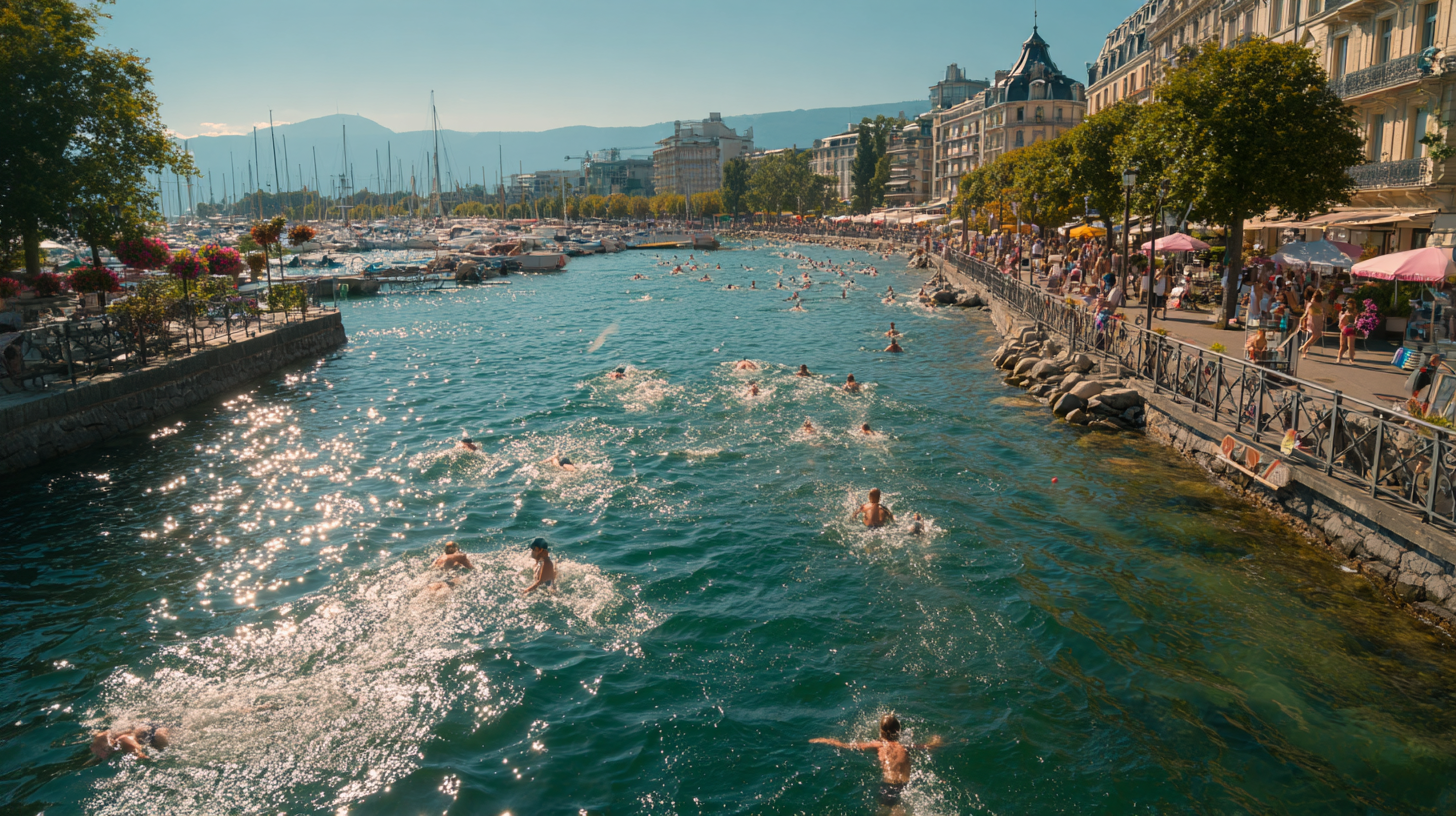
Lake Geneva is a playground for outdoor enthusiasts, offering activities that range from tranquil to exhilarating. In summer, the lake comes alive with sailing boats, paddleboards, windsurfers, and swimmers who gather at scenic public beaches. The mild climate and calm waters make it an ideal destination for boat tours, with routes connecting charming lakeside towns and vineyard-covered hillsides. Many visitors choose to explore the lake on traditional paddle steamers — historic vessels that glide gracefully across the water, offering panoramic views of alpine peaks.
Nature lovers also find countless hiking and cycling paths along the lake’s perimeter. Trails wind through vineyards, coastal forests, and clifftop lookouts where the lake stretches into the horizon. Winter brings its own magic, transforming the surrounding mountains into ski destinations while the lakeside towns glow with festive lights. No matter the season, Lake Geneva invites visitors to slow down, breathe deeply, and savor the harmony between water, mountains, and culture.
Lake Zurich: The Harmony of City and Nature
Lake Zurich offers a completely different atmosphere — one where modern urban energy blends seamlessly with natural beauty. The lake is framed by the vibrant city of Zurich on one end and quiet, picturesque villages on the other. Commuters board ferries in the early morning light, joggers follow the lakeside paths, and families gather in shaded parks along the promenade. This harmonious coexistence between city life and nature is what makes Lake Zurich so uniquely appealing.
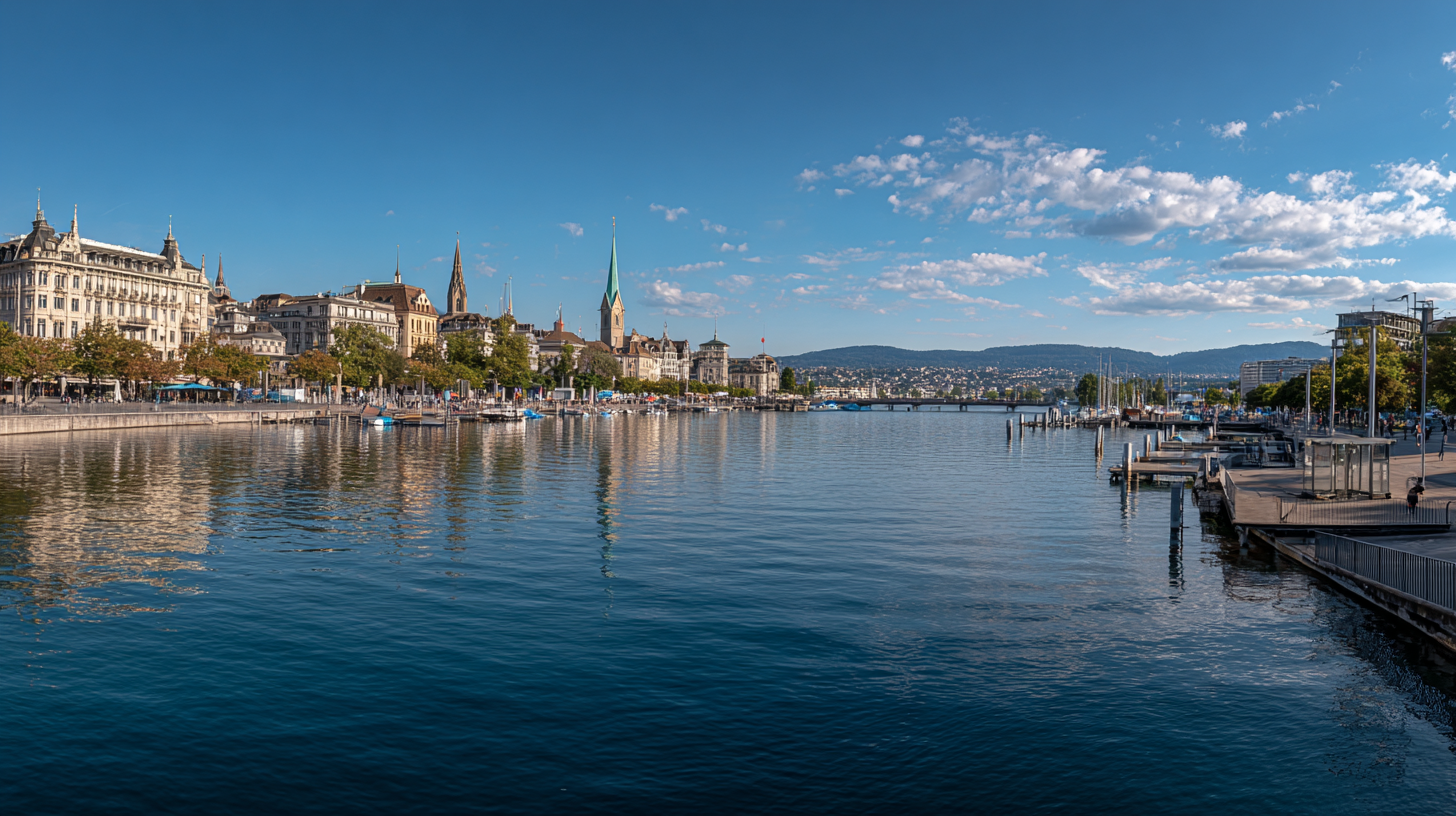
Zurich’s waterfront is a focal point of social life. During warm months, locals flock to “Badis” — public bathing areas set on piers or enclosed by floating platforms — for a refreshing swim with city views. Boat tours reveal a side of Zurich that feels softer and more serene, offering glimpses of historic districts, church spires, and distant alpine silhouettes. Traveling farther along the lake, guests discover tranquil towns such as Küsnacht, Meilen, and Rapperswil, each with charming lakeside promenades, traditional Swiss homes, and panoramic vistas. Lake Zurich’s blend of elegance, nature, and urban culture creates an atmosphere that is both dynamic and peaceful.
Outdoor Adventures and Seasonal Beauty of Lake Zurich
Around Lake Zurich, outdoor activities are woven into the fabric of daily life. The lake’s walking and cycling paths are among the most scenic in the region, guiding travelers through forests, rolling hills, and waterfront viewpoints. In summer, sailboats glide across the water while paddleboarders weave between moored boats and waterfront cafés. The gentle lake breezes make it a perfect destination for windsurfing and wakeboarding, attracting both beginners and experienced athletes.
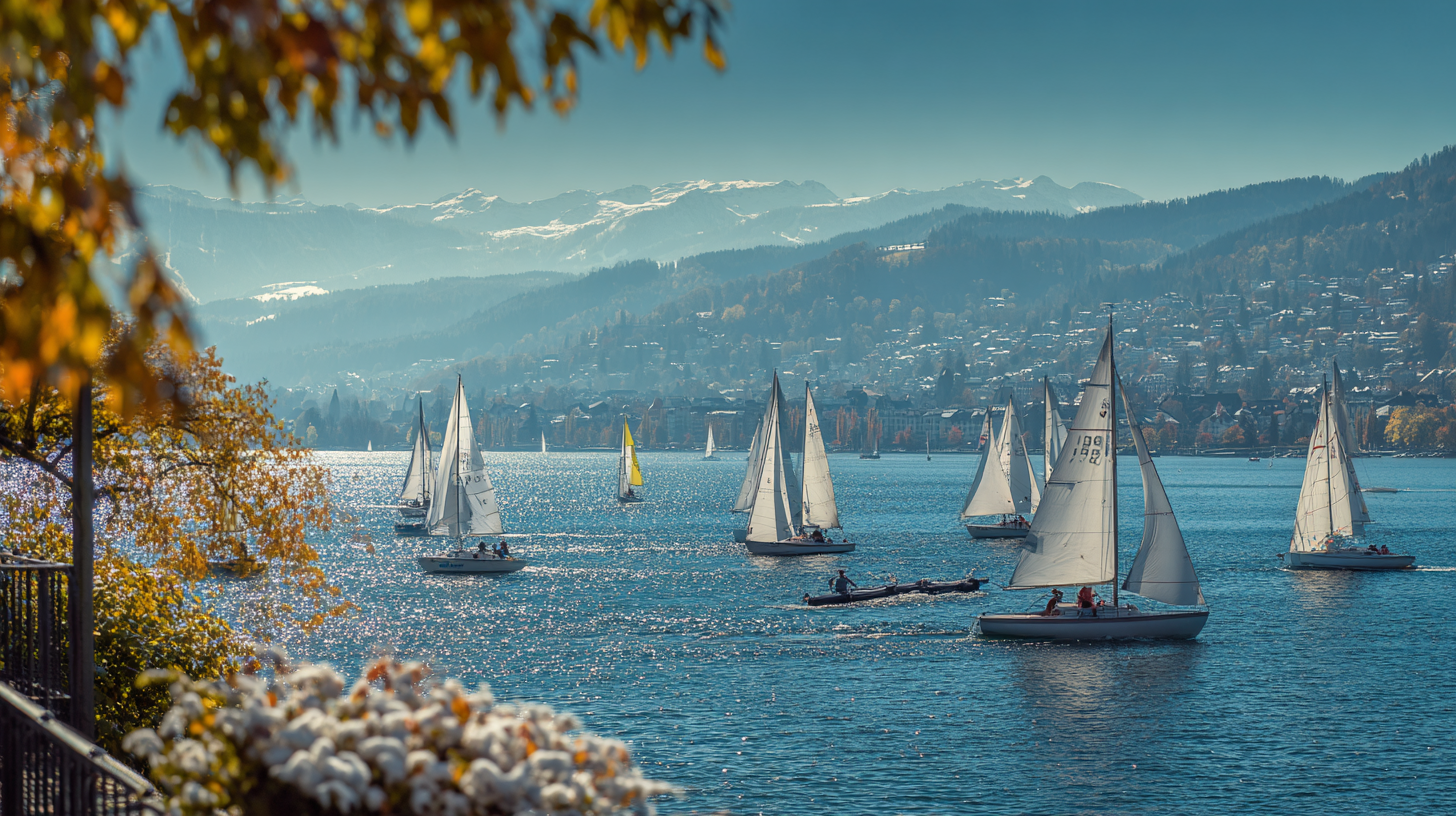
Winter transforms Lake Zurich into a quiet, reflective landscape. Snow-dusted trees line the promenades, and the distant Alps shine brilliant white under crisp blue skies. Seasonal markets and cultural festivals bring warmth and life to the city even in the coldest months. Whether bathed in summer sunlight or wrapped in winter calm, Lake Zurich continues to embody Switzerland’s ability to blend natural beauty with contemporary living.
Lake Lucerne: A Landscape of Legends and Alpine Majesty
Lake Lucerne is perhaps the most dramatically beautiful of Switzerland’s lakes, shaped like a star with winding arms that stretch between steep mountains. Its deep blue waters reflect rugged peaks, creating a landscape that feels mythic and immersive. The region is central to Swiss national identity, with historical sites, battlefields, and folk legends woven into its surroundings. The lake itself seems to hold stories of ancient heroes, medieval confederations, and alpine guardians.
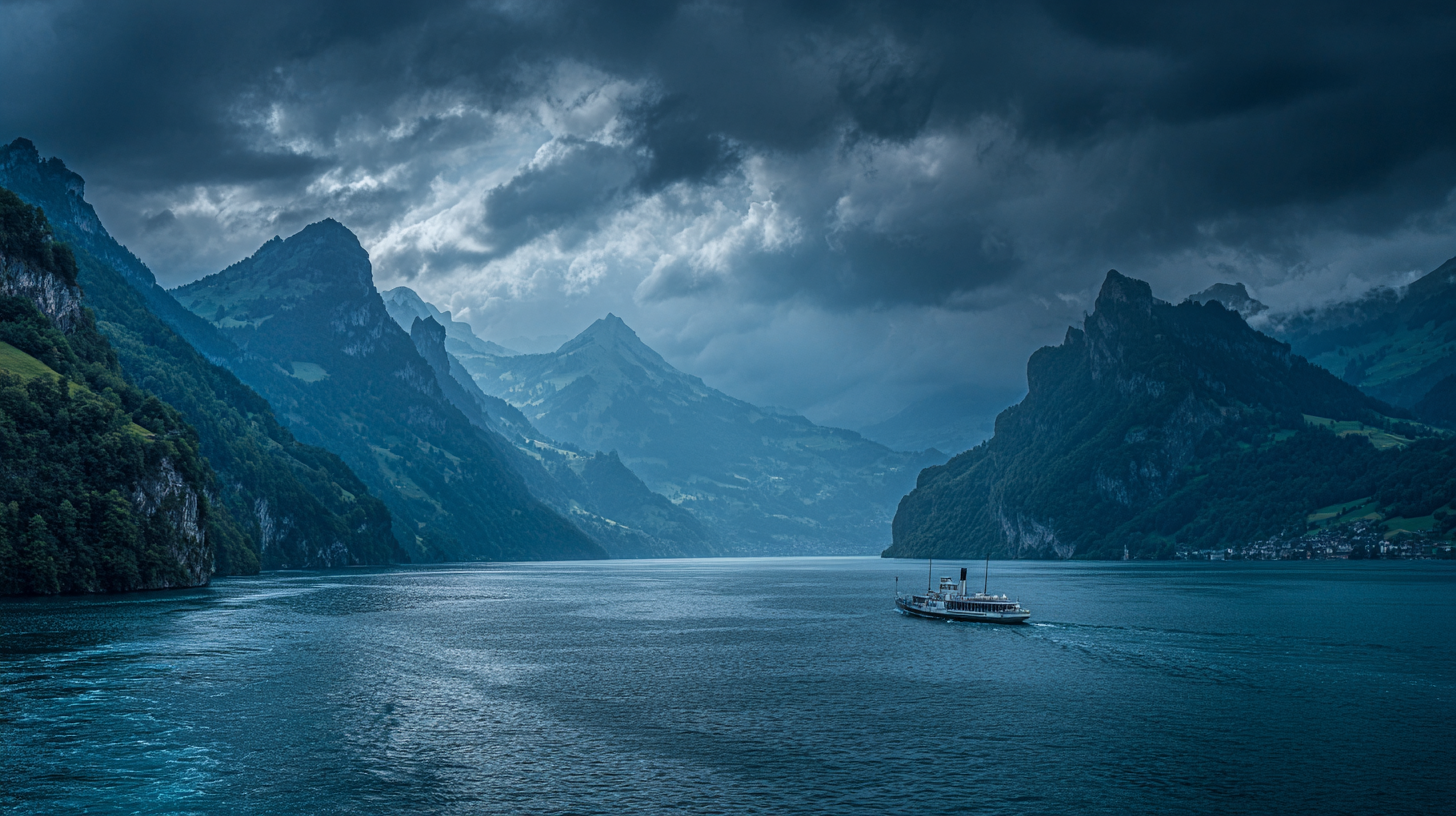
Lucerne, the cultural heart of the region, combines medieval architecture with a lively arts scene. Wooden bridges, baroque churches, and lakeside promenades create an ambiance that is both historic and stylish. From the town, visitors can journey across the lake on vintage paddle steamers, passing hidden bays, rocky cliffs, and quaint villages tucked between hills. Every corner of Lake Lucerne’s shoreline feels unique — some tranquil, others monumental — forming an intimate relationship between water and mountain.
Historical Sites and Mythic Landscapes of Lake Lucerne
Lake Lucerne is home to some of the most important historical landmarks in Switzerland. Tell’s Chapel, built to honor the legendary hero William Tell, stands on the lake’s edge, accessible by boat. Its paintings depict the iconic tale of rebellion and liberty — a story that resonates deeply in Swiss culture. Nearby lies the meadow of Rütli, considered the birthplace of the Swiss Confederation. This site symbolizes unity and perseverance, values central to the country’s identity.
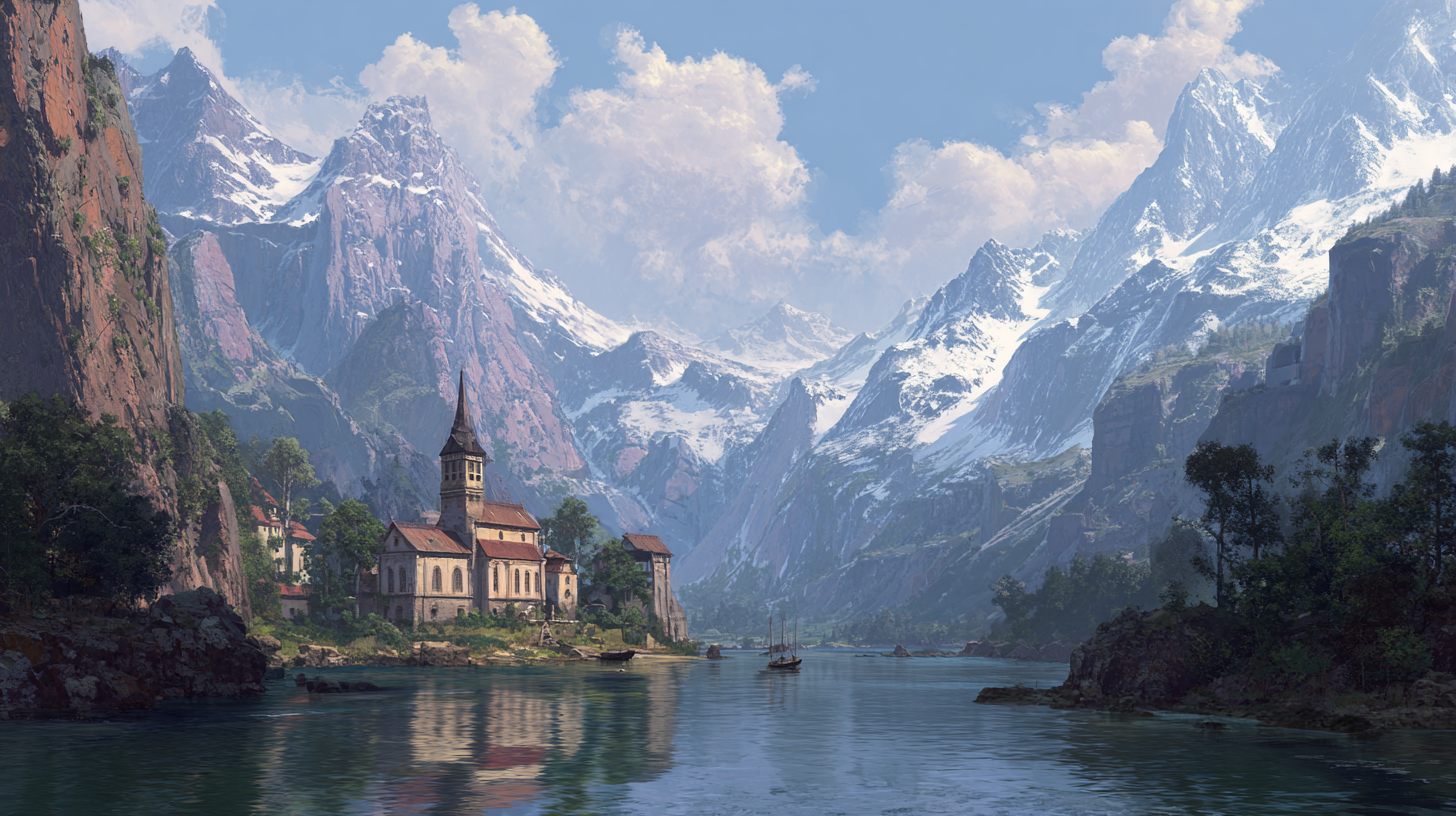
The mountains surrounding the lake enhance this sense of history and folklore. Mount Pilatus, shrouded in legends of dragons and spirits, offers sweeping views accessible by one of the world’s steepest cogwheel trains. Mount Rigi, known as the “Queen of the Mountains,” provides sunrise vistas that attract visitors year-round. Whether exploring myths or landscapes, the region around Lake Lucerne feels like stepping into a storybook filled with ancient tales and alpine grandeur.
Adventure, Recreation, and Alpine Serenity
Lake Lucerne is a haven for adventure seekers and nature enthusiasts alike. Its unique shape, with narrow channels and wide basins, makes boating an exciting and varied experience. Traditional paddle steamers offer nostalgic journeys, while private boat rentals allow travelers to explore secluded coves and hidden viewpoints. Kayakers glide through quiet waters framed by towering cliffs, experiencing the lake from its most intimate angles.

Beyond the water, the region’s mountains provide world-class hiking, mountain biking, and paragliding. Trails vary from gentle lakeside strolls to challenging alpine climbs, rewarding explorers with views that capture the essence of Switzerland. In winter, snow-covered peaks offer skiing, snowshoeing, and warm mountain lodges where travelers can unwind after a day outdoors. Lake Lucerne’s mix of dramatic nature and accessible adventure creates a sense of freedom and wonder that stays with visitors long after they leave.
Cuisine and Lakeside Lifestyle Across Switzerland
Swiss lakes are inseparable from the culinary experiences that flourish around them. Lakeside towns offer dishes rooted in alpine tradition — fresh fish, cheese varieties, aromatic wines, and seasonal specialties. In Geneva, visitors dine on perch fillets while overlooking the water. Zurich’s waterfront restaurants pair modern Swiss cuisine with urban ambiance. Around Lake Lucerne, lakeside villages serve regional classics in settings where mountains reflect across the water.
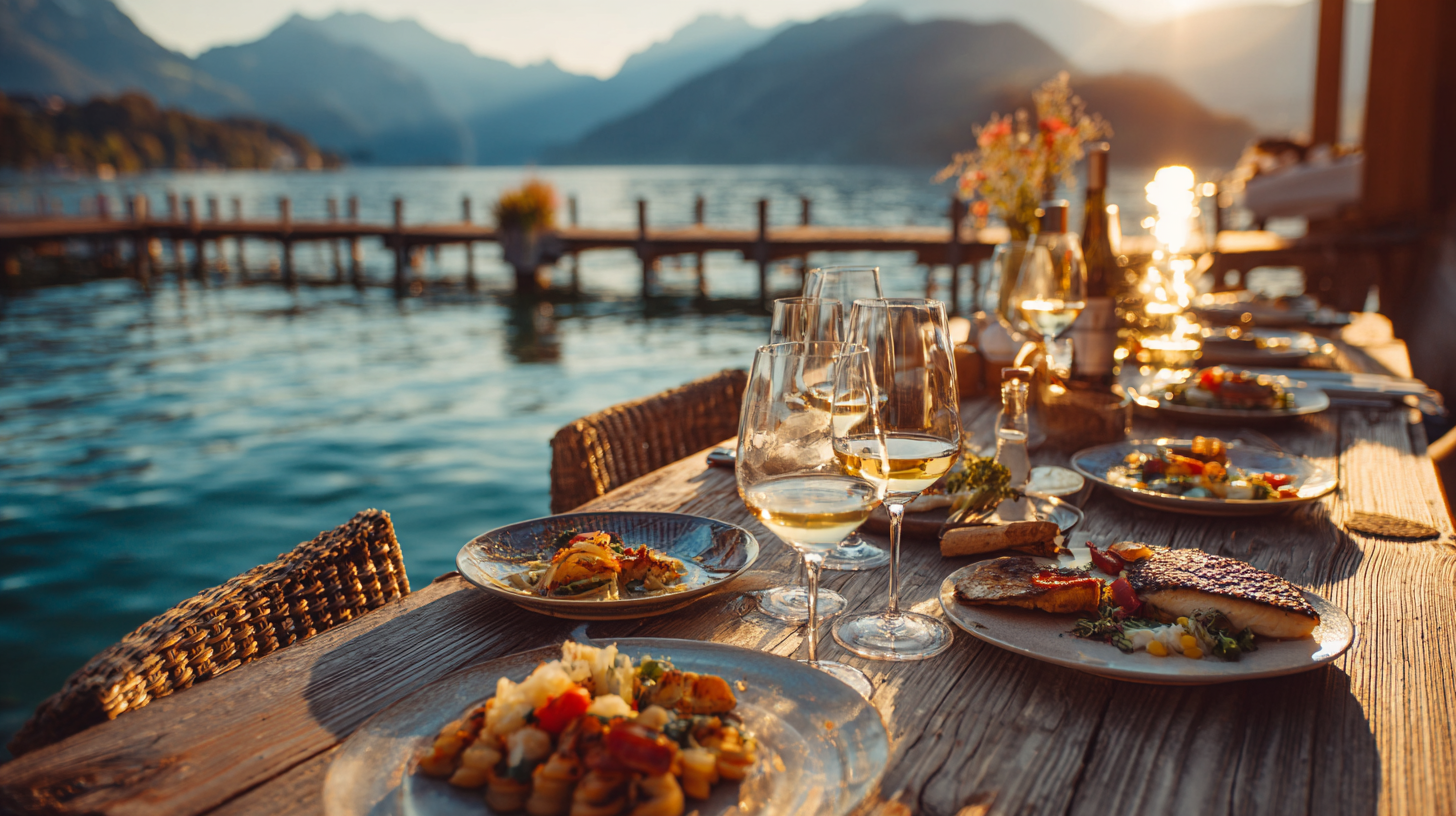
Dining by the lake becomes an experience that blends flavor with scenery. Terraces overlook sunsets, vineyards rise behind tiny restaurants, and mountain silhouettes make every meal feel timeless. Whether sipping wine in Lavaux or enjoying a hot chocolate on Zurich’s promenade, the lakes shape the culinary rhythm of each region. This lakeside lifestyle reflects the Swiss appreciation for nature, quality, and simple pleasures.
Switzerland Lakes: Culture, Heritage, and Timeless Beauty
Though each lake offers its own scenery and spirit, they share a common thread: a connection between people and landscape. Over centuries, Swiss communities have built their lives around these waters, creating traditions that reflect harmony, resilience, and cultural pride. Festivals, markets, music events, and historic commemorations take place along the shores, celebrating the rhythms of nature and human creativity. The lakes serve not only as scenic wonders but as cultural anchors that continue to shape Swiss identity.
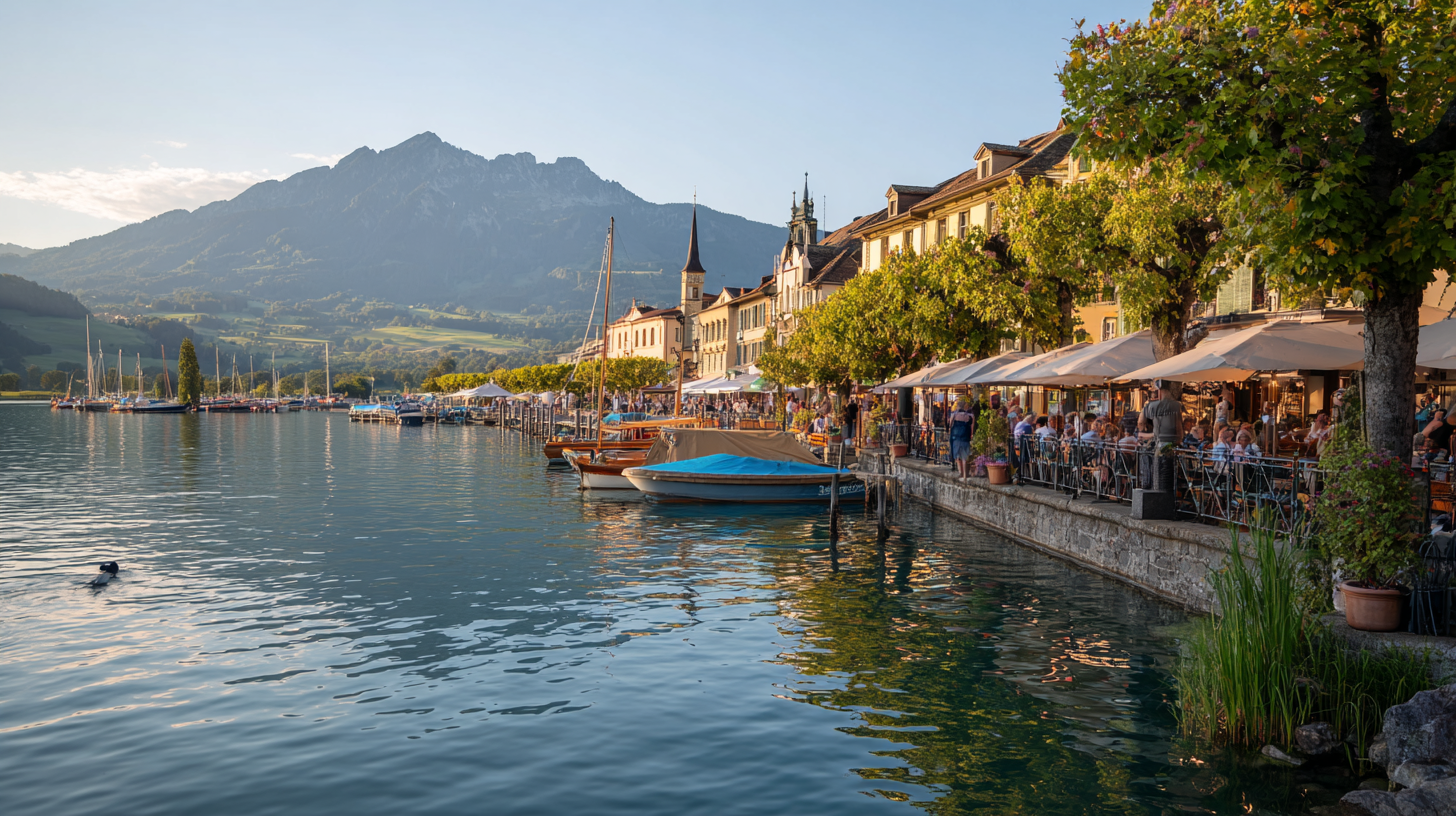
In many ways, Switzerland’s lakes represent the essence of the country’s philosophy: balance, beauty, and respect for nature. They invite reflection, exploration, and connection — whether through a quiet morning swim, a boat journey across calm waters, or a hike above shimmering blue expanses. To experience Switzerland through its lakes is to understand a nation that cherishes both adventure and serenity.
Conclusion
Switzerland’s lakes are gateways into the country’s natural splendor, cultural heritage, and alpine spirit. From the elegance of Lake Geneva to the urban-nature harmony of Lake Zurich and the mythic landscapes of Lake Lucerne, each lake offers a different chapter in Switzerland’s story. Together, they form a breathtaking mosaic of water, mountains, and tradition. Whether seeking inspiration, relaxation, or discovery, travelers find in Switzerland’s lakes a timeless beauty that lingers long after the journey ends.
Learn more on Switzerland’s official lakes and nature portal.