
Thai Wellness: A Journey Into Balance, Calm, and Cultural Healing
Thailand does not rush your arrival. It welcomes you slowly, like warm air rising from the earth at dusk or the soft echo of temple bells drifting across Bangkok’s rooftops. You feel it first in the way light settles on palm leaves, in the scent of lemongrass drifting from open kitchens, in the rhythm of footsteps moving through markets and temple courtyards. Thailand is a country where daily life flows with the gentle confidence of water — unhurried, harmonious, and aware of its own pace.
Wellness here is not an invention or a trend. It is woven into the culture’s very foundation: the way people greet each other with palms pressed together, the way monks move barefoot through morning streets, the way food is prepared with balance in mind, the way nature is treated not as a background but as a companion. Thailand invites you not to escape your life but to soften into it, to meet yourself with more ease, to breathe in a way you may have forgotten. It is a sanctuary where healing comes from place, people, and centuries of tradition.
This journey into Thai wellness is not a list of treatments or resorts. It is an exploration of the spaces — physical and emotional — where the country restores those who wander into its calm. In Thailand, tranquility is not a break from the world. It is a return to something essential within it.
Explore more of the country in our guide to Thai Royalty & Grand Palace
The Philosophy of Thai Wellness — A Harmony Rooted in Spirit and Nature
To understand Thailand’s wellness culture, you must first understand its philosophy: balance, compassion, and flow. These values shape everything — from massages and herbal rituals to meditation, food, and even architecture. They arise from Buddhism, traditional medicine, and centuries of observing how the human body responds to climate, landscape, and rhythm.
Thai wellness views the body as a vessel of energy pathways, influenced by what you eat, how you breathe, where you rest, and the thoughts you carry. Healing, therefore, is not a procedure — it is a realignment. A gentle return to equilibrium. Treatments are not designed to overwhelm but to guide: to release what has tightened, to warm what has grown cold, to soften what has become rigid through daily life.
Nature is a silent participant in this philosophy. Herbs infuse oils. Mountain air cools the body. Ocean breezes clear the mind. Even the architecture of spas and retreats often mimics natural flow — open spaces, water features, bamboo, stone, sunlight. Thailand knows that wellness cannot be forced. It can only be invited.
Thai Massage — Ancient Healing Through Pressure, Breath, and Movement
Thai massage is one of the country’s most recognizable wellness traditions, but to experience it properly is to understand that it is closer to meditation than indulgence. Practitioners use their palms, elbows, forearms, and even knees to guide the body through a series of stretches and pressures. Each movement is deliberate, anchored in breath and centuries-old knowledge passed down through monasteries and healers.
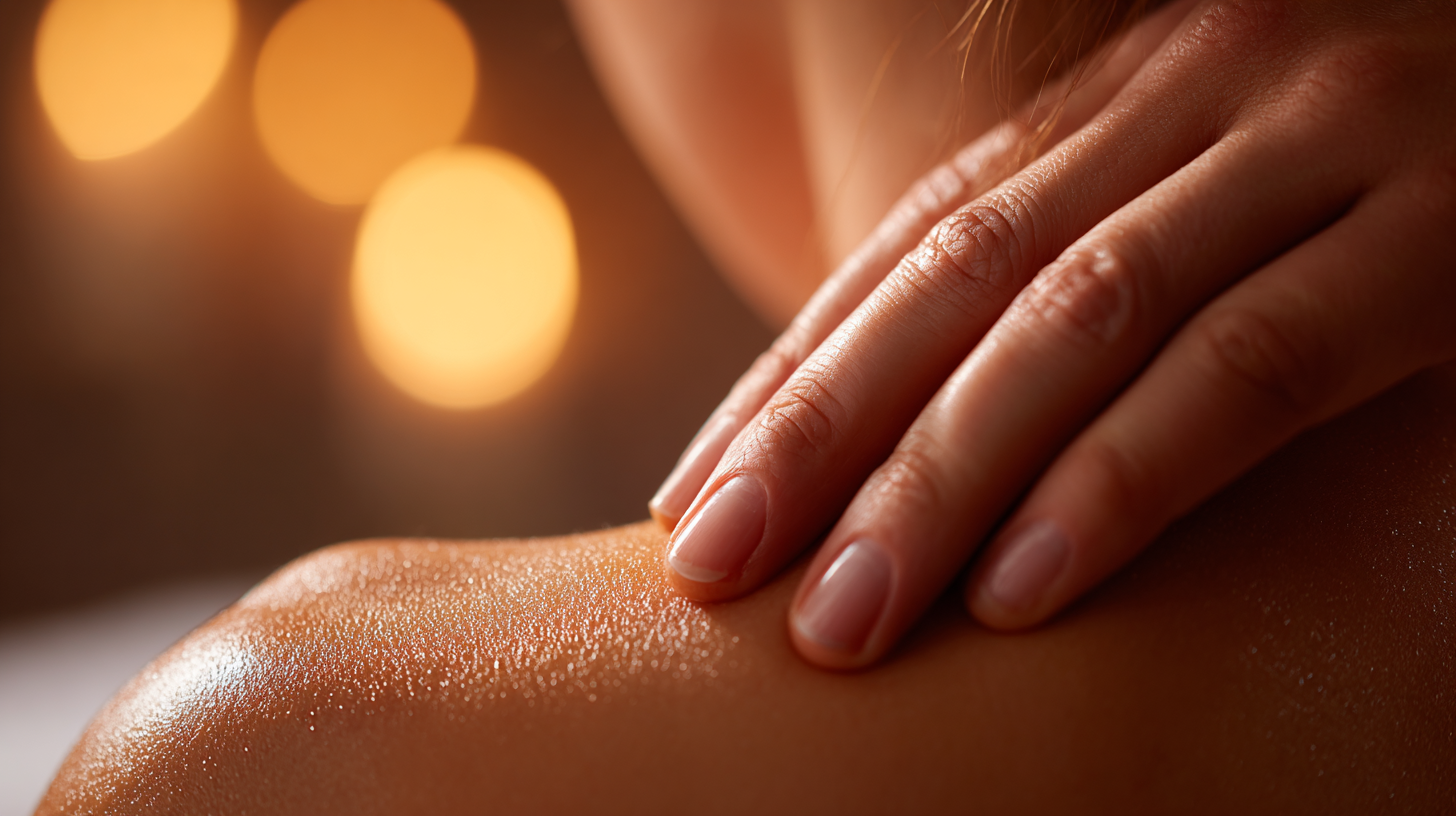
The treatment is both invigorating and grounding. It opens joints, lengthens muscles, and encourages energy to move freely. Some sessions feel like a slow dance between practitioner and guest — a wordless dialogue of alignment and release. Others are more intense, especially when tension sits deep within the body, but even then the rhythm remains steady, gentle, respectful.
Many travelers emerge from their first Thai massage surprised not just by how different they feel physically, but by how calm their mind has become. The treatment has a way of returning you to the present moment, drawing awareness back into the body. In Thailand, massage is not simply a luxury. It is part of a larger practice of health, a reminder that the body is a home that requires care, patience, and attention.
Herbal Traditions — Steam, Compresses, and the Wisdom of Plants
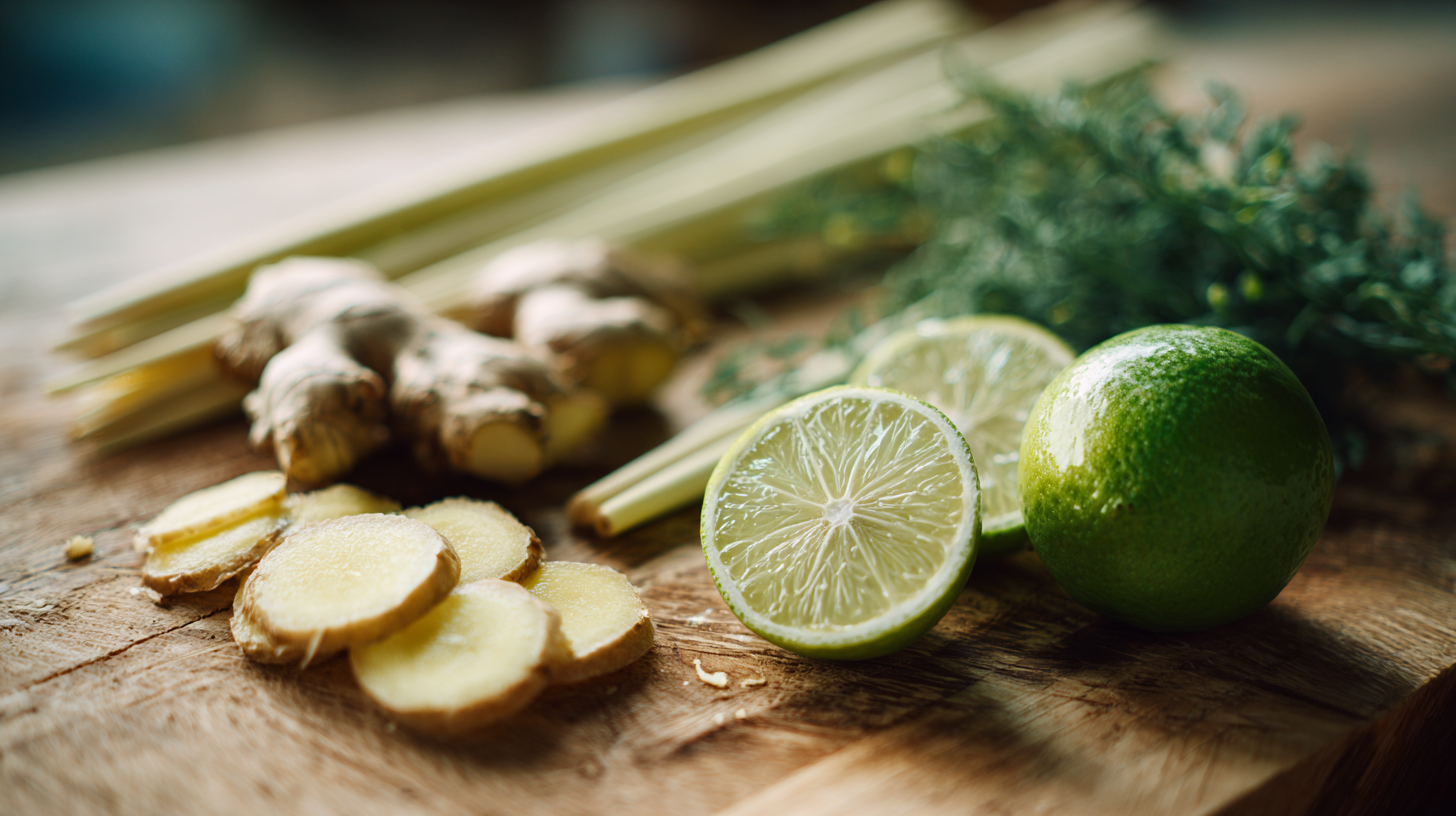
Thailand’s herbal healing traditions are a testament to how deeply the culture understands the natural world. For generations, healers have gathered roots, leaves, flowers, and barks not only for cooking, but for restoring the body’s balance. Many spa rituals still rely on these ancient formulas: steaming cloth compresses filled with turmeric, ginger, kaffir lime, lemongrass, camphor, and tamarind.
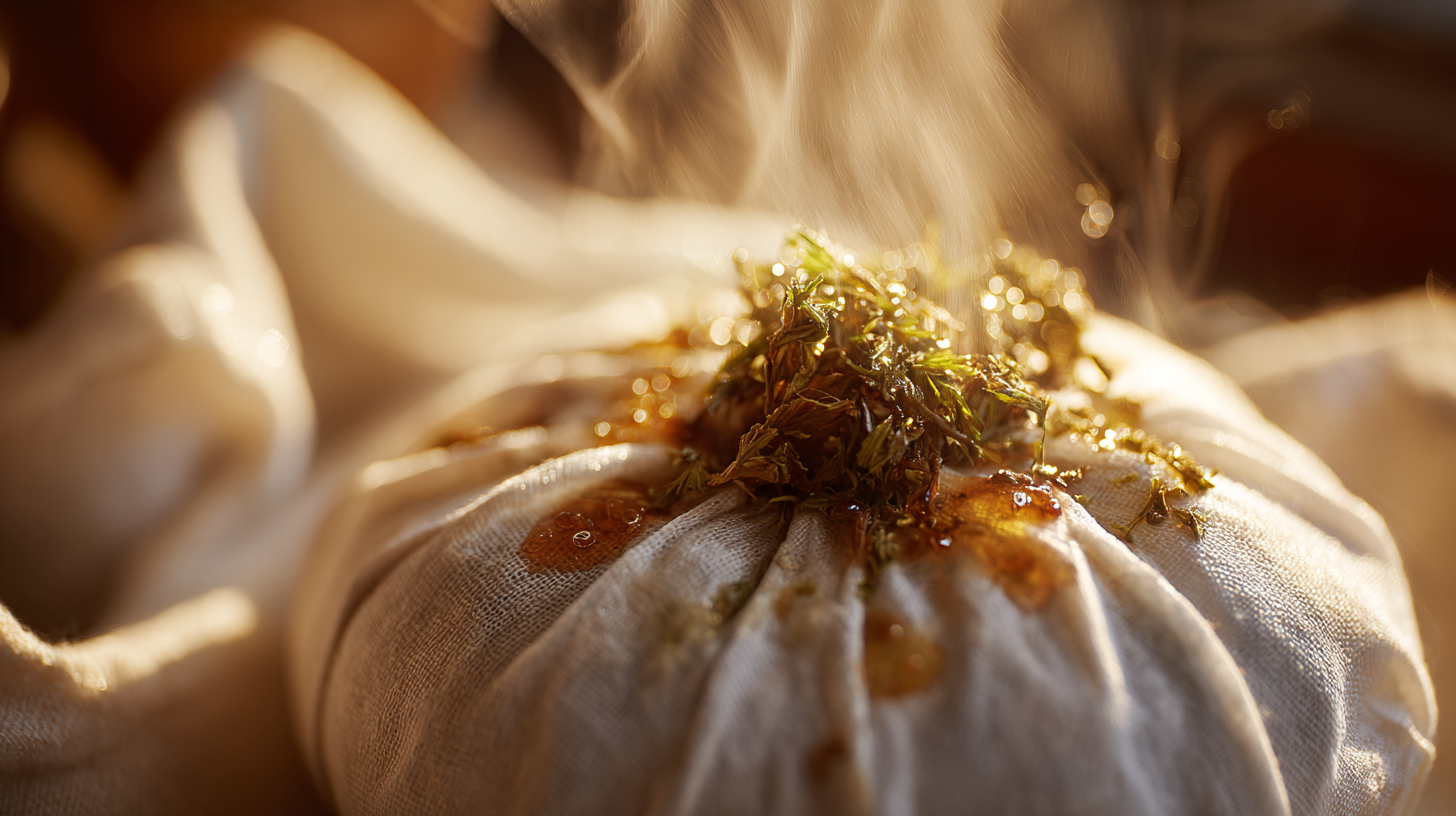
A herbal compress begins with heat — a deep, penetrating warmth that spreads through the muscles with each press. The aroma rises in waves, calming the mind before the body even responds. The combination of herbs reduces inflammation, stimulates circulation, and eases stiffness from travel or stress. Afterward, herbal steam rooms and saunas continue the process, opening pores and allowing the body to release what no longer serves it.
These treatments are not meant to be dramatic. Their power lies in simplicity. Thailand understands that the human body responds best to what grows naturally from the earth — and that healing should smell like forests after rain or kitchens filled with fresh ingredients.
Chiang Mai — Mountain Air, Monks’ Chants, and Slow Mornings
In northern Thailand, the city of Chiang Mai sits cradled by mountains, wrapped in mist and monastery walls. It is one of the country’s great wellness capitals, not because of luxury but because of atmosphere. Life moves slower here. Streets hum softly with the sound of monks collecting morning alms. Lanterns glow at dusk. Forest temples rise from hillsides, their golden spires catching early light.
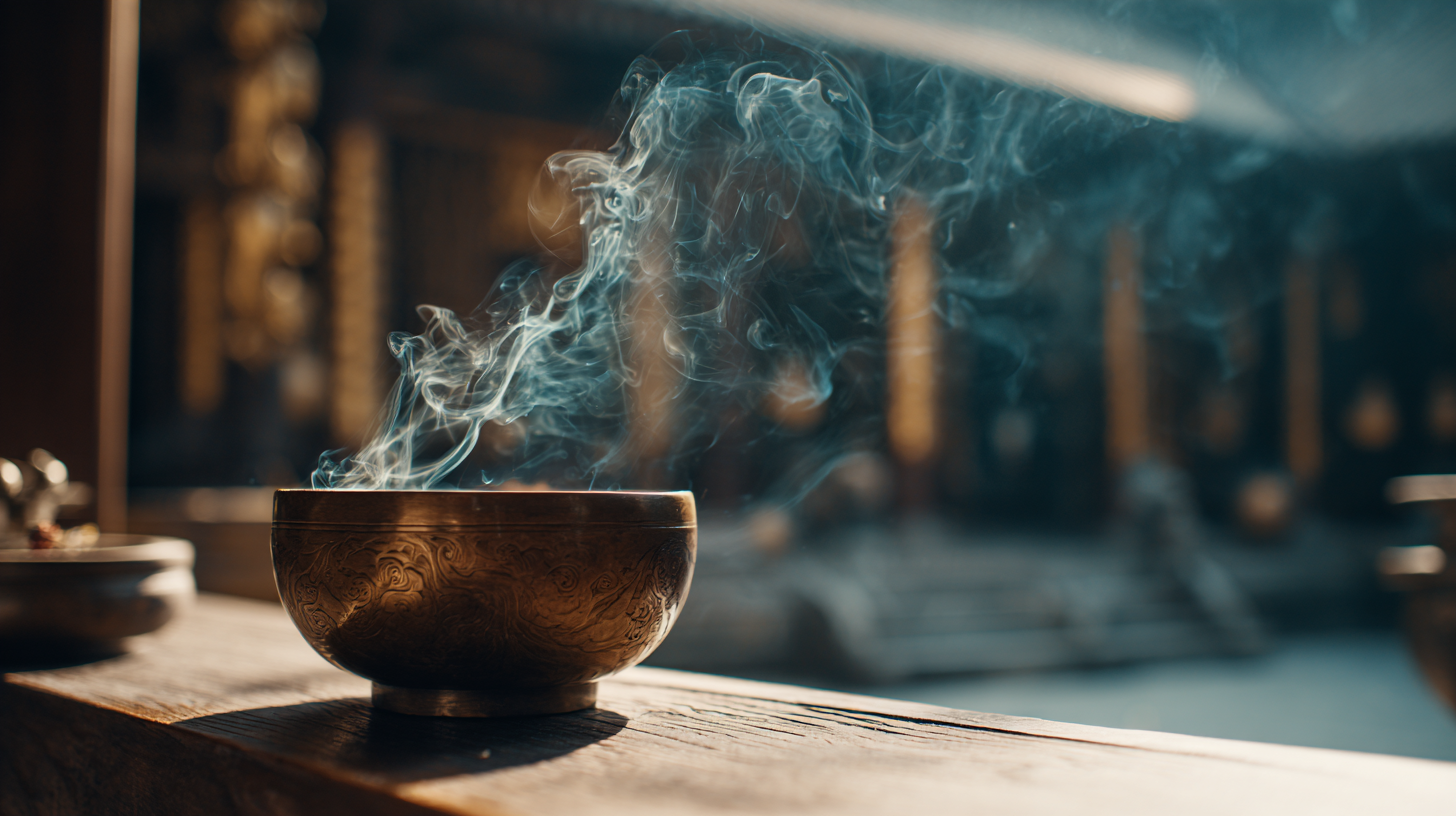
Retreats in Chiang Mai focus on reflection as much as relaxation. Days often begin with meditation, gentle yoga, or silent morning walks beneath teak trees. Thai massage sessions follow, enriched by the skill of northern practitioners who have studied traditional techniques for decades. Healthy meals feature local herbs, mountain vegetables, and broths infused with lemongrass or galangal. Afternoons stretch into open hours of journaling, reading, or wandering through quiet markets scented with fresh fruit.
What makes Chiang Mai unforgettable is its emotional landscape — the sense that time expands the moment you arrive. Travelers often say they “feel themselves returning” as they settle into the rhythm of the city. It is a place where your mind exhales and your body remembers the meaning of rest.
Pai — A Valley Where Time Moves Softly
Further into the mountains lies Pai, a small town often described as a sanctuary for dreamers, artists, and anyone seeking simplicity. The road there winds through dense forests and rolling hills, and by the time you reach the valley, life feels quieter, clearer, and easier to hold.
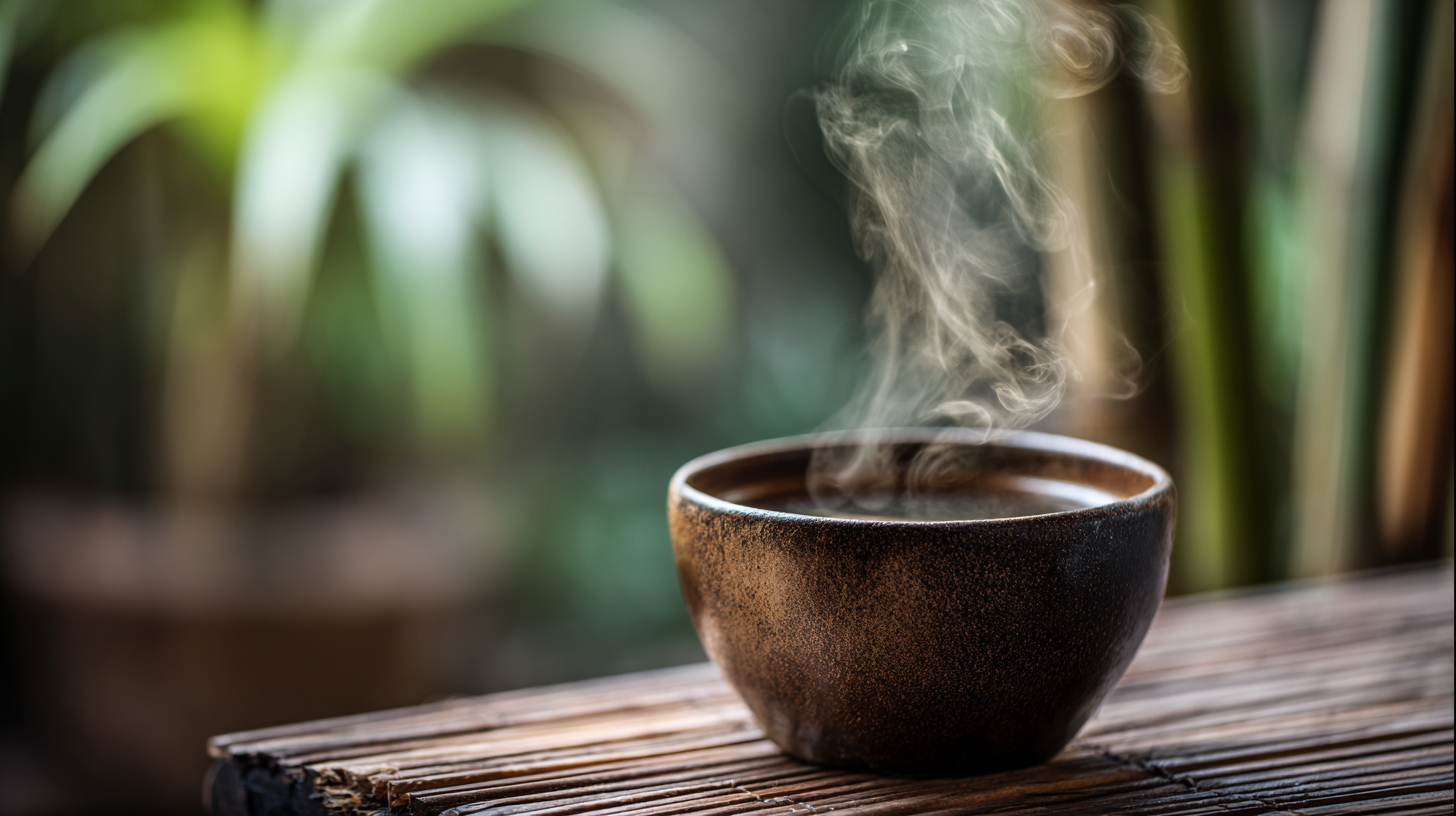
Wellness in Pai is unpolished in the best way — intimate bamboo bungalows with open-air showers, herbal steam domes built beside rivers, meditation platforms overlooking rice fields, and cafés where fresh juices and coconut bowls arrive without haste. Yoga studios open their doors at sunrise. Hot springs bubble beneath volcanic rock. Waterfalls hide behind jungled trails, waiting for those who walk slowly enough to notice their presence.
Pai is not about transformation. It’s about softening. You don’t push or discipline yourself here; you let the valley slow your heartbeat and the mountains steady your breath. Many travelers stay longer than planned, drawn into a serenity that feels effortless and deeply human.
Island Wellness — Ocean Breeze, Salt Skin, and Slow Days
On the southern islands — Phuket, Koh Samui, Koh Phangan, Koh Lanta — wellness drifts in on the tide. Each island has its own character, but all share the same elemental promise: water, warmth, and stillness. The ocean becomes both a playground and a healing force, soothing the senses through its endless rhythm.
Luxury spas here blend Thai tradition with oceanic tranquility. Treatments take place in open pavilions where sea breezes cool the air and the horizon glows blue from every direction. Coconut oil massages, aloe vera body wraps, and salt scrubs reconnect you with the elements through touch and scent. After treatments, guests often rest on shaded loungers, sipping herbal tea while waves whisper softly just beyond the deck.
But it is the island lifestyle — not just the spas — that creates healing. Sunrise swims, barefoot walks across warm sand, afternoon storms that roll in with dramatic beauty, and evenings spent watching lanterns float into sky. The islands remind you that rest can be simple. It can be found in water, shade, silence, and sky.
Detox & Holistic Retreats — Resetting Mind and Body
Modern wellness seekers often arrive in Thailand carrying the weight of long work weeks, digital overload, and emotional fatigue. Detox retreats across the country respond to this reality not with rigid severity, but with thoughtful programs designed to restore balance gently and sustainably.
These retreats often combine plant-based nutrition, intermittent fasting, herbal cleanses, colon hydrotherapy, infrared saunas, and structured movement practices. But the emphasis is always on support — trained staff guide you through each stage, ensuring the process feels empowering rather than overwhelming. Workshops on mindfulness, journaling, breathwork, and emotional resilience offer deeper layers of healing.
Unlike Western detox programs that sometimes focus narrowly on weight or discipline, Thai retreats emphasize wholeness. You rest. You breathe. You reconnect. You learn how to inhabit your body with kindness again. By the time you leave, the world feels clearer — not because it has changed, but because you have.
Yoga, Vipassana, and Forest Temples — The inward journey
Thailand is one of the world’s spiritual gateways — a place where external beauty often mirrors internal stillness. People come here not only to vacation but to listen inwardly, to rediscover clarity, to reconnect with their own breath and presence.
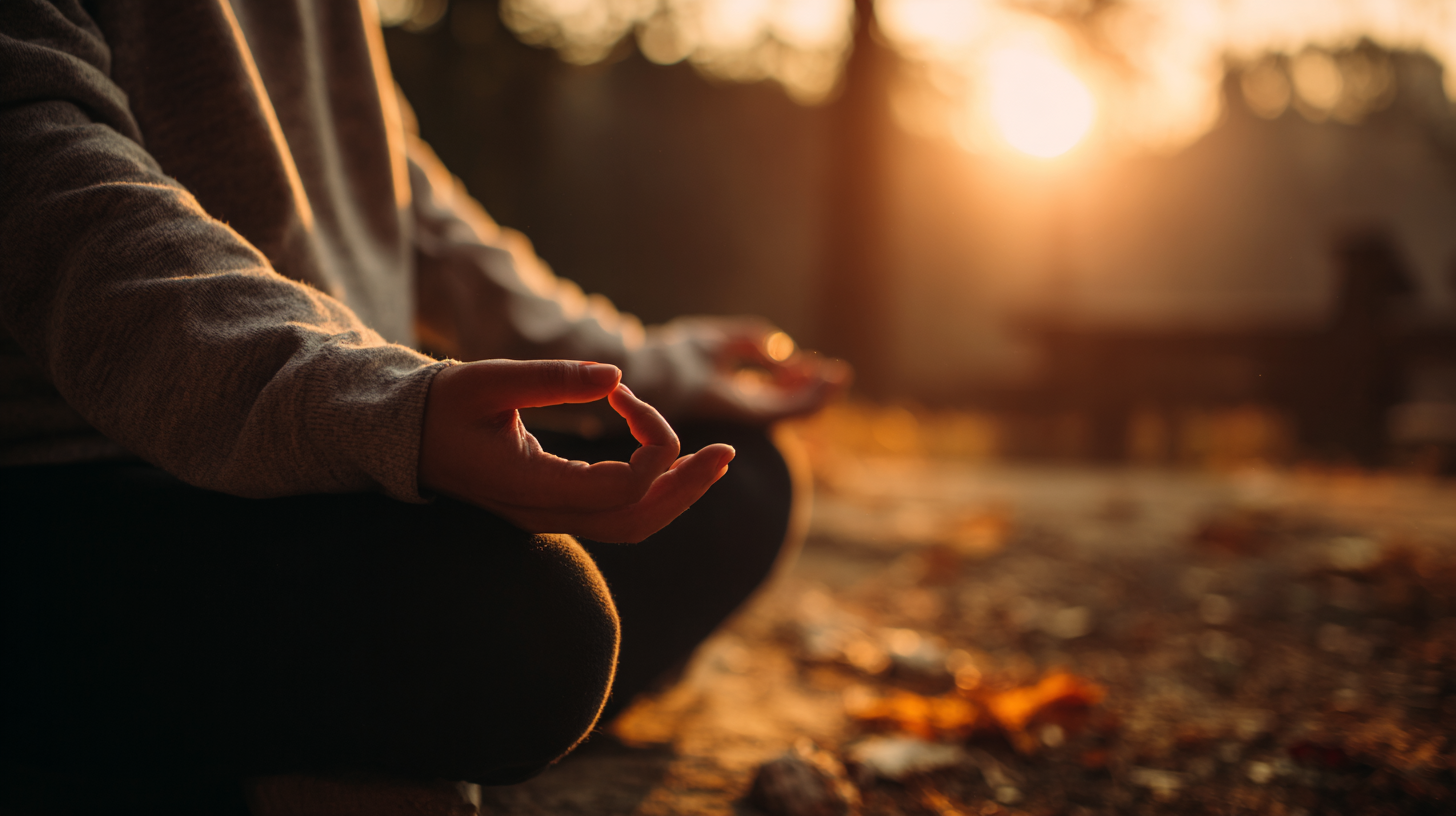
Yoga retreats dot the country from north to south, offering everything from gentle restorative practice to advanced workshops blending meditation, breathwork, and movement. Forest monasteries hold silent Vipassana retreats where days unfold in long stretches of mindfulness, walking meditation, and compassionate instruction from monks. These retreats are challenging, but profoundly transformative — the kind of experience that alters how you see not just the world, but yourself.
Even simple visits to temples can open a quiet doorway. Wat Phra That Doi Suthep gleams above Chiang Mai, its golden stupa rising into morning mist. Forest temples in the northeast feel timeless, where monks move like murmurs through the trees. In these spaces, silence stops being empty and becomes full — full of breath, of presence, of something that feels like truth.
Thai Spas — Ritual, Luxury, and the Art of Touch
Thailand’s spa culture is world-renowned for a reason: it treats relaxation as an art form. Whether you step into a boutique spa in Bangkok, a jungle hideaway in Chiang Rai, or a beachfront sanctuary in Phuket, the experience is crafted with extraordinary attention to detail. From the jasmine-scented welcome towels to the herbal teas served afterward, every gesture is intentional.
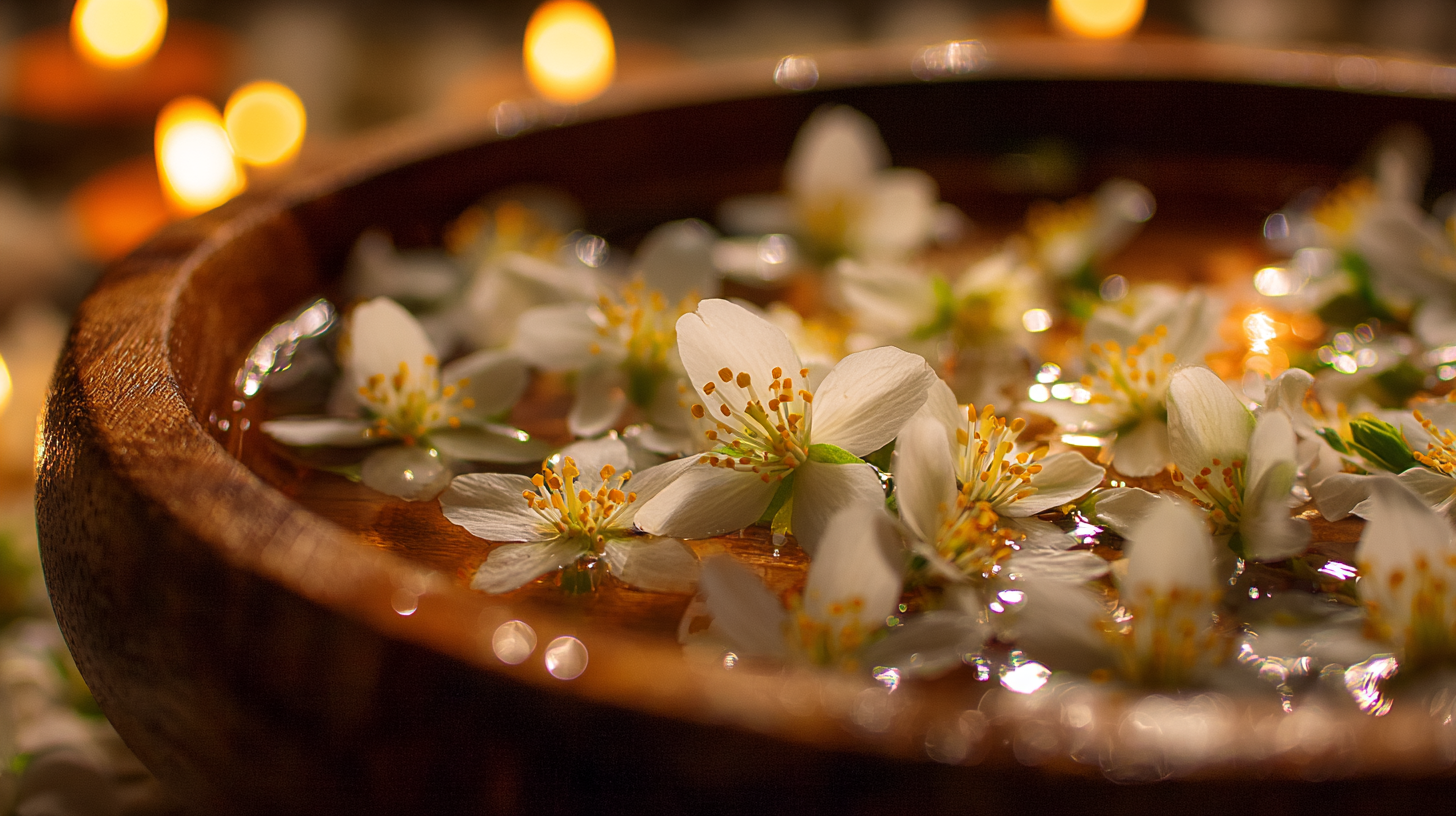
Treatments often blend traditional Thai techniques with global influences. Hot stone therapy warms the body from its core. Aromatherapy oils infused with ylang-ylang, sandalwood, or lemongrass drift through the air. Thai foot massage — an entire healing system of its own — balances energy points connected to organs and systems. Body scrubs use rice, coconut, tamarind, or volcanic clay to renew the skin.
What makes Thai spas unforgettable is not extravagance but elegance. The spaces are calm, grounded in natural materials, and designed to slow the mind before your treatment even begins. You don’t simply relax — you dissolve.
Conclusion — Returning Home to Yourself in Thailand
Wellness in Thailand is not a destination; it is an atmosphere. A way of being that gently gathers you into itself the moment you step into its warmth. It teaches you to breathe more deeply, to listen more carefully, to rest more honestly. The massages, herbs, spas, retreats, temples, and landscapes are not separate experiences — they are parts of a larger invitation: to return to yourself.
Here, healing is not dramatic. It is quiet. It comes in waves of ease — the warmth of a compress on tired muscles, the sound of rain on a thatched roof, the sight of monks walking at dawn, the feel of ocean water washing over your skin. It comes in the act of slowing down enough to notice life again.
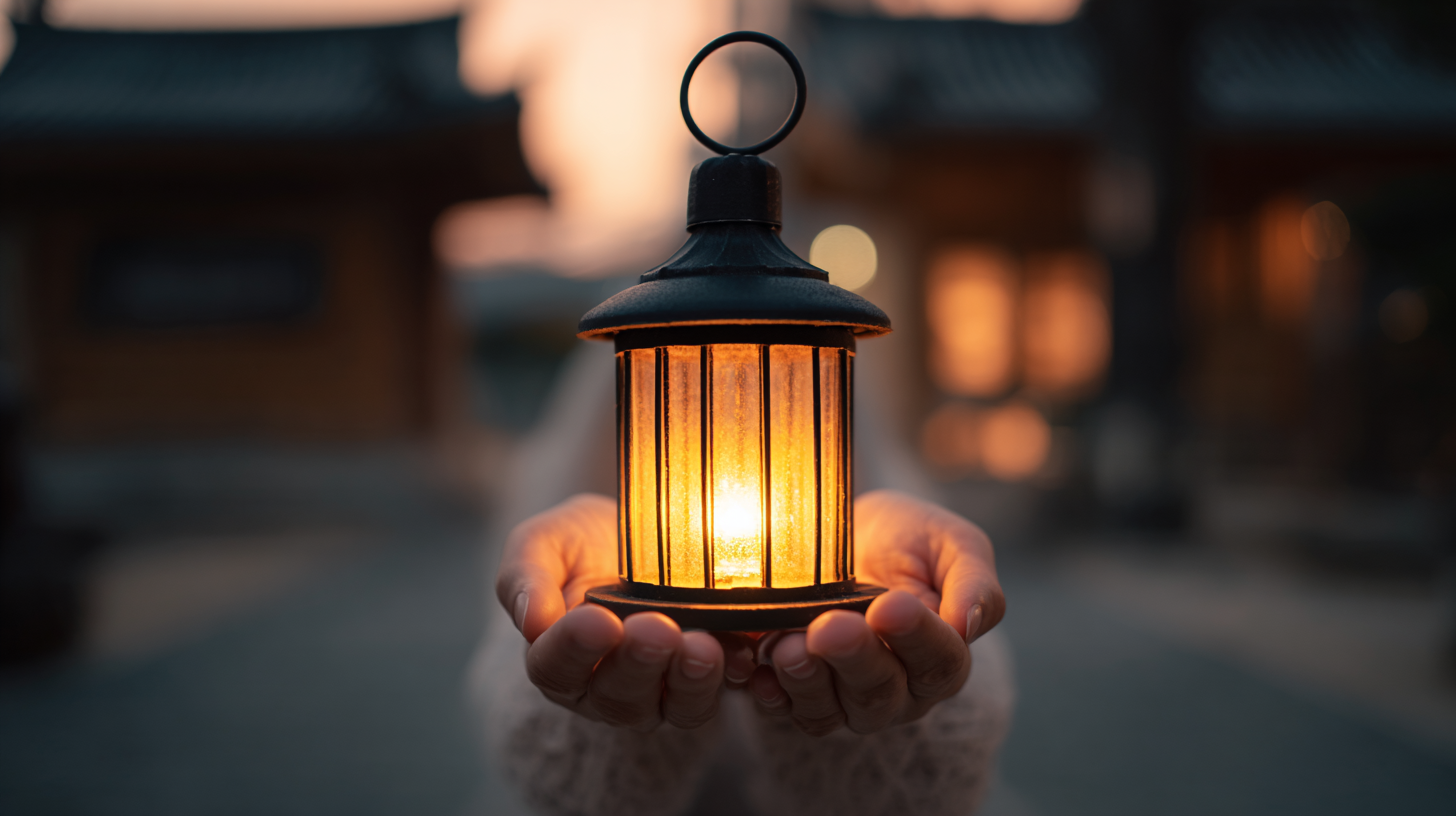
When you leave Thailand, you carry its tranquility with you — in your breath, your posture, your softened thoughts. And long afterward, when your world begins to rush again, you will remember the calm of mountains, the warmth of steam, the glow of lanterns, and the kindness woven through every touch and gesture.
Thailand is not just a place where you heal.
It is a place that reminds you what healing truly means.
Tourism Authority of Thailand: https://www.tourismthailand.org