
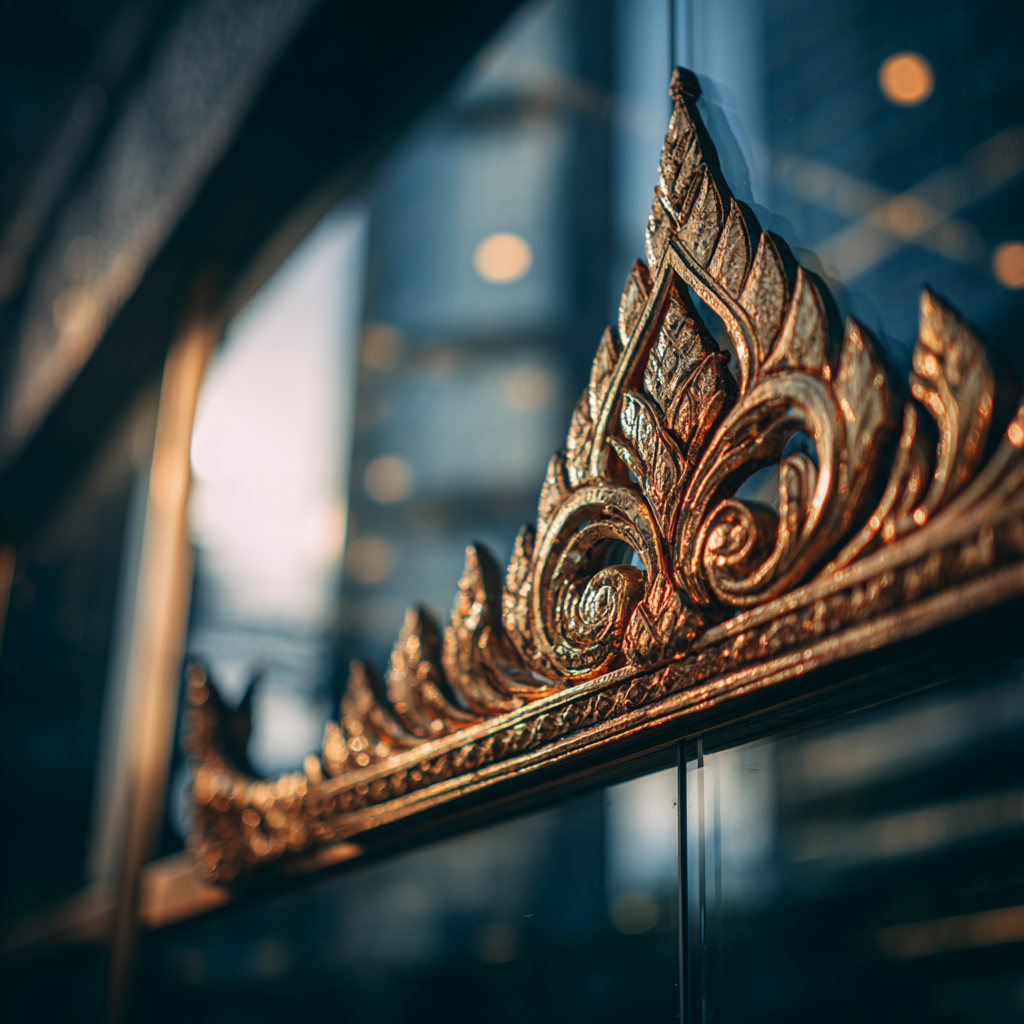
Thailand Architecture — Where Tradition and Modern Design Meet
Thailand is a place where architecture feels alive. Buildings don’t just stand still; they breathe with history, shimmer with modern ambition, and mirror the cultural confidence of a nation that never needed to reinvent itself under someone else’s rule. As you move through the country—whether wandering Bangkok’s vibrant streets, following winding lanes through Chiang Mai’s old city, or drifting between southern shophouses painted in pastels—you begin to sense the dialogue unfolding around you. It’s a conversation between tradition and innovation, elegance and experimentation, spirituality and pragmatism.
This contrast is not accidental. Thailand has always evolved on its own terms. With ancient kingdoms shaping its early design language, global trade influencing coastal architecture, Buddhism guiding sacred geometry, and modern urban growth redefining skylines, the country has developed a style that is not merely eclectic—it is intentional. Thailand never tries to hide its layers. Instead, it lets them overlap like brushstrokes in a painting that grows richer the more you look.
Architecture here is not decoration. It is the visible shape of Thai identity, adapting and thriving across centuries.
Bangkok: A City of Glass, Gold, and Unfinished Dreams
Bangkok is the beating heart of Thailand’s architectural evolution, a city where contradictions coexist with startling harmony. You feel it as soon as you step outside: the weight of humidity, the hum of traffic, the glitter of temple roofs reflecting against mirrored skyscrapers, the swirl of incense around the base of a spirit house tucked beside a luxury mall. Bangkok doesn’t follow a single vision—it embraces many.
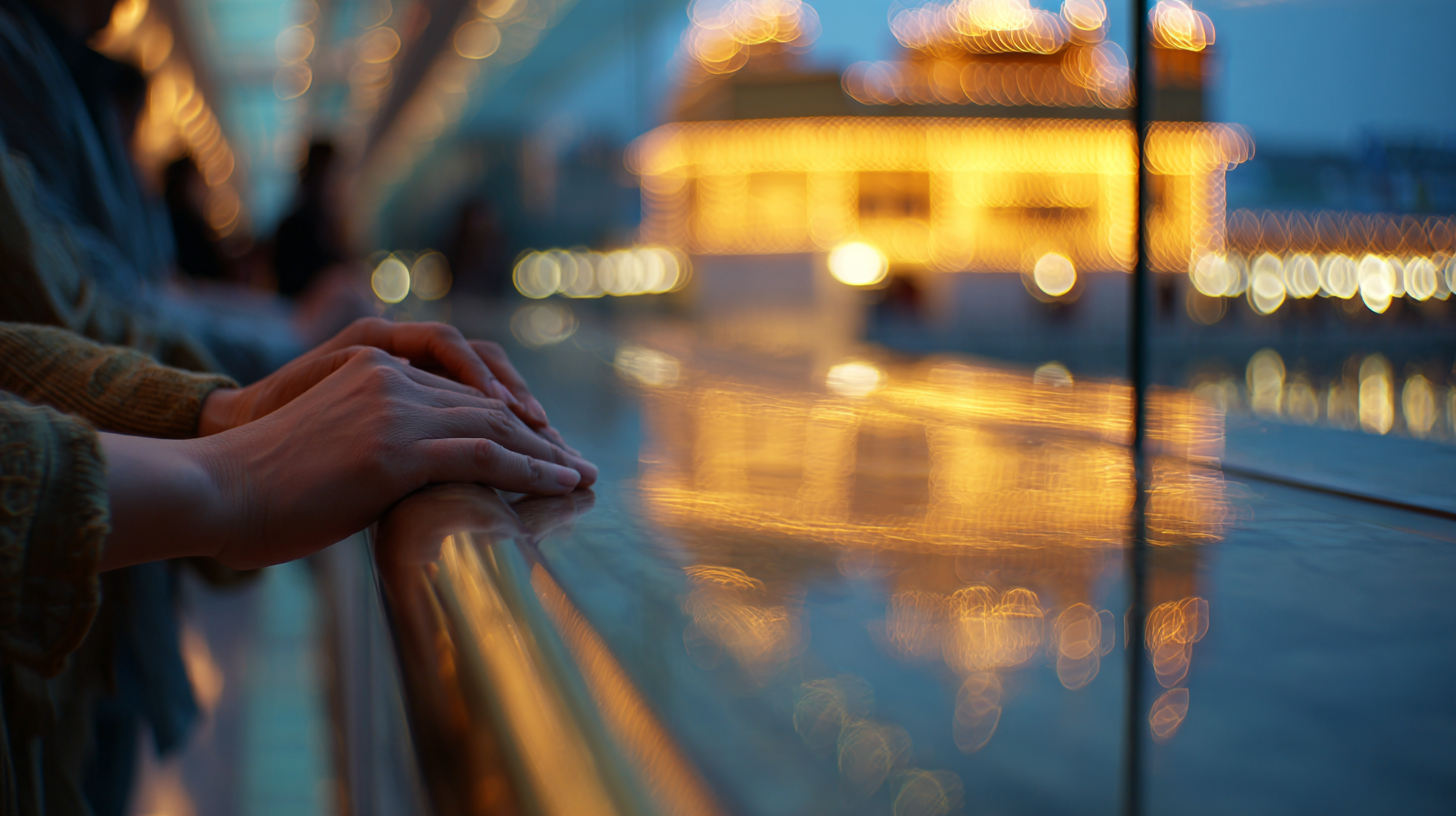
Modern Bangkok rises in bold strokes. Towers like the MahaNakhon twist skyward in pixelated fragments, as though the building is dissolving digitally into the atmosphere. The Baiyoke Tower stretches into the clouds, a quiet reminder of earlier decades of ambition, while newer designs lean into futurism—geometric façades, sky gardens hovering above the city, illuminated walkways that blur the line between architecture and art. The skyline gleams at night with a kind of restless optimism, the sense that the city is always reaching, always becoming.
And yet, in the middle of this metallic rhythm, Bangkok’s temples anchor the landscape in centuries of devotion. Wat Arun rises beside the river like a mythical guardian, its porcelain mosaics catching the sun in bright shards of color. Wat Pho sits quietly among ancient stupas, its golden Reclining Buddha stretched across a hall scented with sandalwood. The Grand Palace glitters with layered roofs, guardian statues, mirrored tiles, and gilded arches—all crafted with meticulous detail that makes modern precision feel mechanical by comparison.
This tension—between the sleek and the sacred, the new and the ancestral—is what gives Bangkok its character. You never feel like you’re moving from one world to another; instead, you move through many at once.
Traditional Thai Homes: Architecture Shaped by Air, Water, and Ritual
Long before skyscrapers appeared, Thailand mastered a different kind of architecture—one born from climate, landscape, and community life. Traditional stilt houses, found across rural regions, are some of the most elegant examples of environmental adaptation in Southeast Asia.
The raised foundations protect families from floods and allow air to circulate beneath the floor, cooling the interior during hot seasons. Open verandas welcome breezes, while steep roofs shed monsoon rains with ease. The houses breathe with the weather; they respond to it, absorb it, and make comfort from it without complex engineering. Their materials—mostly teak and bamboo—blend seamlessly with the natural world.

Inside, these homes become social architecture. The open floor plans encourage gathering, conversation, and cohesion. Spaces flow naturally from room to room without rigid divisions, mirroring Thai cultural values of openness and community. When rainstorms drum against the wooden roof or cicadas pulse in the surrounding forest, the house feels less like a shelter and more like a companion shaped by the same landscape that shapes the people living in it.
Even today, modern architects in Thailand use these traditional principles to design eco-friendly homes, hotels, and community centers—proof that the wisdom of the past adapts effortlessly to the needs of the present.
Temples: Golden Geometry and the Architecture of Devotion
To understand Thai architecture, you must understand its temples—because they reveal not only religious belief, but aesthetic sensibility, engineering brilliance, and cultural priorities. Temples, or wats, are built as expressions of harmony. Their geometry is precise: balanced, symmetrical, aligned with cosmic symbolism. Their roofs curve upward like wings, their stupas spiral toward the heavens, and their ornaments glimmer with glass mosaics that scatter light in every direction.
Inside these sanctuaries, murals unfurl across walls like visual epics—stories of rebirth, morality, myth, and enlightenment. Statues of the Buddha rest in poses that express serenity, compassion, teaching, and contemplation. The architecture is not merely beautiful. It is purposeful. Every tower, archway, window, and guardian figure carries meaning.

Even the smallest village temples mirror this devotion. A simple Buddha statue under a tree, a sculpted naga guarding the stairway, a row of bells ringing gently in the breeze—all speak to a spiritual tradition that treats beauty as a form of offering. The architecture becomes meditation. Ornament becomes memory. Stillness becomes space.
And as Thailand grows more modern, its temples remain constant reminders that innovation gains depth when rooted in something timeless.
Explore Thailand’s sacred design deeper in The Serenity of Saffron: Thai Buddhism and Meditation.
Chiang Mai and the Northern Spirit: Wood, Hills, and Lanna Elegance
Northern Thailand offers a different architectural language—one shaped by mountains, forests, and the rich heritage of the Lanna Kingdom. Chiang Mai, often called the cultural capital of the north, is a city where tradition thrives not as nostalgia, but as daily reality.
Temples here feel softer and older. Many are built with teak, their dark tones glowing under lantern light in the evening. Rooflines stack gracefully, creating shadows that shift throughout the day. Walk into Wat Phra Singh or Wat Chedi Luang and you feel the difference immediately: the energy is slower, the craftsmanship more intimate, the setting grounded in nature rather than glitter.
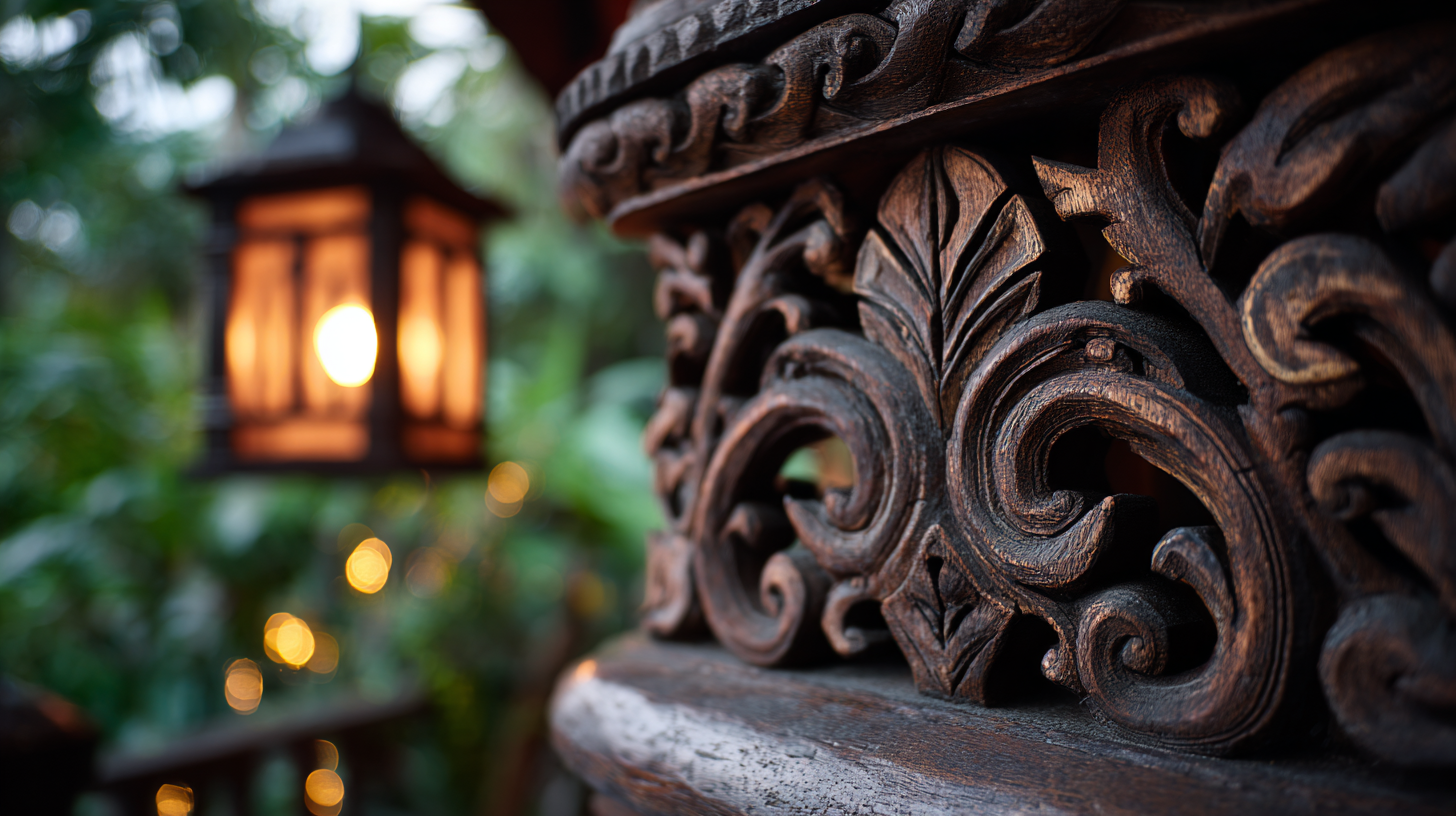
Venture into the hills around Chiang Mai, and you’ll find forest temples where meditation halls open directly into jungle air. The architecture here dissolves the boundary between built space and natural space. Wooden doors remain open. Light filters through leaves. The line between silence and sound becomes almost indistinguishable.
Chiang Mai’s modern architecture carries these influences subtly. Boutique hotels reinterpret traditional materials with contemporary lines. Cafés renovate old wooden homes with minimalist interiors. Workshops and galleries transform underused buildings into creative spaces filled with ceramics, textiles, and handmade crafts. The city grows, but it grows gently, respecting the environment and history that make it unique.
Southern Thailand: Coastal Color and Sino-Portuguese Legacy
Travel to the south and the architectural story shifts again. Here, culture is shaped by centuries of maritime trade—Chinese merchants, Portuguese sailors, Malay communities, and Thai traditions blending into a distinctive regional identity.
Phuket Town is one of the best places to see this mix. Its Sino-Portuguese shophouses display pastel façades, arched windows, carved shutters, and colorful tiles arranged in intricate floral patterns. These buildings line streets like living postcards, each one a reminder of the island’s trading past. Many have been restored into cafés, museums, and boutique hotels, their interiors revealing courtyards, mosaics, and wooden staircases that preserve the charm of earlier centuries.

Southern temples also reflect this multicultural blend. Some incorporate dragon motifs or Chinese guardian statues. Others pair vibrant paintwork with traditional Thai layouts. Coastal mosques and shrines add even more richness to the architectural landscape, showing how deeply layered Thai culture becomes in regions shaped by many hands and many histories.
This mixture of influences—seafaring, spiritual, artistic—makes the south one of the most visually diverse regions in the country.
Urban Innovation: Where Thai Creativity Meets the Future
Modern Thailand is not content with imitation. Bangkok, especially, is becoming a laboratory for architectural experimentation. The city’s newer districts are filled with buildings that feel less like structures and more like concepts made tangible—glass shaped in fluid curves, steel arranged into honeycomb grids, concrete softened through organic forms, greenery cascading down vertical gardens.
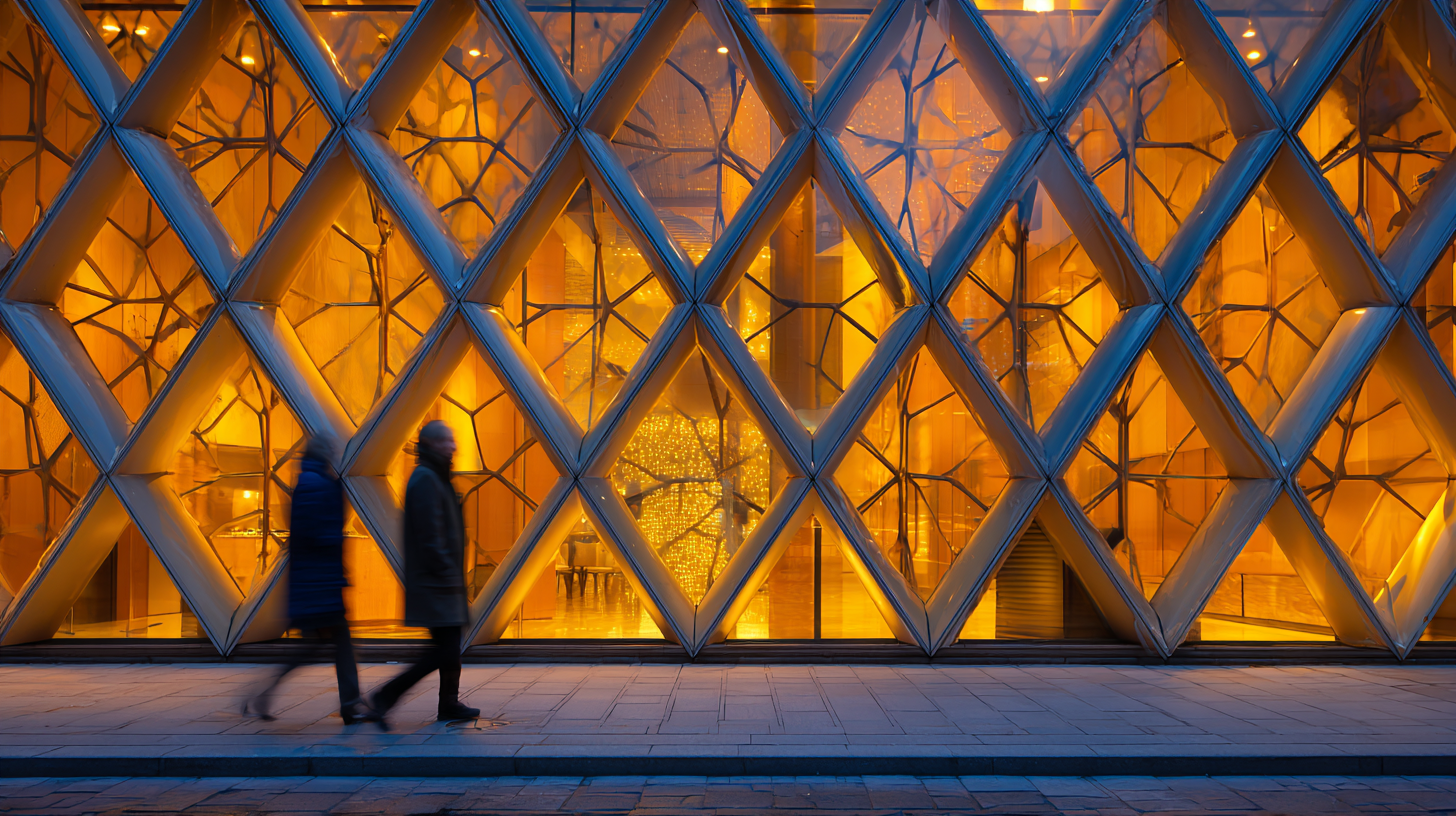
Public spaces, too, are evolving. Skywalk systems create elevated pedestrian worlds above the traffic, while riverfront developments transform forgotten industrial zones into lively promenades. Shopping centers turn into architectural stage sets, blending art installations with interior design. Rooftops become urban parks. Transit hubs echo the geometry of temples in their symmetry and light.
This wave of innovation isn’t trying to replace tradition. It grows alongside it, echoing Thailand’s long-standing ability to absorb new ideas without losing its identity. When you stand in Bangkok at night and see a temple glowing softly beneath a skyline of LED-lit towers, you witness a cultural truth: Thailand doesn’t move away from its past—it brings it forward.
Preservation and Renewal: Where Memory and Modernity Meet
What truly distinguishes Thai architecture is not just its contrasts, but the way those contrasts are held together with care. Preservation efforts in cities like Bangkok, Chiang Mai, and Phuket restore old buildings with sensitivity. Architects reinforce structures invisibly, allowing heritage to remain intact while meeting modern safety standards. Craftspeople repair woodwork using traditional techniques passed down through generations. Communities protect ancestral homes not as relics, but as living heritage.

Simultaneously, innovative architects reinterpret Thai design for contemporary life. Hotels draw from temple symmetry. Homes use stilt-house ventilation patterns. Cafés incorporate recycled teak. Wellness resorts use open-air pavilions modeled after ancient salas. Thailand’s architectural language keeps expanding, but its roots remain visible.
This balance—between honoring memory and embracing progress—is what gives Thai architecture depth. It is neither frozen nor frantic. It moves with intention, allowing every era to leave its mark without erasing the one before it.
Conclusion: Thailand’s Architecture as a Living Conversation
To explore Thailand’s architecture is to walk through a conversation carried across centuries. Every temple, tower, shophouse, and stilt home adds its own voice. Some whisper of meditation and myth. Others reflect ambition, innovation, and modern rhythm. Together, they create a landscape where no moment feels isolated—every view contains both history and possibility.
Thailand does not choose between tradition and modernity. It embraces both, letting them meet in harmony rather than conflict. That is why the country feels so magnetic. It offers travelers a world where the past is alive, the present is expressive, and the future is unfolding in plain sight.

You don’t simply observe architecture here—you experience it.
You feel the weight of carved stone beneath your hand, the cool shade of temple eaves, the glow of neon on glass, the quiet dignity of wooden homes, the pulse of creativity in city streets.
Thailand’s architecture is a story still being written—layer by layer, generation by generation—with beauty that lingers long after you’ve left its streets behind.
Official Tourism Authority of Thailand: https://www.tourismthailand.org/