

Thailand wildlife is incredibly diverse, spanning forests, mountains, and tropical seas. It rustles through bamboo groves, glides through warm tropical seas, sings from the canopy at dawn, and flickers in the dark as tiny lights over still water. Beyond the famous beaches, food, and temples lies another Thailand—one of secretive mammals, brilliant birds, shimmering reptiles, and insects so strange and beautiful that they seem almost unreal. To travel through this country with your eyes open to its wildlife is to discover a parallel world, layered into forests, mountains, rivers, mangroves, and coral reefs.
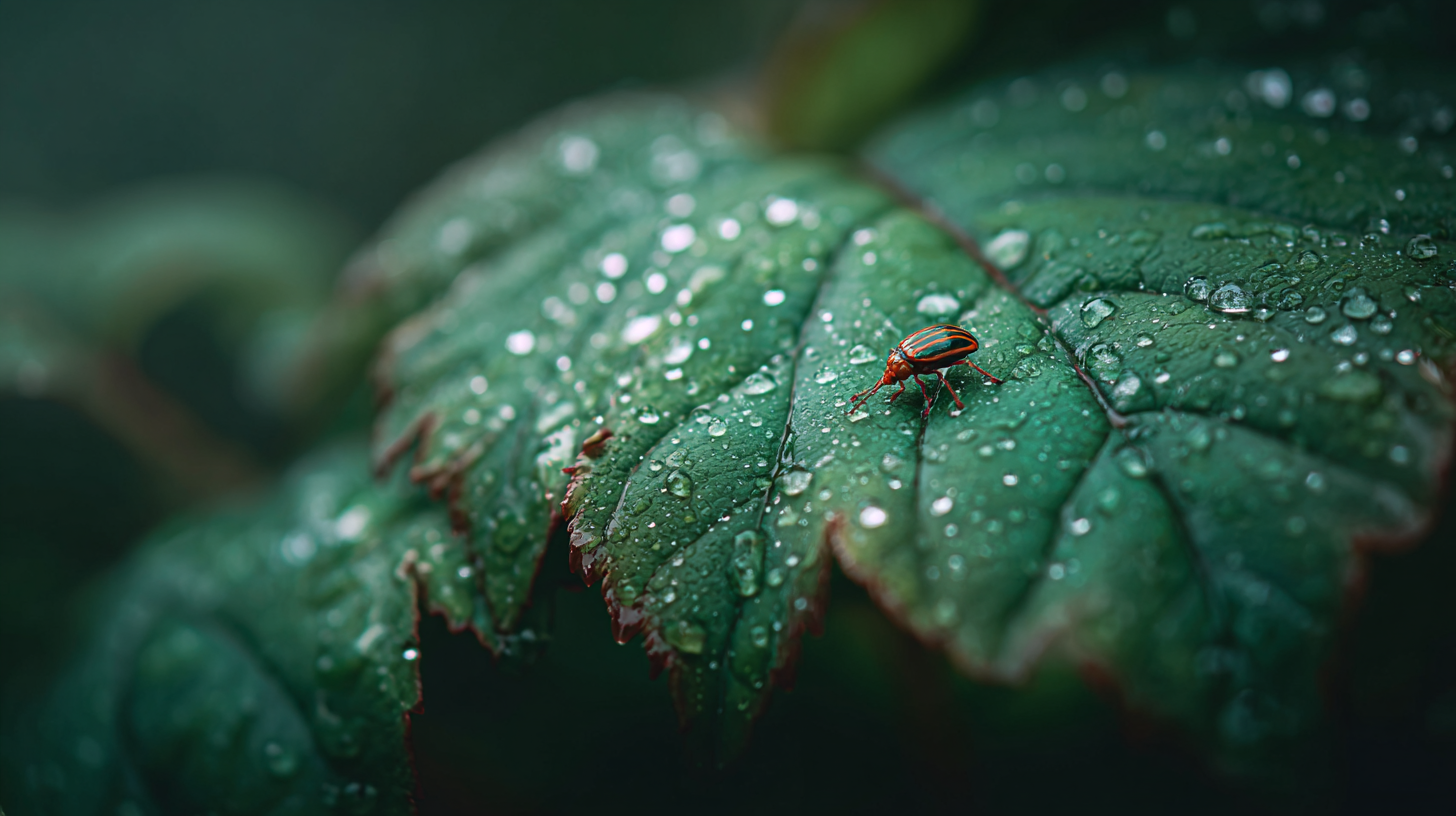
For travelers, Thailand wildlife offers unforgettable encounters, from elephants to bioluminescent insects. Dense evergreen forests cloak the west, dry dipterocarp woods stretch through the northeast, misty mountains rise in the north, and mangroves and coral reefs shape the southern shores. Each of these landscapes holds its own cast of characters. Some are big and charismatic, others small and easily overlooked—but together they tell a story of a wild Thailand that is as rich and complex as its culture.
Continue exploring the country’s deeper layers in our master article Thailand: A Tapestry of Spirit, Culture, Nature, and Endless Discovery.
Giants of the Forest: Elephants, Gaur, and Their Quiet Presence
Although Asian elephants are not unique to Thailand, the relationship between this animal and the country runs deep. In forest reserves and national parks, wild elephants move like ancient shadows between trees, leaving only broken branches, deep footprints, and the echo of a distant trumpet. Seeing one in the wild, even from far away, is a reminder that Thailand still holds spaces where large animals rule the landscape.

Sharing this world are gaur, sometimes called forest buffalo, massive wild cattle with powerful horns and a presence that feels almost prehistoric. Their dark bodies stand out vividly against sunlit clearings at dawn and dusk. In some forests, they feed alongside sambar deer and barking deer, all of them contributing to a living mosaic that has survived despite centuries of human change.
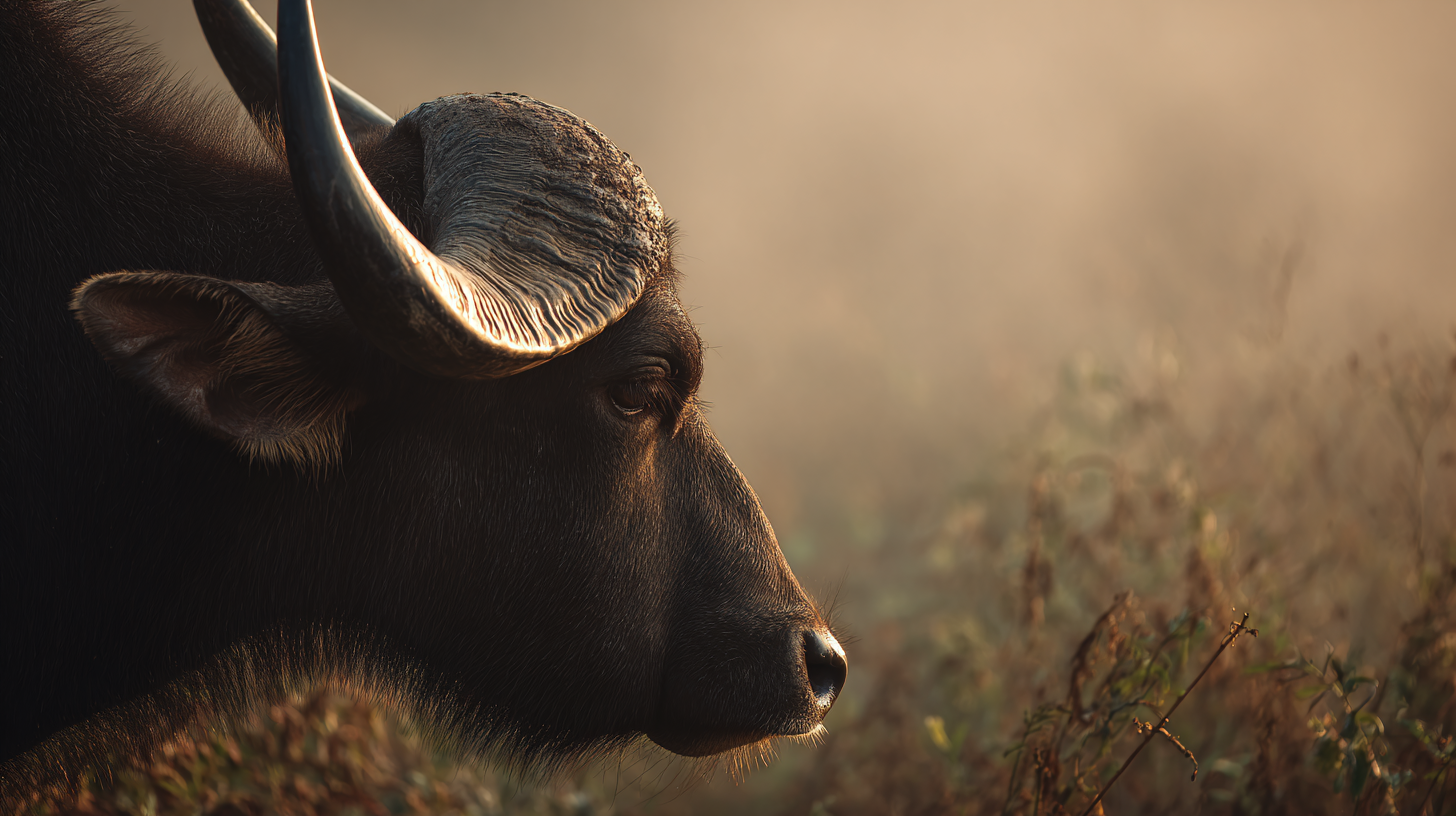
These large mammals embody the weight and age of Thailand’s ecosystems. They are not always easy to spot, and that’s part of their magic. Knowing they are there—even if you only see tracks or hear a branch crack from somewhere in the trees—adds a sense of depth and mystery to the landscape.
Whispers in the Canopy: Gibbons, Langurs, and Hornbills
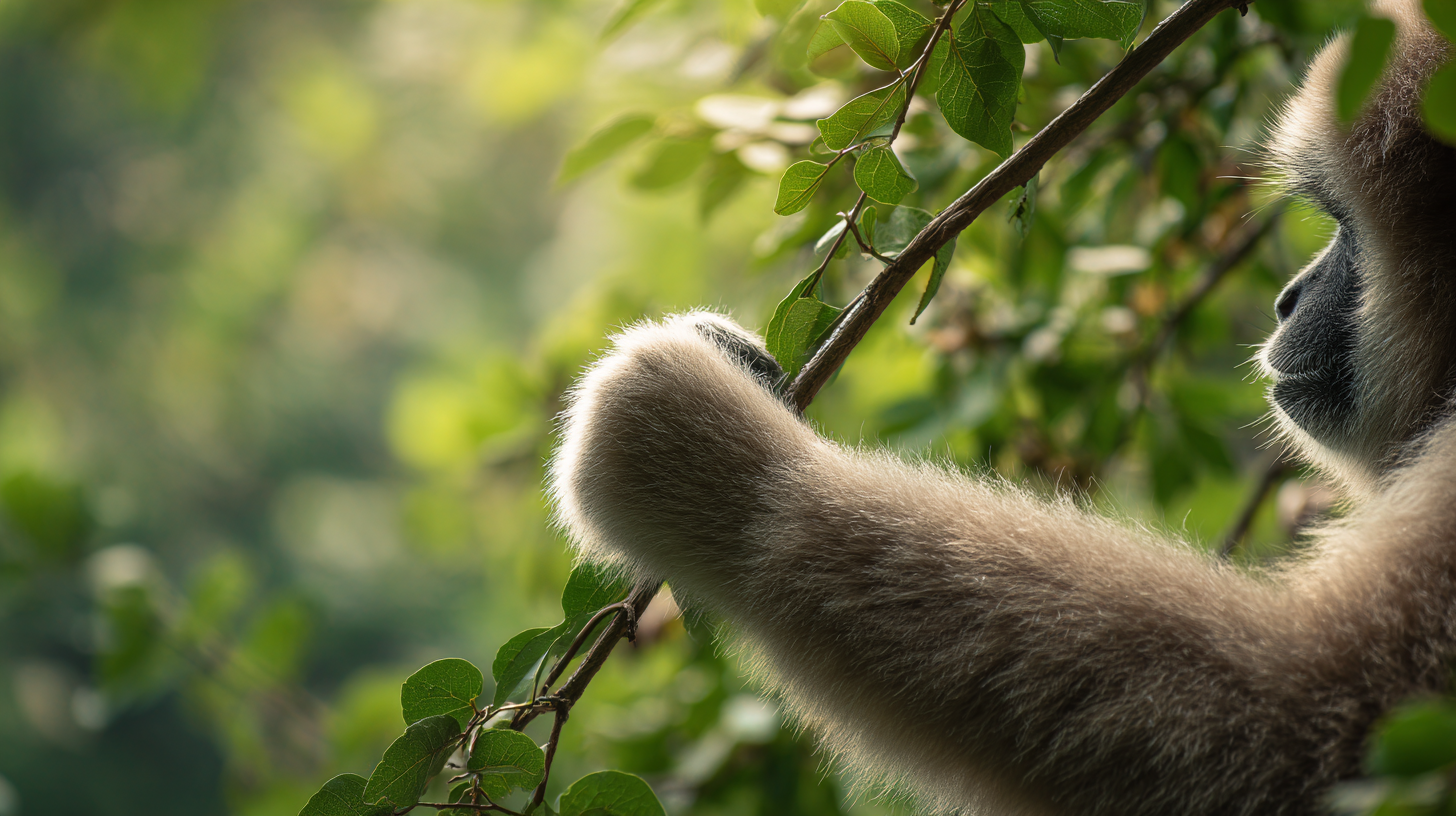
Look up at first light in Thailand’s forests and you might not see anything, but you will almost certainly hear it. Gibbons call through the canopy in long, rising songs that sound halfway between a duet and a spell. Their voices travel far beyond their slender bodies, echoing across valleys and hillsides. These acrobatic primates swing from branch to branch with ease, sometimes pausing to watch you with curious, dark eyes before disappearing into leaves again.
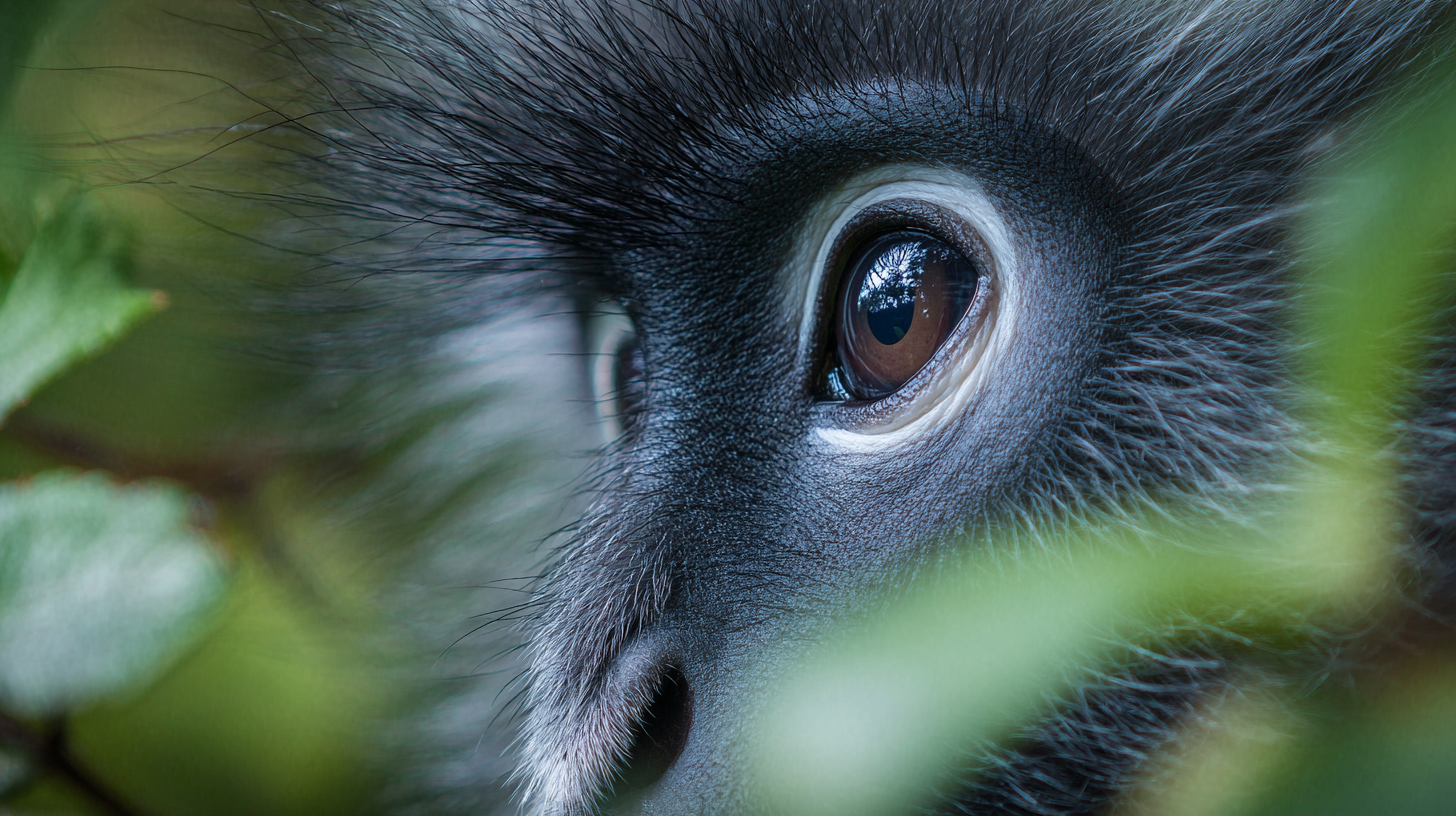
Langurs, with their expressive faces and sometimes striking markings, move more quietly, stepping carefully through the trees as they feed on young leaves and fruits. In some regions, dusky langurs with white-rimmed eyes look almost like tiny, gentle ghosts drifting through the canopy.
And then there are the hornbills—great birds that seem to belong to another era. Their heavy wingbeats produce a deep, rushing sound as they cross the sky, and their large bills and casque-topped heads make them instantly unforgettable. Watch a pair feeding on a fruiting tree and you witness a partnership that might last for years; many hornbills form strong bonds and play essential roles as seed dispersers for forest trees.
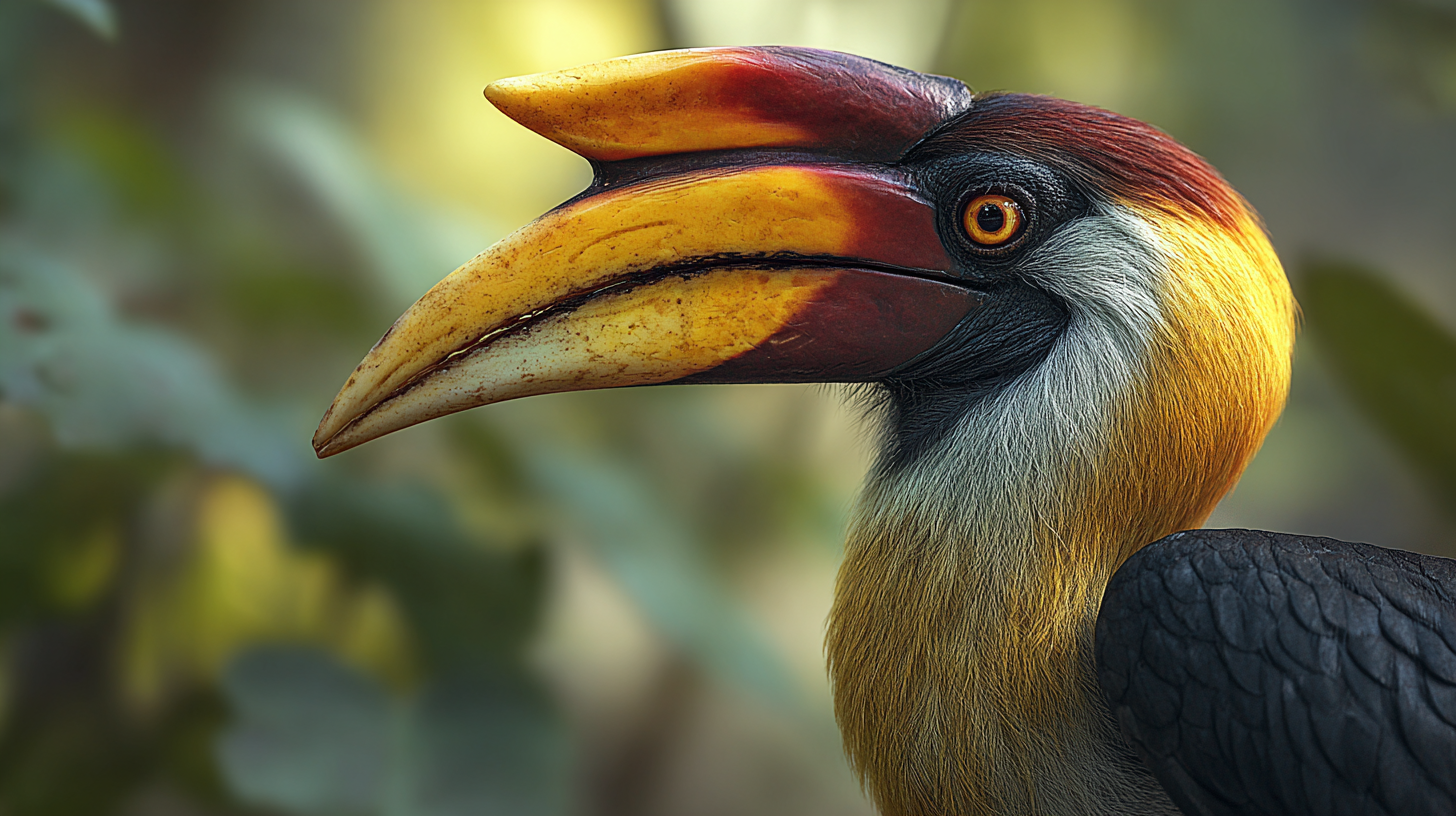
Together, these animals give Thailand’s forests their distinct music: calls, wingbeats, rustles, and silences in between.
Scaled and Silent: Reptiles and Amphibians of the Thai Wild
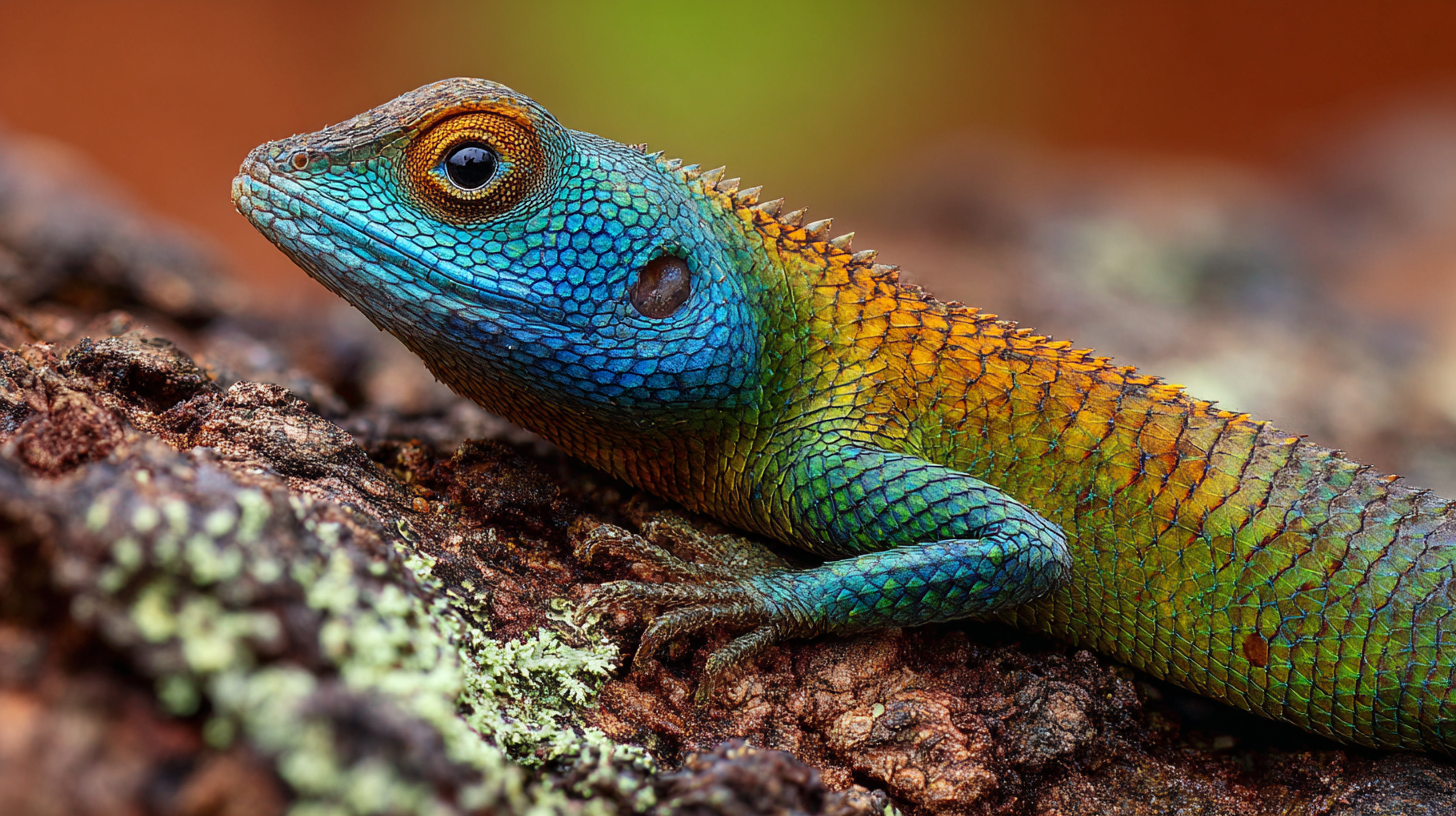
Thailand’s reptiles and amphibians invite you to slow down and pay attention to details. Lizards flash across rocks in sudden bursts of color. Geckos cling to walls and tree trunks, their calls echoing through warm nights in villages and cities alike. In the forest, skinks slide through leaf litter, and gliding lizards spread their rib-supported membranes to drift from trunk to trunk like tiny dragons.
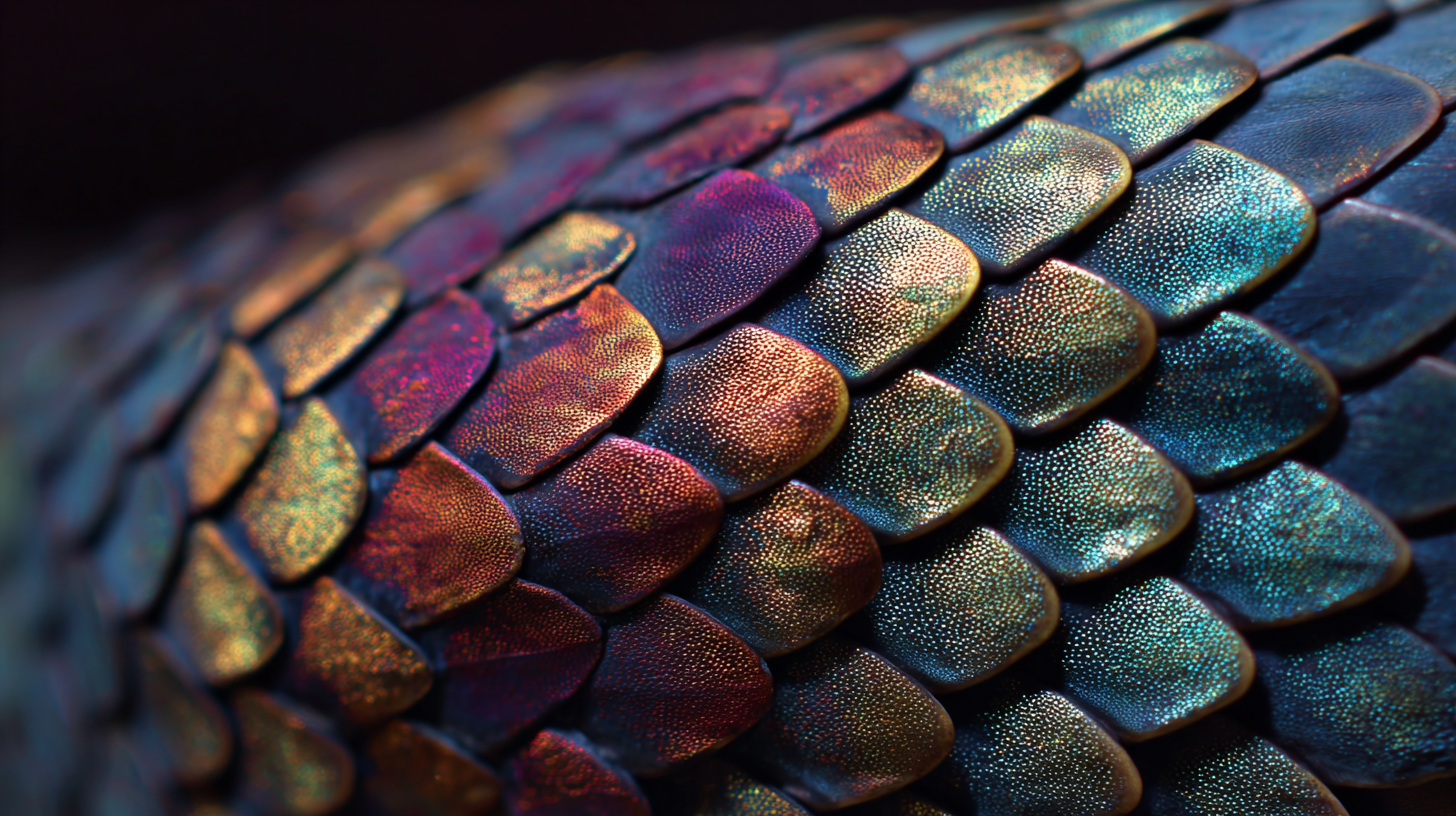
Snakes—some harmless, some highly venomous—form another, more secretive layer of life. Pythons coil in quiet places, perfectly camouflaged, while arboreal snakes move gracefully along branches. Amphibians reveal themselves after rain, when frogs and toads fill ponds and streams with a chorus that can be surprisingly loud. Their calls rise in overlapping patterns, each species singing in its own rhythm.
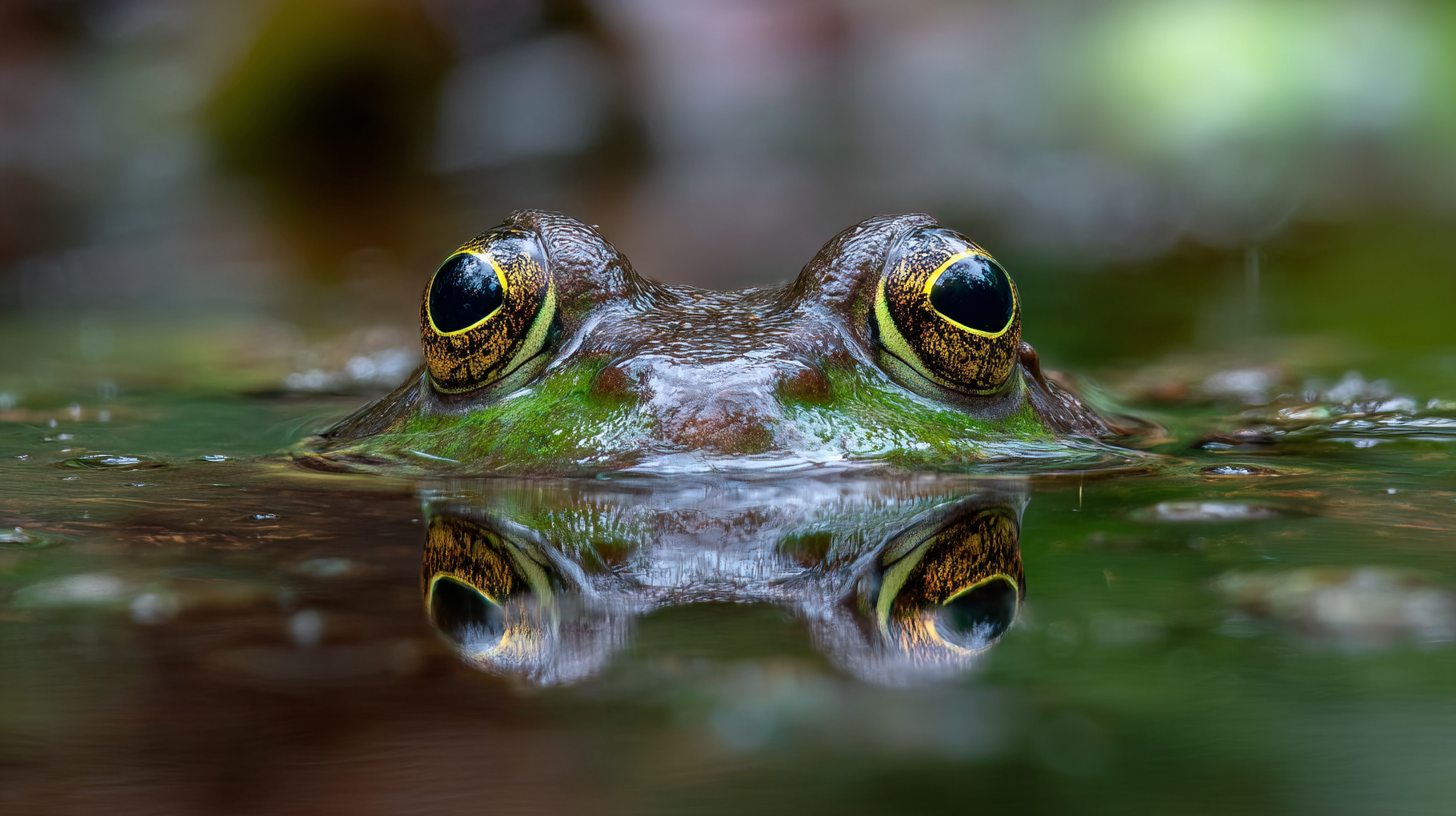
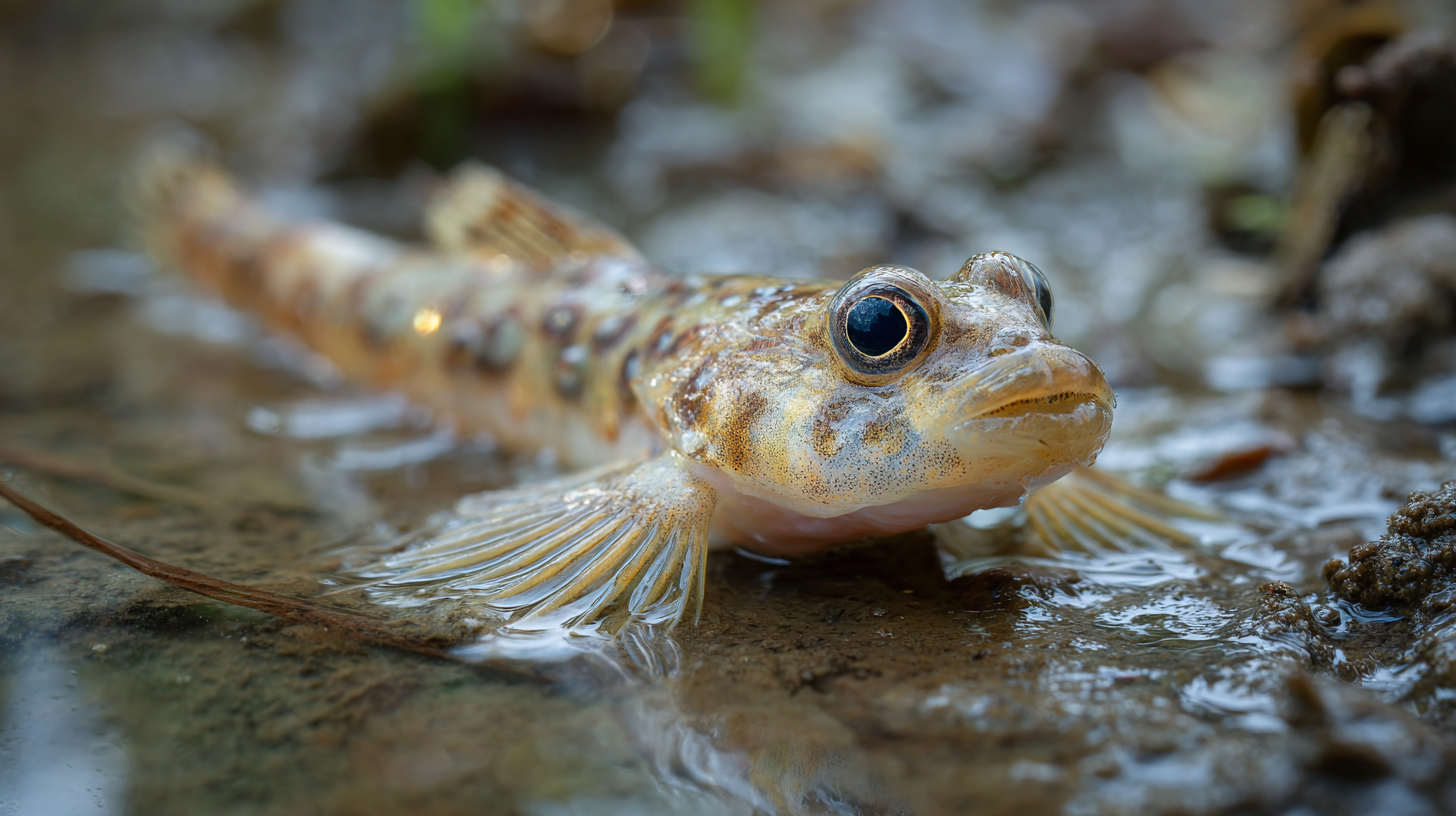
In the stillness of a forest pool, you might find a frog resting just beneath the surface, eyes breaking the water like tiny moons. In a mangrove swamp, mudskippers—fish that behave like amphibious comedians—hop along the mud, flipping their fins and arguing with crabs over territory. These smaller creatures give texture to Thailand’s wild spaces, turning every log, rock, and puddle into a possible discovery.
Tiny Kingdoms: Thailand’s Insects and Other Small Wonders
If you want to experience how truly unique Thailand’s wildlife can be, you have to look closely—especially at insects. The country is home to an astonishing variety of butterflies, beetles, dragonflies, stick insects, and moths that can transform a simple walk into a safari in miniature.
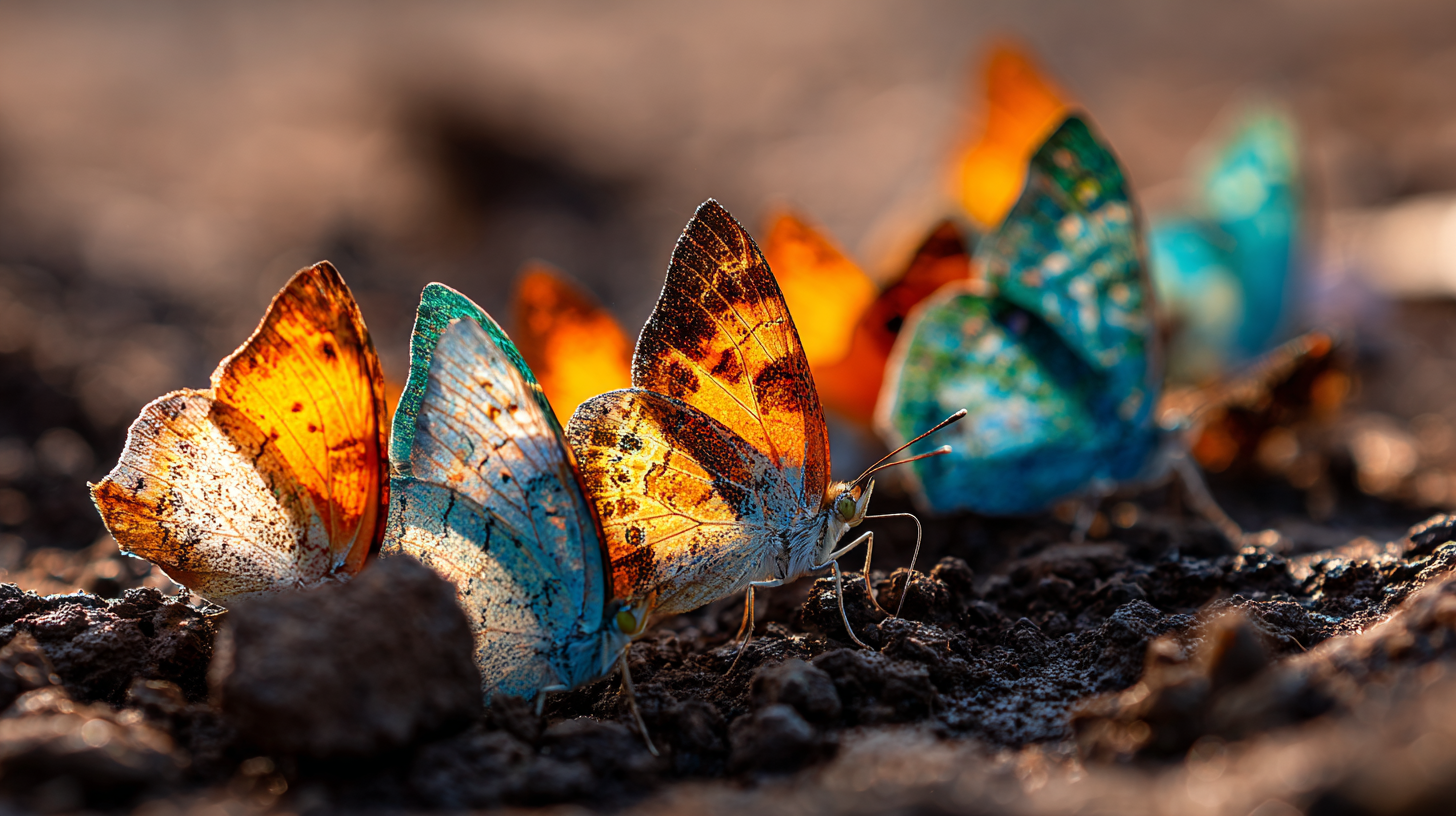
On sunlit forest edges, butterflies gather in puddles, drinking minerals from wet soil. Their wings—electric blue, soft lemon yellow, rich burnt orange—tremble as they feed. Sometimes dozens cluster together, forming living bouquets that lift into the air all at once when disturbed, like confetti suddenly remembering it can fly.
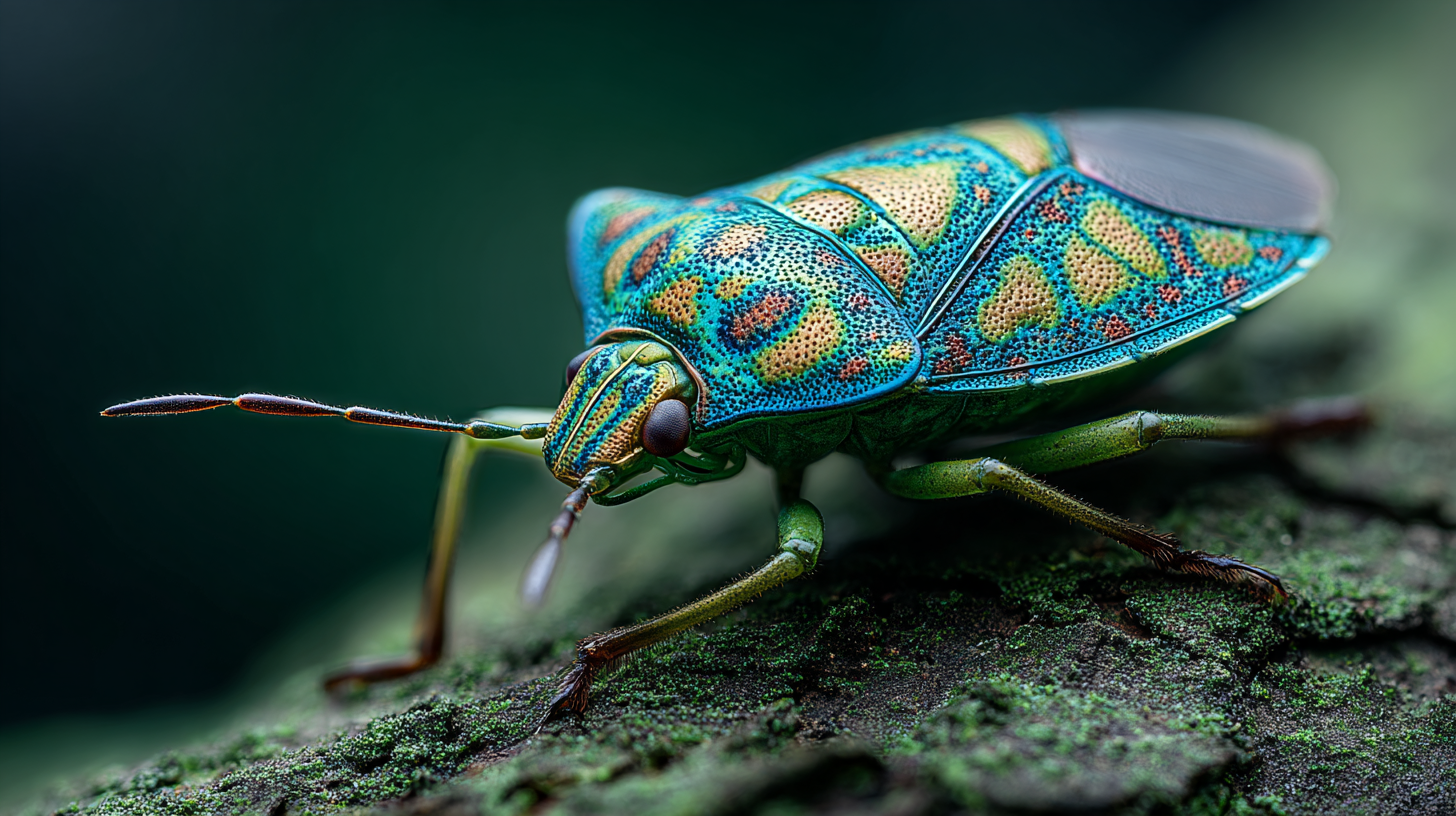
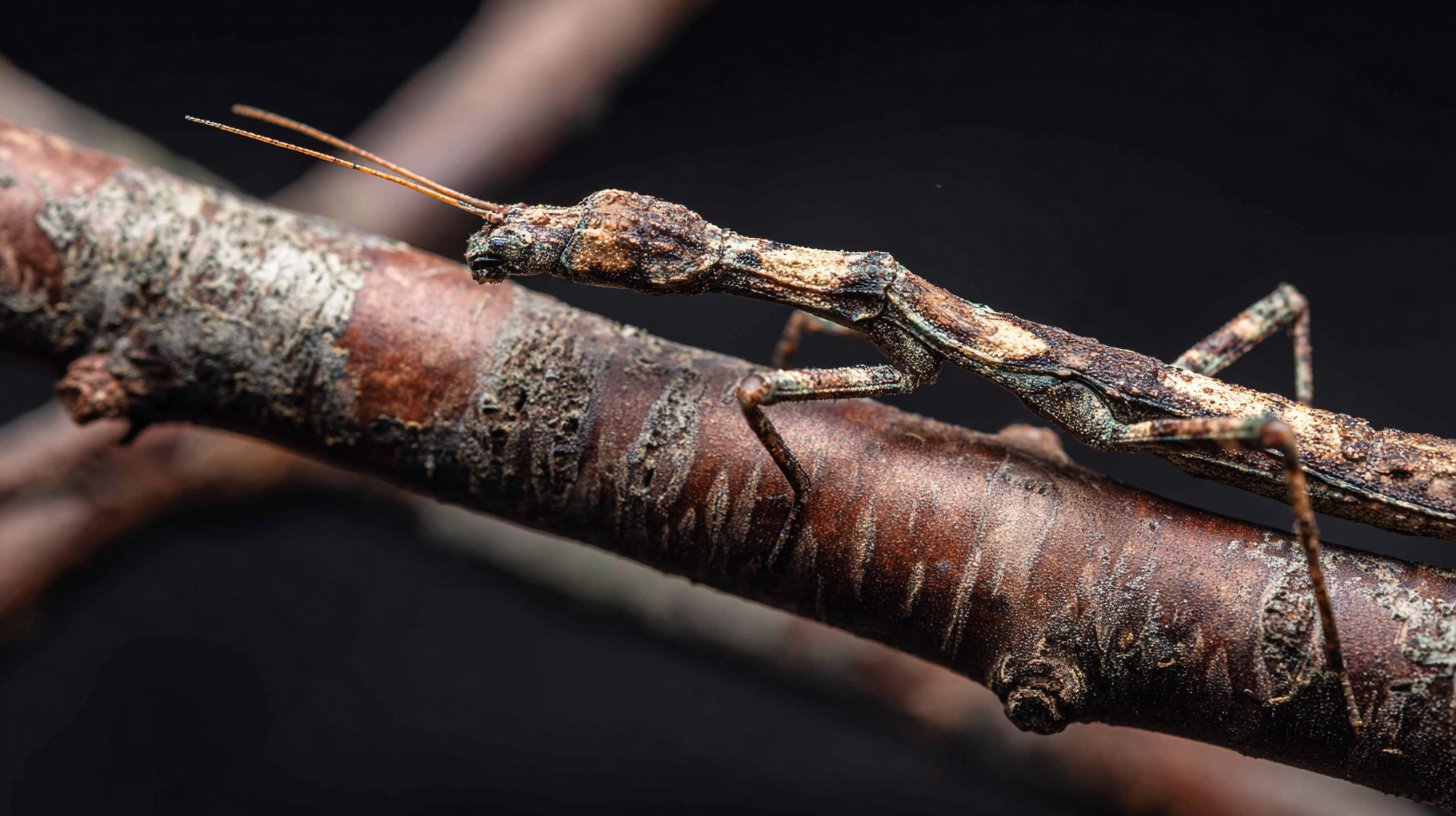
In deeper shade, you might encounter lantern bugs, whose elongated heads and jewel-like patterns make them look like something out of a fantasy story. Their wings are often dotted or striped with bold colors, and when they land on tree trunks, they appear almost painted onto the bark. Stick insects and leaf insects take camouflage to another level, mimicking twigs and leaves so accurately that you can stare directly at them and still not see them until they gently move.
At night, Thailand’s insect world lights up in subtle and spectacular ways. Fireflies gather in certain riverside trees, flashing in synchronized waves that turn branches into shimmering constellations. Crickets and cicadas take over the soundscape, layering rhythmic calls into the darkness. In quiet moments, you realize how much of Thailand’s wild personality is written in small bodies that most travelers never stop to appreciate.

Under the Surface: Marine Life and Coastal Creatures
Thailand’s biodiversity doesn’t end where the land meets the sea. Warm tropical waters along both the Andaman coast and the Gulf of Thailand host coral reefs, seagrass meadows, and open ocean zones filled with life. Coral gardens shimmer with reef fish that look like moving fragments of stained glass. Parrotfish graze on coral, rays glide across sandy bottoms like flying carpets, and moray eels peer from crevices with curious, unblinking eyes.

Further offshore, whale sharks sometimes visit, feeding on plankton and gliding through the water with an almost unreal grace for animals so large. Sea turtles surface briefly to breathe, then disappear again, leaving only circles of ripples behind. In mangroves and estuaries, fiddler crabs wave their oversized claws, and monitor lizards patrol muddy banks like ancient guardians.

The animals of Thailand’s marine world may be less visible to casual travelers than monkeys beside the road or birds in temple courtyards, but they are crucial to the country’s wild identity. They connect Thailand to ocean currents, distant reefs, and migratory paths that stretch across entire seas.

City Wild: Animals That Share Thailand’s Human Spaces
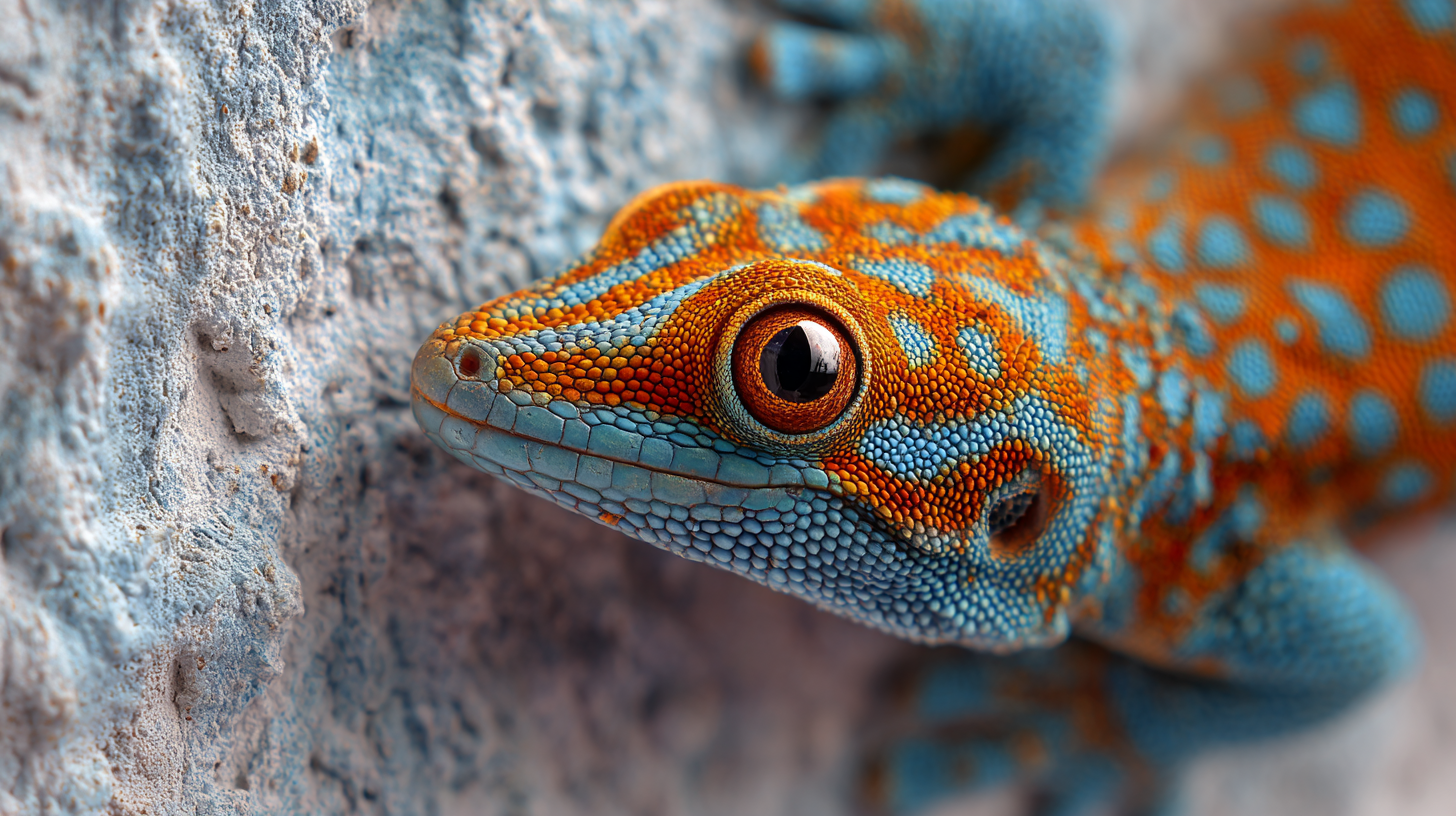
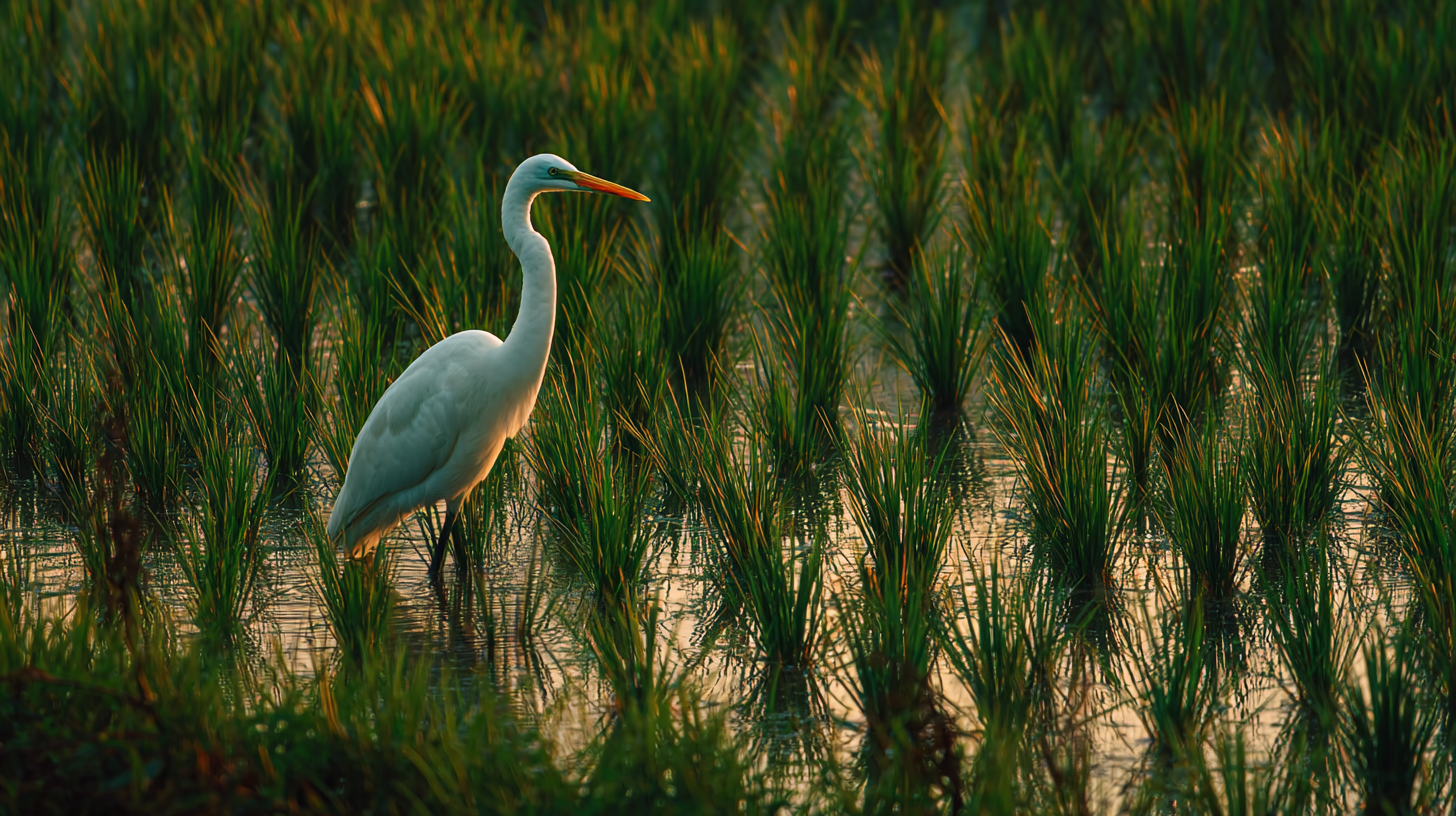
Not all of Thailand’s wildlife lives far from people. In many towns and cities, you’ll encounter animals that have adapted to urban life while still retaining their wild spirit. Tokay geckos call loudly from ceilings and rooftops, their distinctive “to-kay” echoing through the night. Swiftlets swoop between buildings at dusk, hunting insects over busy streets. Egrets and herons patrol rice fields on the edge of towns, following farmers and water buffalo through flooded paddies.
Even in temple complexes and historic sites, animals become part of the atmosphere—squirrels skipping along power lines, mynas and doves gathering in courtyards, occasionally mischievous macaques trying their luck with unattended snacks. These everyday encounters remind travelers that Thailand’s wildlife isn’t confined to parks or remote areas; it lives alongside people, woven into the fabric of daily life.

Traveling with Respect: Seeing Wildlife the Right Way
Experiencing Thailand’s animals can be incredibly moving, but how you choose to see them matters. Ethical wildlife experiences prioritize the well-being of animals over entertainment. That means avoiding performances, riding, or any activity that treats wild creatures as props, and instead seeking out conservation-minded sanctuaries, nature reserves, and responsible guides.

In forests, it means keeping your distance, staying quiet, and accepting that you might not see everything you hoped to—and that sometimes, just knowing a rare animal is out there is enough. In marine environments, it means not touching coral or wildlife, choosing operators who follow responsible practices, and remembering that you are a guest in their world.
The reward for this respect is subtle but powerful. Animals behave more naturally, ecosystems remain healthier, and your memories carry not just beauty, but a sense of having done right by the places and creatures that welcomed you.
Conclusion: Thailand’s Wild Soul in Every Wingbeat and Footprint
Thailand’s wildlife is not just a list of species—it is a feeling, a presence, a quiet heartbeat beneath the surface of travel. It lives in gibbon songs echoing across a valley, in the sudden flash of a hornbill crossing the sky, in the glint of a beetle’s shell on a forest trail, in fireflies pulsing like stars caught in branches, and in the slow, steady movement of elephants deep within the trees.

To notice this wild world is to deepen your relationship with the country. You stop seeing Thailand only as beaches, temples, and night markets, and start sensing its deeper layers—its forests, its rivers, its reefs, and the countless lives unfolding there every moment. The more time you spend paying attention, the more alive the landscape becomes.
In the end, embracing Thailand’s wild side is less about chasing encounters and more about traveling with an open, curious heart. When you do, the country reveals its hidden wings, soft footprints, and quiet eyes watching from the shade—and you realize that the wild has been there all along, just waiting for you to slow down enough to see it.
Official insights are available on Wildlife Thailand.