

Wildlife in Pakistan: A Tapestry of Habitats and Species
Wildlife in Pakistan reveals a natural world far richer and more varied than many expect. Stretching from high Himalayan peaks to parched deserts, from fertile plains to coastal mangroves, Pakistan’s landscapes form a mosaic of habitats supporting an impressive array of wildlife. Each region tells its own ecological story, shaped by climate, history, migration, and environmental change. Traveling through these environments reveals a side of Pakistan that is quieter than its urban rhythms but no less compelling — a world where snow leopards move across sheer rock faces, dolphins surface in murky river waters, and desert gazelles sprint over shifting sands.
To explore Pakistan’s wildlife is to encounter a country defined not just by human culture but by the expression of nature itself. Here, biodiversity is both a scientific phenomenon and a reflection of the landscapes that sustain it. The following journey moves across Pakistan’s ecological regions, observing how life adapts to extreme altitudes, scarce water, monsoon cycles, and the enduring pressures of both climate and human expansion.
Related: Pakistani Chai Culture
Northern Mountains: The High-Altitude World of Snow and Stone
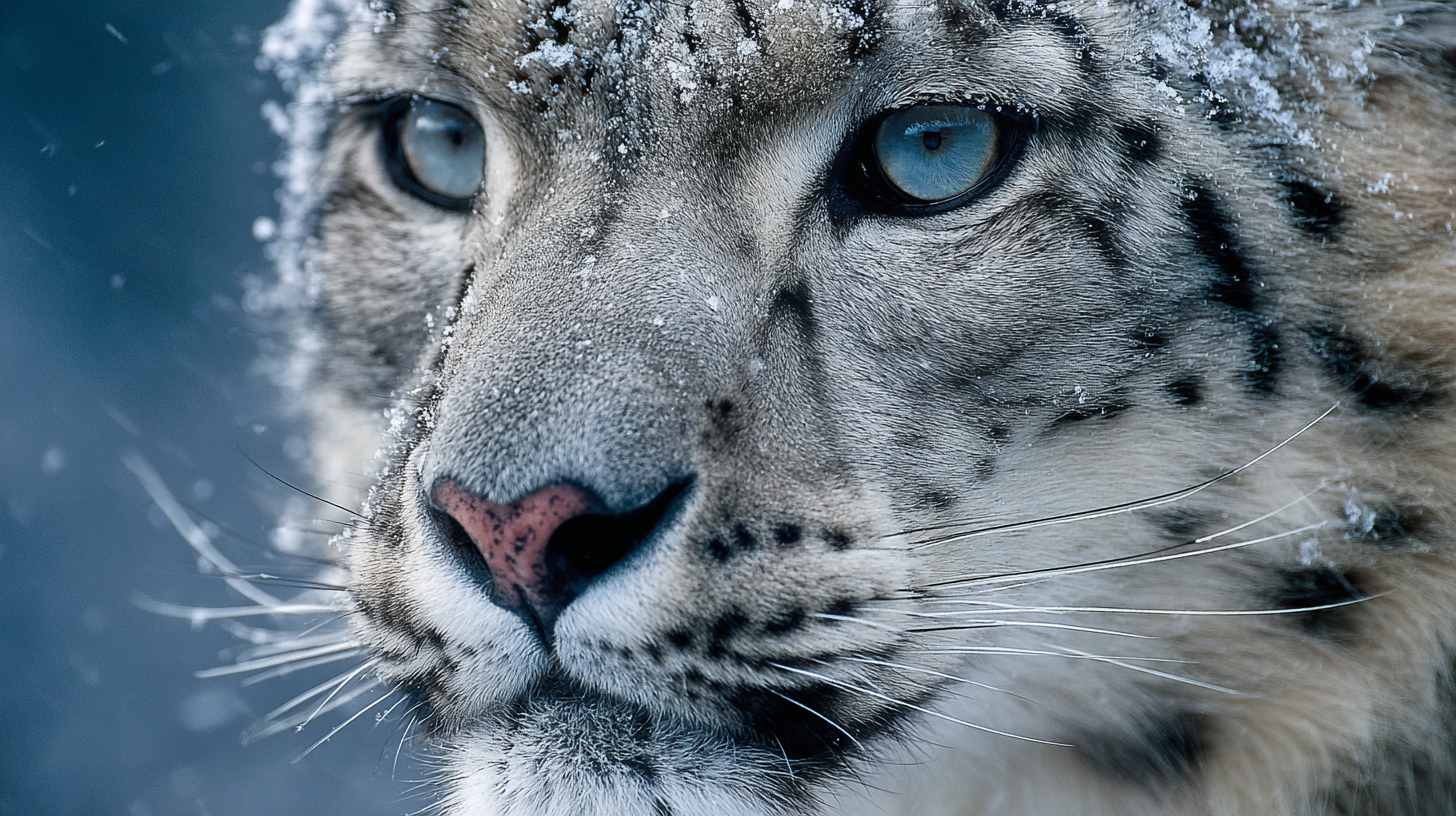
The northern regions of Pakistan, defined by the Karakoram, Himalaya, and Hindu Kush, offer some of the most dramatic wilderness on the Asian continent. Jagged peaks rise abruptly above valleys carved by glaciers thousands of years old. The air is thin and cold, vegetation sparse, and survival demands extraordinary adaptation. Even in this harshness, life thrives in quiet, astonishing ways. The snow leopard, elusive and spectral, embodies the mystery of the northern mountains. Its thick fur and powerful limbs allow it to navigate formidable cliffs with ease, while its solitary nature keeps it hidden from all but the most patient observers.
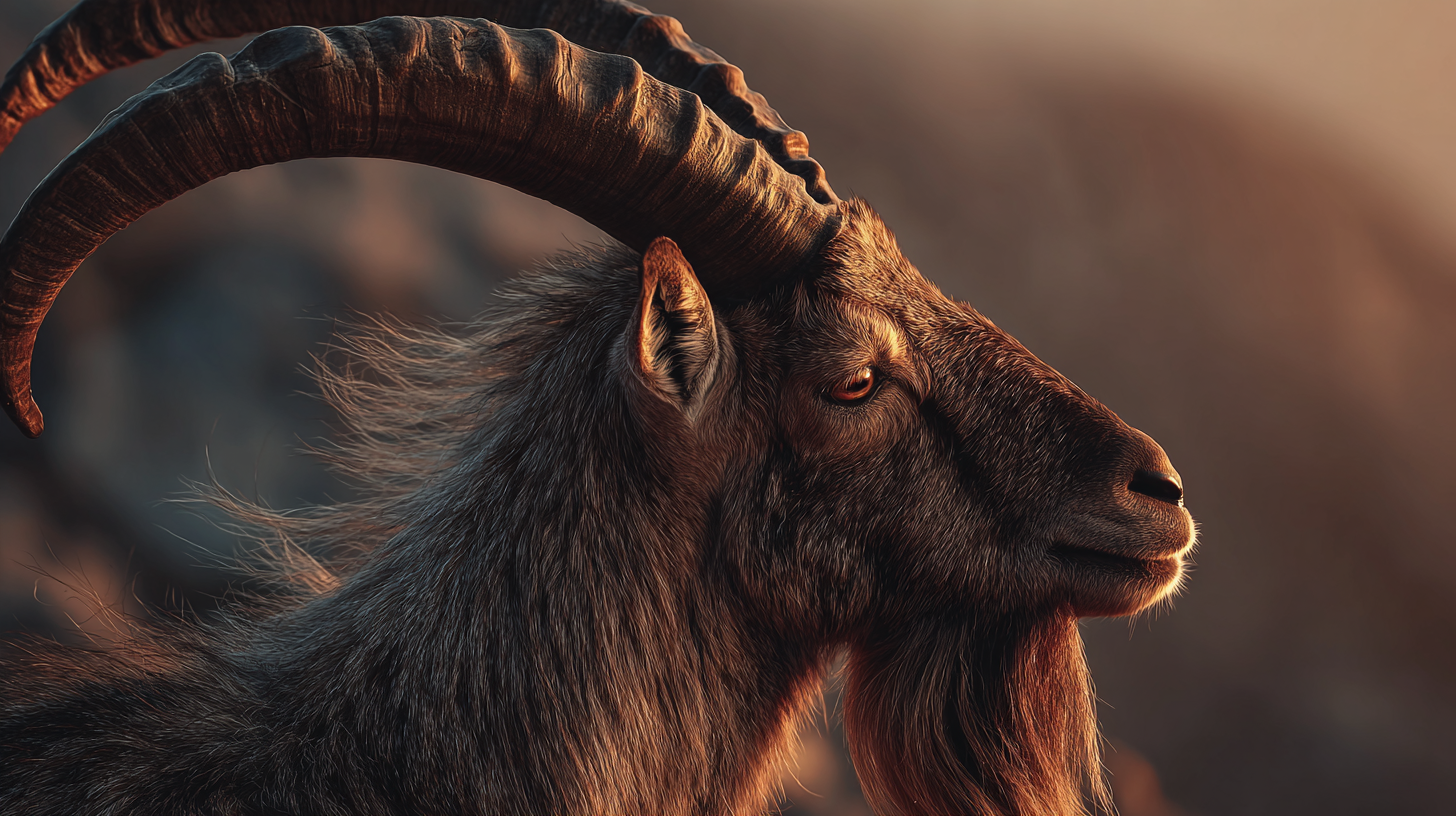
The markhor, Pakistan’s national animal, moves confidently across steep ridges, its spiral horns creating one of the most striking silhouettes in the animal kingdom. Herds traverse precarious pathways, often climbing to elevations that seem inaccessible to most mammals. Himalayan ibex occupy similar spaces, their agility allowing them to forage on sparse alpine vegetation. In more remote areas, brown bears roam in summer months, traveling through narrow valleys in search of food before the long winter. These species reflect an ancient lineage, descendants of wildlife in Pakistan that adapted to high-altitude conditions over thousands of years.
Birdlife also enriches northern habitats. Golden eagles spiral above valleys, scanning rocky slopes for movement. Lammergeiers glide effortlessly at high elevations, their wings casting shadows over cliffs as they search for bone fragments — the core of their diet. In the foothills, monals and koklas pheasants add flashes of iridescent color to the muted tones of alpine forests. Together, these species create an ecological tapestry that mirrors the dramatic terrain of the region: resilient, majestic, and deeply connected to the rhythm of mountains and seasons.
The Indus Valley: Wetlands, Floodplains, and a Life-Giving River
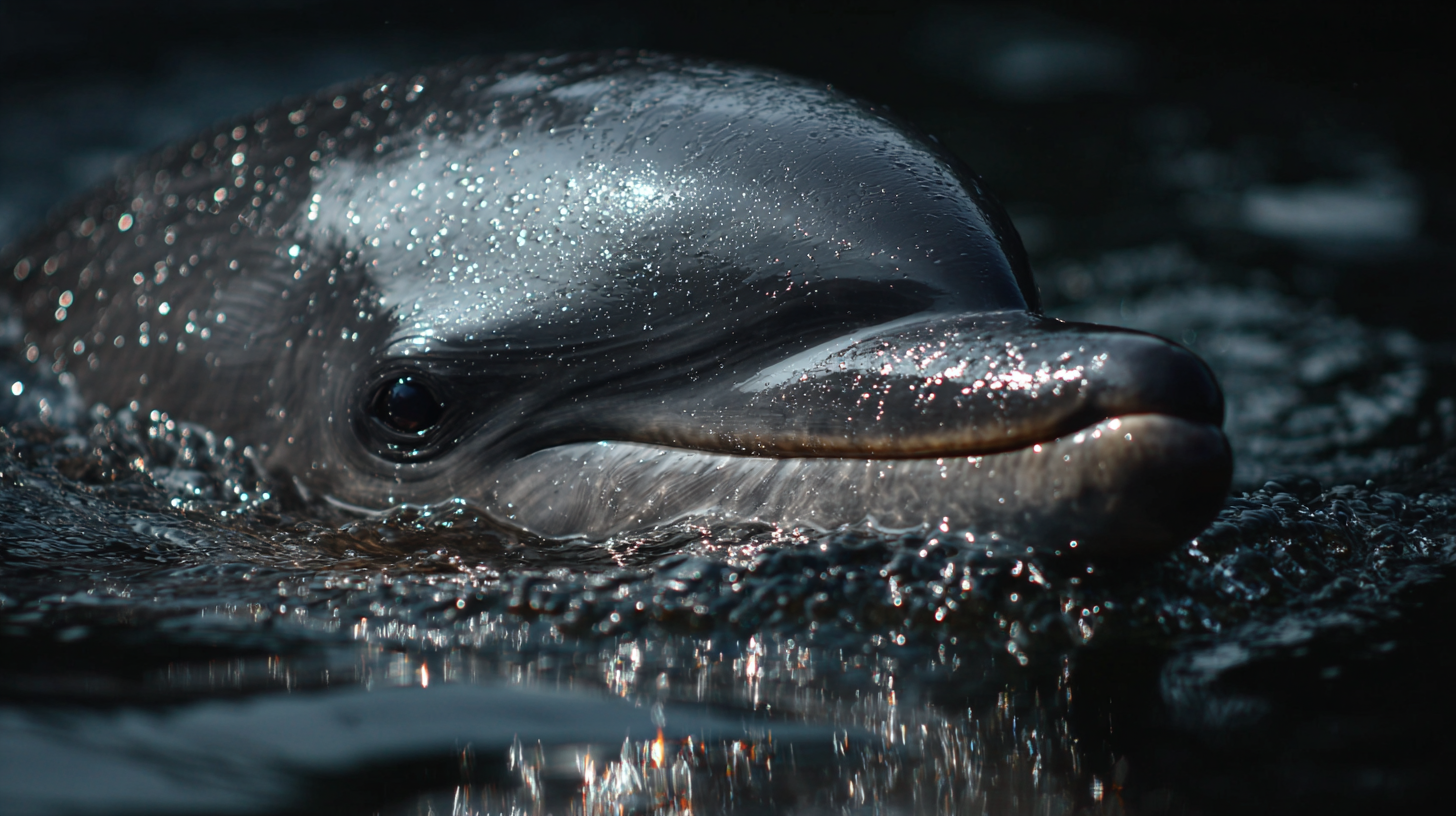
Flowing from the Tibetan Plateau to the Arabian Sea, the Indus River is Pakistan’s primary artery of life. Its waters sustain millions of people, nourish vast agricultural fields, and shape one of South Asia’s most productive ecosystems. Along its course, the river forms floodplains, marshes, and oxbow lakes that host an extraordinary assortment of wildlife in Pakistan. The Indus River Dolphin, one of the world’s few freshwater dolphin species, is the most iconic inhabitant of these waters. Nearly blind, it navigates turbid channels using echolocation, surfacing with gentle, rhythmic movements that reflect centuries of adaptation to shifting river currents.
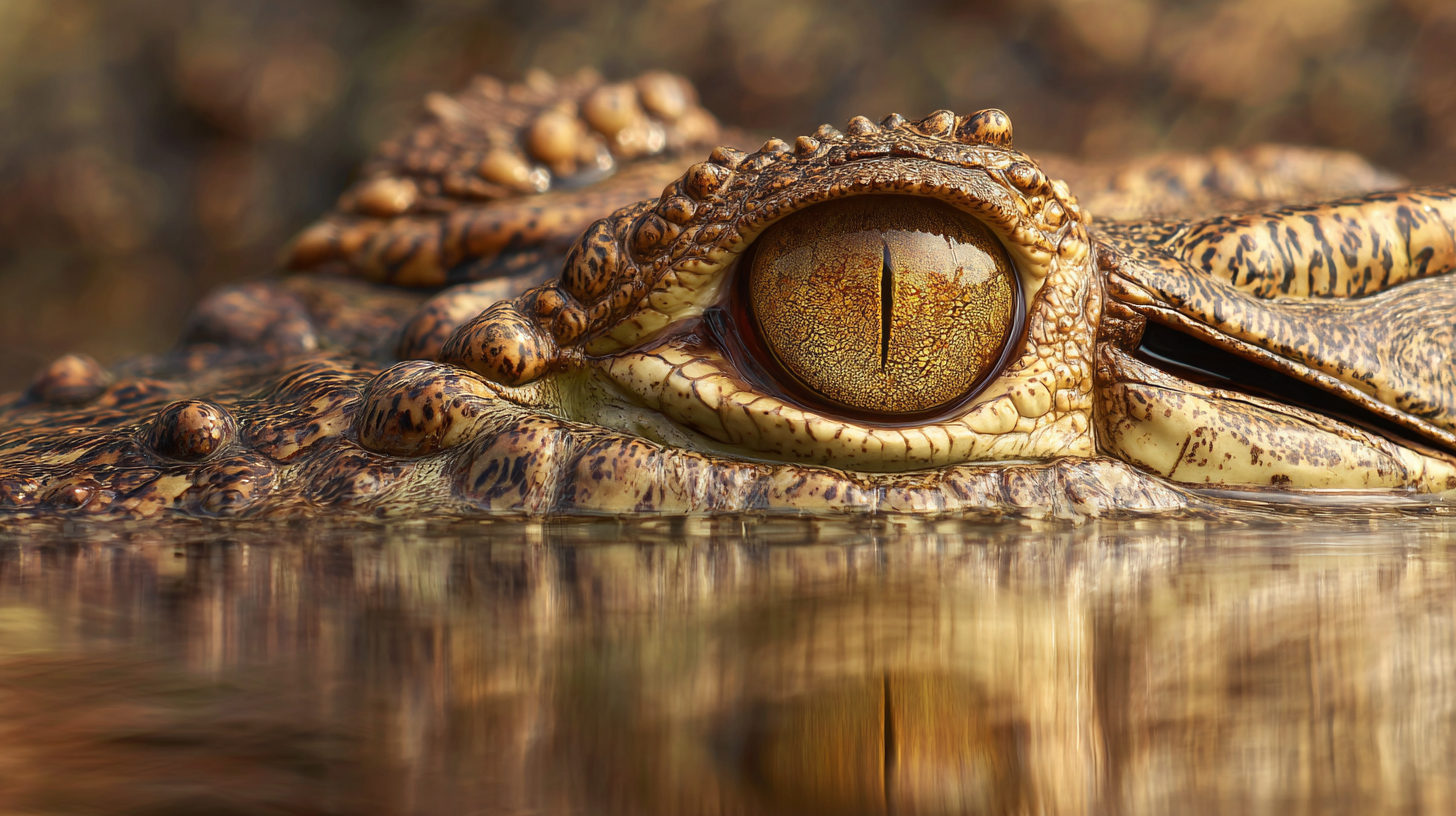
Marsh crocodiles bask on mudbanks in quieter stretches of the river, their stillness broken only when they slip into the water with deliberate grace. Various freshwater turtles patrol shallower areas, while otters play along reed-filled edges. Migratory birds arrive seasonally, transforming wetlands into vibrant sanctuaries. Flocks of pelicans, herons, storks, and teals rest during their long journeys across Central Asia, adding dynamic movement to the landscape.
The floodplains surrounding the Indus support mammals including hog deer, fishing cats, jackals, and wild boar. These Pakistan animals coexist with human agriculture, taking advantage of the vegetation and water sources shaped by the river’s seasonal rise and fall. The Indus system is a living, shifting environment — fertile, unpredictable, and essential to both wildlife and human survival. Its health reflects the broader ecological balance of the country, making conservation efforts in the valley vital for Pakistan’s environmental future.
The Forests of the North and West: Green Refuge of Diverse Species
While northern Pakistan is known for its mountains, its temperate forests represent another invaluable ecological realm. Pine, fir, and deodar forests cover large stretches of Khyber Pakhtunkhwa and Gilgit-Baltistan, forming habitats for species that thrive in cooler, forested conditions. These woodlands provide refuge for leopards that move through shaded undergrowth, hunting silently on forested slopes. Himalayan black bears emerge in summer, foraging on berries and insects, while rhesus macaques and langurs add lively energy to treetops and forest clearings.
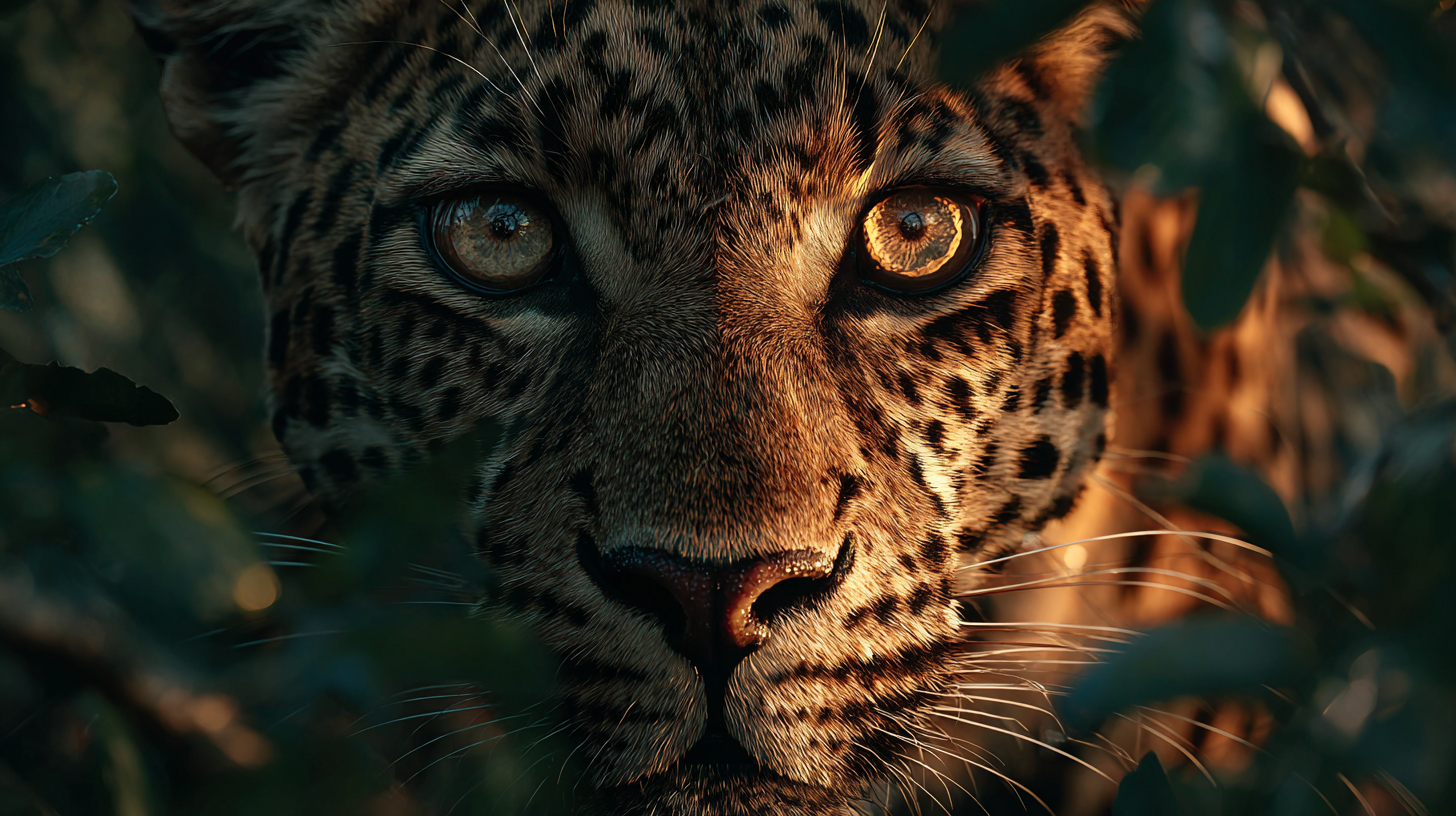
Birds enrich these ecosystems with visual and auditory variety. Woodpeckers drum on trunks, creating rhythmic echoes through dense clusters of pine. Partridges move quietly through undergrowth, their patterned feathers blending with the forest floor. Warblers and finches weave through branches in constant motion. In some areas, rare species like the western tragopan inhabit thick vegetation, their presence a marker of ecological health.

Lower elevation forests, especially in the Potohar Plateau and Hazara region, host an entirely different community of species. Jungle cats stalk open patches, porcupines roam at night, and foxes navigate between woodland edges and nearby farmland. These forests act as ecological bridges, linking mountainous habitats to plains ecosystems and supporting the movement of both resident and migratory wildlife in Pakistan. The diversity of species in these areas reflects the wide climatic range that Pakistan’s forests encompass — from cold alpine woodland to warmer subtropical belts.
Central and Southern Plains: The Living Mosaic of Grasslands and Farmlands
Stretching across large portions of Punjab and Sindh, Pakistan’s central plains are shaped by agricultural development, but pockets of natural habitat still host important wildlife populations. Grasslands and riverine forests once dominated the region, and although much has been converted to farmland, the remnants harbor species adapted to open, semi-arid environments. Blackbuck antelopes, once abundant, now survive in protected areas where efforts continue to revive their populations. Their delicate form and swift movements are reminders of landscapes that once stretched uninterrupted across plains and floodplains.

Wild boar, jackals, and Indian foxes remain common, thriving in areas where natural and agricultural lands blend. These species move with ease between sugarcane fields, wooded patches, and irrigation channels. The same mosaic supports birds such as partridges, lapwings, rollers, and bee-eaters, whose bright plumage stands out against dry soil and cultivated fields. Raptors including kites, harriers, and falcons survey the plains from above, their flight patterns tracing ancient sky routes.
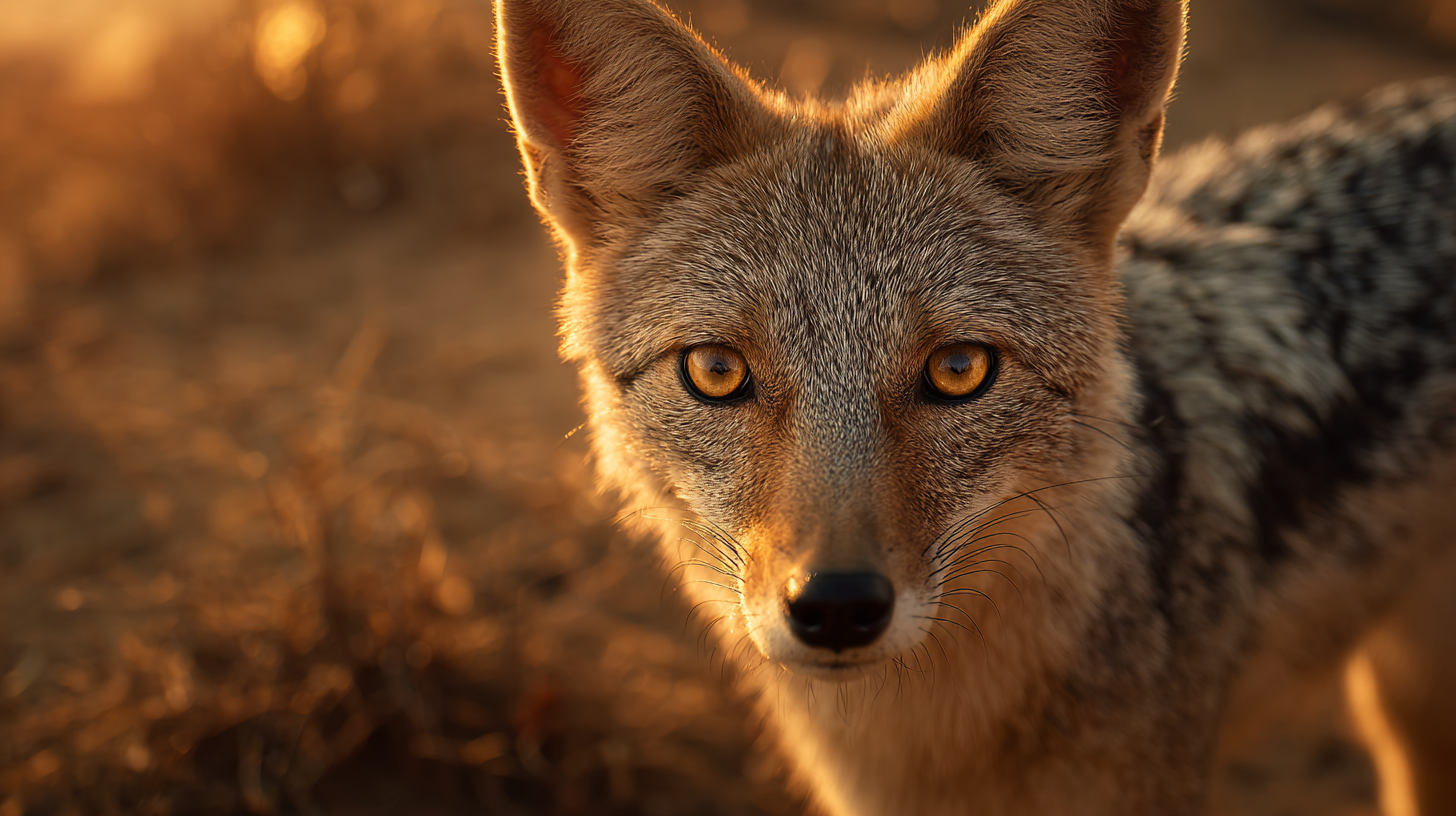
Riverine forests, though diminished, survive in some stretches along the Chenab, Ravi, and Sutlej. These woodlands, often dominated by acacia and tamarisk, provide habitat for hog deer, wild cats, and a variety of reptiles. Buffalo wallow in muddy shallows, while cattle egrets accompany them, creating familiar pastoral scenes. The central plains embody a delicate balance between human livelihood and natural resilience — a landscape where wildlife endures in pockets, adapting constantly to changing environmental pressures.
Western Highlands: Harsh Terrain Shaped by Wind and Stone
The western highlands of Balochistan form one of Pakistan’s least populated and most rugged regions. These rocky plateaus, arid valleys, and sparse shrublands support species uniquely adapted to scarcity. The chinkara, or Indian gazelle, moves gracefully across gravel plains, its alert posture reflecting the constant need for vigilance. Urial sheep inhabit hilly terrain, navigating steep slopes with ease while grazing on sparse vegetation. Their curled horns and sure-footed movement give them a distinctive presence in an otherwise austere environment.

In more remote sectors, predators such as the caracal maintain territories, relying on stealth to hunt birds and small mammals. The desert hare and Cape hare dart quickly across open ground, disappearing almost instantly behind shrubs. Reptiles thrive in the heat of the western highlands: monitor lizards patrol dry riverbeds, spiny-tailed lizards bask on rocks, and snakes move silently through sandy crevices.
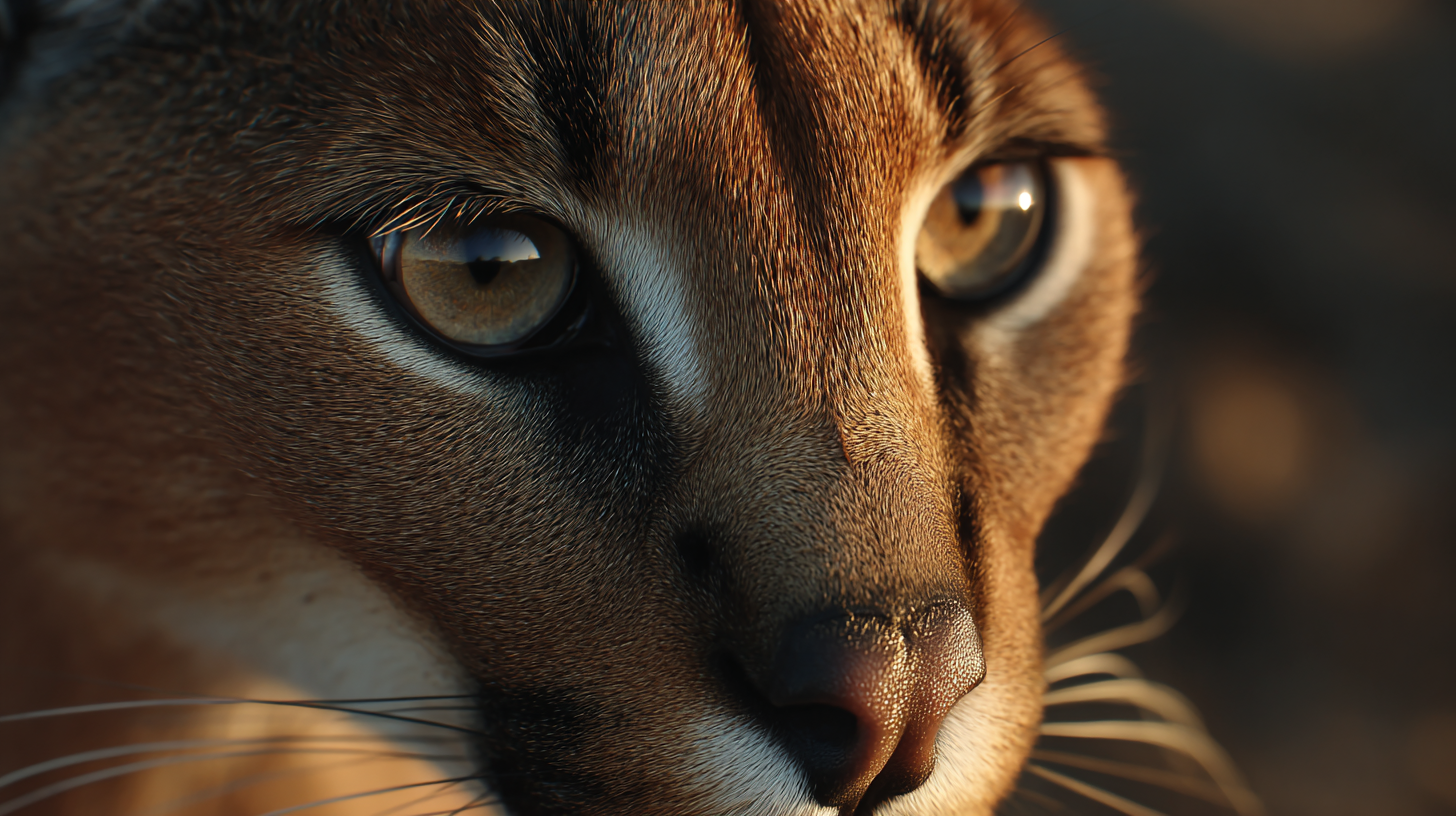
Bird species adapted to arid conditions include desert larks, wheatears, and sandgrouse. These birds often travel great distances in search of water sources, gathering in surprising numbers at natural springs or man-made reservoirs. The western highlands represent one of Pakistan’s most challenging environments for wildlife survival, yet species persist here through remarkable specialization. The region remains a vast, largely unaltered wilderness where geological forces shape both land and life.
Deserts of Sindh and Punjab: Survival in Extreme Conditions
The Thar Desert in Sindh and the Cholistan Desert in Punjab showcase another facet of Pakistan’s ecological diversity — landscapes defined by sweeping dunes, sparse vegetation, and intense climatic extremes. Life in these deserts depends on adaptation to heat, limited water, and shifting sands. The chinkara, one of the desert’s emblematic species, uses its agility and acute senses to move across dunes with remarkable ease. Desert cats, though rarely seen, stalk rodents and small birds in the quiet hours of dawn and dusk.
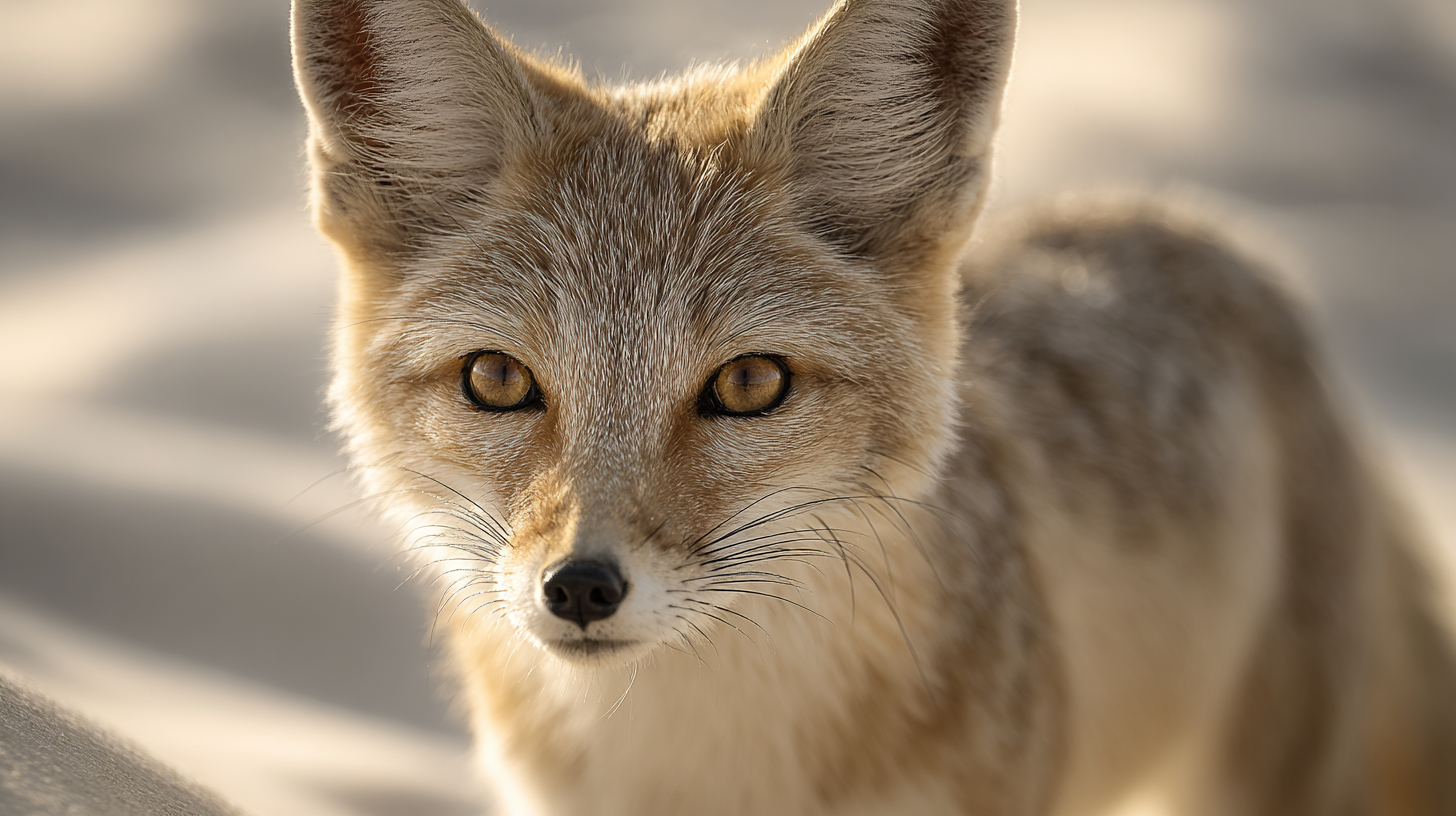
The Indian wild ass, found in the bordering regions of the Rann of Kutch, represents one of the most resilient mammals in arid South Asia. Its endurance becomes apparent during long migrations in search of water and grazing lands. Desert foxes and jackals also thrive here, their nocturnal behaviors helping them avoid daytime heat. Among reptiles, the saw-scaled viper, sand boa, and fringe-toed lizard adapt to desert temperatures through specialized physiology and behavior.

Birdlife in desert regions is richer than expected. Partridges and quails scurry between shrubs, larks vocalize on open sand, and migratory species pass through during winter, taking temporary refuge in desert depressions where water collects. These deserts are harsh yet dynamic systems, holding a quiet beauty shaped by resilience and evolution. Although wildlife is often hidden from immediate view, patience reveals a surprisingly active ecosystem.
Coastal Regions and Mangroves: Life at the Edge of Sea and Land
Pakistan’s coastline along the Arabian Sea hosts mangrove forests, mudflats, sandy beaches, and estuaries — habitats essential for both marine and terrestrial species. The Indus Delta region contains one of the world’s largest expanses of arid-zone mangroves, dominated by Avicenna marina. These mangroves provide shelter for fish nurseries, crustaceans, and marine birds. They also serve as natural buffers, stabilizing coastlines against storms and erosion.

The Arabian Sea itself holds a diversity of marine life, including dolphins, sea turtles, and numerous species of fish. Green turtles visit sandy beaches at night to lay eggs, their slow movements illuminated by moonlight reflecting on wet sand. Dolphins often gather near offshore fishing grounds, surfacing rhythmically as they follow schools of fish. Whale sharks, though rare, have been sighted in deeper waters, offering a glimpse into Pakistan’s lesser-known marine ecosystems.
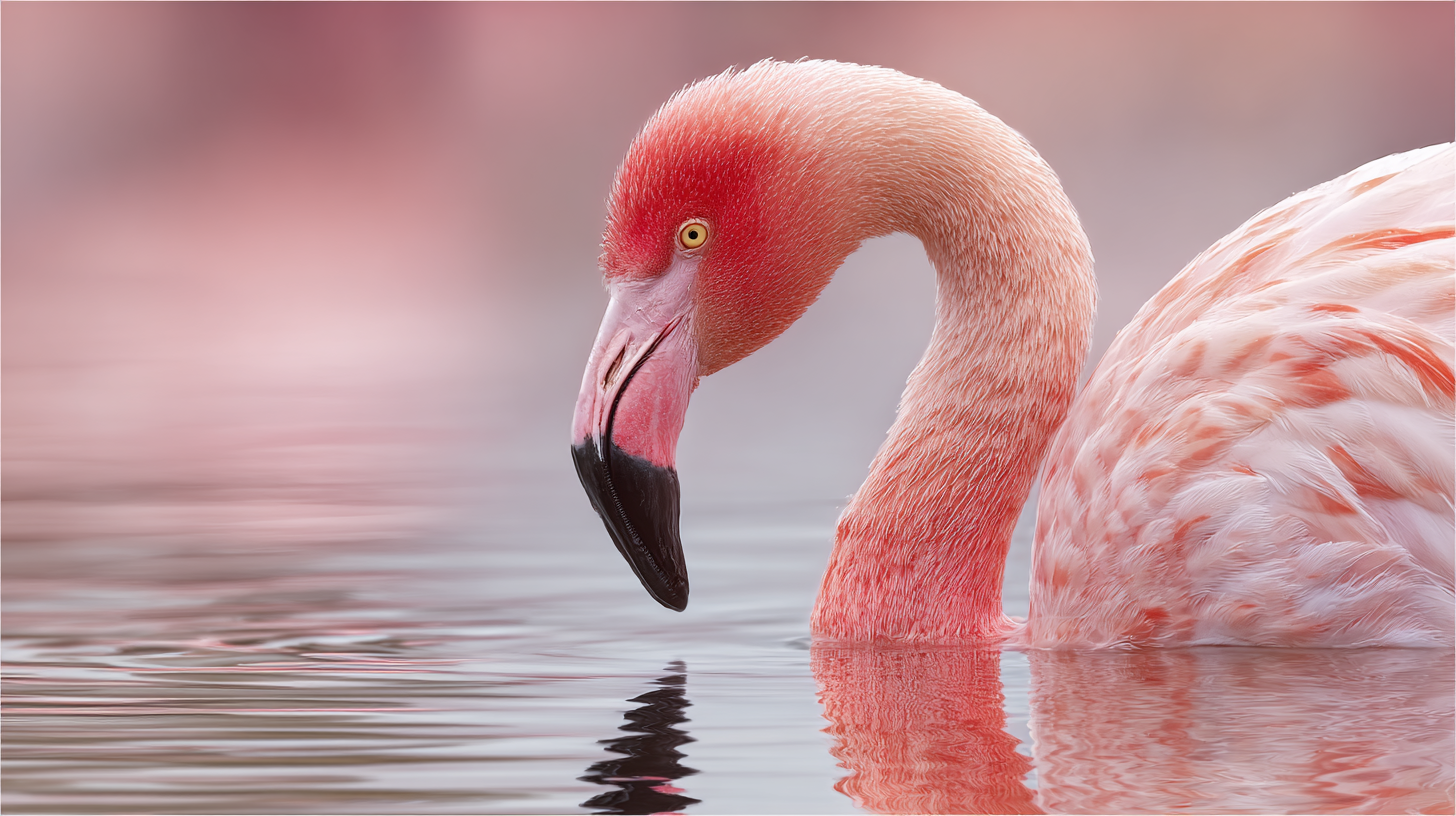
Bird species rely heavily on coastal habitats during migration. Flamingos, gulls, terns, and waders gather in mudflats and tidal zones, creating vibrant scenes during winter months. These areas highlight the importance of Pakistan’s coastline as a corridor for migratory routes that connect continents. The coexistence of land, river, and sea forms a unique ecological interface, one where biodiversity is shaped by tides, salinity, and seasonal change.
Conclusion
Wildlife in Pakistan diversity reflects the extraordinary range of environments that define the country’s geography. From alpine forests to river wetlands, from western highlands to coastal mangroves, each region offers its own distinctive ecological world. The presence of snow leopards in remote mountains, river dolphins navigating the Indus, gazelles sprinting across deserts, and turtles nesting along the Arabian Sea coastline underscores the adaptability of species within challenging landscapes. These Pakistan animals and their habitats are reminders of the ecological richness that lies beyond Pakistan’s urban centers.
Understanding this diversity is more than a matter of scientific interest; it is essential for conservation planning and environmental stewardship. As human populations grow, climate patterns shift, and natural habitats change, the need to protect these ecosystems becomes increasingly urgent. Wildlife in Pakistan represents a living heritage shaped by millennia of natural evolution. Safeguarding it ensures that future generations can experience the same awe that these landscapes inspire today — a connection to nature that transcends boundaries and reveals a deeper appreciation for the country’s ecological identity.
Learn more: WWF Pakistan – Wildlife Conservation