
Dress codes and admission policies are more likely to matter here. Wear closed shoes and smart-casual clothing, bring your passport and check whether the event requires advance booking.
Do not build your evening around an old list of famous Seoul clubs. Nightlife businesses change names, locations and operating schedules frequently. Select a district first and verify individual venues shortly before your visit.
Who should choose Gangnam?
Gangnam works best for:
- premium cocktail bars;
- upscale lounges;
- large clubs and electronic music events;
- birthdays and special occasions;
- travellers comfortable with higher and less predictable spending.
It is less suitable for spontaneous bar hopping on a limited budget.
Euljiro and Jongno: Best for Pocha, Food and a More Casual Night
Seoul nightlife is not limited to clubs. Euljiro and Jongno are useful alternatives for travellers who want Korean food, beer, soju and conversation.
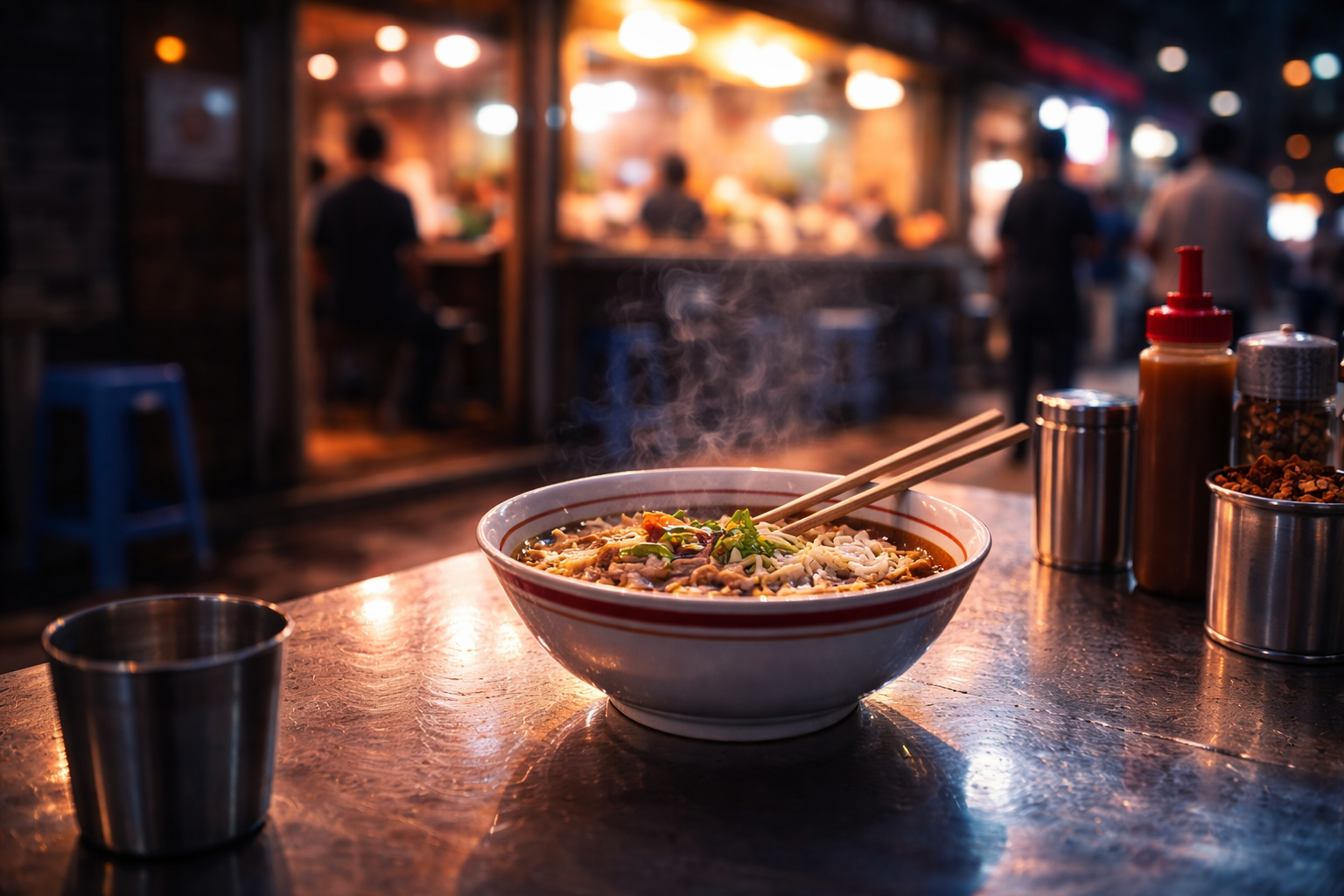
A pocha is a casual drinking place where alcohol is normally ordered with food. Depending on the establishment, it may resemble a small restaurant, a tented street stall or a modern interpretation of the traditional format.
Good starting points include Euljiro 3-ga and Jongno 3-ga stations. Ikseon-dong is nearby, although its cafés and photogenic streets tend to become quieter earlier than the surrounding drinking areas.
What to expect
A simple evening might consist of:
- Korean barbecue or fried chicken;
- jeon with makgeolli;
- grilled dishes or shared stews at a pocha;
- a small cocktail bar;
- noraebang before returning to the hotel.
Expect to spend approximately ₩20,000–₩40,000 per person for shared food and drinks at a casual establishment. More elaborate cocktail bars and restaurants can push the total higher.
Euljiro and Jongno are better choices than Gangnam if your priority is conversation, food and a recognisably Korean style of evening rather than a large dance venue.
Noraebang: Costs and How It Works
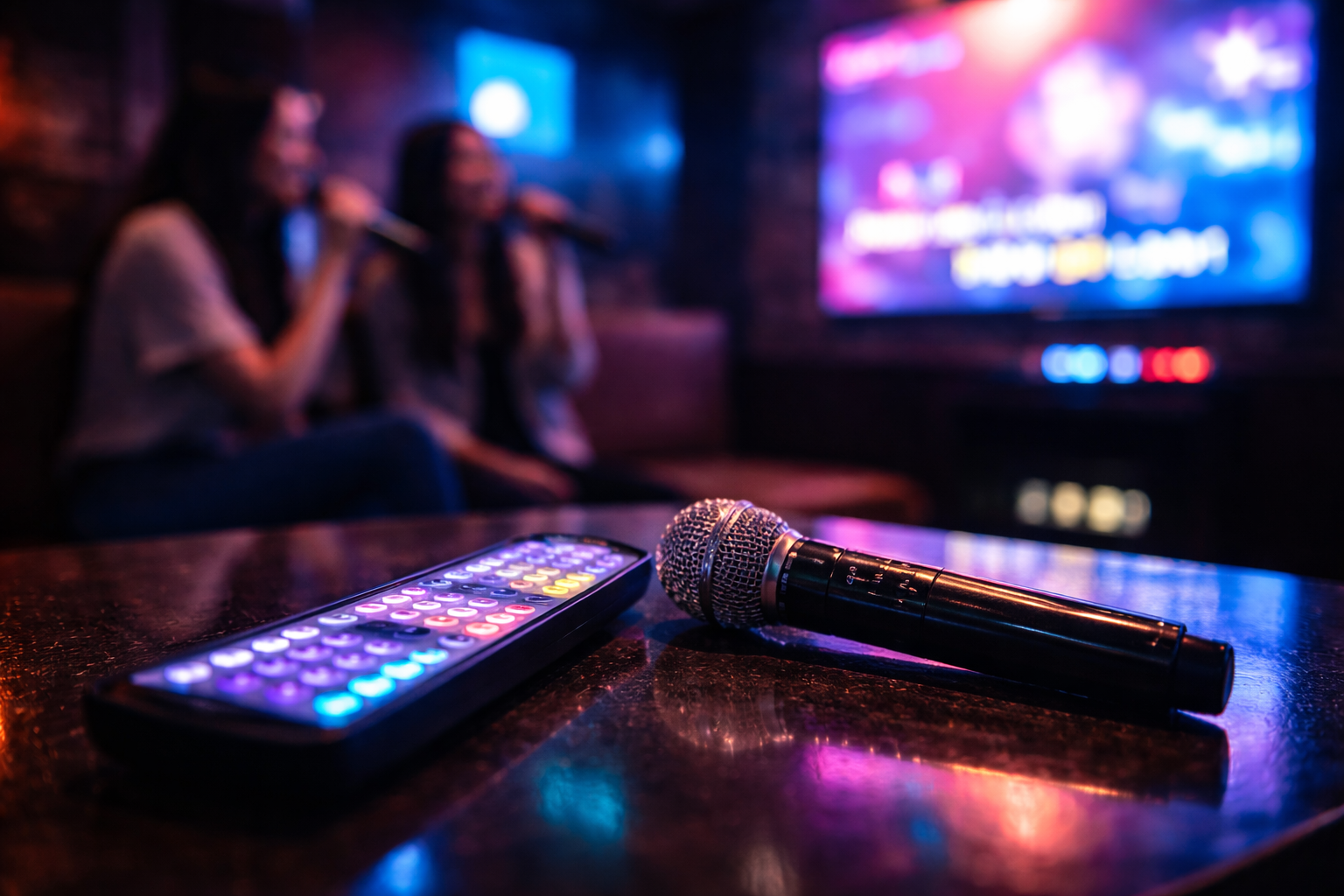
Noraebang is Korean private-room karaoke. Instead of singing in front of an entire bar, your group rents a room equipped with microphones, screens and a song-selection system.
Two common formats are available:
- Regular noraebang: payment is usually based on the room and amount of time.
- Coin noraebang: payment is based on a small number of songs, making it convenient for solo travellers or short visits.
A reasonable planning range for a regular room is ₩10,000–₩40,000 per hour. Price depends on the district, room size, time and quality of the equipment. Premium rooms can cost more.
Many machines contain international songs, but the catalogue varies. Search by title or artist rather than assuming every recent English-language release will be available.
Before entering, confirm:
- whether the price is per person or per room;
- how many minutes are included;
- whether drinks must be purchased separately;
- whether additional time is added automatically;
- the final closing time.
Travellers looking for ordinary karaoke should choose a clearly marked mainstream or coin noraebang. Businesses offering host or hostess services are a different type of establishment.
PC Bangs and Other Late-Night Options
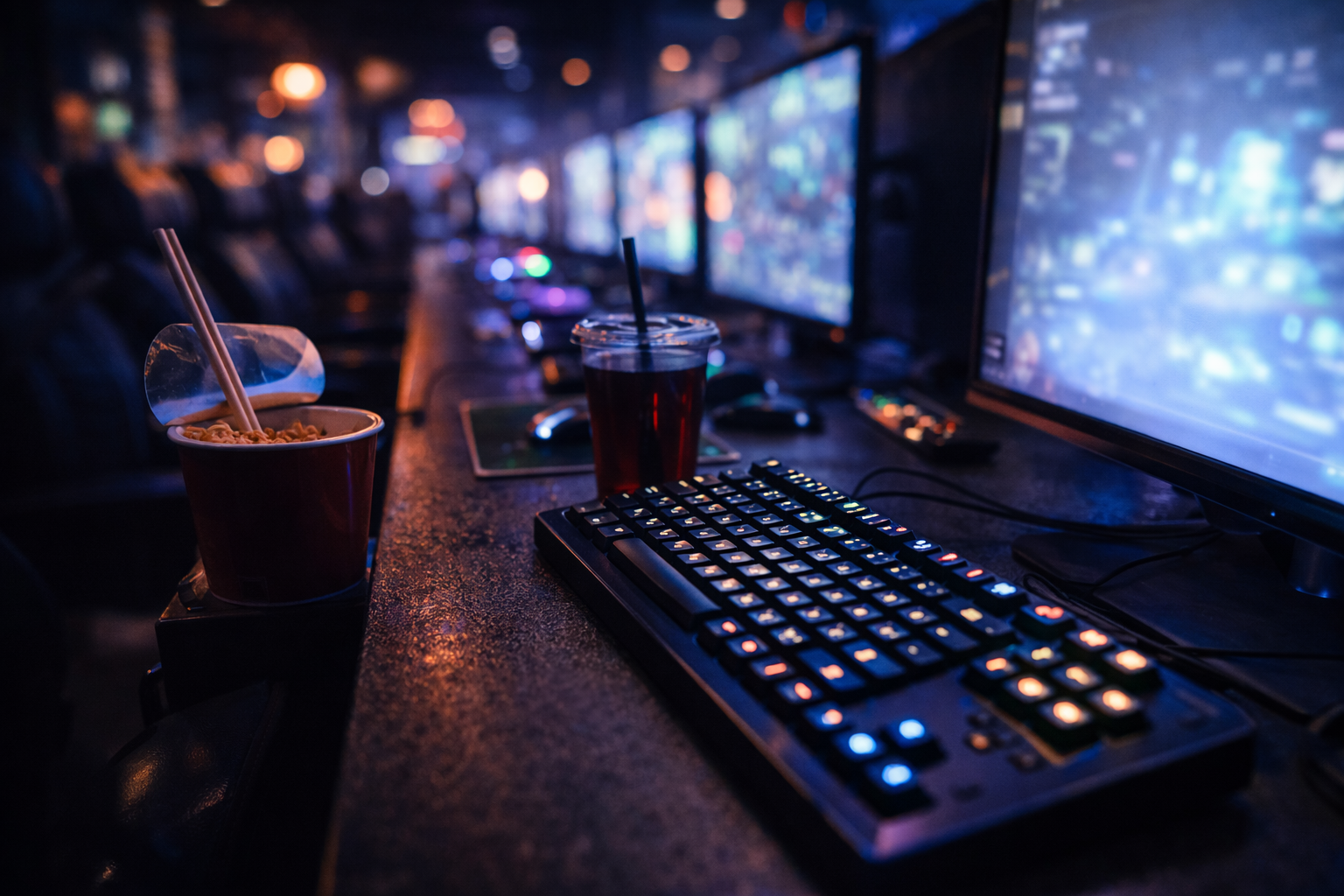
A PC bang is a gaming café with high-performance computers rented by time. Many operate late or around the clock, although individual hours vary.
A typical planning price is approximately ₩1,000–₩3,000 per hour, excluding food and drinks. Some systems require a local account for particular Korean games, but many PC bangs can create a temporary visitor session.
PC bangs are useful when:
- you do not drink;
- the weather is poor;
- you need somewhere indoors after other activities finish;
- you want to experience part of Korean gaming culture.
They are not substitutes for coworking spaces. Noise levels, seating arrangements and computer interfaces are designed primarily for gaming.
Other evening alternatives include late-night cinemas, riverside walks, observation decks and seasonal performances. Confirm closing and last-entry times because “night activity” does not necessarily mean the attraction remains open after midnight.
How Much Does a Night Out in Seoul Cost?
The following budgets are useful for planning, but they are not official tariffs.
Budget evening: ₩20,000–₩45,000 per person
This might include:
- an inexpensive meal;
- one or two convenience-store or casual-bar drinks;
- coin noraebang or a shared karaoke room;
- returning by subway.
Bars and noraebang: ₩50,000–₩100,000 per person
This might include:
- dinner;
- two or three drinks;
- a shared noraebang room;
- a short taxi ride or night bus.
Club night: ₩80,000–₩180,000+ per person
This might include:
- dinner;
- club entry;
- several drinks;
- food after the club;
- a taxi back to the accommodation.
Gangnam, premium cocktails, ticketed events and table service can push spending well beyond this range.
The simplest way to control your budget is to decide in advance whether you will return by subway. Missing the last train can turn an otherwise inexpensive evening into a much more expensive one.
Last Trains, Night Buses and Taxis
Never rely on a general statement such as “the Seoul subway closes at midnight.” The last usable train depends on:
- the station;
- the line;
- your direction;
- the final destination of the train;
- whether you need to transfer;
- weekday, weekend or holiday schedules.
A train may still depart from a station but terminate before reaching your accommodation. Check the entire route in Naver Map, KakaoMap or an official transport service before beginning the evening, then check it again before leaving the venue.
For subway fares, transport cards and taxi alternatives during the rest of your trip, see our South Korea transportation guide.
Seoul late-night buses
Seoul operates night buses identified with an N before the route number. The Seoul Metropolitan Government states that these buses generally operate from around midnight until 4:00 AM, based on last departure time. Routes and intervals differ, so confirm the current stop and direction rather than relying on an old route map. See the city’s public transportation guide.
A night bus may be inexpensive, but it is not always convenient. Routes cover long distances, intervals can be substantial, and the closest stop may still require a walk or transfer.
Taxis after midnight
The official Seoul tariff page currently lists the following late-night surcharges for standard taxis:
- 20% from 10:00 PM to 11:00 PM;
- 40% from 11:00 PM to 2:00 AM;
- 20% from 2:00 AM to 4:00 AM.
Additional charges can apply outside Seoul, and app-based premium services may use different pricing. Check the current Seoul taxi fare information before travelling.
Use a legitimate metered taxi or a recognised taxi-booking application. Keep the name and address of your accommodation written in Korean, especially if it is a small guesthouse.
Safety, ID and Emergency Numbers
Seoul nightlife requires the same precautions you would use in any large city.
- Keep your passport in a secure inner pocket.
- Do not leave drinks unattended.
- Do not accept an already-open drink from a stranger.
- Avoid carrying more cash than you expect to use.
- Check the final price before ordering bottle service or entering a paid room.
- Confirm whether a club ticket includes a drink.
- Stay with your group when moving between venues.
- Leave streets, platforms or entrances that become dangerously crowded.
- Save your accommodation address in Korean.
- Decide how you will return before drinking.
Useful numbers in South Korea: