Myeongdong Shopping: Best for K-Beauty and First-Time Visitors
Myeongdong is the easiest starting point for visitors who want Korean skincare, makeup and familiar fashion brands in one compact area. Its main streets contain cosmetics stores, international chains, department stores, underground shopping passages and numerous small souvenir shops.
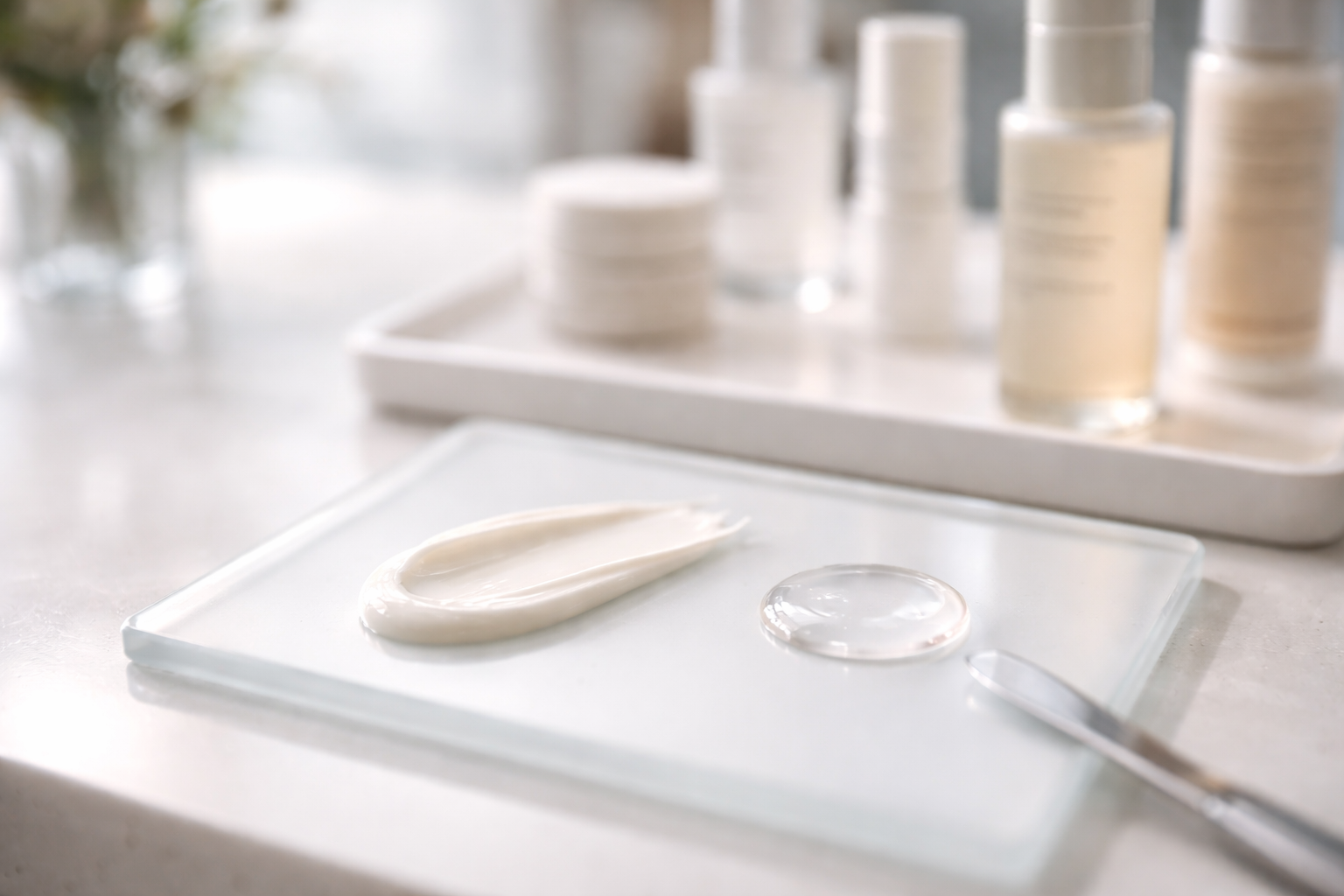
Sheet masks commonly cost approximately ₩1,000–5,000 each, while cleansers, sunscreens and moisturizers usually fall between ₩10,000 and ₩50,000. Clothing can range from inexpensive basics to premium department-store brands.
The concentration of stores makes price comparison relatively easy. Nevertheless, promotional bundles are only useful when you already know the product. Buying several unfamiliar skincare items because of a discount can produce more luggage than value.
Best for: Korean cosmetics, accessible fashion, souvenirs and first-time visitors.
What to buy: Sunscreen, skincare, makeup, sheet masks, beauty tools and small gifts.
Nearest subway: Myeongdong Station, Line 4, exits 5–10.
When to visit: Late morning through evening.
Limitations: Myeongdong is convenient but crowded and not automatically the cheapest place in Seoul.
Store hours vary throughout the district. Current transport and visitor information can be checked on the official Visit Seoul Myeongdong page.
Hongdae Shopping: Best for Streetwear and Youth Fashion
Hongdae is better suited to trend-led fashion, accessories and casual browsing. The streets around Hongik University contain Korean streetwear brands, inexpensive accessory shops, beauty stores, vintage clothing, photo booths and shops promoted through social media.
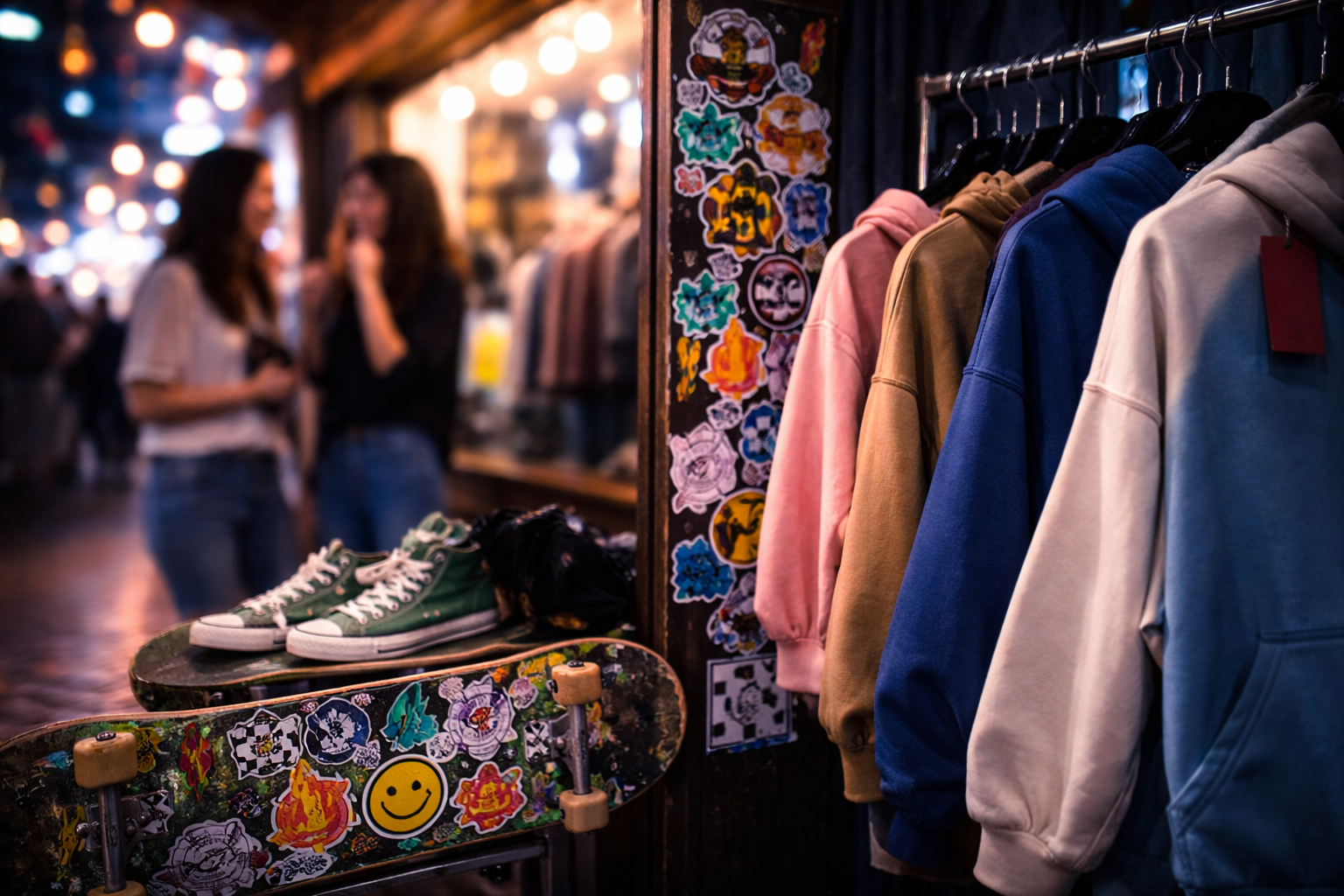
Accessories commonly cost approximately ₩5,000–20,000, basic T-shirts ₩15,000–40,000 and branded streetwear around ₩30,000–120,000. Prices at Korean flagship stores and curated boutiques can be higher.
Shopping here can be combined with cafés, restaurants, performances and nightlife, making Hongdae useful for visitors who do not want an entire day centred only on retail. Many fashion stores become busier during the afternoon and evening.
Best for: Streetwear, youth fashion, accessories and trend-focused Korean brands.
What to buy: T-shirts, hats, bags, casual clothing, jewellery and character merchandise.
Nearest subway: Hongik University Station, served by Line 2, AREX and the Gyeongui–Jungang Line. Exit 9 is a useful starting point.
When to visit: Afternoon through evening.
Limitations: Quality varies among inexpensive stores, and changing rooms or returns may be restricted.
The official tourism site identifies the R3 area near Hongik University Station as one of Hongdae’s main concentrations of fashion and cosmetics stores. See the Hongdae R3 Fashion Street guide.
Dongdaemun Shopping: Best for Fashion Markets and Late Shopping
Dongdaemun is not one market with a single timetable. It is a large commercial area containing retail malls, wholesale businesses, fabric markets and specialist buildings. Choosing a specific building before arriving is more efficient than walking through the entire district without a plan.
Dongdaemun Shopping Complex is particularly useful for fabrics, sewing materials, accessories, wedding supplies and craft components. Other buildings concentrate on ready-made clothing and trend-driven fashion. Accessories may start around ₩3,000–20,000, while retail clothing commonly falls between ₩10,000 and ₩60,000.
Although Dongdaemun is famous for late shopping, not every market stays open at night. Daytime fabric markets, tourist-oriented malls and wholesale businesses follow different schedules. Some sellers primarily serve business buyers and may require minimum quantities.
Best for: Fabrics, fashion markets, accessories and comparing many products.
What to buy: Clothing, bags, jewellery components, fabric, sewing supplies and craft materials.
Nearest subway: Dongdaemun Station for the Shopping Complex; Dongdaemun History & Culture Park for malls around DDP.
When to visit: Daytime for fabrics and retail markets; evening or night only for buildings with confirmed late hours.
Limitations: The area is large, opening schedules are complicated and some businesses focus on wholesale customers.
Check the specific building before visiting. The official Dongdaemun Shopping Complex page lists separate operating hours for fabrics, accessories and other sections.
Insadong Shopping: Best for Traditional Korean Gifts
Insadong is one of Seoul’s most practical areas for traditional and culturally themed souvenirs. Its main street and surrounding lanes contain shops selling ceramics, hanji paper products, calligraphy supplies, tea, stationery, artwork and contemporary crafts based on Korean design.
Small souvenirs and stationery commonly cost around ₩3,000–20,000. Tea, ceramics and decorative items often cost approximately ₩10,000–50,000, while handmade crafts and artwork may cost ₩50,000–150,000 or considerably more.
Ssamziegil is a convenient starting point for modern Korean gifts and small design shops. The surrounding side streets are better for galleries, specialist craft stores and traditional tea houses.
Best for: Traditional gifts, crafts, tea, stationery and culturally meaningful souvenirs.
What to buy: Hanji products, ceramics, tea sets, calligraphy materials, handmade accessories and Korean artwork.
Nearest subway: Anguk Station, Line 3.
When to visit: Late morning through early evening.
Limitations: Some inexpensive souvenirs are mass-produced. Genuine handmade work costs more, while ceramics require careful packing.
The official Insadong guide provides an overview of the district’s craft shops, galleries, stationery stores and traditional products.
Gangnam Shopping: Best for Department Stores and Luxury Shopping
Gangnam covers several different shopping areas rather than one compact street. Gangnam Station is useful for affordable fashion and beauty stores, Samseong provides access to Starfield COEX Mall, and Apgujeong and Cheongdam are associated with department stores and luxury boutiques.
Gangnam Station Underground Shopping Center offers the most accessible budget shopping in the area. Clothing and accessories commonly start around ₩10,000–30,000. COEX contains domestic and international brands at a wider range of prices, while Apgujeong department stores and designer boutiques can easily exceed ₩100,000–300,000 per item.
Gangnam works well during poor weather because major malls and underground shopping areas provide indoor shopping, restaurants and entertainment.
Best for: Department stores, malls, Korean designers, cosmetics and luxury brands.
What to buy: Premium beauty products, fashion, accessories and designer goods.
Nearest subway: Gangnam Station for affordable shopping; Samseong or Bongeunsa for COEX; Apgujeong or Apgujeong Rodeo for luxury shopping.
When to visit: Late morning through evening.
Limitations: The shopping areas are spread out. Combining Gangnam Station, COEX and Apgujeong in one short visit is inefficient.
Official information is available for Gangnam Station Underground Shopping Center and Starfield COEX Mall.
Seongsu Shopping: Best for Pop-Ups and Korean Designer Brands
Seongsu is better for discovering contemporary Korean brands than for bargain shopping. Former industrial buildings now accommodate fashion stores, beauty flagships, lifestyle boutiques, cafés and temporary pop-up spaces.
Pop-up merchandise and small lifestyle products commonly cost around ₩10,000–50,000. Accessories and design products often fall between ₩20,000 and ₩100,000, while Korean designer clothing may cost ₩50,000–300,000 or more.
Start around Seongsu Station and continue toward Yeonmujang-gil. Larger multi-brand stores make it possible to compare several Korean labels, while smaller streets contain frequently changing exhibitions and pop-ups.
Best for: Korean designer fashion, beauty flagships, lifestyle products and pop-up stores.
What to buy: Designer clothing, fragrances, stationery, beauty products and limited-edition merchandise.
Nearest subway: Seongsu Station, Line 2, particularly exits 3 and 4.
When to visit: Midday through evening.
Limitations: Pop-ups change frequently and can close with little notice. Check current schedules before making a special journey.
Visit Seoul describes Yeonmujang-gil as a concentration of boutiques, galleries and frequently changing brand pop-ups.
What to Buy in Seoul
The most practical purchases are products that are difficult to find at home, reasonably easy to pack and connected to Korean design or everyday culture.
Korean Skincare and Cosmetics
Popular purchases include sunscreen, cleansers, moisturizers, lip products, cushion foundations and sheet masks. Check ingredients and expiration dates, and avoid buying large bundles before testing the product.
Typical prices:
- Sheet masks: ₩1,000–5,000;
- sunscreen and cleansers: ₩10,000–30,000;
- moisturizers and serums: ₩15,000–60,000;
- premium skincare: ₩50,000 and above.

Korean Fashion and Accessories
Hongdae is suitable for affordable streetwear, while Seongsu and parts of Gangnam provide access to Korean designer brands. Always check the size chart because Korean sizing may differ from European or North American sizing.
Typical prices:
- Accessories: ₩5,000–30,000;
- basic T-shirts: ₩15,000–40,000;
- streetwear: ₩30,000–120,000;
- designer clothing: ₩50,000–300,000+.
Traditional and Cultural Gifts
Insadong is the strongest option for hanji stationery, tea, ceramics, calligraphy materials and handmade crafts. Official Seoul-branded goods are another alternative for visitors who want clearly identified souvenirs.
K-Pop Merchandise
Look for sealed albums, official light sticks, licensed character goods and merchandise from recognised retailers. Extremely cheap photocards and unsealed products may be unofficial or second-hand.
Packaged Food and Tea
Tea, seaweed, sweets, instant products and packaged snacks are easy to transport, but travellers should check the customs rules of their destination country before buying products containing meat, fresh ingredients or seeds.
How Tax Refunds Work in South Korea
Eligible international visitors can receive refunds on VAT and certain consumption taxes when shopping at participating stores displaying a Tax Refund or Tax Free sign.
The principal requirements are:
- the purchase must total at least ₩15,000;
- the goods must be new and unused;
- the traveller must leave South Korea within three months of purchase;
- the shop must participate in the tax refund system;
- a passport may be required at the time of purchase.
For an immediate refund, a single transaction must be less than ₩1,000,000, while total eligible purchases during the trip must not exceed ₩5,000,000. Larger eligible purchases may use the standard refund process through a downtown or airport refund counter.
Ask for the tax refund before completing payment, retain the receipt and keep the purchased products accessible until departure. Customs may request to inspect them.
Requirements and limits can change, so verify them using the official Visit Korea tax refund guide.
Paying in Seoul Shops
International cards including Visa, Mastercard, JCB, American Express and UnionPay are accepted at most established Korean stores. Some retailers also accept international QR payments or prepaid cards.
Nevertheless, carrying a modest amount of Korean won is useful for street stalls, traditional markets and smaller independent shops. A payment card that does not charge foreign transaction fees can reduce unnecessary costs.
When a card terminal offers payment in your home currency or Korean won, compare the exchange terms before accepting the conversion. Keep payment receipts until you have checked the final amount charged.
Additional payment information is available in the official Visit Korea shopping guide.
Returns and Exchanges
South Korea does not have one return policy applied identically by every store. Return and exchange conditions depend on the retailer and the type of product.
Before making a significant purchase:
- ask how many days are allowed for returns;
- confirm whether discounted goods can be returned;
- keep the receipt, packaging and payment card;
- check the product for damage before leaving;
- ask whether another branch can process the return;
- confirm sizing before buying clothing.
Opened cosmetics, earrings, underwear, discounted products and limited pop-up merchandise may be non-returnable. International visitors should not assume they can return an item after leaving South Korea.
How to Plan a Seoul Shopping Day
Limit one day to one or two compatible areas. Crossing the city repeatedly can consume more time than the shopping itself.
Useful combinations include:
- Traditional gifts and cosmetics: Insadong followed by Myeongdong;
- Contemporary fashion: Seongsu followed by Dongdaemun;
- Youth fashion and evening activities: Hongdae shopping followed by Hongdae nightlife;
- Indoor and premium shopping: COEX followed by Apgujeong;
- K-beauty-focused day: Myeongdong followed by a beauty flagship in Seongsu.
Check the specific stores you want to visit before departure, particularly in Dongdaemun and Seongsu, where operating schedules can vary considerably.
Which Seoul Shopping Area Should You Choose?
For most first-time visitors, shopping in Seoul works best when one or two compatible districts are planned for the same day.
Choose Myeongdong for cosmetics and convenience, Hongdae for affordable youth fashion, Dongdaemun for large fashion markets and fabrics, Insadong for traditional Korean gifts, Gangnam for malls and luxury brands, and Seongsu for pop-ups and contemporary Korean design.
Visitors with only a few hours should select one area based on their main purchase rather than attempting to see every district. Seoul offers more value when shopping is planned around a clear category, budget and route.
Continue planning with the South Korea Travel Guide or explore the city after dark with the Seoul Nightlife Guide.