

Australia National Parks: A Journey Through the Continent’s Wildest Living Landscapes
Australia is a country shaped not only by cities and coasts, but by the ancient, breathing landscapes that lie beyond them. Its national parks feel less like designated protected areas and more like worlds-within-worlds, each carrying a different age, climate, spirit, and story. Traveling through them is like reading chapters from a book written over hundreds of millions of years — a geological epic blended with cultural memory, wildlife encounters, and the sheer emotional force of untouched nature.
National parks here are not just scenic stops. They are places where the land speaks first. They hold stories of Aboriginal nations whose connection to these environments goes back tens of thousands of years. They hold mountains older than the Himalayas, rainforests older than the Amazon, deserts shaped by winds older than human memory. Stepping into these spaces is stepping into Australia’s oldest identity — one that existed long before cities rose and roads were drawn.
This guide is an invitation to wander into seven of the continent’s most extraordinary national parks: places where time stretches, silence deepens, and the natural world reveals itself not in postcards but in raw, unforgettable detail.
For more ways to experience the country, explore our Australia Road Trips
Kakadu National Park — Australia’s Oldest Storybook of Stone and Spirit
Kakadu feels like a universe disguised as a park. Covering nearly 20,000 square kilometers in the Northern Territory, it holds wetlands shimmering with birdlife, monsoon forests heavy with humidity, savannas that stretch into distant heat, and sandstone plateaus older than most continents. Everything here seems oversized — the landscapes, the skies, the silence. Yet the closer you look, the more delicate details you notice: dragonflies skimming over billabongs, carvings hidden under ledges, blooms of lotus flowers pushing through calm water.
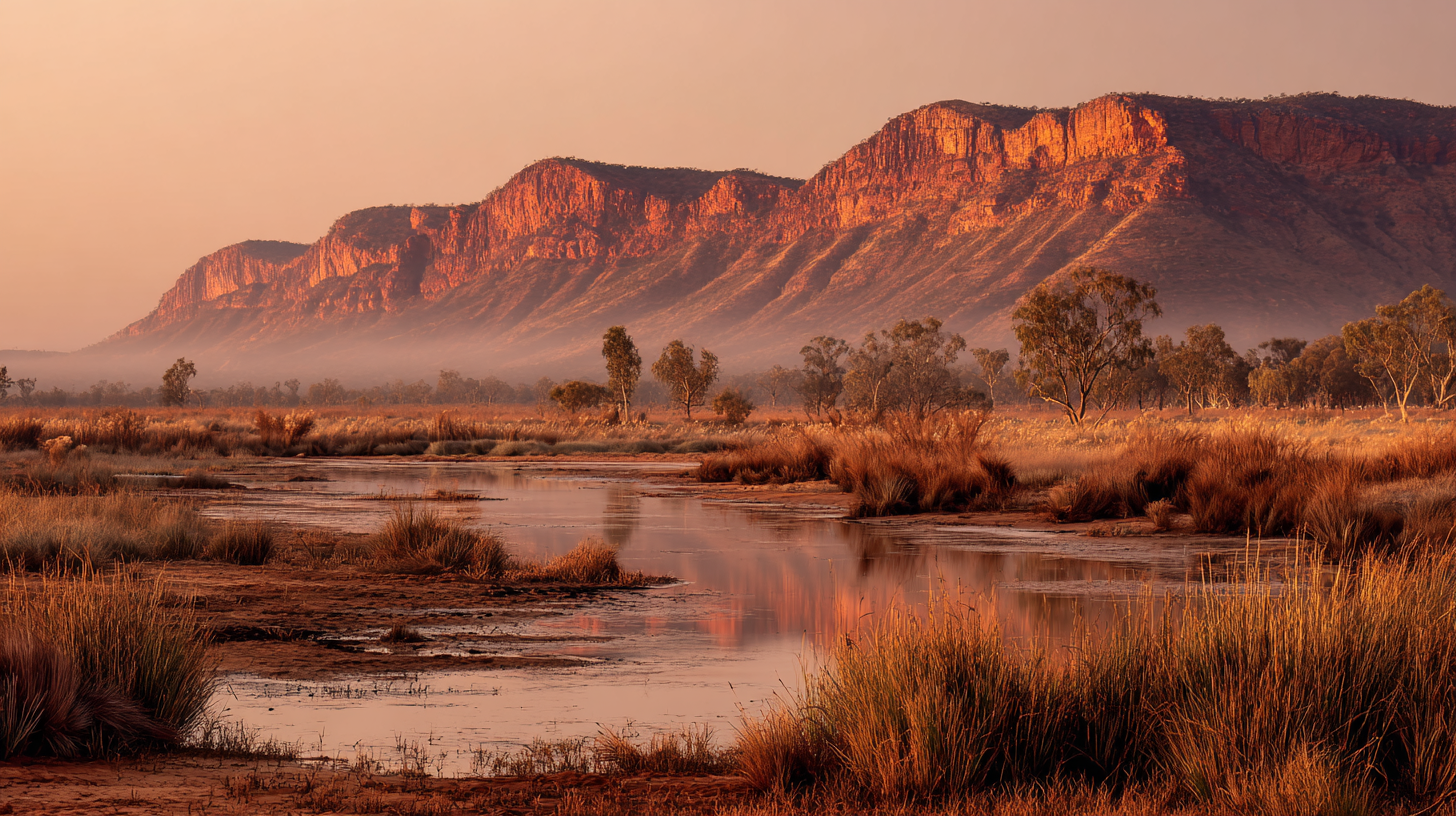
Kakadu is also one of the most important cultural landscapes in the world. Aboriginal rock art sites like Ubirr and Nourlangie carry stories that span tens of thousands of years. Some images depict the creation ancestors; others show early encounters with outsiders. To stand before these paintings is to feel time folding — to realize that this land remembers everything. Guided walks with Indigenous rangers deepen the experience, revealing perspectives that bind earth, water, animal, and story into a single living system.
And then there are the views. Nadab Lookout at sunset transforms the wetlands into a golden mirror. Jim Jim Falls thunders in the wet season and forms crystal pools below towering cliffs in the dry. Crocodiles bask along riverbanks, magpie geese stir the air with heavy wings, and the whole park radiates a sense of being both vast and intimately alive. Kakadu is not a place you simply visit. It is a place that rewires how you see the natural world.
Daintree National Park — Where the Oldest Rainforest on Earth Breathes
In Queensland’s far north lies the Daintree, a rainforest so ancient that it predates the breakup of Gondwana. Walking through it feels like stepping into the memory of the planet itself. Sunlight filters through layers of green so dense that the air seems tinted with chlorophyll. Vines suspend themselves between towering trees, giant ferns unfurl like prehistoric sculptures, and insects hum in an orchestra that runs day and night. Everything here feels alive in a deeper, older way.
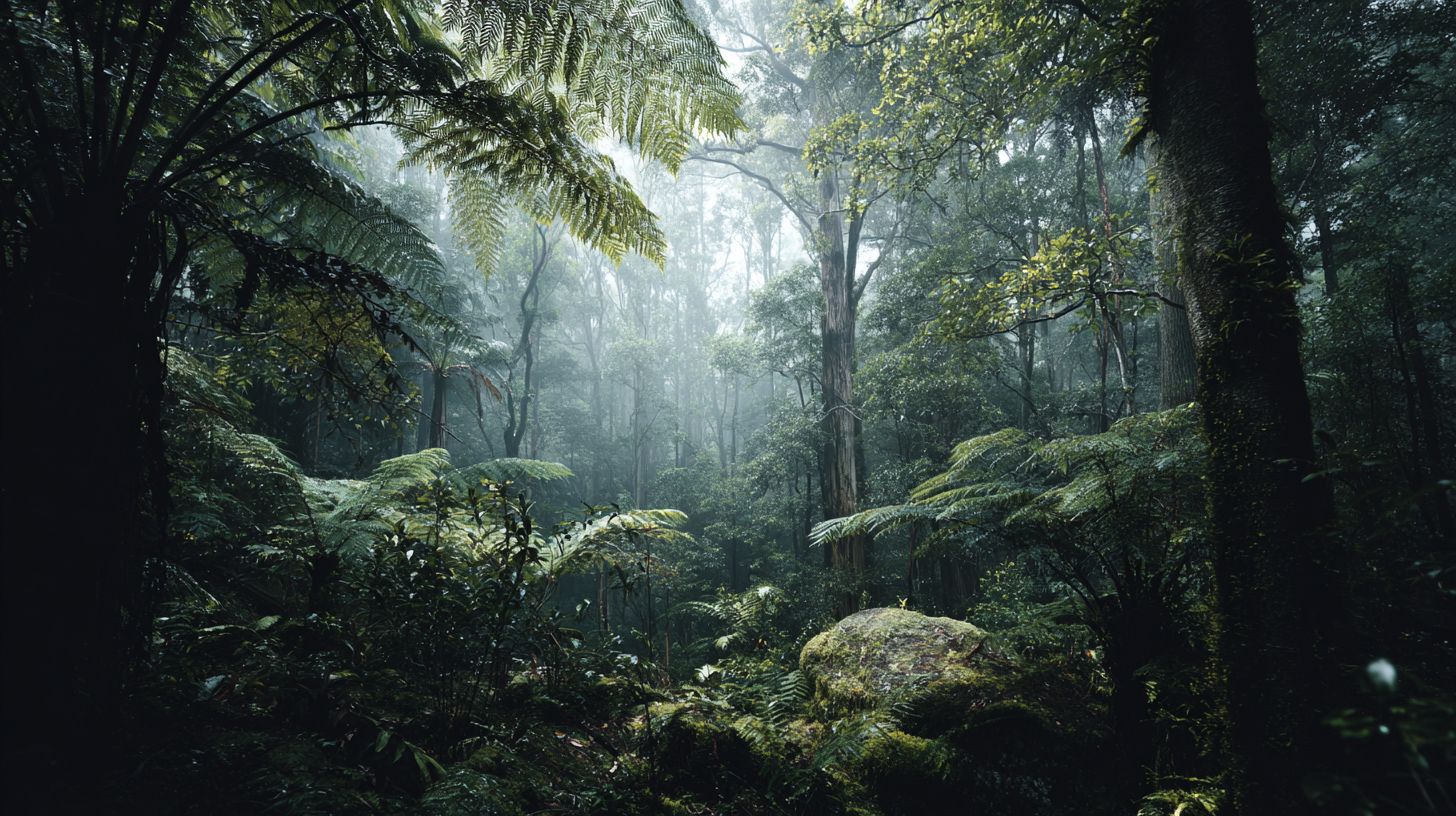
The Daintree is the only place on Earth where two World Heritage ecosystems touch — the rainforest and the Great Barrier Reef. One moment you’re surrounded by trees that have existed for 135 million years; the next, you’re standing on a white-sand beach with the Coral Sea breathing quietly in shades of turquoise. This contrast is surreal and beautiful, making the region one of the most biologically intense zones on the planet.
Wildlife sightings feel almost mythical. Cassowaries — massive birds with vivid blue necks and prehistoric crests — roam the forest like guardians of the undergrowth. Tree kangaroos hide among branches. Butterflies flash electric blue wings. Even the sound of rain feels different here, softer and more deliberate, dripping through layers of leaves before reaching the forest floor. The Daintree is a reminder that nature doesn’t just evolve — it endures.
Great Otway National Park — Where Forest Meets Roaring Sea
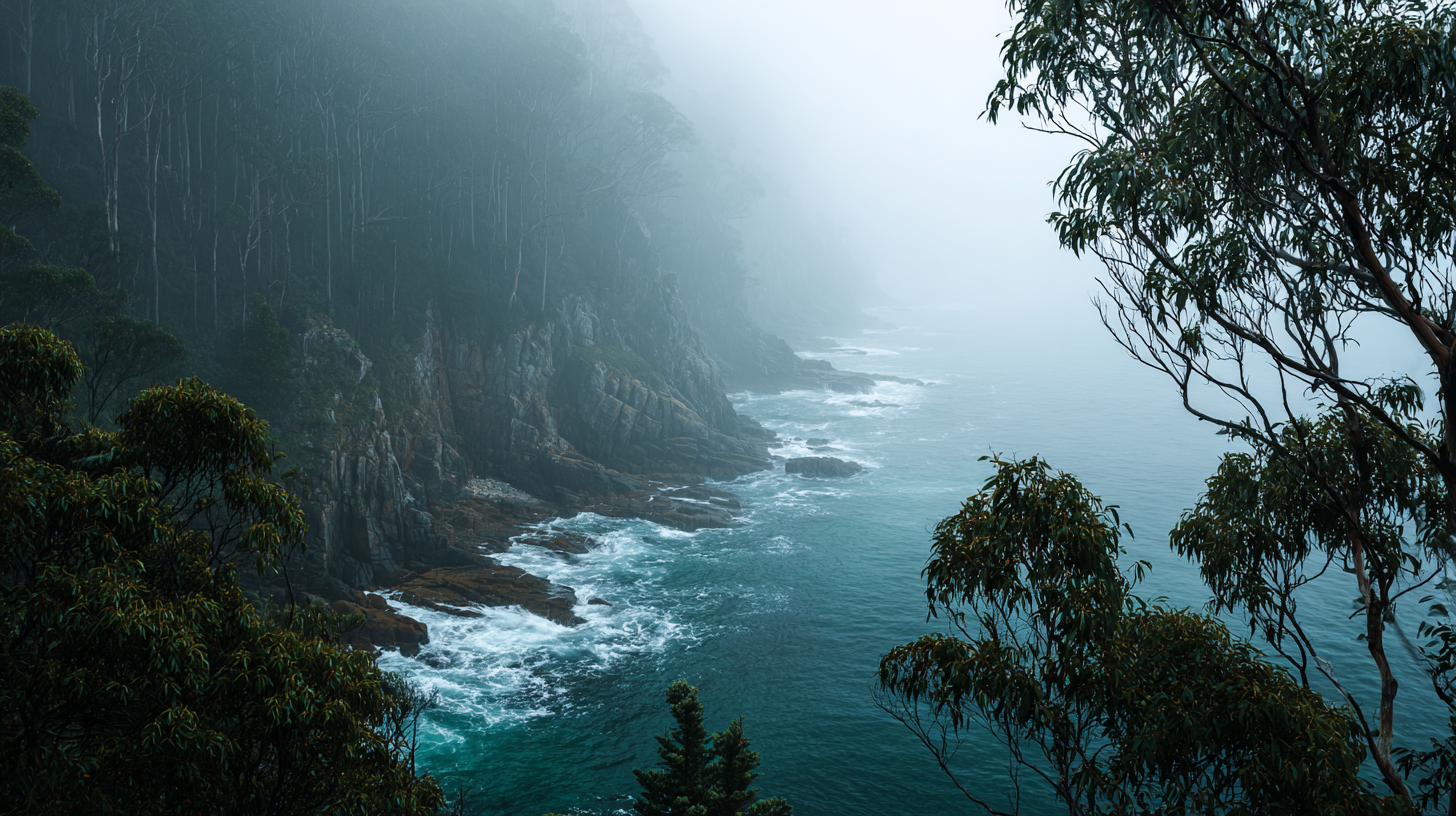
Stretching along Victoria’s southern coast, the Great Otway National Park is a place shaped by water in all its moods: rain soaking moss-covered forests, waterfalls carving gorges, and waves crashing into rugged cliffs. It’s a world of contrast — deep green meeting deep blue — and the transition between the two is often as dramatic as the landscapes themselves.
Inland, towering mountain ash trees — some of the tallest flowering plants on Earth — rise like natural cathedrals. Fern gullies shimmer with filtered light, and cool air wraps around you as you walk beneath canopies that feel like gateways to another time. Trails lead to waterfalls like Hopetoun and Triplet Falls, where the sound of water echoes through damp air filled with the scent of earth and eucalyptus.
Move toward the coast, and the energy changes. The waves of the Southern Ocean crash against stone with a raw, powerful rhythm. Cape Otway Lightstation offers sweeping views over cliffs where the ocean stretches into cinematic infinity. Koalas doze in nearby treetops, seemingly oblivious to the drama unfolding beneath them. Whether you’re hiking, driving, or simply breathing in the clean air, Great Otway offers a different kind of serenity: one shaped by contrast rather than stillness.
Flinders Ranges National Park — The Ancient Backbone of Australia
South Australia’s Flinders Ranges rise from the surrounding plains like the exposed ribs of the continent. This region contains some of the oldest rock formations on Earth — landscapes shaped over 540 million years, long before complex life appeared in the oceans. The mountains glow red at sunrise, purple at dusk, and orange throughout the day, making every hour feel like a different painting.

Wilpena Pound, a naturally formed amphitheater of stone, is the heart of the Flinders. Its towering walls create a massive basin that looks almost too symmetrical to be natural. Trails lead you through ancient riverbeds, past gnarled gum trees, and into spaces that feel monumental yet calm. The silence here is profound, broken only by the rustle of kangaroos or the call of wedge-tailed eagles circling above.
The park also holds deep Indigenous significance. The Adnyamathanha people have lived in the Flinders for tens of thousands of years, and their stories are woven into the land’s contours. Guided tours reveal a perspective that blends geological time with human time, offering a more complete picture of the ranges’ meaning. Few places in Australia capture this blend of ancient earth and living culture so powerfully.
Cradle Mountain–Lake St Clair National Park — Tasmania’s Crowning Wilderness
Tasmania’s wilderness is unlike anything else in Australia: cooler, moodier, and more mysterious. Cradle Mountain–Lake St Clair stands at the center of this island’s rugged identity, where jagged peaks rise above glacial lakes, and alpine moorlands stretch toward mist-covered horizons. The air tastes crisp, carrying the scent of water and stone.
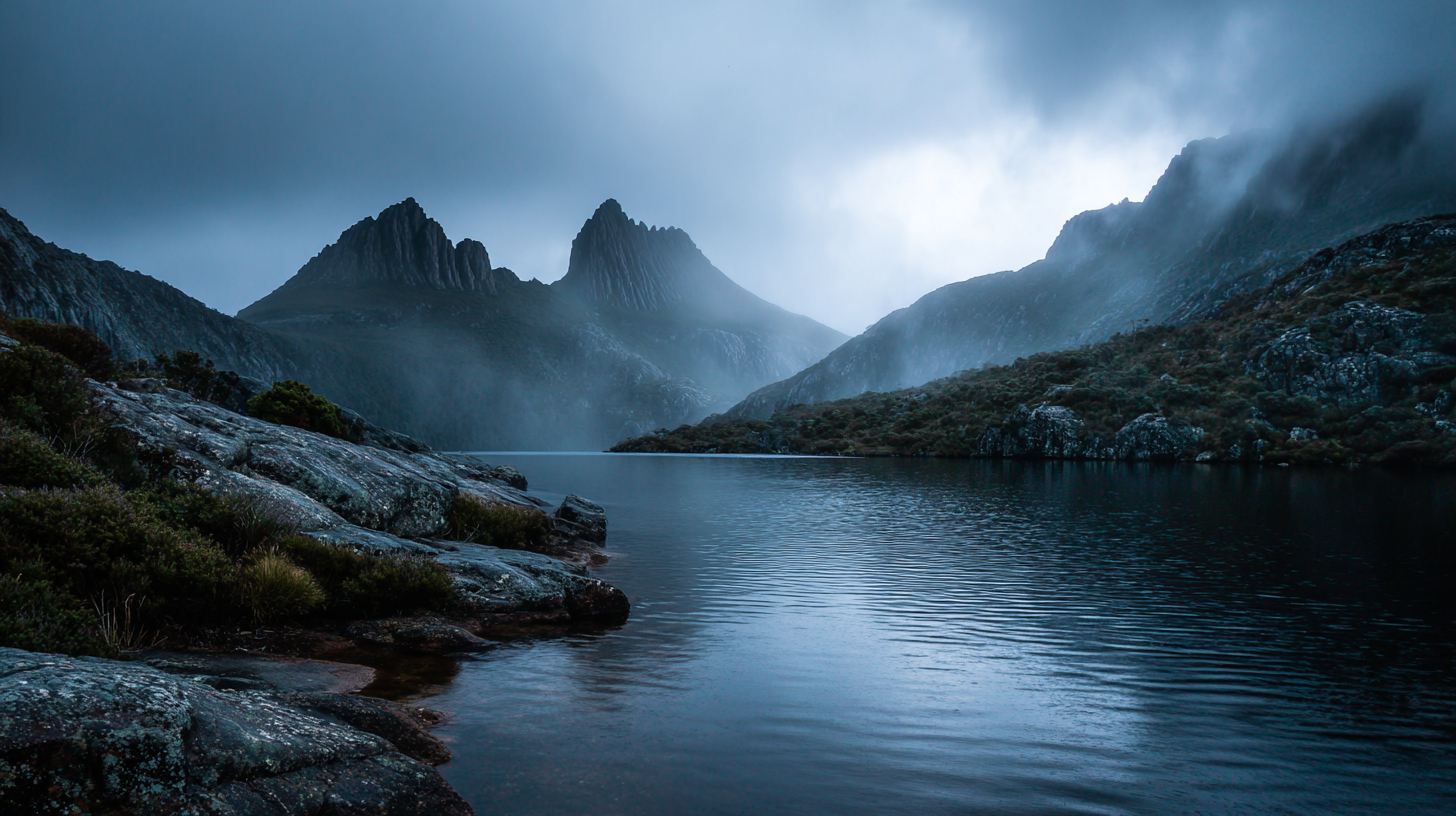
The Dove Lake Circuit offers postcard-perfect views of Cradle Mountain reflected in still water, while the Overland Track — one of the world’s most famous multi-day hikes — leads deeper into forests of myrtle beech, ancient pines, and button grass plains. Wallabies hop through open clearings, wombats shuffle through the grass like woolly boulders, and the occasional Tasmanian devil growls unseen in the underbrush. Wildlife encounters feel personal and almost storybook.
Weather changes here with little warning: sunshine turns to fog, fog turns to snow, snow melts into shimmering rain. This unpredictability adds a layer of adventure, reminding you that wilderness is something you experience on nature’s terms, not your own. In Tasmania, the land feels truly alive — wild but welcoming, ancient yet constantly changing.
Blue Mountains National Park — A Sanctuary of Mist, Cliffs, and Eucalyptus Light
Just outside Sydney lies a world that feels thousands of miles from city life. The Blue Mountains derive their name from the blue haze that hangs over the valleys, created by oils released from countless eucalypt trees. When sunlight filters through this mist, the entire landscape takes on a dreamlike, watercolor quality.
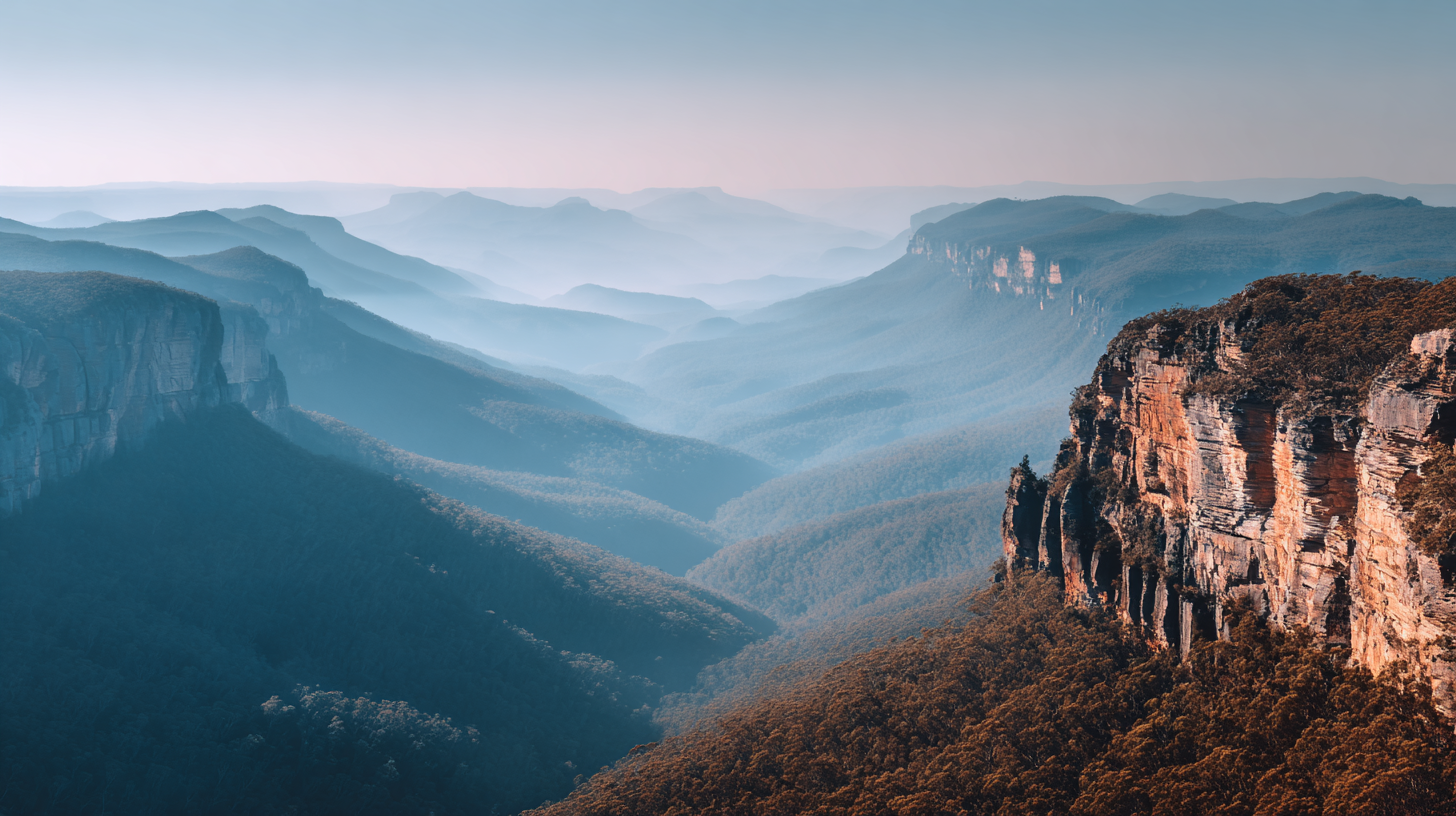
Sandstone cliffs tower over deep gorges, waterfalls cascade from hidden edges, and hiking trails weave through forests filled with birdsong. The Three Sisters formation stands as the region’s most famous icon, but some of the most magical places are found far from the main lookouts: quiet trails along cliff edges, ancient rainforests in the Jamison Valley, and remote viewpoints where clouds drift slowly across rugged plateaus.
The Blue Mountains also hold significant Aboriginal heritage. Stories of creation, spirits, and ancestors are tied to the rock formations and valleys, offering a deeper context to the dramatic scenery. Explore with a guide and the land becomes far more than a visual landscape — it becomes a cultural one, shaped by memory and meaning.
Southwest National Park — The Edge of the World
In Tasmania’s far southwest lies a wilderness so remote that roads barely reach it. Southwest National Park is a place of vast skies, alpine ridges, storm-lashed coasts, and lakes that reflect clouds like silver mirrors. It feels untouched, almost otherworldly — a landscape that demands humility from anyone who enters.
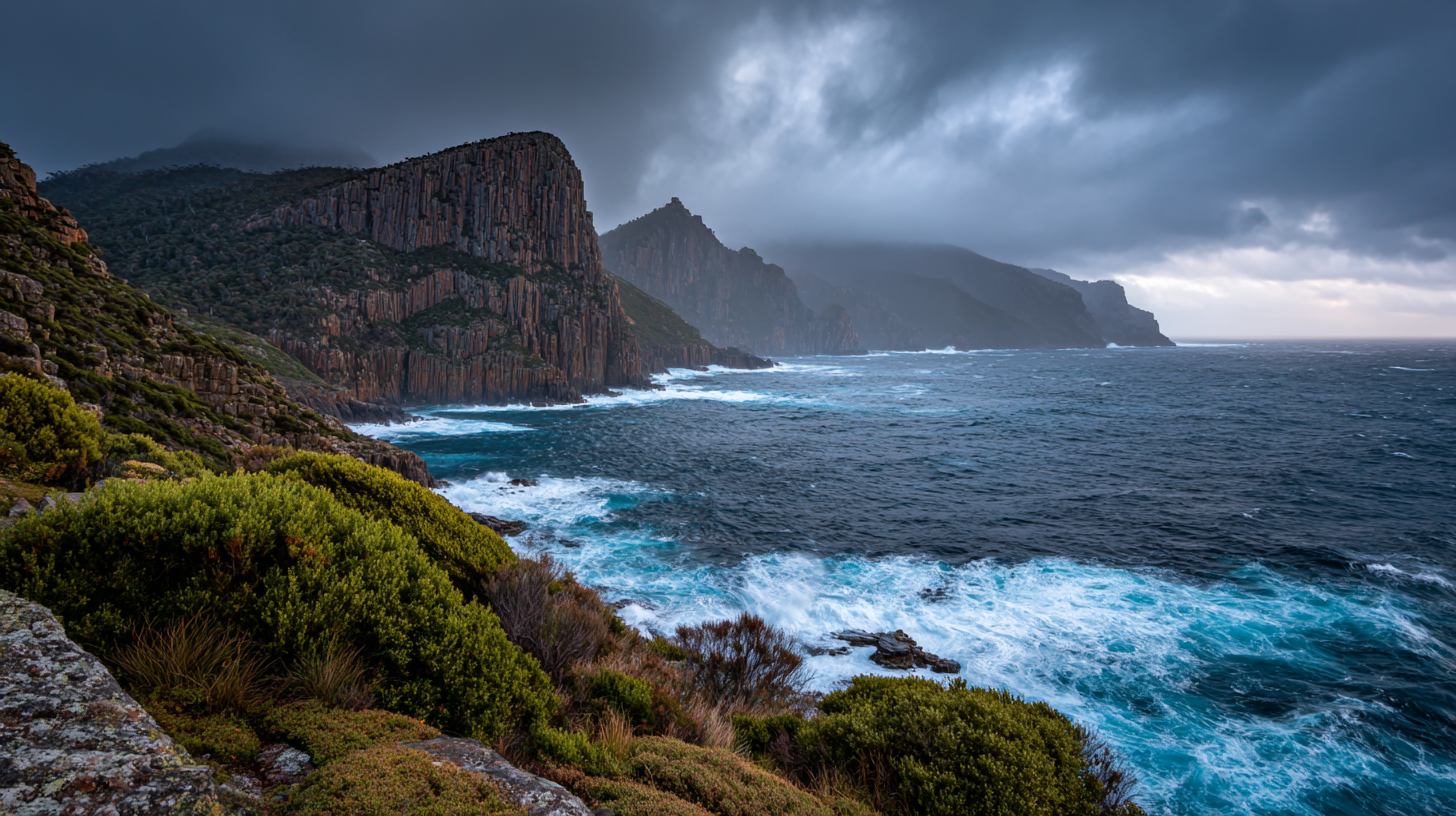
The region is part of the Tasmanian Wilderness World Heritage Area, known for its glaciers, ancient forests, and dramatic weather systems. Trails like the South Coast Track or the Western Arthurs Traverse test even experienced hikers, leading through landscapes shaped by wind, ice, and time. For those who venture into this expanse, the experience is transformative: a rare chance to feel small in a world that has remained wild for millennia.
Southwest National Park is not a casual visit — it’s a pilgrimage for nature lovers who crave true solitude and raw beauty. It serves as a reminder that even in the modern world, there are still places ruled only by nature.
Conclusion — Australia’s National Parks as a Tapestry of Land, Story, and Time
Australia’s national parks reveal the continent’s deepest identity. Kakadu’s rock art whispers the first human stories. The Daintree breathes with ancient rainforests older than time. The Otways blend forest and sea in a single sweeping motion. The Flinders Ranges expose the very bones of Earth’s past. Tasmania offers wilderness that feels both mythical and immediate. The Blue Mountains hold light, mist, and memory in perfect balance. The southwest remains defiantly untamed.
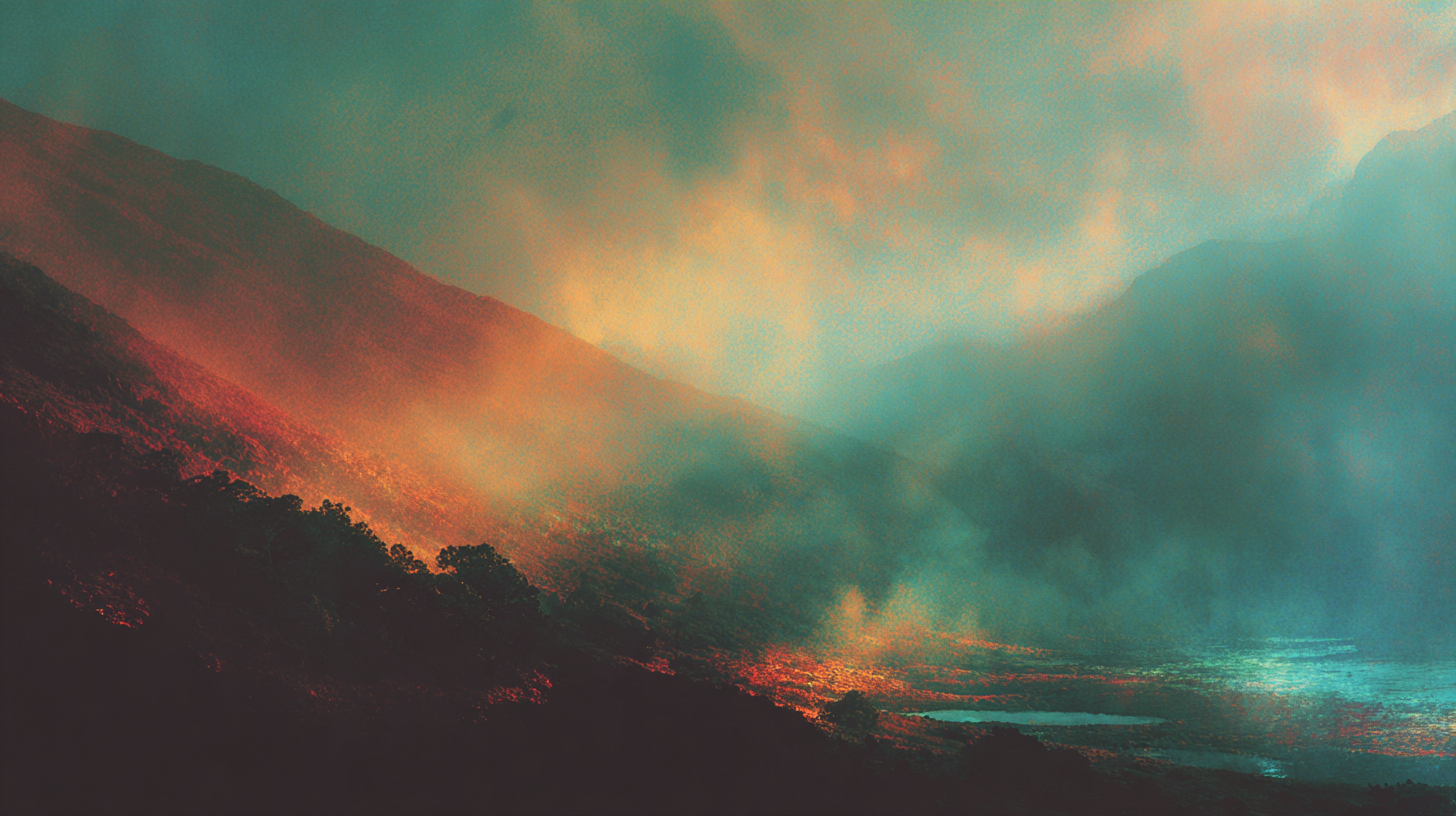
Together, they form a tapestry of landscapes that define Australia not by its cities, but by its rivers, gorges, forests, deserts, and mountains. Visiting these places is more than sightseeing — it is a return to something primal, a reminder of how the world looked before noise drowned out silence. Each park invites you to slow down, breathe deeply, and let the land speak in its own ancient voice.
If you want to understand Australia, start where the wild things are. The parks will tell you the rest.
Learn more about planning your visit at the official tourism portal: Australia.com