
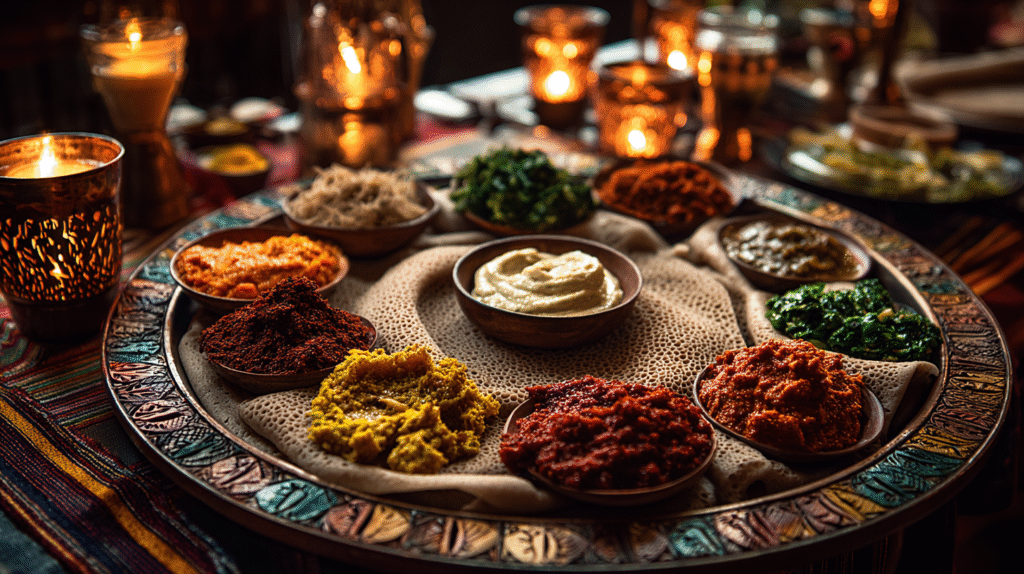
Ethiopian cuisine is one of the most distinctive food traditions in the world — bold in flavor, rich in history, and deeply tied to communal identity. More than a collection of recipes, it is a living cultural language expressed through spices, rituals, and shared meals. The aromas of berbere, the tang of fermented injera, and the warmth of slow-cooked stews reflect centuries of creativity shaped by geography, religion, and community. Eating in Ethiopia is not an isolated act; it is an invitation into relationships, storytelling, and hospitality. This culinary journey reveals the essence of Ethiopian culture — its generosity, resilience, and vibrant traditions — one dish at a time.
Also Read: Ethiopian Coffee Culture
Injera: The Foundation of Ethiopian Dining
At the heart of Ethiopian cuisine lies injera, a soft, slightly sour flatbread made primarily from teff — one of the world’s oldest grains. The bread’s spongy texture comes from natural fermentation, a process that has been refined for centuries. Batter is poured onto a large clay or electric pan called a mitad, forming thin, circular sheets covered in tiny holes. These “eyes of the injera” are prized, allowing stews to soak in while maintaining structure.

Injera is more than a carbohydrate — it is a cultural symbol. It serves as both plate and utensil, encouraging communal dining as people sit together around a shared platter. Diners tear pieces from the edges and use them to scoop up stews, vegetables, and sauces placed in colorful arrangements across the injera. This practice transforms meals into collective experiences where conversation and connection flourish. To eat injera is to participate in a tradition that binds generations and communities.
Wat: The Heart of Ethiopian Flavor
Ethiopian stews, known as wat, bring depth and intensity to the cuisine. Slow-cooked with onions, garlic, and a medley of spices, wats are rich, aromatic, and deeply satisfying. Among them, doro wat stands as the national dish — a slow-simmered chicken stew infused with berbere spice and enriched with nitr kibbeh, Ethiopia’s fragrant clarified butter. Traditionally prepared during holidays and celebrations, doro wat is labor-intensive, symbolizing love, effort, and family unity.
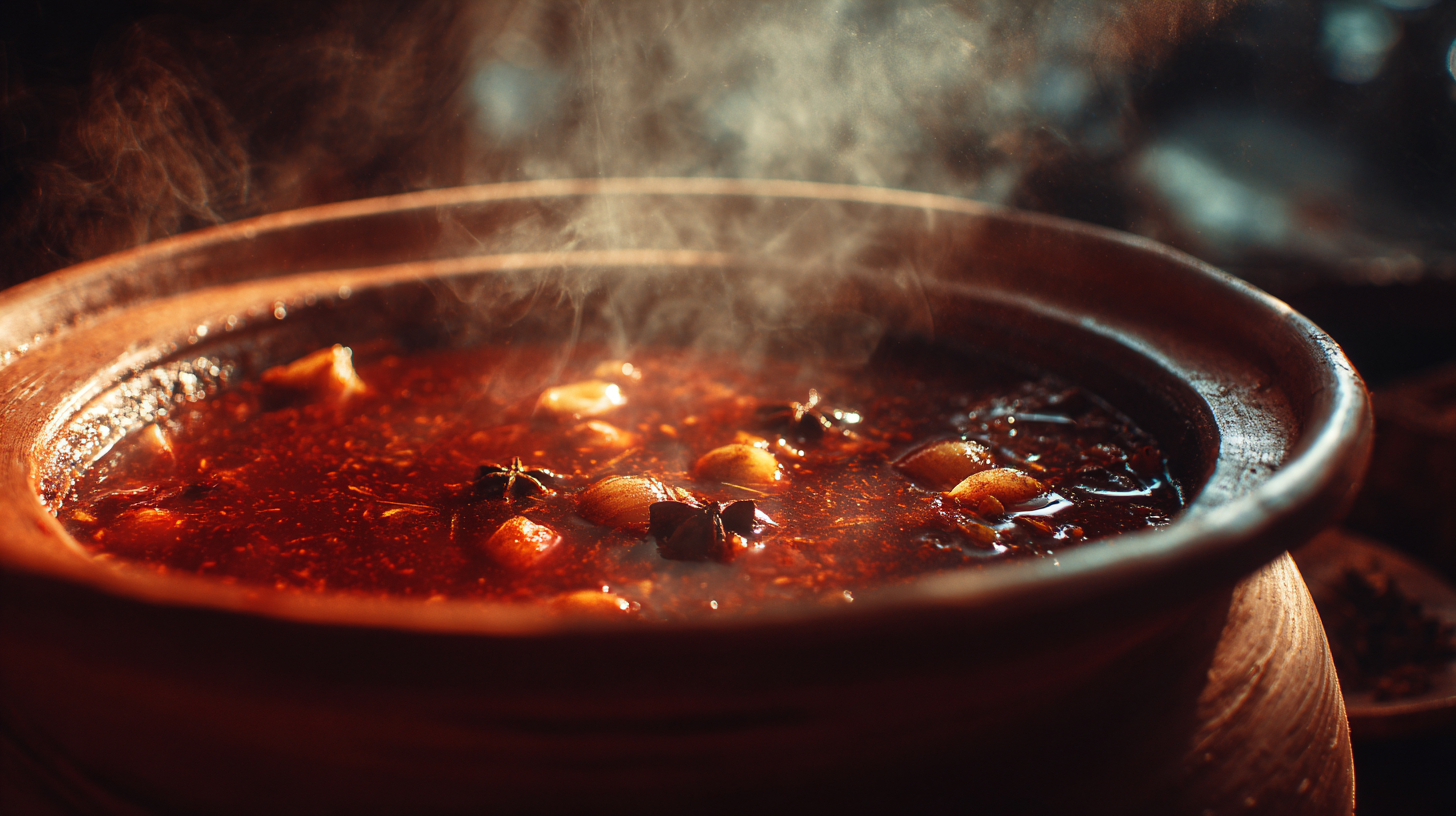
Another beloved variation is sega wat, a hearty beef stew simmered until tender and bursting with spice. Milder options like misir wat (red lentils) and shiro wat (powdered chickpea stew) offer comforting, plant-based alternatives. Whether fiery or gentle, each wat carries centuries of culinary knowledge. Served atop injera, the stews blend textures and flavors that embody Ethiopia’s gastronomic identity.
Berbere and Mitmita: The Spices That Define a Nation
If injera is the foundation of Ethiopian cuisine, spices are its soul. The most iconic blend, berbere, is a fiery mixture of chili peppers, garlic, ginger, cloves, basil, korarima, fenugreek, and dozens of regional ingredients. Its exact composition varies by household, with each family guarding its preferred recipe. Berbere adds warmth and complexity to wats, transforming simple ingredients into layered, aromatic dishes.
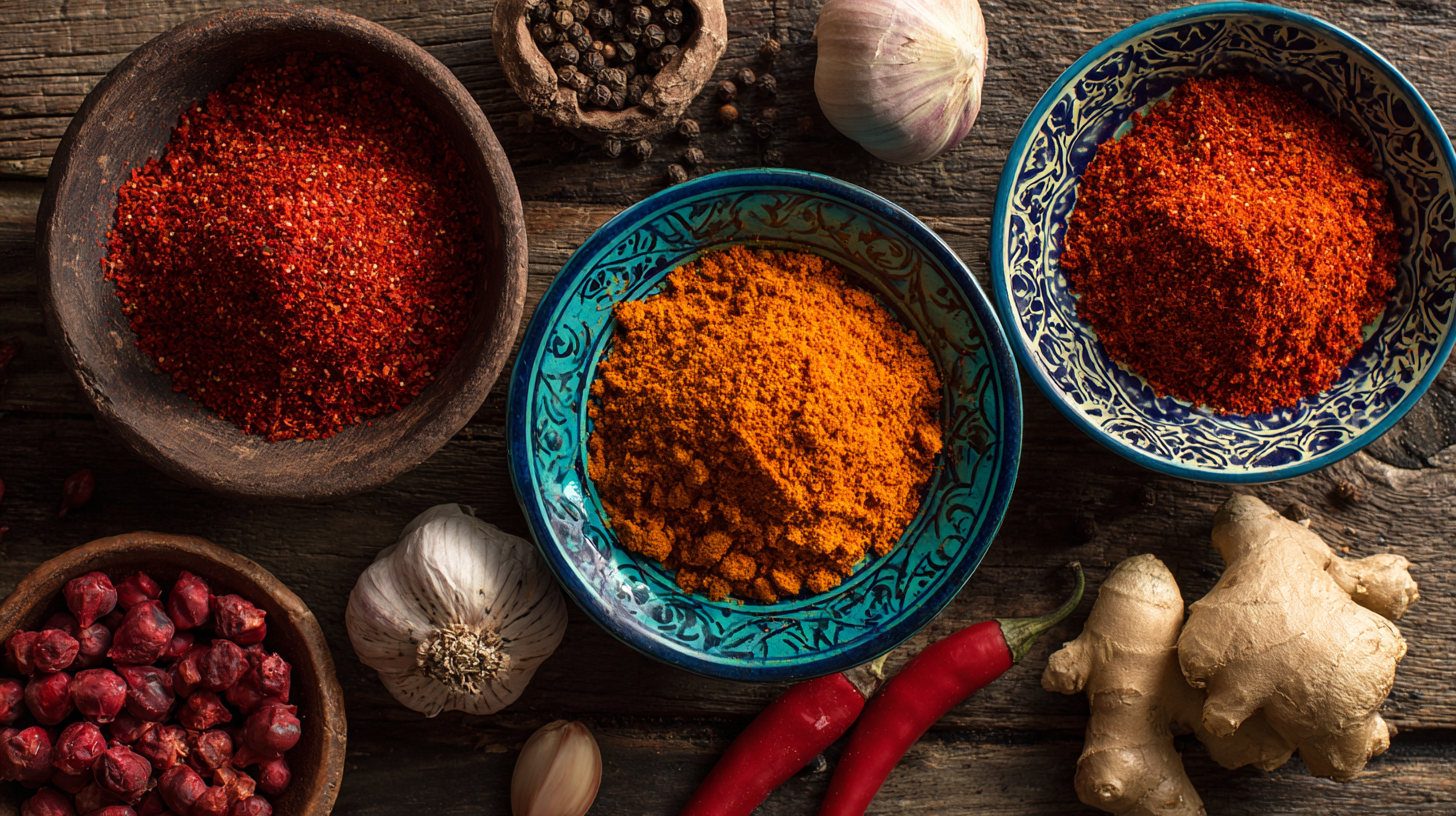
Another powerful spice, mitmita, is a finer, more intensely spicy blend often sprinkled on raw beef dishes like kitfo or served as a table seasoning. Mitmita’s heat is sharp, vibrant, and unmistakably Ethiopian. Together, berbere and mitmita reflect Ethiopia’s love of flavor and its mastery of balancing intensity with harmony. These spice blends are more than condiments — they are culinary signatures passed down through generations.
Nitr Kibbeh: Fragrance in Every Dish
Ethiopian cuisine owes much of its depth to nitr kibbeh, a clarified butter infused with cardamom, garlic, basil, koseret, fenugreek, and other aromatics. Unlike regular ghee, nitr kibbeh has a bouquet of herbal and spicy notes that enrich nearly every savory dish. When added to wats, sautés, or vegetable preparations, it brings warmth, roundness, and unmistakable Ethiopian character.

The making of nitr kibbeh is an art form. Homes fill with fragrance as butter slowly melts with herbs and spices, transforming into a golden essence used throughout the year. It is central not only to flavor but to culture — a staple prepared with care during holidays, family gatherings, and communal cooking. Its aroma alone tells stories of tradition, comfort, and celebration.
Orthodox Fasting Cuisine: Creativity Without Animal Products
Ethiopian cuisine is heavily influenced by the Ethiopian Orthodox Church, whose fasting periods shape the nation’s food traditions. During these times — which can total more than 180 days per year — people abstain from animal products, resulting in one of the richest plant-based culinary heritages in the world.
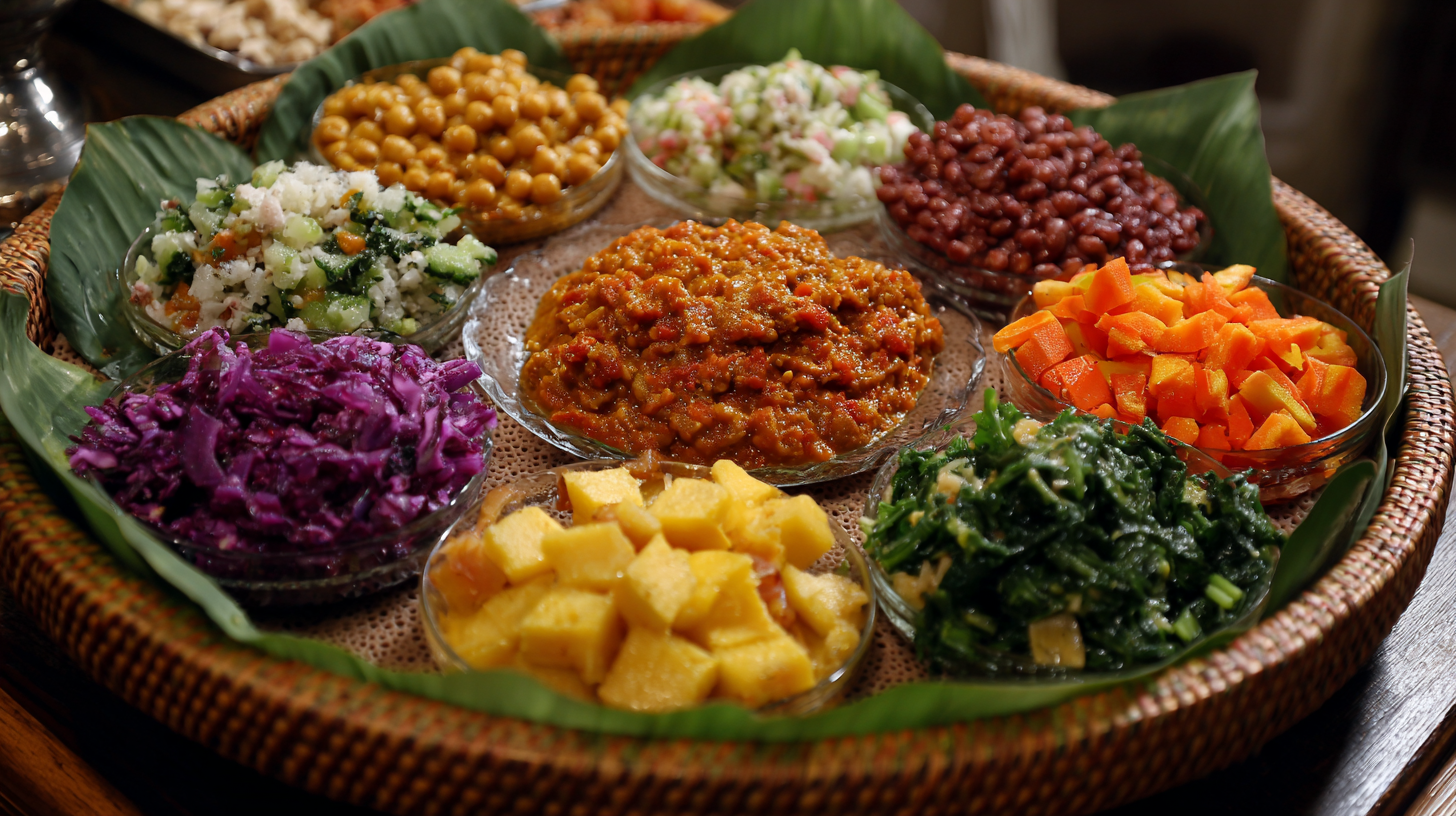
Fasting dishes include shiro, misir wat, sautéed greens (gomen), spiced chickpeas, lentil salads, and vegetable platters served over injera. Far from feeling restrictive, fasting cuisine is vibrant and flavorful, demonstrating Ethiopia’s culinary creativity. Restaurants across the country serve elaborate fasting platters that highlight legumes, grains, vegetables, and aromatic spices. These traditions not only reflect religious devotion but have also made Ethiopian cuisine a haven for vegetarian and vegan travelers.
Kitfo and Tibs: The Savory Side of Ethiopian Cooking
While many dishes focus on slow cooking and rich stews, Ethiopia also offers bold, savory dishes prepared with meat. Kitfo, a dish of finely minced beef seasoned with mitmita and enriched with nitr kibbeh, is beloved for its tender texture and depth of flavor. It can be served raw, lightly sautéed (leb leb), or fully cooked depending on preference. Traditionally accompanied by soft cheese (ayib) and sautéed greens, kitfo is often enjoyed during holidays and special celebrations.
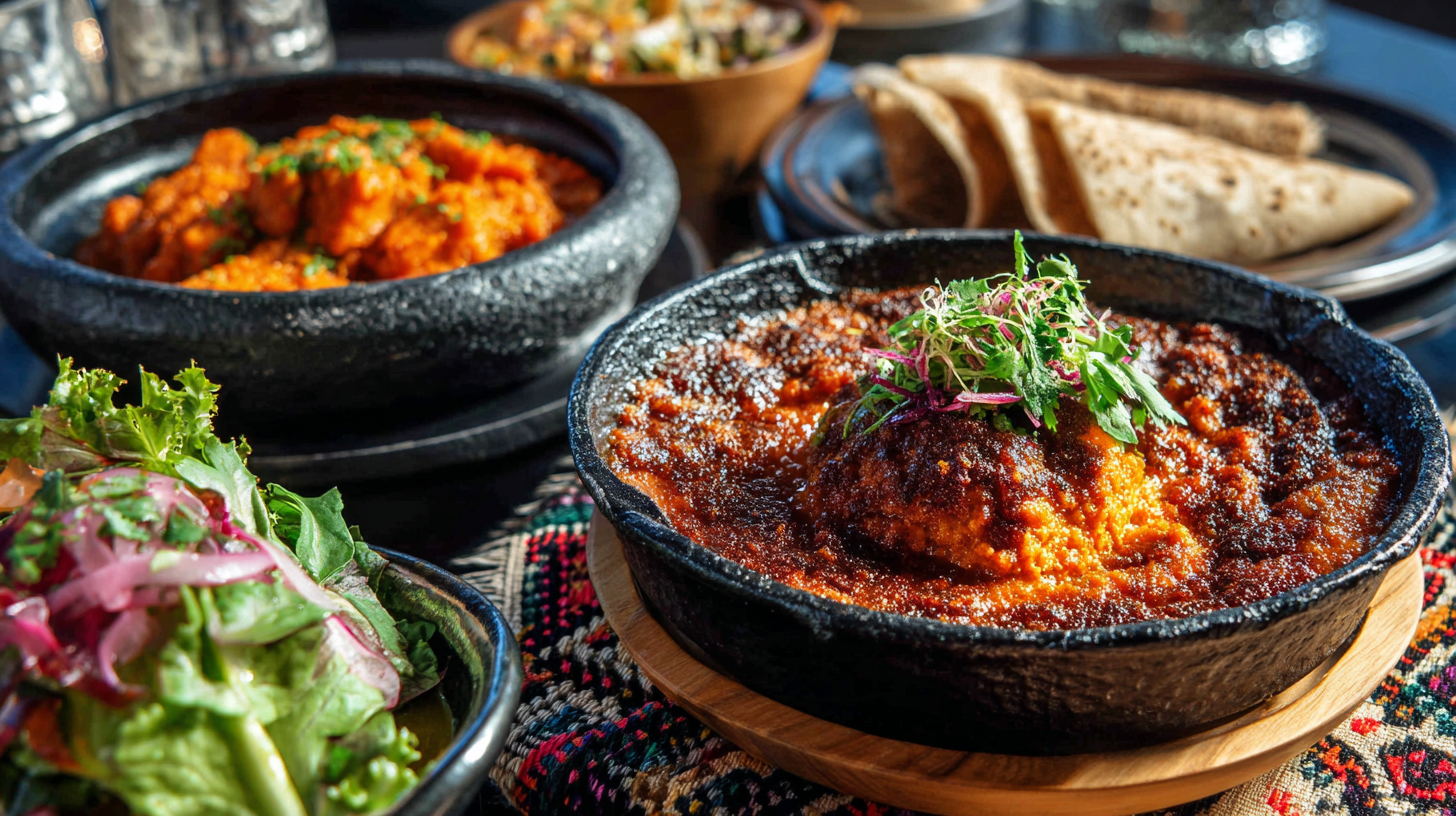
Tibs, another iconic dish, consists of sautéed meat — beef, goat, or lamb — cooked with garlic, onions, rosemary, and sometimes berbere. Served sizzling hot, tibs embodies the warmth of Ethiopian hospitality. It is often enjoyed during gatherings, symbolizing generosity and communal joy. These meat dishes highlight the diversity of Ethiopian cuisine, where preparation methods vary by region and family tradition.
Local Markets: The Vibrant Heart of Ethiopian Food Culture
Markets are the soul of Ethiopian gastronomy — places where color, aroma, and human connection merge. Addis Ababa’s Merkato, one of Africa’s largest open-air markets, is a sensory explosion. Stalls overflow with berbere, teff, lentils, ginger, honey, chili peppers, and colorful vegetables. The air buzzes with conversation as vendors call out prices, negotiate deals, and proudly display their goods.
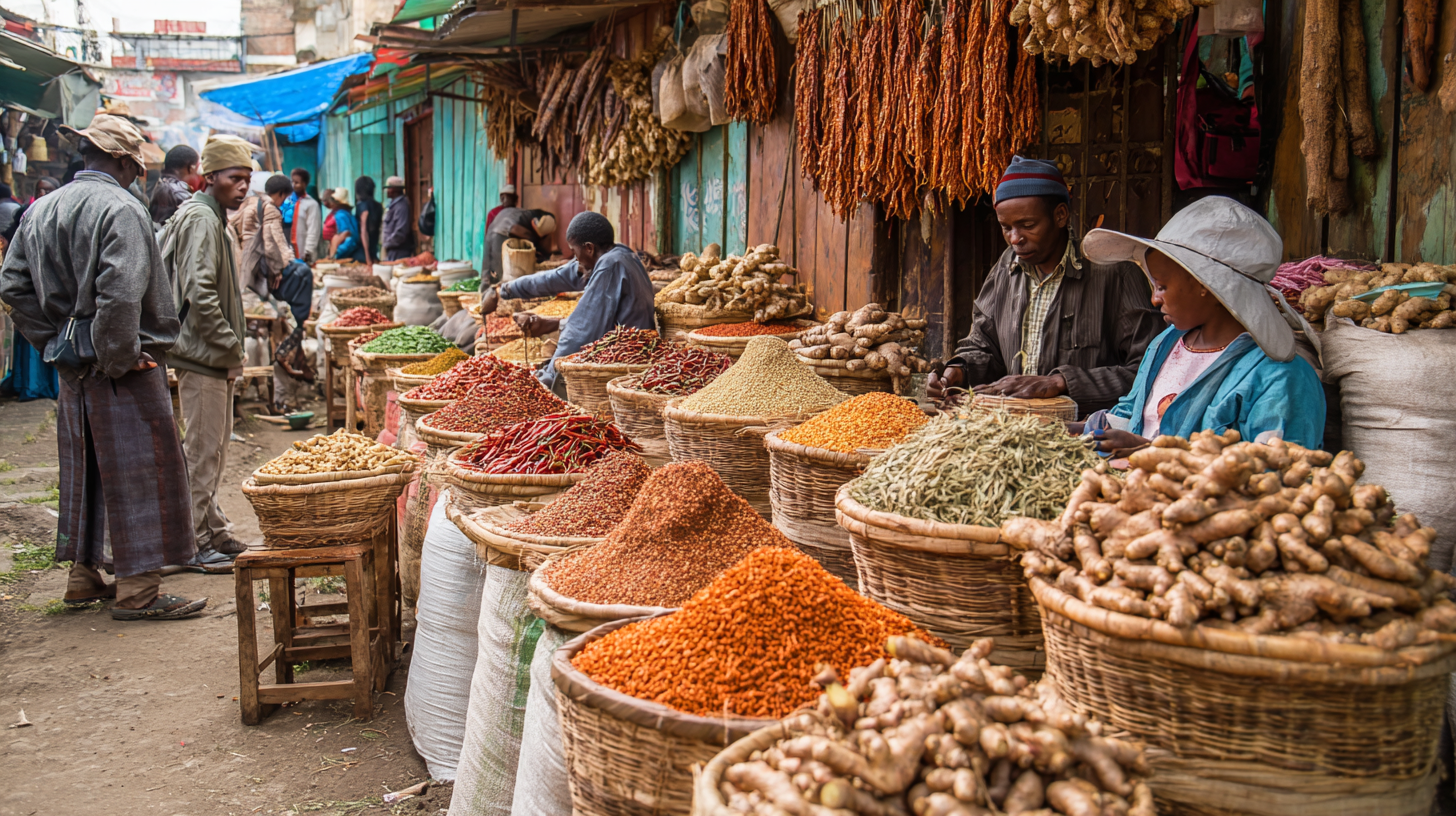
Beyond major cities, regional markets offer glimpses into local food customs shaped by climate and culture. In the highlands, farmers bring fresh honey and artisanal cheese. In the south, vibrant piles of fruits and indigenous herbs fill the stalls. A market visit is not just shopping — it is a cultural immersion. The scents, sounds, and textures reveal the essence of Ethiopian life, where food remains central to identity and community.
Communal Dining and the Tradition of Gursha
In Ethiopia, food is inseparable from community. Meals are typically shared from a single large platter, symbolizing unity and trust. The practice of gursha — feeding someone else a piece of injera wrapped around stew — is a gesture of affection, respect, and friendship. It can occur between family members, friends, or even hosts and honored guests, turning a simple meal into an expression of connection.
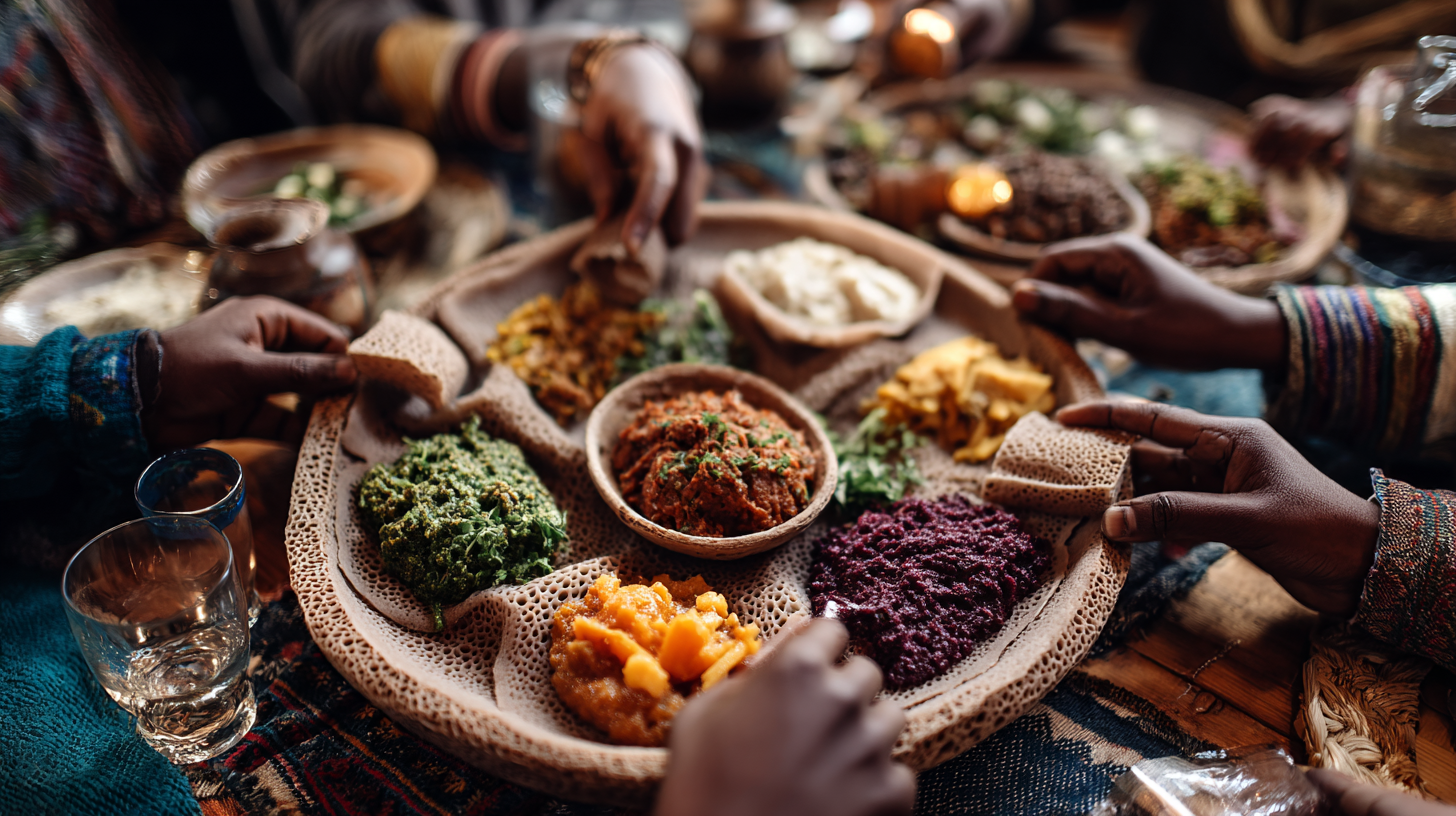
Dining together fosters conversation, laughter, and storytelling. It slows time, encourages presence, and reinforces social bonds. This communal approach embodies Ethiopia’s belief that food nourishes not just the body but relationships. To receive a gursha is to be welcomed; to give one is to share kindness. It is one of the most heartfelt rituals in Ethiopian dining.
Street Food and Everyday Flavors
Beyond traditional dishes, Ethiopia offers an array of street foods that reflect daily life and regional variety. Vendors serve sambusas — crispy pastries filled with lentils, spiced meat, or vegetables. Chechebsa, pieces of fried flatbread tossed with berbere and honey, offers a delicious morning boost. Firfir, made from torn injera sautéed with spices, is another beloved breakfast dish.
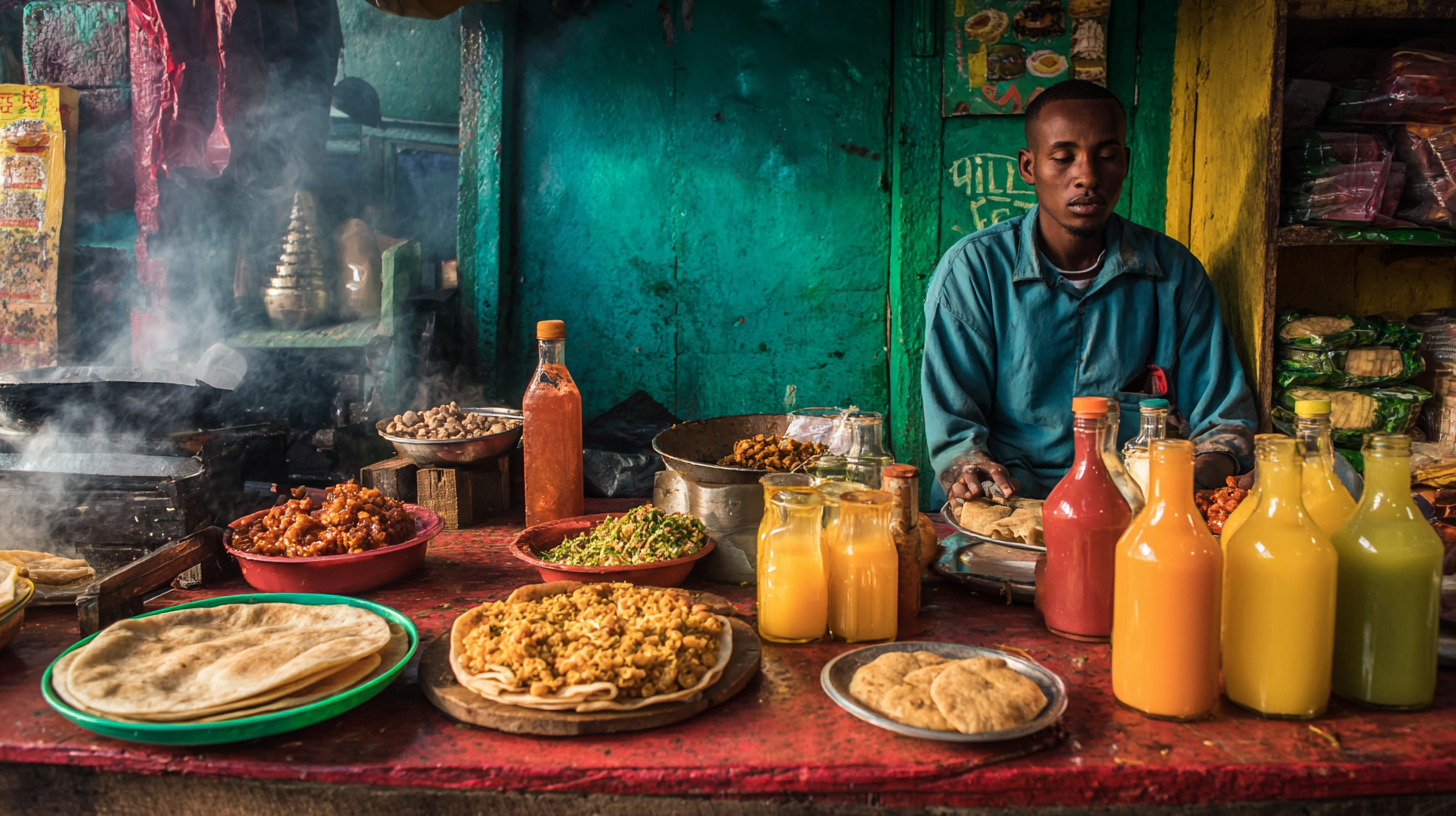
Urban centers like Addis Ababa have seen the rise of modern cafés, juice stands, and eateries blending traditional flavors with international influences. Fresh avocado juice, mango smoothies, and layered fruit blends are staples of Ethiopian street culture. Whether enjoyed on the move or slowly savored, street food reveals the lighter, playful side of Ethiopia’s culinary landscape.
Modern Ethiopian Gastronomy: Tradition Meets Innovation
A new generation of Ethiopian chefs is redefining the country’s culinary identity. While honoring classic recipes, they experiment with presentation, fusion techniques, and global ingredients. Restaurants in major cities reinterpret injera platters with minimalist artistry, create tasting menus inspired by regional traditions, and pair Ethiopian dishes with international flavors.

Diaspora communities have also carried Ethiopia’s food culture across the world. From Washington, D.C. to London and Dubai, Ethiopian restaurants introduce diners to injera, wat, and kitfo while integrating local ingredients and new ideas. This blending of old and new keeps Ethiopian cuisine vibrant and evolving without losing its cultural essence.
Conclusion: A Taste of Ethiopia’s Soul
Ethiopian cuisine is a reflection of the country’s history, diversity, and deep sense of community. From the tangy texture of injera to the bold richness of wats, from bustling markets to quiet family gatherings, every dish carries the imprint of generations. Food is not merely sustenance — it is ritual, identity, and connection. The flavors tell stories of resilience, creativity, and ancient traditions that continue to thrive today.

To journey through Ethiopian cuisine is to experience Ethiopia itself: vibrant, warm, complex, and full of heart. Each meal is an invitation into community, each spice a trace of history, and each shared platter a reminder that food is one of the most powerful ways to understand a culture. In Ethiopia, every bite is a bridge between past and present — a celebration of heritage that endures, evolves, and continues to nourish the soul.
Learn more about Ethiopia’s traditional food culture from official tourism sources.