

Ethiopia’s religious identity is one of the oldest and richest in the world — a spiritual tapestry woven through mountains, deserts, forests, and hidden sanctuaries. Long before Europe embraced Christianity, Ethiopian monks had already carved hermitages into cliff faces, illuminated manuscripts by oil lamp, and shaped a monastic tradition rooted in devotion, discipline, and profound solitude. Faith here is not confined to architecture or doctrine; it is inseparable from landscape, memory, and daily life. Exploring Ethiopia’s monastic heritage means entering a world where time slows, silence deepens, and centuries-old practices continue to guide communities today. Ethiopia Monastic Culture reflects a spiritual heritage shaped by landscapes, ancient traditions, and centuries of devotion.
Ethiopia Monastic Culture: A Living Spiritual Legacy
Christian monasticism in Ethiopia traces its roots to the arrival of the “Nine Saints” in the 5th–6th centuries — missionary scholars from the Eastern Mediterranean who introduced monastic discipline, scriptural study, and spiritual hermitage. They settled in remote highlands, establishing monasteries that would become foundations for Ethiopia’s unique Christian identity. Their impact shaped liturgy, art, language, and theology for centuries, blending early Christian teachings with African tradition and local culture.
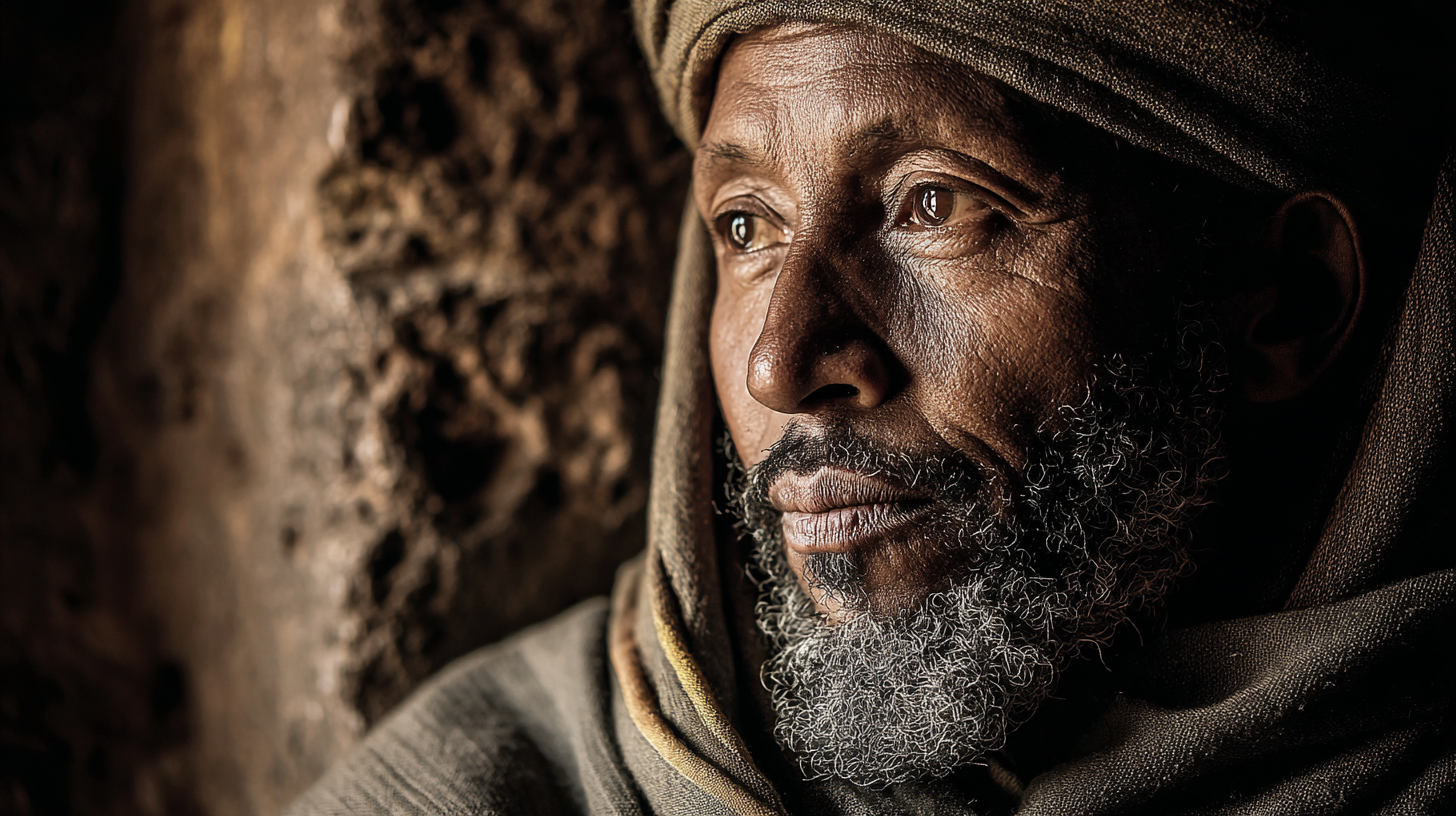
But monasticism in Ethiopia is not a carbon copy of Byzantine or Egyptian models — it developed independently, shaped by geography and Ethiopian spirituality. Monks sought isolation not only in deserts, but atop sheer cliffs, inside caves, and in ancient forests. Their goal was not simply withdrawal from the world but deeper communion with God through silence, hardship, and contemplation. This early monastic movement built the spiritual backbone of Ethiopian Orthodoxy, influencing everything from literature to music, architecture, and national identity.
Sacred Knowledge: Manuscripts, Scholars, and the Preservation of Tradition
This deep-rooted Ethiopia Monastic Culture continues to influence art, scholarship, and religious practice across the country. For centuries, monasteries have served as Ethiopia’s intellectual strongholds — places where monks copied Ge’ez manuscripts by hand, preserved sacred texts, and developed theological writings that shaped the Ethiopian worldview. Using natural inks and parchment made from goatskin, scribes illuminated gospels with vibrant pigments that remain striking even after hundreds of years. Many Ge’ez manuscripts are adorned with stylized saints, angels, and geometric motifs reflecting the synthesis of African, Mediterranean, and Coptic artistic traditions.
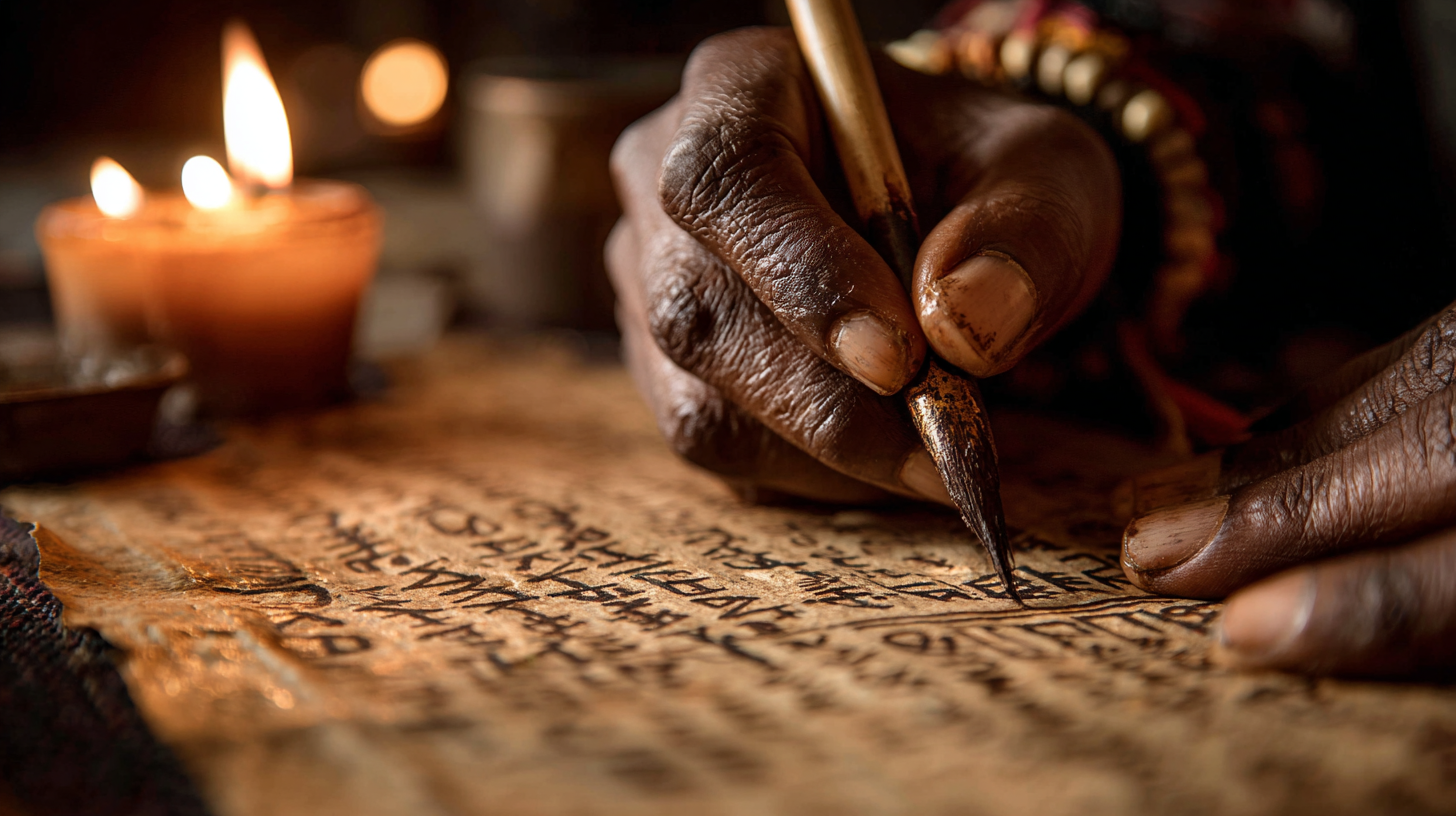
These ancient Ge’ez manuscripts represent one of the most important pillars of Ethiopia’s monastic scholarship. Monasteries preserved not only religious knowledge but also historical chronicles, poetry, legal codes, and medicinal texts. During periods of conflict, manuscripts were carried into mountains for safekeeping, wrapped in cloth and hidden in caves. Today, these collections provide invaluable insight into Ethiopia’s intellectual legacy and bear witness to centuries of scholarship that shaped the spiritual life of the nation.
The Hermit’s Path: Ascetics and the Search for Solitude
At the heart of Ethiopian monastic tradition lies a deep respect for solitude. Many monks choose the path of the hermit — withdrawing from communal life to live in huts perched on cliffs, caves carved into rock faces, or secluded forests. These ascetics dedicate themselves to prayer, fasting, and reflection, believing that spiritual clarity comes from silence and hardship. Some live alone for decades, emerging only for religious festivals or to provide counsel to pilgrims seeking wisdom.

Hermits are regarded with profound reverence by the communities that surround them. Their spiritual discipline embodies the ideal of complete devotion, and many are believed to possess gifts of healing, prophecy, or spiritual insight. Visitors who manage to reach these remote sanctuaries often describe the experience as transformative — a journey into a world where daily noise is replaced with stillness and where faith feels raw, immediate, and timeless. The hermit tradition remains one of the most distinctive pillars of Ethiopian Christianity.
Cliff Monasteries: Sanctuaries Suspended Between Earth and Heaven
One of the most breathtaking expressions of Ethiopian spirituality is the network of cliffside monasteries found throughout regions like Tigray. These sanctuaries — often accessible only by rope, narrow ledges, or vertical climbs — were designed to be difficult to reach, both for protection and for spiritual purpose. The act of climbing becomes a ritual in itself, a physical pilgrimage mirroring the inner ascent toward faith.

Inside these stone chapels, centuries-old frescoes paint walls with vivid colors: archangels with outstretched wings, saints standing in solemn procession, and biblical scenes rendered with Ethiopian symbolism. The air smells of incense and ancient stone, while candles flicker in rooms carved entirely from rock. Many of these monasteries still house small monastic communities who maintain rituals unchanged for generations. To visit a cliff monastery is to enter a realm where faith and landscape merge into a single, elevated expression of devotion.
Life Inside Monastic Communities: Ritual, Rhythm, and Service
Daily life in an Ethiopian monastery follows a rhythm shaped by prayer, work, and study. Monks rise before dawn to chant ancient hymns accompanied by drums and sistrums — instruments whose sound echoes rituals dating back thousands of years. After morning liturgy, they tend gardens, craft religious objects, teach novices, or transcribe manuscripts. Each task is part of a spiritual practice grounded in humility and service.

Meals are simple and often vegetarian, reflecting fasting traditions observed throughout much of the year. Communal life is marked by cooperation, discipline, and contemplation. Younger monks learn theology, music, and liturgical language (Ge’ez manuscripts), while elders provide guidance rooted in decades of spiritual practice. The community functions as a microcosm of devotion — a place where daily actions become reflections of religious values. For visitors, the tranquility of monastic life offers a profound contrast to the pace of modern society.
Sacred Landscapes: Forests, Islands, and Mountains of Devotion
Ethiopian monasteries often exist in deep symbiosis with their surrounding landscapes. Sacred forests grow around many monastic compounds, preserved for generations as spiritual sanctuaries and ecological havens. These forests shelter endemic birds, medicinal plants, and rare trees found nowhere else. Their preservation is not only ecological but theological — monks believe that protecting nature is a form of reverence for creation.

Lake-based monasteries, found across various regions, offer another expression of spiritual geography. Lake Tana’s island monasteries — mentioned briefly here — hold some of the most precious manuscripts and paintings in the country. Elsewhere, highland peaks shelter monasteries that seem to float above the clouds, while desert hermitages rise from barren landscapes like beacons of faith. Whether forest, mountain, or island, these environments shape monastic identity and connect worshippers to Ethiopia’s sacred topography.
Pilgrimage and the Spiritual Journey
Pilgrimage plays a central role in Ethiopian Christianity. Each year, thousands travel on foot to holy sites, following paths walked by ancestors for centuries. These journeys are acts of devotion, endurance, and communal solidarity. Pilgrims carry prayer staffs, chant hymns, and offer blessings as they move in groups toward sites such as Lalibela during Genna (Ethiopian Christmas) or the monasteries of Tigray during local feast days.

For many, pilgrimage represents a profound spiritual reset — a symbolic shedding of burdens and a reconnection with identity. The landscapes themselves add layers of significance: mountains symbolize ascension, forests symbolize mystery, and caves symbolize refuge. These journeys embody Ethiopia’s deep-rooted belief that spirituality is inseparable from movement, effort, and the physical world. Each pilgrimage becomes a personal story woven into the nation’s larger tapestry of faith.
Women in Monastic and Spiritual Life
Though Ethiopian monasteries are traditionally male-dominated, women have long played vital roles in the country’s spiritual landscape. Numerous convents across Ethiopia house communities of nuns who dedicate their lives to prayer, charity, and education. Women are also central in church choirs, manuscript preservation, and healing traditions linked to herbal medicine and spiritual counsel. Their contributions help sustain religious life in both rural and urban communities.

In addition to monastic roles, women lead household religious practices, including fasting traditions, saint veneration, and the transmission of spiritual songs and stories. Many revered spiritual figures in Ethiopian history — including hermits, healers, and saints — were women known for their devotion and compassion. Their presence enriches the spiritual tapestry of Ethiopian Christianity, challenging stereotypes and highlighting the diversity within religious practice.
Faith, Identity, and the Living Tradition
Religion in Ethiopia is not a static tradition preserved behind monastery walls — it is a living force shaping identity, culture, and social cohesion. Monasteries play active roles in community life through education, conflict mediation, charity, and cultural preservation. During festivals, priests carry ancient tabots (sacred replicas of the Ark of the Covenant) through crowds, linking present-day believers to centuries-old rituals. These ceremonies, full of color, movement, and music, reflect a spirituality that is both solemn and celebratory.
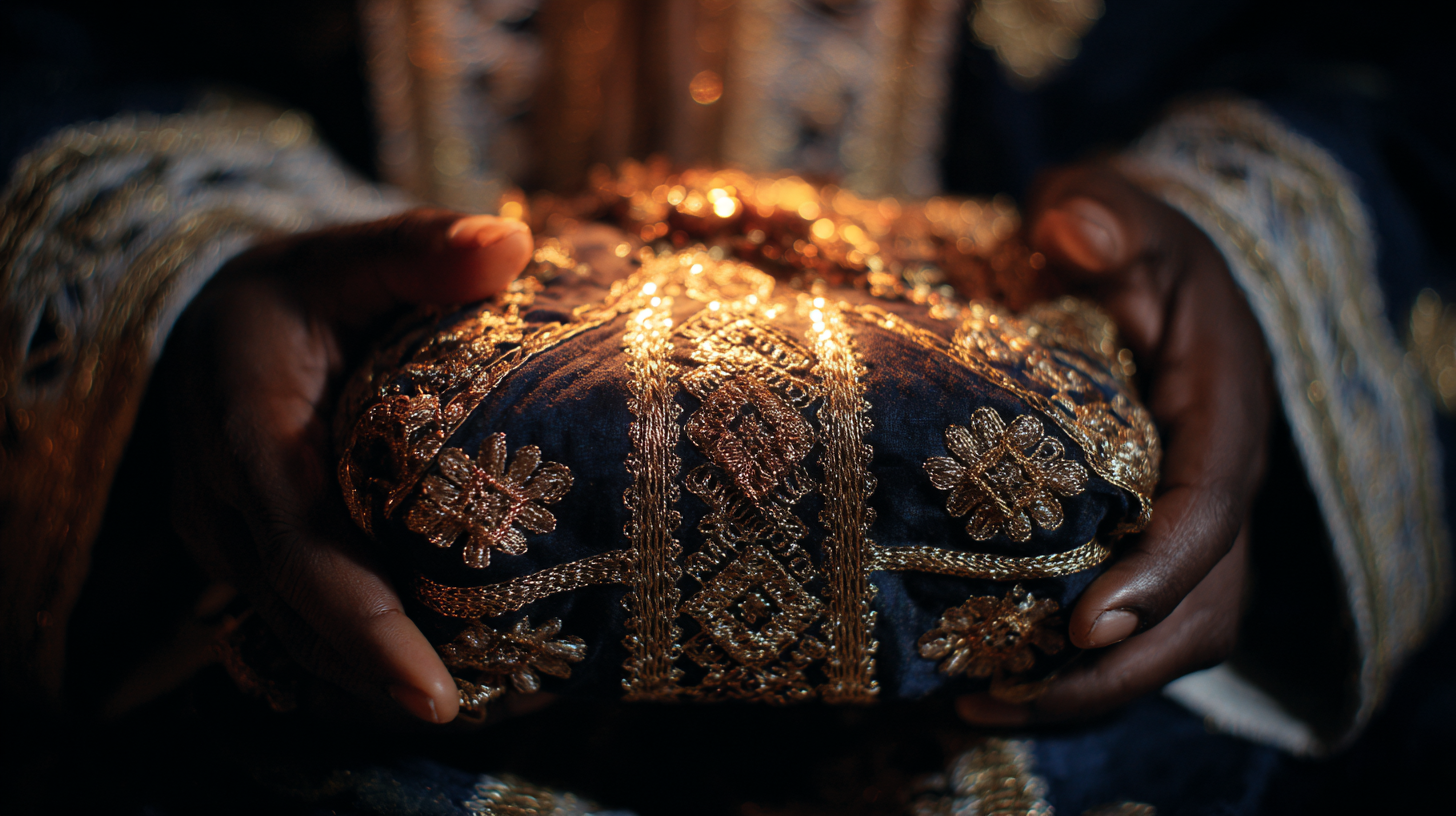
Even in modern cities, Ethiopian Orthodoxy remains deeply woven into daily life: church bells ring before dawn, processions wind through neighborhoods, and holy days structure the rhythms of the year. Monasticism provides the theological backbone for these practices — a grounding force reminding Ethiopians of their enduring spiritual heritage. This continuity across time is one of the most remarkable aspects of Ethiopia’s religious landscape.
Conclusion
Today, Ethiopia Monastic Culture remains a vibrant, living force connecting past and present. Ethiopia’s monastic world is a universe unto itself — a realm of devotion carved into cliffs, hidden in forests, and preserved within ancient manuscripts. It is a place where faith is not merely professed but lived, shaped by landscapes that challenge the spirit and deepen reflection. These monasteries represent centuries of spiritual endurance, artistic brilliance, and cultural stewardship. They stand as guardians of traditions that continue to inspire, teach, and transcend time.
Exploring Ethiopia’s monastic heritage is more than a historical journey — it is an invitation to witness a living faith, vibrant and profound, carried forward by communities devoted to preserving the sacred heartbeat of a nation.
Source on Ethiopian Orthodox Tradition

Beautiful!