

Buddhism in Thailand: A Living Presence in Everyday Life
Thailand is a country where spirituality doesn’t sit apart from daily life—it flows within it. Before sunrise, monks move quietly through neighborhood streets while the world is still dim and cool. At temples, incense burns in curled wisps as golden statues reflect morning light. On busy Bangkok corners, shrines glow beneath neon signs, gathering both office workers and travelers into brief moments of stillness. Everywhere, Buddhism shapes the rhythm of the day, guiding the country with a gentle hand rather than commanding presence.
To explore Buddhism in Thailand is to discover a cultural force that softens everything it touches. It explains the politeness of greetings, the patience in conversations, the grace in gestures, and the quiet resilience seen throughout the country. These qualities aren’t accidental—they’re reflections of a worldview that values presence, harmony, and acceptance. Whether you come seeking inner calm, cultural understanding, or simply a deeper appreciation of Thailand’s heart, Buddhism offers a doorway into the country’s most intimate truths.
For a hands-on experience of Buddhist-inspired routines, see our Korean temple stay guide.
The Roots of Thai Buddhism: A Faith that Shapes a Nation
Theravada Buddhism, the spiritual foundation of Thailand, is not merely a belief system—it is a framework through which generations have understood the world. Its influence took shape during the Sukhothai period, when kings not only supported temples but used Buddhist ethics as guiding principles for governance. Over time, monastic centers became places of education, where young men learned literacy, philosophy, and moral conduct long before public schools existed. In this way, Buddhism helped shape Thailand’s intellectual life as much as its spiritual one.
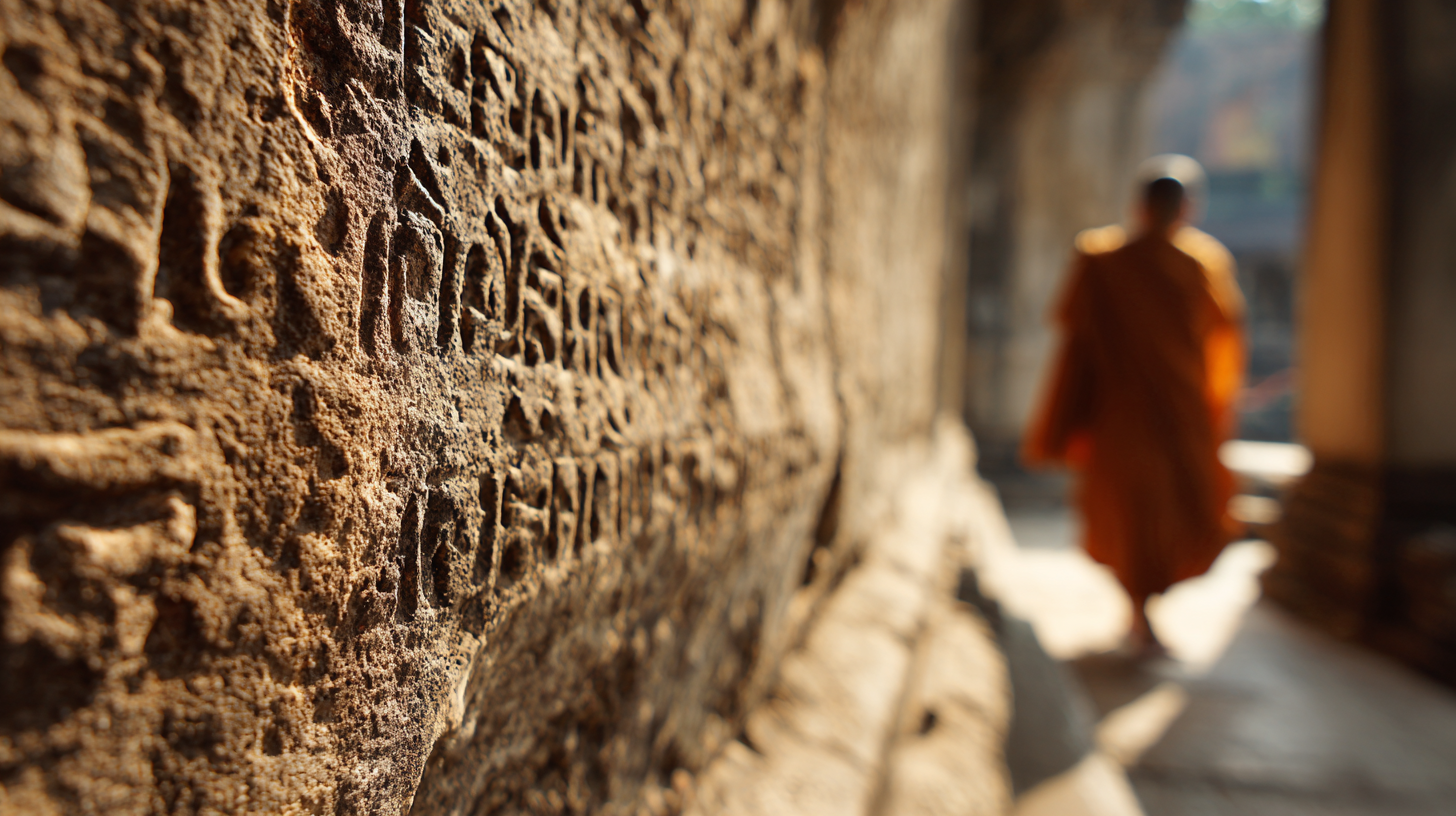
What makes Thai Buddhism unique is the seamless blending of ritual, community, and cultural identity. Festivals, family ceremonies, village gatherings, and even political symbolism draw from Buddhist narratives and imagery. Temples serve as places of worship, but also as community halls, counseling centers, and moral anchors. The teachings of karma, compassion, and mindfulness influence how Thai people negotiate conflict, how they show respect, and how they approach daily challenges with calmness and humor.
This deep cultural integration means that Buddhism in Thailand is both ancient and modern. It evolves with society—absorbing local customs, supporting social programs, guiding national ceremonies—yet it remains rooted in the same values that shaped the country centuries ago. To understand Thai Buddhism is to understand Thailand itself.
Temples: Where Spirituality Becomes Atmosphere
Temples, or wats, are the emotional centers of Thailand’s spiritual landscape. Each temple invites a shift in pace the moment you walk through its gate. Shoes come off, voices soften, air settles. The scent of incense, the coolness of polished stone, and the glow of candlelight create an atmosphere that encourages contemplation without asking for it directly.
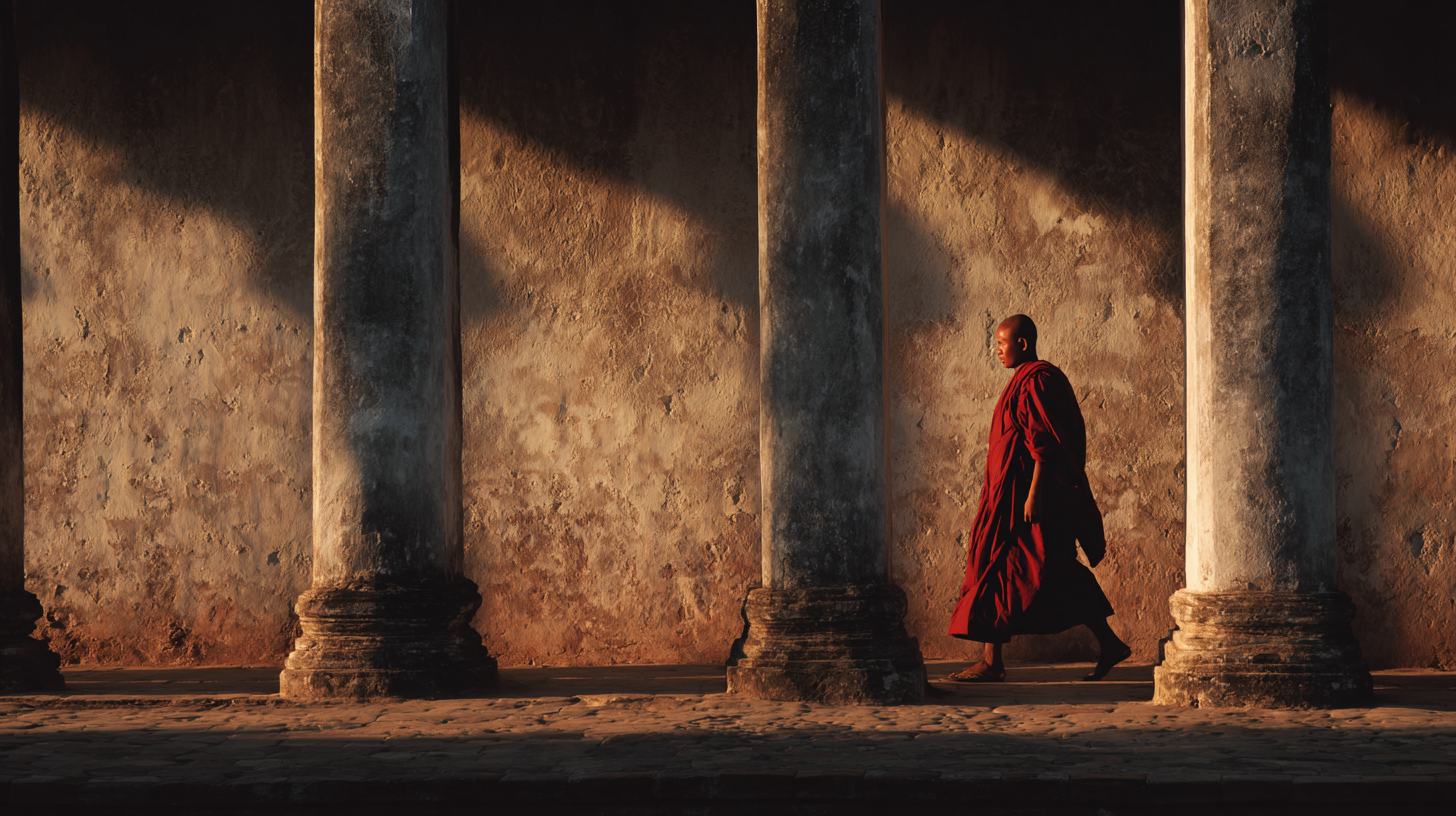
Some temples, like Wat Pho or Wat Arun in Bangkok, inspire awe with their grandeur. Their stupas glitter with mirrored mosaics, and their roofs layer upward in elegant curves that seem to lift the sky. Others, hidden in forests or small towns, feel intimate and deeply personal. A single Buddha statue rests beneath a tree, monks chant softly in nearby halls, and birds flutter between temple roofs as if participating in the silence.
These spaces are not reserved for the devout. Travelers sit quietly beside locals, listening to chants or simply breathing in the stillness. The architecture itself seems designed not only for worship, but for calming the mind.
Meditation in Thailand: A Journey Inward
Meditation is one of the most accessible and transformative ways to engage with Thai Buddhism. While its roots are ancient, its relevance feels timeless. Across Thailand, meditation centers and retreats offer experiences that range from gentle introductory programs to full Vipassana silence where participants unplug completely and observe the mind with unwavering focus.
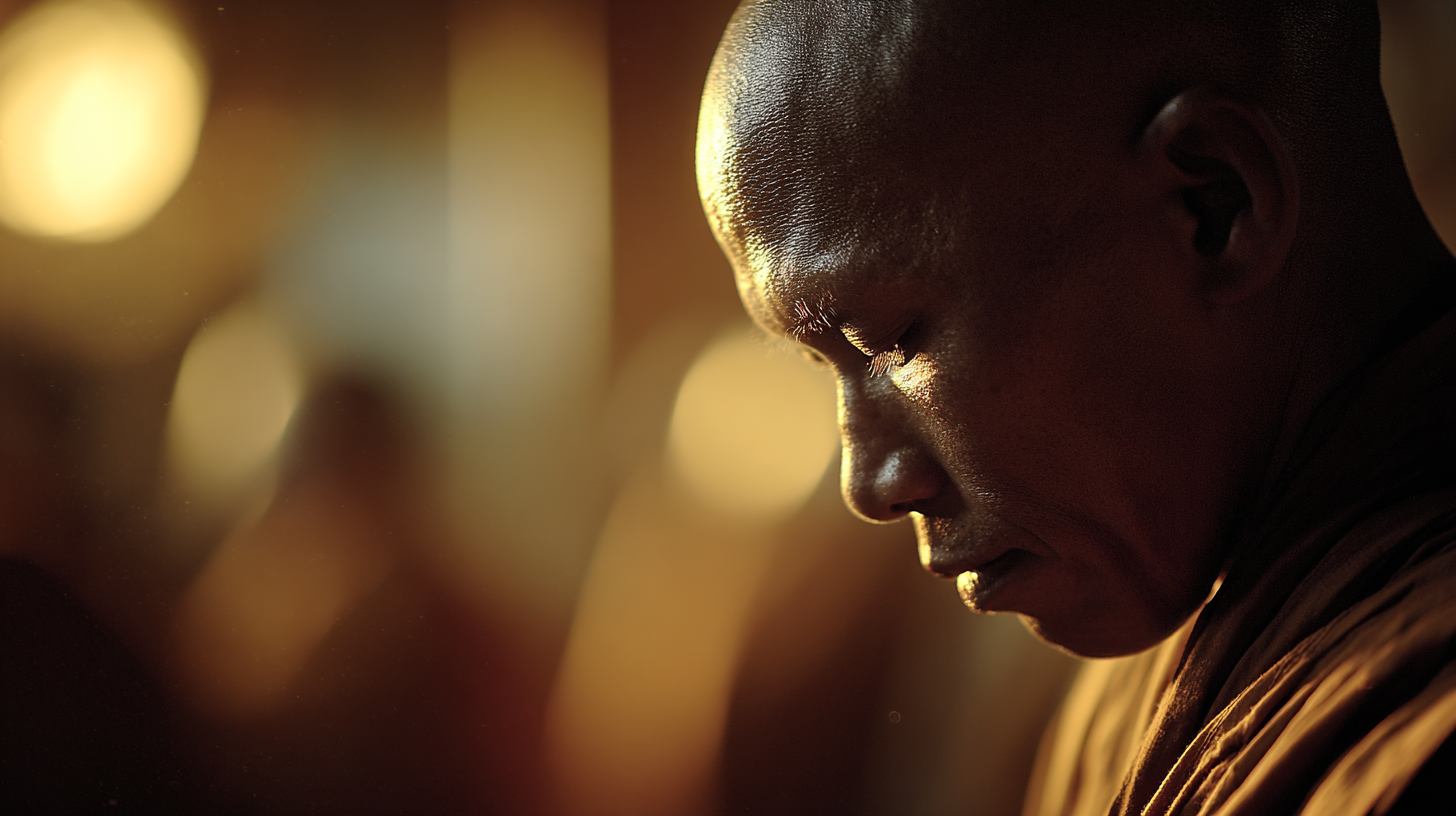
In Chiang Mai, meditation halls glow softly under evening light as monks teach breathing techniques that steady the mind. On islands like Koh Phangan, open-air platforms overlook the ocean, letting the sound of waves guide your concentration. In Bangkok, community centers host evening sessions for locals and travelers seeking a brief pause from the city’s intensity.
Meditation retreats do not promise instant transcendence. Instead, they offer something subtler—a space stripped of distractions, where the mind begins revealing its habits, tensions, and layers. Travelers often leave these retreats lighter, clearer, and more centered, carrying the practice with them long after leaving Thailand.
Monk Chats: Conversations Across Cultures
One of Thailand’s most remarkable cultural experiences is the chance to sit and speak with a monk. These “monk chats” often take place in temple courtyards, under shaded pavilions, or in open-air learning spaces. They began as a way for monks to practice English, but evolved into warm, open conversations that dissolve barriers between worlds.
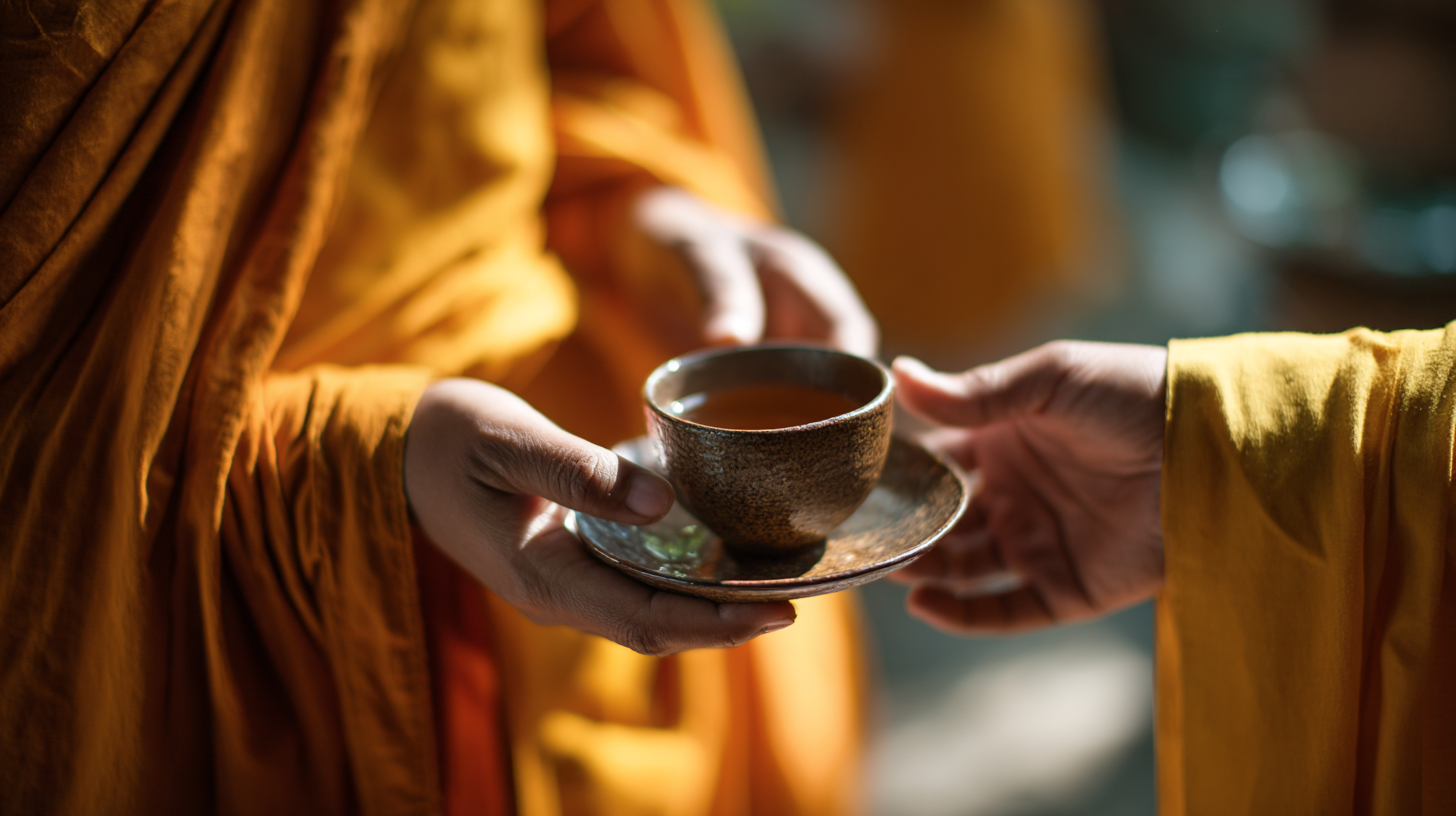
Sitting across from a monk—often young, thoughtful, and deeply sincere—you’re invited to ask anything: philosophical questions, personal dilemmas, cultural curiosities. Monks speak candidly about discipline, meditation, compassion, and the purpose of monastic life. Their perspectives are grounded not in abstract theology, but in lived experience: early-morning routines, mindfulness training, ethical choices, and the effort to cultivate equanimity in daily life.
These conversations stay with you. They offer clarity, perspective, and a glimpse into a tradition that is both ancient and profoundly human.
Monastic Life: Discipline, Routine, and the Spirit of Devotion
Life inside a Thai monastery is built around a rhythm that emphasizes clarity, discipline, and presence. Monks wake before dawn to chant in dimly lit halls where the sound vibrates gently through wooden beams. Their alms rounds at sunrise connect them directly to the community—monastics offer spiritual presence, while laypeople offer food. This exchange is not transactional; it is symbolic of a mutual dependence that has existed for centuries.

Daily routines are simple but deeply structured. Meditation sessions shape the morning, scripture study fills the late hours, and communal work maintains the temple grounds. Many monks also serve as informal counselors—guiding families through grief, blessing new children, advising teenagers, or offering philosophical grounding during difficult times. Despite the quiet portrayed in photographs, monastic life requires emotional resilience and steady commitment.
Most Thai men ordain at least once, sometimes for a few weeks, sometimes for years. This temporary ordination is both a rite of passage and a spiritual gift to one’s parents, believed to bring honor and merit to the entire family. It also explains why monks feel so approachable: nearly every Thai family has some connection to monastic life, and many Thais have worn the saffron robes themselves.
Within the walls of a monastery, visitors encounter not mysticism but sincerity—the simple pursuit of stillness, clarity, and inner refinement.
Forest Temples: Silence, Nature, and the Path of Mindfulness
Some of Thailand’s most powerful spiritual spaces are not found in cities, but deep in forests where architecture blends seamlessly with nature. Forest temples, particularly in the northern and northeastern regions, embody the essence of mindfulness. Their meditation halls are open to the elements. Their pathways wind through trees. Their silence is broken only by insects, birds, and the soft steps of barefoot practitioners.
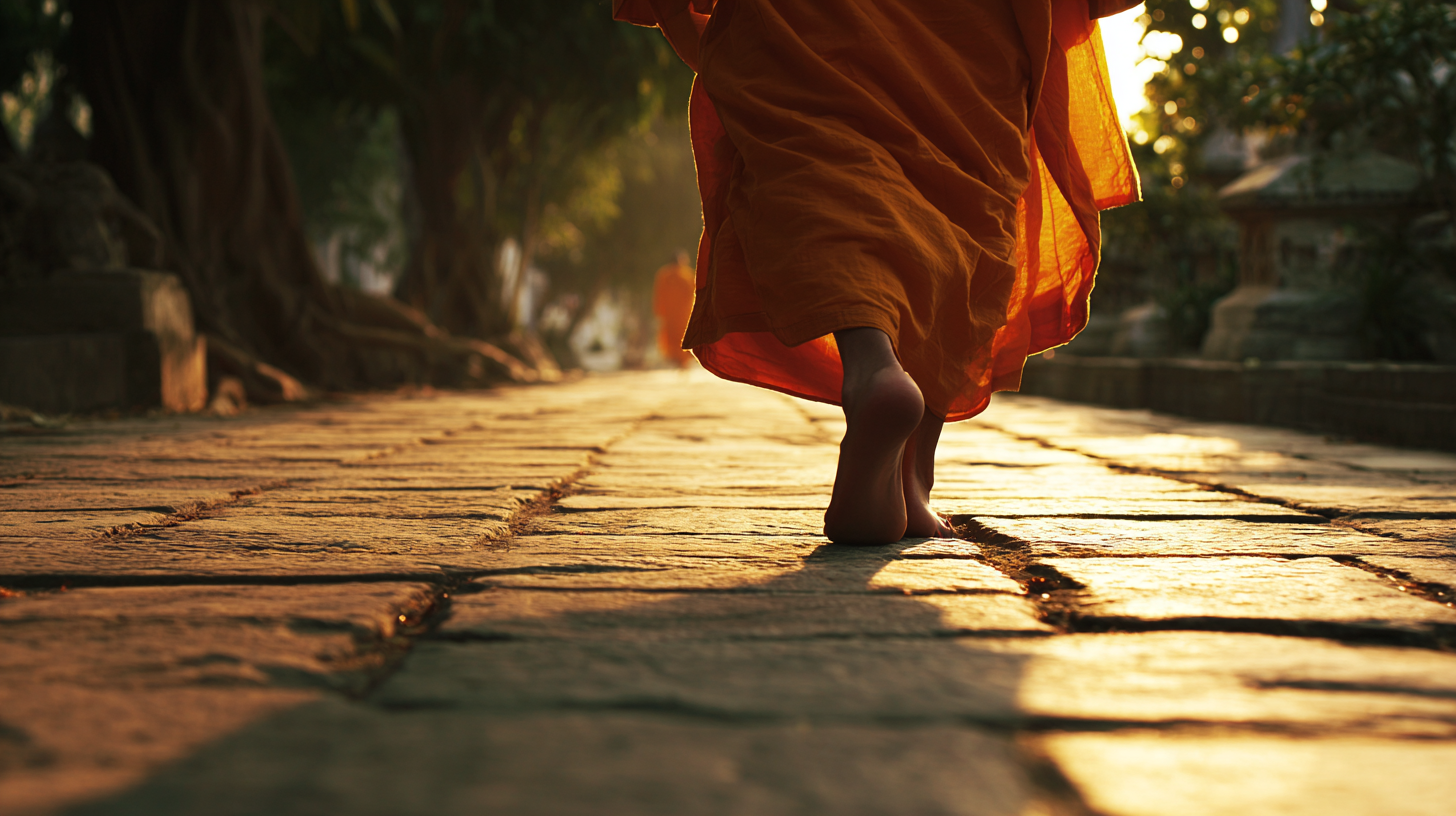
In these settings, meditation takes on a different quality. The forest becomes a teacher, reminding you of impermanence through falling leaves, of patience through steady winds, and of presence through the sensations of heat, shade, and earth beneath your feet. Monks living in forest temples often follow stricter disciplines, seeking solitude that allows deeper insight.
For travelers, visiting a forest temple—even briefly—can feel like stepping into another dimension. Time slows, senses sharpen, and the mind becomes noticeably quieter.
Thai Meditation Traditions: Vipassana, Samatha, and Loving-Kindness
While meditation has become popular worldwide, Thailand preserves traditions that have been practiced for centuries. Vipassana, perhaps the most well-known, focuses on observing the mind and body with unfiltered awareness. It is both simple and challenging, encouraging students to watch thoughts and sensations without reacting.
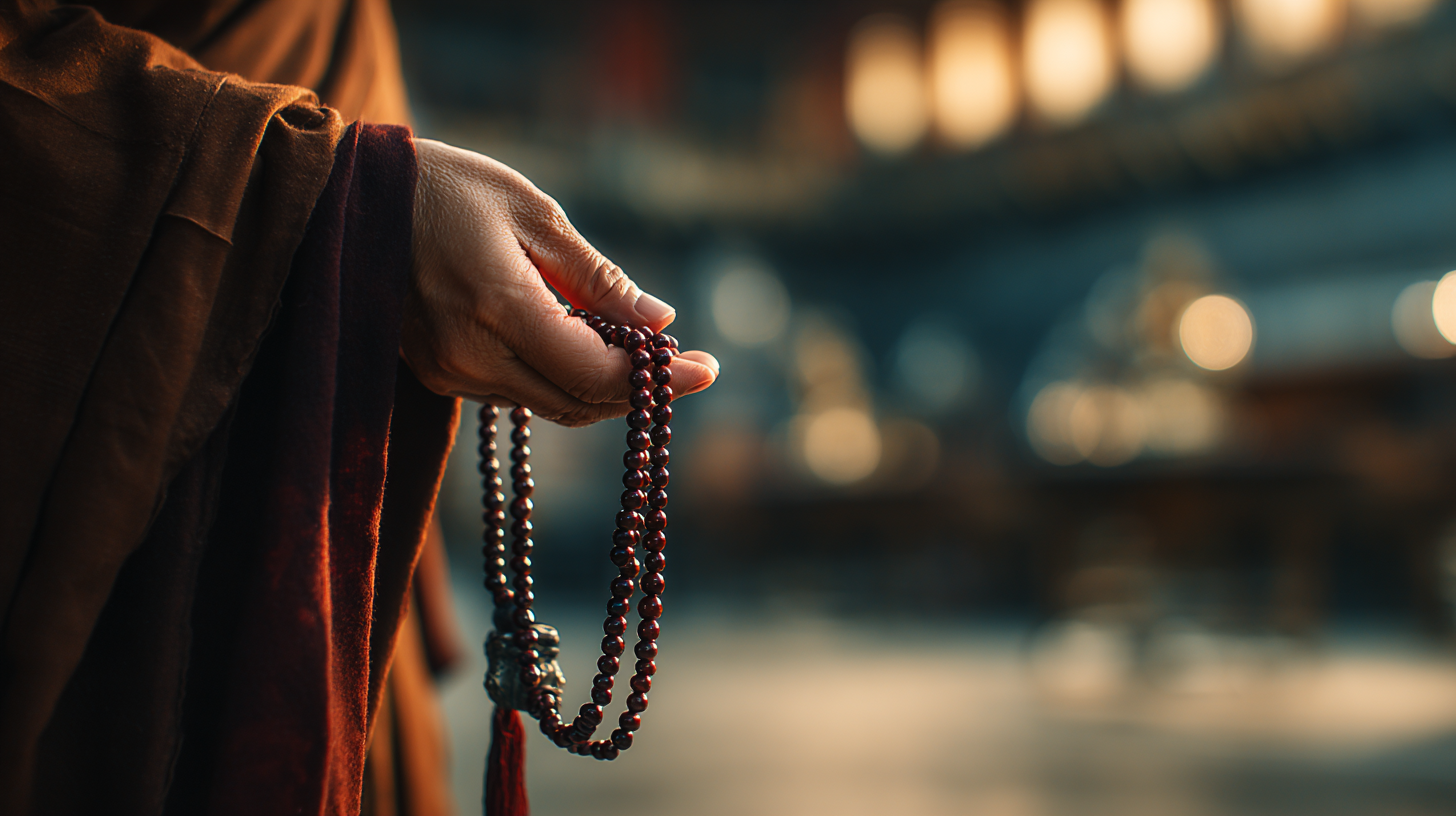
Samatha meditation, on the other hand, emphasizes concentration—training the mind to rest on a single object, such as the breath or a mantra. Where Vipassana reveals the nature of the mind, Samatha stabilizes it.
Many temples also teach metta, or loving-kindness meditation, inviting practitioners to cultivate compassion for themselves, their loved ones, strangers, and even those they find difficult. This practice reflects the Thai cultural emphasis on softness, forgiveness, and goodwill.
These traditions offer travelers not only a technique, but a philosophy of living with awareness, patience, and openness.
Continue your inner journey in our feature Thai Wellness: Traditions of Healing and Mindfulness.
The Role of Merit-Making: Understanding Thai Karma in Daily Life
Karma in Thailand is not a distant metaphysical idea—it is a practical philosophy that shapes how people behave, make decisions, and relate to one another. Merit-making (tham bun) is the everyday expression of this worldview. It can be small, like offering rice to monks or releasing fish back into a river, or communal, like funding the restoration of a temple or supporting a school. The purpose of merit-making is not to “bank points” for a future life but to cultivate inner goodness and contribute to social harmony here and now.
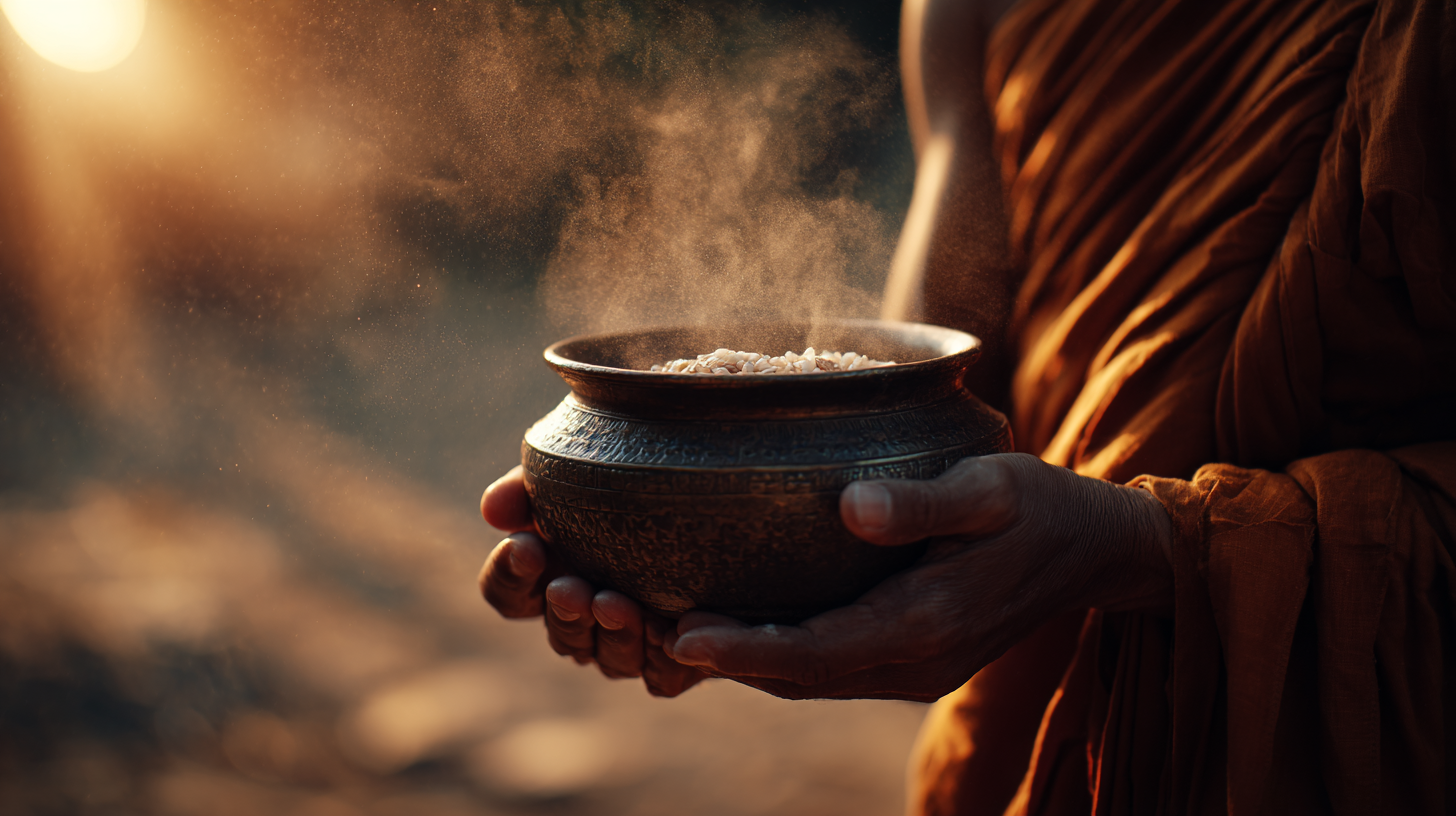
You see the influence of karma everywhere. Drivers let each other merge in traffic without argument. Strangers offer small kindnesses with no expectation of return. Businesses open their new shops with blessings from monks, believing that good energy attracts good outcomes. Even when someone experiences hardship, the response often reflects acceptance rather than bitterness—an understanding that life unfolds in cycles and that actions, not misfortune, define one’s path.
Merit-making also reinforces community ties. When villagers join together for temple repairs, funerals, festivals, or charity drives, they aren’t just doing good deeds—they are reaffirming that well-being is collective. The act of giving becomes a way of staying emotionally connected to others, creating a gentle social fabric built on empathy instead of competition.
For travelers, witnessing this system in motion offers one of the clearest insights into the Thai mindset. It explains the country’s warmth, resilience, and surprising emotional ease. In Thailand, karma is not fear-based morality—it is lived compassion.
Buddhism and Thai Festivals: When Spirituality Becomes Celebration
Some of Thailand’s most enchanting festivals draw directly from Buddhist teachings. During Visakha Bucha Day, temples glow with candlelit processions honoring the birth, enlightenment, and passing of the Buddha. Families walk clockwise around temple stupas, carrying flowers and candles that illuminate the night.
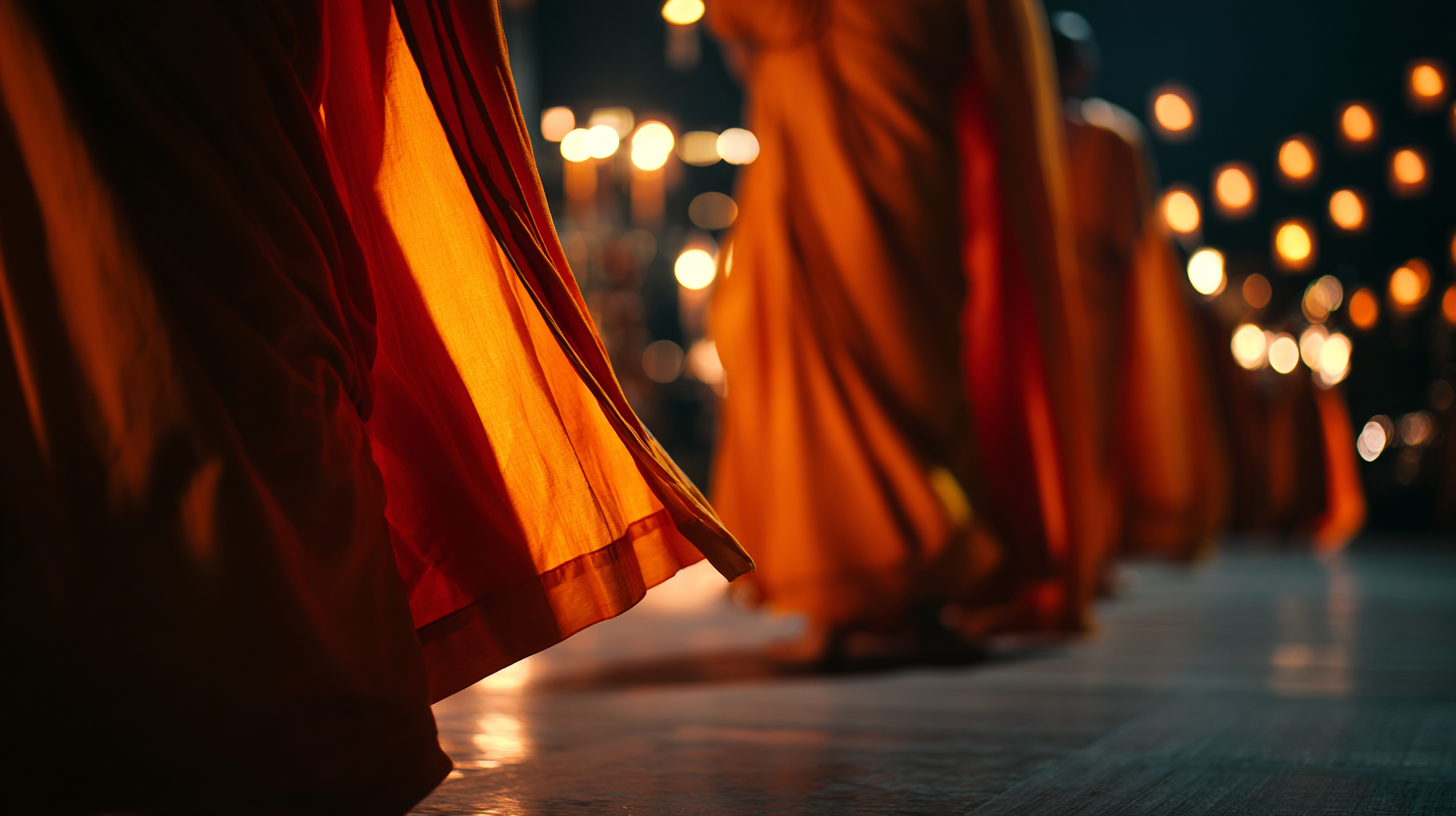
In Loy Krathong, people release floating offerings onto rivers, symbolizing forgiveness, gratitude, and letting go of past burdens. Yi Peng transforms entire skies into rivers of lanterns, each one carrying a wish or prayer upward. These festivals blend devotion with artistry, turning spiritual practice into shared celebration.
Even Songkran, known globally as a massive water festival, is rooted in Buddhist cleansing rituals meant to purify the old year and welcome the new with clarity.
In Thailand, spirituality is rarely solemn—it is alive, expressive, and filled with beauty.
Buddhism in Daily Life: A Culture of Presence and Kindness
Beyond temples and ceremonies, Buddhism influences everyday behavior. The way people lower their voices during disagreements, the instinct to avoid confrontation, the custom of offering seats to elders on public transport, and the habit of greeting others with a warm wai—these gestures reflect the Buddhist values of humility, respect, and compassion.
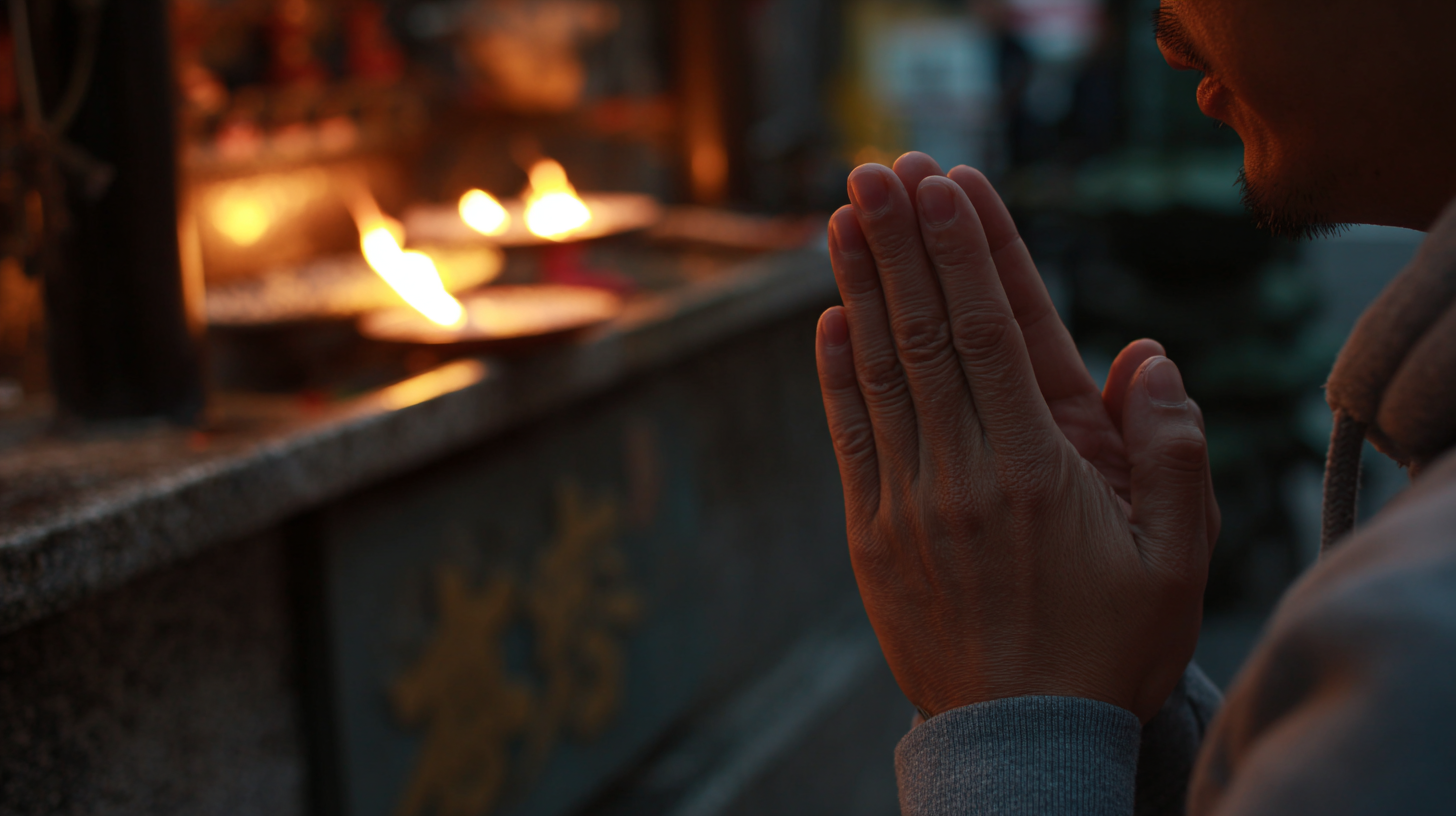
Even in Bangkok’s busiest districts, you’ll see people pause briefly to bow at small shrines before rushing off again. Taxi drivers keep amulets hanging from their dashboards. Families burn incense before meals or journeys. Prayer becomes part of routine, not obligation.
This quiet integration gives Thailand its emotional softness. Travelers feel looked after, welcomed, included. Buddhism isn’t just a belief here—it’s the invisible atmosphere holding society together.
Conclusion: A Path of Stillness Through a Vibrant Country
To explore Buddhism in Thailand is to move through a landscape shaped by light, sound, silence, and sincere human connection. It is to witness devotion in golden temples, to hear wisdom in candid conversations with monks, to feel clarity rising during meditation, and to experience warmth in daily gestures that reflect centuries of cultural values.

Thailand does not demand spiritual transformation from visitors. It simply offers space—space to breathe, to reflect, to feel, to understand. Whether you join a meditation retreat, wander temple courtyards at dusk, or simply watch monks collecting alms in morning light, you step into a rhythm that softens something inside you.
Long after you leave, the memory of saffron robes, chanting voices, flickering candles, and gentle smiles lingers like a quiet blessing. Buddhism is not just a religion in Thailand—it is the pulse beneath everything. And once you’ve felt it, Thailand becomes more than a place. It becomes a state of mind.
Official Tourism Authority of Thailand: https://www.tourismthailand.org/