
Temple bell rope and bronze bell detail in misty dawn light.

Temple Stay Korea Guide: Programs, Costs and What to Expect

A temple stay in South Korea allows visitors to spend several hours or one or more nights at a Buddhist temple. Depending on the program, participants may join meditation, morning chanting, tea ceremonies, communal meals, temple tours, or traditional cultural activities.

Programs range from short introductions in Seoul to overnight stays at mountain temples. Accommodation is usually simple, schedules can begin before sunrise, and some activities take place in a religious setting. However, the official Templestay program is presented as a cultural experience and is open to visitors regardless of their religious background.

This Temple Stay Korea guide explains how Korean temple stays work, how much they cost, how to book one, and what to check before choosing a program.

Program availability, prices, schedules, and accommodation conditions were checked in July 2026. Always confirm the current details on the individual temple’s official reservation page.

Temple Stay Korea: Quick Facts

Question Practical answer
How long does it last?
From approximately 2–3 hours to several nights
How much does it cost?
Current overnight examples range from about ₩70,000 to ₩130,000 per adult
Are meals included?
Usually, but check the individual program
Are rooms private?
Shared rooms are common; private rooms may cost extra or be unavailable
Is English available?
Some temples support international visitors, but availability varies by program and date
Do you need to be Buddhist?
No, but visitors must respect temple rules and religious activities
Can activities be skipped?
This depends on the temple. Contact staff if you are unwell or cannot participate
Where should you book?
Through the official English-language Templestay website
What should you bring?
Towels, toiletries, socks, suitable clothing, and any essential medication

Welcome desk with tea and lanyards for a temple stay program.

What Is a Korean Templestay?

Templestay is an official cultural program that introduces visitors to Korean Buddhist temple life. It is not a hotel stay or a conventional wellness retreat. The accommodation, meals, schedule, and activities are connected to the daily routine and traditions of the temple.

Possible activities include:

  • A guided temple tour
  • Seon meditation
  • Morning or evening Buddhist ceremonies
  • Tea and conversation with a monk
  • The 108 prostrations
  • Buddhist temple meals
  • Lantern or prayer-bead making
  • Forest walks or other activities specific to the temple

Not every program includes all these activities. A short program in central Seoul may focus on tea or meditation, while an overnight mountain program may begin before sunrise and follow a more structured timetable.

The official Templestay introduction divides programs into three main categories.

Temple Stay Program Types Compared

Program type Typical duration What it usually includes Best suited to
One-day program
About 2–3 hours
Temple tour, meditation, tea ceremony or cultural activity
Visitors with limited time or no interest in an overnight stay
Experience-oriented
Commonly one night or a weekend
Structured schedule, chanting, meditation, meals and cultural activities
Visitors who want to understand the temple routine
Rest-oriented
One or more nights
More personal time and fewer scheduled activities
Visitors looking for a quieter and less structured stay

One-Day Templestay

A one-day program is the easiest introduction to Korean temple culture. It does not require sleeping at the temple and is therefore suitable for travelers staying in Seoul or following a tight itinerary.

Before booking, check the exact language, start time, and list of activities. “One-day” does not necessarily mean a full day; some programs last only a few hours.

Experience-Oriented Templestay

Experience-oriented programs follow a more organized schedule. They may include ceremonies, meditation, 108 prostrations, communal meals and an early wake-up time.

This is usually the most informative option, but it also requires punctuality and a willingness to follow temple rules.

Rest-Oriented Templestay

Rest-oriented programs generally leave more time for walking, reading, contemplation or independent rest. They may still include meals, orientation and certain temple activities, but the timetable is normally less intensive.

Do not assume that a rest-oriented program is equivalent to a spa retreat. Rooms and facilities remain relatively simple, and temple rules still apply.

How to Choose the Right Temple Stay

Start with the type of experience you want rather than choosing a temple only because its photographs look impressive.

Consider the following questions:

  1. Do you want a short cultural introduction or an overnight stay?
  2. Are you prepared to wake up between approximately 3:30 and 5:30?
  3. Do you want a structured program or more independent time?
  4. Is English-language assistance required?
  5. Are you comfortable with shared, gender-separated accommodation?
  6. Can you reach the temple before its check-in deadline?
  7. Do you have dietary restrictions, allergies or mobility requirements?
  8. Are children allowed on the selected program?

The official reservation search has filters for one-day, experience-oriented and rest-oriented programs. It also includes a “Temples for Foreigners” category, which is a useful starting point for international visitors.

Use the official Templestay reservation search to compare currently available programs.

Temple Stay Korea Options for International Visitors

The following temples are useful starting points rather than a definitive ranking. Programs and availability can change, so check the individual listing before making travel arrangements.

Seoul Temple Stay: Jogyesa in Central Seoul

Jogyesa is a practical Seoul temple stay option for travelers who want to join a program without arranging transport to a remote mountain temple. Its official page identifies it as a temple for international visitors.

Current listings checked in July 2026 included:

  • A one-day tea ceremony
  • A one-night, two-day tea program
  • A regular one-night, two-day program

Jogyesa is particularly practical for visitors who do not want to arrange long-distance transport to a mountain temple.

Check the current dates on the official Jogyesa Templestay page.

Gyeongju Temple Stay: Golgulsa and Seonmudo

Golgulsa is a Gyeongju temple stay option associated with Seonmudo, a Korean Buddhist martial art combining movement, breathing and meditation.

Its Special Weekend Templestay was listed at ₩120,000 per adult when checked in July 2026. The program included orientation, Seonmudo, 108 prostrations, meals, morning chanting and meditation.

The listed schedule began with check-in at 14:30 and included an early morning ceremony on the following day. Rooms were gender-separated and, for this particular program, included a shower and restroom.

See the current details on the official Golgulsa program page.

Haeinsa: History and the Tripitaka Koreana

Haeinsa is one of South Korea’s most historically important Buddhist temples and is associated with the Tripitaka Koreana woodblocks. It is a relevant choice for travelers interested in Korean history as well as Buddhist culture.

A current weekend program checked in July 2026 offered several accommodation categories:

Room category Adult price
Four-person bunk room
₩100,000
Twin room
₩110,000
Single or ondol room
₩130,000
VIP twin room
₩125,000

These prices apply to the selected program and should not be interpreted as permanent rates for every Haeinsa stay.

View updated dates and conditions on the official Haeinsa program page.

For additional context about the temple’s historical significance, see our guide to Korea’s historical landmarks.

How to Book a Temple Stay in Korea

The safest method is to reserve through the official English-language Templestay website.

Step 1: Search Available Programs

Open the official reservation page and choose:

  • Your preferred dates
  • Region
  • Program type
  • Temple
  • Programs suitable for international visitors

Step 2: Read the Entire Program Page

Do not rely only on the temple name or program title. Check:

  • Operating dates
  • Language support
  • Price
  • Minimum age
  • Room arrangement
  • Check-in and check-out times
  • Activities
  • Meals
  • Items to bring
  • Cancellation policy
  • Transport instructions

Two programs at the same temple may have different schedules and accommodation arrangements.

Step 3: Confirm Availability and Participant Details

Enter participant information carefully. If the program does not clearly address allergies, accessibility, private rooms or English support, contact the temple before paying.

Step 4: Save the Confirmation and Directions

Keep an offline copy of:

  • Reservation confirmation
  • Temple telephone number
  • Korean address
  • Check-in time
  • Public transport instructions

Mountain temples may require a combination of intercity transport, local buses and walking. Mobile reception or English-language signage cannot be assumed at every stage.

The official Templestay Information Center, located opposite Jogyesa in Seoul, can also provide information about programs and reservations.

How Much Does a Temple Stay Cost?

There is no single national price. Cost depends on the temple, program length, room category and included activities.

Based on official programs checked in July 2026:

Example Duration/type Adult price
Golgulsa Special Weekend Templestay
Two days, one night
₩120,000
Haeinsa weekend program
Two days, one night
₩100,000–₩130,000
Guinsa program example
Per night
₩70,000, with an additional charge for a private room

The Guinsa price illustrates the lower end of recent official listings, but that particular program period ended in June 2026. It should therefore be treated as a price example, not a currently bookable recommendation.

The reservation price will commonly include accommodation, temple clothing, scheduled activities and meals, but inclusions vary. Transport to the temple is normally separate.

Do not use a price quoted in a travel blog without checking the official program page. Temple rates and operating dates can change.

What an Overnight Schedule May Look Like

Schedules differ considerably. The following is a representative outline based on current official program listings, not a universal timetable.
Quiet dawn corridor walk during a temple stay routine.

Approximate time Possible activity
13:30–15:00
Arrival, check-in and room assignment
15:00–17:00
Orientation, temple tour or cultural activity
17:00–18:30
Evening ceremony and dinner
18:30–20:30
Meditation, Seonmudo, tea or 108 prostrations
Around 21:00
Lights out
03:30–05:30
Wake-up and morning ceremony
06:00–07:00
Breakfast
Morning
Meditation, walking or another scheduled activity
10:00–12:00
Closing session and check-out

Some programs are much more flexible. Others consider punctual participation an important part of the experience.

If an early wake-up or physically demanding activity would be difficult, choose a one-day or rest-oriented program and contact the temple about participation requirements before booking.

Rooms, Bathrooms and Temple Meals
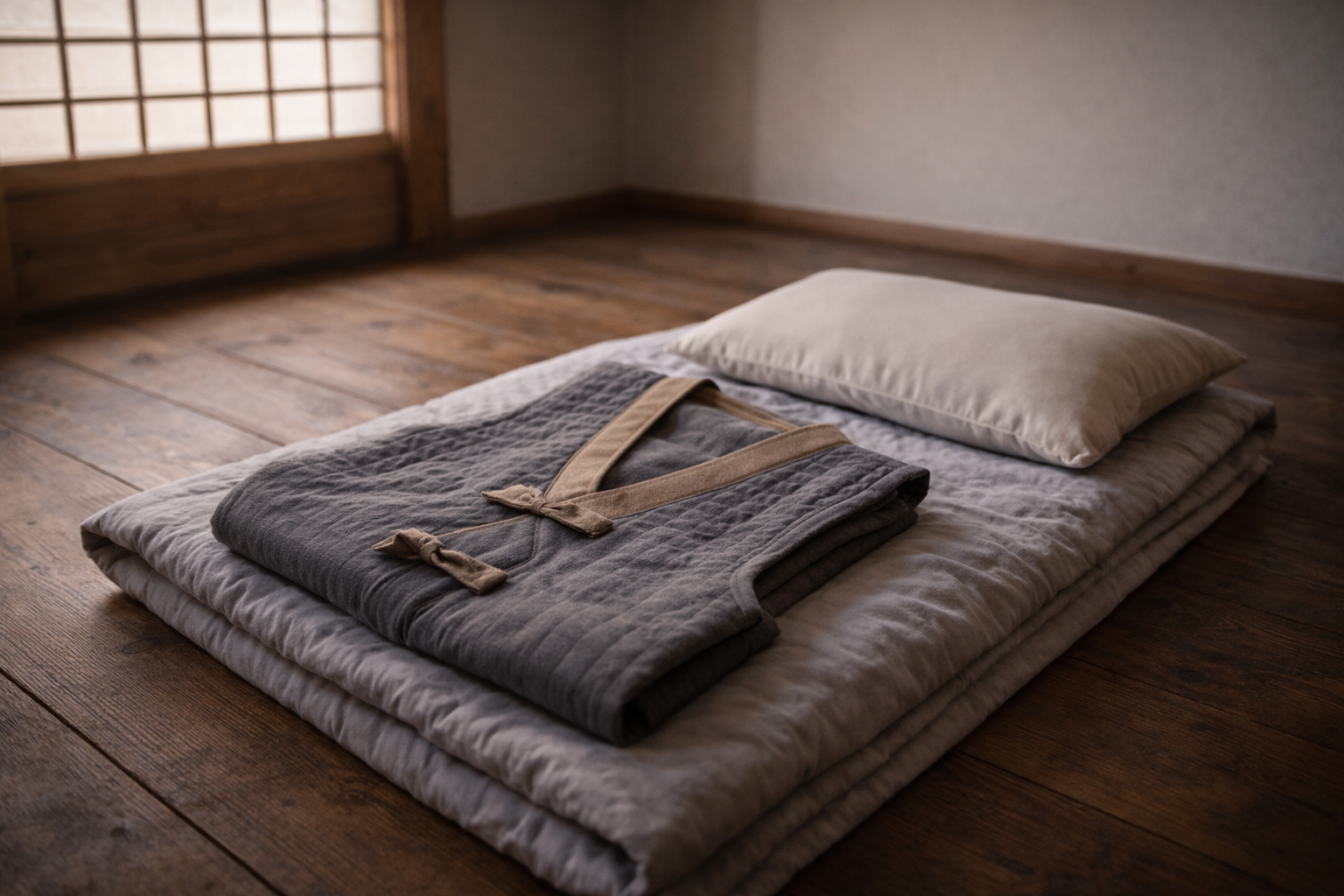
Temple stay in South Korea: Simple temple stay room setup with folded clothing and bedding.

Rooms

Shared, gender-separated rooms are common. Depending on the temple, visitors may sleep on floor bedding in an ondol-style room or use bunk beds.

Private rooms:

  • Are not guaranteed
  • May accommodate two to four people rather than one person
  • Can require an additional fee
  • May be limited to certain programs or participant groups

Never assume that selecting two participants automatically provides a private room.

Bathrooms

Bathroom arrangements vary. Some programs provide an en-suite shower and toilet, while others use shared facilities.

Check whether the listing mentions:

  • Private or shared bathroom
  • Towels
  • Hair dryer
  • Soap and shampoo
  • Heating or air conditioning

The official FAQ recommends bringing personal towels and toiletries even though some basic items may be provided.
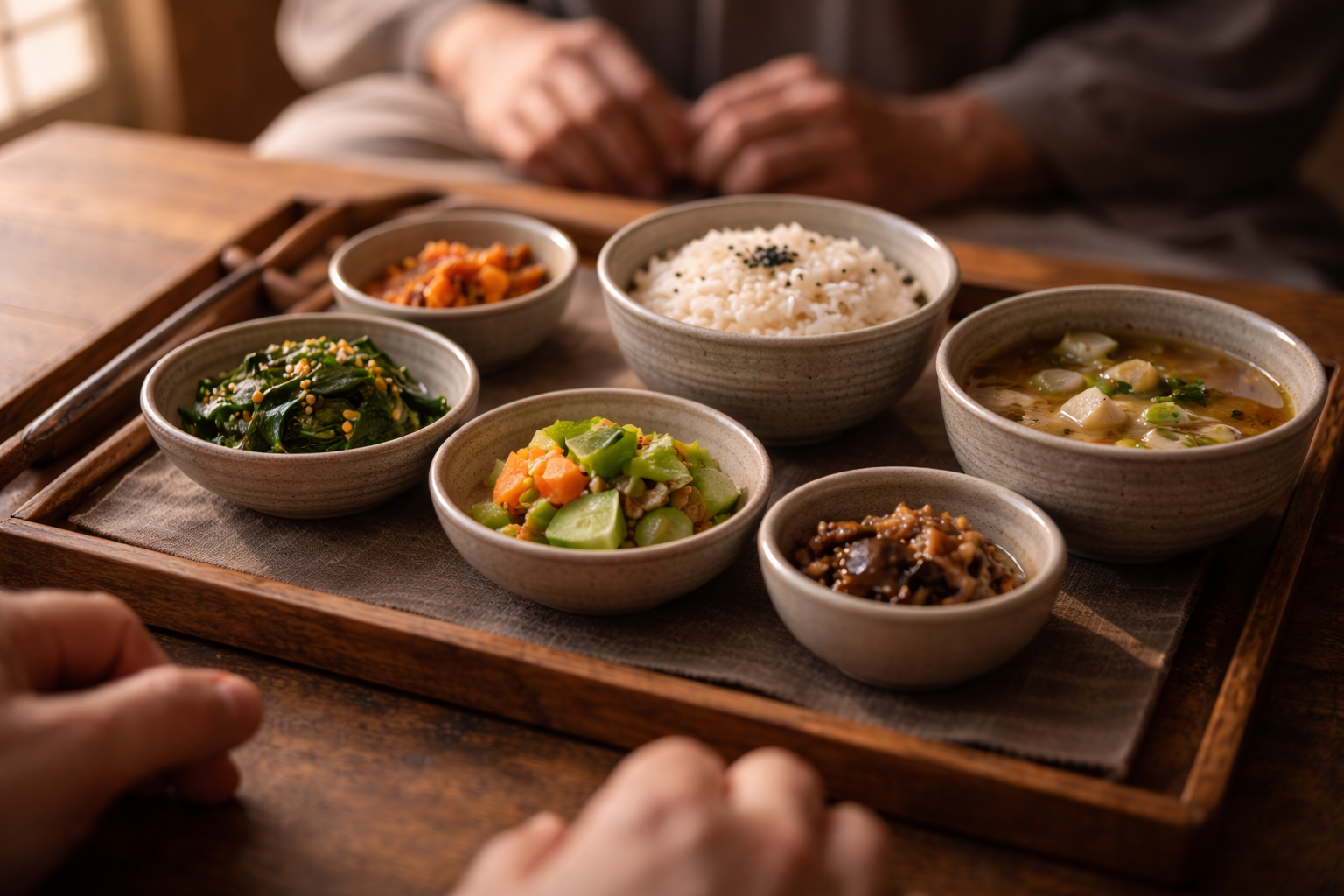
Simple temple meal tray with small bowls in warm daylight.

Temple Food

Meals are typically based on Korean Buddhist temple-food traditions and may avoid meat and strong aromatic ingredients. However, it is unsafe to assume that every meal is vegan or suitable for every allergy.

Contact the temple in advance if you have:

  • Food allergies
  • Gluten intolerance
  • Medical dietary requirements
  • Strict vegan requirements
  • Difficulty eating Korean-style communal meals

Available substitutions may be limited, especially at remote temples.

Meditation, Chanting and Religious Participation

Temple stays take place inside functioning Buddhist institutions. Activities such as chanting, prostrations and ceremonies should therefore be treated respectfully rather than only as tourist entertainment.
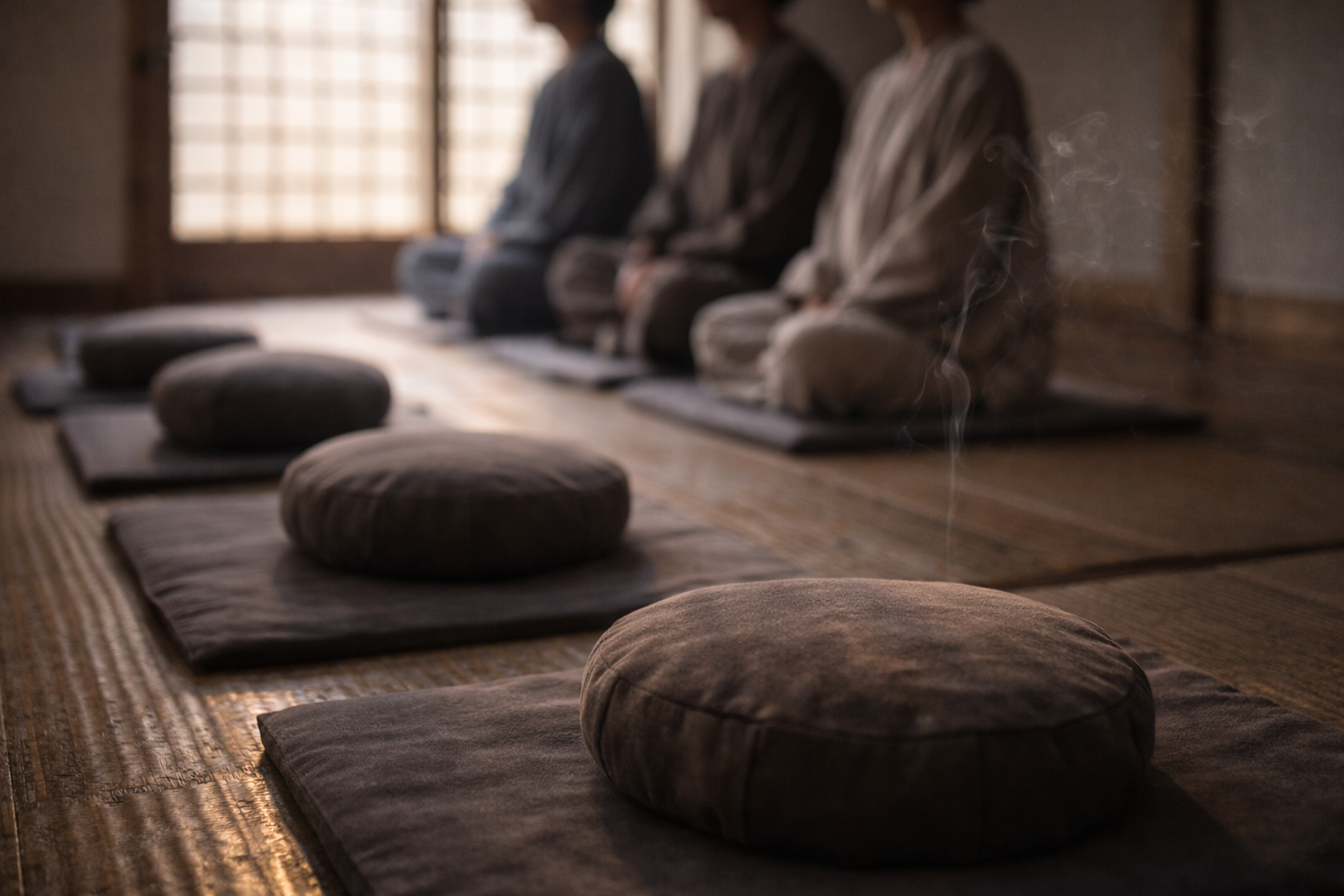
Meditation cushions with soft silhouettes of participants in a calm hall.

Visitors are not required to identify as Buddhist. Nevertheless, booking a structured program means agreeing to follow its timetable and behavioral rules.

If you cannot perform prostrations or sit on the floor for medical reasons, contact the temple before booking. Do not wait until the ceremony begins to determine whether an alternative is possible.

The official FAQ indicates that participants who are unwell or particularly tired may be able to miss an activity after informing temple staff. This should not be interpreted as permission to ignore the schedule without explanation.

Temple Etiquette

Rules vary, but the following practices are broadly appropriate:

  • Arrive before the stated check-in deadline.
  • Wear modest, comfortable clothing.
  • Remove shoes where required.
  • Keep voices and phone notifications quiet.
  • Do not photograph ceremonies or residents without permission.
  • Follow instructions about entering halls and seating.
  • Avoid wasting food.
  • Do not bring alcohol or smoke on temple grounds.
  • Return temple clothing and bedding as instructed.
  • Respect quiet hours and gender-separated accommodation.
  • Tell staff in advance about medical or mobility limitations.

Some temples request periods of silence. Others may restrict phone use during activities. Read the individual program rules instead of relying on general travel etiquette.
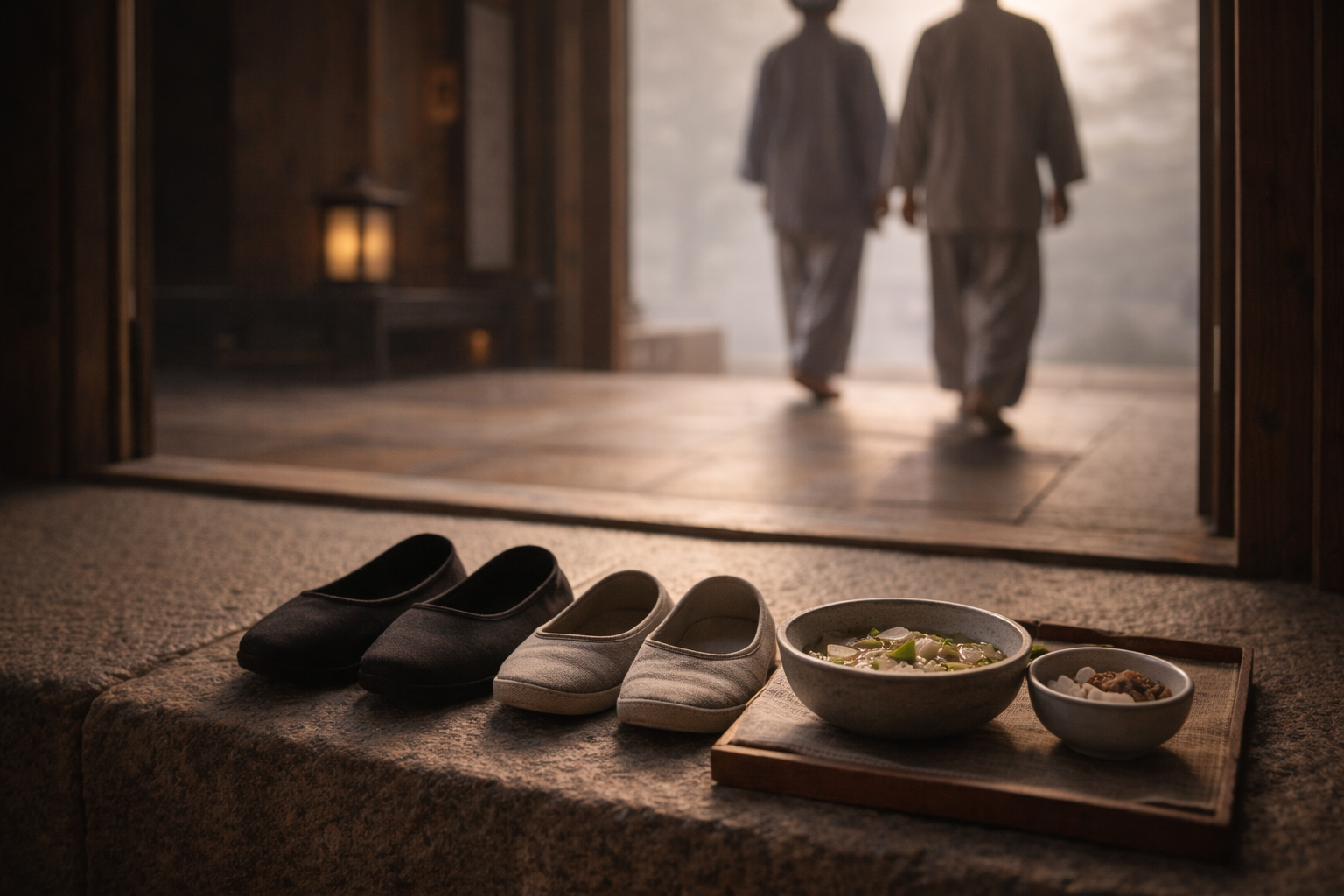
Shoes neatly placed at a temple entrance threshold.

What to Pack

Official recommendations and current program listings suggest bringing:

  • Personal towel
  • Toothbrush and preferred toiletries
  • Underwear and socks
  • Comfortable clothes for wearing under or outside the temple uniform
  • Warm layer, especially for morning ceremonies
  • Comfortable walking shoes
  • Reusable water bottle or tumbler
  • Essential medication
  • Small bag for personal items
  • Rain protection when appropriate

A temple uniform, commonly consisting of a vest and trousers, is generally provided. Bedding is normally included.

Avoid bringing excessive luggage. Storage space may be limited, and participants may need to walk from a bus stop or entrance to the accommodation building.

Temple stay in South Korea: Minimal temple stay packing layout with layers and essentials.

Transport, Check-In and Late Arrival

Transport is one of the most important differences between an urban and mountain temple stay.

A Seoul temple may be accessible by metro and a short walk. A rural temple may require:

  1. An intercity train or bus
  2. A local bus or taxi
  3. An additional walk to the temple entrance

Use the directions published on the official temple page and verify the final local connection. Mapping applications may propose routes that do not match the program’s check-in time.

Plan to arrive early. Orientation, room allocation and temple clothing distribution may begin at a fixed time. Late arrival can interrupt the program and may not always be accommodated.

If you are building a longer itinerary, our South Korea travel guide provides broader planning context.

Who Should Choose a Temple Stay?

A Korean temple stay may suit travelers who:

  • Want structured access to Korean Buddhist culture
  • Are comfortable with simple accommodation
  • Can follow a timetable and communal rules
  • Are interested in meditation, history or temple food
  • Prefer a quieter activity to conventional sightseeing
  • Understand that facilities differ from those of a hotel

A stay may be less suitable for travelers who:

  • Require hotel-style privacy or services
  • Cannot manage early mornings
  • Need guaranteed dietary substitutions
  • Are uncomfortable with religious ceremonies
  • Have mobility requirements that have not been confirmed
  • Want unrestricted nightlife, alcohol or late entry
  • Expect a luxury wellness retreat

A one-day program can be a better alternative when an overnight schedule seems too demanding.

Frequently Asked Questions

Do I need to speak Korean?

Not necessarily. Some temples and programs are designed for international visitors. However, English support can depend on staff availability and the selected date. Use the official foreigner-friendly filter and confirm the program language before booking.

Do I need to be Buddhist?

No. Templestay is offered as a cultural program. Visitors should still behave respectfully during ceremonies and follow the rules of the temple.

Can solo travelers book a temple stay?

Yes, many programs accept solo participants. A solo booking does not necessarily include a private room, and shared gender-separated accommodation may be used.

Are children allowed?

Age requirements differ by program. Some listings accept families, while others exclude preschool children or set a minimum age. Check the participant rules before paying.

Are temple stays suitable for vegetarians?

Temple meals are commonly plant-based, but ingredients and preparation vary. Contact the temple if you have strict dietary or allergy requirements.

Can I leave activities early or skip them?

This depends on the program. Inform the staff if you are ill, injured or unable to participate. A rest-oriented program is preferable if you do not want a fixed schedule.

What happens if I cancel?

Each temple or program can apply its own refund schedule. Read the cancellation conditions on the reservation page before payment.

How far in advance should I book?

There is no universal booking window. Availability is more limited on weekends, public holidays and for programs with English support. Book as soon as your itinerary is stable, but check the cancellation policy first.

Which temple stay in Korea is best for foreign visitors?

There is no single best option for every traveler. Jogyesa is convenient for a Seoul itinerary, Golgulsa offers a more structured Seonmudo program near Gyeongju, and Haeinsa combines a temple stay with important Korean Buddhist heritage. Use the official “Temples for Foreigners” filter and confirm English-language support for your selected date.

Is a Temple Stay in South Korea Worth It?

A temple stay can add cultural and historical context to a South Korea itinerary, particularly for visitors who want more than a short temple visit. Its value depends on choosing an appropriate program.

A one-day program is the lowest-commitment option. An experience-oriented overnight stay provides more structure and activities, while a rest-oriented stay is better for visitors who want fewer scheduled sessions.

Before booking, compare the timetable, language, room type, transport and participation rules. The temple’s official program page—not the general description or photographs—should be the final basis for your decision.

For related low-impact travel considerations, see our South Korea sustainable travel guide.

Leave a Comment

Your email address will not be published. Required fields are marked *