

Camping in Australia: A Journey Into the Country’s Wild Heart
There are countries you visit through cities, and countries you truly feel only once you step beyond them. Australia belongs to the second kind. The moment you leave the last row of suburban houses behind and watch the road narrow into open sky, something shifts. The air smells different. The light gets bigger. The silence grows wider. Camping here isn’t just about saving money on accommodation — it’s about letting the land become part of your journey.
From red desert plains and eucalyptus forests to wild surf beaches and quiet inland rivers, Australia offers countless places where a tent, swag, or caravan turns into the best front-row seat you’ll ever have. Nights under the Southern Cross, the crackle of a campfire, the rustle of unknown creatures in the dark, the slow reveal of sunrise over ridges and gum trees — these are the moments that stay with you long after your return flight. Whether you’re a first-time camper or an experienced adventurer, the call of the wild in Australia is hard to ignore once you’ve heard it.
For more ways to experience the country, explore our Australia Road Trips
Camping: Under Southern Stars
Traditional camping is the purest way to feel Australia’s wild character. It’s you, a patch of ground, a shelter you build yourself, and the sky doing its thing above you. As the sun sinks, temperatures drop, colors soften, and the world shifts from heat and glare to shadows and starlight. The smell of dust, eucalyptus, ocean salt, or damp earth depends on where you are — but the sense of being outside the usual rhythm of life is the same everywhere.

On the coast, campgrounds hug clifftops, dunes, and calm bays where waves become your evening soundtrack. Wake to the sound of kookaburras laughing in the trees and step straight out of your tent onto sand still cool from the night. Inland, bush camps let you fall asleep beneath silhouettes of gum trees and wake to magpies singing in pale morning light. In the Outback, the sky is so open that the Milky Way seems close enough to touch, and each falling star feels like a secret between you and the desert.
The beauty of camping in Australia is the variety. Fully serviced campgrounds offer hot showers, powered sites, and camp kitchens, perfect if you’re new to the lifestyle. More remote sites strip things back to basics — maybe just a drop toilet, a fire ring, and a clearing between trees or rocks. In both cases, the experience is the same at its core: you are outside, exposed, present, and closer to the land than any hotel could ever bring you.
Glamping: Wild at Heart, Soft at the Edges
Not everyone dreams of crawling into a sleeping bag after boiling pasta on a tiny stove, and that’s okay. Glamping — “glamorous camping” — bridges the gap between deep nature and soft comfort. Think canvas safari tents raised on timber decks, crisp linens, lantern light, and the sound of the wind in the trees instead of traffic. You still fall asleep to the calls of night birds and wake with the first light, but you do it from a proper bed.
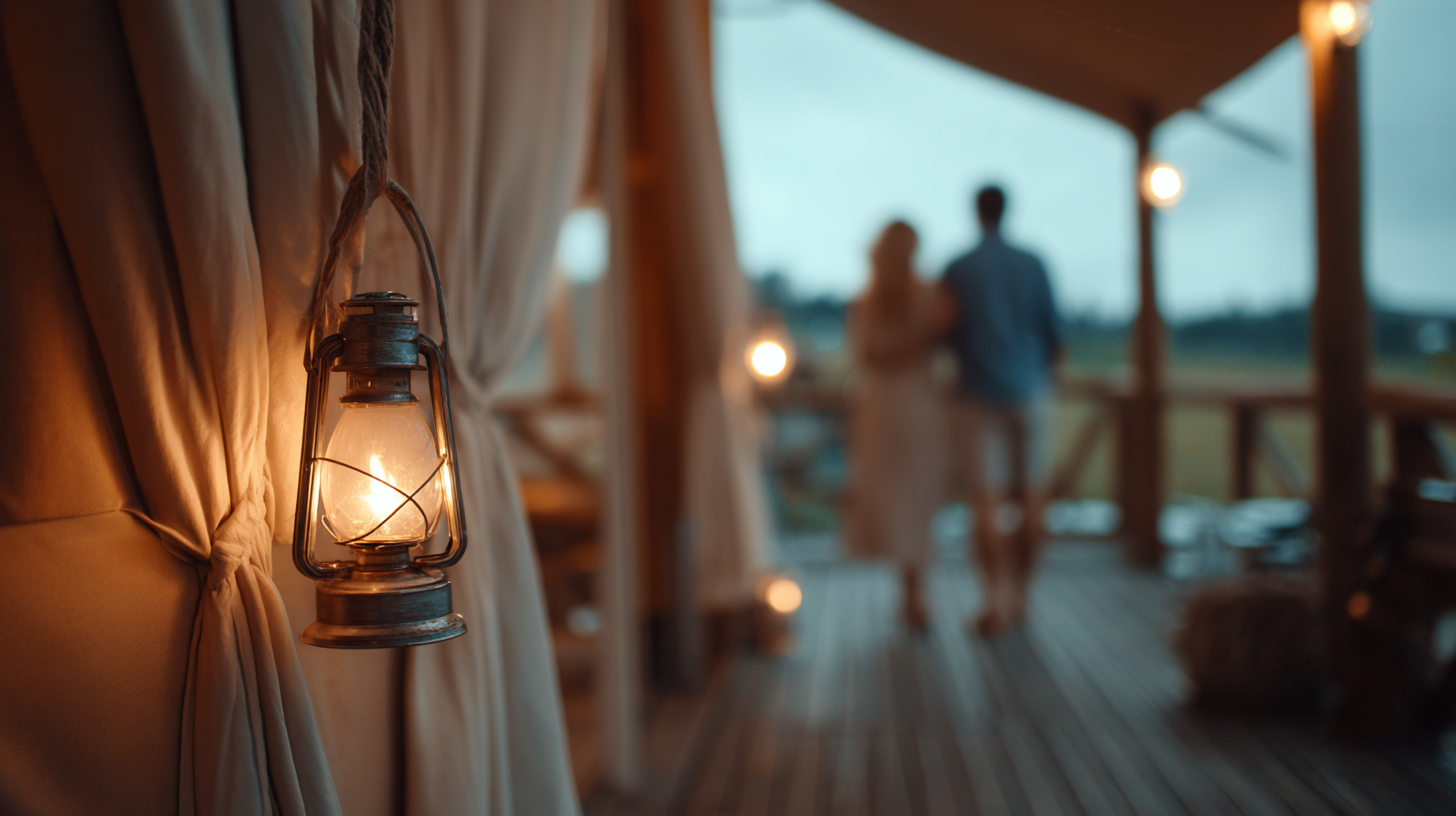
Across Australia, glamping has grown into its own kind of travel experience. Coastal retreats hide luxury tents behind dunes or in pockets of coastal forest, where you can unzip your front canvas and see the ocean glowing just beyond the trees. In wine regions, bell tents pop up among vineyards, offering starry skies above and cellar doors a short stroll away. In the bush, eco-camps power themselves with solar, use rainwater, and blend as gently as possible into the surrounding landscape.
The real magic of glamping lies in how it changes your focus. Without needing to worry about pitching tents, rolling mats, or cooking over minimal gear, you’re free to spend your energy on walking trails, watching wildlife, paddling rivers, or simply sitting in a chair with a glass of something good while the sun melts into the horizon. It’s still the call of the wild — just with softer edges and a thicker duvet.
Caravanning and Vanlife: A Home that Moves with You
If you want freedom without constantly packing and unpacking, caravanning and vanlife are Australia’s ultimate answer. A caravan, camper trailer, or campervan turns the entire country into a flexible, rolling network of possibilities. One night you’re parked beside a surf beach, falling asleep to the hush of waves. A few days later, you’re under red cliffs or beside a wide river lined with ancient trees. Your kitchen, bed, and favorite mug come along for the ride.
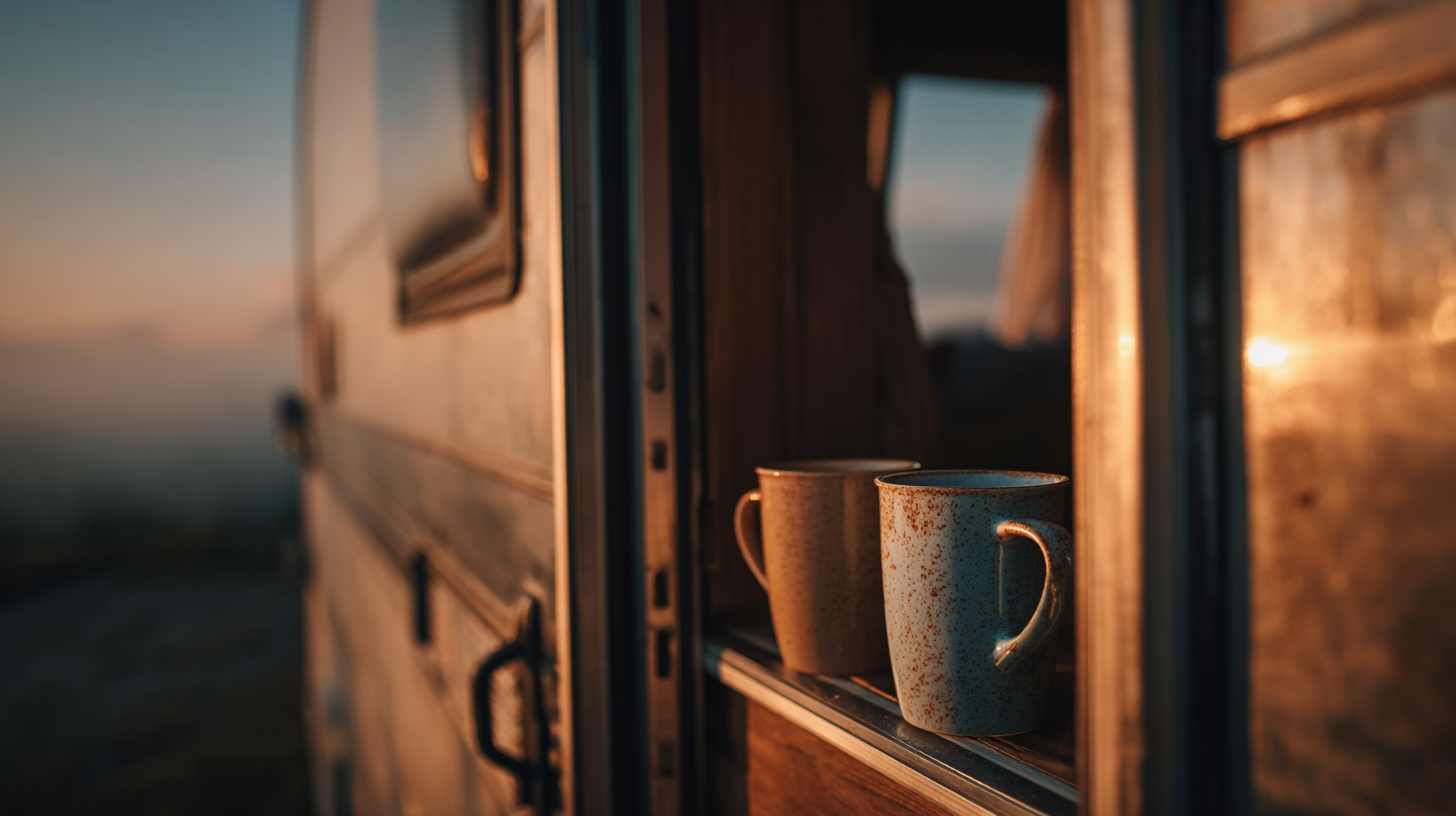
Caravan parks and holiday parks across Australia form a kind of moving village. People set up awnings, fold-out chairs, and portable barbecues; kids race past on bikes while older travelers swap stories about roads taken and roads still to come. Facilities range from simple to resort-style: pools, playgrounds, shared kitchens, laundries, fire pits, even on-site cafés. For many travelers, these places become social anchors between more remote stretches of road.
Beyond the formal parks, some regions offer designated free or low-cost camping areas that welcome self-contained vehicles. Here the nights are quieter, the stars brighter, and the sense of independence stronger. Of course, this freedom comes with responsibility: you take your waste with you, leave no trace, and respect local rules and communities. Done right, caravanning in Australia feels less like a holiday and more like a season of life — the kind where every day brings a slightly different view from your “front door”.
Choosing Your Camping Style: Coast, Bush, Desert, or Mountains?
One of the joys of camping in Australia is matching your style to the landscape. Do you imagine yourself stepping out of your tent and walking straight onto sand? Or waking in cool mountain air with mist rising from valleys below? The country is vast enough to let you try them all if you’re willing to chase the horizon.
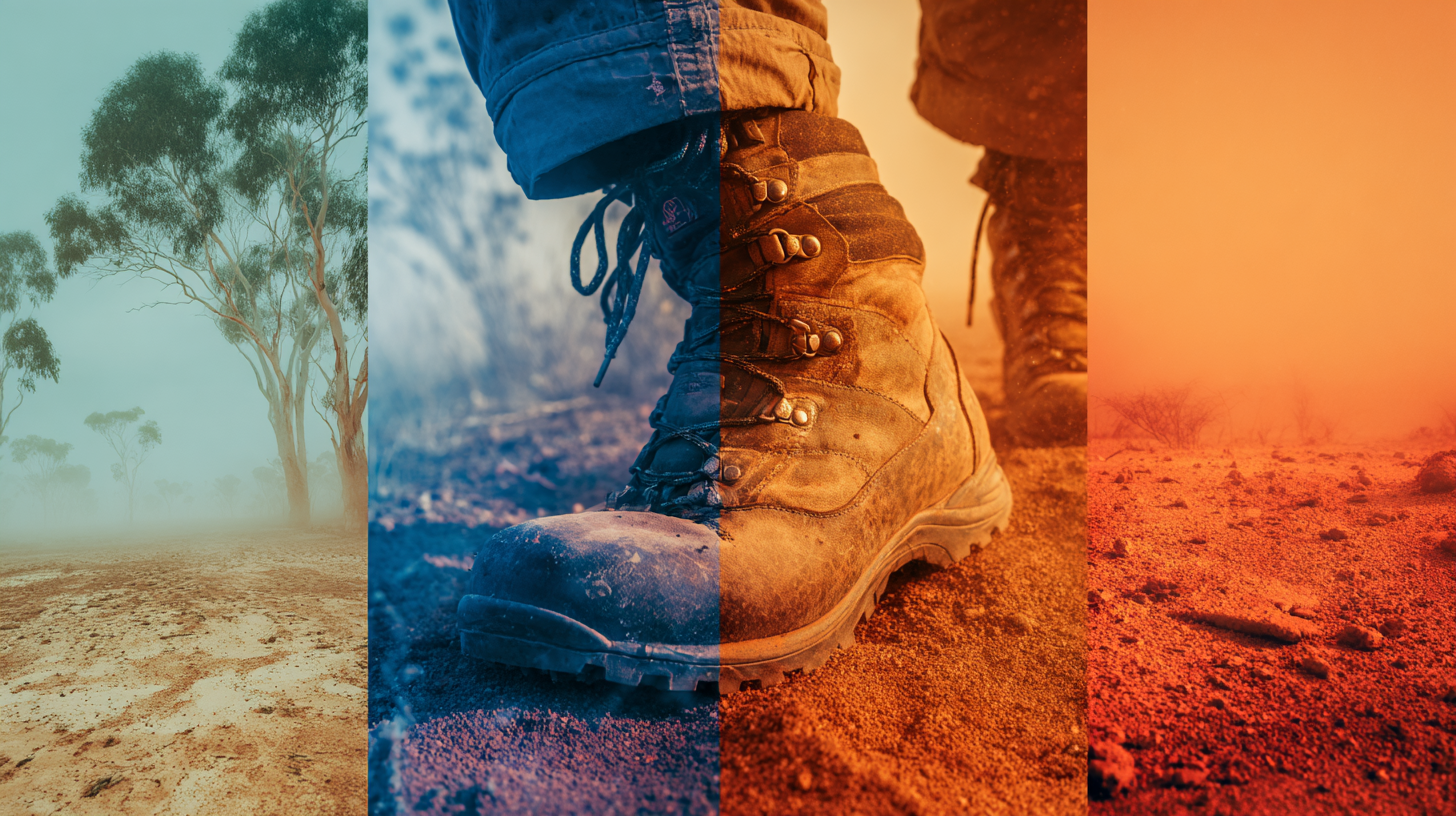
Coastal camping is made for people who feel better as soon as they smell salt in the air. Here, days revolve around tides, surf conditions, and long walks along the shoreline. Bush camping suits those drawn to trees, bird calls, and the earthy comfort of leaf litter underfoot. Desert and Outback camping offer big skies, deep silence, and colors you’ll never quite capture on camera — intense reds, golds, and purples that seem to glow from within. Mountain and highland camps bring cooler nights, clear stars, and the occasional frost on your tent even when the rest of the country is warm.
Think about how you like to spend your time. If you love hiking, choose national parks with established walking tracks and nearby campsites. If your perfect day is reading and doing nothing much at all, a quiet riverside or lakeside site might be ideal. The point is not to tick off a list but to find the kind of wildness that speaks to you and let your camping style follow.
Essential Gear: Comfort, Not Clutter
Part of what makes camping feel intimidating for beginners is the gear. Shelves and websites are full of gadgets, but the truth is simpler: you don’t need everything; you just need the right things. Start with the basics and build from there as you learn what matters to you.
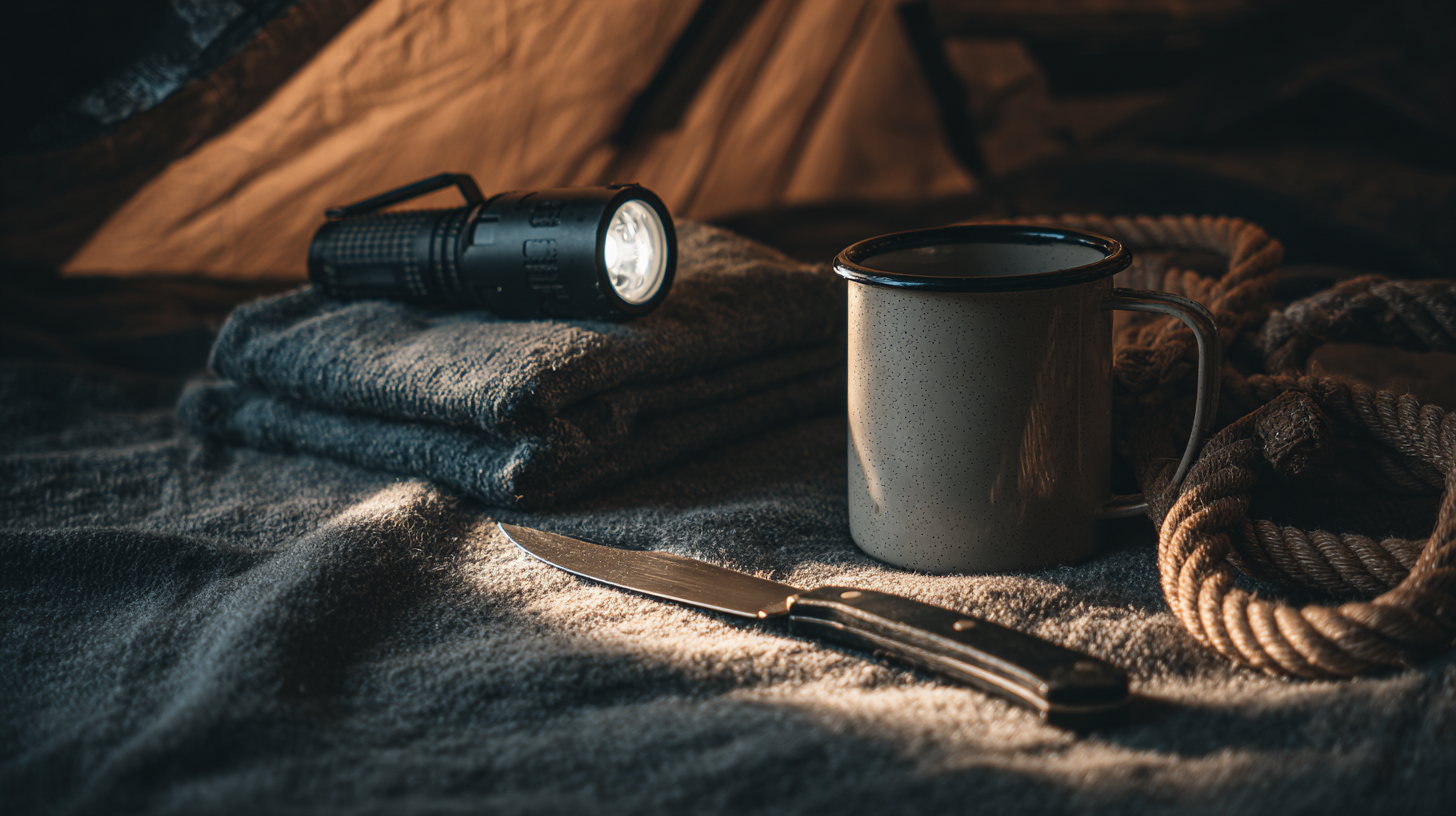
A good shelter is non-negotiable. Whether it’s a sturdy tent, swag, rooftop tent, or camper, it needs to suit the conditions you’re going into — wind on the coast, cold nights inland, sudden rain in the tropics. Pair it with a sleeping bag rated for the temperatures you expect, plus an insulating mat or stretcher so the ground doesn’t steal your warmth. Light matters more than you think: a reliable headlamp and a lantern can turn a dark camp into a cozy space where evenings feel inviting rather than awkward.
Cooking gear doesn’t have to be fancy. A simple stove, a pot and pan, a mug, a sharp knife, and a couple of plates and utensils will take you far. Add a cooler or portable fridge for fresh food, plenty of drinking water, and basic spices, and suddenly your camp meals become part of the joy rather than a compromise. Don’t forget essentials like a first-aid kit, sunscreen, hat, insect repellent, and layers of clothing that can handle both hot days and cool nights. The goal isn’t to recreate your entire home — it’s to bring enough comfort that you can fully enjoy being away from it.
Safety and Respect: Camping with Country, Not Against It
Australia’s wild places are beautiful, but they’re also real. Sun can be harsh, distances long, wildlife unpredictable, and weather quick to change. The most rewarding camping trips are the ones where caution and curiosity travel together. Plan your route, check conditions, and let someone know where you’re going, especially in remote areas. Take more water than you think you’ll need, and never underestimate how quickly fatigue can set in under an open sky.
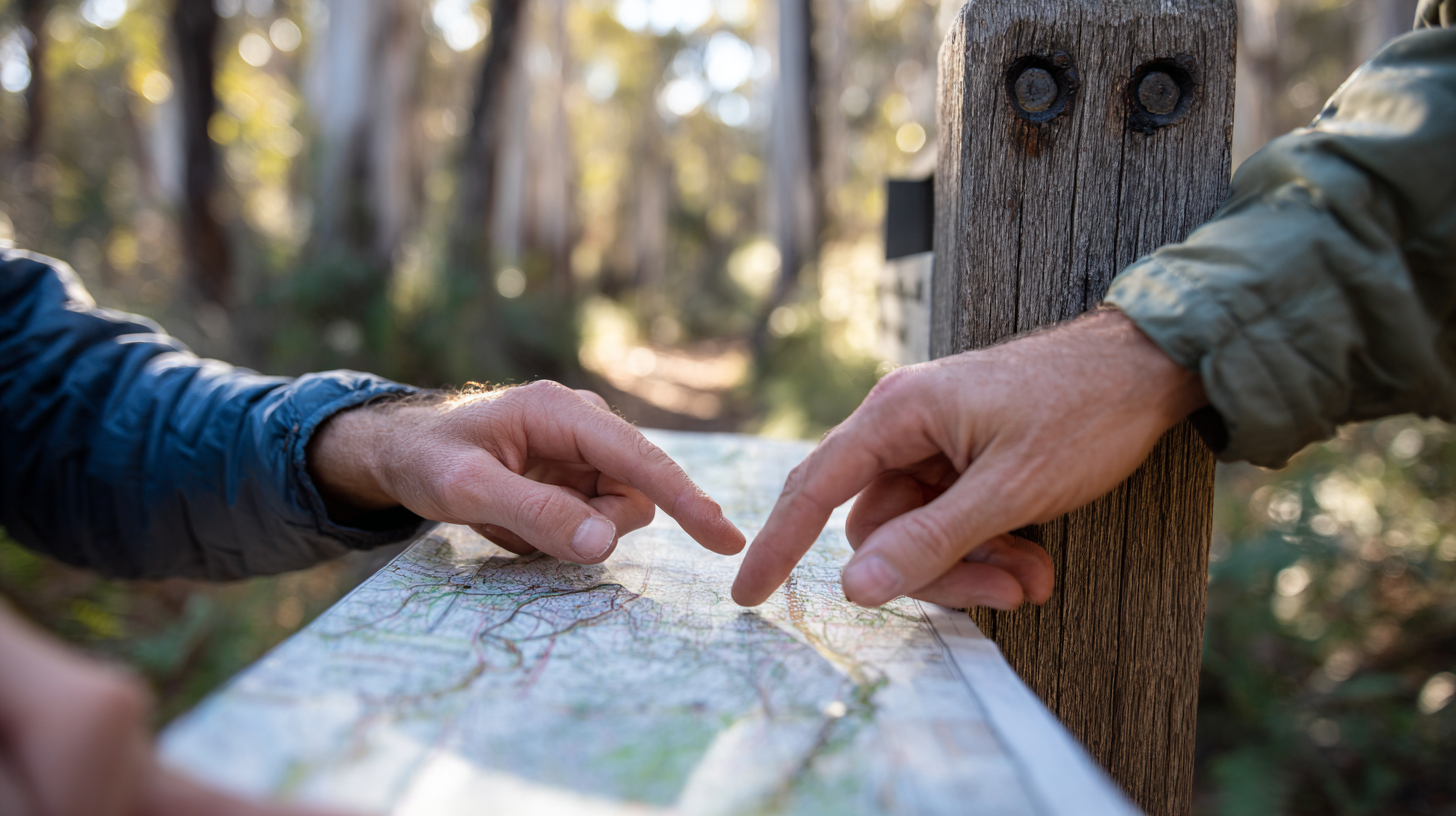
Wildlife deserves both admiration and distance. Kangaroos, possums, dingoes, birds, and even curious lizards are part of the experience, but feeding them or leaving food scraps changes their behavior and can harm them over time. Use designated fire pits where allowed, follow local fire regulations, and always fully extinguish your fire before sleep or departure. Pack out what you pack in, right down to small bits of rubbish that might seem insignificant in the moment.
Equally important is respect for Country and the First Nations peoples who have cared for these landscapes for tens of thousands of years. Many campgrounds and parks sit on land with deep cultural significance. Read local information signs, follow guidelines, and choose tours or experiences that are Indigenous-led where possible. Camping doesn’t just connect you to nature — it connects you to stories far older than any road or campsite.
Learn more about camping regulations and safety at https://www.australia.com/
Conclusion: Answering the Call of the Wild in Australia
Camping, glamping, and caravanning in Australia are not three separate worlds — they are different ways of responding to the same invitation. Maybe you’ll start with a weekend in a glamping tent and discover you want to go wilder next time. Maybe you’ll fall in love with the slow rhythm of caravan life and chase the sun up and down the coasts. Maybe you’ll pitch a simple tent under a sky full of stars and realize you’ve never felt more at home.

However you choose to do it, sleeping closer to the elements changes how you see this country. Sunrises feel more personal when you watched the darkness slowly give way. Wind means more when you heard it moving through trees all night. Wildlife sightings feel less like a show and more like neighbors passing through. You stop being just a visitor to Australia and start becoming a temporary part of its living, breathing landscape.
Pack what you need, leave space for what you don’t yet know, and head toward that thin line where the road disappears into sky. The wild is waiting — and it has a way of giving back far more than you expect.