
The Most Beautiful Castles in Portugal
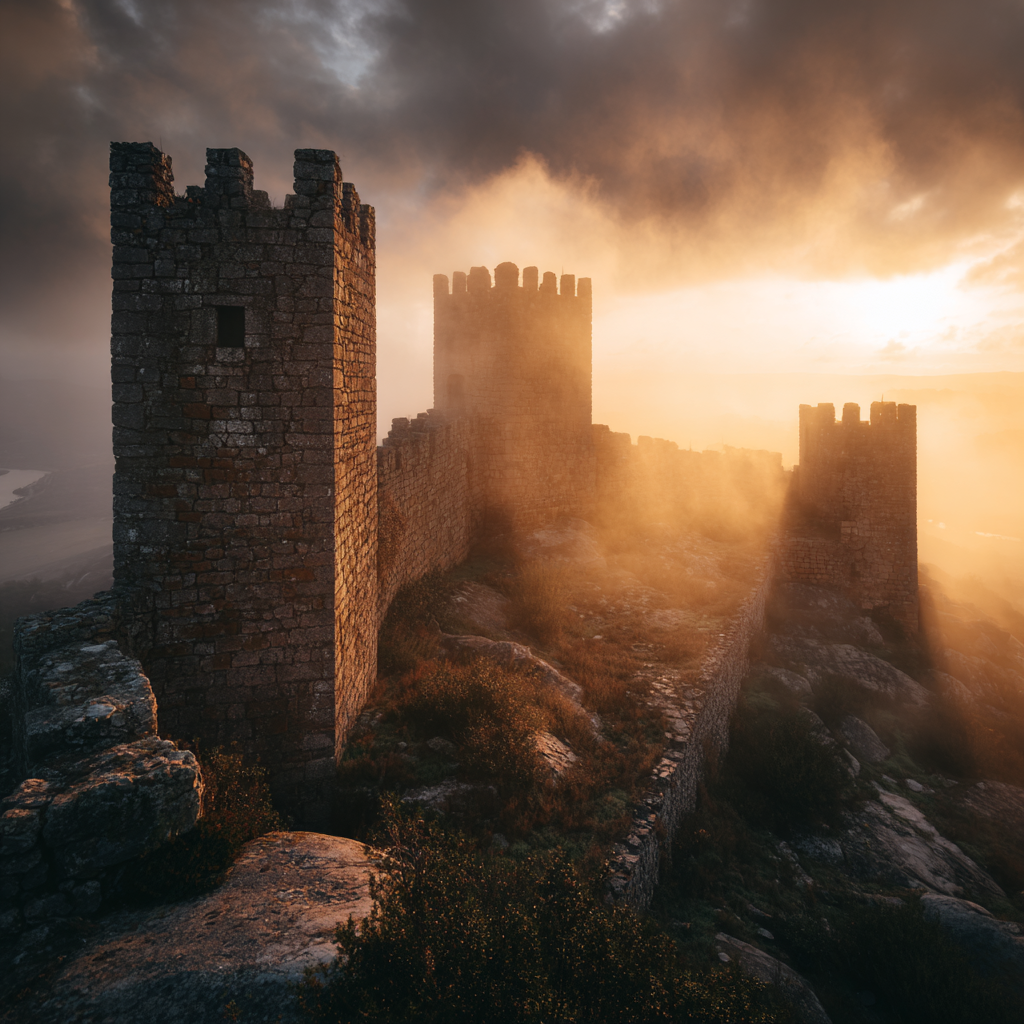
Across Portugal, castles crown hills, rise from riverbanks, cling to mountain ridges, and overlook villages shaped by centuries of conflict and coexistence. Castles in Portugal are more than stone fortresses — they are guardians of centuries of memory— monuments built not for beauty, but for survival, strategy, and sovereignty. Over time, the purpose of these strongholds has softened, but their presence has not. Their stones hold echoes of clashing empires, Moorish craftsmanship, Christian reconquest, royal ambition, and the quiet strength of communities who lived in their shadow.
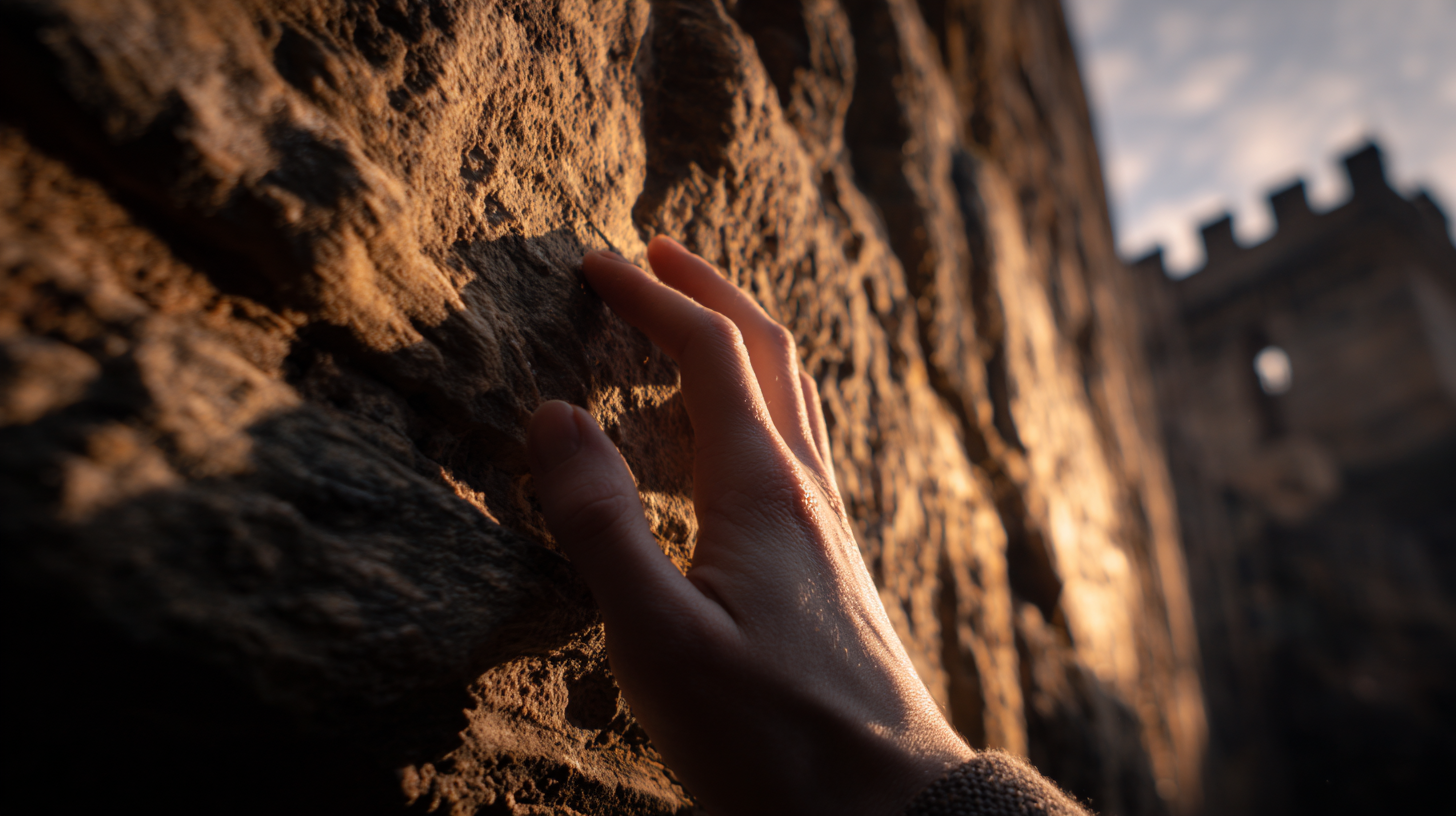
Exploring Portugal’s castles is not simply a journey through architecture; it is a passage through the soul of a country forged by borders, battles, alliances, and dreams. Each castle tells a story of the land it watches over — and together, they form a living chain that stretches from river islands to cloud-wreathed mountains.
For travelers exploring more of the country’s heritage, see our guide to Portugal’s Natural Landscapes and Art & Architecture.
Óbidos: A Medieval Town Wrapped in Ancient Walls
Entering Óbidos feels like stepping through a portal into another century. Whitewashed houses climb the hillside beneath terracotta roofs, their balconies draped with flowers. Cobbled lanes wind upward toward the medieval walls that embrace the entire town. These walls, tall and thick, were built to protect a royal settlement — a wedding gift from King Dinis to Queen Isabel in the 13th century.
Walking atop them, travelers see endless views: vineyards stretching across gentle hills, distant ridges dissolving into blue haze, and the town below glowing in soft light. The castle itself rises as a sentinel at the northern edge, its battlements carved with the unmistakable silhouettes of medieval Portugal.
Explore Castelo de Óbidos in Street View — take a virtual walk through this medieval gem.
Inside the castle yard, time feels suspended. Stone towers cast sharp shadows across the courtyard. The air carries a faint scent of pine and earth. Standing here, one can imagine traders entering through the gates, knights crossing the drawbridge, or torchlit conversations echoing between the walls.
Óbidos is more than a preserved town — it is a living relic of medieval Portugal, a reminder of romance, conflict, and the harmony that emerges when history and community intertwine.
Almourol Castle: A Fortress Rising from the River
Few places in Portugal feel as magical as Almourol. The castle stands on a small, rocky island in the Tagus River, its golden walls reflected in the still water that surrounds it. Approaching by boat, the fortress appears almost like an apparition — a vision from a legend, hovering between myth and reality.
Explore Almourol Castle in Street View — take a virtual walk through this medieval gem.
Built in the 12th century during the era of the Knights Templar, Almourol served as a strategic defense point along the river. Its design is compact yet powerful: crenellated towers rising sharply against the sky, narrow windows carved for archers, and stone courtyards that still carry the whisper of armored footsteps.
Standing atop the keep, visitors see the river winding gently through a landscape of olive groves and rugged outcrops. The silence feels ancient, broken only by the rustle of water and the occasional call of birds. The isolation of the castle — accessible only by boat — enhances the sense of mystery and sacredness that defines it.
Almourol is not simply a castle; it is a floating memory, a guardian of stories about Templars, river battles, and the fragile line between history and legend.
Marvão: A Castle in the Clouds
Marvão sits so high on a granite peak that clouds often gather around its walls, giving the sensation of stepping into a fortress suspended between earth and sky. The village and castle overlook vast plains stretching to Spain, making this one of the most strategically important strongholds in medieval Portugal.
Explore Castle of Marvão in Street View — take a virtual walk through this medieval gem.
Climbing to the top, the world seems to fall away. The battlements trace the mountain’s edge with dramatic precision, their stones sculpted by wind and time. Inside the walls, cisterns, courtyards, and narrow passages reveal a fortress built to survive sieges and protect the borderlands.
From the highest tower, the horizon rolls endlessly — fields, hills, forests, and distant mountains blending into a tapestry of muted colors. The silence is profound, amplified by altitude and stone. It is easy to understand why Marvão was considered nearly unconquerable: the castle commands every approach, every valley, every shift of weather.
Marvão is a place where Portugal’s defensive history becomes intimate and immense at once — a fortress that embodies endurance, vigilance, and the stark beauty of the frontier.
Monsaraz: Where Stone Meets Horizon
Perched above the great Alqueva Lake, Monsaraz is a hilltop village wrapped in medieval fortifications, bathed in white lime, and surrounded by the golden expanse of the Alentejo plains. The castle here does not rise aggressively; instead, it blends into the earth, as though grown from the hill itself. Its worn stone walls, shaped by centuries of sun and wind, seem to hold the rhythm of rural life.
Explore Monsaraz Castle in Street View — take a virtual walk through this medieval gem.
Inside the courtyard, the ground opens into an amphitheater-like space facing the plains. From the battlements, the view is vast — shimmering water, winding country roads, and fields that glow with warmth at sunset. The landscape reveals the slow heartbeat of the Alentejo, a region defined not by conflict but by quiet strength.
The castle once guarded trade routes and agricultural lands. Today it guards memory: of shepherds, farmers, artisans, and generations who built lives beneath its shadow. At night, the winds carry the scent of herbs from nearby fields, and the stars appear brighter than anywhere else, suspended above the walls like ancient lanterns.
Monsaraz offers a softer kind of fortress — one where history is carried in silence, light, and horizon.
Silves Castle and the Legacy of the Moors
In the southern region where orange groves scent the air and the sun warms the earth with golden intensity, Silves Castle rises in red sandstone brilliance. This fortress, once the capital of the Moorish Algarve, carries a distinct aesthetic: angular towers, imposing battlements, and a color that deepens to burnt amber at sunset.
Explore Silves Castle in Street View — take a virtual walk through this medieval gem.
Walking through its gates feels like crossing into a world shaped by algebra, astronomy, poetry, and intricate engineering. The Moors left their mark on the region through irrigation systems, architecture, and a refined sense of geometric beauty. Silves embodies this heritage. Its walls are thick but elegant, the stone courtyards arranged with thoughtful symmetry.
From the upper battlements, the town spreads below in a mosaic of whitewashed houses, river curves, and palm-lined streets. Beyond lies a landscape shaped by orchards and hills, revealing the agricultural richness that made Silves a vital stronghold in medieval times.
Silves Castle stands as a reminder that Portugal’s identity is a blend of influences — a fusion of cultures that shaped language, art, science, and architecture. Its red walls glow with the memory of a brilliant era.
The Moorish Castle of Sintra: A Crown of Stone Above the Forest
High above Sintra’s mist-covered forests lies a fortress that feels carved directly from legend. The Moorish Castle stretches across the mountain ridge like a stone crown, its walls snaking along the cliffs with dramatic curves that mirror the land’s wild contours.
Clouds drift among the battlements, obscuring towers and revealing them again in slow, dreamlike rhythms. The scent of moss, pine, and wet stone fills the air. As travelers climb its ancient steps, the forest below seems to breathe — a living green carpet rising and falling with the hills.
Explore The Moorish Castle in Street View — take a virtual walk through this medieval gem.
This castle predates the Christian reconquest, offering one of the earliest examples of defensive architecture in the region. Its design is practical yet poetic: watchtowers positioned to survey valleys, walls curved to adapt to the mountain, and stones fitted with a precision that has survived centuries of wind and rain.
From the summit, the view is breathtaking. The Atlantic glimmers in the distance, the palaces of Sintra peek through treetops, and the landscape unfolds with a magical quality that inspired writers, artists, and kings. The castle is not merely historical — it is mythical.
Sintra’s Moorish Castle is a reminder that Portugal’s past is woven into its forests, winds, and peaks.
Santa Maria da Feira: The Classic Medieval Stronghold
In the lush north, where mornings begin with mist drifting across fields and forests, Santa Maria da Feira rises like a textbook illustration of medieval fortification. Its towers are tall and symmetrical, its walls crenellated with precision, and its inner courtyard designed for pageantry as much as defense. This is the kind of castle that evokes tournaments, banners, and the clang of steel — a stronghold that seems almost sculpted for storytelling.
Explore Castle of Santa Maria da Feira in Street View — take a virtual walk through this medieval gem.
The structure is remarkably intact, its granite walls revealing the architectural intelligence of builders who combined strength with elegance. Arched passageways lead to chambers once used for strategy and refuge. The castle reflects a time when power was displayed through stone — through height, width, and the ability to endure siege after siege. From the top of the towers, visitors see the town stretching outward, its roofs clustered like a quilt of red tiles. Forests extend in soft waves beyond the settlement, and the scent of eucalyptus and pine drifts through the air.
Santa Maria da Feira stands as a quintessential medieval castle — solid, imposing, and steeped in the cultural identity of Portugal’s northern region.
Conclusion — The Memory of Stone and the Echo of Centuries
Portugal’s castles and fortresses form a constellation of memory — landmarks that reveal not just military strategy, but cultural resilience, artistic evolution, and the deep-rooted relationship between land and identity. They stand on ridges that catch the first light of day, on river islands that shimmer in reflections, and on plains that stretch beneath immense skies.
Exploring these strongholds is to feel the continuity of time: stones worn smooth by generations, towers that have watched storms and celebrations alike, and views that remain unchanged for centuries. Each castle offers a different perspective — a different heartbeat of the Portuguese landscape.
Together, they tell a story of a nation forged by borders yet open to influence, shaped by conflict yet filled with beauty, strengthened by time yet softened by memory.
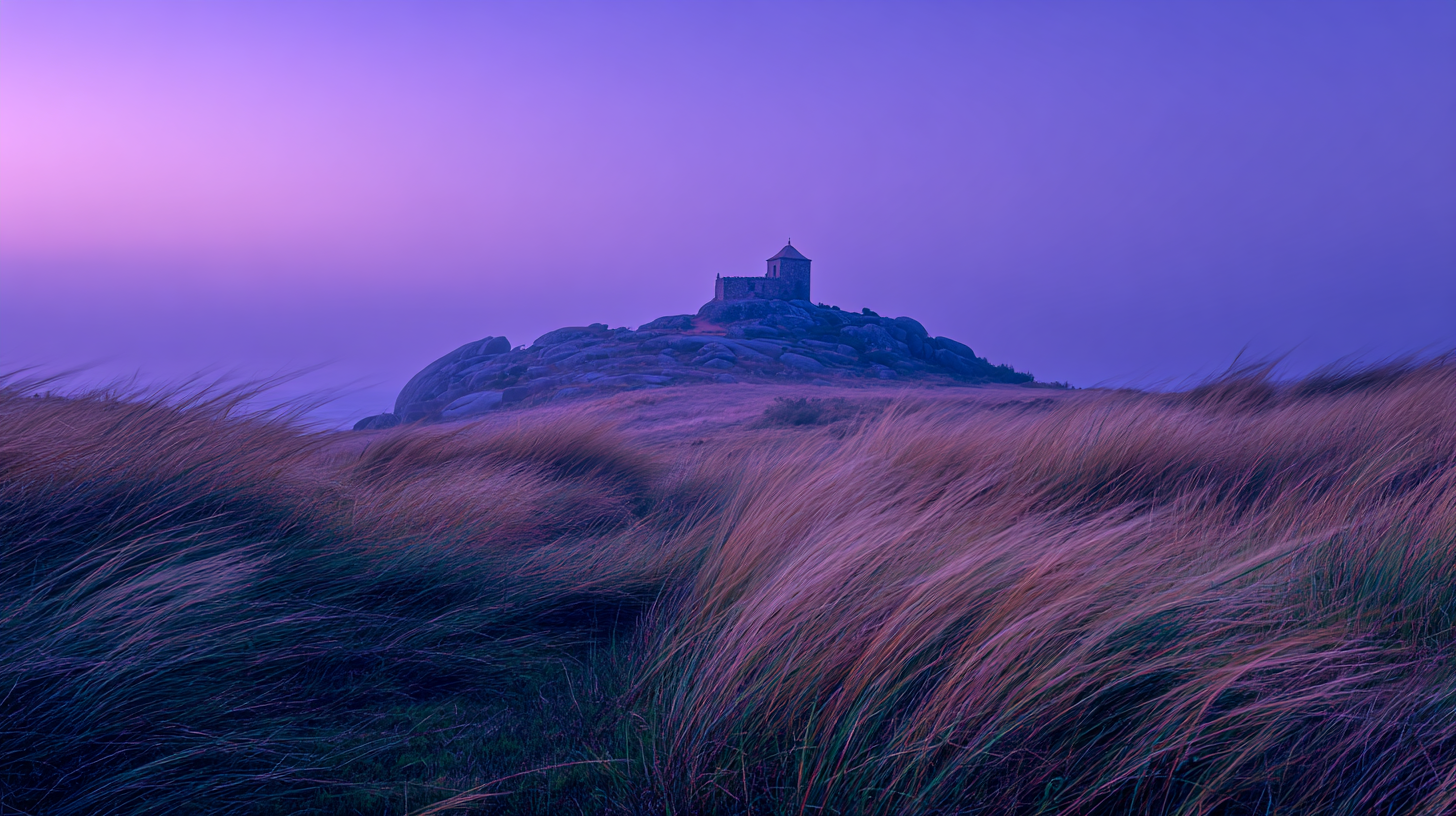
Portugal’s guardians of stone continue to stand watch — patient, enduring, and timeless — inviting travelers to step into their shadows and listen to the echoes of history carried on the wind.
Official Portuguese Heritage Registry — https://www.patrimoniocultural.gov.pt/