
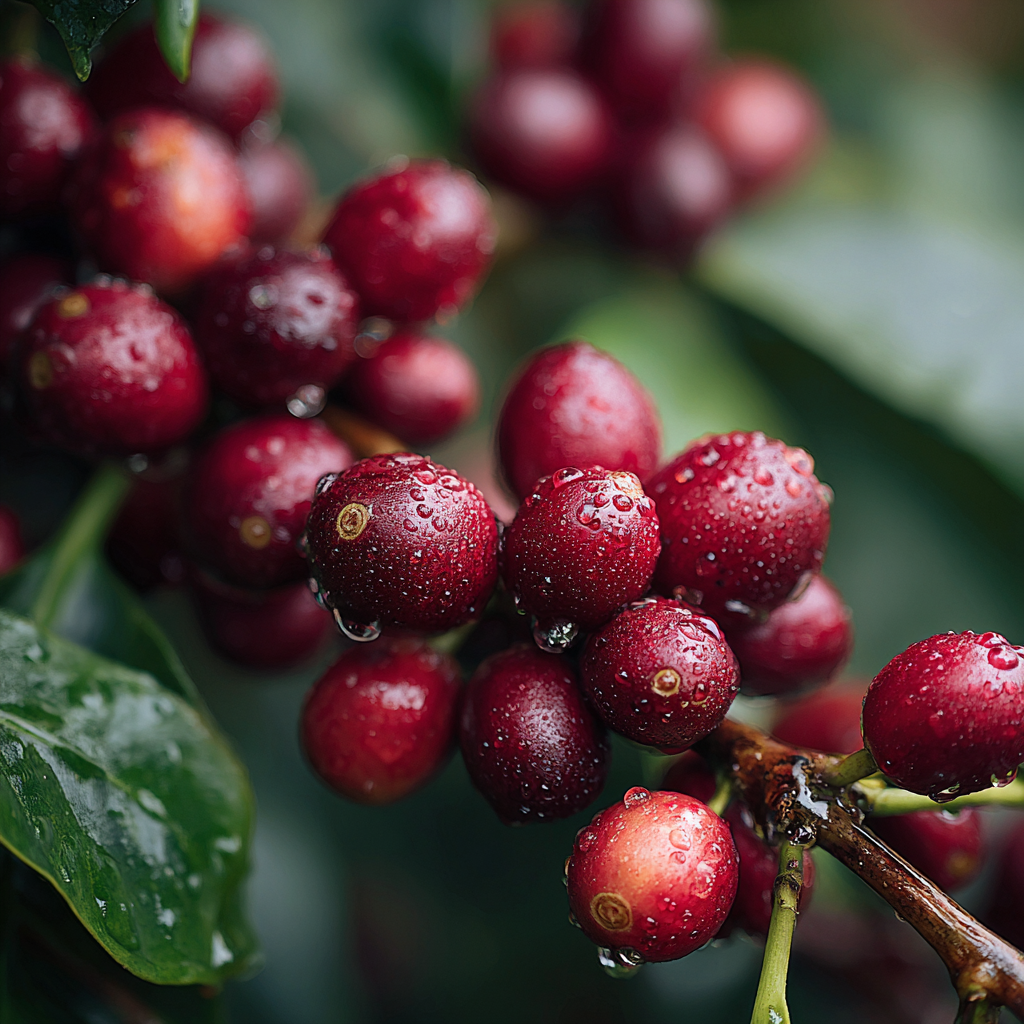
Ethiopian coffee culture is not simply about drinking coffee — it is a story, a ceremony, and a cultural heartbeat. Ethiopia is widely recognized as the birthplace of Coffea arabica, and its landscapes still nurture wild coffee forests unlike anywhere else on Earth. The country’s relationship with coffee is profound: regional varieties reflect diverse ecosystems, while rituals transform coffee from a beverage into a shared cultural experience. To explore Ethiopia’s coffee culture is to journey into the soul of a nation where hospitality, memory, and community are brewed into every cup. Understanding Ethiopian coffee culture means exploring its rituals, regions, and stories passed down for centuries.
Read More: Ethiopian UNESCO Heritage
The Legend of Kaldi: Origins Rooted in Myth and Memory
Each region expresses a different side of Ethiopian coffee culture, reflected in flavor, environment, and tradition. Ethiopian coffee lore begins with the legendary tale of Kaldi, a goat herder who noticed that his goats grew energetic and restless after eating bright red berries from a mysterious shrub. Curious, Kaldi tasted the berries himself and felt a surge of alertness. Word spread to a local monastery, where monks began experimenting with the fruit — roasting, grinding, and steeping it in hot water to create a drink that helped them stay awake during nightly prayers. Whether myth or history, the story captures the magical discovery that would eventually reshape global culture.

The tale of Kaldi is more than folklore; it reflects Ethiopia’s deep connection to coffee as both natural heritage and cultural legacy. Here, coffee did not emerge as a commodity — it evolved within communities long before it reached international markets. The forests where Kaldi’s goats grazed still exist today, especially in regions like Kaffa, where wild coffee continues to grow under dense canopies. This unique environment shapes Ethiopia’s claim not only as coffee’s birthplace, but as a custodian of its ancient biodiversity.
Ethiopia’s Coffee Regions: Landscapes of Flavor and Identity
Ethiopia’s geography offers some of the most diverse coffee-growing environments in the world. High-altitude farms, mist-covered forests, volcanic soil, and natural irrigation create microclimates that shape each region’s flavor profile. Rather than mass-produced beans, Ethiopian coffee is often grown on small, family-owned farms where cultivation is intertwined with tradition and community history. Coffee here is not just agricultural produce — it is an expression of place, culture, and generational knowledge.

Among Ethiopia’s renowned regions, Yirgacheffe stands out for its delicate floral notes and vibrant acidity. Sidamo offers a broader flavor spectrum, often with citrus undertones and a smooth body. Harrar is celebrated for its bold, winey characteristics and berry-like aroma — flavors that reflect dry, sun-baked landscapes. Meanwhile, Guji has earned international admiration for its sweet, fruit-forward complexity. Each region produces beans with character shaped by altitude, soil, climate, and processing method. Together, they create a coffee map as diverse and expressive as Ethiopia itself.
On the Coffee Farms: A Landscape of Work, Rhythm, and Tradition
Visiting an Ethiopian coffee farm is a sensory immersion into the world of cultivation. Small farmers tend to their plants with an intimacy born from generations of experience. The terrain is lush with coffee trees shaded by taller forest species, creating an ecosystem where plants, soil, and wildlife coexist harmoniously. Farmers pick cherries by hand, selecting only those at perfect ripeness. This careful harvesting ensures quality and reflects the pride farmers take in their craft.

The farming process is deeply tied to community life. Families work together through the stages of cultivation: tending plants, picking cherries, washing beans, and drying them on raised beds under the sun. Each step is shaped by tradition, technique, and intuition — knowledge accumulated through centuries of practice. For visitors, these farms offer a glimpse into a slower rhythm of life where nature dictates the pace and where coffee is cultivated with reverence rather than haste. This is where Ethiopia’s global coffee legacy begins.
Coffee Processing: From Cherry to Bean
The journey from fresh coffee cherry to roasted bean involves several intricate stages. In Ethiopia, two primary methods shape the flavor: washed and natural processing. Washed coffees are pulped, fermented, and rinsed before being dried, resulting in a clean, bright cup with distinct acidity. Natural coffees, dried with the fruit still on the bean, develop bold sweetness and fruit-forward complexity. Both methods reflect regional preferences and environmental conditions.
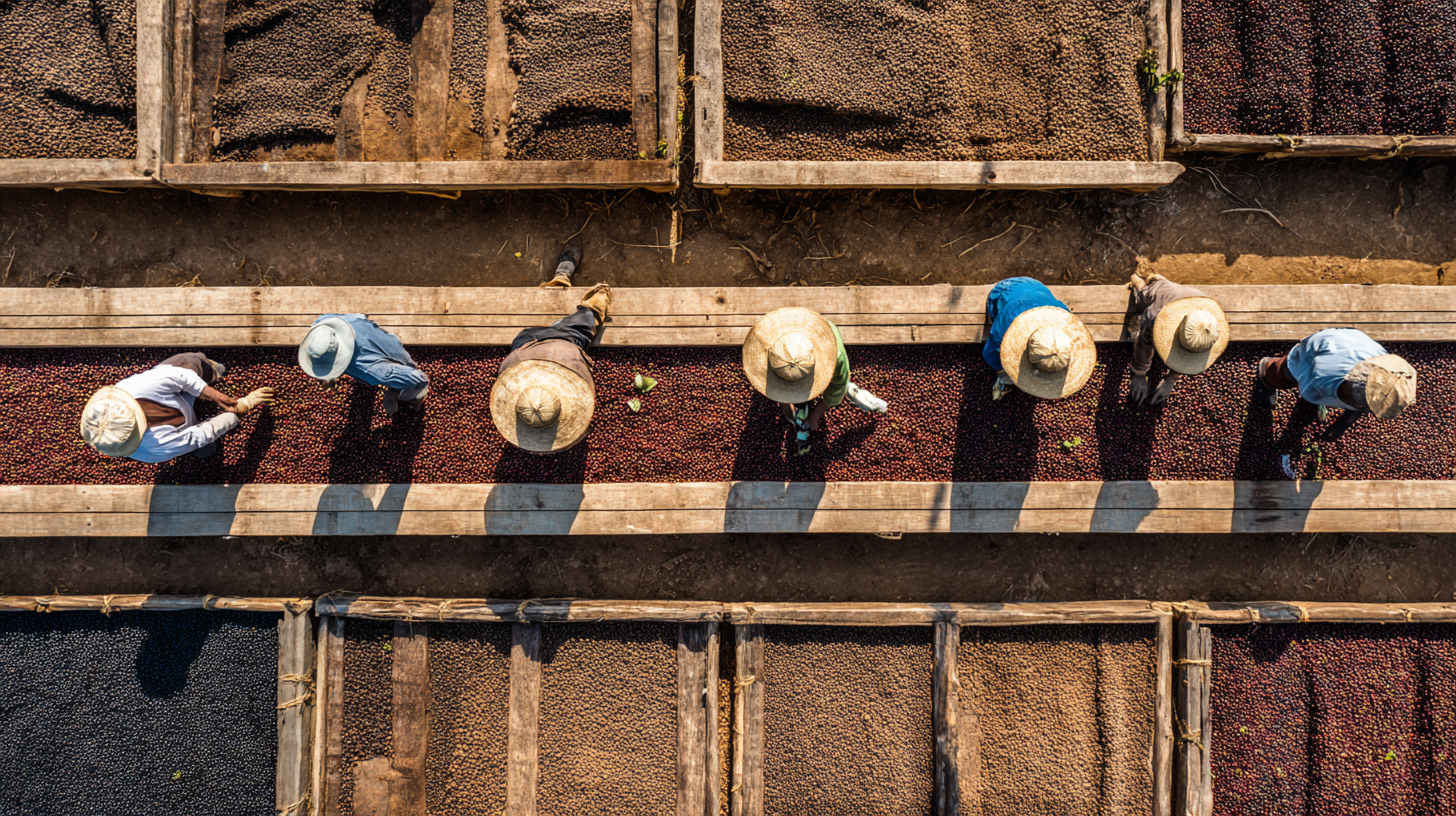
Drying coffee is an art in itself. Beans are spread across raised beds to ensure even airflow and proper fermentation. Workers turn them frequently to prevent spoilage, relying on their senses to gauge moisture, aroma, and readiness. The result is coffee that preserves the essence of its region — an agricultural product shaped by climate, craftsmanship, and the patience of those who cultivate it. Processing influences not only flavor but cultural expression, making this stage one of the most important in Ethiopia’s coffee story.
The Ethiopian Coffee Ceremony: A Ritual of Hospitality and Connection
The ceremony remains the most iconic symbol of Ethiopian coffee culture. No exploration of Ethiopian coffee is complete without experiencing the traditional coffee ceremony — a ritual that transforms preparation into an act of hospitality, storytelling, and togetherness. Often performed by a woman of the household, the ceremony begins with the gentle roasting of green coffee beans over a charcoal brazier. The rising aroma invites participants into a shared moment, signaling that conversation and connection are about to unfold.
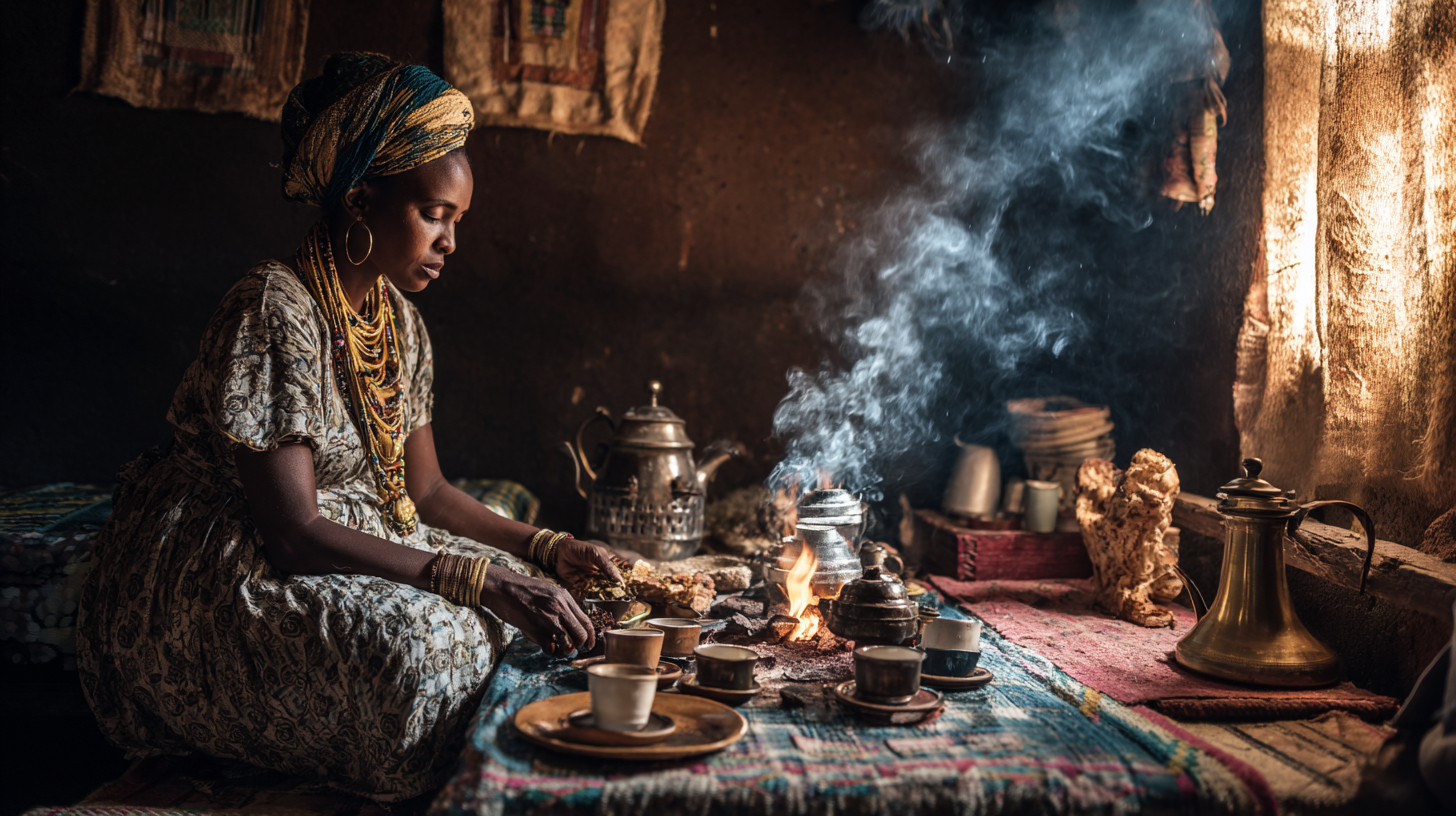
Once roasted, the beans are ground using a mukecha (mortar and pestle), their rhythmic pounding creating a sound familiar across Ethiopian homes. The grounds are then brewed in a jebena, a round-bottomed clay pot with a narrow spout designed to extract deep, aromatic flavor. Coffee is poured into small cups called sini in a graceful motion that requires skill and precision. This ritualistic process is slow, intentional, and deeply communal — an invitation to pause, listen, and engage with others.
Abol, Tona, Baraka: The Three Rounds of Meaning
The ceremony traditionally consists of three rounds of coffee, each carrying symbolic significance. Abol, the first round, is the strongest and most flavorful, marking the beginning of conversation and social bonding. It sets the tone for the gathering, whether among family, friends, or visitors. Tona, the second round, is milder, reflecting deepening dialogue and shared understanding. This round often inspires laughter, storytelling, and reflection.

The third round, Baraka, carries a blessing. Weaker than the first two, it symbolizes goodwill, peace, and unity. Accepting the third round is considered an honor, representing one’s presence within the circle of community. These three stages echo Ethiopia’s values of hospitality and connection — coffee is never rushed, never solitary, and never merely fuel. It is a ritual that nurtures human relationships as much as it satisfies the palate.
Ethiopian Coffee Culture: Community, Story, and Social Exchange
Coffee occupies a central role in Ethiopian social life, transcending age, region, and background. It is a daily ritual that anchors families, a gesture of welcome for guests, and a conduit for resolving disputes or celebrating milestones. In rural villages, neighbors gather under shade trees to share coffee and news. In urban settings, roadside cafés form vibrant social hubs where people converse, reflect, and observe the rhythms of city life.
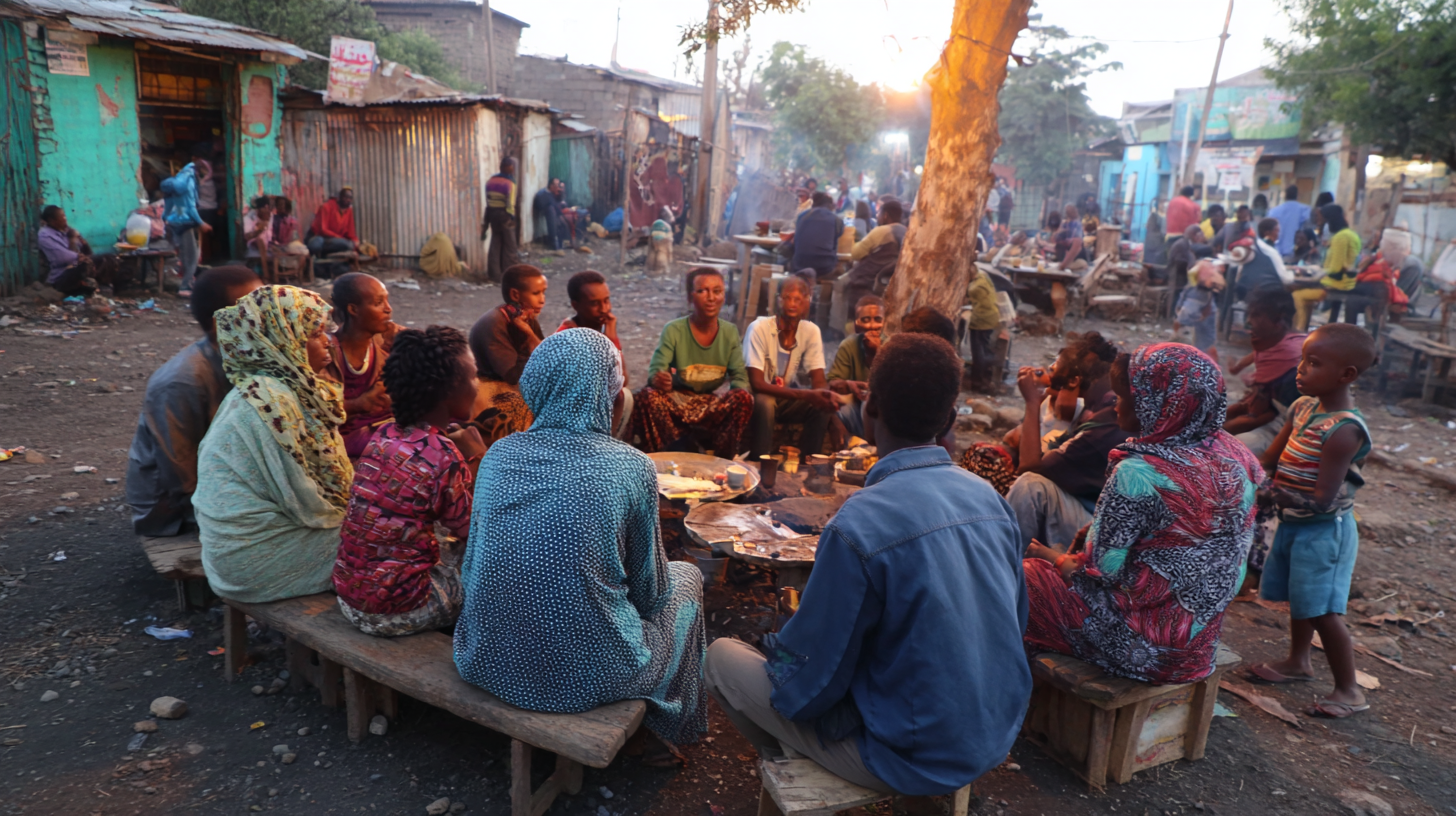
This cultural integration shapes Ethiopia’s identity globally. Coffee is deeply tied to national pride, as Ethiopia’s varieties continue to influence international markets and specialty coffee movements. Yet, domestically, coffee remains far more than a commodity. It is memory, heritage, and community woven together. The act of sharing coffee represents trust and respect — values central to Ethiopian society.
Women and the Coffee Tradition: Keepers of Ritual and Heritage
Women play a central role in Ethiopia’s coffee culture, especially through the ceremony that anchors daily life. The ceremony is often seen as a woman’s artistic domain, where she expresses hospitality, care, and cultural continuity. Preparing and serving coffee requires grace, skill, and attentiveness — qualities that reflect the respect given to the role of women in preserving tradition.
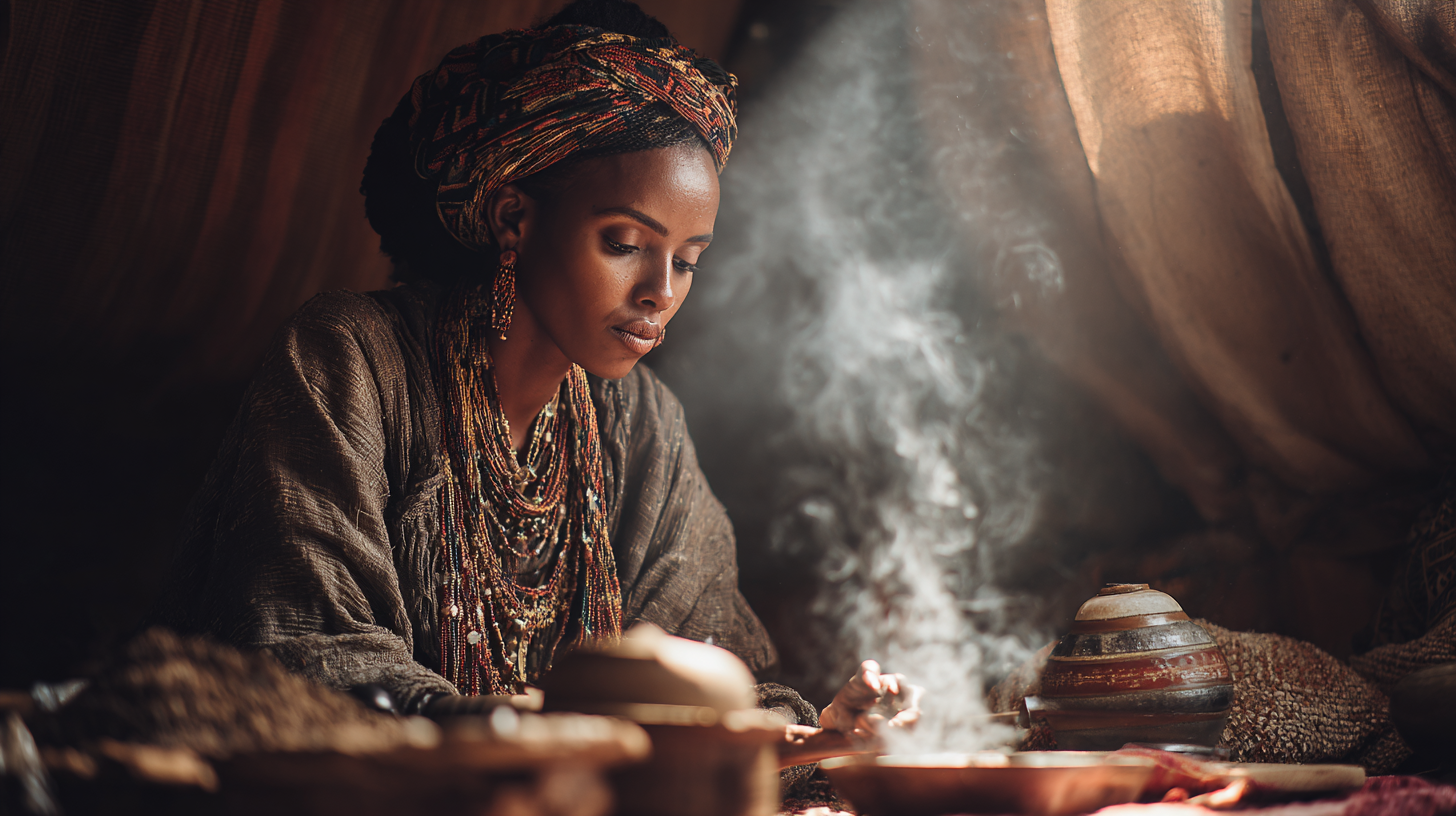
Beyond ceremony, women are also deeply involved in the farming and processing stages of coffee production. They sort beans, manage drying beds, and contribute to the quality that Ethiopian coffee is known for. Increasingly, women-led cooperatives are emerging across coffee regions, empowering female farmers economically and socially. Their contribution is essential to both the cultural and agricultural ecosystems of Ethiopian coffee.
Coffee, Economics, and Global Influence
While Ethiopian coffee is celebrated for its cultural meaning, it also plays a vital role in the country’s economy. Millions of farmers depend on coffee for their livelihoods, making it one of Ethiopia’s most significant exports. Cooperative models help small-scale farmers achieve fairer prices and greater stability, while specialty markets abroad drive demand for Ethiopia’s most distinct beans.
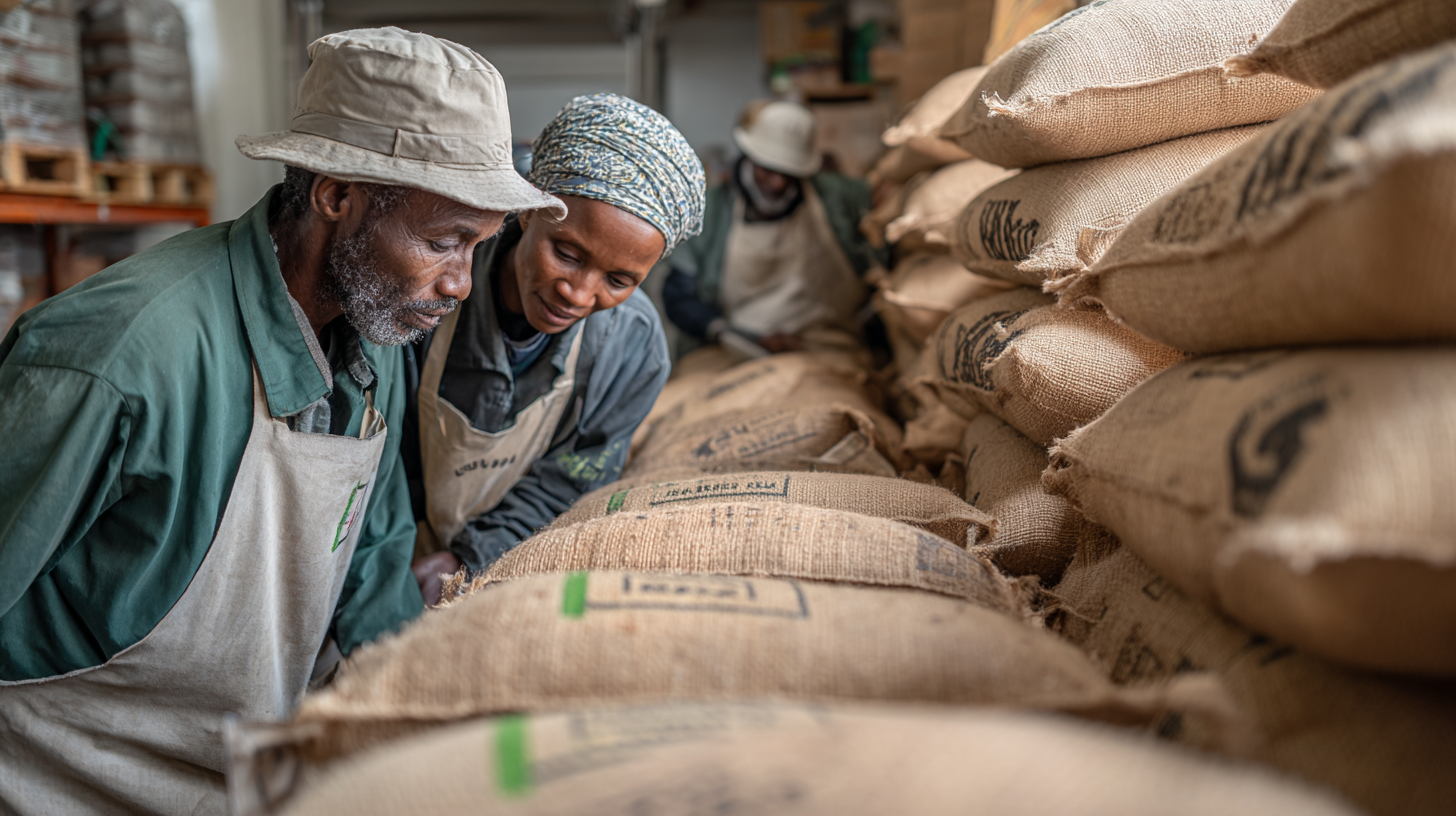
Yet, Ethiopia’s global coffee influence is not solely economic. The country’s traditional processing methods, unique varieties, and natural fermentation practices have shaped the specialty coffee movement worldwide. Roasters and baristas around the globe revere Ethiopian beans for their complexity, aroma, and depth. In this way, Ethiopia remains a global cultural and agricultural leader — not through industrial scale, but through authenticity and heritage.
Conclusion: A Journey into Ethiopia’s Coffee Soul
Exploring Ethiopia’s coffee culture is an invitation to understand the country through its flavors, rituals, and stories. From the highland farms where cherries ripen beneath forest canopies to the intimate ceremony where conversation flows as easily as the coffee itself, Ethiopia offers a profound and sensory journey. Coffee here is not just a drink — it is a cultural symbol, a social bond, and a reflection of national identity.

Travelers often say that Ethiopian coffee culture reveals the heart of the nation more deeply than any landmark or monument. They witness how coffee brings people together, how it shapes daily rhythms, and how it continues to connect Ethiopia to the world. In every cup, there is heritage, community, and spirit — a reminder that the world’s most beloved beverage began its story in Ethiopia’s rich, fertile highlands. And that story continues to brew, round after round, generation after generation.
Learn more from Ethiopia’s official coffee heritage sources.