
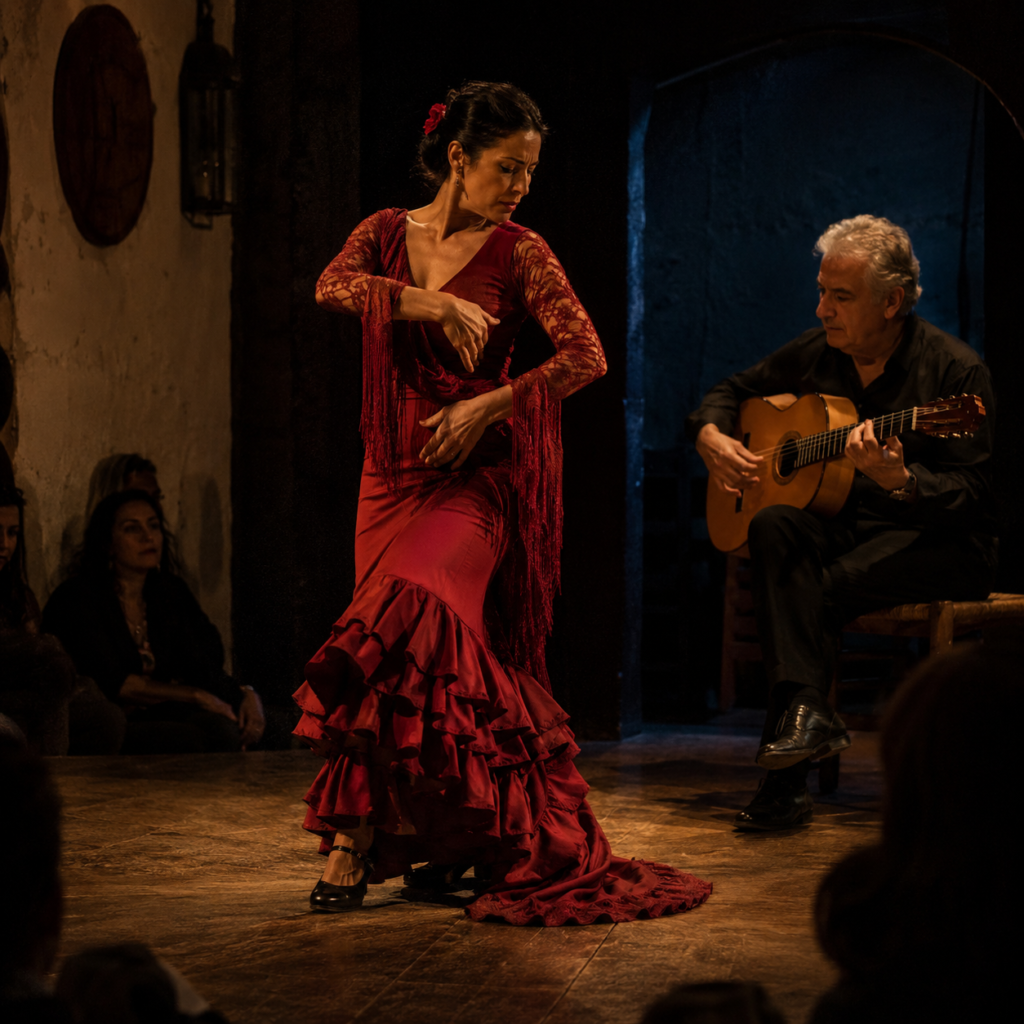
Flamenco in Spain is not just a performance you watch for an evening. It is a language of the body, a cry in the voice, a pulse in the hands, and a rhythm that seems to rise from the floor itself. At its best, flamenco does not feel polished in a decorative way. It feels alive, exposed, proud, wounded, and deeply human.
For travelers, flamenco can be one of the most emotional cultural experiences in Spain. A singer leans into a note until it almost breaks. A guitarist answers with a phrase that sounds both delicate and fierce. A dancer stamps the floor, turns sharply, pauses, and suddenly the silence becomes part of the music. This is why flamenco is unforgettable: it is not only about beauty, but about intensity.
What Flamenco Really Is
Flamenco is often described as dance, but that is only one part of it. Traditional flamenco is built from three main elements: cante, the singing; toque, the guitar playing; and baile, the dance. Palmas, or handclapping, also shape the rhythm, while jaleo, the shouted encouragement from performers or audience, gives the performance its communal energy.
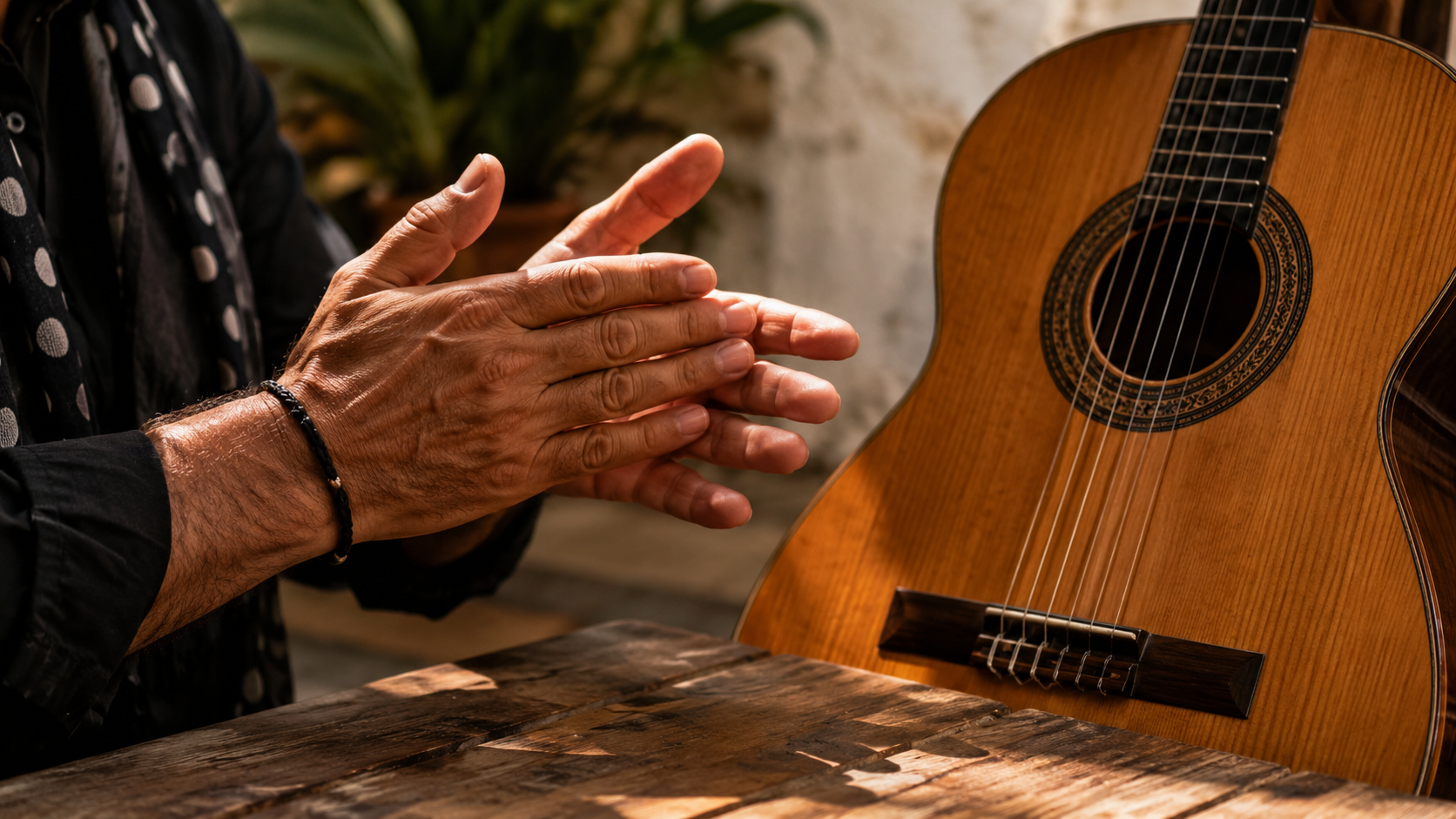
The heart of flamenco music is emotional truth. It can express grief, longing, desire, irony, celebration, defiance, or spiritual tension. Even when the dancer is still, the performance may be full of pressure. Even when the rhythm is joyful, there may be something bittersweet underneath. Flamenco does not flatten emotion. It lets contradictions live in the same moment.
Andalusian Flamenco and Its Cultural Roots
Andalusian flamenco grew from a mixture of cultural influences in southern Spain. Its roots are often connected with Romani communities, Andalusian folk traditions, Moorish and Sephardic echoes, working-class neighborhoods, family gatherings, and local performance cultures. It was shaped over generations, not invented in a theater.
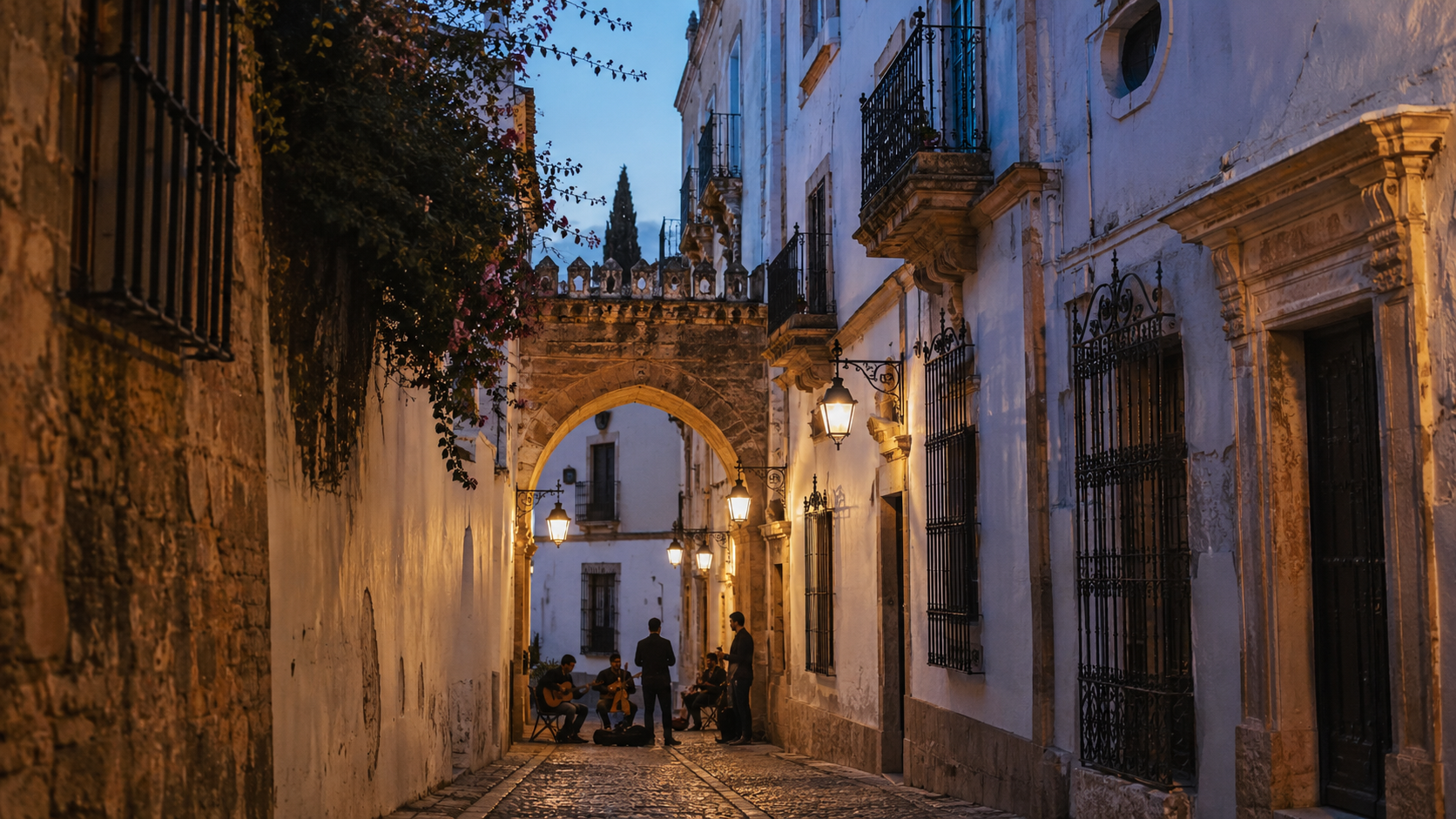
UNESCO recognizes flamenco as Intangible Cultural Heritage of Humanity, describing it as an artistic expression that includes vocal music, dance, and musical accompaniment. That recognition matters, but flamenco is not important only because UNESCO says so. It matters because people still live it, teach it, argue about it, and pass it on through families, schools, peñas, festivals, and late-night performances.
Duende: The Word Every Flamenco Traveler Should Know
To understand flamenco in Spain, you need to understand the idea of duende. The word is difficult to translate. It can mean spirit, emotional force, dark inspiration, or the mysterious power that appears when a performance becomes more than technique. Duende is not perfection. It is the moment when something raw and true enters the room.
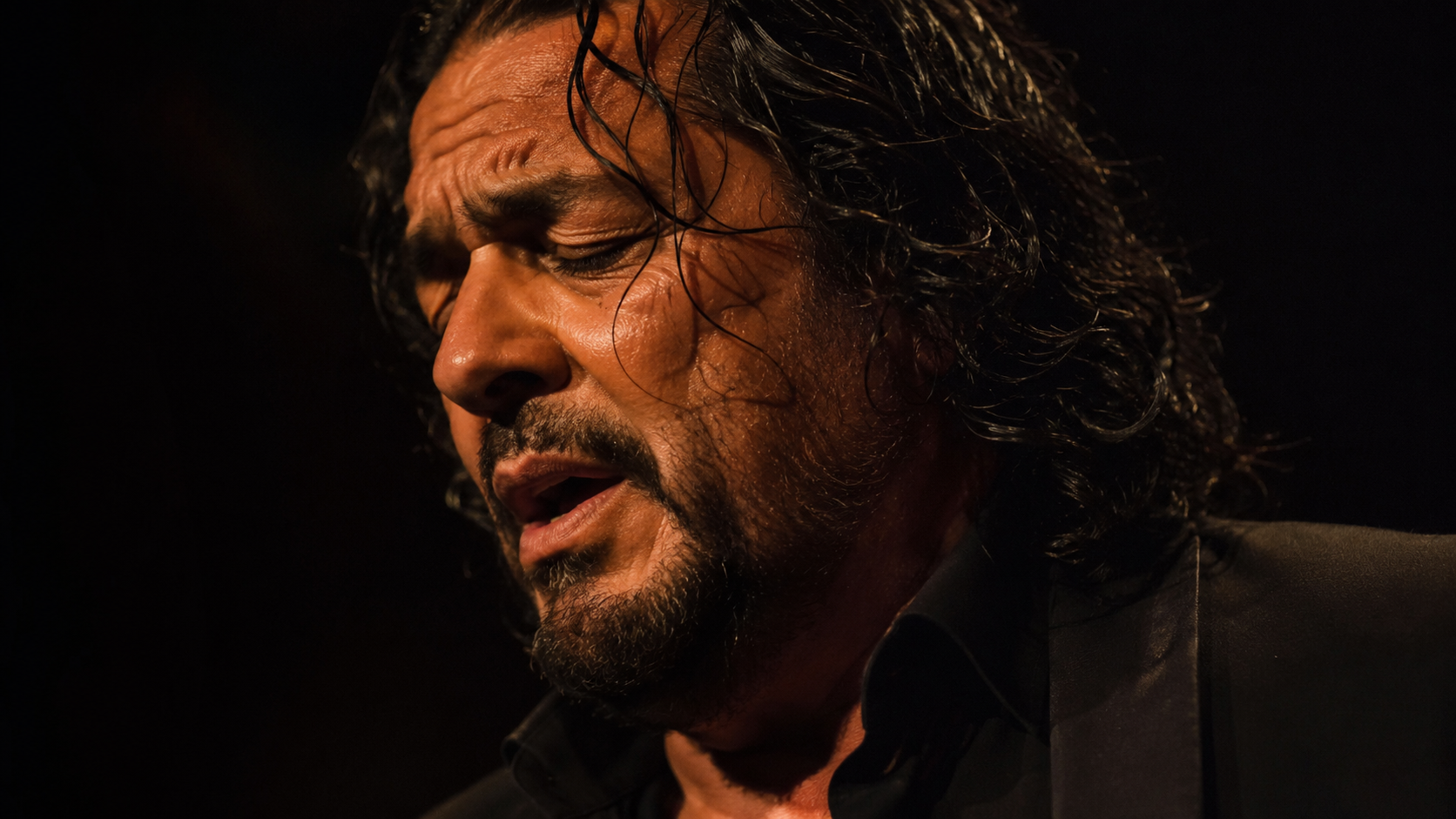
A dancer may have flawless footwork and still not move the audience. A singer may have a rough voice and yet make the room fall silent. That difference is duende. It is why flamenco can feel almost dangerous when it is good. You are not just watching skill. You are watching someone risk emotional exposure in real time.
Cante: The Voice at the Center of Flamenco
The singer is often the emotional center of flamenco. For newcomers, this can be surprising because tourist posters usually focus on dancers. But in many traditional settings, the cante carries the deepest weight. The voice may sound strained, cracked, mournful, or urgent, and that is part of its power.
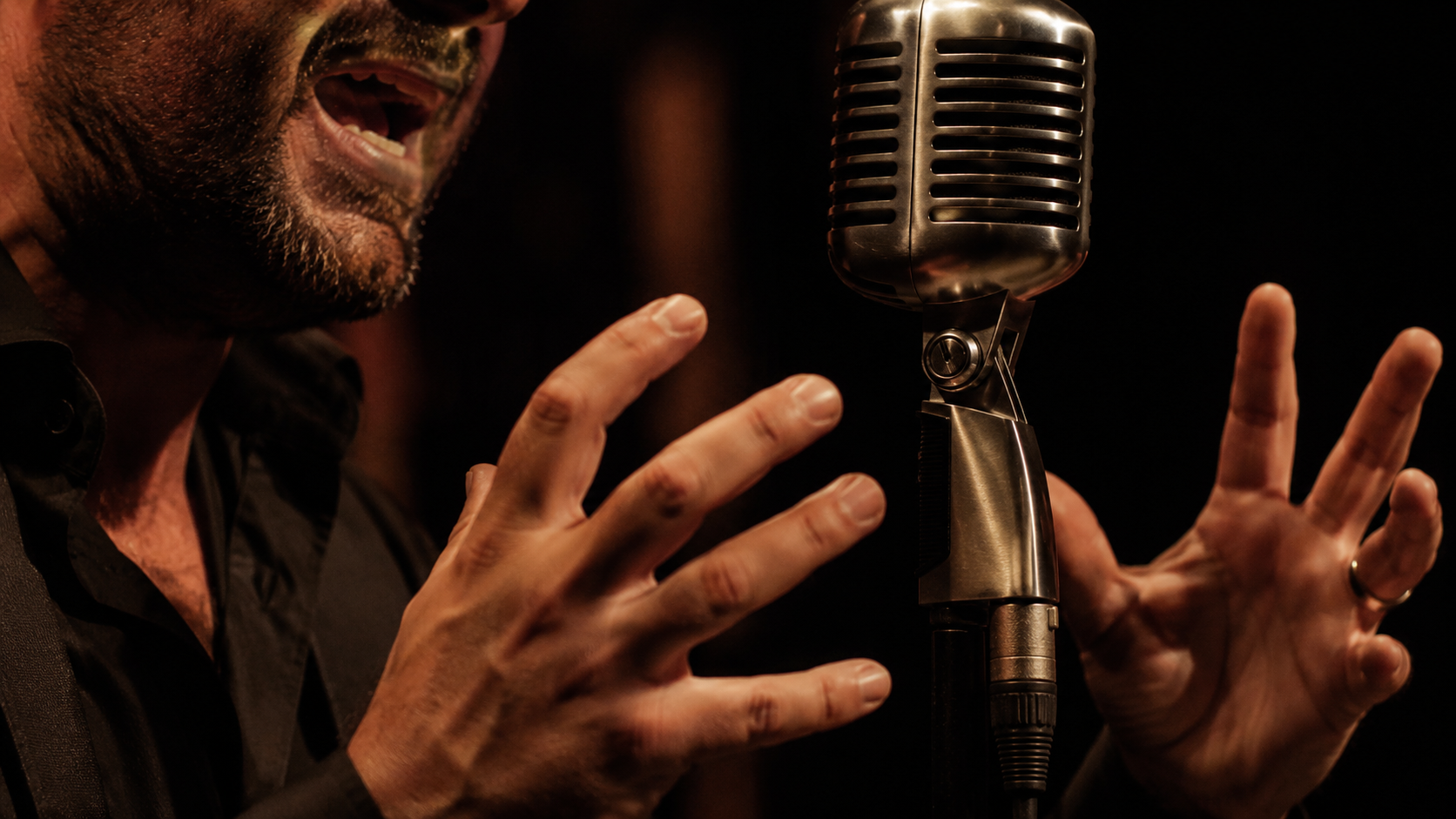
Flamenco singing is not meant to be smooth in the pop-music sense. It stretches feeling. It bends notes, pushes breath, and lets pain or desire become sound. Some styles, or palos, are solemn and heavy, while others are playful or festive. Listening closely to cante helps travelers understand that flamenco is not just visual spectacle. It is storytelling through voice.
Toque: The Flamenco Guitar as Conversation
The flamenco guitar does more than provide accompaniment. It speaks. It pushes the dancer, supports the singer, fills silence, and creates tension. The guitarist must be both precise and responsive, because flamenco often feels like a conversation rather than a fixed script.
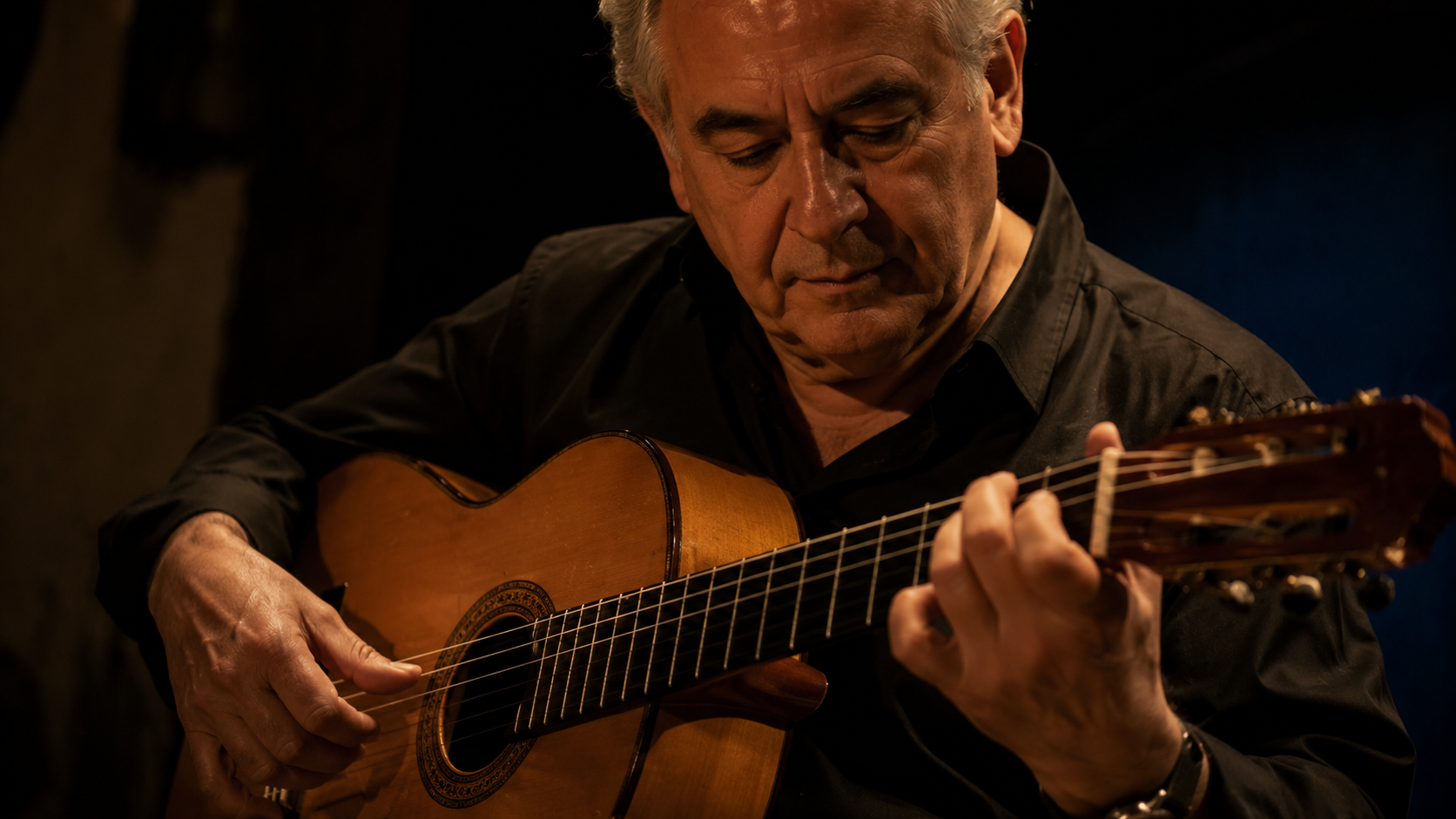
The sound of flamenco guitar can move from delicate melody to percussive attack in seconds. Fingers strike, brush, tap, and race across the strings. The guitar becomes rhythm, harmony, and heartbeat at once. For travelers who love music, watching the guitarist can be as fascinating as watching the dancer. Sometimes the quietest musical phrase says the most.
Baile: The Body as Rhythm and Story
Flamenco dance is powerful because it combines control and release. The dancer uses footwork, arms, hands, posture, turns, stillness, and expression to shape the performance. Every stamp has weight. Every pause has meaning. The body becomes both instrument and storyteller.
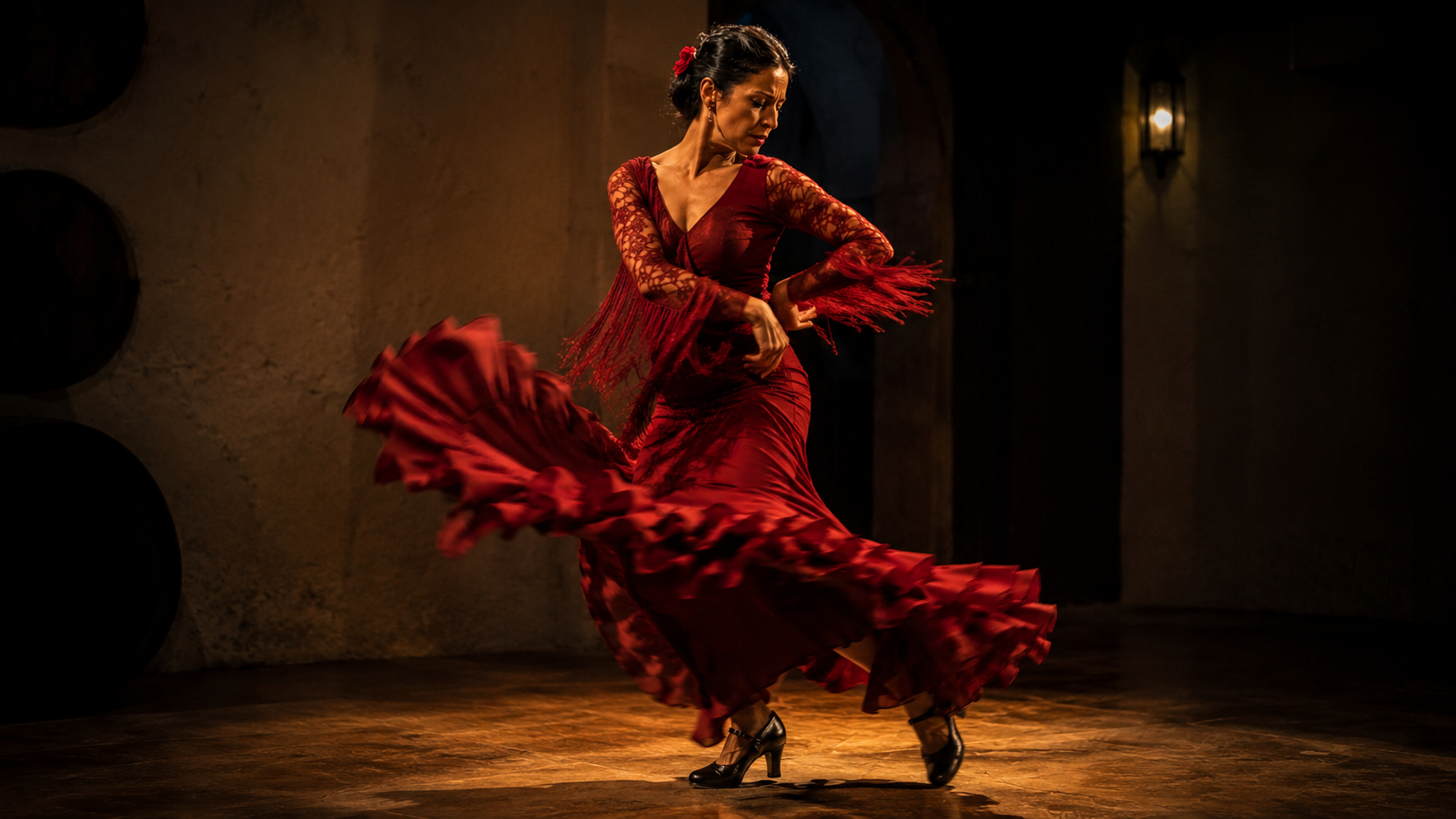
What makes baile so compelling is the tension between elegance and force. A dancer may hold the upper body with sculptural grace while the feet strike the floor with astonishing speed. The hands may move softly while the face shows fierce concentration. Flamenco dance is not only about movement. It is about command, resistance, vulnerability, and presence.
Flamenco Show in Seville: Where Tradition Feels Close
A flamenco show in Seville is one of the classic ways to experience the art form. Seville has deep flamenco roots, and the city offers everything from polished tablaos to intimate venues and cultural spaces. For first-time visitors, Seville is often the easiest place to find a high-quality performance without needing to understand the local scene in advance.
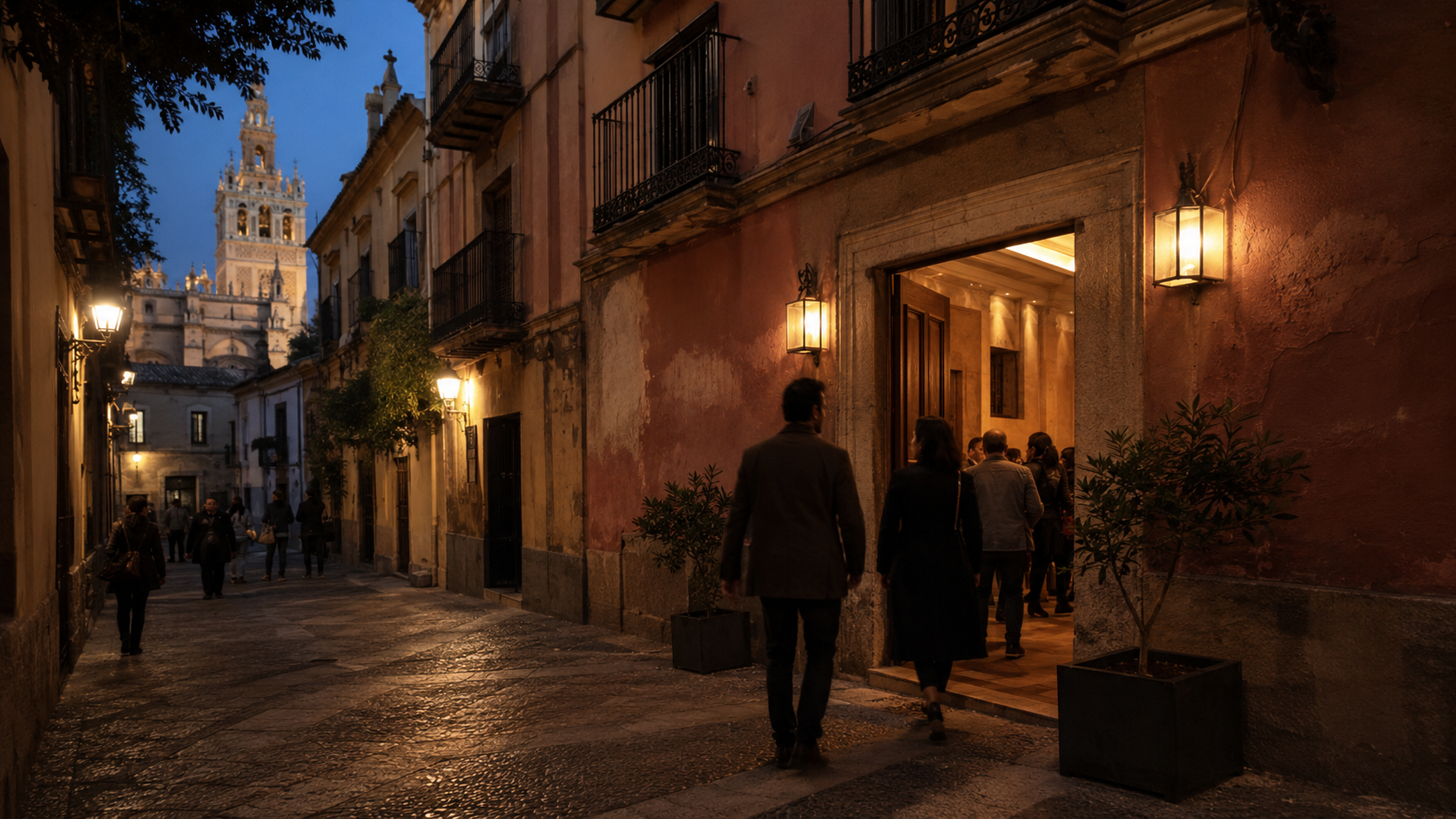
The best flamenco show in Seville is not necessarily the biggest or most expensive. Look for venues where the audience is close to the performers, the sound is natural, and the atmosphere feels focused rather than gimmicky. Flamenco needs intimacy. If the room is too distracted or theatrical in the wrong way, the emotional charge can disappear. Seville works best when the performance feels close enough to breathe with.
Granada Flamenco and the Caves of Sacromonte
Granada flamenco has its own atmosphere, especially in Sacromonte, the hillside neighborhood known for cave venues and Romani cultural history. A performance here can feel very different from a formal theater show. The setting is smaller, rougher, and more physical, with stone walls, close seating, and a sense of old local memory.
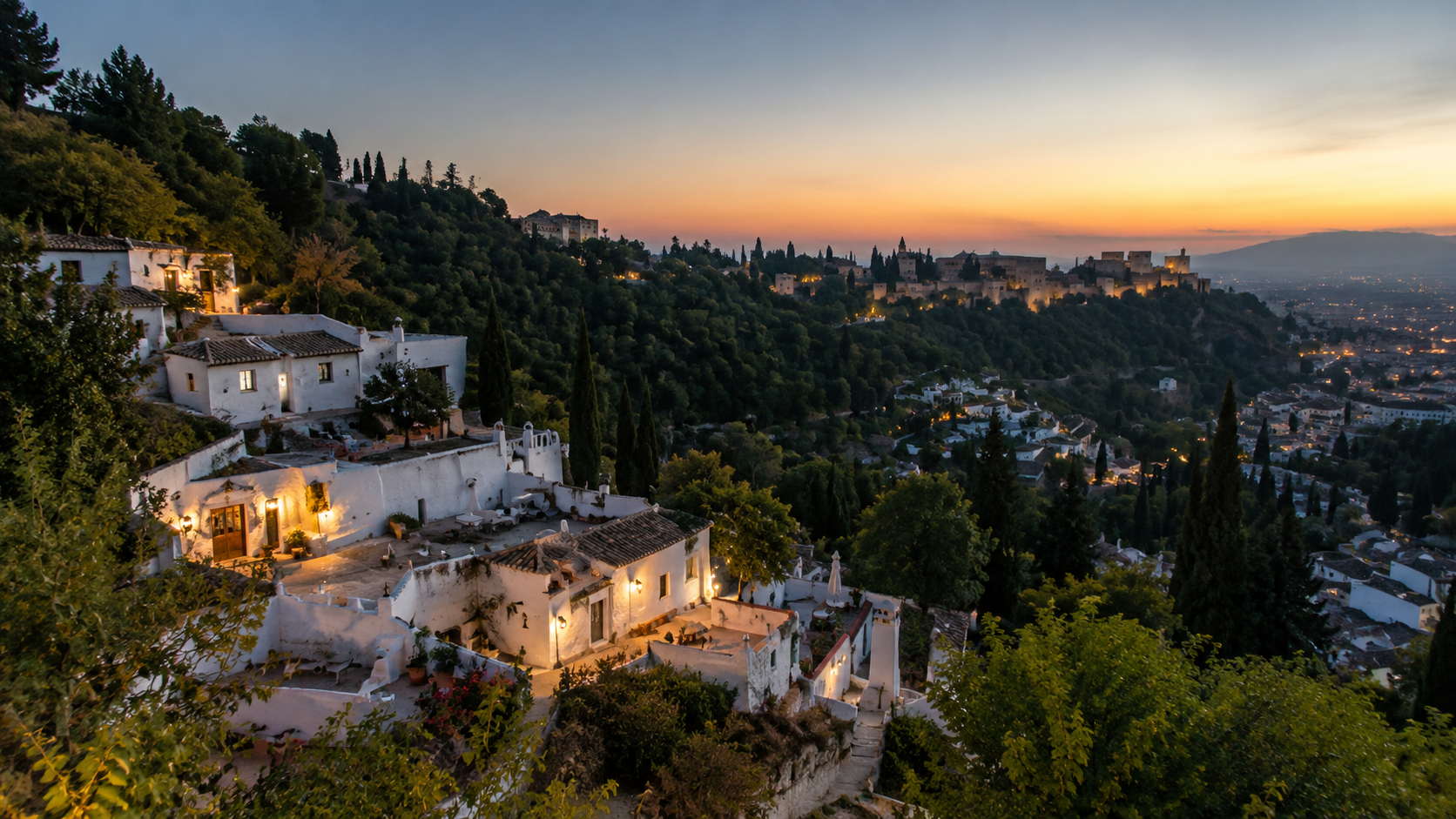
Sacromonte is also tied to zambra, a flamenco-related tradition associated with Granada’s Gitano communities. For travelers, Granada flamenco can be especially powerful because the city itself already feels layered: Moorish architecture, mountain air, narrow streets, and the presence of the Alhambra all shape the mood. If Seville gives flamenco grandeur and depth, Granada gives it intimacy and shadow.
Jerez de la Frontera: Flamenco as Daily Culture
Jerez de la Frontera is one of the great flamenco cities of Andalusia. It is famous not only for performance, but for a sense that flamenco belongs to everyday life. Here, the art form is connected to neighborhoods, family traditions, local festivals, sherry culture, and the fierce rhythmic energy of bulería.
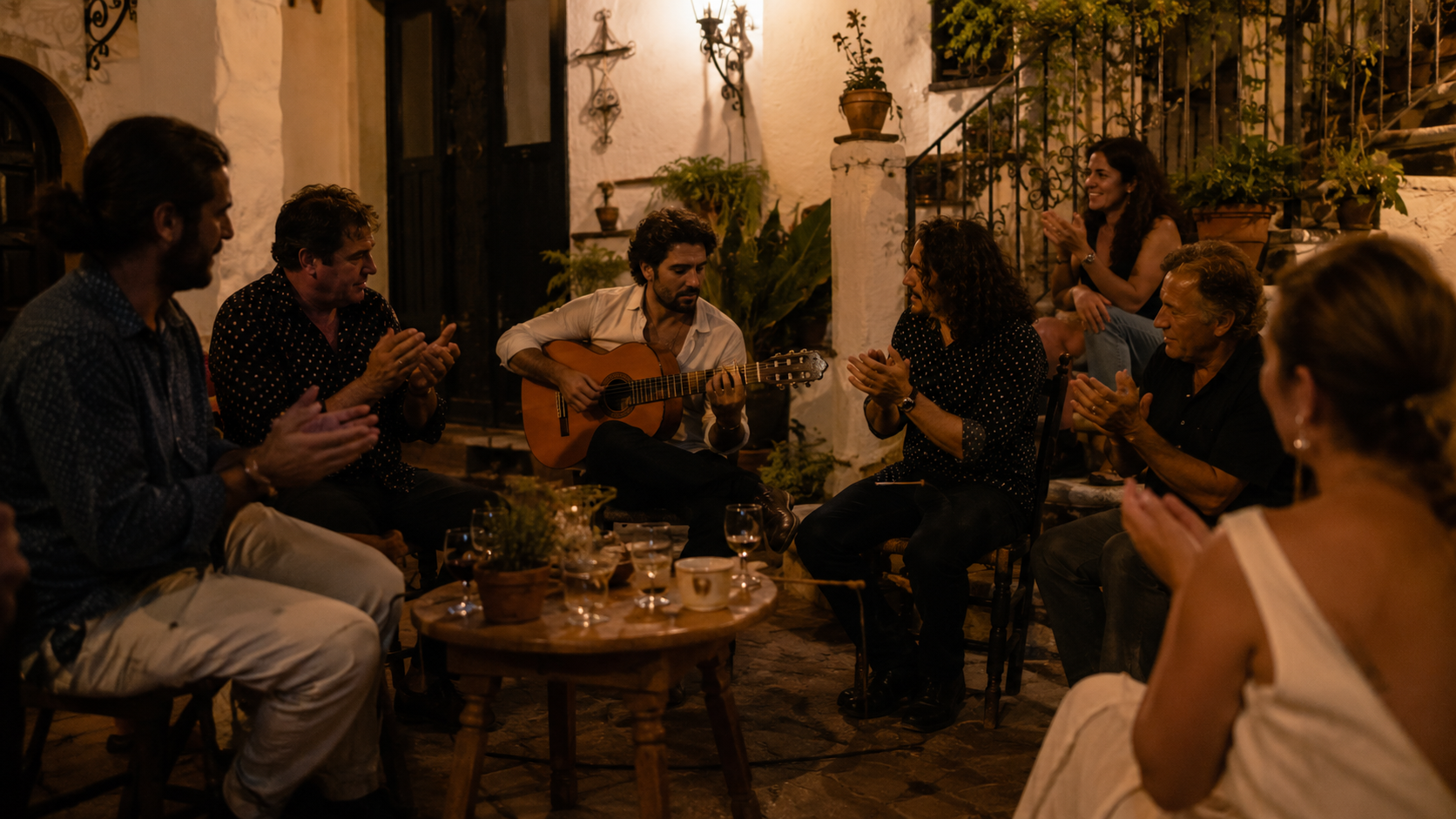
For travelers who want to go deeper, Jerez can feel less like a destination that “offers flamenco” and more like a place where flamenco breathes naturally. The city has peñas, festivals, schools, and local routes connected to major artists. The official Jerez tourism site describes flamenco in Jerez as part of the city’s identity, rooted in historic neighborhoods and living culture. That makes Jerez ideal for travelers who want authenticity beyond a single show.
Madrid and Barcelona: Flamenco Beyond Andalusia
Although flamenco is most closely associated with Andalusia, it is not limited to southern Spain. Madrid has long been an important flamenco stage, attracting major artists, serious audiences, and respected tablaos. A flamenco night in Madrid can be excellent, especially for travelers whose itinerary does not include Andalusia.
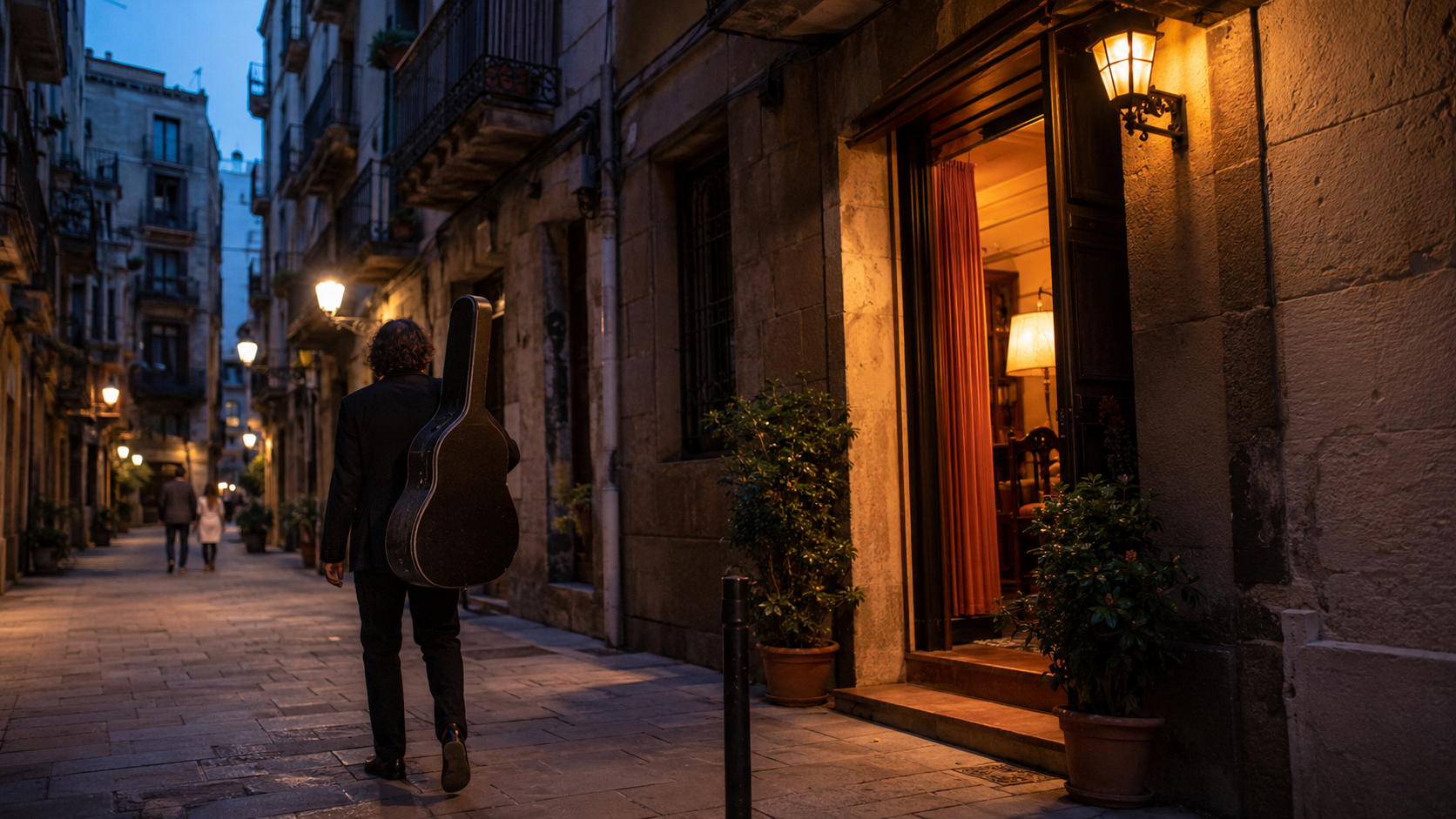
Barcelona also has flamenco venues, though the city’s own cultural identity is Catalan and should not be confused with Andalusian flamenco roots. Still, because Spain’s major cities attract performers from across the country, visitors can find strong shows outside Andalusia. The key is to choose carefully and avoid venues that reduce flamenco to a tourist cliché.
Flamenco and Spanish Literature
Flamenco is closely tied to language, poetry, and storytelling. Many lyrics are short, intense, and emotionally compressed, like fragments of lived experience. Love, death, poverty, exile, pride, betrayal, and longing appear again and again. Even when you do not understand every word, the emotional direction is often clear.
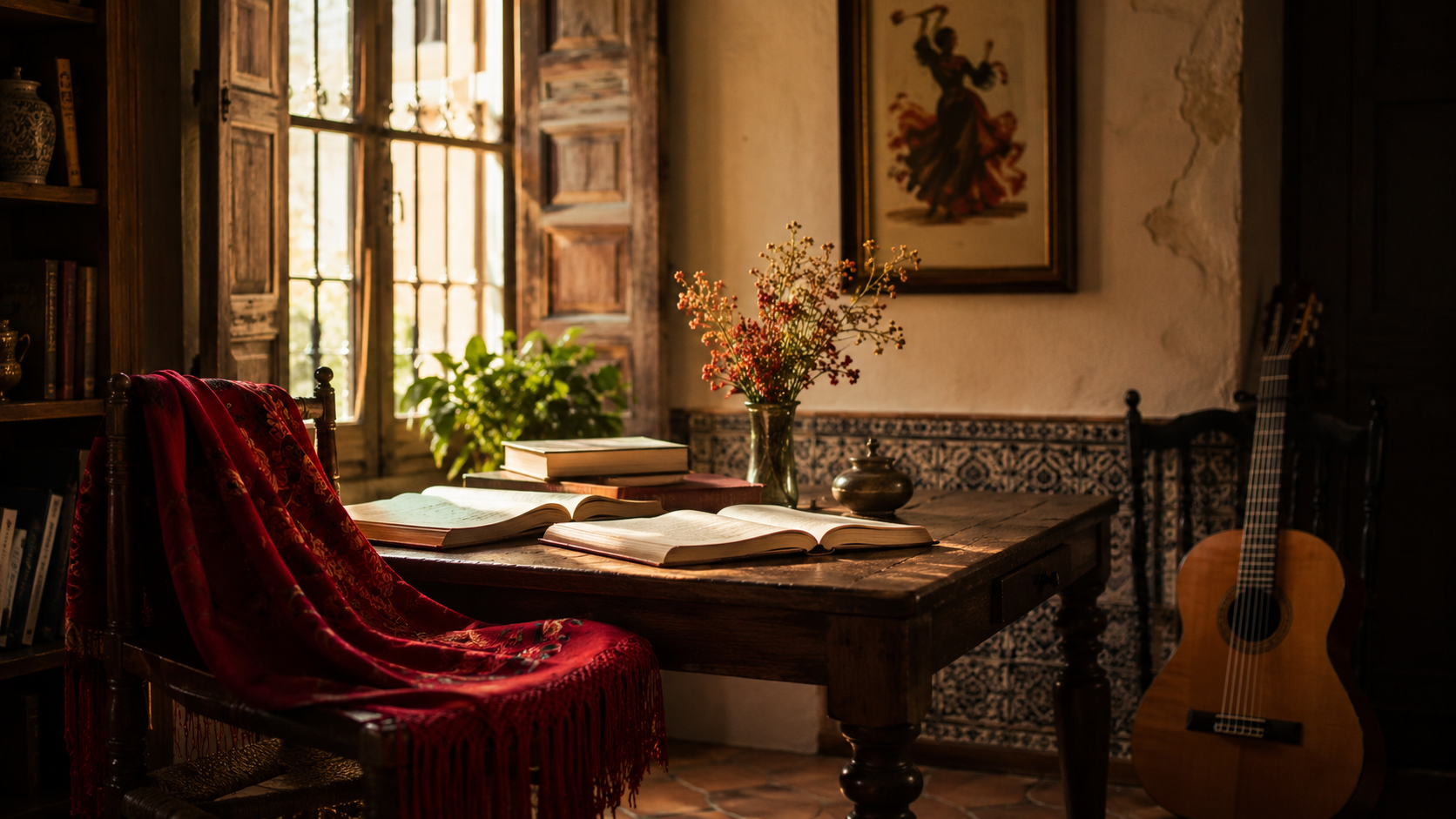
This is where flamenco connects beautifully with Spanish language and literature. Federico García Lorca, one of Spain’s greatest poets, understood the emotional world of Andalusia and wrote deeply about duende, song, and tragic beauty. Flamenco is not literature in the formal sense, but it carries poetry in its bones.
Flamenco, Festivals, and Public Life
Flamenco is not only a stage art. It also appears in festivals, fairs, local celebrations, and cultural events across Andalusia and beyond. During ferias, religious festivals, and regional gatherings, flamenco-inspired dress, music, rhythm, and dance may become part of public life. Not every festive performance is traditional flamenco, but the influence is everywhere.
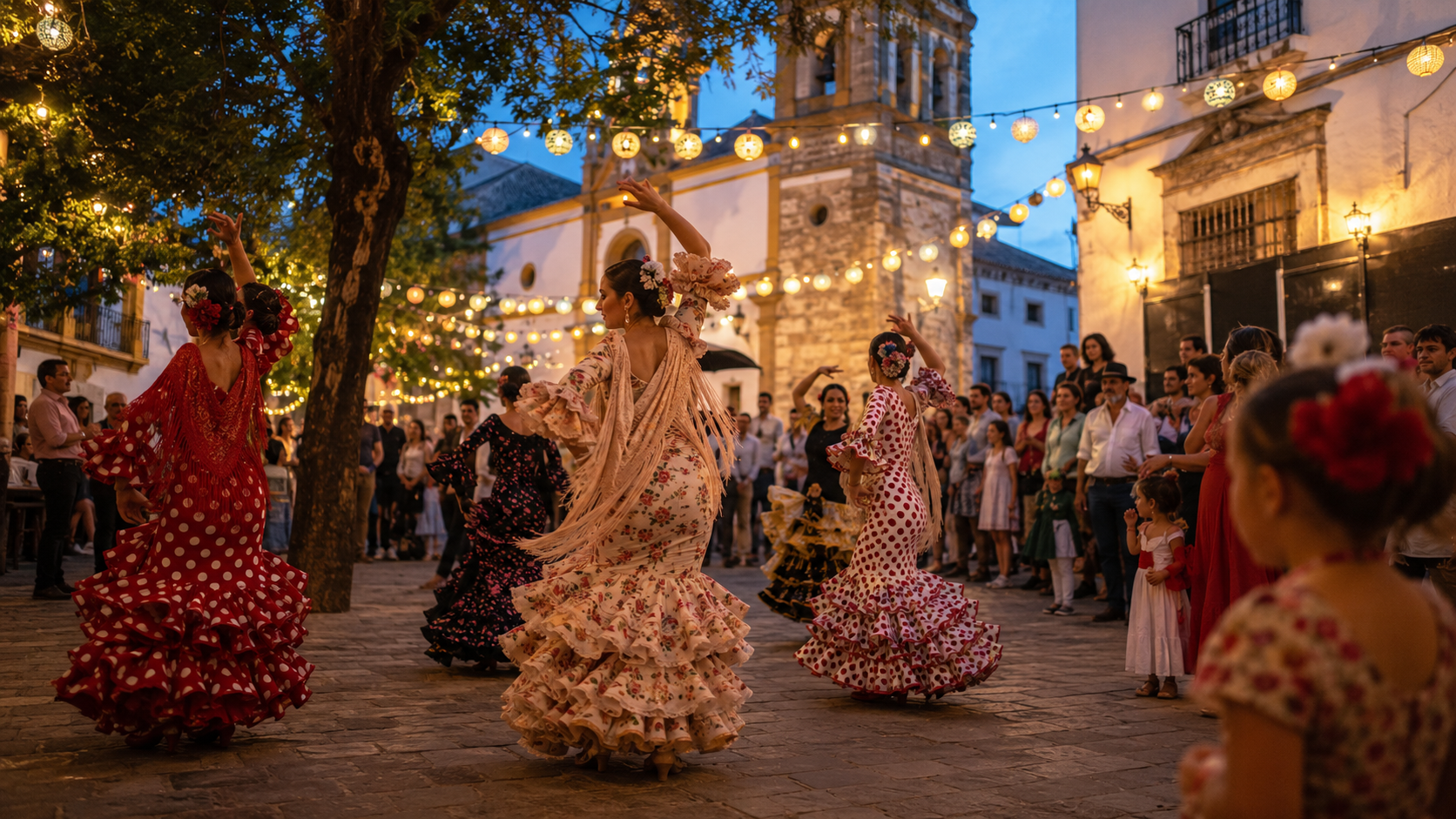
This connection makes flamenco part of Spain’s wider calendar of celebration. Travelers interested in cultural timing can pair flamenco with Spain’s festivals and traditions. A performance in a tablao is powerful, but seeing how music, dress, rhythm, and local pride enter public space gives another layer of understanding.
How to Choose an Authentic Flamenco Experience
Choosing a good flamenco experience matters. Many tourist shows are enjoyable, but not all are equally meaningful. Look for smaller venues, strong reviews that mention the quality of singing and guitar as well as dancing, and performances where the atmosphere feels attentive. If dinner is included, make sure the music is not treated as background entertainment.
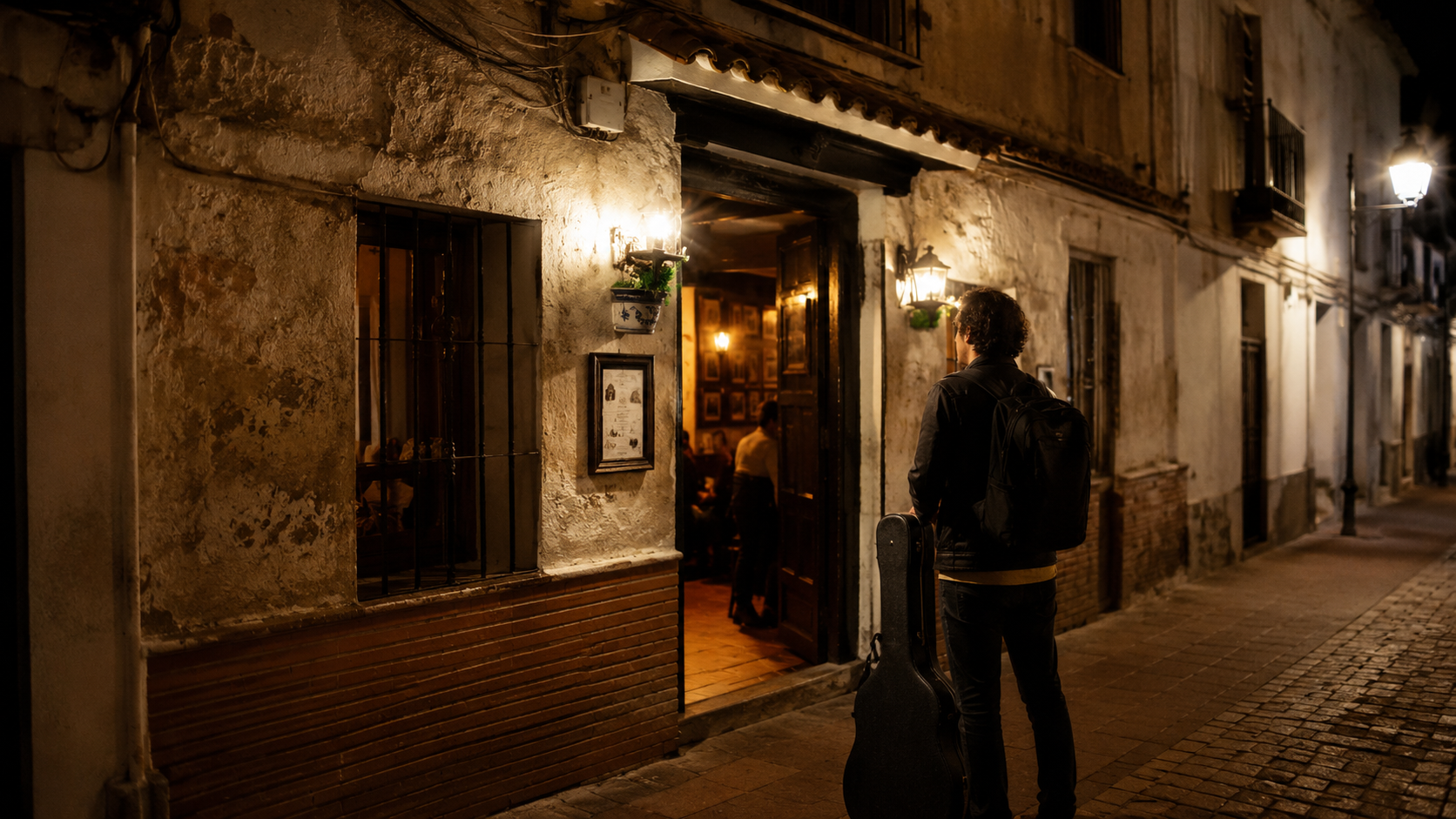
A good flamenco show does not need elaborate staging. In fact, too much polish can weaken the emotional force. The essentials are simple: a serious singer, a responsive guitarist, a dancer with presence, and a room willing to listen. If the performance makes you forget to check your phone, you are probably in the right place.
Should You Take a Flamenco Class?
Taking a flamenco class can be a wonderful experience, even if you have no dance background. A beginner class will not turn you into a dancer, of course, but it can change how you watch a performance. Once you try the footwork, posture, clapping, or rhythm, you understand how difficult the art really is.
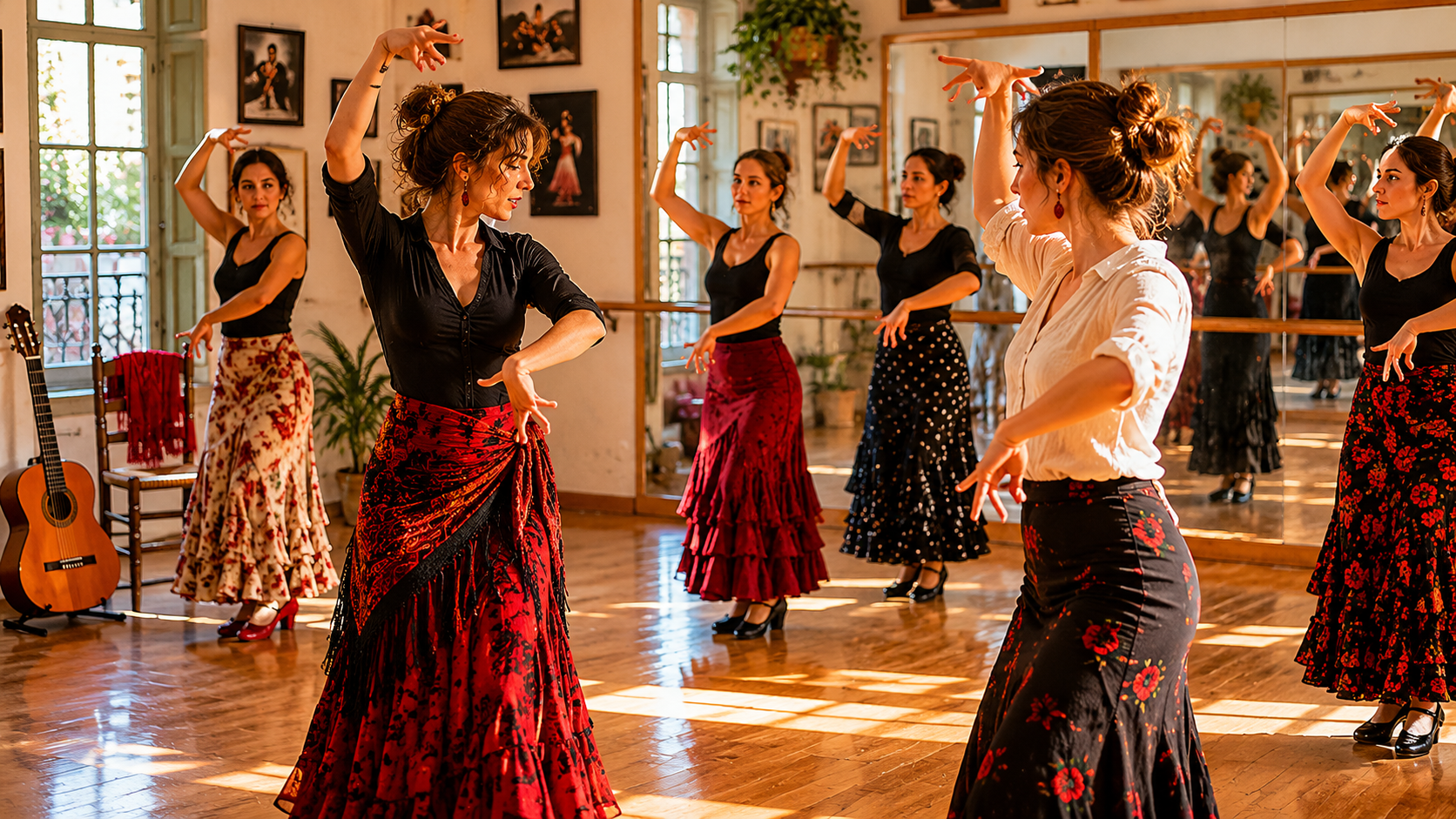
Classes also help travelers experience flamenco physically rather than passively. You begin to feel the complexity of compás, the rhythmic structure that holds the music together. You realize that flamenco is not random passion. It is disciplined passion. That discovery makes the next performance much more impressive.
What First-Time Visitors Should Know
If it is your first flamenco show, do not worry about understanding every detail. Let the performance work on you. Watch how the singer, guitarist, and dancer listen to one another. Notice the pauses. Notice the moments when the audience responds. Notice how tension builds before the rhythm breaks open.
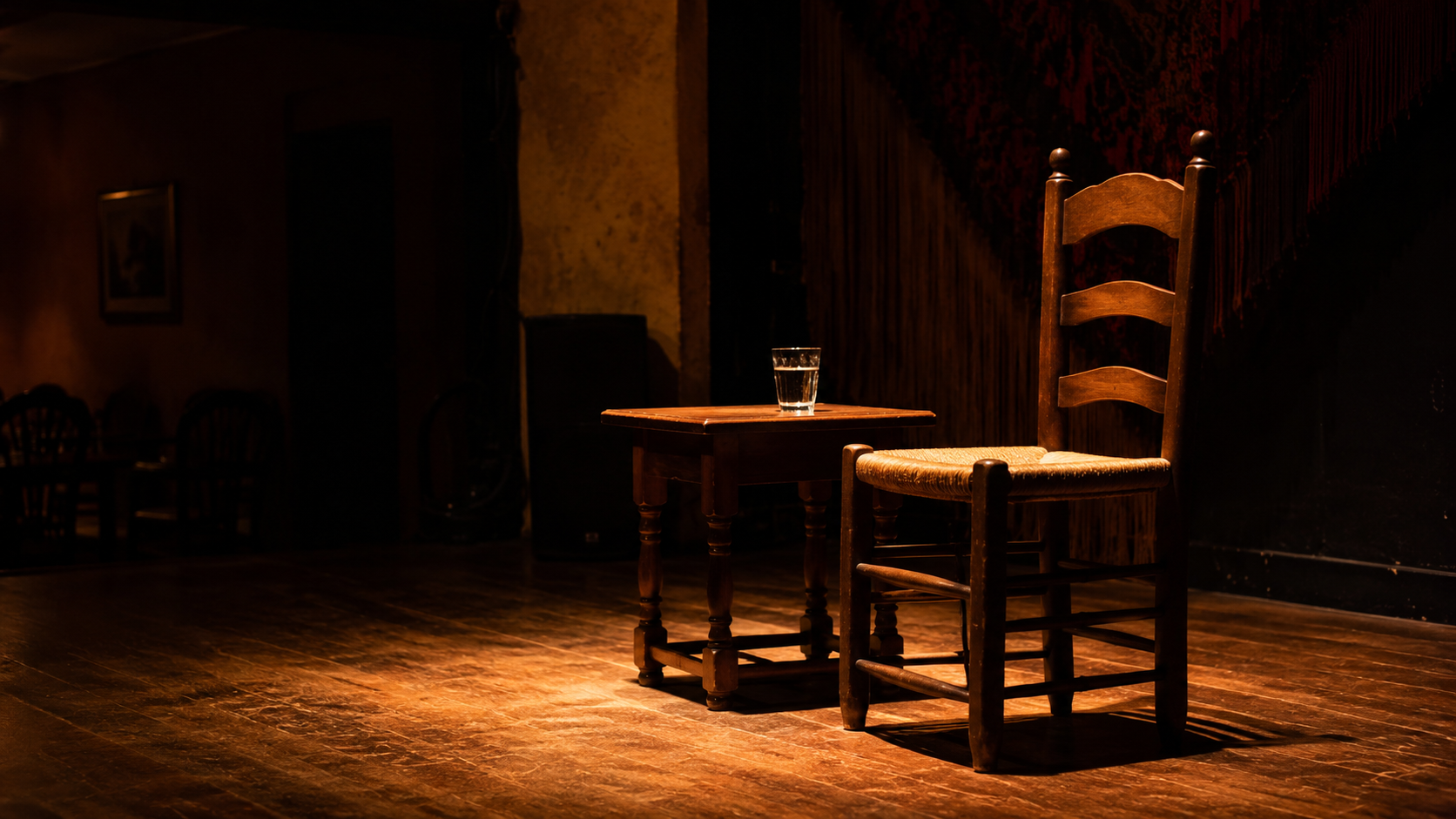
It also helps to avoid expecting constant speed or spectacle. Some of the deepest flamenco moments are slow, restrained, and almost painfully quiet. If you only wait for dramatic footwork, you may miss the emotional center. Flamenco rewards attention. The more closely you listen, the more it gives back.
The Problem with Tourist Flamenco
Because flamenco is famous, it is sometimes packaged too neatly for visitors. Red dresses, castanets, dramatic poses, and simplified “Spanish passion” can flatten the art into a stereotype. Real flamenco is more complicated. It can be joyful, but also bitter. It can be elegant, but also rough. It can entertain, but it does not exist only to please tourists.
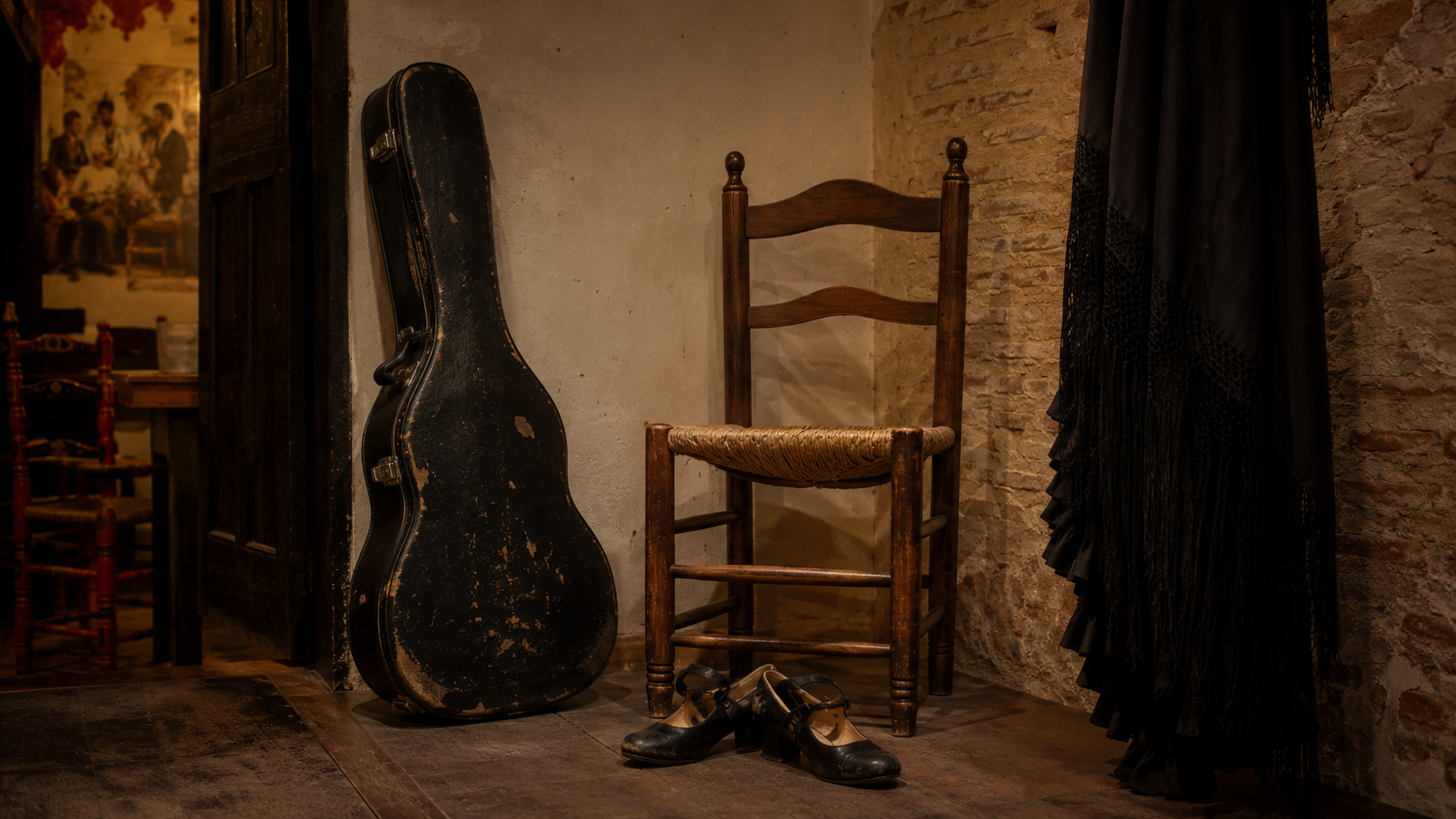
That does not mean travelers should avoid flamenco shows. Quite the opposite. It means choosing with respect. Go to a performance as a listener, not just a consumer. Understand that the art has history, community, and emotional weight behind it. When approached this way, flamenco in Spain becomes much more than an evening activity.
Why Flamenco Still Matters
Flamenco still matters because it keeps emotion public. In a polished modern world, that is rare. It allows grief to be voiced, pride to be embodied, desire to be rhythm, and memory to be performed. It is traditional, but not frozen. New artists continue to experiment with flamenco, blending it with jazz, classical music, pop, theater, and contemporary dance while still returning to its roots.
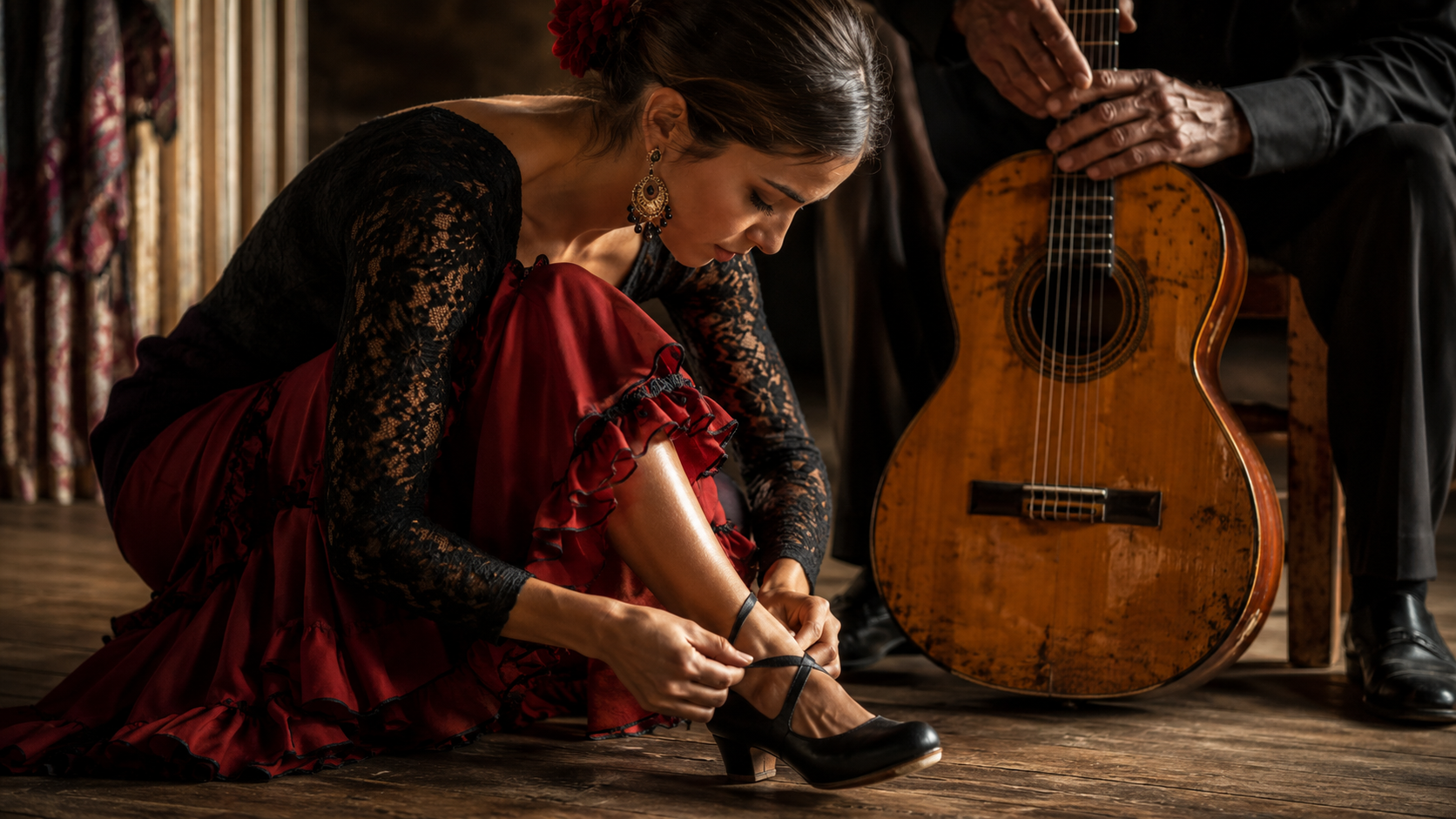
This tension between tradition and reinvention is part of flamenco’s strength. It survives because it changes, but it remains powerful because it does not lose its emotional center. Whether heard in a small tablao, a festival, a dance school, or a neighborhood peña, flamenco continues to speak in a voice that feels unmistakably alive.
Conclusion
Flamenco in Spain is one of the country’s most moving cultural experiences because it brings together voice, guitar, dance, rhythm, poetry, and emotion. It is rooted in Andalusia, shaped by complex histories, and carried forward by artists who understand that technique is only the beginning. The real power of flamenco lies in presence.
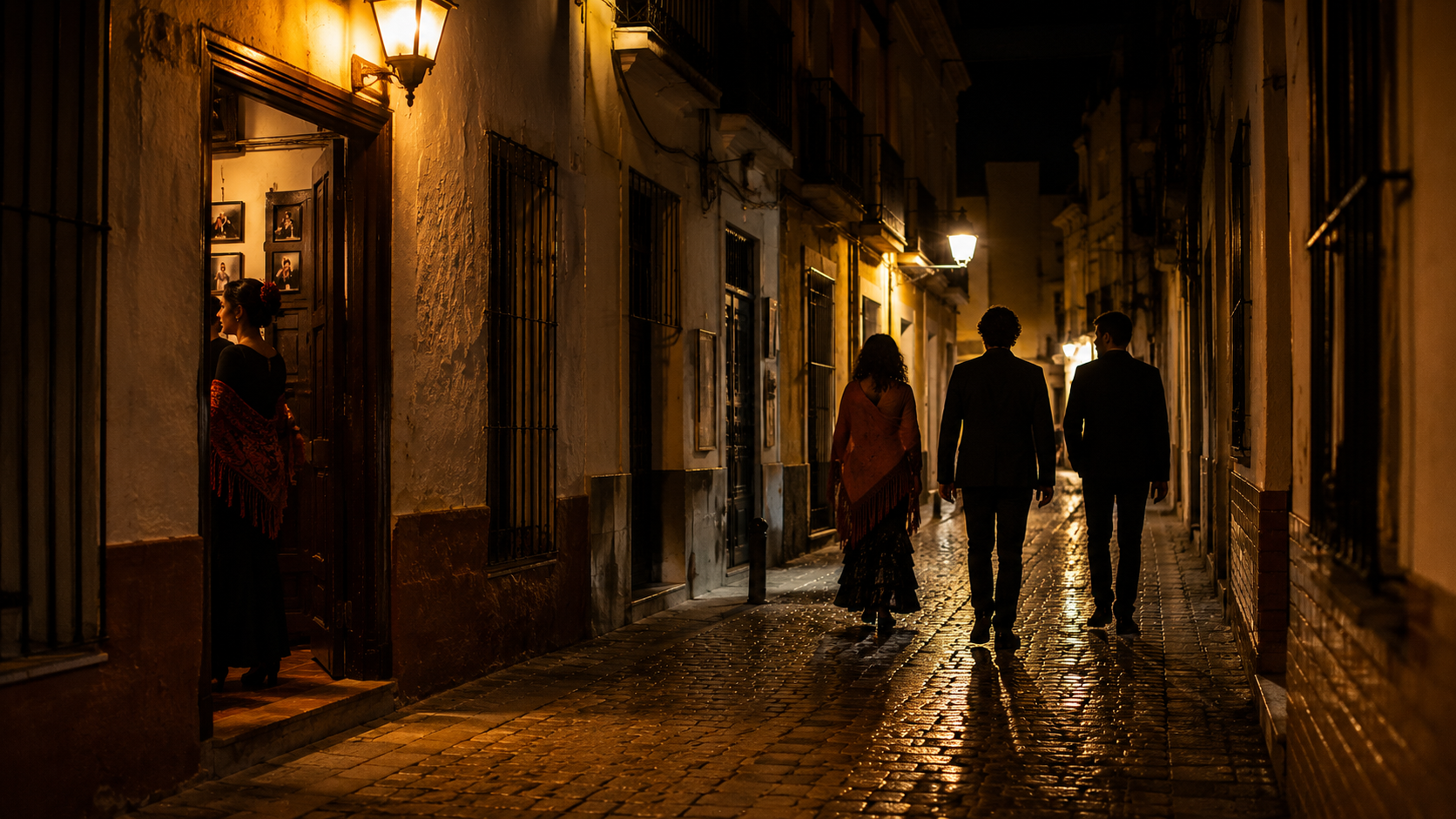
For travelers, the best way to experience flamenco is with patience and openness. See a flamenco show in Seville, listen for the soul of Granada flamenco, explore Jerez if you want a deeper local connection, or take a class to feel the rhythm in your own body. Flamenco is not something you simply watch. If the night is right, it watches you back, finds something human, and sets it to rhythm.