

Jerusalem history lives in every stone of the city, long before you take your first step along its ancient paths. Here, time does not simply pass — it lingers in the golden light, whispers from worn stones, and settles in the shadows of towering walls. Travelers arrive expecting history, but what they encounter is something more intimate: a living presence woven from faith, memory, and longing. Each neighborhood, every archway, seems to guide you gently toward the feeling that you are walking not just through a place, but through centuries layered upon one another. Jerusalem doesn’t speak loudly — it hums, inviting you into a story that continues to unfold.
Learn more on the official Jerusalem tourism website.
Jerusalem History Through Sacred Landmarks and Living Quarters
The clearest way to understand Jerusalem History is to begin inside the Old City, where sacred landmarks, ancient streets, and everyday rituals stand within a small but intensely layered space. The Western Wall, the Church of the Holy Sepulchre, the Dome of the Rock, and Al-Aqsa Mosque are not simply monuments; they are living places of prayer, memory, pilgrimage, and identity.
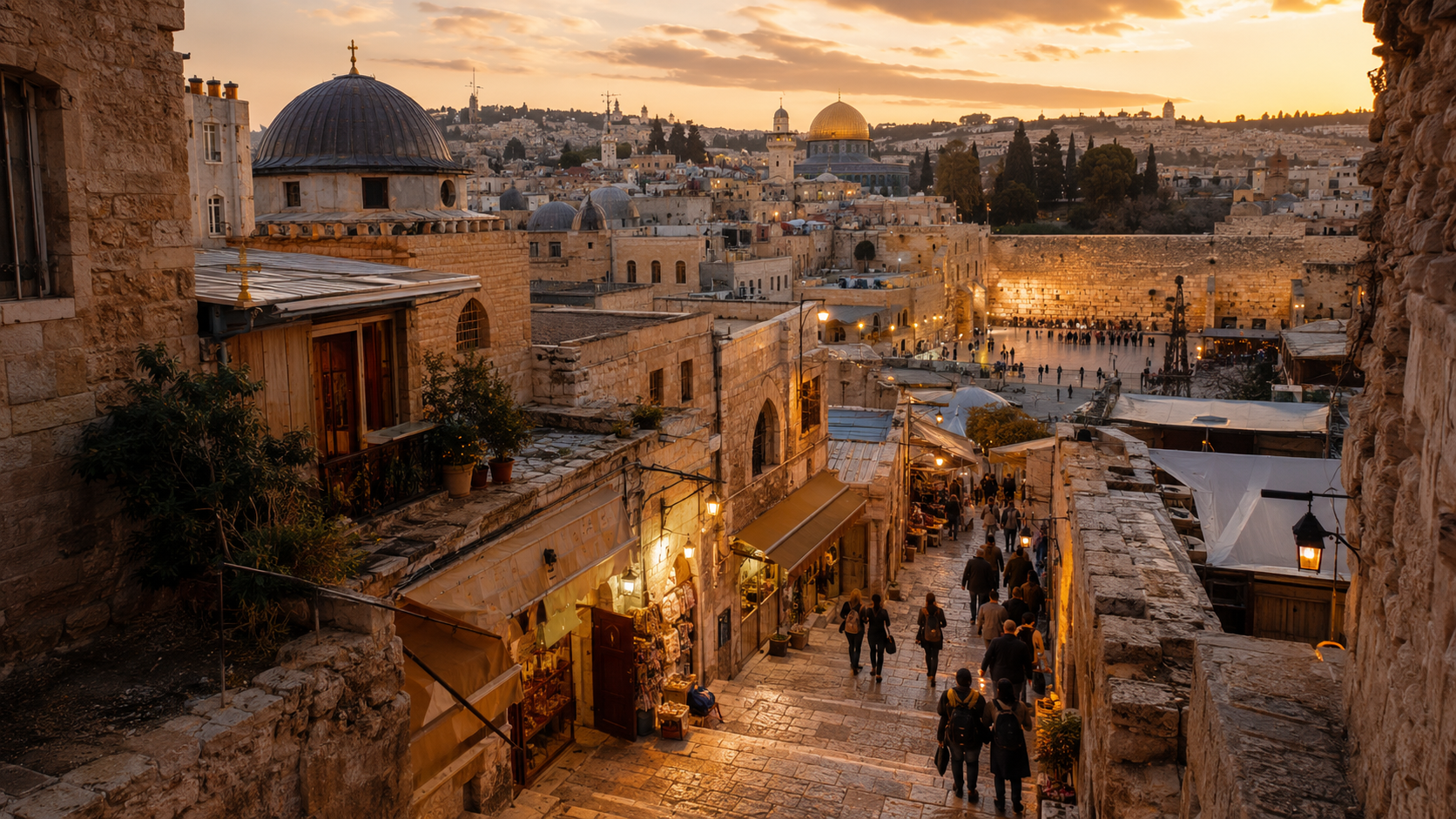
What makes this part of the city so powerful is the closeness of everything. A few minutes of walking can take you from a quiet chapel to a crowded market lane, from a stone stairway worn smooth by centuries of footsteps to a courtyard where prayer still shapes the rhythm of the day. The Old City turns history into something immediate, walkable, and deeply human.
A Crossroad of Civilizations
For thousands of years, Jerusalem stood as a prize sought by kings, empires, and dreamers. Civilizations rose and fell here, leaving behind echoes in the architecture, fragments in the earth, and myths in collective memory. From the early Canaanites to Romans, Byzantines, Ottomans, and countless others, each era carved its mark into the city like chapters in a single, immense book. Walking through Jerusalem today feels like moving through these overlapping layers — a harmony of ancient gates, stone fortresses, and narrow passages that still carry the breath of their creators.
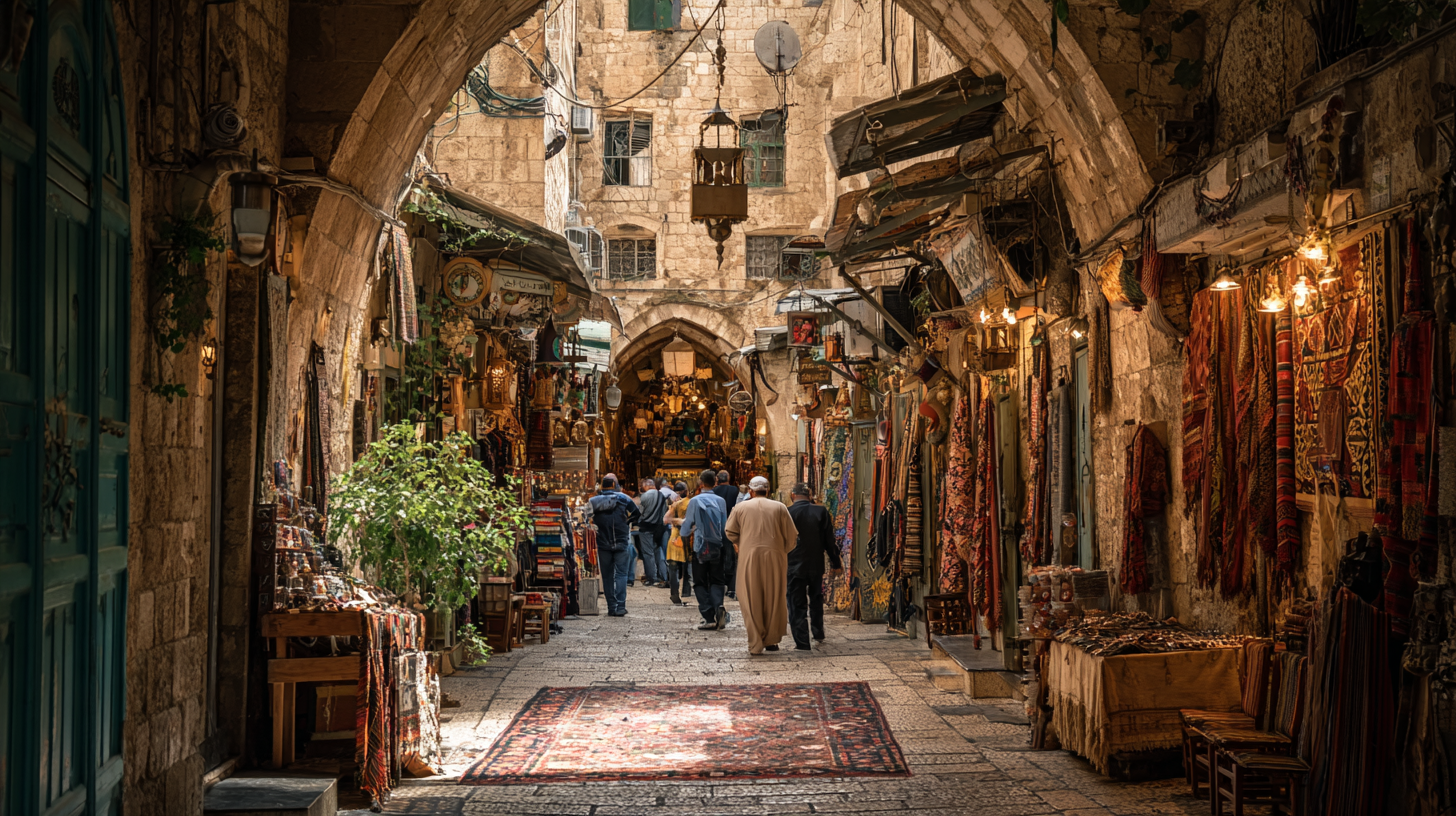
Yet despite its turbulent past, the city has always been a place where cultures meet rather than simply collide. In a single hour, you can wander from bustling bazaars to sacred courtyards, from ancient citadels to quiet terraces overlooking timeless landscapes. Everything here feels intertwined: the sounds, the scents, the languages, the rhythms of life. The Cultural Heritage of Jerusalem is not preserved only in museums; it survives in markets, prayers, architecture, food, and the daily gestures of people who continue to live among layers of memory.
The Cradle of Major Religions
The most meaningful Religious Sites in Jerusalem are not separated from daily life; they shape the rhythm of the city itself. For Jews, the Western Wall offers a moment of closeness to generations who prayed, hoped, and built their lives around a faith that carried them through centuries. Christians find their spirit awakened in the Church of the Holy Sepulchre, where the story of sacrifice and resurrection is deeply felt in the air of the dimly lit chapels.

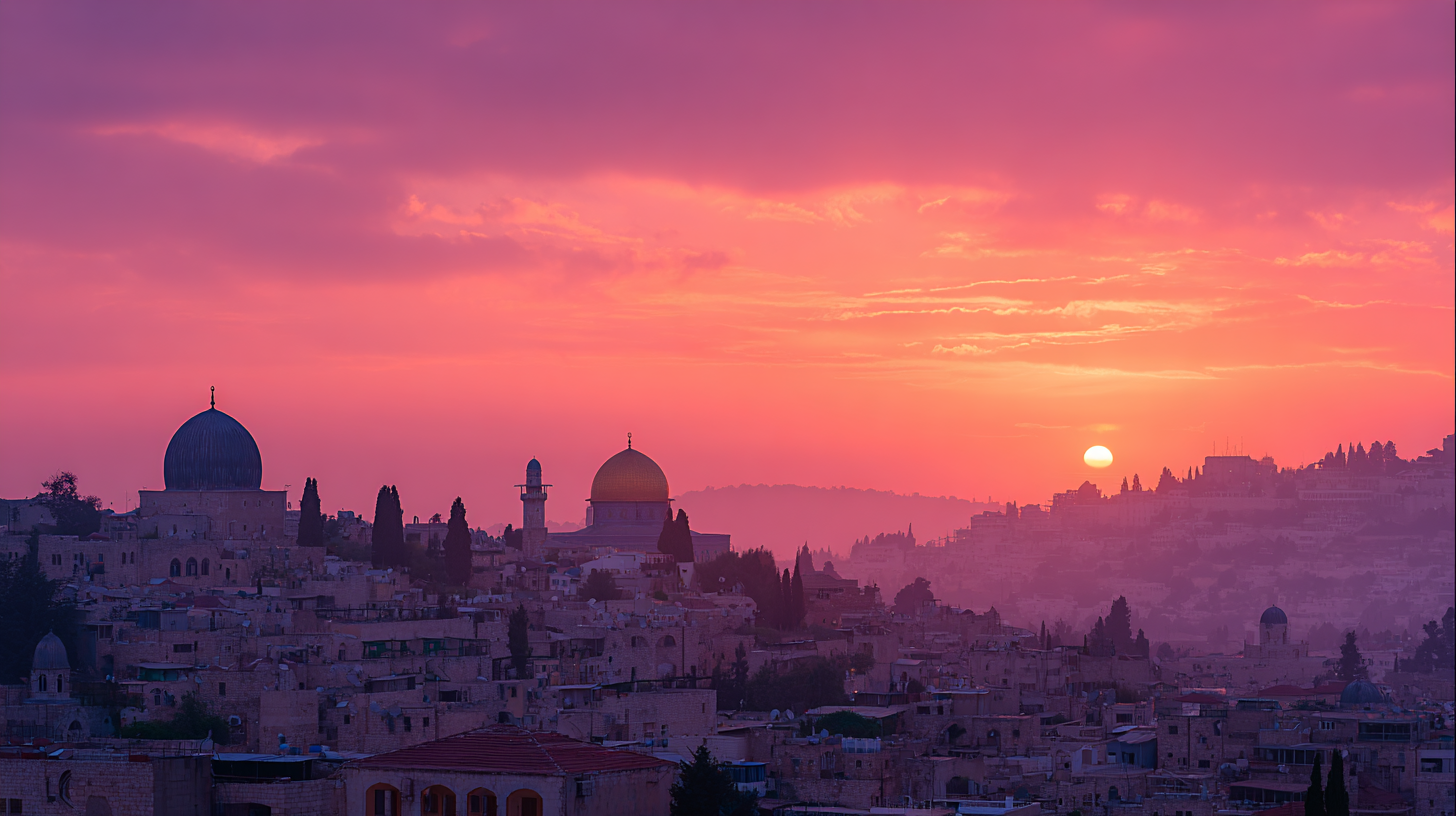
For Muslims, the golden dome of the Dome of the Rock rises like the sun above the Old City, its beauty radiating both tranquility and sacred power. The surrounding courtyards of Al-Aqsa are filled with gentle murmurs of worship, creating a contrast between stillness and vitality. These holy sites are not artifacts locked behind glass; they are alive, pulsating with ceremonies, footsteps, and centuries of devotion. Jerusalem is a sanctuary where three great religions meet — not in perfect harmony, but in an intricate, awe-inspiring tapestry of faith.
A Landscape of Conflict and Coexistence
The Old City’s four quarters — Armenian, Christian, Jewish, and Muslim — stand shoulder-to-shoulder like four siblings shaped by different stories but raised under the same sky. Their intertwining cultures turn everyday life into a mosaic of rituals, scents, and voices, showing how Jerusalem Ancient Civilizations still echo through the city’s present-day neighborhoods.
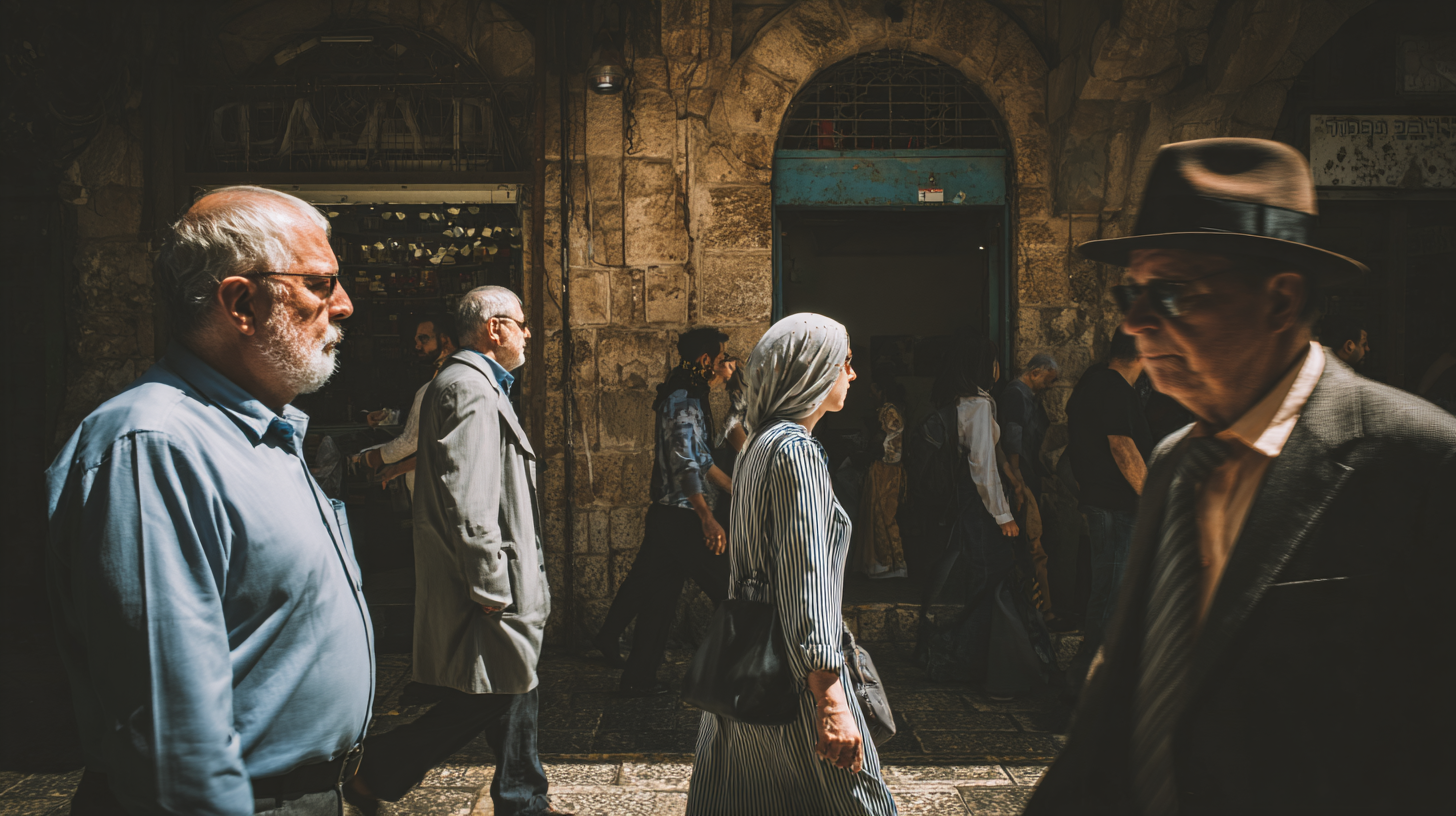
This coexistence is not simple or sentimental. Jerusalem carries wounds, disputed memories, and political realities that cannot be ignored. Yet the city also continues through ordinary gestures: shopkeepers opening their stalls at dawn, families crossing familiar streets, pilgrims waiting quietly in line, and neighbors sharing space within walls that have seen generations come and go. That tension between difficulty and continuity is part of what makes Jerusalem feel so alive.
Contemporary Jerusalem: A Modern Metropolis with an Ancient Pulse
Modern Jerusalem thrives with the rhythm of a city reinventing itself without ever abandoning its roots. Sleek trams glide past medieval walls, art galleries host bold contemporary works, and local cafés buzz with young people discussing technology, politics, and dreams. The city has become a hub for creativity and innovation, a place where new ideas take shape under the watchful gaze of ancient hills. Universities, research centers, and cultural institutions add a vibrant energy that complements — rather than replaces — its traditional heritage.
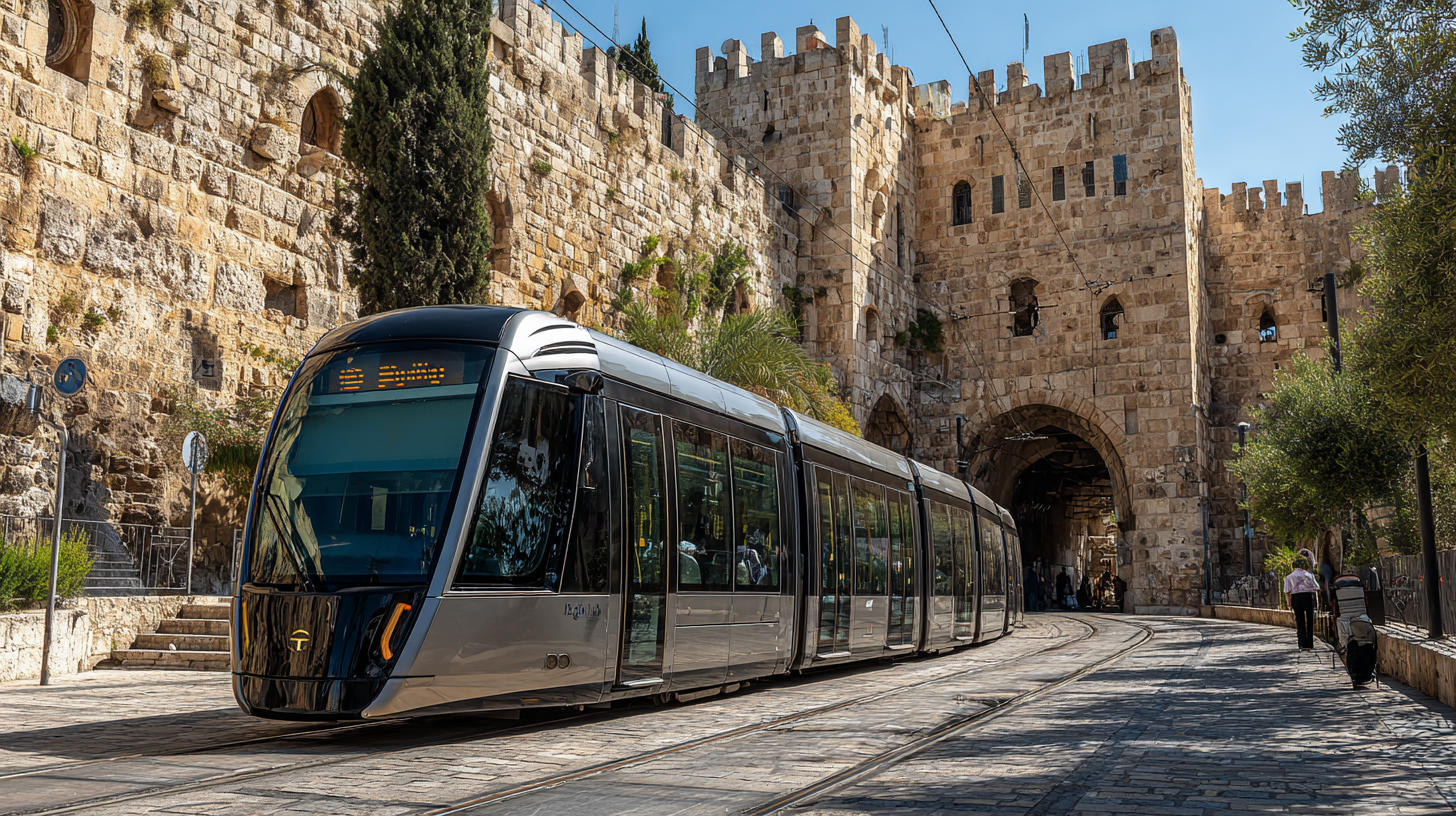
Yet even in its modernity, Jerusalem remains deeply personal and intimate. Markets brim with spices, fresh bread, and stories exchanged over every purchase. The scent of incense drifts from monasteries, while the call to prayer echoes with church bells. Modern Life in Jerusalem moves forward, but never far from the past; progress and memory share the same streets without losing themselves.
Jerusalem History: Why the City Still Matters
Jerusalem history is not only a record of empires, battles, and sacred monuments. It is a living story shaped by ancient civilizations, religious devotion, cultural heritage, and modern life unfolding side by side. Whether you stand near the Western Wall, walk toward the Church of the Holy Sepulchre, look across the Dome of the Rock, or pass through the Old City’s crowded markets, the city reveals how deeply the past can remain present.
For every traveler, Jerusalem offers more than a historical journey. It offers perspective, connection, and a deeper understanding of how faith, memory, conflict, coexistence, and everyday life can shape one of the world’s most meaningful cities.
Read more: “Travel and Adventure in Israel”