

Plan South Korea by Themes: A South Korea Travel Guide Map
This master article maps South Korea’s major layers—history, cities, nature, food, and modern culture—so you can plan with clarity. South Korea is often introduced through contrast—ancient palaces beside glass towers, quiet mountains bordering dense neighborhoods, and traditional etiquette operating inside a society that moves at digital speed—but the deeper truth is that these contrasts are organized rather than random. The country works like a layered system in which heritage, modernity, landscape, and media reinforce one another through routines that people repeat daily, not through isolated “must-see” moments. When travelers feel that Korea changes character from hour to hour, that sensation usually comes from moving across layers that are all active at once, rather than jumping between unrelated worlds. If you’re building your first itinerary, use this framework to connect Seoul, regional cities, and nature into one coherent route.
This integration is visible in how Koreans use space and time, because the same day can contain ceremonial architecture, hyper-efficient transit, mountain air, and nightlife without forcing a cultural reset between scenes. It is also visible in how the country narrates itself, since history is not only preserved but circulated through education, public space, seasonal rituals, and even pop-culture references that keep the past present. The traveler’s job is not to “collect” Korea in fragments, but to notice the organizing principles that make such variety feel coherent rather than chaotic. Once you see the system, you can plan more intelligently, because you understand what experiences are foundational and what experiences are thematic extensions.
This master article is built to provide that system-level orientation while leaving room for deeper, dedicated articles to carry the heavy detail. Each section introduces one major layer—geography, history, city life, technology, nature, spirituality, food, festivals, pop culture, and consumer space—and explains how it connects to the others without cannibalizing specialist topics. The goal is to make South Korea legible as a whole, so that later internal links feel natural because the user already understands why a theme matters. Read it as a map of relationships rather than a checklist, and the country’s complexity will start to look like structure.
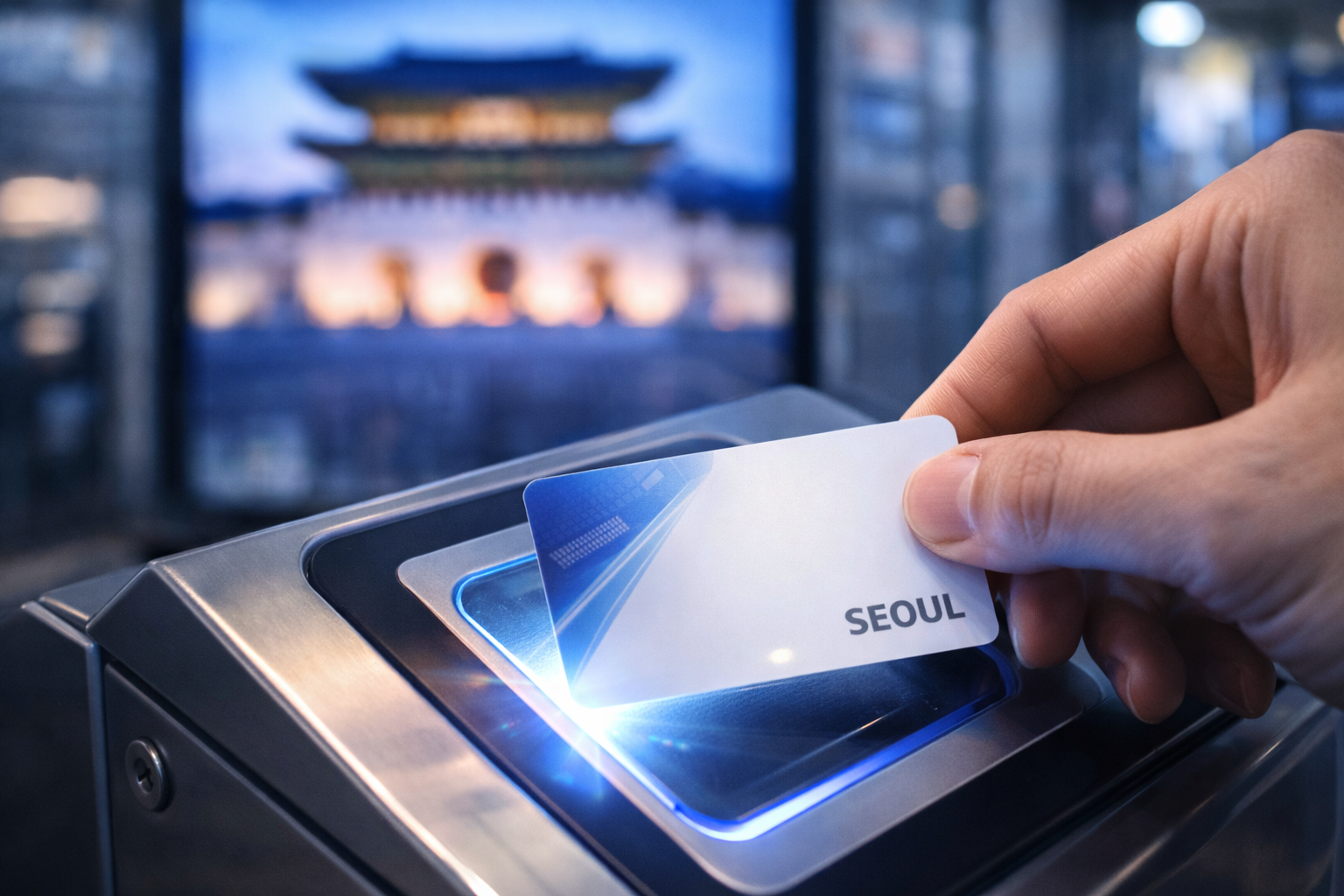
Official resource: Check transport cards, fares, and updates on the Seoul Metro official site.
South Korea at a Glance: A Country of Structured Contrasts
South Korea is compact enough to travel efficiently, yet dense enough that regional differences remain meaningful in dialect, food preferences, local identity, and urban texture, which is why it often feels larger than its geography suggests. Mountains dominate much of the peninsula and shape where cities expand, where parks begin, and how people move through everyday life, while coastlines add port culture and marine economies that feed into cuisine and trade. This compression creates frequent transitions—metro to hillside, market to museum, neighborhood shrine to corporate district—that train visitors to read the country as a sequence of layers rather than as one continuous mood. Because these transitions are normal inside Korean life, the traveler’s experience aligns with the local logic instead of fighting it.

Culturally, the country balances continuity with adaptation through social expectations that remain recognizable even when aesthetics and technology change. Confucian ideas of hierarchy and respect influence speech levels, workplace behavior, and family roles, while global trends reshape fashion, music, and consumption without fully replacing local norms. The system does not depend on purity; it depends on negotiation, meaning that tradition persists because it adjusts rather than because it resists. For the visitor, this produces a society that can feel simultaneously familiar in its modern conveniences and distinct in its behavioral codes.
The practical consequence is that South Korea supports multiple travel identities without forcing a single narrative: culture travelers, hikers, design lovers, food explorers, and pop-culture fans can all find “their Korea,” and still recognize the same underlying structure. This is why master content works well for Korea, because users often arrive with one hook and then discover adjacent themes once the system becomes clear. A good overview therefore emphasizes the connective tissue—how a temple trail relates to city pace, how a market relates to history, how tech relates to convenience—rather than presenting each theme as a standalone island. When the overview does its job, internal linking becomes an extension of curiosity rather than an interruption. Use this South Korea travel guide as a master map, then jump into the deeper articles below for specific routes and explore Korea’s modern architecture and design.
Geography and Seasons: The Environmental Framework
South Korea’s physical environment is not background scenery; it is a governing framework that shapes leisure culture, settlement patterns, and seasonal behavior in ways travelers can observe directly. Mountain ranges influence everything from urban skylines to weekend routines, because hiking is a mainstream activity and trails are treated as public infrastructure rather than as niche recreation. Coastal zones create different rhythms—seafood markets, beach culture, port logistics, and maritime festivals—that add an outward-facing dimension to a country often understood through its inland capitals. This environment makes Korea feel dynamic, because the country’s personality changes as your surroundings change, yet the transitions remain smooth because mobility is easy.

Four distinct seasons act as scheduled “modes” of national life, with predictable shifts in outdoor activity, festival calendars, and even food preferences as ingredients and temperatures change. Spring tends to open the public sphere through parks and riversides, summer shifts energy toward coasts and late-night urban life, autumn amplifies mountain travel and harvest-linked traditions, and winter compresses movement while expanding indoor communal wellness and seasonal events. These are not marketing categories; they are cultural patterns that influence how crowds move, how cities sound, and what experiences feel most natural. Travelers who plan around this seasonal logic typically get more coherence, because their itinerary aligns with what the country itself is doing at that time.
Treating seasons as a framework also prevents disappointment, because you stop expecting one “default” Korea and start expecting multiple legitimate versions of the same place. The same neighborhood will feel different when parks are crowded with spring picnics versus when winter streets push people into cafés and bathhouses, and neither version is less authentic. For a master article, seasons provide a neutral backbone that can connect nature, festivals, food, and city behavior without turning the piece into a narrow “weather guide.” Once that backbone is in place, deeper seasonal articles can plug in naturally as expansions rather than as repetitions.
If hiking is a priority, our guide to Korea’s peaks and landscapes goes deeper into routes and scenery.
History and Heritage: Korea’s Living Past
Korean history is not experienced only through museums; it is experienced through spatial design, civic rituals, and recurring references that keep historical memory active within everyday life. Dynastic governance shaped palace architecture and city planning, Confucianism influenced education and social hierarchy, and modern history—occupation, war, rapid industrialization—produced a national identity oriented toward resilience and speed. These layers coexist because the country invested heavily in rebuilding and storytelling, meaning that modern infrastructure does not erase heritage but often frames it. Travelers notice this when a royal gate opens onto a skyline, or when a traditional neighborhood sits next to a high-rise corridor, creating visible continuity rather than nostalgic isolation.

Heritage sites matter because they function as “anchors” that make the country’s rapid modernity intelligible, since a visitor can read present-day intensity against long-term cultural persistence. Palaces and old neighborhoods communicate values through form—symmetry, hierarchy, ritual pathways—while museums and memorial spaces contextualize the pressures that shaped contemporary Korea’s economic and social priorities. This historical grounding also clarifies behavioral norms, because respect, order, and group coordination have deep cultural roots rather than being purely modern efficiency. In other words, heritage explains why the present feels the way it does, which is exactly what a master article should deliver.
For planning purposes, history also provides structure for city exploration, because historical sites often cluster in walkable districts that connect naturally to markets, museums, and modern commercial streets. That clustering creates “story loops” a traveler can follow: you see a palace, understand its symbolism, then notice how nearby neighborhoods adapted over time, and then recognize those adaptations in other cities. The goal is not to memorize dates but to develop pattern recognition, because pattern recognition makes every subsequent experience richer without requiring more effort. A master overview therefore sets up heritage as a logic engine, not as a separate tourism category.
To explore Korea’s past through places you can actually visit, start with our article on Korea’s historic landmarks.
Cities of South Korea: From Royal Capitals to Hypermodern Metropolises
South Korean cities concentrate the country’s modern energy, but they do so through layers rather than through uniform development, which is why neighborhoods can feel like different cities inside one metro area. Seoul functions as a national amplifier—political center, cultural producer, technological showcase—yet it remains legible because transit and district identity organize movement efficiently. Busan introduces maritime scale and coastal texture, while other cities add regional variations in pace, street life, and culinary emphasis, preventing the “all roads lead to Seoul” effect that some visitors fear. The urban story of Korea is therefore plural, and a master article treats cities as a network of roles rather than as a hierarchy of popularity.
Korean urbanism is also defined by density and flow, because streets, subways, and commercial corridors are built for continuous movement across services, entertainment, and daily needs. This flow reduces friction for travelers, since navigation and logistics are rarely the limiting factor, but it also creates a distinctive sensory experience in which information, signage, and consumer options arrive rapidly. The key is that speed does not eliminate order; zones have clear functions and predictable patterns, meaning that once you learn the “grammar” of districts, you can decode new areas quickly. That decode-ability is a form of travel comfort that does not require the city to become bland. For a practical South Korea itinerary, combine 2–3 city bases with day trips to heritage sites and parks.
[GetYourGuide Tip]: Short on time in Seoul? Book a small-group DMZ day tour and save planning effort.
For the master narrative, cities act as the meeting point of history, technology, pop culture, and consumer life, which is why they must be explained as systems rather than described as “things to do.” Seoul’s historical core makes modern Korea’s continuity visible, its nightlife makes youth culture and global influence tangible, and its shopping corridors show how trend cycles operate in real space. Secondary cities add contrast—port logic, festival culture, regional food—so the traveler understands that Korea’s identity is distributed rather than centralized. When city life is framed this way, later internal links to nightlife, shopping, or architecture feel like deeper dives into a known structure, not like unrelated topic jumps.
For nightlife planning and neighborhood vibes after dark, see Seoul After Sunset.
Innovation and Technology: Inside Korea’s Digital Society
South Korea’s technological reputation is accurate, but its real significance for travelers lies in how thoroughly technology is embedded into mundane routines, making the digital layer feel infrastructural rather than performative. High-speed connectivity, integrated transit systems, mobile-first services, and efficient payment ecosystems reduce the number of micro-problems that usually drain travel energy in unfamiliar countries. This efficiency changes what visitors pay attention to, because time and cognitive bandwidth shift away from logistics and toward observation, exploration, and spontaneity. The country’s “smartness” therefore becomes a background stabilizer that supports richer cultural engagement.
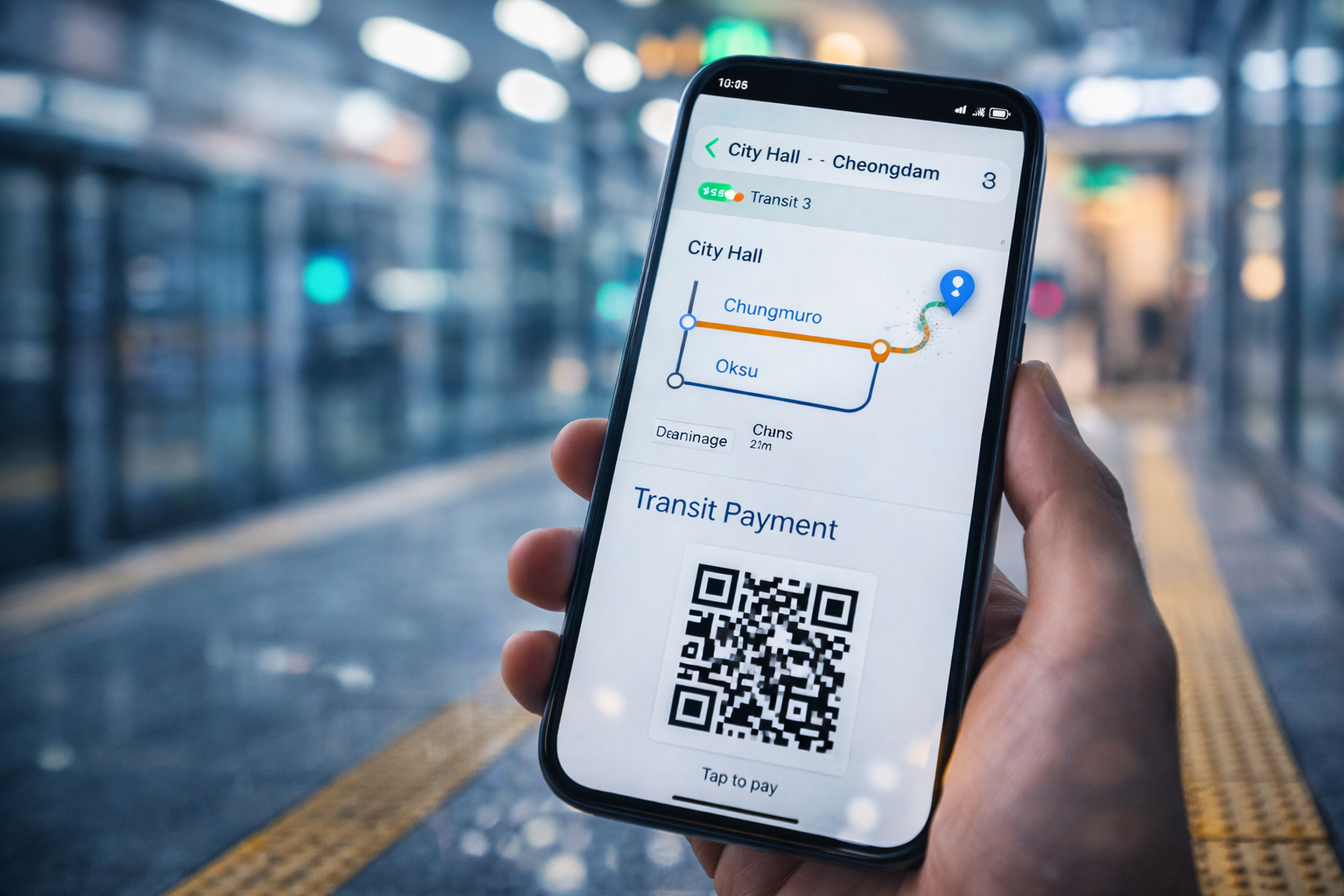
What makes Korea especially interesting is that digital integration coexists with strong analog rituals, which prevents the society from feeling purely futuristic or emotionally cold. People still gather in public spaces, still follow seasonal routines, still maintain etiquette codes, and still treat food and communal leisure as social glue, even when the coordination happens through apps and platforms. This coexistence suggests that modernization in Korea is less about replacing older structures and more about increasing throughput—moving faster while keeping core patterns intact. For travelers, the lesson is that technology explains convenience, but culture explains behavior, and both must be read together.
In a master article, the technology layer also connects naturally to other themes: it amplifies pop culture distribution, shapes shopping trends through rapid diffusion, and supports mobility that makes nature and heritage more accessible. When you can reach a mountain trail quickly, coordinate plans easily, and navigate effortlessly, you experience Korea’s diversity more fully, which is why tech matters beyond “cool factor.” Framing technology as an enabling layer prevents it from feeling like a shallow section, because it becomes a mechanism that powers the rest of the travel experience. That mechanism-focused framing is what maintains density through the middle of the article.
For a deeper dive into daily life, apps, and what makes the country run so smoothly, read South Korea’s technology landscape.
Nature and Adventure: Mountains, Parks, and Outdoor Life
Korea’s outdoor culture is not a niche activity; it is a mainstream behavior that shapes weekends, social bonding, and seasonal movement, which is why it belongs in a master overview rather than in a separate “extra” section. National parks and mountain trails are accessible, well maintained, and culturally normalized across generations, meaning that nature is not treated as distant wilderness but as a regular extension of urban life. This proximity changes the travel equation, because a visitor can combine city exploration with substantial outdoor time without turning the trip into a logistics project. The country’s natural layer therefore acts as a balancing force against urban density, offering physiological recovery through air, movement, and visual openness.
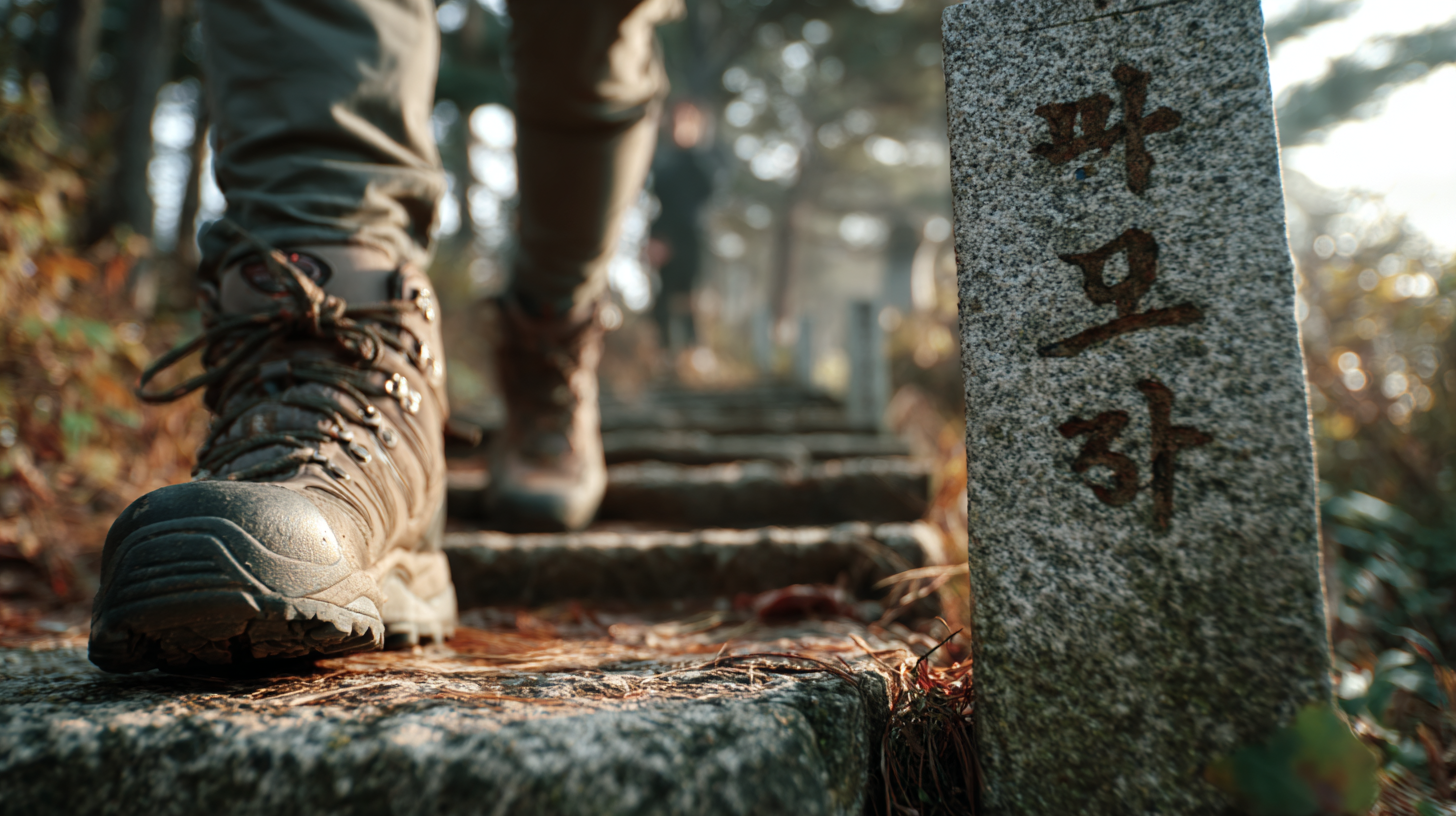
Adventure in Korea often feels structured rather than extreme, because trails, signage, and facilities are designed for safety and high usage, while still delivering real elevation and scenic payoff. That structure reduces barriers for travelers who want nature but do not want risk-heavy planning, which increases the likelihood that visitors actually do outdoor experiences rather than only intending to do them. Seasonal changes also create repeatable adventure modes: spring and autumn hikes, summer coastal walks, and winter snow scenes that alter familiar routes. This seasonal variability keeps the nature layer from becoming repetitive, because the same trail can offer different experiences across the year.
For the master narrative, nature connects to spirituality, festivals, and even food, because mountain temples, seasonal gatherings, and regional cuisine often cluster around landscapes. When the outdoor layer is framed as cultural behavior rather than as a sightseeing category, it maintains the same abstraction level as the city and history sections, since it is still about how people live and organize leisure. Later internal links to specific parks, hikes, or adventure guides then become deepening resources that a user already understands in context. This is the difference between a dense master article and a thin “things to do” list.
If you want more action-oriented ideas, our South Korea adventure guide expands on outdoor experiences.
Spirituality and Wellness: Temples, Silence, and Self-Care
Spirituality in South Korea is present as architecture, routine, and ethical influence more often than as overt public identity, which makes it easy for travelers to miss unless it is framed correctly. Buddhism shapes temple landscapes, mountain pathways, and contemplative practices, while Confucian values influence social etiquette, family dynamics, and institutional behavior, creating a moral architecture that persists even in highly modern settings. These influences coexist without demanding that visitors adopt belief; instead, they offer observable patterns—silence in certain spaces, respect in certain interactions, ritual time in certain calendars. For a master article, spirituality matters because it explains why some places feel emotionally different even when the surface looks modern.
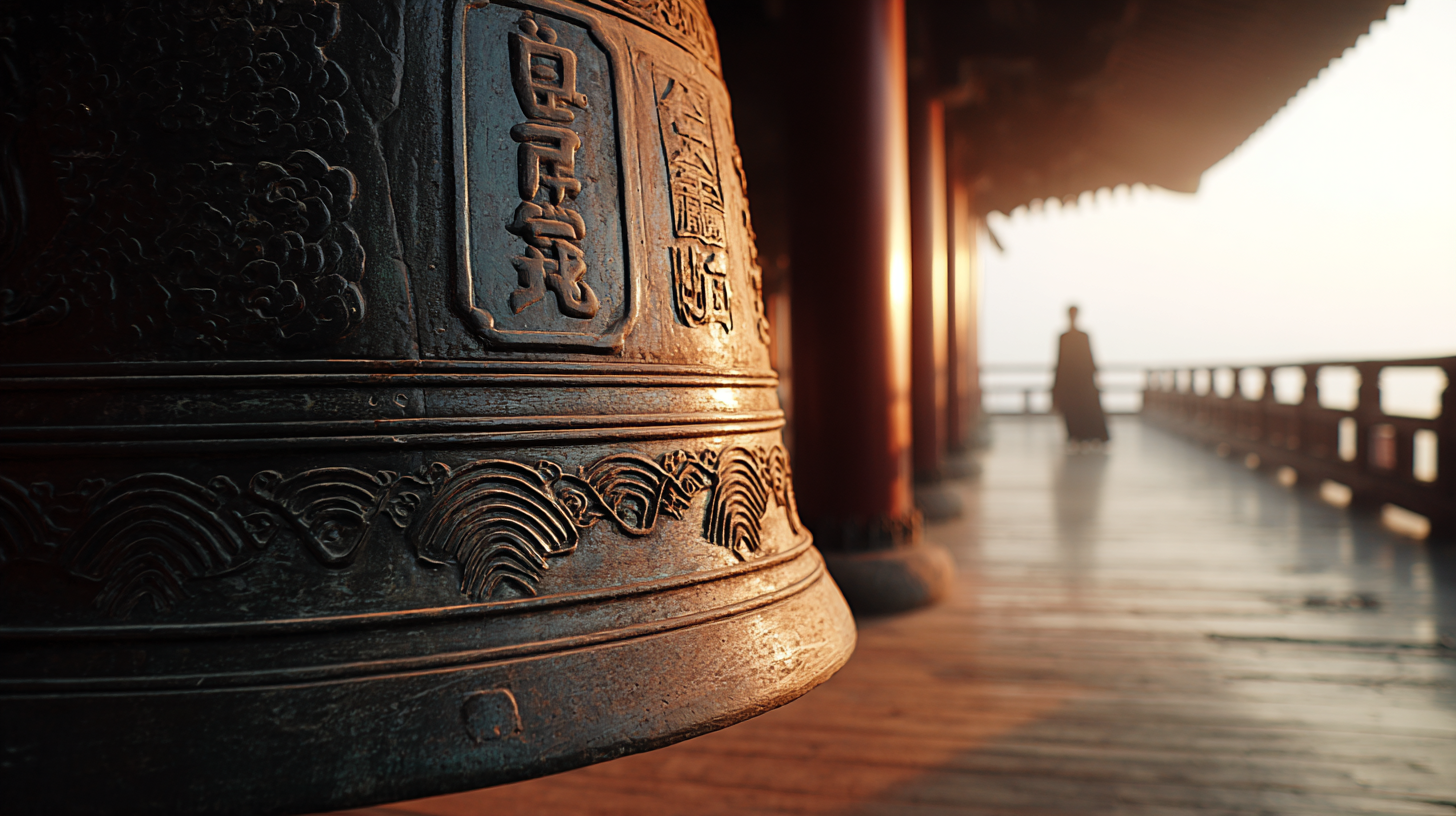
Wellness practices in Korea often operate through communal formats rather than individualized self-optimization, which distinguishes them from Western wellness culture and makes them analytically useful. Jjimjilbangs function as social recovery spaces where heat, rest, and routine create a predictable physiological reset, while temple stays offer structured simplicity that reframes attention and time rather than delivering “transformation promises.” These practices share a maintenance logic: repeatable, accessible, culturally legitimate, and not dependent on branding. Travelers benefit because the experience is both authentic and practical, providing recovery that supports the rest of the itinerary.
In the master structure, spirituality and wellness connect to nature, seasons, and city life, since temples are often embedded in landscapes, wellness routines shift with weather, and urban density increases the value of recovery spaces. That connectivity prevents the section from feeling like a separate “soft topic,” because it becomes another mechanism that sustains Korean life under speed and pressure. When framed this way, later internal links to temple stays or wellness guides become purposeful expansions, not detours. Density holds because the section remains about systems, not vibes.
If you’re curious about a slower, more contemplative side of Korea, explore our temple stay experience.
Food Culture: Eating as Social System and Regional Identity
If you’re looking for things to do in South Korea that feel truly local, start with markets and shared meals—food is the fastest cultural shortcut. Korean food is often marketed through famous dishes, but its deeper travel value lies in how meals operate as a social system that reveals hierarchy, sharing norms, and regional identity through repeatable rituals. The typical table is structured around variety and balance, with multiple side dishes reinforcing the idea that a meal is a collective field rather than an individual plate. Fermentation, seasonal ingredients, and preservation techniques connect cuisine to climate and geography, meaning that food becomes a map of environmental adaptation. For travelers, this turns eating into cultural reading, because you learn behavior, values, and place through routine dining situations.
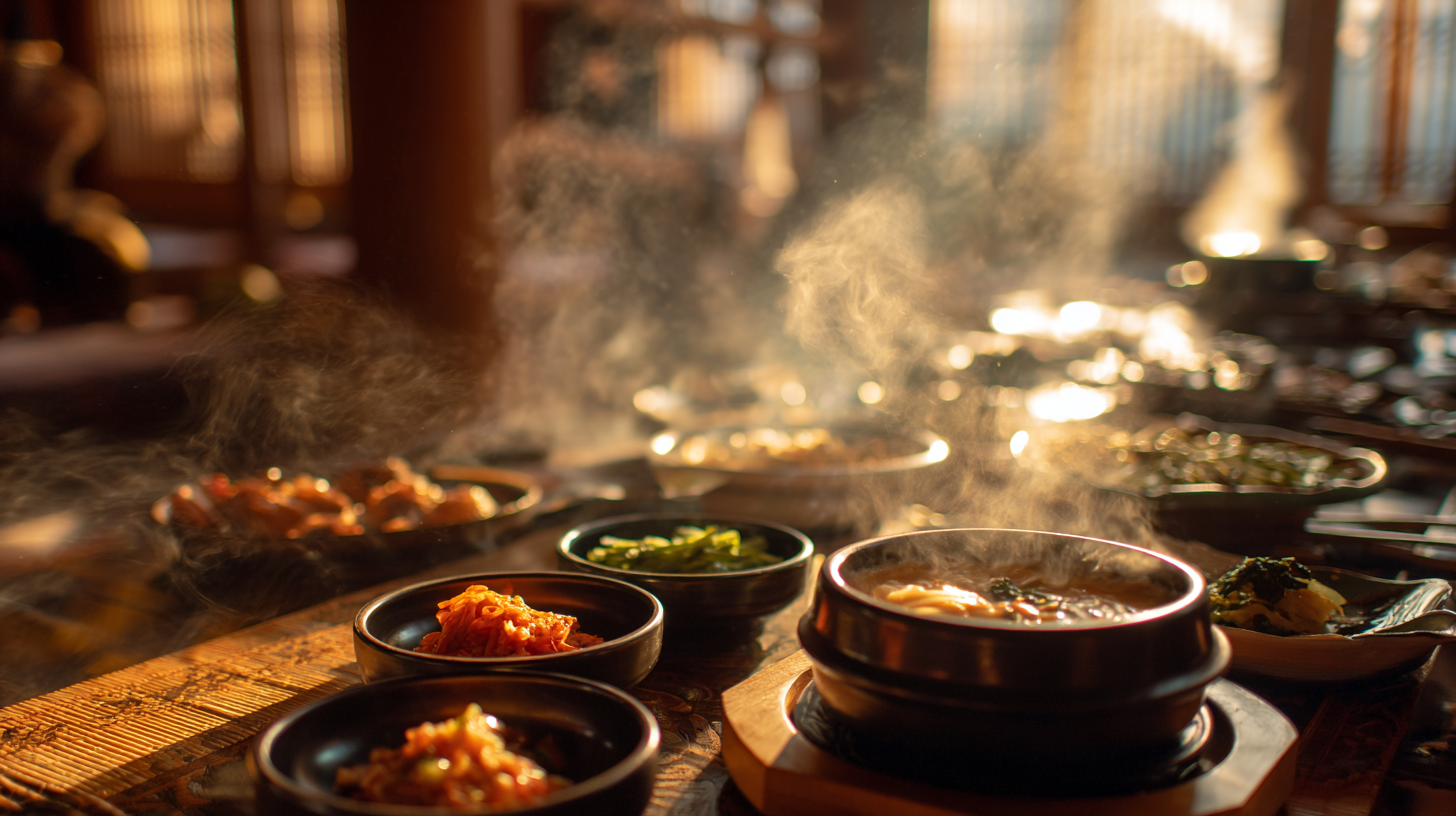
Regional variation matters because it prevents “Korean food” from collapsing into a single stereotype, while still maintaining recognizable principles across the country. Coastal areas emphasize seafood and market culture, inland regions highlight grains and soups, and major cities absorb global influence while preserving traditional formats of sharing and sequencing. This variation pairs naturally with travel movement, since each city or region can offer a distinct food signature without requiring a dramatic change in dining grammar. A master overview should therefore treat food as identity infrastructure rather than as a tourist indulgence.
Within the broader article, food connects to festivals, seasons, and social life, because communal eating intensifies during holidays, ingredient availability changes with weather, and street food districts function as social spaces as much as commercial ones. This connectivity keeps the food section analytically aligned with the earlier structural sections, since it still explains how society organizes experience. Later internal links to detailed culinary guides then become practical extensions for readers who want to act on the system-level understanding. Density stays high because the section remains mechanism-based rather than menu-based.
For a region-by-region approach to eating, start with our culinary journey through South Korea.
Festivals and Traditions: Collective Timing and Shared Memory
Festivals in South Korea matter because they operate as collective timing mechanisms that synchronize communities, reinforce local identity, and connect modern life to seasonal and historical cycles. Many festivals emerge from agricultural rhythms, regional folklore, or commemorations, and even when modernized they preserve a structure of gathering, shared food, and patterned behavior. This structure temporarily reshapes public space, turning streets, parks, and waterfronts into stages of participation rather than backdrops of consumption. For travelers, festivals provide concentrated access to cultural logic, because you see how people coordinate meaning together.
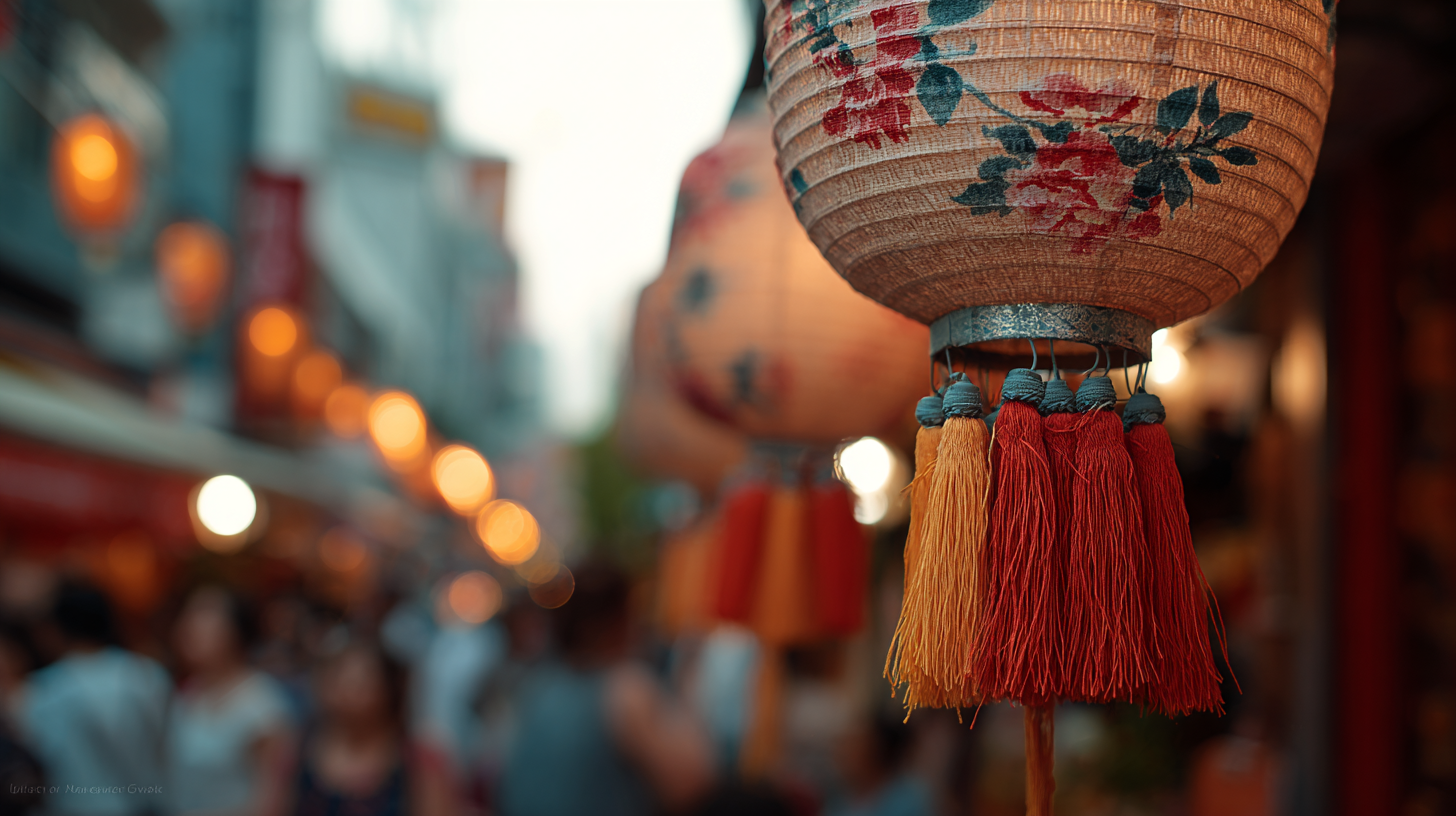
Tradition in Korea also functions through everyday rituals that are less visible than major festivals, such as respect practices, holiday travel patterns, and family-centered commemorations that influence business hours and city rhythms. These practices matter for travel planning because they affect availability, crowds, and atmosphere, while also offering opportunities to observe cultural continuity in real time. A master article frames festivals not as entertainment options but as social infrastructure, since their role is to maintain belonging, memory, and seasonal structure. This framing keeps abstraction consistent with earlier sections about time and systems.
When festivals are understood as a layer that connects geography, food, and community, the section avoids becoming a thin list of dates and instead becomes an explanation of why Korea “feels different” at certain times of year. The traveler can then choose between cultural immersion and logistical simplicity with clearer expectations, rather than being surprised by closures or crowd patterns. Later internal links to festival-focused articles become the obvious place to go for calendars and specifics, because the master overview already established why festivals matter. Density remains stable because the section explains function, not just content.
For the biggest events and what they’re known for, see South Korea’s most spectacular festivals.
Hallyu and Pop Culture: Cultural Export as Identity Amplifier
Hallyu—the global spread of Korean music, drama, film, and style—is best understood not as a marketing miracle but as an identity amplifier that reflects domestic creative systems and then feeds back into national confidence. Pop culture draws from local aesthetics, social themes, and urban spaces, which is why it remains anchored to place even when consumed globally. The export layer then reshapes travel behavior, because visitors arrive with mediated expectations, seek recognizable locations, and engage with Korea through narrative familiarity. In a master article, Hallyu matters because it connects the country’s internal cultural production to its external perception, creating a loop that changes how Korea is visited and interpreted.
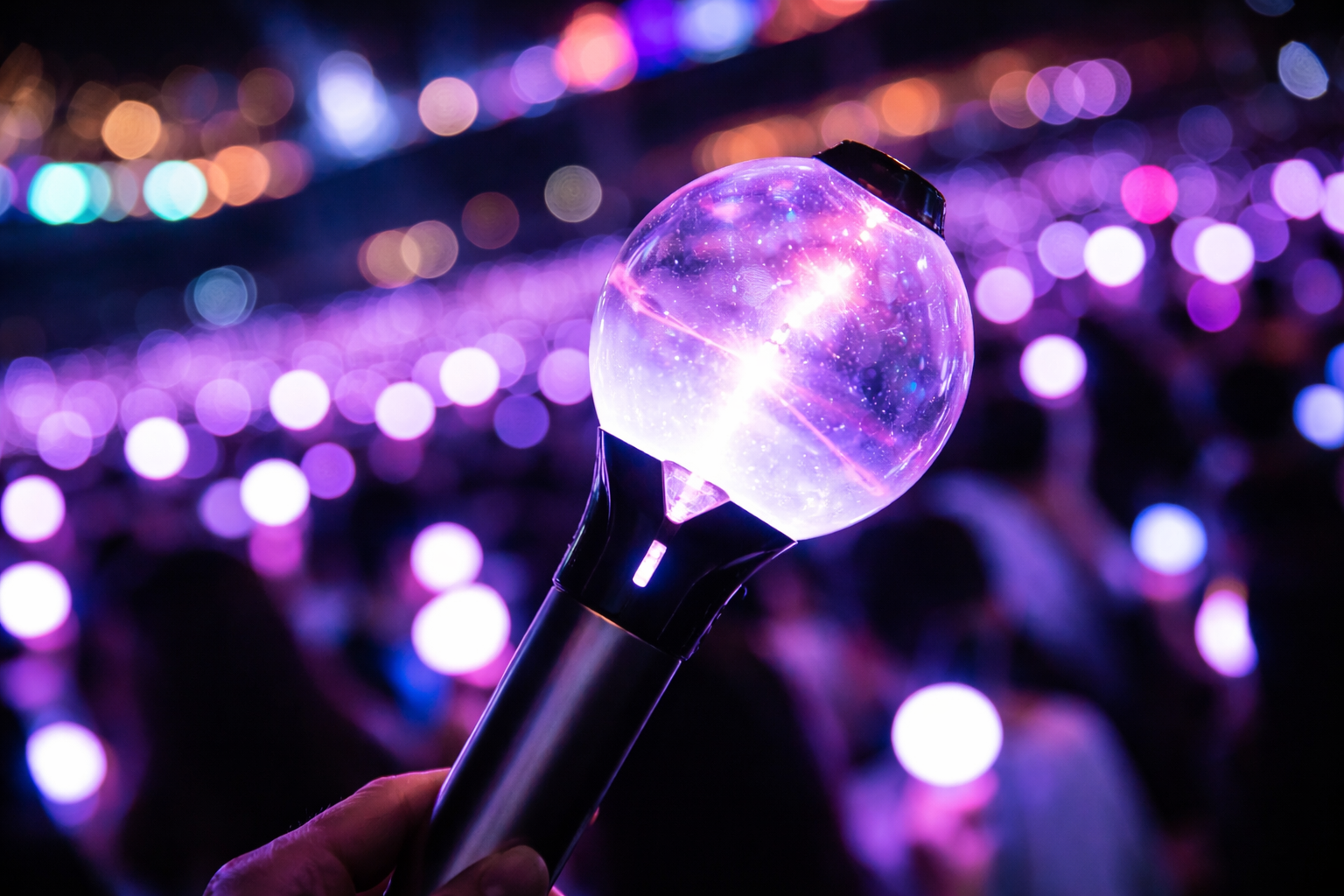
The key point is that pop culture in Korea is not detached from everyday infrastructure; it is embedded in neighborhoods, studios, concert venues, fashion districts, and commercial corridors that operate as normal city space when the cameras are off. This embedding makes it possible for travelers to move from fandom-oriented experiences into broader cultural exploration without needing a separate itinerary logic, since the locations are still meaningful beyond their celebrity associations. A system perspective therefore treats Hallyu as one expression of Korea’s urban creativity and digital distribution capacity, rather than as a standalone tourist niche. That keeps abstraction consistent, because the topic remains about how society produces and circulates meaning.
For planning, Hallyu works as an entry point that can broaden into language curiosity, design interest, nightlife exploration, or shopping behavior, depending on what the traveler chooses to follow. The master view should show that pathway clearly: media leads to place, place leads to systems, and systems lead to deeper understanding. Later internal links to dedicated pop-culture articles then become purposeful, because the reader already sees Hallyu as a layer of the larger structure rather than as a distraction from “real Korea.” Density remains high because the section explains mechanisms of cultural circulation and spatial anchoring, not merely popularity.
If you’re traveling through the lens of K-pop and K-dramas, our guide to riding the Hallyu wave is the natural next step.
Shopping, Fashion, and Urban Trends: Consumption as Participation
Shopping in South Korea is not only about purchasing; it is also a form of participation in urban rhythm, because districts, markets, and malls operate as social spaces where trends are observed, performed, and refreshed at high frequency. Fashion cycles move quickly due to dense youth culture, strong visual media influence, and digital distribution, which means that consumer space becomes a living indicator of what the city values right now. Traditional markets persist alongside hypermodern retail, creating a layered commercial landscape that mirrors the country’s broader pattern of integration rather than replacement. For travelers, this commercial layer becomes informative when framed as social observation rather than as itinerary filler.

Markets offer a different signal than branded districts, because they preserve local routines—food stalls, household goods, repeated vendor relationships—while still adapting to modern needs through packaging, signage, and tourist accessibility. Contemporary shopping areas, by contrast, display Korea’s design sensibility and trend transmission speed, making them useful for understanding how modern identity is performed in public space. A master article treats both formats as complementary, because both reveal how Koreans negotiate tradition and novelty through everyday choices. This keeps the section at the same abstraction level as earlier city and technology sections, since it remains about systems of behavior.
From a travel perspective, shopping and fashion connect directly to Hallyu, technology, and nightlife, because the same districts often host media-driven trend consumption, digital payment convenience, and evening social scenes. When the section explains those connections, it becomes structurally dense rather than merely descriptive, and it points naturally toward deeper internal content on shopping guides or neighborhood breakdowns. Travelers who are not “shopping people” still gain value, because the point is not to buy but to understand how the city communicates identity through surfaces, choices, and circulation. Density holds because the topic stays analytical, explaining what consumer spaces do socially and culturally. These Seoul travel tips will save time: learn the district “grammar,” then explore by vibe rather than by a long checklist.
If shopping is part of your itinerary, our Seoul fashion and shopping guide covers the best districts and what to expect.
When Is the Best Time to Visit South Korea? Travel as Scenario, Not Weather
The best time to visit South Korea depends on your travel scenario—hiking season, festivals, food focus, or city nightlife. Spring often emphasizes renewal modes—parks, riversides, seasonal foods, and public festivals—while summer intensifies coastal movement and late-night urban patterns that change how cities feel and how time is used. Autumn amplifies mountain travel and harvest-linked traditions, producing high scenic payoff and strong cultural coherence, while winter compresses outdoor movement but expands indoor communal recovery through bathhouses, hot food culture, and seasonal celebrations. This scenario framing preserves the same system-level abstraction as earlier sections, because it treats timing as an organizing mechanism rather than as a comfort preference.

The practical value for travelers is that the “best” season becomes the one that matches their dominant interest, not the one that wins a generic popularity contest. If a visitor wants urban energy and coastal scenes, summer may be the correct scenario even with humidity, while a visitor who wants landscape structure and hiking culture will often find autumn more aligned with national rhythms. Winter can be strategically strong for travelers who prioritize lower crowd density, indoor cultural routines, and a different visual register of temples and mountains, while spring can suit those who want a broad mix of comfort, outdoors, and seasonal social life. A master article sets up these scenario choices clearly, then allows internal links to carry detailed calendars and micro-timing.
This scenario approach also supports repeat visits, because the country’s layers do not simply “look different” across seasons; they behave differently, producing distinct travel narratives with the same geography. Travelers who return in a different season often report that Korea feels like a new country, not because the infrastructure changed, but because the cultural system switched modes in predictable ways. When timing is framed as system mode, the planning becomes less anxious and more intentional, because the traveler chooses a coherent version of Korea rather than trying to force all versions into one trip. Density stays strong because the section continues to explain function—how timing organizes behavior—rather than listing months and temperatures.
Conclusion: Why South Korea Defies Simple Labels
South Korea defies simple labels because it is structured as a layered, interoperable system in which history, modernity, environment, and media operate simultaneously rather than sequentially. Geography shapes behavior through accessible nature and seasonal modes, history provides anchors that make rapid development intelligible, and cities serve as junction points where technology, culture, and consumer life circulate at high speed. The same coherence appears in food rituals, festival timing, and wellness practices, because each of these layers reinforces shared rhythm rather than competing for attention. A master understanding therefore comes from seeing relationships, not from collecting attractions.

For travelers, this structural clarity changes how the country is experienced, because you begin to anticipate how one layer will lead into another, and you plan with less randomness and more alignment. The most useful mindset is to treat Korea as a set of connected entry points—nature to spirituality, pop culture to neighborhoods, technology to mobility, food to social logic—so that each experience deepens the next instead of feeling like a separate stop. This is also the logic that supports internal linking, because specialized articles become natural expansions of a system the reader already understands at a high level. When the overview holds its density through the end, it leaves the user with a stable mental model, not a fading impression.
South Korea is therefore best approached as a coherent rhythm made of contrasts that cooperate, not as a collage of unrelated highlights. If you understand the rhythm, you can choose a season scenario that matches your intent, pick cities that fit your preferred layer, and move between tradition and modernity without losing orientation. That coherence is the country’s real advantage as a destination, because it allows variety without confusion and depth without isolation. A good master article does not try to “finish” Korea; it gives you the structure that makes every return visit more readable.