Modern South Korea moves fast—cities glow late into the night, daily life runs on precision, and even travel can feel like a sprint if you let it. That’s why a temple stay in South Korea can feel so powerful: it doesn’t just offer “quiet,” it offers a different operating system. You step into a place where time is structured by bells, attention is trained through small rituals, and silence isn’t awkward—it’s normal. The point isn’t to escape Korea, but to meet another side of it: calm, disciplined, and deeply human.

This isn’t a history article, and it’s not a “top temples to visit” checklist. A temple stay is about participation, not sightseeing: waking early, eating simply, practicing mindfulness, and learning how to be present without constant input. For some people it’s spiritual; for others it’s psychological—like hitting a reset button for the mind. Either way, it’s one of the few experiences that can change how you feel inside a trip, not just what you saw on it.
In this guide, you’ll learn what to expect, how to choose a program that fits your personality, what a typical schedule looks like, how strict things really are, and how to prepare so it feels meaningful rather than stressful. If you’re curious but unsure whether it’s “for you,” this will help you decide with confidence—and if you already know you want to do it, it will help you do it well.
If you’re curious how Buddhist practice looks in a different cultural context, see our guide to Buddhism in Thailand.
What a Temple Stay Actually Is (and What It Isn’t)
A temple stay is a structured overnight program hosted by Buddhist temples, designed to let visitors experience a simplified version of temple life. Depending on the location and program, you might participate in meditation, chanting, mindful walking, communal meals, and short talks with monks. Some stays are quiet and contemplative; others are more interactive and beginner-friendly. The important thing is that the stay is built around routine, not entertainment.

What it is not: a luxury wellness retreat, a cultural show, or a place where you can freely treat the temple like a hotel. You’re entering a living space with its own rules and rhythms, and the experience works best when you respect that. You’re not expected to “believe” anything, but you are expected to cooperate with the schedule and the tone of the environment. That cooperation is what creates the calm.
If you go in expecting instant enlightenment, you’ll probably be disappointed. If you go in expecting a simple, structured environment that supports silence and reflection, you’ll likely leave feeling lighter than when you arrived. The value comes from repetition and restraint, not from dramatic moments. A temple stay in South Korea is less about “finding answers” and more about learning how to sit with your own mind without needing to fix it.
Choosing the Right Program for Your Personality
Temple stays vary more than people think, and choosing the right “type” can make the difference between feeling nourished and feeling trapped. Some programs are designed for beginners and include guidance, explanations, and gentle introductions to practices. Others assume you’re comfortable with silence and self-discipline, offering fewer instructions and more space to sit with yourself. Neither is better; they’re simply different tools.

If you’re new to meditation or nervous about rules, choose a program that openly welcomes beginners and describes its activities clearly. You’ll feel more relaxed when you know what’s expected, and you’ll be more likely to actually engage instead of just enduring. If you’re traveling to recover from burnout or emotional fatigue, a quieter program with more silence can be powerful, but only if you’re ready for the intensity of being alone with your thoughts. Silence is healing, but it can also be confronting.
Also consider the setting: mountain temples tend to feel more immersive and nature-focused, while temples closer to cities can be easier logistically and sometimes more flexible. If your trip is busy, a nearby option can still deliver the essence without turning travel into another stressor. Your goal isn’t to find “the best temple,” but the right fit for the experience you want from a temple stay in South Korea.
What a Typical Day Feels Like
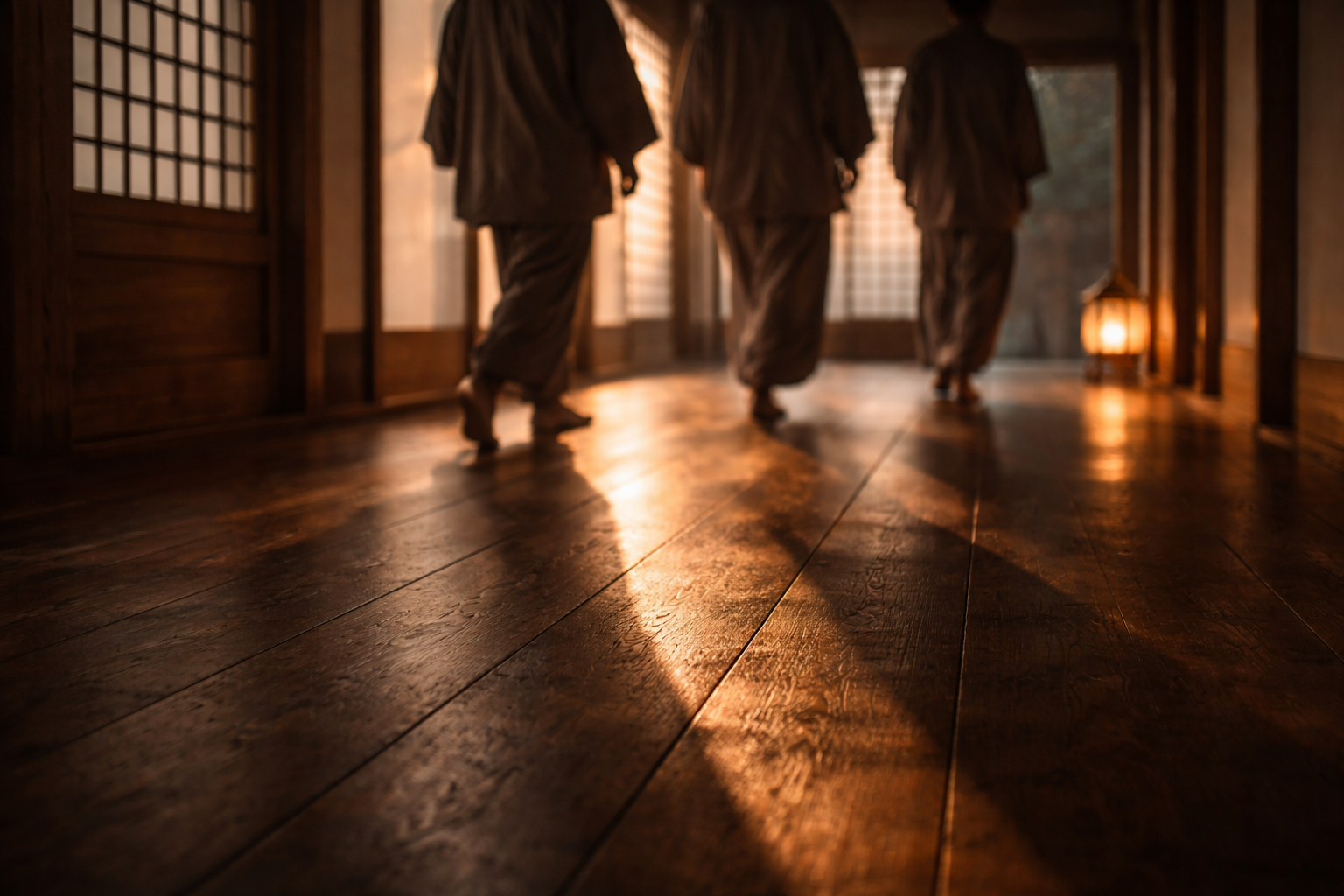
Most temple stays run on early mornings, simple meals, and structured sessions. You’re often woken before sunrise by a bell or drum that feels like it comes from the mountain itself. That moment can be disorienting on the first day, especially if you’re used to late nights in Seoul, but it quickly becomes part of the magic: the world is quiet, and you feel the day start from zero. Even if you’re tired, the air and the stillness carry you.

Activities commonly include meditation sessions, short teachings, chanting, and mindful movement. “Mindful” here isn’t a slogan; it’s the point. You walk slowly, eat slowly, speak less, and pay attention to small actions—how you set down a cup, how you breathe when you feel impatient, how your mind tries to fill silence. The day becomes a mirror that shows you your habits without judging you.

Evenings usually soften into quieter reflection, sometimes with tea time or a conversation session depending on the program. You’ll likely sleep earlier than usual, partly because there’s less stimulation and partly because waking early resets your body clock fast. What surprises many travelers is how quickly the mind begins to settle when the environment stops feeding it constant noise. By the end of day one, the quiet often feels less like “absence” and more like space.
Meditation, Chanting, and the Real Meaning of “Zen Vibes”
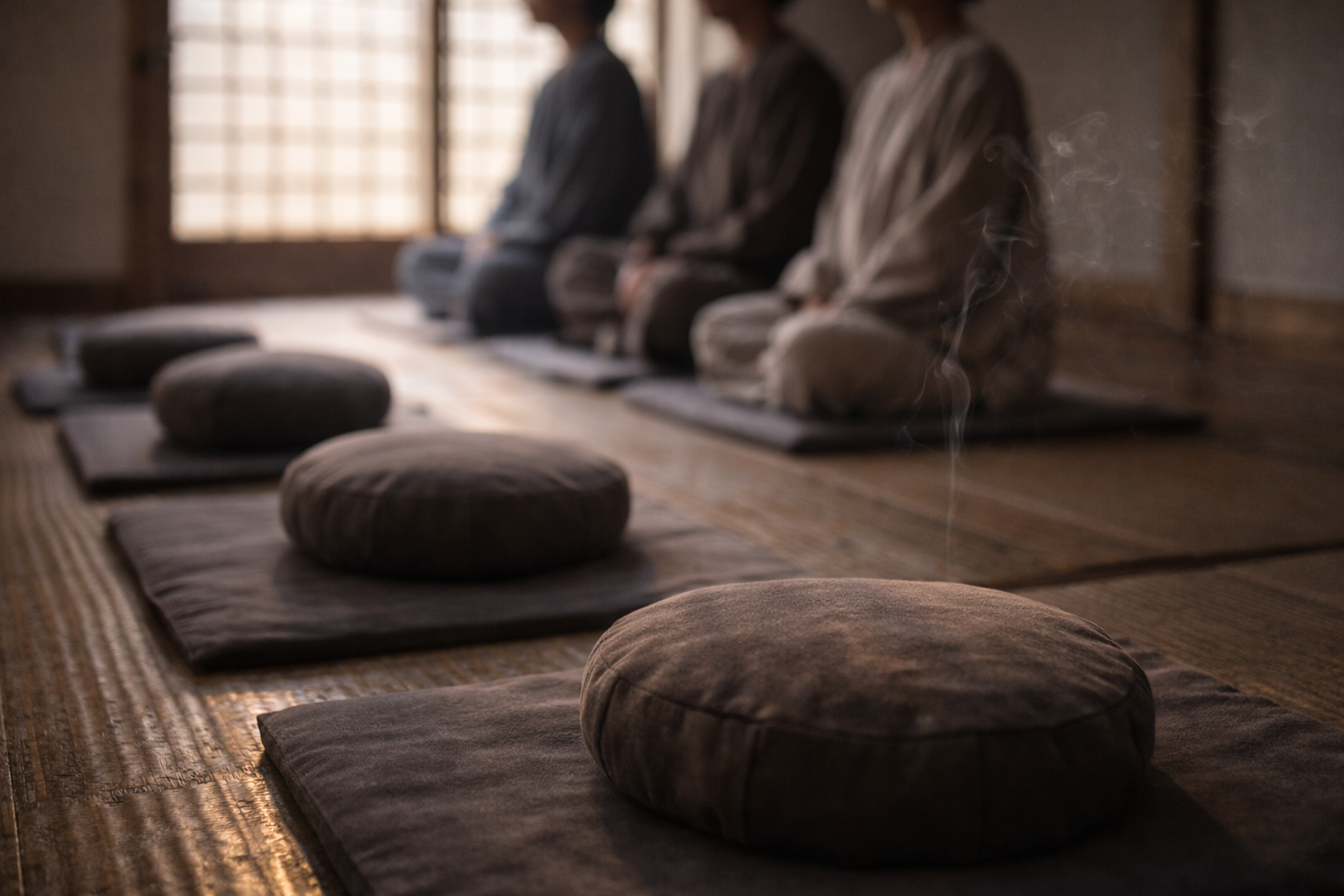
Meditation in a temple stay is usually simple and practical: posture, breathing, attention, returning when the mind wanders. You don’t need to be good at it. In fact, noticing how distracted you are is part of the learning, not a failure. Many programs use Seon meditation (Korean Zen), but it’s typically taught in a way that doesn’t require religious knowledge. It’s more like training attention than adopting a belief.

Chanting can feel foreign at first, especially if you don’t speak Korean. The point isn’t comprehension; it’s rhythm, breath, and collective focus. When done respectfully, chanting becomes less “religious performance” and more an experience of being carried by sound and repetition. You feel how the group stabilizes your attention, which is something many modern people rarely experience. It can be surprisingly grounding.
If your goal is a meditation retreat in Korea, a temple stay can be a gentle entry point because it provides structure without demanding long silent sits like more intense retreats. You’ll get a taste of contemplative practice in a culturally authentic setting, and you’ll learn what kind of silence you can handle. For some people, that alone is life-changing because it shows them a different relationship with their own inner noise.
Tea Time and Conversations with Monks
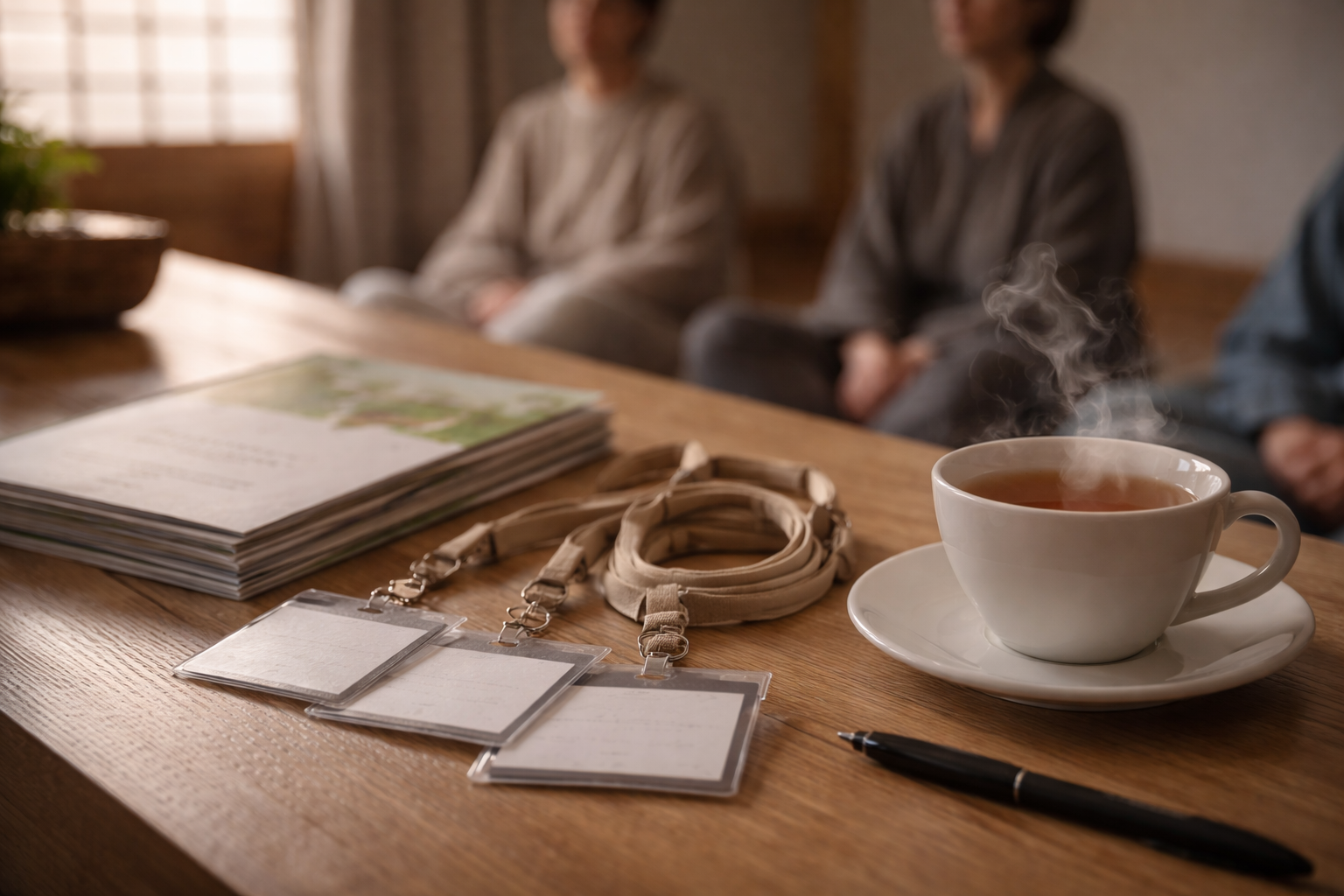
Tea time in temples is often where the experience becomes emotionally warm. It can include quiet sipping, mindful attention to small movements, and sometimes conversation with monks about daily life, stress, and philosophy. The tone is usually calm and unforced, not preachy. If you have questions, it’s a rare chance to ask them in an environment that encourages sincerity rather than debate.

The best way to approach these conversations is to stay grounded and practical. Ask about how to build a daily practice, how to deal with restlessness, what to do when your mind won’t settle, or how monks relate to modern life. You don’t need to ask “big cosmic questions” unless you genuinely want to. Often the most valuable answers are the simplest ones—because they’re actually usable.
Even if your program doesn’t include a formal talk, the etiquette of temple space itself teaches something. You see how people move, how they pause, how they create calm through behavior. Sometimes the most powerful “teaching” is simply noticing how different it feels to be in a space where no one is trying to impress anyone. That’s why a Buddhist temple stay can feel like therapy even when it’s not trying to be.
Temple Food, Simplicity, and Why It Matters
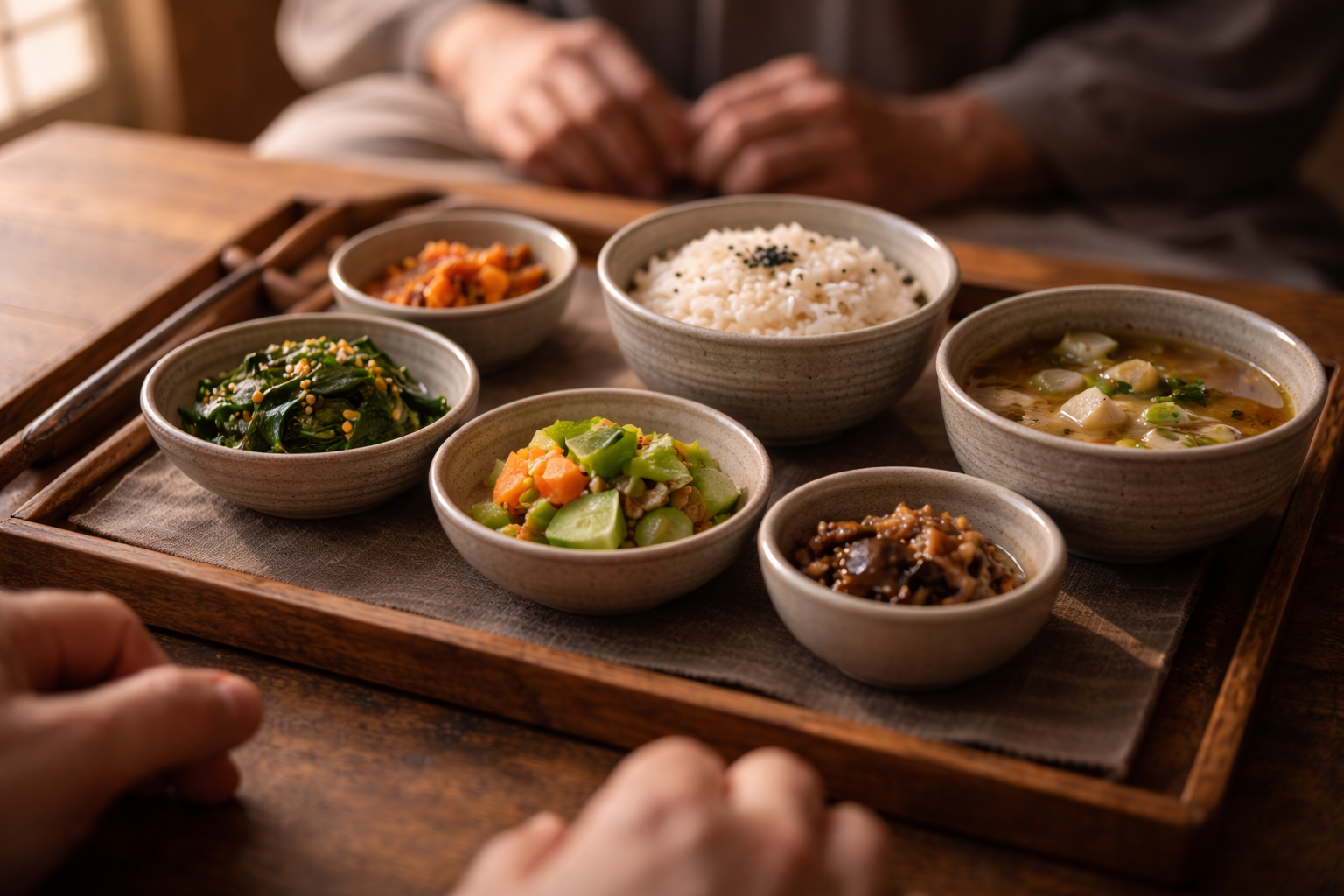
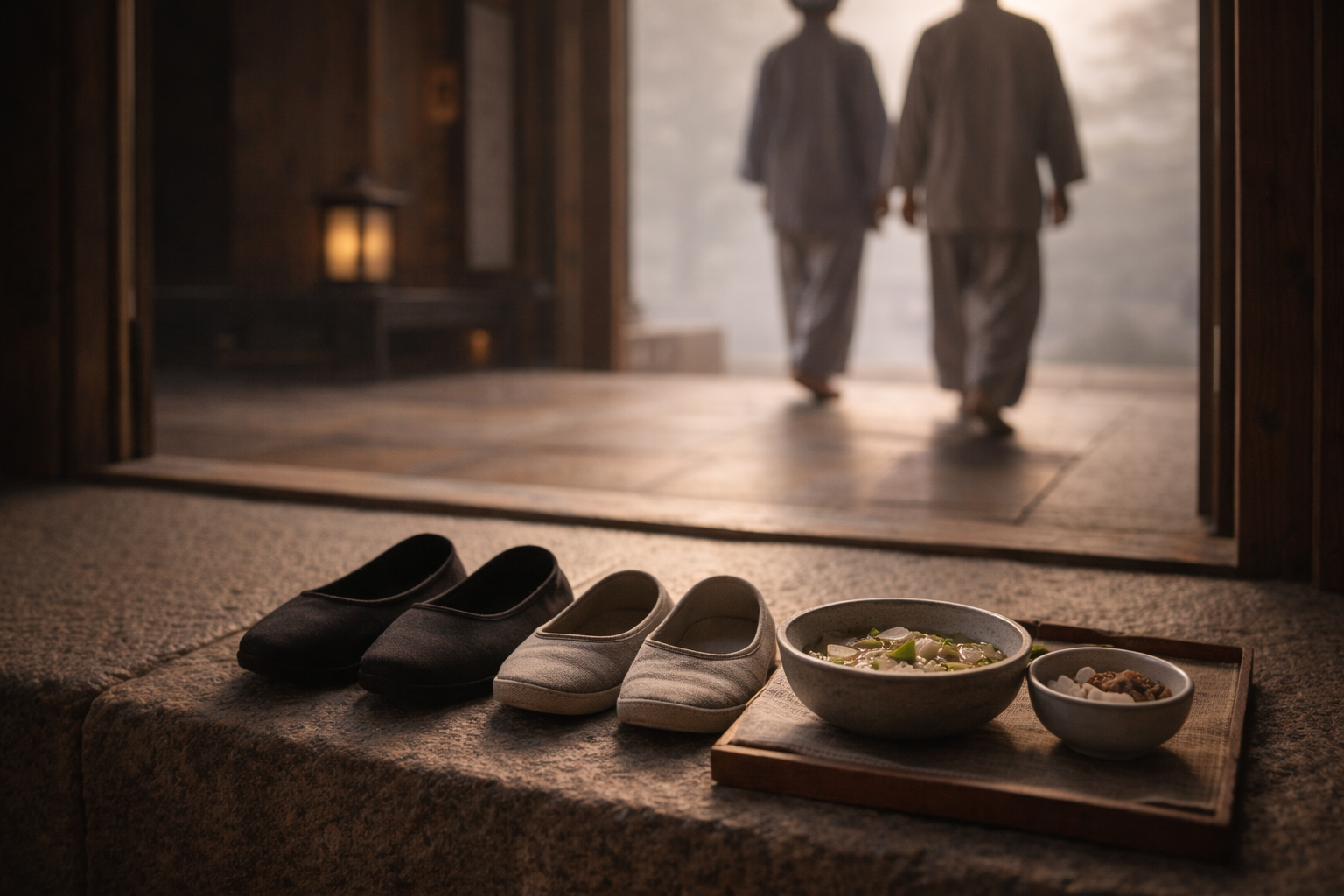
Meals in temple stays are usually simple, vegetarian, and designed to support clarity rather than indulgence. The purpose isn’t “health trends”; it’s discipline, modesty, and respect for the act of eating. Many programs encourage mindful eating, which means fewer distractions, slower pace, and attention to what’s on your plate. When you eat like that, even simple food starts to feel surprisingly rich.

If you’re used to travel where meals are rushed or eaten while planning the next stop, temple meals can feel like a reset. You notice hunger more clearly, you notice satisfaction more clearly, and you realize how much of your eating is habit rather than need. This can be uncomfortable at first, but it becomes freeing when you stop fighting it. You don’t have to “love” temple food; you just have to meet it honestly.
For many travelers, this is one of the most transferable parts of the experience. You leave realizing that calm is often built by small actions repeated consistently, not by huge life changes. That lesson stays with you longer than a beautiful view.
Rules, Etiquette, and What You Can Relax About
Yes, there are rules—but most are common sense once you understand the intention behind them. The main idea is to protect the atmosphere: keep noise low, follow the schedule, dress modestly, and respect shared spaces. Many programs ask participants to avoid alcohol, loud conversations, and sometimes phone use during certain periods. These constraints aren’t punishment; they’re scaffolding that makes stillness possible.

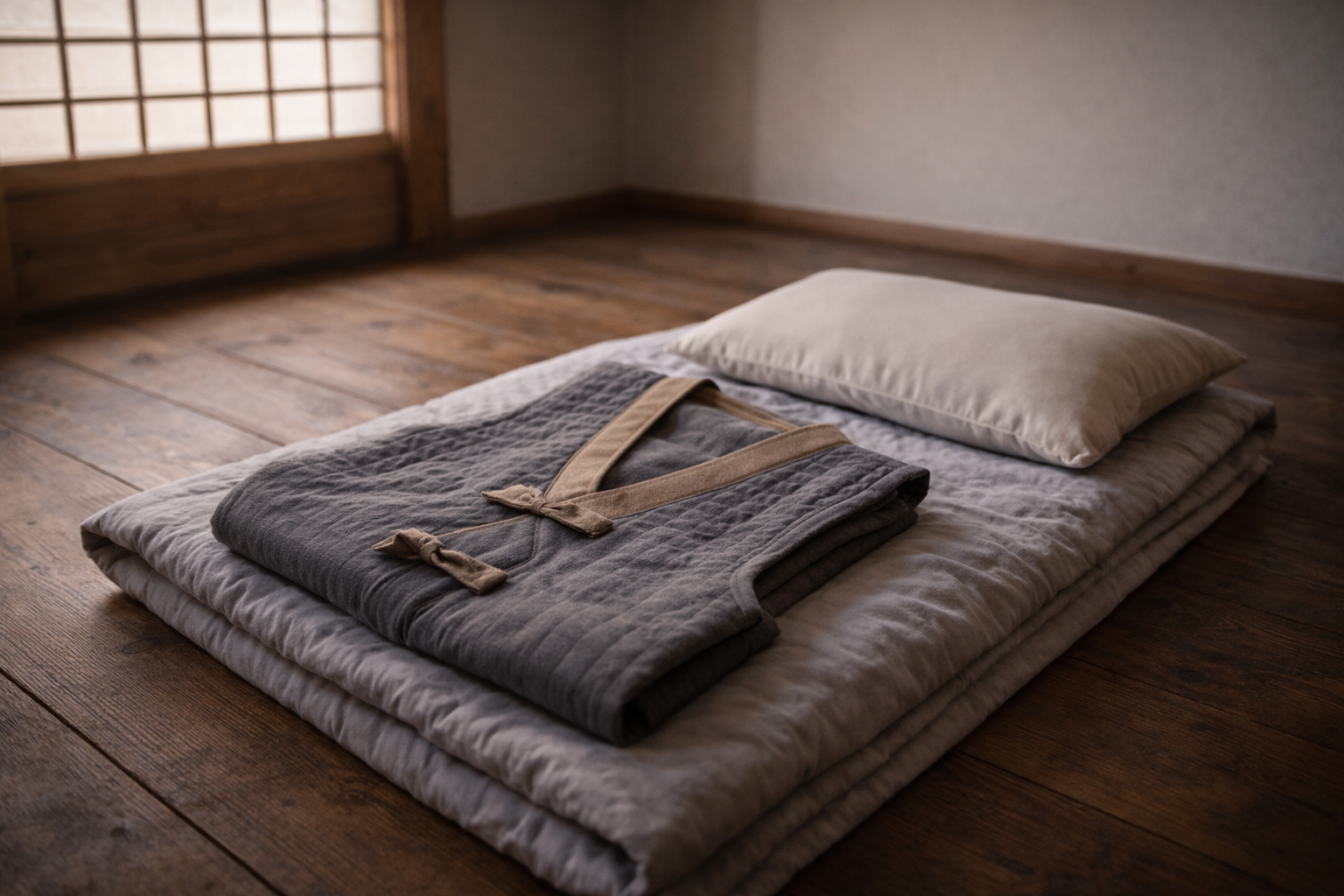
Dress is usually simple: long pants, covered shoulders, and comfort for sitting and walking. You may receive temple clothing (often a vest or set), which helps shift your mindset because you stop performing your usual identity. If you’re worried about “doing something wrong,” don’t overthink it—just watch how others behave and mirror the tone. Temples are typically used to beginners.
The biggest etiquette tip is internal: don’t treat the temple like a backdrop for content. Take photos when allowed, but don’t let documenting become your main activity. If you enter the stay like a consumer, you get a consumer experience. If you enter it as a participant, you get the real benefit.
What to Pack and How to Prepare
You don’t need special gear, but you do need practical items that support comfort. Bring layers because temples can be cool in the morning and evening, even in warmer seasons. Comfortable shoes matter because you’ll move around grounds and walk between buildings. A small personal towel is useful, and a refillable water bottle is always a good idea. If you’re sensitive to light or sound, a simple sleep mask or earplugs can help.

Preparation is mostly mental. Go in expecting discomfort in small forms: waking early, sitting still, being bored, not reaching for your phone, noticing restless thoughts. That discomfort is part of the design; it’s what reveals your automatic behaviors. If you frame it as “training,” you’ll handle it better than if you frame it as “failure to relax.” Some people feel calm immediately, and some people feel agitated at first—both are normal.
If you want the stay to feel meaningful, choose one intention before you arrive. It can be simple: “I want to sleep better,” “I want to reduce noise in my mind,” “I want to experience silence,” or “I want to learn one practice I can do at home.” A clear intention makes the experience more cohesive and stops your mind from turning it into a random novelty.
Costs, Booking, and Logistics
Costs vary by temple and program structure, but many stays are reasonably priced compared to typical accommodation, especially given that meals are often included. The biggest variable is not luxury—it’s program type, location, and duration. Some programs are one night, others extend longer, and some offer weekend formats that suit normal travel itineraries. Booking is usually required, and availability can change seasonally.

If your schedule is tight, a one-night stay can still be worthwhile, but two nights often allows the experience to deepen because day one is mostly adjustment. If you’re already traveling fast, consider placing the temple stay as a “pivot point” in your trip—after a busy city segment and before moving on. That gives you a genuine reset rather than an isolated calm moment surrounded by chaos. The stay becomes part of the trip’s rhythm, not a detour.
[GetYourGuide Tip]: If an overnight temple stay doesn’t fit your schedule, a guided temples & shrines tour in Seoul is an easy way to get the cultural context without the logistics.
A temple stay in South Korea works best when you treat it as a different mode of travel rather than as another activity. Plan for slower transition time, arrive without rushing, and don’t schedule something intense immediately afterward. Give the experience room to land.
For the most reliable availability and program details, start with the official Templestay website.
Conclusion: Why Temple Stays Stay With You
A temple stay is one of those rare travel experiences that changes your internal pace, not just your photo album. You leave with a clearer sense of how much noise you carry, how quickly you reach for distraction, and how calming simple routine can be when it’s built with intention. Even if you don’t “become spiritual,” you often leave with more respect for stillness as a skill. That alone is valuable.

The best reason to try a temple stay in South Korea is not to chase a mystical moment, but to experience an environment designed for attention. In a world built to fragment focus, temples do the opposite: they pull your attention back into the present through repetition, simplicity, and quiet. Whether you come for curiosity, recovery, or a deeper inner reset, the experience has a way of meeting you where you are. And sometimes that’s exactly what travel should do.