

Bahrain wildlife reveals a hidden natural richness beneath the island’s modern skyline. While Bahrain is often associated with its modern skyline and dynamic cultural life, the island also hides an unexpectedly rich natural world. Beyond the cities lie ecosystems shaped by warm gulf waters, resilient desert landscapes, and centuries-old migration routes. These environments reveal how life adapts to extremes and thrives in quiet, often overlooked spaces. Exploring them offers a deeper understanding of Bahrain’s character — a blend of progress and preservation. For travelers seeking more than urban sights, Bahrain’s wildlife provides a refreshing and immersive experience.
Explore more: Tourism and Leisure in Bahrain
Bahrain Wildlife: Exploring the Marine Ecosystem
The shallow waters surrounding Bahrain are home to vibrant coral reefs that support fish, turtles, crustaceans, and countless small organisms. These reefs create complex underwater habitats that act as natural shields for the coastline and essential feeding grounds for marine life. Their colors and textures form a living tapestry that reflects the overall health of the Gulf. Observing these ecosystems reveals how interconnected marine species truly are. Healthy reefs sustain biodiversity far beyond the waterline.

Among Bahrain’s most unique marine residents is the dugong, a gentle herbivore that relies on seagrass meadows for survival. Bahrain’s waters represent one of the species’ last safe havens worldwide, making their presence both rare and significant. Watching a dugong move slowly beneath the surface highlights the fragility of the marine environment. Their survival depends on clean, stable ecosystems that can support their feeding patterns. Protecting these habitats ensures that future generations can continue to witness these remarkable creatures.
Wildlife of Bahrain’s Desert Landscapes
A significant part of Bahrain wildlife survives in its surprisingly rich desert landscapes. Bahrain’s desert may seem minimal at first glance, but it supports a surprising variety of species that have learned to thrive in extreme heat and limited water. The Arabian oryx is the most iconic example — a majestic animal whose white coat stands out against the sandy landscape. Once nearly extinct, the oryx population has rebounded thanks to dedicated conservation efforts. Seeing them roam protected areas showcases both the beauty of the species and the importance of sustained preservation. Their recovery symbolizes resilience in one of the world’s harshest environments.
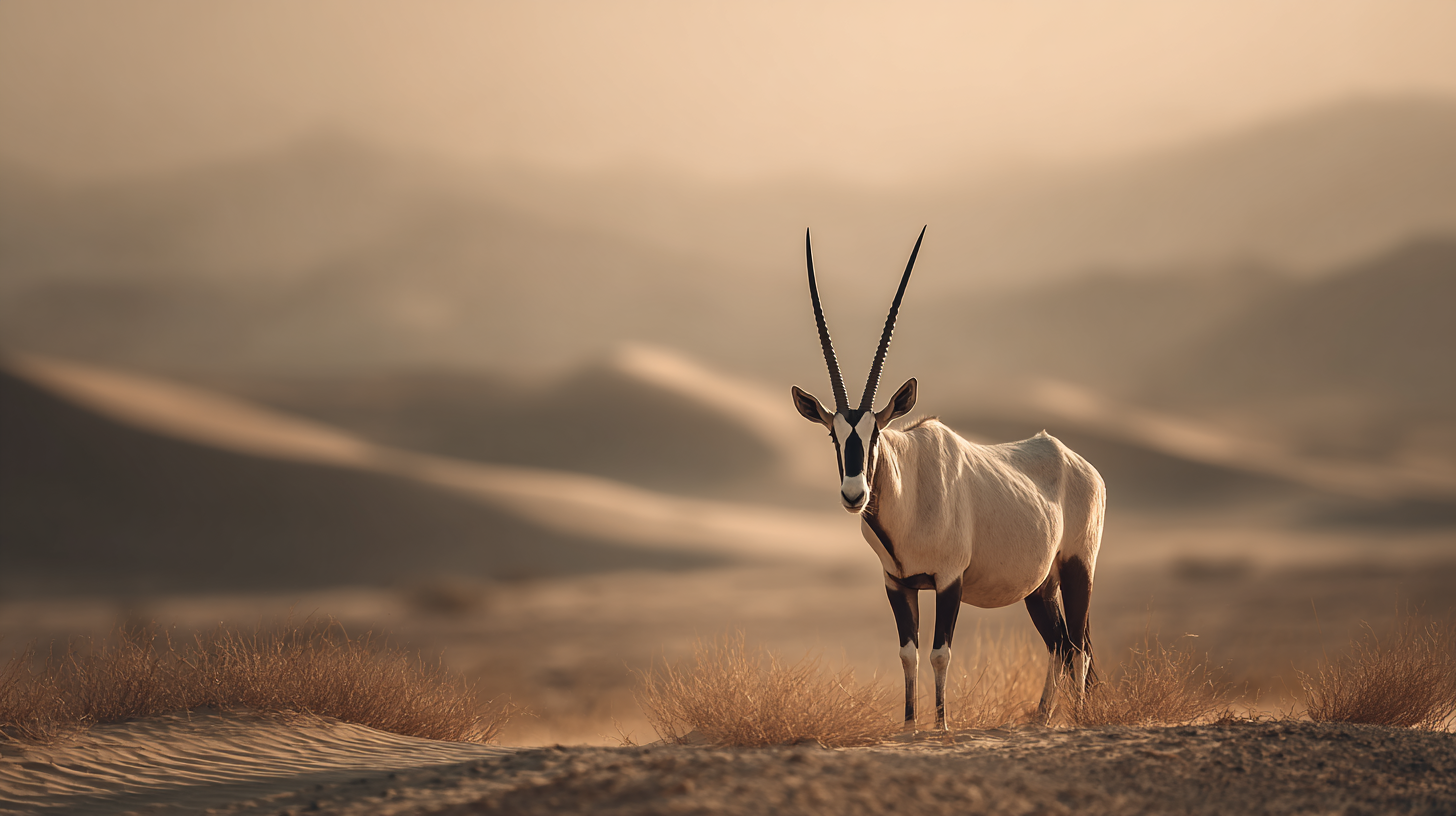
Beyond the oryx, the desert hosts foxes, gazelles, hedgehogs, and numerous reptiles that all play critical roles in maintaining ecological balance. Many of these animals are active only at night, using cooler temperatures to hunt and forage. Their presence demonstrates how life adapts to scarcity and survives through specialized behaviors. Even small creatures contribute to the health of the ecosystem by controlling insect populations and supporting predators. Together, they create an intricate and often unseen desert community.
Avian Diversity and Bahrain’s Role in Bird Migration
Bahrain’s geographical location places it along key migration routes, making the island an essential resting point for hundreds of bird species. During migration seasons, coastlines and wetlands fill with flamingos, herons, raptors, and dozens of other species. These gatherings transform the landscape into a dynamic and colorful environment. The arrival of these birds signals seasonal change and brings a unique sense of movement to the island. For birdwatchers, it’s an unforgettable natural spectacle.
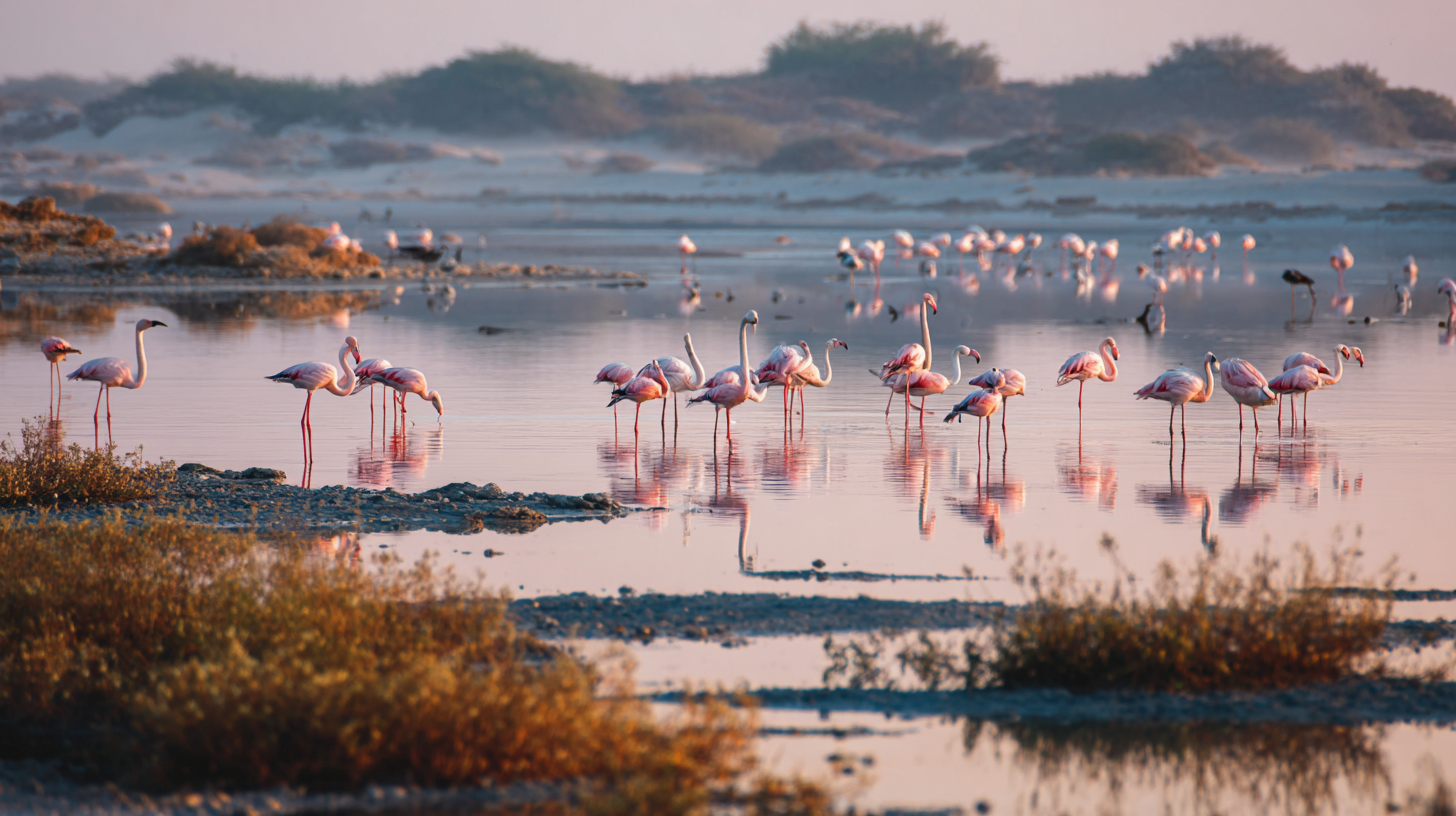
The Hawar Islands and Al Areen Reserve offer ideal habitats for these migratory visitors to feed and recover. These protected zones provide safety from urban development and human disturbance. Observing birds in these natural spaces highlights how important small islands like Bahrain are to global migration patterns. Without these stopovers, many species would struggle to complete their long journeys. Bahrain’s wetlands play a quiet but vital role in a worldwide ecological network.
Protected Areas and Conservation Initiatives
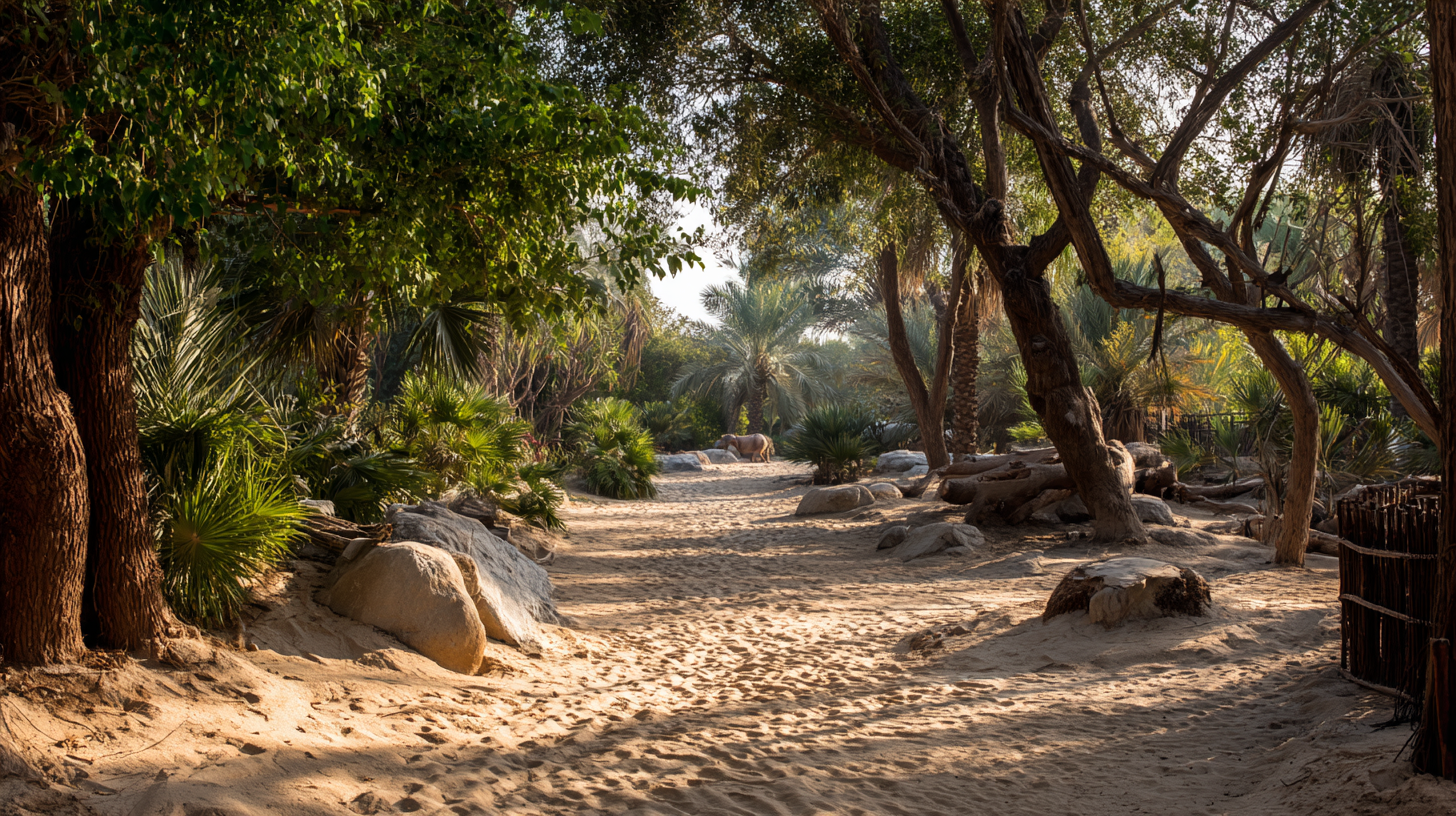
Protected areas play a crucial role in sustaining Bahrain wildlife for future generations. Bahrain has established protected areas to conserve its unique wildlife and habitats despite rapid economic development. The Al Areen Wildlife Park serves as an important center for breeding programs, rehabilitation, and public education. Visitors can learn about regional species while seeing firsthand how conservation efforts support long-term ecological health. These initiatives underscore how human involvement can help restore fragile populations. Managed habitats offer species a second chance at survival.
The Hawar Islands hold international recognition for their ecological value, especially as breeding grounds for rare seabirds like the Socotra cormorant. Their isolation and protected status create safe conditions for nesting that are increasingly rare elsewhere. These islands contribute significantly to Bahrain’s environmental strategy by preserving delicate ecosystems. Their continued protection demonstrates the nation’s long-term commitment to biodiversity. Without these safe zones, many species would face a sharp decline.
Marine Research and Environmental Protection
The diversity within Bahrain wildlife begins in its shallow marine ecosystems. Marine conservation is a priority in Bahrain due to the Gulf’s sensitivity to climate change and pollution. Seagrass beds and coral reefs are closely monitored to track shifts in water temperature and environmental stress. These habitats are essential for species such as dugongs and sea turtles, making their preservation a cornerstone of marine policy. Research teams work to identify threats and develop strategies to restore weakened areas. This scientific approach ensures that conservation decisions are guided by reliable data.
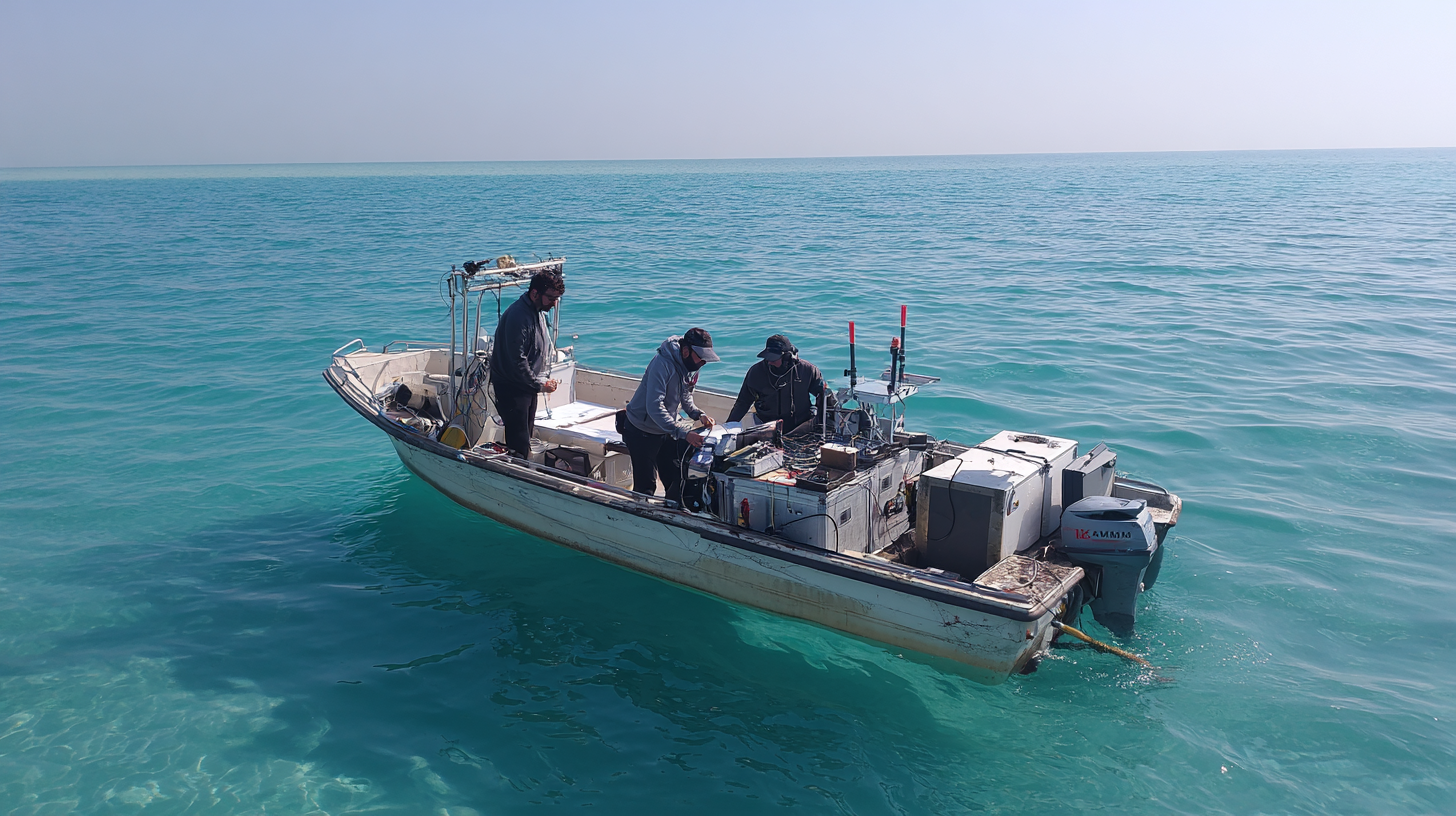
Collaborations with international environmental organizations help Bahrain strengthen its conservation programs. Joint studies provide insight into how local ecosystems fit into broader regional patterns. This knowledge supports the development of long-term protection plans suited to changing climate conditions. By staying aligned with global standards, Bahrain ensures that its efforts contribute meaningfully to worldwide conservation goals. These partnerships elevate both the quality and impact of environmental work on the island.
Rehabilitation and Species Recovery Programs
Bahrain’s breeding programs play a vital role in restoring wildlife populations that have suffered significant decline. The revival of the Arabian oryx is one of the country’s most notable successes, demonstrating how targeted efforts can bring endangered species back from the brink. Controlled breeding and careful reintroduction have strengthened the species’ numbers. Each new birth represents progress in reversing decades of loss. The program is a cornerstone of Bahrain’s conservation identity.
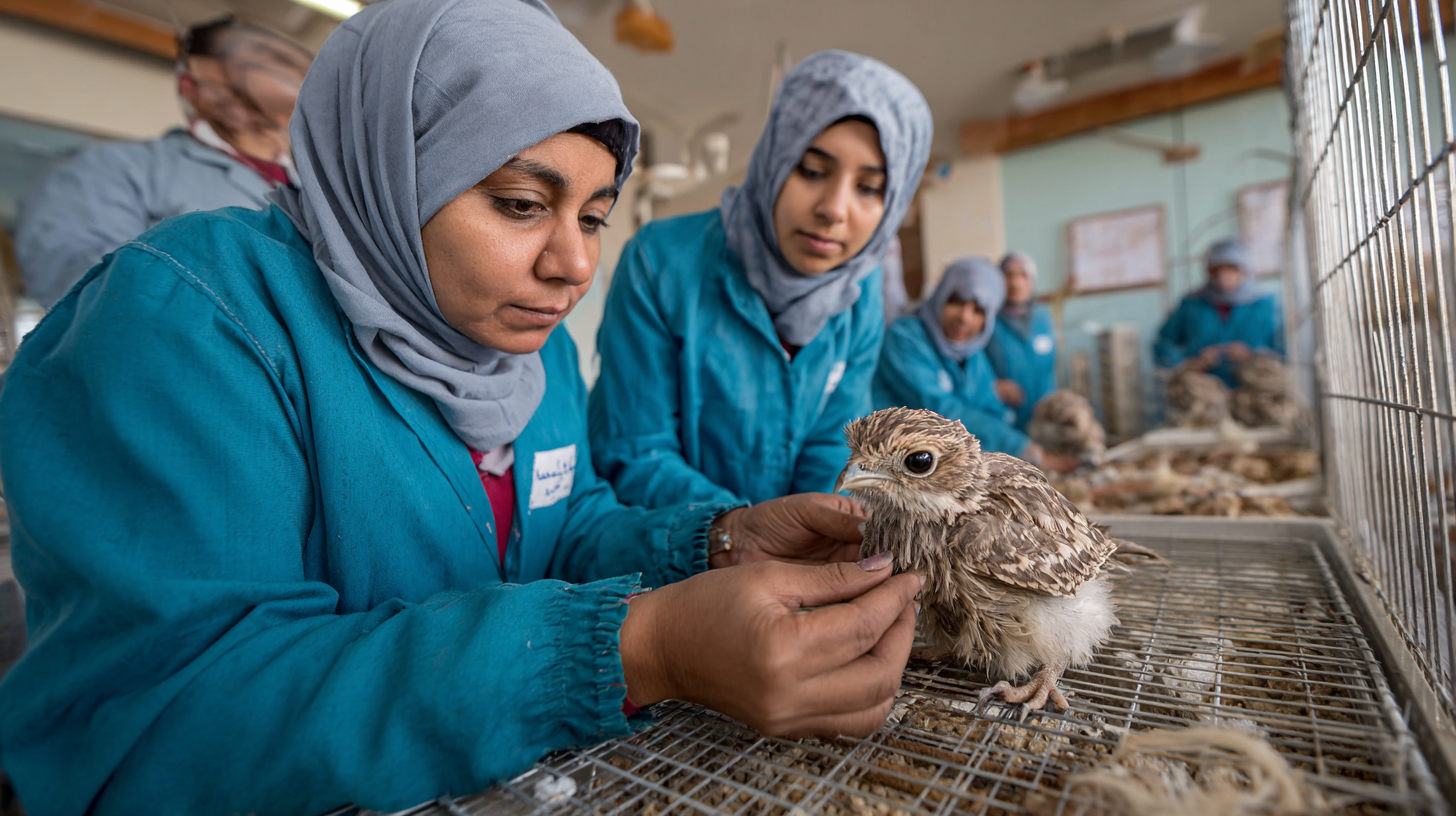
Rehabilitation centers across the island treat injured birds and small desert animals, preparing them for release back into the wild. These facilities provide essential care for animals affected by accidents, environmental hazards, or natural predators. By supporting these recovery efforts, Bahrain helps maintain healthy populations across multiple species. Each release back into the ecosystem reinforces the importance of compassionate, hands-on conservation. These programs demonstrate that even small-scale actions can produce significant ecological benefits.
Environmental Awareness and Community Engagement
Education forms an essential foundation for Bahrain’s conservation strategy. Schools, cultural centers, and community projects introduce residents to the importance of protecting natural habitats. Workshops and public events teach practical ways to reduce environmental impact and support wildlife. When people understand their role within the ecosystem, they are more likely to adopt sustainable habits. Environmental awareness becomes a shared cultural value rather than a niche interest.
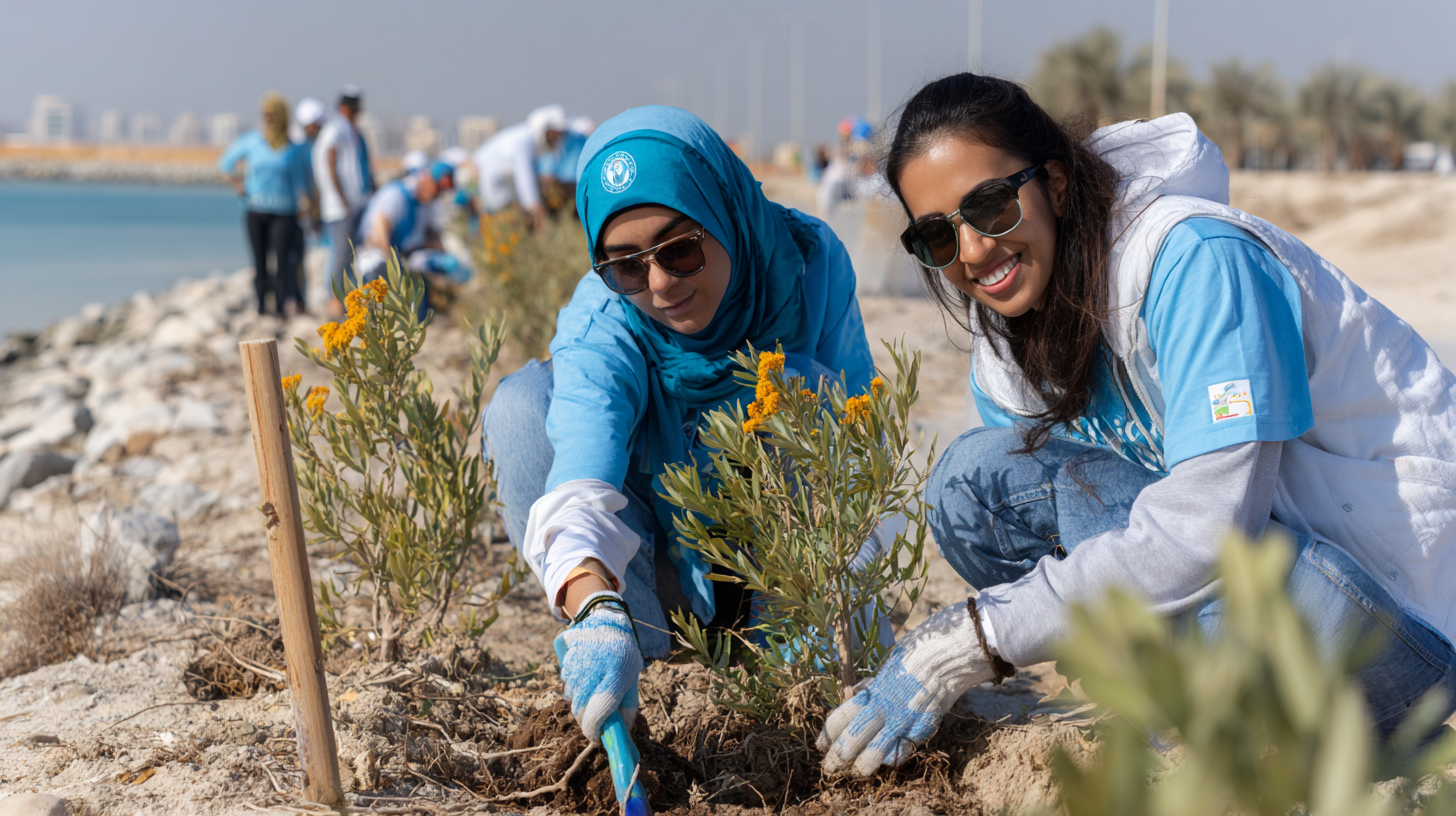
Community engagement transforms conservation into a collaborative effort. Local volunteers participate in clean-up initiatives, habitat restoration, and awareness campaigns throughout the year. These activities create a sense of ownership and pride in Bahrain’s natural spaces. When residents are directly involved, conservation programs gain strength and longevity. This cooperative approach ensures that environmental protection is woven into everyday life.
Conclusion
Bahrain’s wildlife offers a surprising and inspiring look into the natural richness of a small island nation. From coral reefs filled with marine life to deserts where the oryx has returned against all odds, each ecosystem reveals a story of resilience and adaptation. Migratory birds, protected habitats, and dedicated conservation efforts show how Bahrain balances modern development with environmental responsibility. These natural treasures are more than scenic additions — they are integral to the island’s identity. For travelers and locals alike, exploring Bahrain’s wildlife deepens the connection to a land where nature and progress coexist in harmony.
Learn more on Bahrain’s official tourism website.