
1. MUNCH, Oslo: Go Beyond a Single Famous Painting
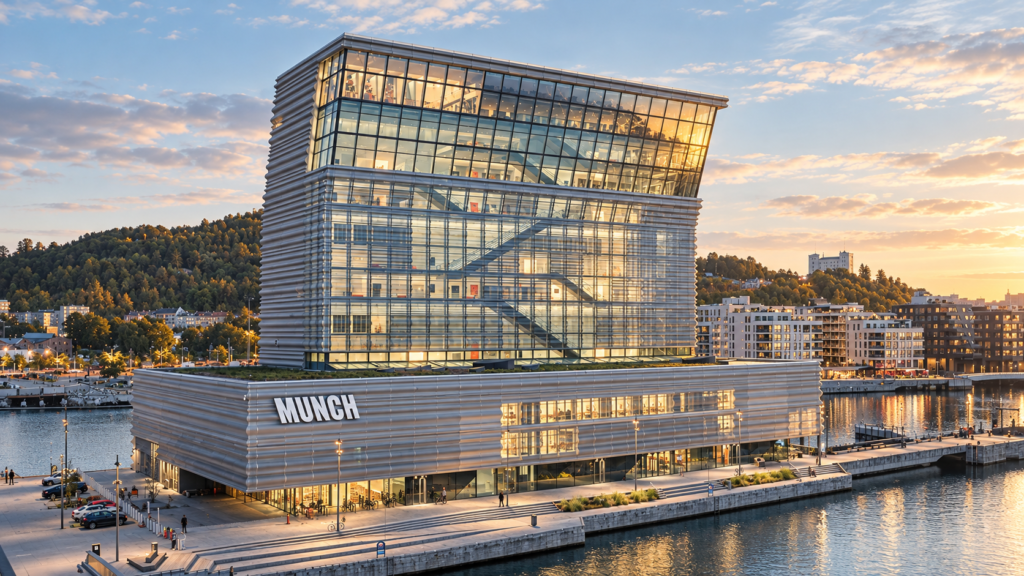
MUNCH is the natural choice when Edvard Munch is the main reason for your museum visit. The museum in Bjørvika gives his work room to be seen as a continuing artistic practice, rather than a single image reproduced on postcards.
Start with the collection displays, then choose any temporary exhibition according to your interests and available time. Looking at a small group of works carefully is more rewarding than rushing through every floor.
What to Know About The Scream
There is more than one version of The Scream. MUNCH displays a painting, a drawing and a print in rotation, with one visible while the others remain protected from light. You should not expect to see all three at the same moment.
The museum explains the arrangement on its official guide to seeing The Scream. If a particular version matters to you, ask about the current display arrangements rather than relying on an old photograph.
Suggested time: allow roughly two to three hours as a planning estimate, longer if you enjoy temporary exhibitions. Choose this as the main activity for a morning or afternoon, with a waterfront walk afterwards.
Useful pairing: Deichman Bjørvika and the surrounding waterfront. These give you a change of pace without adding another major museum immediately after the first.
2. The National Museum, Oslo: A Wider View of Norwegian Art
The National Museum, or Nasjonalmuseet, is the better starting point if you want a broad introduction to art rather than a visit focused on one artist. Its collection gives you a framework for placing Munch alongside other artists, periods and forms of visual culture.
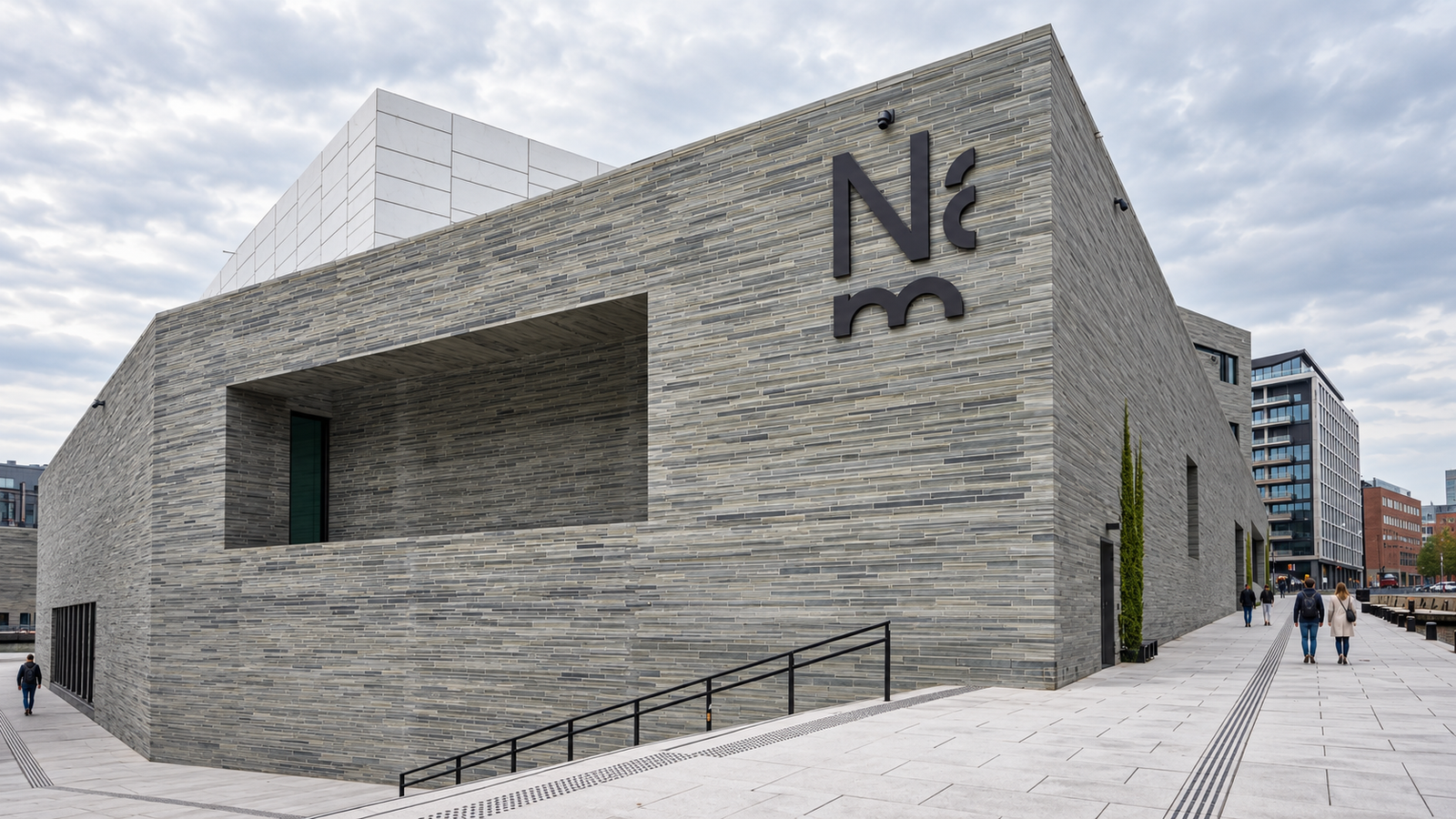
Use the current National Museum visitor information when planning. Older guides may direct you to the former National Gallery; do not assume that an old museum name or address leads to the current collection displays.
The museum’s collection includes Munch’s 1893 The Scream. Its collection record identifies the painting and its display location. Check that record close to your visit if seeing this specific work is essential.
How to Avoid Museum Fatigue
Choose two or three interests before entering. You might concentrate on Norwegian painting, spend time with the Munch works, then choose a contrasting part of the collection. You do not need to give every room equal attention.
Use the museum map to build a manageable route and leave room for a break. A large collection becomes easier to enjoy when you are comfortable skipping sections that do not match the day’s interests.
Suggested time: roughly two to four hours for a selective visit. This is an editorial estimate, not a museum-imposed duration.
Useful pairing: a walk towards the harbour or a separately booked visit to Ibsen’s apartment, provided you leave enough time between them.
MUNCH or the National Museum: Which Should You Choose?
Choose MUNCH if you want depth on Edvard Munch, are interested in how he explored recurring subjects, or want to build your day around Bjørvika.
Choose the National Museum if you want a wider art introduction or if the 1893 version of The Scream is your specific priority.
Both can be worthwhile on an art-focused trip. For a short first visit to Oslo, however, one substantial museum plus a different kind of cultural stop usually creates a more varied day.
If you choose both, separate them across two days where possible. Seeing them back to back is feasible, but it leaves less attention for the second collection and less time for the city itself.
3. IBSEN Museum & Teater, Oslo: Visit the Playwright’s Apartment
Henrik Ibsen becomes easier to connect with when the visit moves from a famous name to the rooms in which he lived. The IBSEN Museum & Teater at Henrik Ibsens gate 26 combines a museum exhibition with access to his apartment on a guided tour.
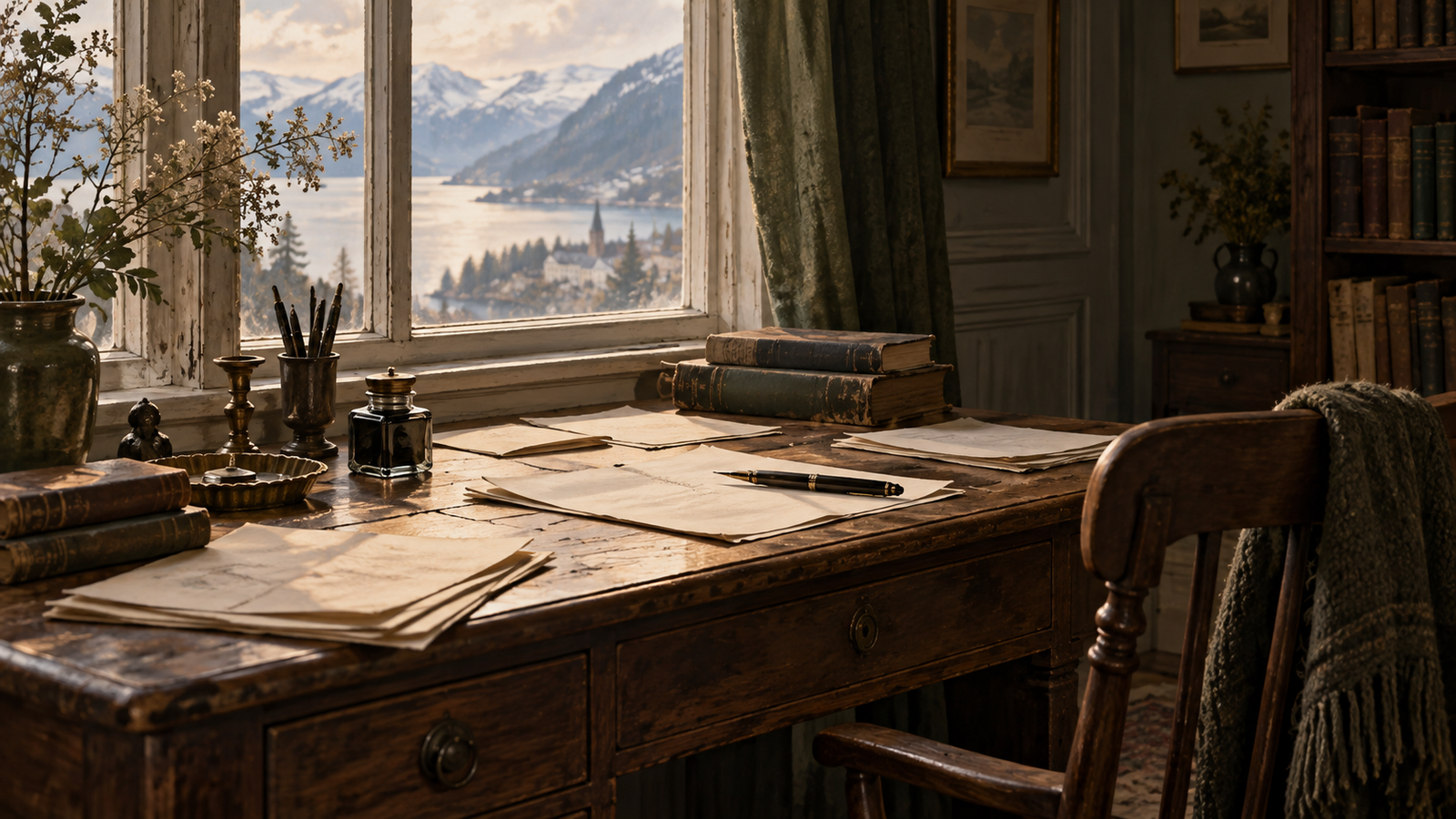
The museum’s planning page explains current admission, tour arrangements and accessibility. The apartment is experienced through the guided visit, so organise the day around an available tour rather than assuming you can wander in whenever you arrive.
You do not need to have read all his plays. A basic familiarity with A Doll’s House or Hedda Gabler gives you a useful starting point for thinking about domestic spaces, social expectations and personal choices.
For readers, the value is in connecting the writing with a particular working and domestic environment. For non-readers, the guided format can provide a more focused experience than a large museum that requires you to choose your own route.
Suggested time: reserve around one to one and a half hours for the visit as a whole, subject to the available tour and how long you spend in the exhibition. Confirm the tour language before booking.
Useful pairing: the Royal Palace area, a central walk or an evening literary event. Avoid placing a tight lunch reservation directly before the guided tour.
4. Deichman Bjørvika and Litteraturhuset: Meet Norway’s Living Book Culture
A literary visit does not have to be about a writer’s preserved home. Libraries, bookshops and public conversations show how books belong to the city now.
Deichman Bjørvika
Oslo’s main public library stands in the Bjørvika waterfront district. Alongside books, it contains spaces for reading, cultural activity and everyday use. VisitOSLO’s Deichman introduction outlines the building and its facilities.
Allow around thirty to sixty minutes for an unhurried introduction, or stay longer if reading and architecture are particular interests. Check the current visitor information before relying on a specific facility or event.
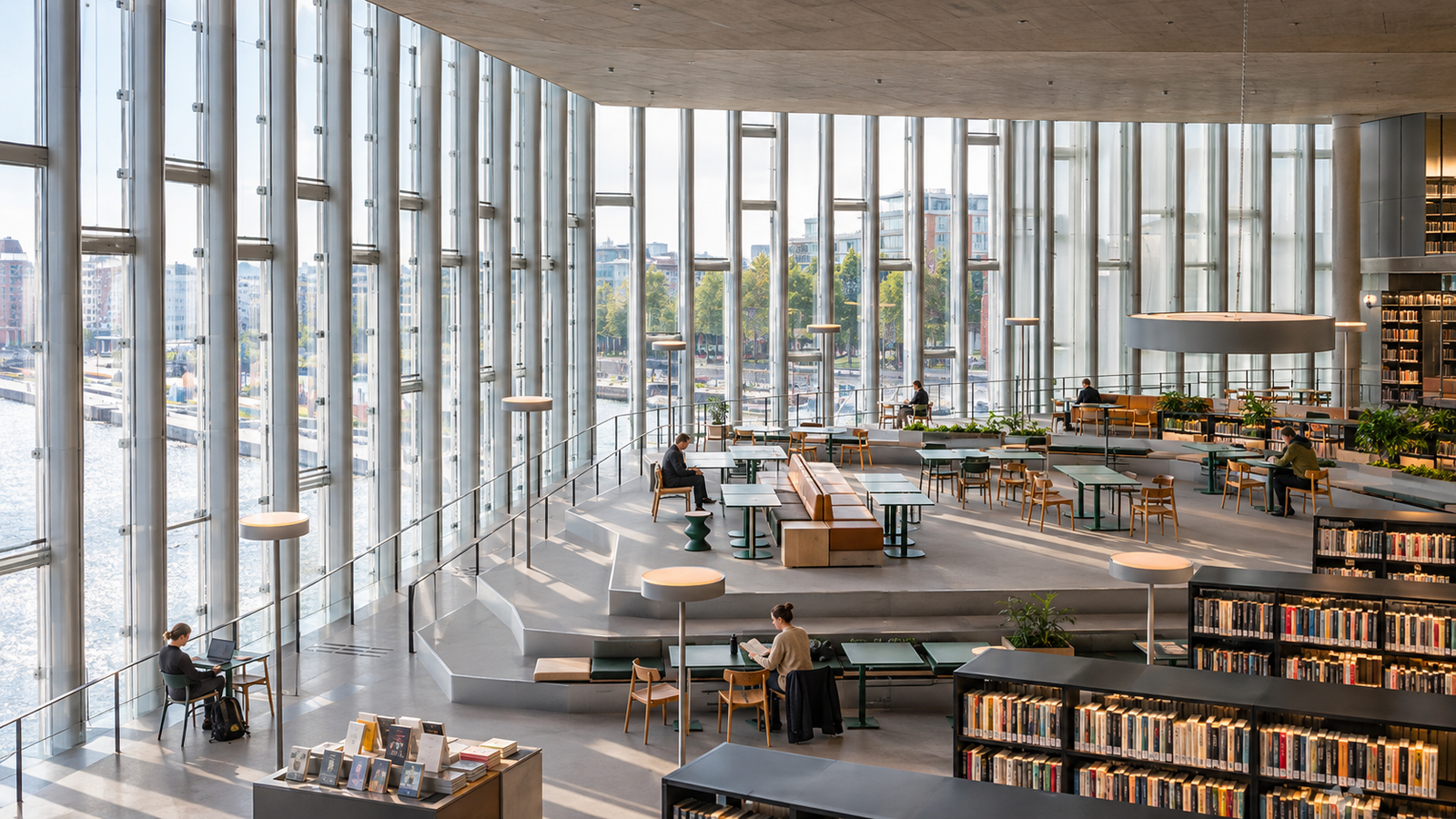
This is a working library. Keep photographs unobtrusive, respect quieter areas and avoid treating readers as part of the scenery. It makes a useful contrast to a ticketed museum, particularly after a concentrated visit to MUNCH.
Litteraturhuset
Litteraturhuset, Oslo’s House of Literature, is a place for talks, readings and public discussion. Its English-language website lists a selection of events in English, alongside information about the house and bookshop.
Check the language of the individual event, not simply the language of the booking page. A programme entry in English does not guarantee that the conversation on stage will be in English.
Let a suitable event shape an evening rather than trying to visit at a random hour and expecting a reading to be taking place. Check tickets, start time and the venue room before planning dinner around it.
5. Kode, Bergen: Make Space for Art Between the Fjord Trips
Kode gives Bergen a substantial art stop within the city centre. Its museums sit around Lille Lungegårdsvannet, making a cultural visit easy to combine with a walk rather than a separate expedition out of town.
For Norwegian painting, begin by investigating the Rasmus Meyer collection. It includes works by Munch and other important Norwegian artists, allowing a different introduction from a museum devoted to Munch alone.
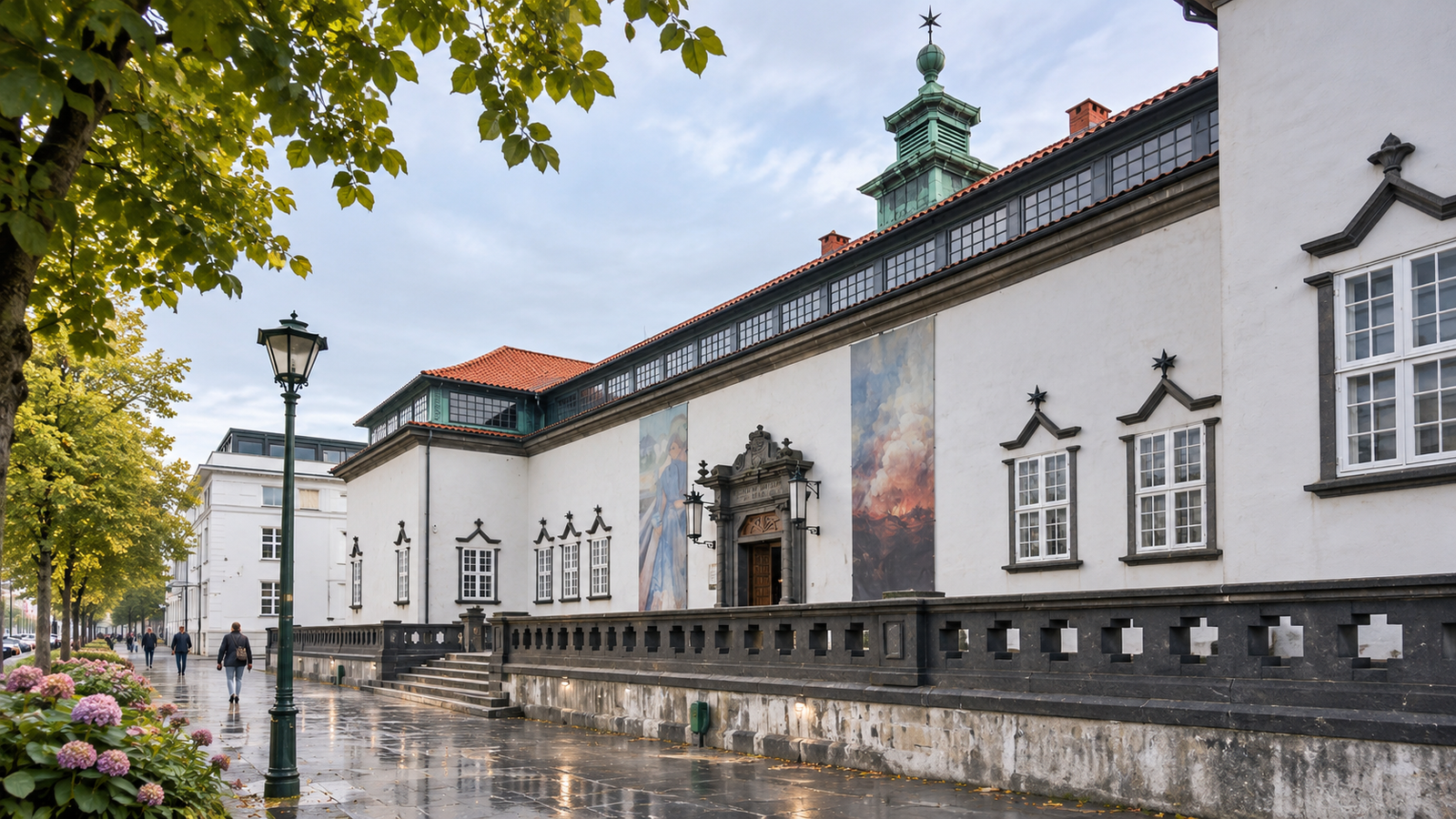
The Rasmus Meyer museum page explains the collection and current visitor arrangements. Check which works are on view: a collection’s holdings do not mean that every artist or painting is always displayed.
Suggested time: around one and a half to three hours for a selected museum visit. Allow more time if you plan to enter several buildings, and check the current ticket coverage rather than assuming every Kode venue is included.
Choose this because you want an art visit, not only because rain has interrupted a mountain outing. It can provide a quieter middle day between travel and a longer excursion.
Our Bergen travel guide helps place Kode alongside Bryggen, the harbour and the city’s mountain attractions. Keep the museum as one main part of the day rather than squeezing it into a short gap between tours.
6. Bjerkebæk, Lillehammer: Sigrid Undset’s Home and Writing World
Bjerkebæk offers a different scale of cultural visit from Oslo’s major institutions. It was the home and workplace of Sigrid Undset, whose historical fiction includes Kristin Lavransdatter.
The timber buildings and garden introduce the environment she created for family life and writing. The museum’s account of the writer’s home explains the setting and the role of guided visits.
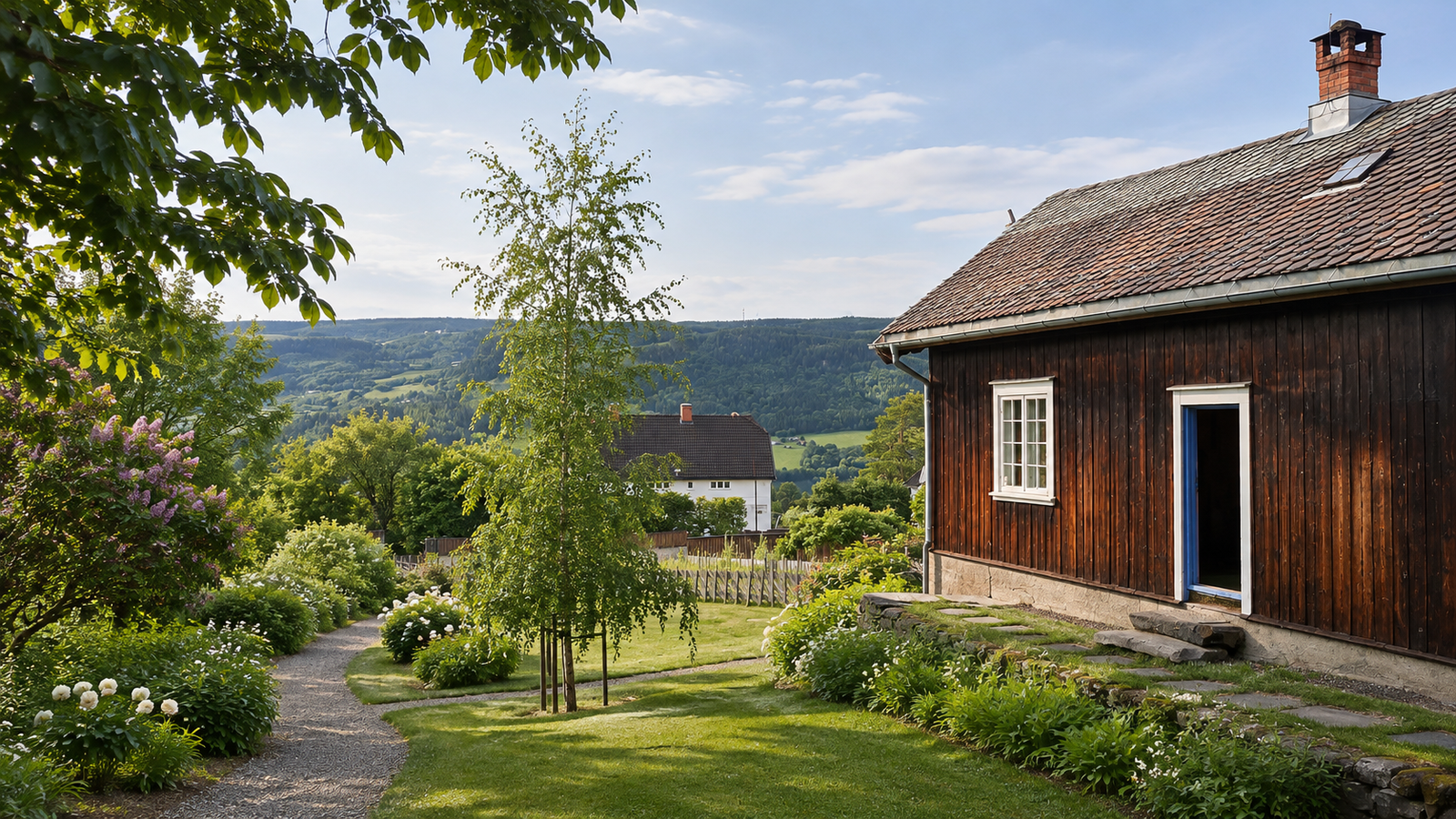
This stop suits readers who enjoy the relationship between a book and its author’s surroundings. It is also a reason to consider Lillehammer as a cultural destination rather than using the town only as a transport stop.
Check the seasonal opening period and available tour language before committing to the journey. Access to grounds, exhibitions and the house interior may involve different arrangements; verify what is included for your date.
Suggested time: roughly one and a half to two hours on site as a planning allowance, adjusted to the scheduled tour. Travel from Oslo is additional and makes this a separate outing.
Do not add Lillehammer to an already full Oslo–Bergen day. Choose it for a dedicated day or an overnight stay when literature is a meaningful part of your trip.
What to Read Before Visiting Norway
A short reading list can give the places more depth without turning the holiday into homework. Choose one work that interests you and read it before, during or after the journey.

- Henrik Ibsen, A Doll’s House: a practical starting point before visiting his Oslo apartment. A play is also a manageable choice if you have limited reading time.
- Sigrid Undset, Kristin Lavransdatter: a substantial historical novel for readers interested in medieval life and individual choices. It connects naturally with a Bjerkebæk visit, although the house belongs to the author’s later life.
- Per Petterson, Out Stealing Horses: an option for readers drawn to memory, family and landscape.
- Karl Ove Knausgård, My Struggle: a longer autobiographical project for readers interested in everyday life and self-examination. Start with a volume rather than feeling obliged to read the whole series before travelling.
These are editorial starting points, not a complete account of Norwegian literature. Nor should one novelist’s setting be taken as a description of the whole country.
Two Realistic Cultural Days in Oslo
Option A: Munch, Books and the Waterfront
Morning: make MUNCH your main booked activity. Choose the collection displays and one additional exhibition if you have the interest and energy.
Lunch: leave a proper break rather than carrying museum fatigue into the rest of the afternoon.
Afternoon: visit Deichman Bjørvika, then take a manageable waterfront walk. This keeps the day geographically coherent and changes the pace after the galleries.
This is the simpler option if your time is limited or you prefer one substantial museum per day.
Option B: National Collection and Ibsen
Morning: explore a selected route through the National Museum, concentrating on the parts of the collection that interest you most.
Afternoon: attend a pre-arranged tour at the IBSEN Museum & Teater, allowing time for lunch and the journey between venues.
Evening: add a Litteraturhuset event only if the programme and language suit you. It is an optional addition, not something every cultural day needs.
If the Ibsen tour falls earlier, reverse the order. Fixed tour times and museum opening days should determine the sequence.
Practical Planning: Tickets, Seasons and Access
Use the official venue pages for current tickets and opening hours. The time allowances in this guide are planning estimates; they do not include travel between cities.
Before paying, check four details: the building you are booking, the date and entry time, whether a guided visit is included, and the language of that visit. Those distinctions matter more than buying the largest possible bundle of attractions.
Compare any city pass with the actual museums on your itinerary and the transport you expect to use. Do not assume that all exhibitions, special events or guided visits are covered.
Major indoor museums can anchor a visit in different seasons, while an author’s house or garden may have more limited opening arrangements. Keep an indoor option available, but leave time to enjoy it properly rather than treating every cultural stop as a brief weather contingency.
For accessibility, consult the specific venue. A lift in the building does not necessarily make every historic room equally accessible. The Ibsen museum, for example, describes partial wheelchair access in the apartment separately from the exhibition.
Photographic rules can also vary between galleries, temporary exhibitions and historic interiors. Follow the instructions on the day, and check before using flash or filming a guided tour.
How These Visits Fit into a Wider Norway Trip
Oslo provides the strongest starting combination for Munch and Ibsen. Bergen adds another art perspective through Kode, while Lillehammer is a deliberate literary detour.
For a first trip combining cities and fjords, our Norway itinerary guide helps you decide where to stay overnight. You do not need to add a new town for every artist or writer mentioned here.
Keep the cultural visit specific: one collection, one guided home or one well-chosen event can make a stronger impression than several rushed admissions. Leave room to follow an interest that emerges during the visit.