

Germany has long been one of the world’s leading automotive nations, and its museum scene reflects that legacy in impressive detail. For travelers who enjoy technology, design, and cultural history, car museums in Germany offer much more than static displays of famous vehicles. These spaces combine storytelling, engineering, architecture, and innovation in a way that feels both educational and inspiring. A well-planned museum route through Germany can easily become one of the highlights of an entire trip.
What makes these museums especially appealing is the variety of experiences they offer. Some focus on the origins of the automobile, while others highlight motorsport, luxury design, or the future of electric mobility. Instead of repeating the same formula, each museum presents a distinct brand identity and a different perspective on German engineering. That is exactly why car museums in Germany continue to attract both passionate enthusiasts and casual travelers.
Why Germany Is a Top Destination for Car Lovers
Germany is home to some of the most recognized automotive brands in the world, and that alone makes it a natural destination for car-focused travel. But the real appeal goes deeper than brand recognition, because the country has played a major role in shaping automotive history from its earliest days. Visitors can see how engineering ideas evolved across decades, from early mechanical inventions to modern high-performance and electric vehicles. This combination of heritage and innovation gives Germany a unique place on the global automotive map.

Another reason Germany stands out is the way it preserves and presents its industrial culture. The museums are not simply showrooms for famous names, but carefully designed spaces that connect cars to broader stories about design, mobility, and social change. Many of them use interactive exhibitions, multimedia installations, and architectural concepts that make the visit feel modern rather than old-fashioned. That is one reason car museums in Germany appeal to a wider audience than people often expect.
What Makes German Car Museums Special
One of the strongest features of these museums is their attention to narrative. Instead of placing vehicles in rows with minimal context, they guide visitors through the development of ideas, technologies, and design philosophies. You are not just looking at a car, but learning why it mattered, how it changed the market, and what it represented in its era. This creates a richer and more memorable experience.

The quality of presentation is another major advantage. Lighting, building design, display layouts, and audiovisual elements are often handled with the same precision associated with German engineering itself. In many cases, the museum building becomes part of the attraction, adding visual drama to the collection inside. That balance of substance and style makes these destinations among the most rewarding car museums in Germany to explore.
Mercedes-Benz Museum, Stuttgart: Where the Story Begins
The Mercedes-Benz Museum Stuttgart is often considered the essential starting point for an automotive journey through Germany. It takes visitors through more than a century of history, beginning with the earliest automobiles and continuing into the age of hybrid and electric mobility. The collection includes pioneering vehicles, luxury models, racing machines, and milestone innovations that shaped the entire industry. Few places present the history of the automobile with such breadth and confidence.
Explore Mercedes-Benz Museum in Street View — take a virtual walk through this medieval gem.
The museum’s architecture also adds to the experience in a meaningful way. Its flowing interior layout creates a natural chronological route, allowing visitors to move through time without feeling rushed or overwhelmed. As you progress from one level to another, the exhibits reveal how Mercedes-Benz evolved alongside changes in technology, design, and society. The result is a museum that feels immersive, polished, and highly memorable.
Mercedes-Benz Museum: Why It Stands Out
What makes this museum especially impressive is its ability to appeal to different kinds of visitors at once. Dedicated car fans can focus on engineering breakthroughs and rare models, while general travelers can enjoy the wider historical context and elegant presentation. The exhibitions do a strong job of showing how automotive progress influenced everyday life, luxury culture, and even public imagination. It is one of the most complete museum experiences in the country.

There is also a clear sense of prestige throughout the visit, but it never feels inaccessible. The museum balances historical importance with visual appeal, which makes it engaging even for people with only a casual interest in cars. If someone wants to understand why Germany became a global automotive leader, this is one of the best places to begin. It sets a very high standard for other automotive museums to follow.
For current exhibitions, visitor details, and planning information, check the official Mercedes-Benz Museum website.
Porsche Museum, Stuttgart: Speed, Identity, and Design
The Porsche Museum Stuttgart offers a different atmosphere, one that feels more focused on performance, identity, and emotion. Porsche has always represented a very specific idea of driving pleasure, and the museum reflects that through its collection of sports cars, race cars, and prototypes. Every exhibit reinforces the brand’s connection to precision, power, and elegant design. The experience feels compact, sharp, and highly intentional.
Explore Porsche Museum in Street View — take a virtual walk through this medieval gem.
One of the most appealing aspects of the museum is how clearly it communicates the Porsche philosophy. Visitors can trace the company’s development from early engineering roots to international motorsport success and iconic production models. Instead of overwhelming guests with too much information, the displays stay focused on the themes that made Porsche famous. That clarity gives the museum a strong identity and makes the visit especially enjoyable.
Porsche Museum: A Must for Performance Enthusiasts
For travelers who are drawn to speed and motorsport, this museum is one of the most exciting stops in Germany. The racing heritage on display gives real weight to the brand’s reputation, while the concept cars and design studies reveal how carefully Porsche protects its visual DNA. Even people who are not experts can quickly understand why the brand inspires such loyalty around the world. The museum tells that story with confidence and style.
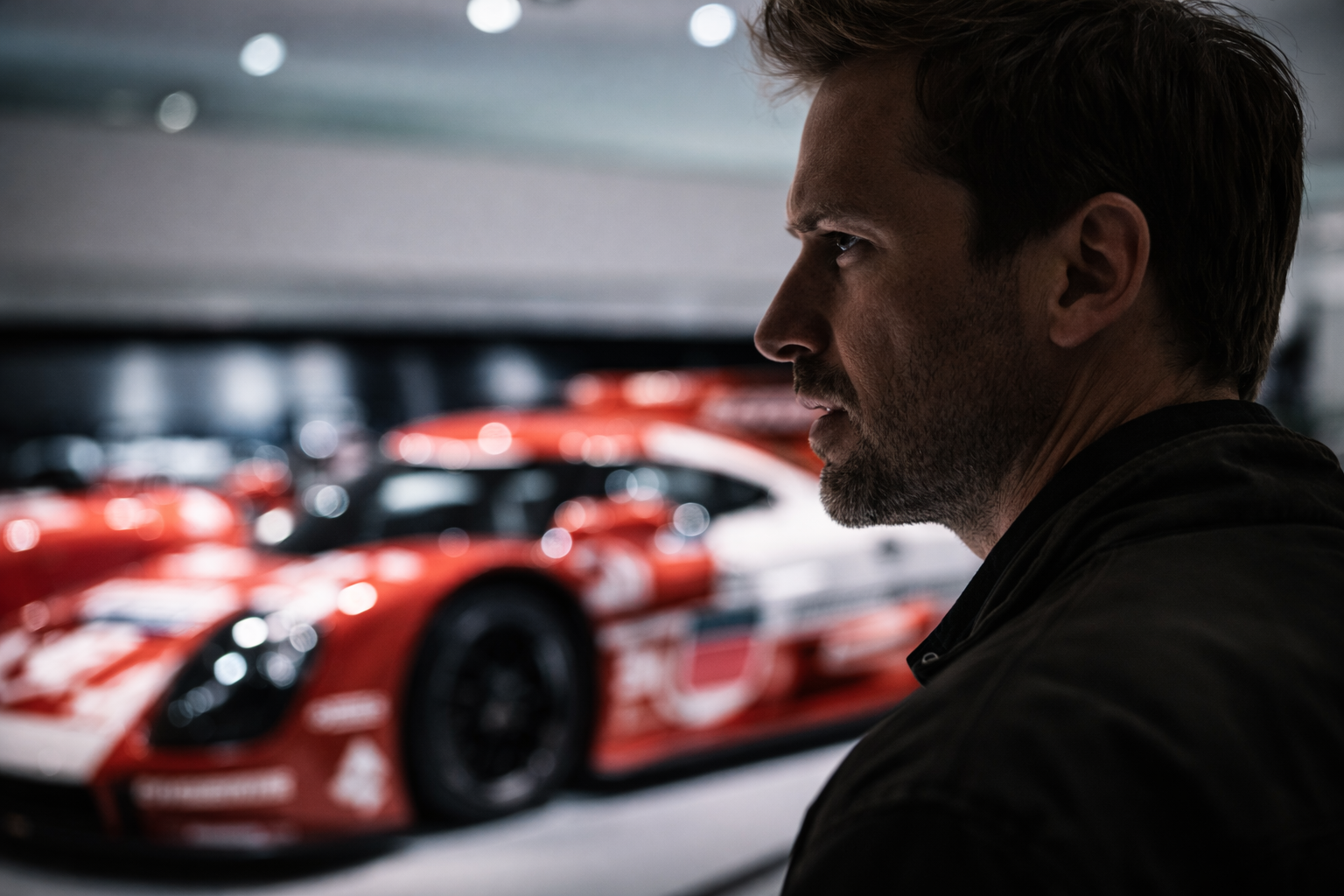
Another strength is the museum’s modern presentation. The architecture feels sleek and futuristic, which fits the subject perfectly and enhances the sense of energy throughout the visit. It is easy to move through the space, and the exhibits maintain a strong visual rhythm from beginning to end. For many visitors, it becomes one of the most emotionally engaging automotive museums in the country.
BMW Museum, Munich: Innovation, Lifestyle, and the Future
The BMW Museum Munich brings a broader and more forward-looking perspective to Germany’s automotive landscape. While it honors the company’s history, it also places strong emphasis on innovation, mobility concepts, motorcycles, and the relationship between technology and lifestyle. The exhibits often feel interactive and contemporary, which makes the museum especially appealing to younger visitors and international travelers. It presents BMW not only as a car manufacturer, but as a brand connected to evolving ideas about movement and design.
Explore BMW Museum in Street View — take a virtual walk through this medieval gem.
This approach gives the museum a different tone from the more heritage-focused collections in Stuttgart. You still see classic models and major milestones, but there is also a consistent focus on what comes next. Sustainability, user experience, and future mobility are integrated into the narrative rather than treated as side topics. That makes the museum feel especially relevant in today’s travel and technology landscape.
BMW Museum: A Dynamic Visitor Experience
What many visitors appreciate most about the BMW museum is its sense of energy. The displays are arranged in a way that encourages curiosity, and the combination of vehicles, multimedia, and design storytelling keeps the visit varied. Rather than feeling like a formal archive, the museum feels alive and in motion. That dynamic quality helps it stand out among major car museums in Germany.
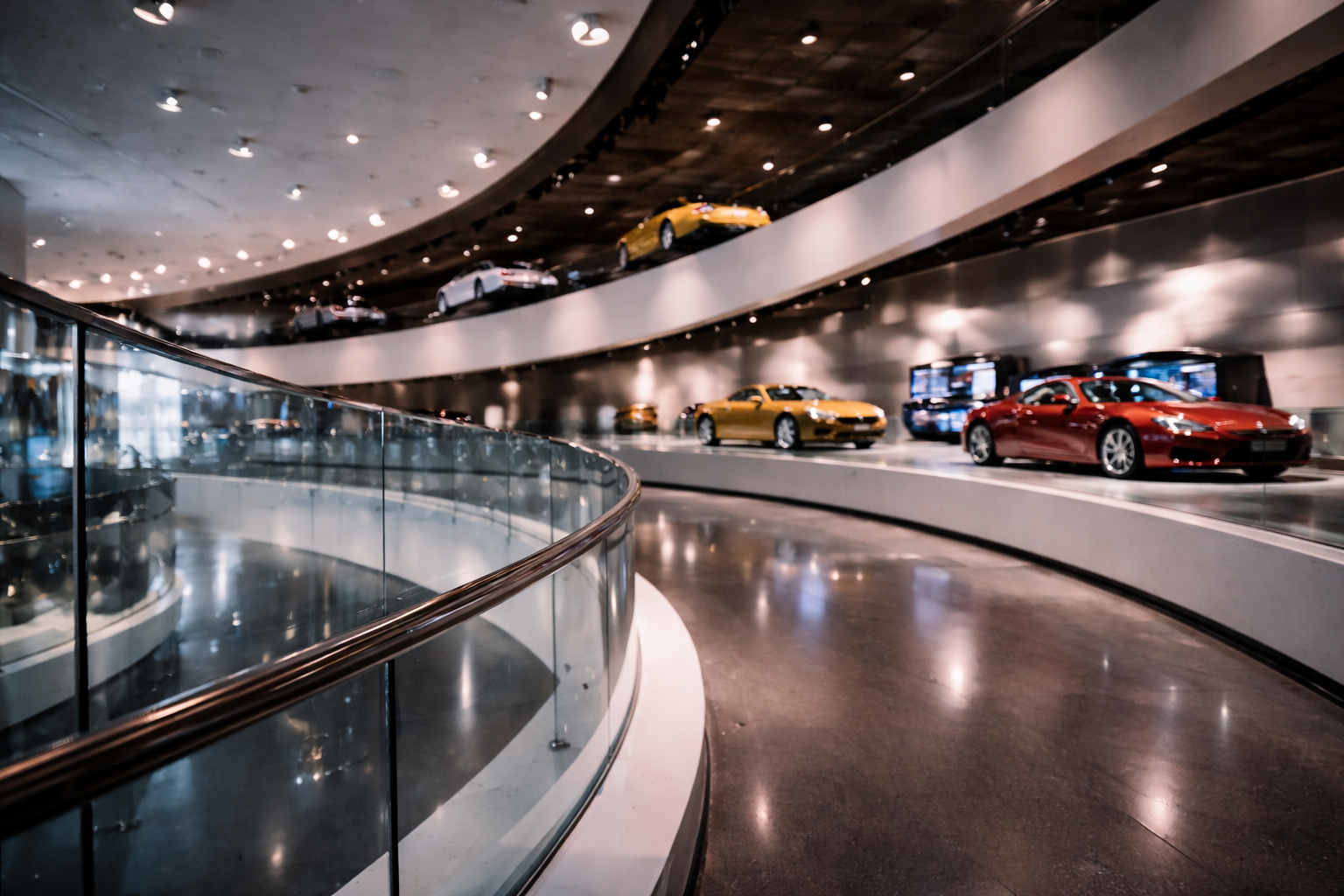
The Munich setting also adds value to the overall experience. BMW’s museum, brand world, and broader city context create a destination that can easily fill a full day for travelers interested in culture and design. It works well for both short visits and deeper exploration, depending on how much time you want to spend. For anyone interested in the future side of the automotive world, this is an excellent stop.
Audi Museum, Ingolstadt: Progress Through Technology
The Audi Museum Ingolstadt offers a compelling look at technological development and brand transformation. Its exhibitions trace the story from Auto Union to modern Audi, showing how the company built its identity around engineering precision and technical progress. Visitors can explore important moments in design, performance, and innovation, all presented in a structured and approachable format. The museum is especially strong at showing continuity between past achievements and present ambitions.
Explore Audi Museum Ingolstadt in Street View — take a virtual walk through this medieval gem.
Audi’s famous connection to advanced engineering is reflected throughout the displays. Topics such as quattro technology, motorsport heritage, and electric mobility are woven into a broader story about progress and reinvention. The museum does not rely only on nostalgia, which helps it feel relevant to modern audiences. Instead, it presents the brand as something constantly evolving while still respecting its roots.
Planning Your Route Through Germany’s Automotive Museums
If you want to explore several museums in one trip, route planning can make a big difference. Stuttgart is ideal for visitors who want to combine both Mercedes-Benz and Porsche in one city, while Munich adds a broader cultural dimension with the BMW experience. Ingolstadt works especially well as an additional stop if you are already traveling between major cities in southern Germany. With thoughtful planning, these destinations can form a smooth and rewarding travel circuit.

It is also worth thinking about the pace of your trip. These museums are rich in detail, and they are best enjoyed when you leave enough time to move through them without rushing. Trying to see too much in a single day can reduce the experience, especially if you genuinely enjoy the exhibitions. A slower approach usually allows the story of each brand to leave a stronger impression.
If you want to balance museum stops with a broader style of travel, you can also continue with this guide to sustainable travel in Germany.
Who Will Enjoy These Museums Most
These museums are a natural fit for car enthusiasts, but their appeal goes beyond that audience. Travelers interested in architecture, industrial design, innovation, and modern history will also find plenty to enjoy. The exhibitions often connect automotive progress to larger cultural and technological shifts, which makes them interesting even for visitors with no deep technical background. In that sense, they function as both brand spaces and cultural institutions.

They are also a good option for mixed-interest travel groups. One person may come for the engines and performance history, while another enjoys the aesthetics, storytelling, or interactive design. Because the museums are well-organized and visually impressive, they tend to hold attention better than many traditional technical exhibitions. That broader accessibility is part of what makes them such strong travel experiences.
Conclusion
Taken together, these museums show why Germany remains one of the world’s most influential automotive countries. From the historical depth of Stuttgart to the innovation-driven atmosphere of Munich and Ingolstadt, each destination offers its own perspective on engineering excellence, brand identity, and mobility. Visiting the top car museums in Germany is not just about seeing beautiful vehicles, but about understanding the ideas and ambitions behind them. For anyone planning a thoughtful and memorable trip through Germany, these museums are absolutely worth adding to the itinerary.