
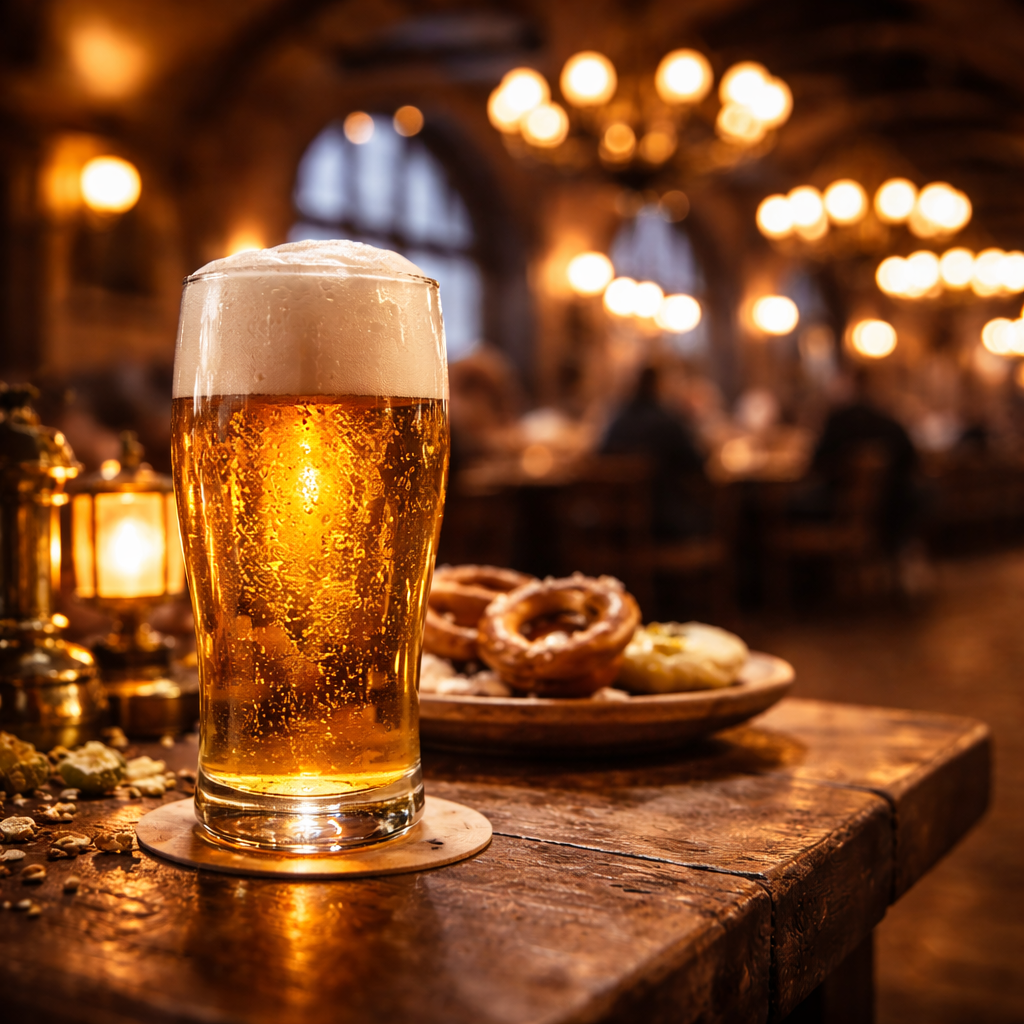
Germany is one of the most rewarding destinations in Europe for travelers who want to explore beer as part of history, culture, and everyday life. A trip built around Germany beer tours offers much more than tastings, because it also opens the door to centuries-old brewing traditions, regional food culture, and some of the country’s most characterful cities. From legendary beer halls in Munich to smaller regional breweries with distinctive local styles, Germany gives visitors the chance to experience beer in a way that feels deeply rooted in place. For many travelers, it becomes one of the most memorable and authentic parts of the entire journey.
What makes Germany especially appealing is the sheer diversity of its beer landscape. The country is often associated with Bavaria, but its brewing culture stretches far beyond Munich and Oktoberfest. Different regions have developed their own styles, serving traditions, and brewery identities over generations, which means a beer-focused itinerary can stay varied from start to finish. That is one of the biggest reasons Germany beer tours work so well as a travel theme.
Why Beer Matters So Much in Germany
In Germany, beer is not simply a drink ordered at the end of the day. It is tied to local identity, social rituals, hospitality, and long-standing community traditions. Many breweries have operated for generations, and local pride in beer styles remains strong, especially in regions where brewing is an important part of cultural heritage. That sense of continuity gives the German beer experience a depth that visitors can feel almost immediately.

Beer is also closely connected to place. In one city, you may find light and refreshing lagers served in bustling beer gardens, while another region is known for darker, maltier styles enjoyed in traditional taverns. These differences are part of what makes beer travel in Germany so compelling. Rather than finding the same experience everywhere, travelers discover a patchwork of brewing cultures across the country.
A Short Introduction to German Brewing Tradition
One of the most important ideas in German brewing history is the Reinheitsgebot, often referred to as the German Beer Purity Law. First introduced in Bavaria in 1516, it originally limited beer ingredients to water, barley, and hops, with yeast understood later through scientific development. While modern brewing today is more flexible, the law still holds symbolic value and remains central to how many people understand traditional German beer. It represents a commitment to purity, consistency, and respect for brewing craft.
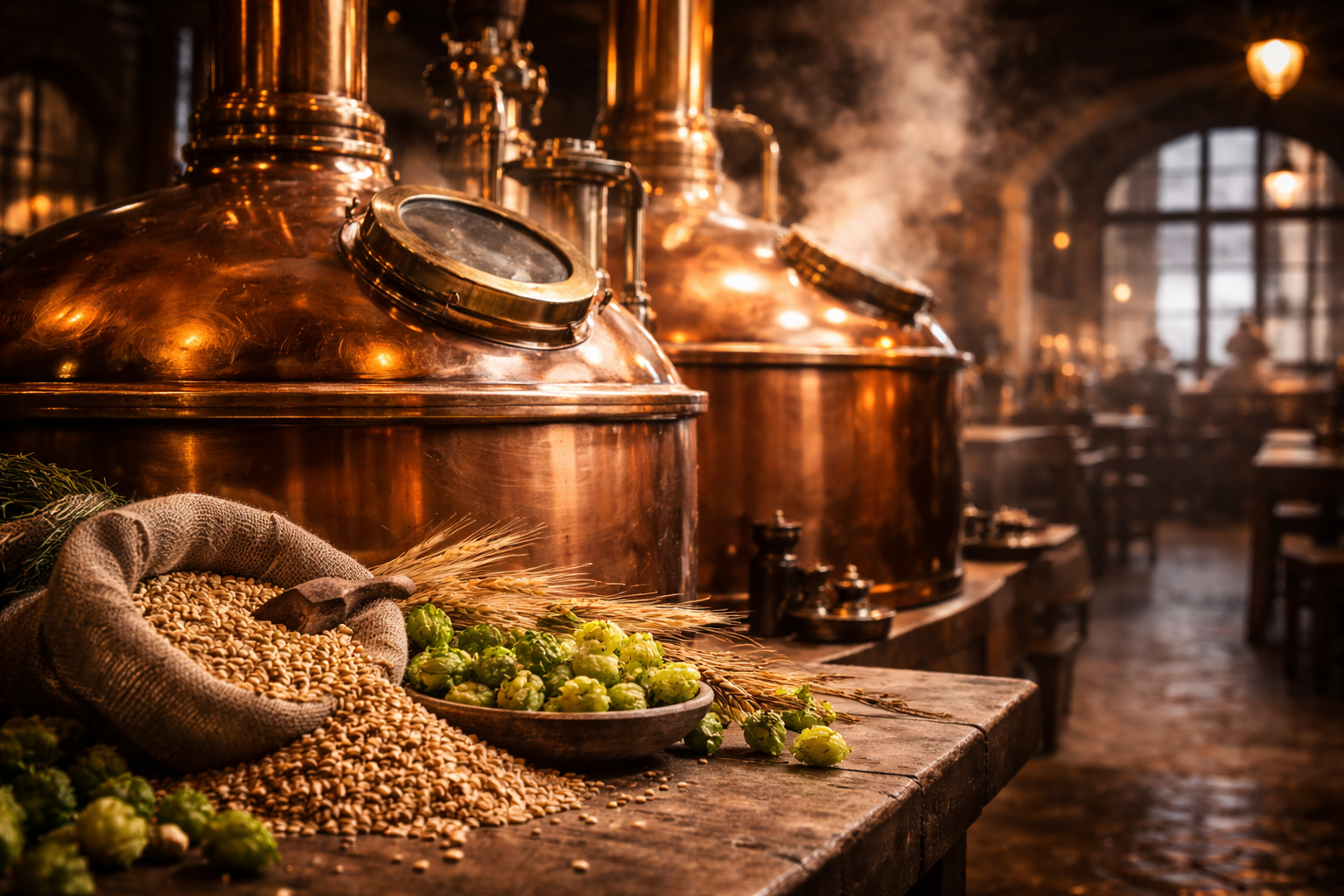
Of course, German brewing is about more than one historical rule. Over time, brewers developed different fermentation methods, regional preferences, and production styles that shaped the country’s beer map. Some regions became known for pale lagers, others for wheat beer, dark ales, or smoky specialties. Learning this background adds real depth to German beer culture and makes brewery visits more interesting for travelers.
What to Expect from Germany Beer Tours
Most Germany beer tours combine storytelling, tasting, and local context. Visitors often learn how beer is brewed, what ingredients matter most, how regional styles developed, and why certain serving customs still survive today. A good tour makes even familiar beers feel new, because you begin to understand what distinguishes a Munich lager from a Cologne Kölsch or a Bamberg Rauchbier. That educational side gives the experience far more value than simply moving from bar to bar.
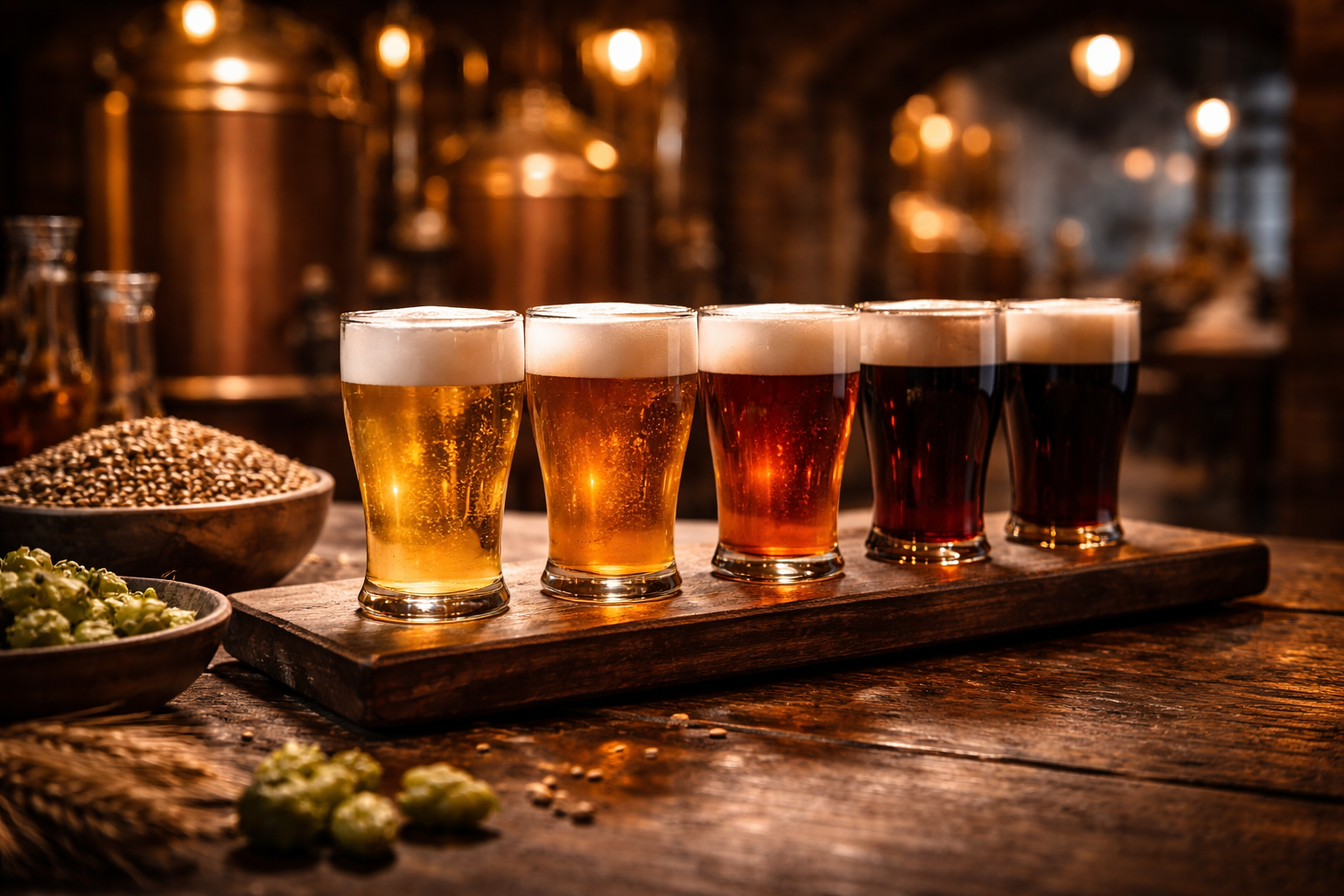
Many tours also include brewery cellars, historic beer halls, beer gardens, and food pairings. This makes the journey more immersive and helps travelers connect beer to the broader rhythms of German life. In some places, the brewery is the highlight, while in others, the social atmosphere around the beer matters just as much. Together, these elements make Germany beer tours feel rich, varied, and highly memorable.
Munich: The Most Famous Beer City in Germany
Munich is still the most iconic place to begin a beer-focused trip through Germany. The city’s identity is deeply tied to brewing, and its famous beer halls and traditional breweries give visitors a powerful first impression of Bavarian beer culture. Even outside Oktoberfest season, Munich feels like a city where beer remains woven into daily life. That makes it one of the easiest places to appreciate the social side of German beer culture.
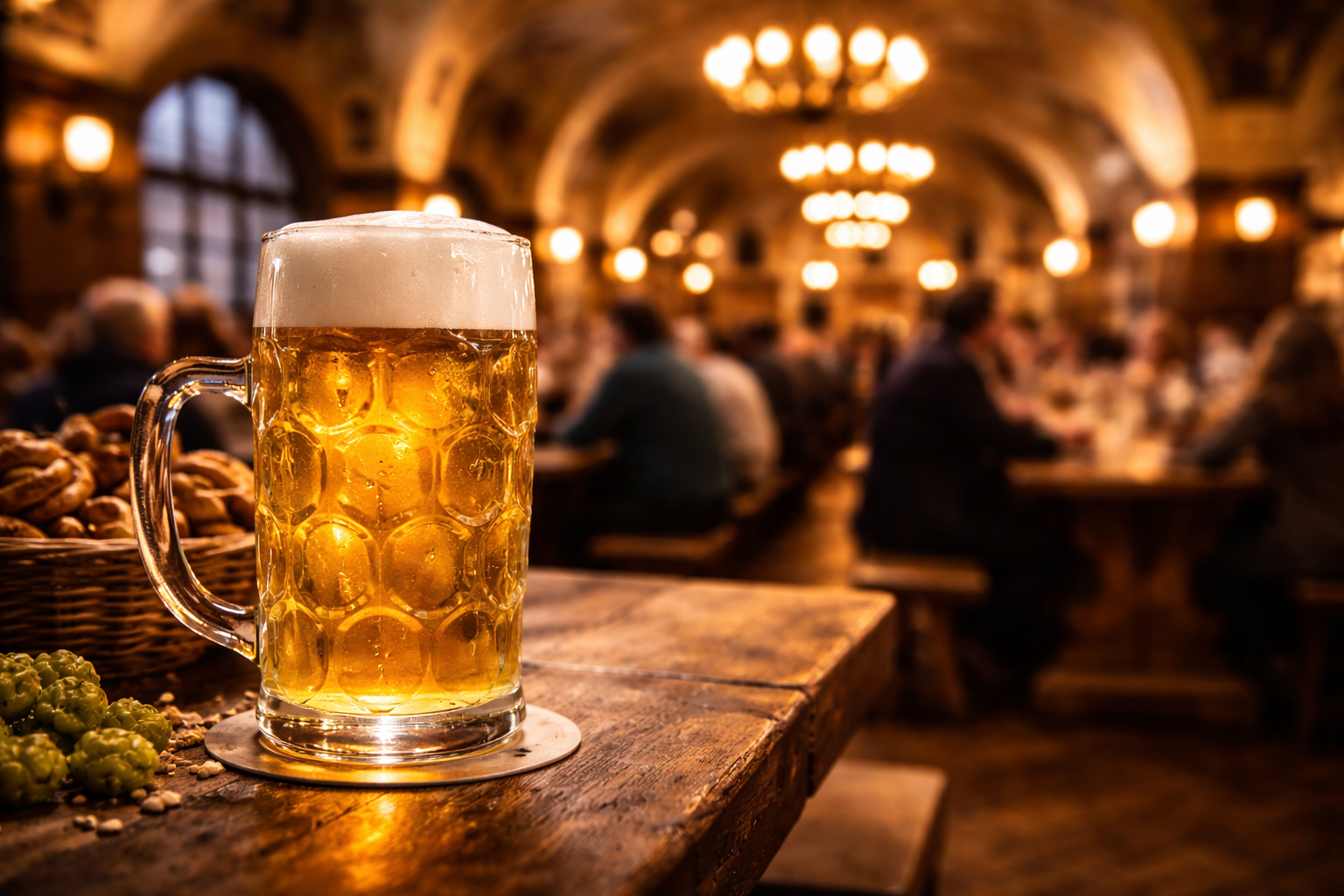
The city is also ideal for travelers who want a balance of history and atmosphere. A day in Munich can include a brewery tour, a tasting of classic local styles, and an evening in one of the city’s historic halls. This mix of education and enjoyment is exactly what many visitors are looking for. It is one reason Munich brewery tours remain such a strong anchor for beer travel in Germany.
Munich Brewery Tours and Bavarian Beer Halls
Munich brewery tours usually introduce travelers to the most recognizable Bavarian beer traditions. These experiences often cover classic brewing methods, the role of local ingredients, and the heritage of major breweries that helped define the city’s reputation. Tasting beer on-site also helps visitors notice distinctions between styles that might otherwise seem subtle. Freshness, serving temperature, and proper glassware all make a difference.
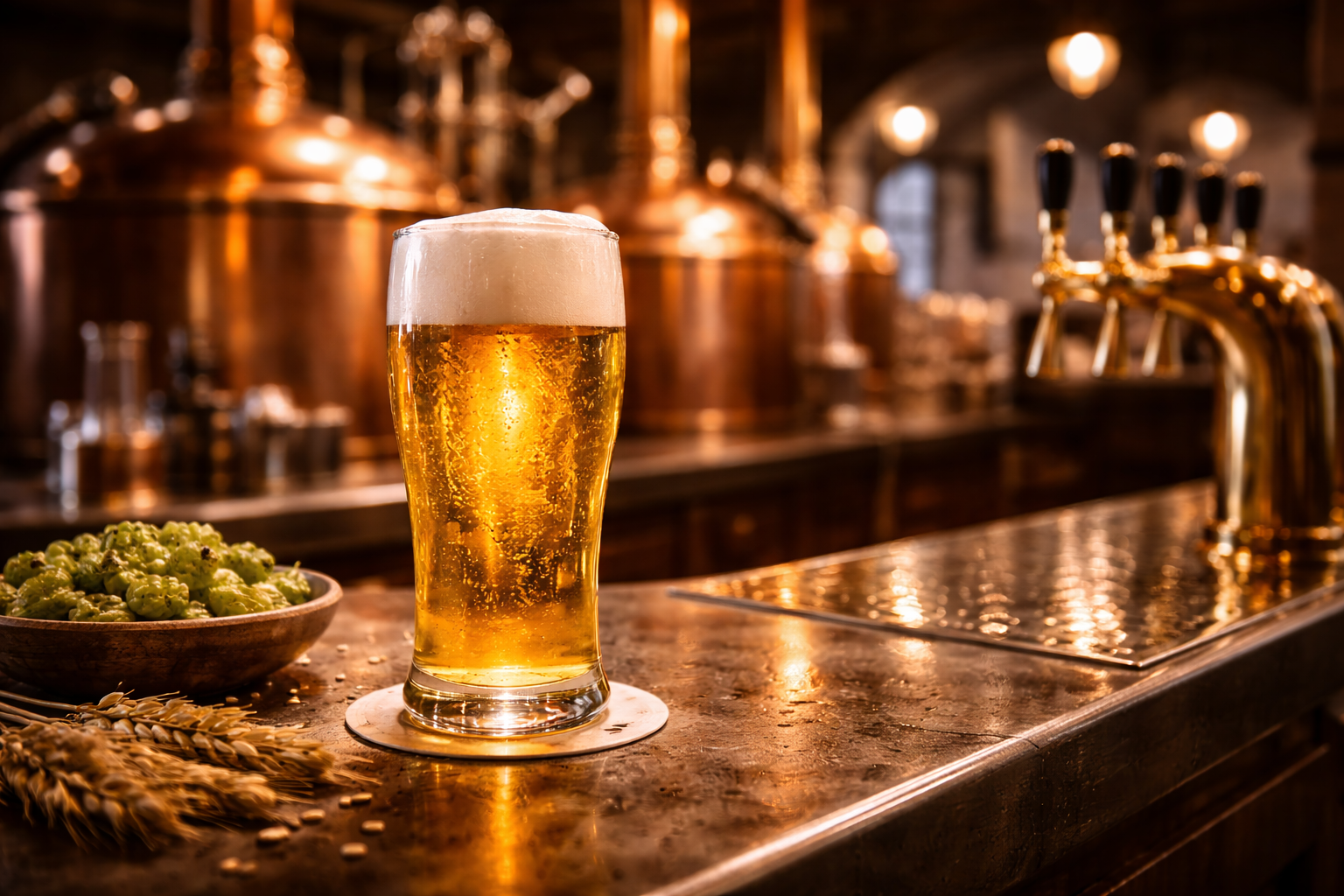
Just as important are the city’s famous Bavarian beer halls. These are not simply attractions for tourists, but historic gathering spaces that remain central to the local social scene. Long communal tables, traditional dishes, live music in some venues, and a lively atmosphere all contribute to the experience. Visiting them helps explain why beer in Germany is tied not just to brewing, but to community and ritual.
For official visitor information and a deeper look at Bavaria’s brewing heritage, visit the official Bavaria tourism beer guide.
Popular German Beer Styles Every Traveler Should Know
Germany’s beer culture is incredibly diverse, and knowing a few key styles can make any tasting experience much more rewarding. While every region has its own preferences, several classic beer styles appear again and again and offer a great introduction to the country’s brewing traditions. For first-time visitors, understanding these styles helps turn a casual drink into a much richer travel experience. It also makes it easier to choose what to order in different cities and beer halls.
Helles is one of the most approachable German beer styles and is especially associated with Bavaria and Munich. It is pale, clean, smooth, and gently malty, which makes it an ideal starting point for travelers who want something traditional and easy-drinking. Pils, by contrast, is usually crisper and a little more bitter, with a drier finish and a stronger hop presence. Both are popular across Germany, but they create noticeably different impressions in the glass.
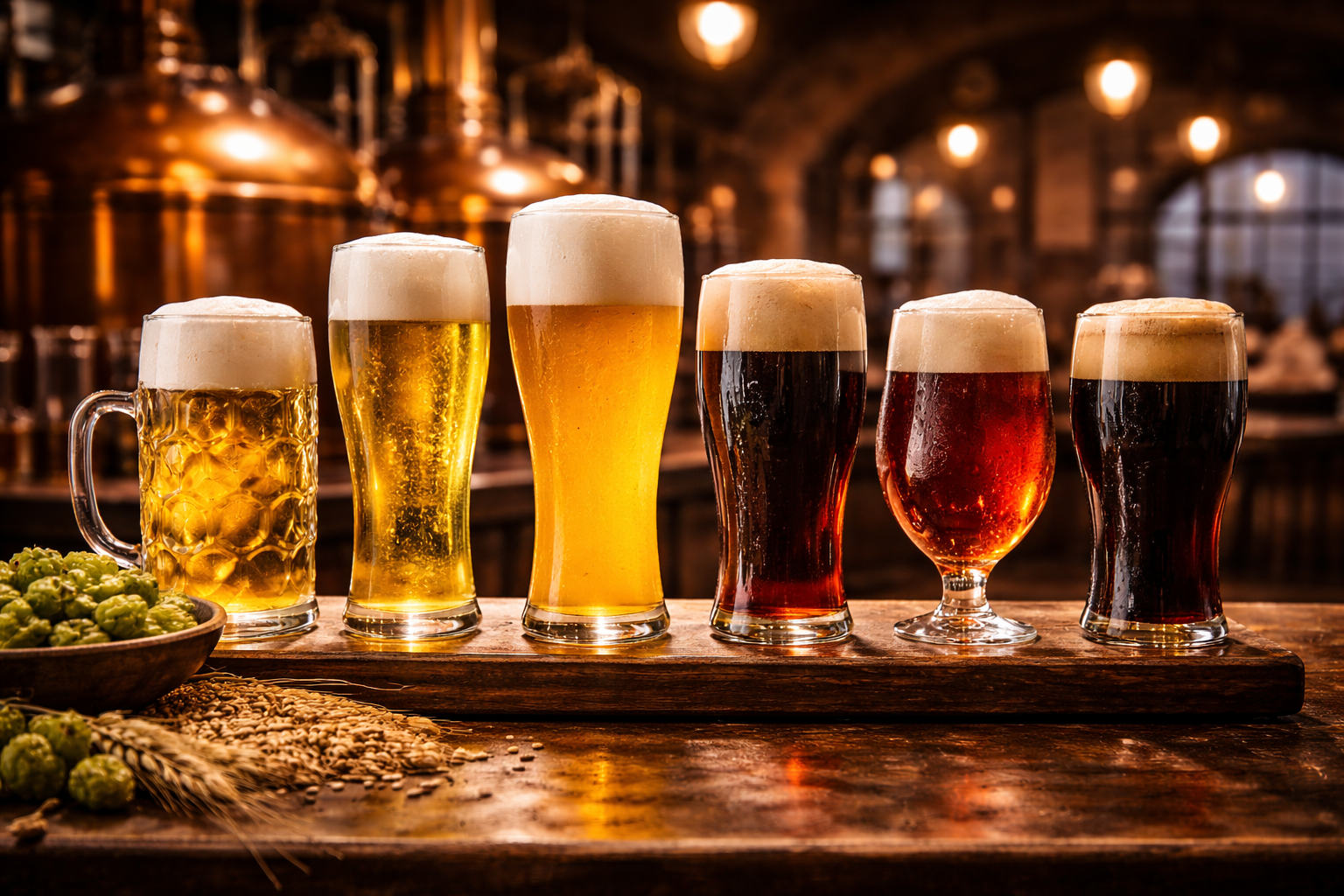
Weissbier, or wheat beer, is another essential style, especially in southern Germany. It is often cloudy, aromatic, and slightly fruity, with notes that can remind drinkers of banana, clove, or fresh bread. Dunkel offers a darker, malt-forward profile with flavors of toast, caramel, and nuts, while still remaining smooth and balanced rather than heavy. These styles show how much variety exists even within classic Bavarian brewing.
Travelers who want to go deeper should also look out for Bock, a stronger beer with a richer body and fuller malt character, often enjoyed in cooler months. In Cologne, Kölsch is the local signature, known for its light body, delicate flavor, and highly specific serving tradition. In Düsseldorf, Altbier brings a darker, more robust character, while Bamberg is famous for Rauchbier, a smoked beer with one of the most distinctive flavor profiles in Germany. Together, these styles reveal just how regional and expressive German beer culture can be.
Regional Differences Make Germany Beer Tours More Interesting
One of the best things about Germany beer tours is that they naturally encourage regional discovery. Munich gives visitors classic Bavarian beer culture, but Cologne, Düsseldorf, Bamberg, and Berlin all tell different brewing stories. These regional differences prevent the trip from feeling repetitive and create more opportunities for comparison. They also make the experience more rewarding for travelers who enjoy learning through tasting.
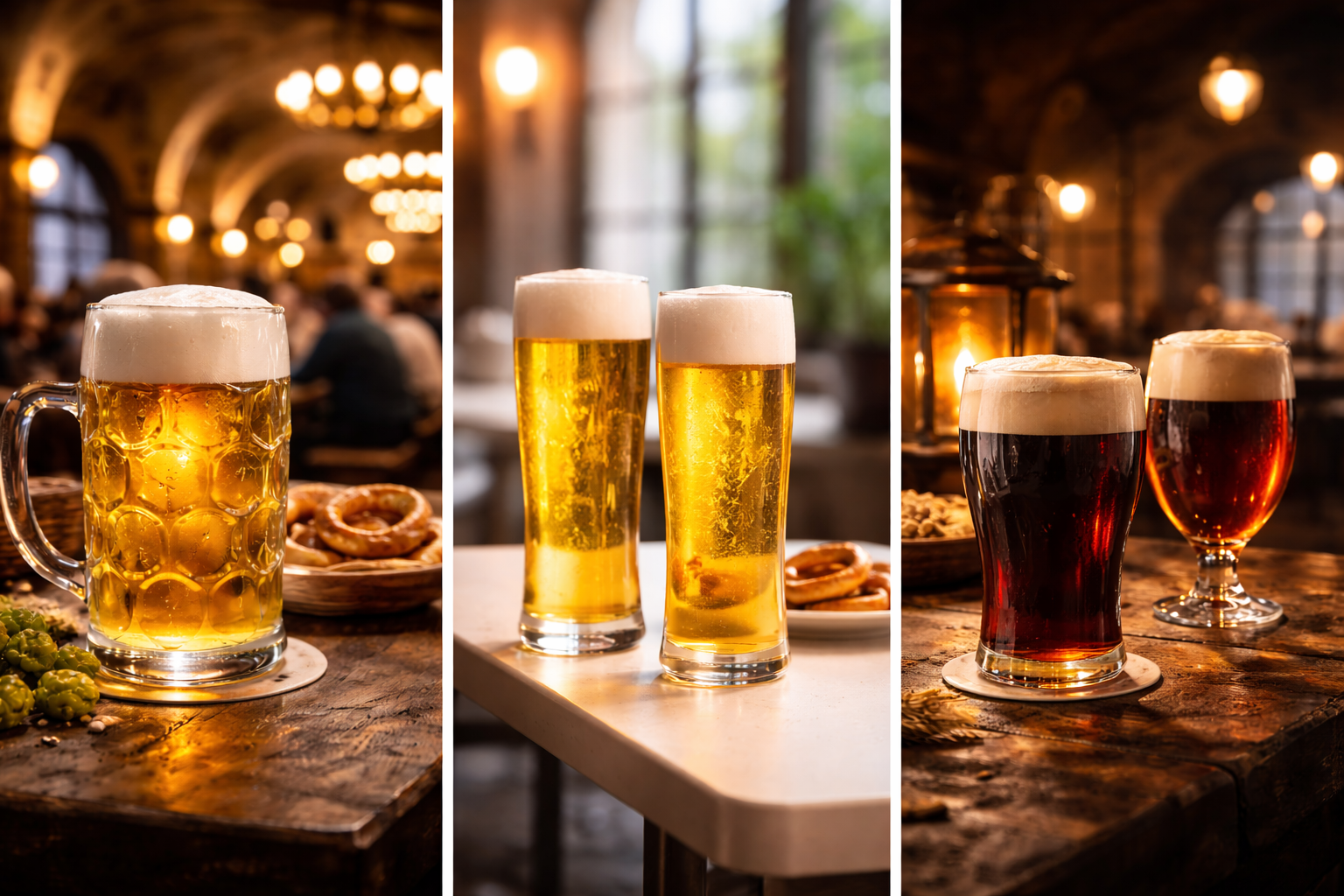
Berlin adds another important layer because it connects traditional brewing with innovation. Alongside historic beer culture, the city also has a growing modern scene shaped by small producers and experimental brewers. That makes it a useful stop for readers interested in craft beer in Germany as well as older traditions. Including this angle makes the article feel more current and more complete.
Beer and Food: An Essential Pairing
Beer tourism in Germany works especially well because the food culture supports it so naturally. A tasting often goes hand in hand with pretzels, sausages, roast meats, potato dishes, cheeses, and other regional specialties. These pairings make the experience feel fuller and more local, rather than being limited to drinks alone. For many travelers, the combination of beer, food, and setting is what turns a brewery stop into a highlight of the trip.
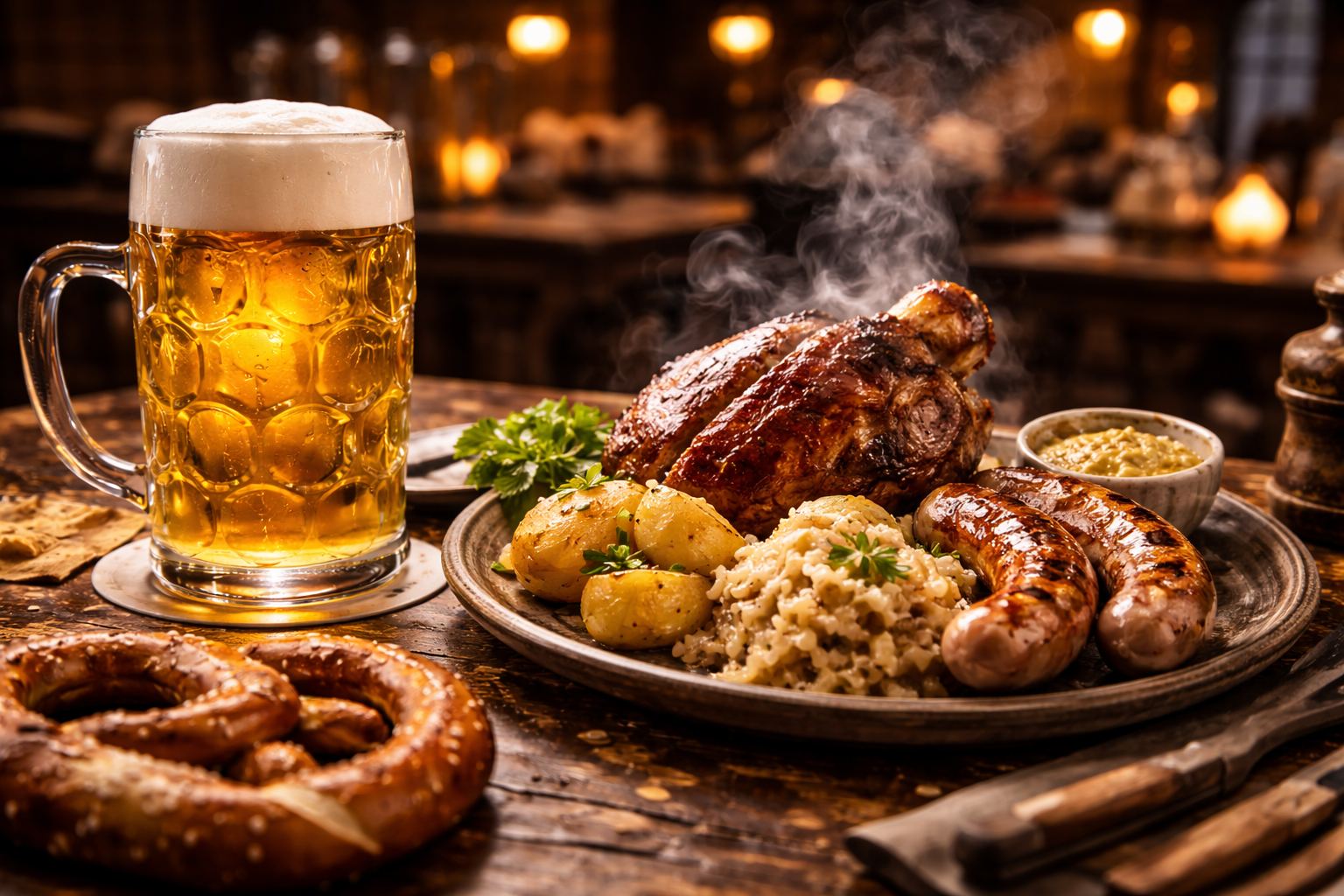
Food also helps different beer styles make more sense. A crisp Pils may feel ideal alongside lighter dishes, while a Dunkel or Bock can work beautifully with richer, heartier meals. This makes tasting more interactive and memorable for readers who want practical travel advice rather than abstract descriptions. Adding these connections makes the article more useful and more engaging.
A Brief Mention of Germany’s Wine Regions
Germany is also home to excellent wine regions, particularly along the Rhine and Moselle, where visitors can find scenic vineyards and elegant Rieslings. For travelers extending their itinerary, adding a wine stop can create a nice contrast to the brewery-heavy cities. The slower pace of vineyard travel complements the energy of beer halls and urban brewery tours. It can be a worthwhile addition for those who want a broader taste of German drinks culture.
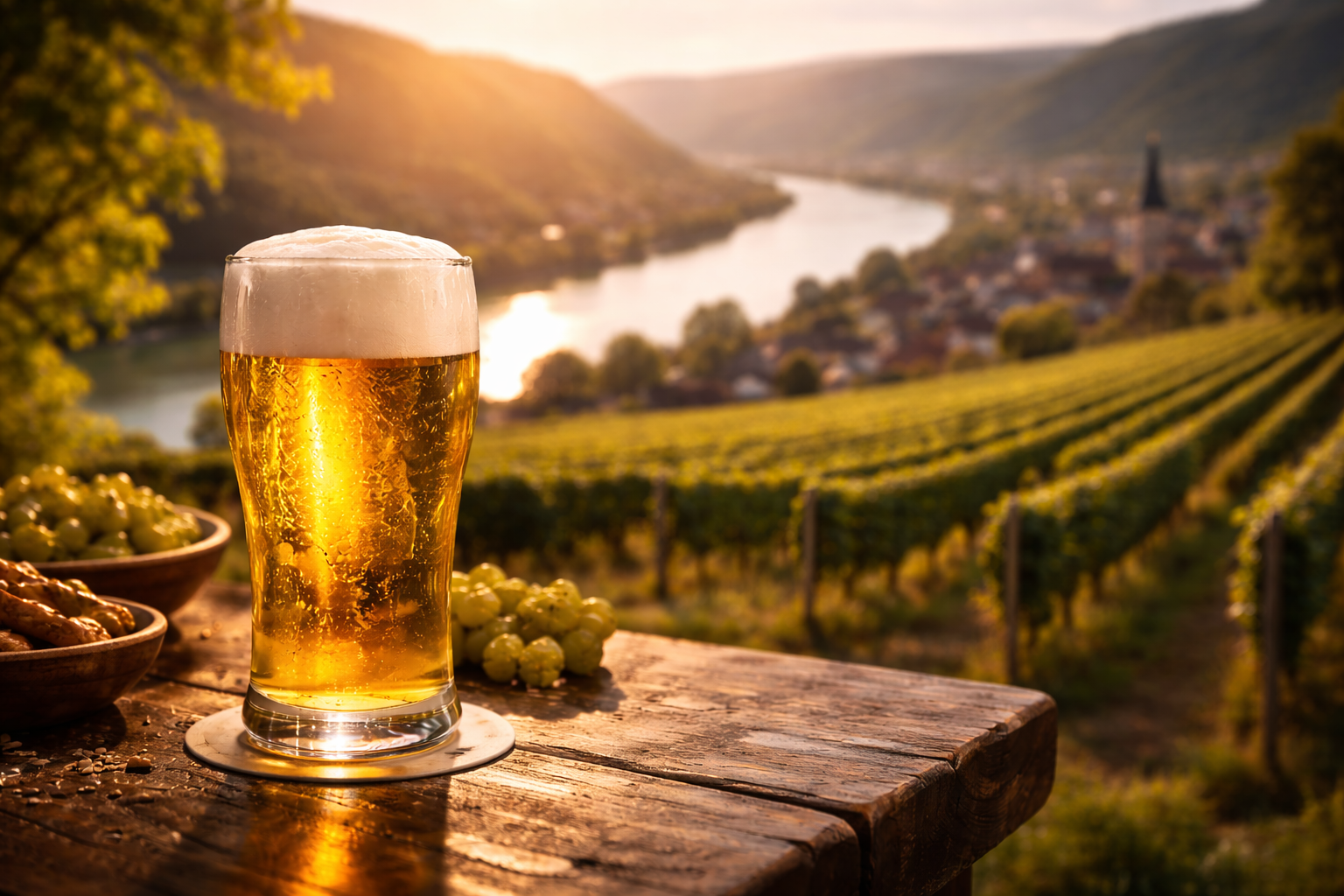
That said, beer remains the true center of this journey. The depth of brewing tradition, the strength of regional styles, and the social culture surrounding beer give this topic its own identity. Wine may enrich a longer trip, but it does not need to compete with the main focus here. Keeping beer at the heart of the article makes the travel experience feel clearer and more distinctive.
If you want to expand the trip beyond brewery stops and tasting experiences, you can also continue with this guide to sustainable travel in Germany.
Conclusion
A great beer trip through Germany is about much more than drinking well. It is about discovering how brewing traditions shape local identity, how regional styles reflect place and history, and how beer continues to bring people together in some of the country’s most memorable settings. From Munich brewery tours and historic Bavarian beer halls to regional specialties like Kölsch, Altbier, and Rauchbier, Germany beer tours offer one of the richest travel experiences in Europe for lovers of food and culture. For travelers who want authenticity, flavor, and a deeper connection to local life, Germany remains one of the best beer destinations in the world.