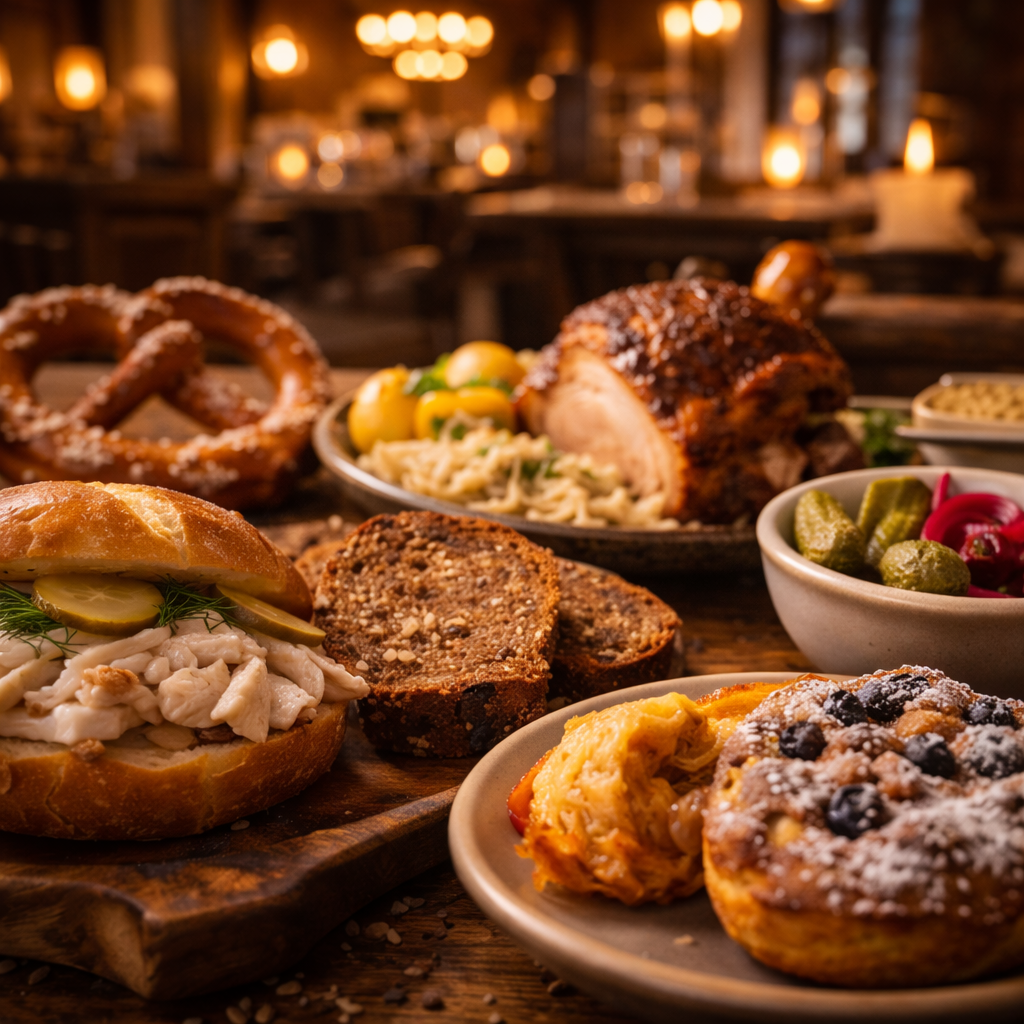
Germany is often associated with sausages, pretzels, and beer, but its culinary identity is far richer and more regionally diverse than those familiar images suggest. For travelers who want to understand the country through taste, a thoughtful German food guide reveals a landscape shaped by geography, climate, local agriculture, and centuries of tradition. Food in Germany is not built around one national dish, but around many local specialties that change from one region to another. That variety is what makes exploring the country through food such a rewarding experience.
One of the most interesting things about German cuisine travel is how quickly flavors, ingredients, and dining traditions shift as you move across the country. Coastal areas lean toward seafood and lighter preparations, while the south is known for hearty comfort food and deeply rooted culinary rituals. In the east, you find dishes with sweet-and-sour balance and a strong baking tradition, while the west often highlights rich, practical meals tied to everyday city life. Instead of a single culinary story, Germany offers many regional stories, and that is exactly what gives its food culture so much depth.
For travelers, this means that eating well in Germany is not simply about ticking off a few famous dishes. It is about noticing how local identity shows up on the plate, whether through a market snack, a seasonal pastry, or a family-style meal in a traditional inn. A strong German food guide should therefore focus not only on famous foods, but also on the wider experience of how and where people eat. That broader perspective helps readers understand why the country’s culinary scene deserves far more attention than it usually gets.
Why German Cuisine Is More Diverse Than Many Travelers Expect
Part of the reason German food is underestimated internationally is that a few well-known items tend to dominate the conversation. Sausages and beer are certainly important, but they represent only a fraction of what people actually eat across the country. Regional farming traditions, trade routes, river landscapes, and neighboring cultural influences have all shaped local cuisines in very different ways. As a result, regional dishes in Germany can vary significantly in flavor, ingredients, and style.
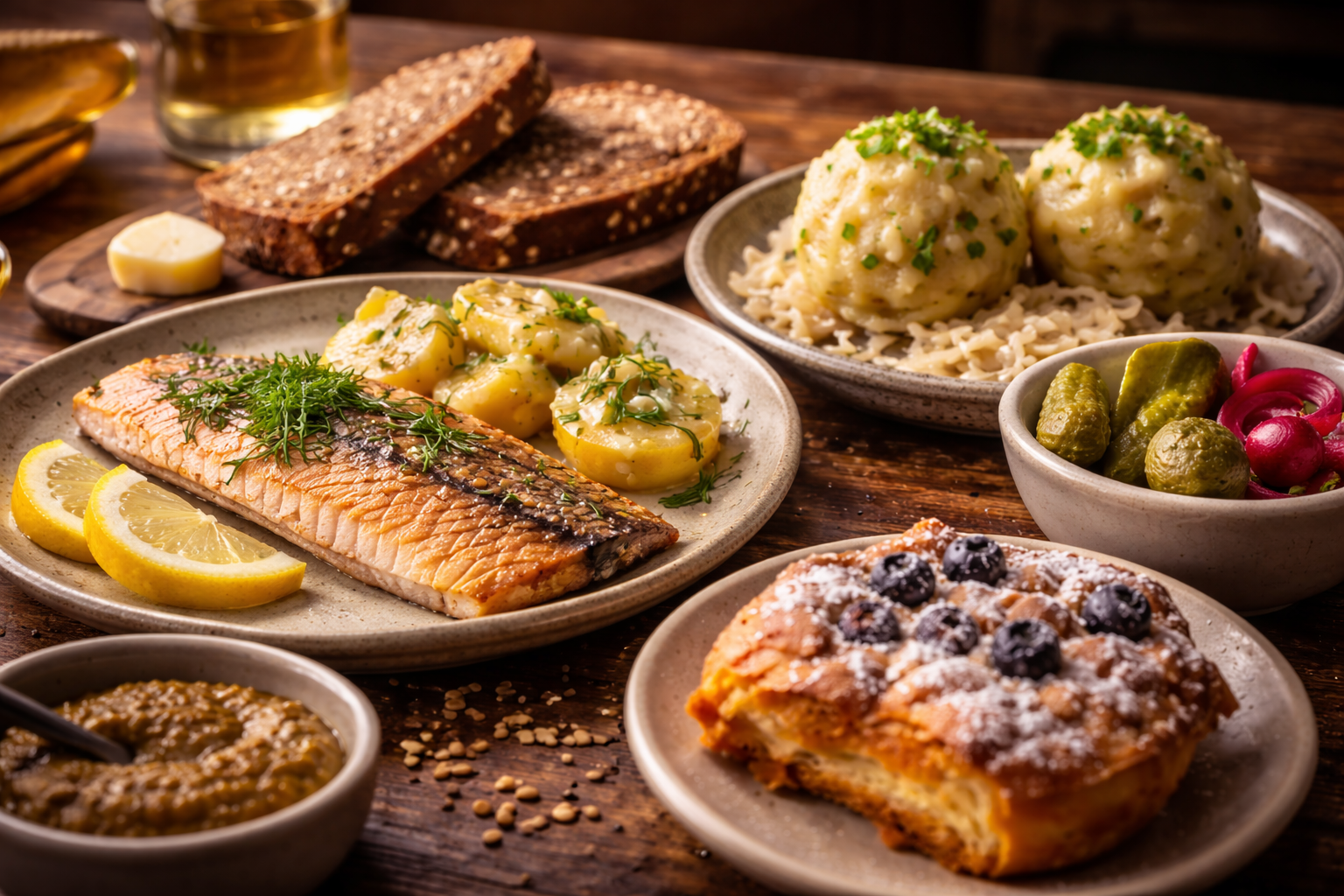
This diversity becomes especially clear once you travel beyond the most obvious tourist settings. Local menus often reflect seasonal produce, regional meats, bread traditions, dairy products, and long-standing preservation methods such as smoking, pickling, or marinating. These details may sound simple, but they create a food culture with real complexity and strong local character. For anyone interested in what to eat in Germany, the answer becomes much more interesting once regional identity enters the picture.
Another reason Germany works so well as a food destination is that meals are closely tied to place. A dish often makes more sense when eaten in the town or region where it originated, surrounded by the architecture, landscape, and customs that shaped it. This makes German cuisine travel especially satisfying for people who enjoy slow, experience-driven trips. Food becomes more than a meal; it becomes a way to read the country.
Northern Germany: Fresh, Maritime, and Quietly Distinctive
Northern Germany is shaped by the sea, and that influence runs through much of the local food culture. In cities like Hamburg and in towns along the coast, fish is central to everyday cuisine, often prepared in ways that feel straightforward, fresh, and practical. One of the most recognizable local specialties is the Fischbrötchen, a fish sandwich that may sound simple but captures the spirit of northern German eating perfectly. Fresh ingredients, portability, and a strong connection to the maritime environment all come together in one very local dish.
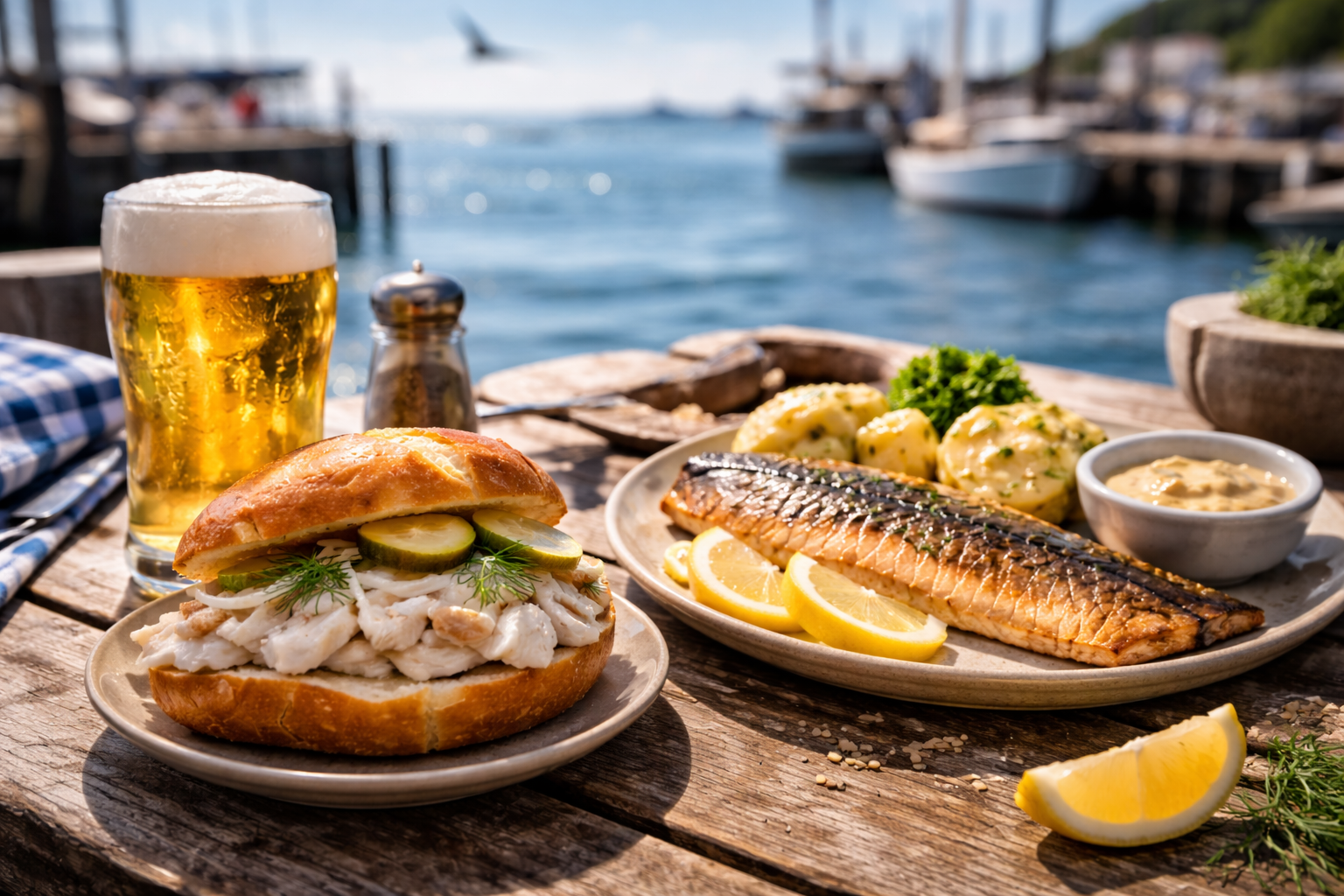
Beyond that famous sandwich, the north also offers smoked fish, pickled herring, shrimp dishes, potato-based sides, and soups that reflect both the climate and the region’s longstanding ties to trade and seafaring life. The food here often feels less heavy than in other parts of the country, but it still carries plenty of personality. Its strength lies in clarity and balance rather than richness alone. In a serious German food guide, the north is important because it immediately expands the reader’s understanding of traditional German food.
Northern cuisine also shows how German food culture is not always about grand or dramatic dishes. Sometimes the appeal lies in modest foods done well, shaped by routine, quality ingredients, and local habits that have lasted for generations. For travelers wondering what to eat in Germany, the north is an excellent reminder that some of the country’s best culinary experiences can be found in the most unpretentious settings. Markets, harbors, and small local eateries often tell this story better than formal restaurants.
Southern Germany: Hearty Comfort and Culinary Ritual
Southern Germany, especially Bavaria, is the region most people associate with classic German food traditions. This is where visitors often encounter the most iconic examples of traditional German food, including Weisswurst, pretzels, roast pork, dumplings, and sweet mustard. Meals here are often generous, warming, and deeply tied to ideas of hospitality and shared dining. The flavors are bold but familiar, which makes the region especially approachable for first-time visitors.
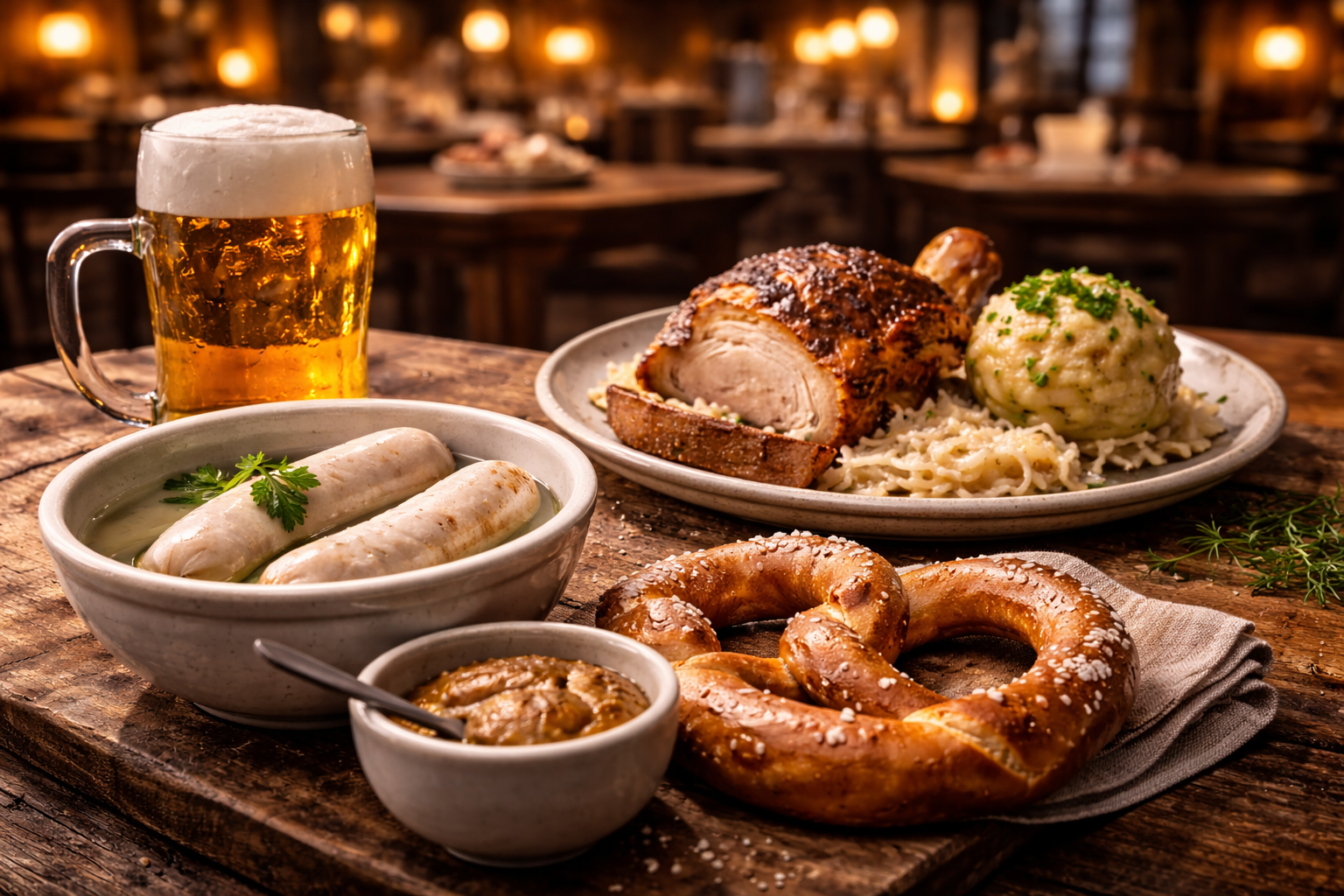
What makes the south stand out is not only the food itself, but the ritual around it. Dining in Bavaria often feels inseparable from the setting, whether that means a rustic inn, a village restaurant, or an outdoor table in a Biergarten. Food is connected to rhythm, routine, and local life in a way that gives even a simple meal more cultural meaning. This is one of the reasons German cuisine travel feels especially vivid in the south.
At the same time, Bavaria should not be reduced to cliché. Yes, it is one of the most recognizable food regions in the country, but it also offers depth through local preparation styles, family-run kitchens, and a strong sense of culinary continuity. Readers who want to explore the beverage side of this world can continue with our guide to Germany beer tours, but here the focus remains on the broader table. In that sense, the south is essential not because it confirms stereotypes, but because it shows how rooted and textured those traditions actually are.
Eastern Germany: Rustic Dishes and Strong Baking Traditions
Eastern Germany brings another dimension to the national food picture, often combining savory richness with gentle sweetness or acidity. The cuisine here can feel especially comforting, shaped by slow-cooked meats, sauces, preserved ingredients, and baking traditions that remain central to regional identity. One of the best examples is Sächsischer Sauerbraten, a marinated roast that reflects the eastern preference for layered, developed flavor. This kind of dish helps show why regional dishes in Germany deserve more attention in travel writing.
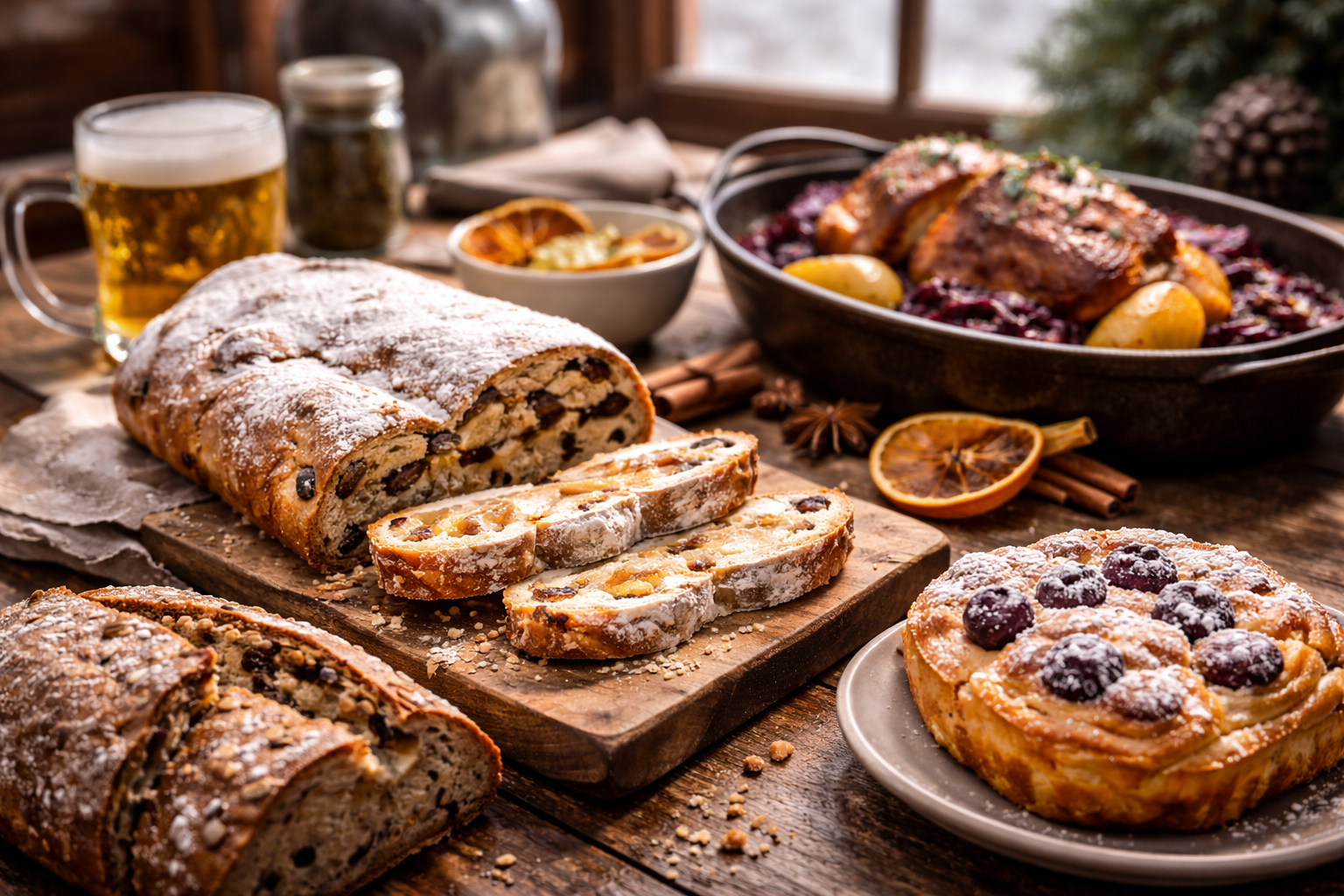
The east is also particularly strong when it comes to breads, cakes, and seasonal baked goods. Dresden’s Stollen is one of the best-known examples, but it also points to something larger: the importance of baking in German regional culture. Fruit breads, pastries, spiced sweets, and festive desserts all play a major role in local food memory and seasonal celebration. For travelers asking what to eat in Germany, these baked traditions are just as important as savory classics.
What makes eastern Germany especially appealing is that its food often feels deeply historical without becoming theatrical. The dishes tend to be practical, seasonal, and tied to real household traditions rather than only restaurant culture. That gives the region a quieter but very authentic culinary appeal. A complete German food guide should absolutely include the east, because it offers a more understated and deeply rooted side of the country’s cuisine.
Western Germany: Local Classics and Everyday Flavor
Western Germany is known for dishes that feel grounded, satisfying, and closely tied to daily life. In cities such as Cologne, regional specialties often rely on simple ingredients, but their local meaning gives them strong identity and staying power. Halve Hahn is a good example of this: a modest dish on paper, but one that feels distinctly tied to the city’s culinary personality. These are the kinds of foods that make German cuisine travel interesting, because they reveal how much local culture can live inside ordinary meals.
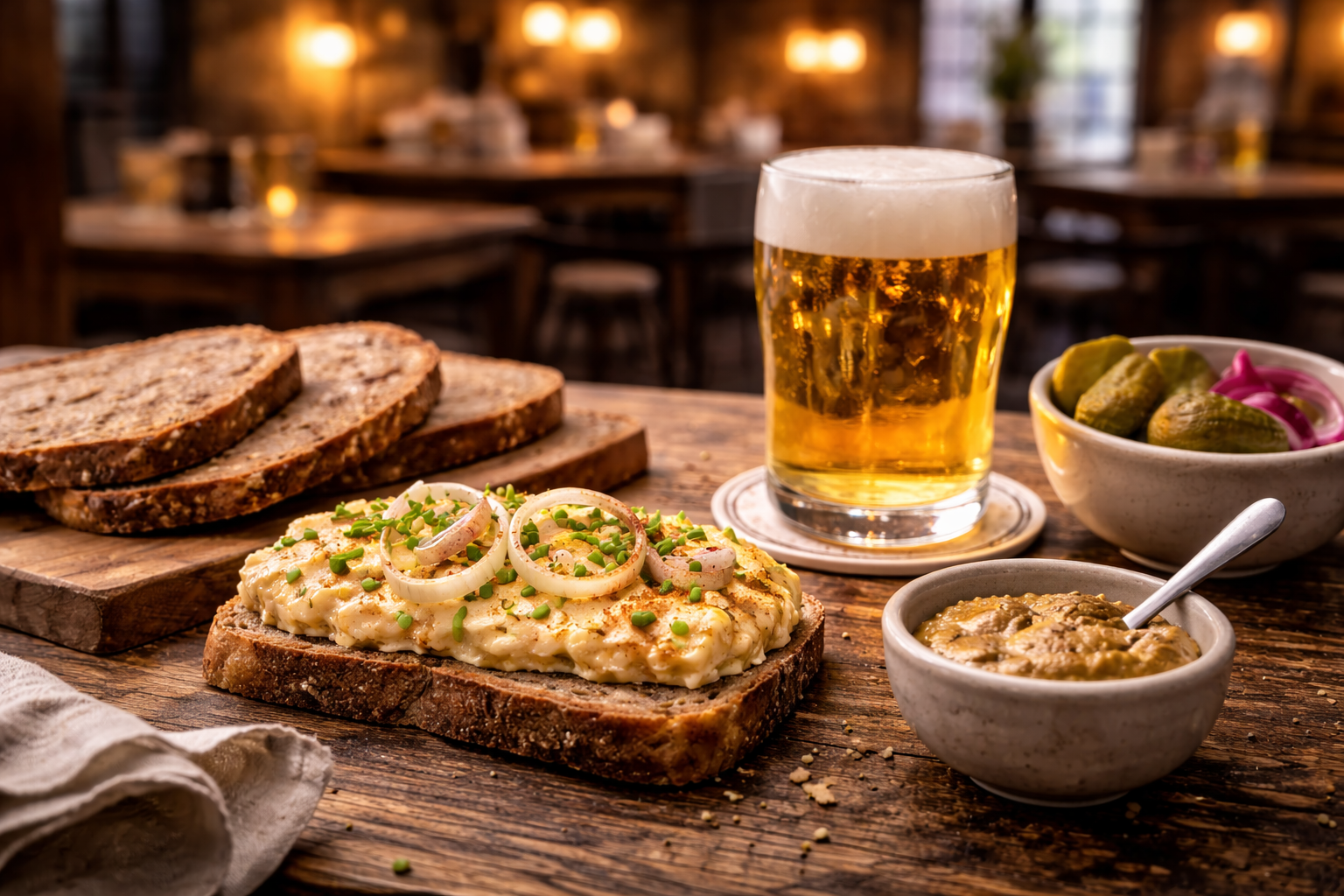
This part of the country is also especially rewarding for travelers who enjoy discovering food through neighborhoods, markets, taverns, and casual eateries rather than only through formal dining. In the west, culinary tradition is often preserved not in a single iconic dish, but in the texture of everyday eating. Bakeries, lunch counters, and local restaurants all help keep these habits alive. That makes the region especially important for anyone exploring regional dishes in Germany with curiosity and patience.
Western Germany also highlights how food can be social without being overly ceremonial. Meals often feel approachable, practical, and woven into the rhythm of city life. This gives the culinary experience a sense of immediacy that many travelers enjoy. In a broader German food guide, the west helps balance the better-known imagery of Bavaria with a more urban and everyday expression of traditional German food.
What Travelers Should Actually Look For on the Plate
For many readers, the most useful question is not simply what regions are known for, but what to eat in Germany when traveling from place to place. The best approach is to look for dishes that reflect local ingredients, regional cooking methods, and seasonal habits rather than chasing only the most famous names. In the north, that may mean fish and maritime snacks; in the south, dumplings and meat-based comfort food; in the east, slow-cooked dishes and festive baking; and in the west, practical local classics served in relaxed city settings.
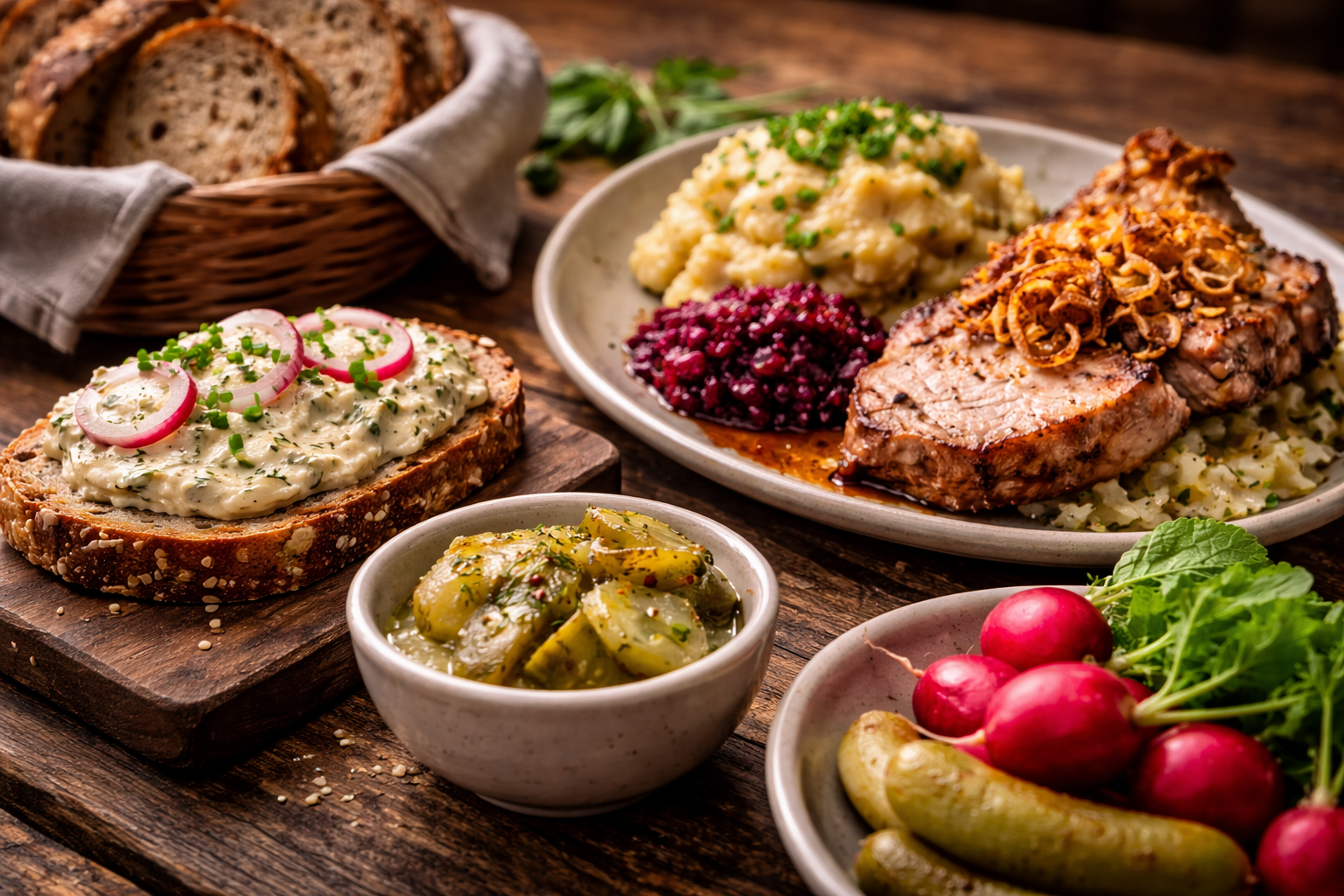
This is where a practical German food guide becomes especially helpful. Rather than pushing readers toward a single list of must-eats, it encourages them to notice what changes across the country. A good trip through Germany is often built on curiosity: trying the local bread, asking about the regional specialty, or choosing the dish that appears tied to place rather than the safest international option. These small choices often lead to the most memorable meals.
It is also worth remembering that German food culture is not frozen in the past. Traditional dishes still matter, but they now exist alongside modern restaurant scenes, regional reinterpretations, and a wider curiosity about local sourcing and culinary heritage. This makes German cuisine travel appealing not only for people who want nostalgia or rustic comfort, but also for travelers interested in how tradition evolves. The result is a food landscape that feels both rooted and alive.
Why Regional Food Tells the Real Story of Germany
The strongest way to understand German cuisine is through its regional diversity. A coastal fish sandwich, a Bavarian breakfast sausage, an eastern spiced loaf, and a western tavern classic all belong to the same country, yet each reflects a very different history and local identity. That contrast is what gives the national food culture its real richness. It also explains why regional dishes in Germany are much more revealing than any stereotype about sausages and beer alone.
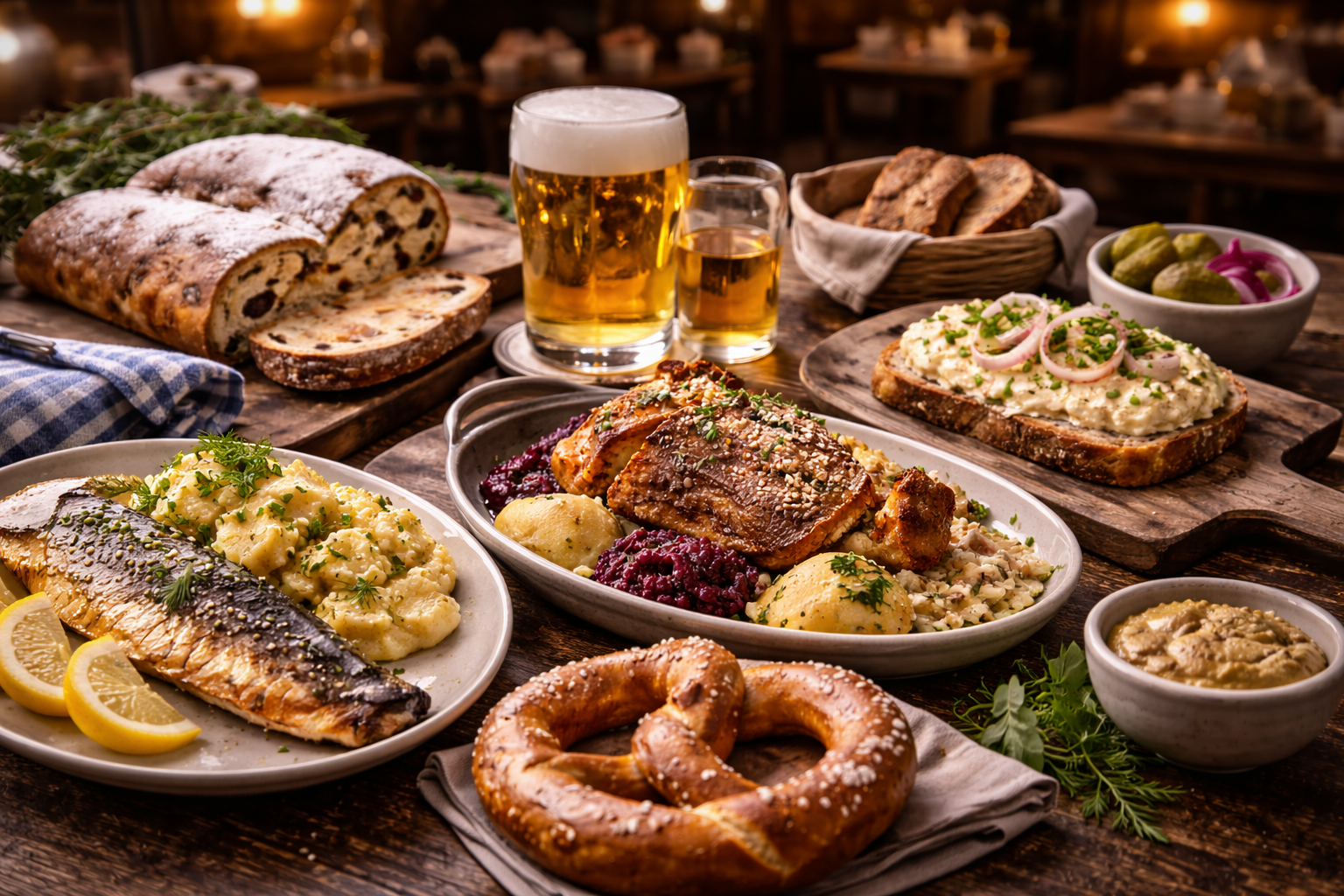
Food also provides one of the most immediate ways to connect with local life while traveling. It brings together geography, climate, history, routine, and hospitality in a form you can experience directly. That is why a well-built German food guide is not only about dishes, but about culture. For a broader official overview of experiences across the country, the Germany Travel Experience & Enjoy page is a useful reference.
Conclusion
A culinary journey through Germany is about far more than the foods most people mention first. It is about discovering fresh maritime dishes in the north, hearty comfort food in the south, sweet-and-sour traditions and baking culture in the east, and locally rooted everyday specialties in the west. Together, these experiences show that traditional German food is not one fixed idea, but a rich collection of regional identities. For travelers interested in what to eat in Germany, the real answer is simple: eat locally, eat regionally, and expect far more variety than the stereotypes suggest.