
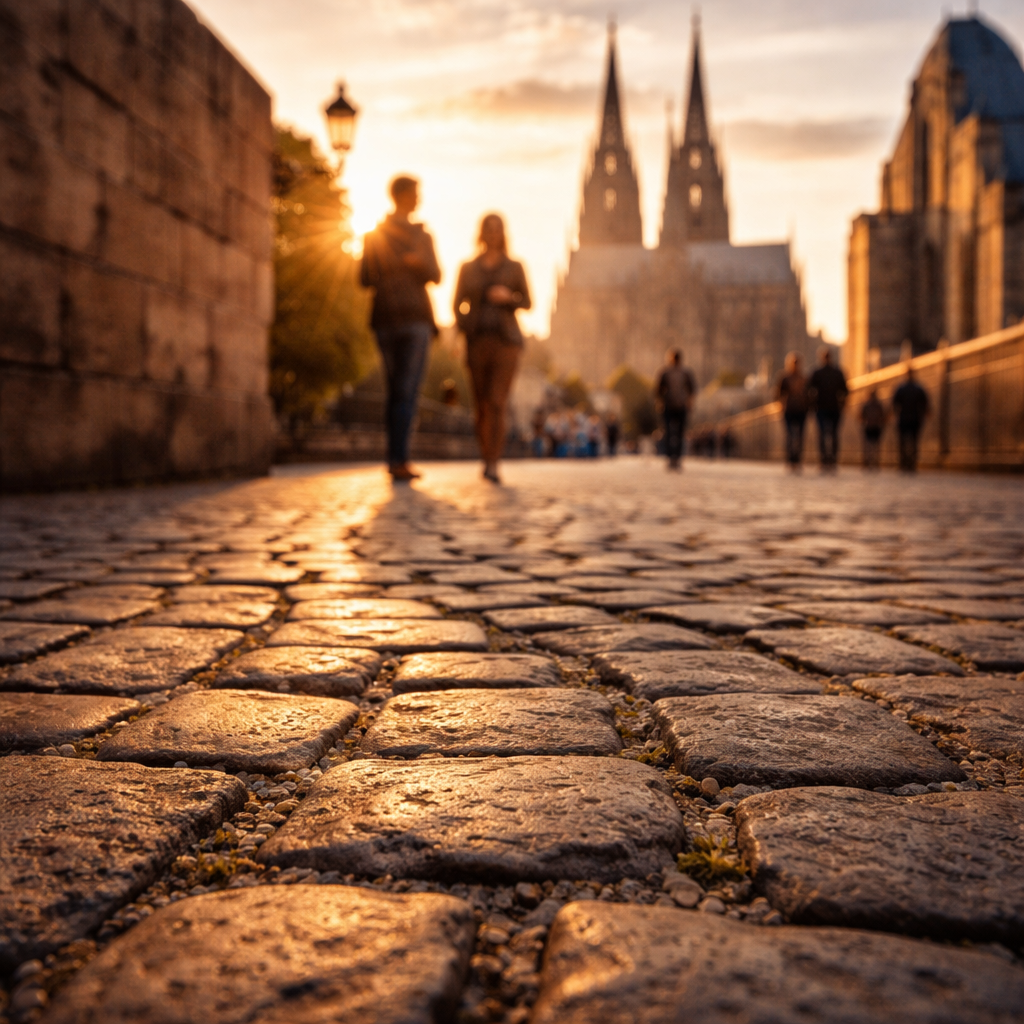
Germany is one of those countries where history is not confined to museums or textbooks. It rises in city squares, stands behind cathedral towers, and appears unexpectedly in castles, monuments, and old stone streets that still shape everyday life. For travelers who enjoy culture, architecture, and historical context, exploring the most important historical landmarks in Germany is one of the best ways to understand the country beyond its modern image. Each landmark reveals a different layer of German identity, from imperial ambition and religious power to political division, romantic imagination, and national memory.
What makes this journey especially rewarding is the range of stories involved. Some landmarks are deeply connected to major European events, while others reflect artistic ambition, royal fantasy, or centuries of urban development. Together, they create a travel experience that feels much richer than simply visiting famous buildings. That is why Germany remains such a compelling destination for travelers who want meaning as well as beautiful sights.
Another strength of Germany as a historical destination is how well these places fit into broader travel itineraries. A city break in Berlin, Cologne, Heidelberg, or Bavaria can easily become more memorable when it includes monuments that carry real historical weight. These sites are not isolated attractions, but part of the cultural texture of the places around them. For readers interested in historical landmarks in Germany, that blend of story and setting is a big part of the appeal.
Why Germany Is Such a Strong Destination for History Lovers
Germany’s history is complex, layered, and visible in ways that travelers can experience directly. Roman influence, medieval power, religious change, royal patronage, industrial growth, war, division, and reunification all left marks on the country’s built environment. As a result, visiting major landmarks is often like moving through several eras in one trip. This gives historical travel in Germany a depth that feels especially rewarding for curious visitors.
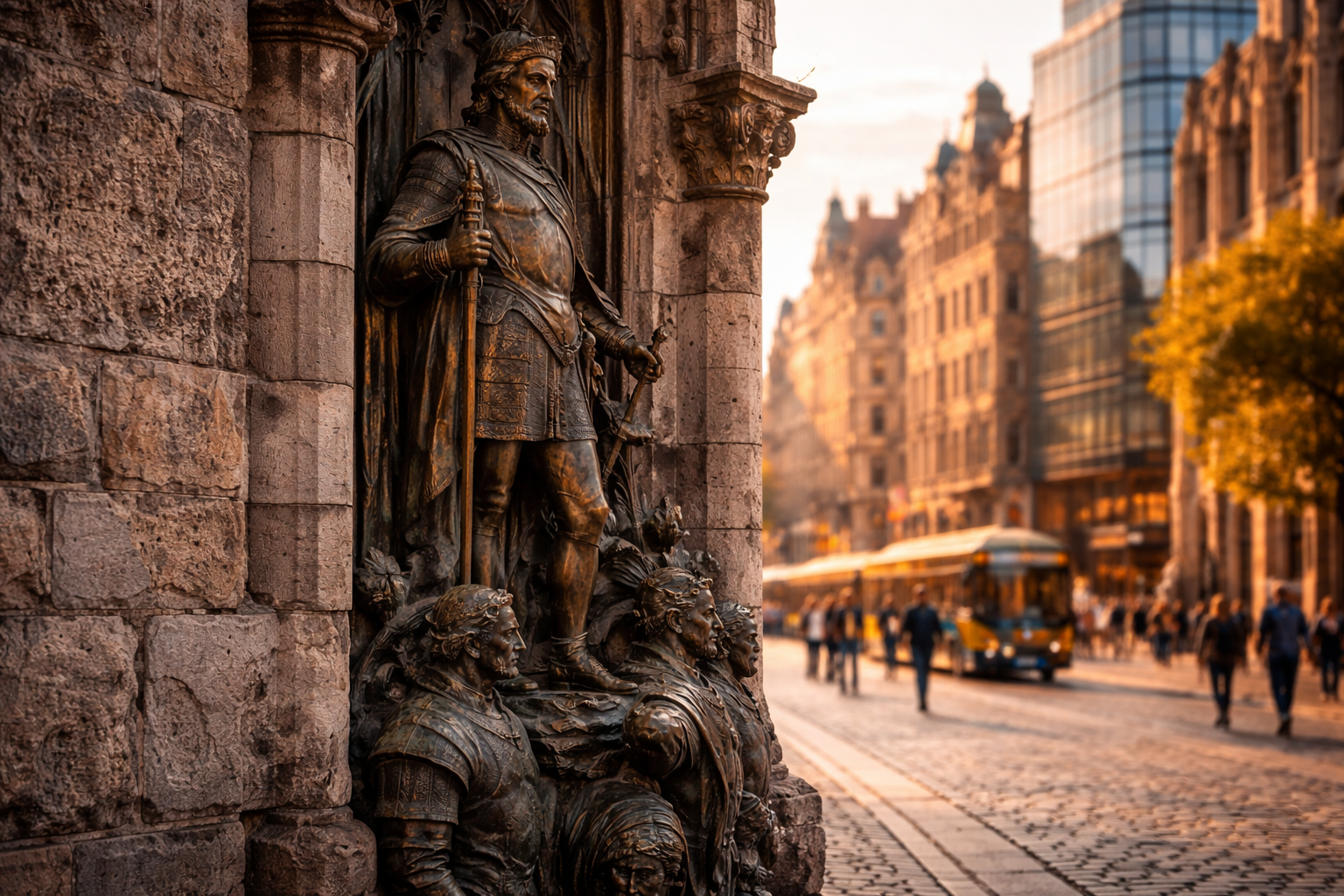
It also helps that German historical sites are often preserved and presented in ways that make them accessible without losing their seriousness. A monument can be visually striking on its own, but it becomes much more powerful when visitors understand what it witnessed and what it has come to symbolize. That is the case with many of the most famous historical landmarks in Germany, especially those tied to national memory or identity. The result is a travel experience that feels educational without becoming heavy-handed.
Brandenburg Gate Berlin: Symbol of Division and Unity
Few landmarks carry as much symbolic weight as the Brandenburg Gate Berlin. Standing at the heart of the capital, it has witnessed dramatic political and social changes across centuries, but it is especially remembered as a symbol of division during the Cold War and of unity after the fall of the Berlin Wall. Its neoclassical design gives it visual grandeur, but its real power comes from what it represents in modern European history. For many visitors, this is one of the most emotionally resonant stops in the country.
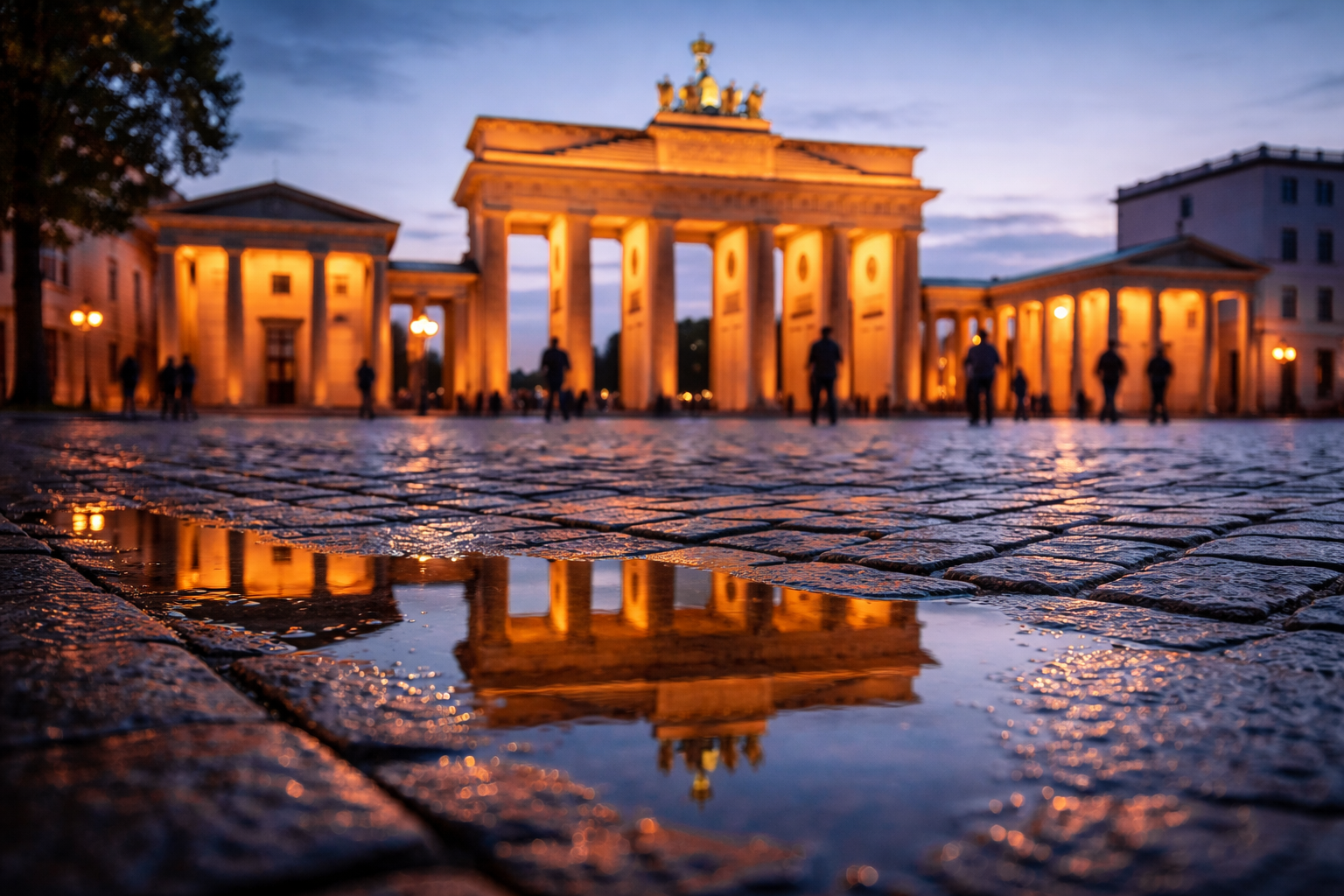
Seeing the Brandenburg Gate Berlin in person often feels more powerful than expected because it stands at the intersection of architecture and memory. The monument is elegant, balanced, and instantly recognizable, yet the space around it also carries the weight of national transformation. That dual character makes it more than a photogenic landmark. It is one of the clearest examples of how historical landmarks in Germany can connect the past to the present in a very direct way.
Berlin itself adds another layer to the experience. The city is full of sites connected to political upheaval, war, division, and reinvention, which makes the gate part of a much wider historical landscape. Travelers interested in a fuller city-based itinerary can pair this kind of landmark-focused trip with our guide to Germany’s enchanting small towns for a softer contrast to the intensity of the capital. Together, those perspectives show just how varied Germany’s historical travel experiences can be.
Cologne Cathedral: Monumental Faith and Gothic Grandeur
If Berlin represents modern political history, Cologne Cathedral brings visitors into the world of medieval ambition, religious power, and architectural achievement. Its massive Gothic form dominates the skyline and immediately gives the city a sense of historical scale. Even travelers who are not usually drawn to churches often find themselves impressed by the sheer vertical drama of the structure. It is one of the most visually overwhelming historical landmarks in Germany.
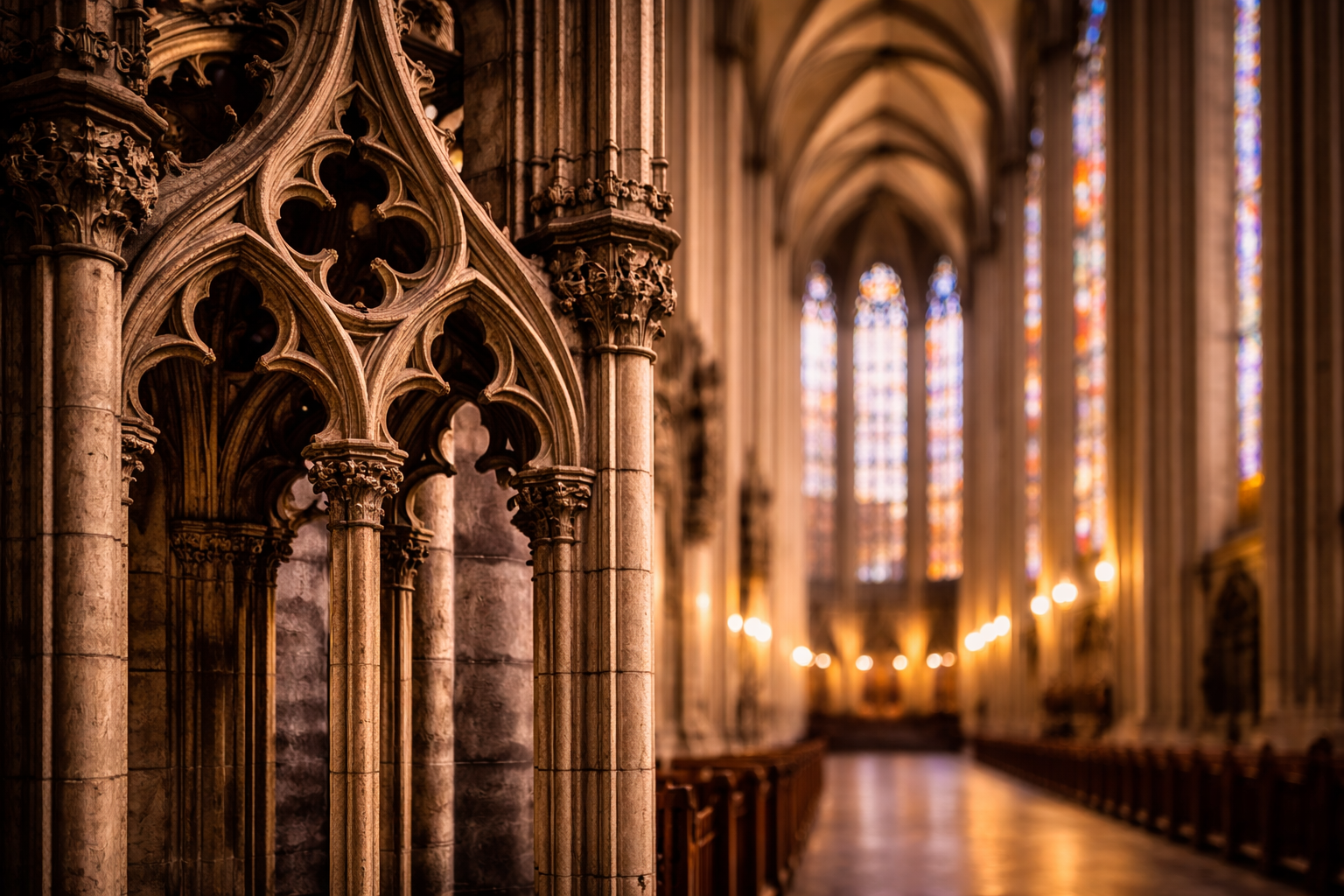
What makes Cologne Cathedral especially memorable is the combination of craftsmanship and atmosphere. The intricate facade, stained glass, soaring interior, and views from the tower all contribute to an experience that feels both grand and detailed. It is easy to admire the cathedral simply as architecture, but it becomes more meaningful when understood as a project shaped over centuries. That long timeline gives the building a special kind of historical gravity.
The cathedral also shows how German landmarks are often woven directly into urban life. It does not stand apart from the city, but right within it, influencing how Cologne is seen, navigated, and remembered. This makes the visit feel less like entering a separate attraction and more like stepping into the historical core of the city itself. For readers interested in discovering Germany through its most important sites, that integration of monument and city life is an important part of the appeal.
Heidelberg Castle: Romantic Ruins Above the Neckar
Another landmark worth adding to any list of historical landmarks in Germany is Heidelberg Castle. Rising above the old town and overlooking the Neckar River, it combines Renaissance elegance with the dramatic atmosphere of partially preserved ruins. Unlike landmarks that feel monumental or ceremonial, Heidelberg Castle has a more romantic and reflective character, which makes it especially memorable for travelers interested in history, architecture, and landscape. Its setting alone gives it a strong sense of place.
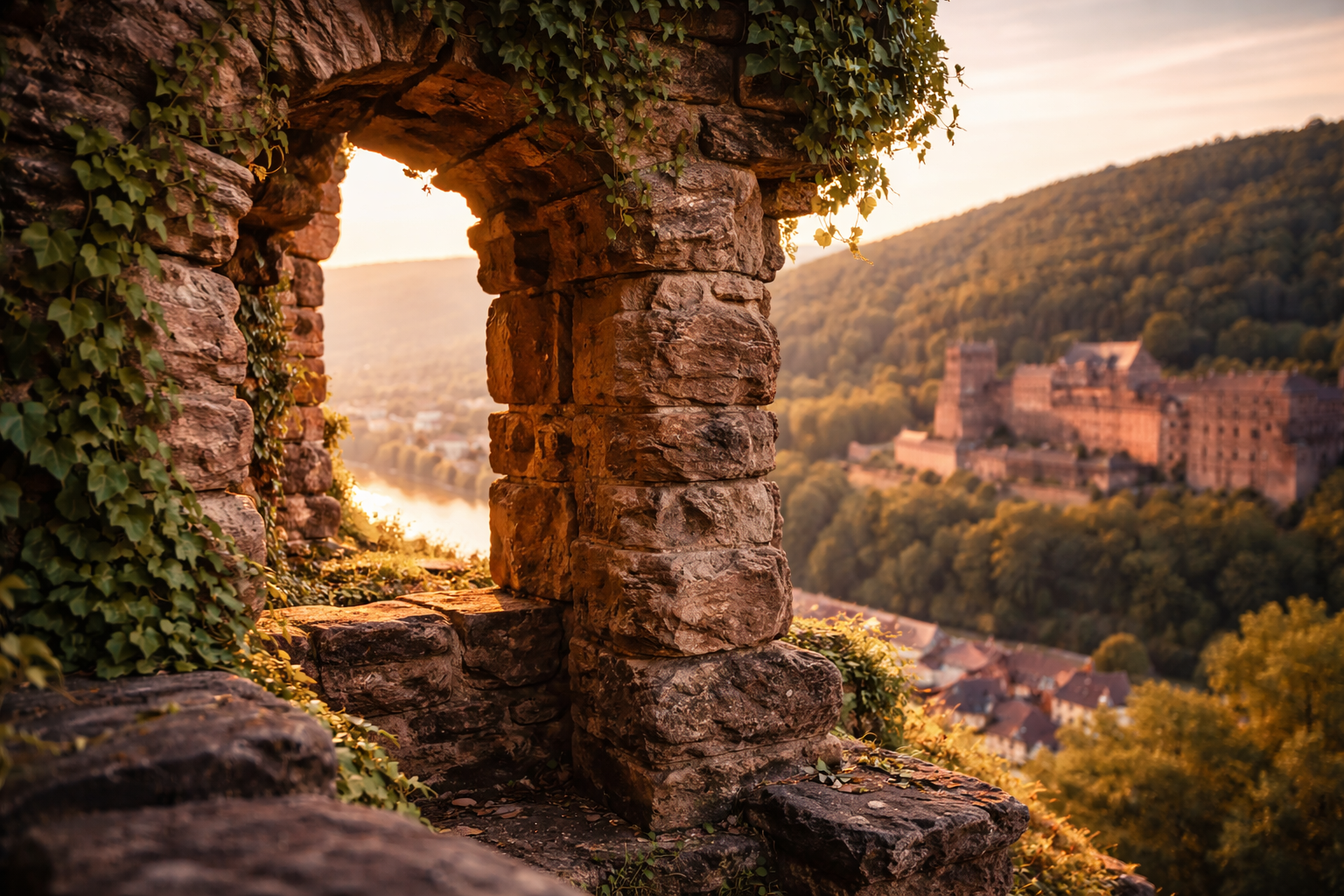
What makes Heidelberg Castle so compelling is the way it reflects several chapters of German and European history at once. Over the centuries, it was expanded, damaged, rebuilt, and eventually left in the partly ruined state that gives it its distinctive appeal today. That layered history makes the site feel less like a frozen monument and more like a visible record of time, conflict, and changing artistic taste. Heidelberg adds a softer but deeply atmospheric contrast to Germany’s grand cathedrals and royal castles.
The surrounding town strengthens the experience even further. Heidelberg’s old streets, river views, and academic heritage create a setting that feels intimate rather than overwhelming, which makes the castle visit especially rewarding. For travelers who want a landmark with both architectural beauty and emotional atmosphere, Heidelberg Castle is an excellent addition to the itinerary. It broadens the article nicely without duplicating the role of the other landmarks.
Neuschwanstein Castle: Romantic Vision in Bavaria
If Berlin and Cologne represent political and religious history, Neuschwanstein Castle offers something more dreamlike. Built in the 19th century under Ludwig II of Bavaria, it reflects romantic imagination rather than medieval military power, yet it has become one of the most famous landmarks in Europe. Perched against the Bavarian landscape, it looks almost too perfect to be real. That fairy-tale quality is exactly what draws so many travelers to it.
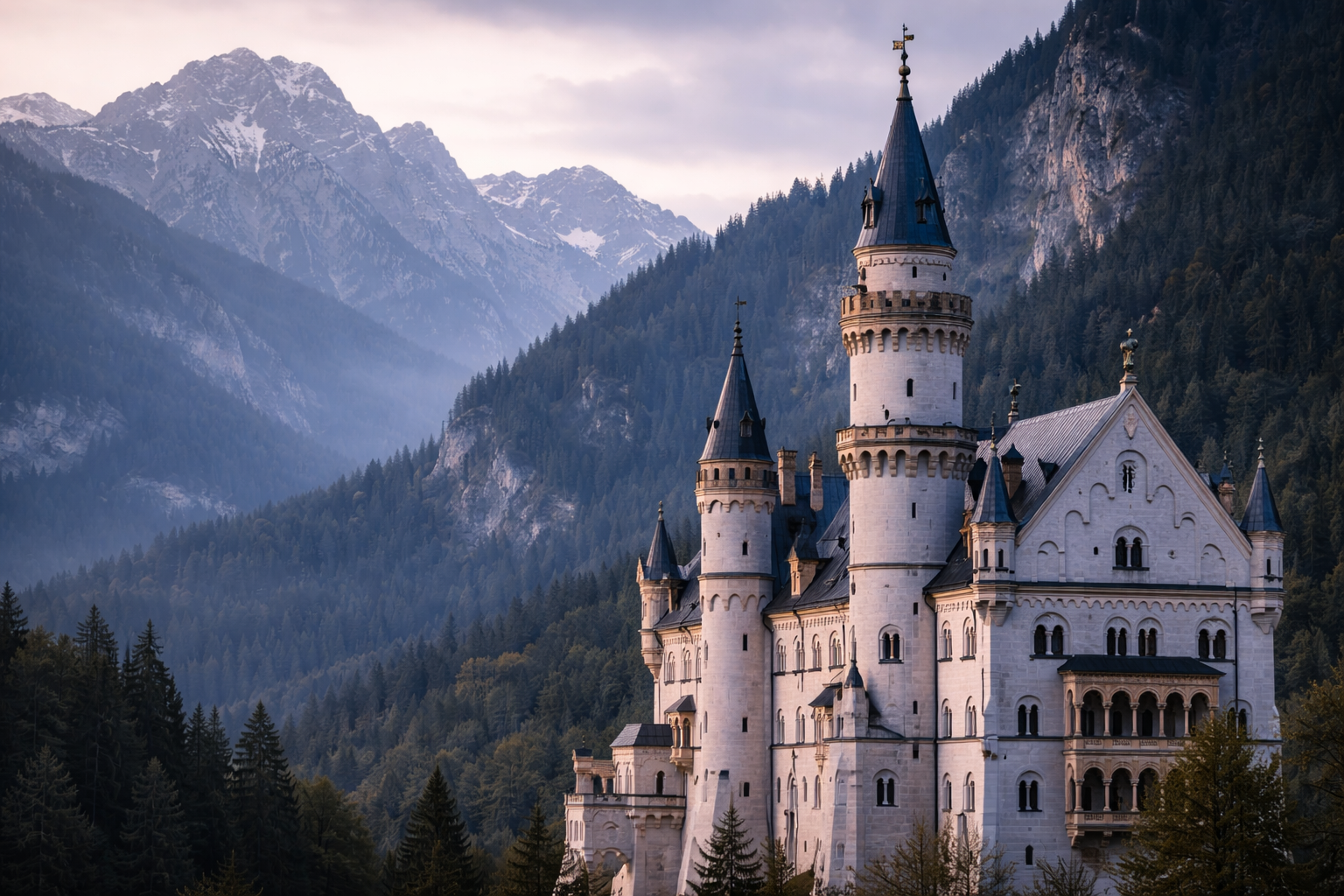
The fascination of Neuschwanstein Castle lies in how it combines spectacle with personality. It is not just a beautiful building, but an expression of royal fantasy, artistic taste, and a deeply theatrical vision of history. Interiors inspired by myth, opera, and decorative richness give the site a mood unlike that of more conventional castles. This makes it one of the most distinctive historical landmarks in Germany, even if its appeal is more romantic than political.
Its setting also matters enormously. Surrounded by Alpine scenery and Bavarian landscapes, the castle feels inseparable from the environment around it. The approach, the viewpoints, and the atmosphere all contribute to the impression that this is a place built as much for emotion as for function. For travelers planning a broader cultural itinerary, Neuschwanstein Castle adds a more imaginative chapter to the story of Germany’s past.
Why These Landmarks Matter Beyond Their Beauty
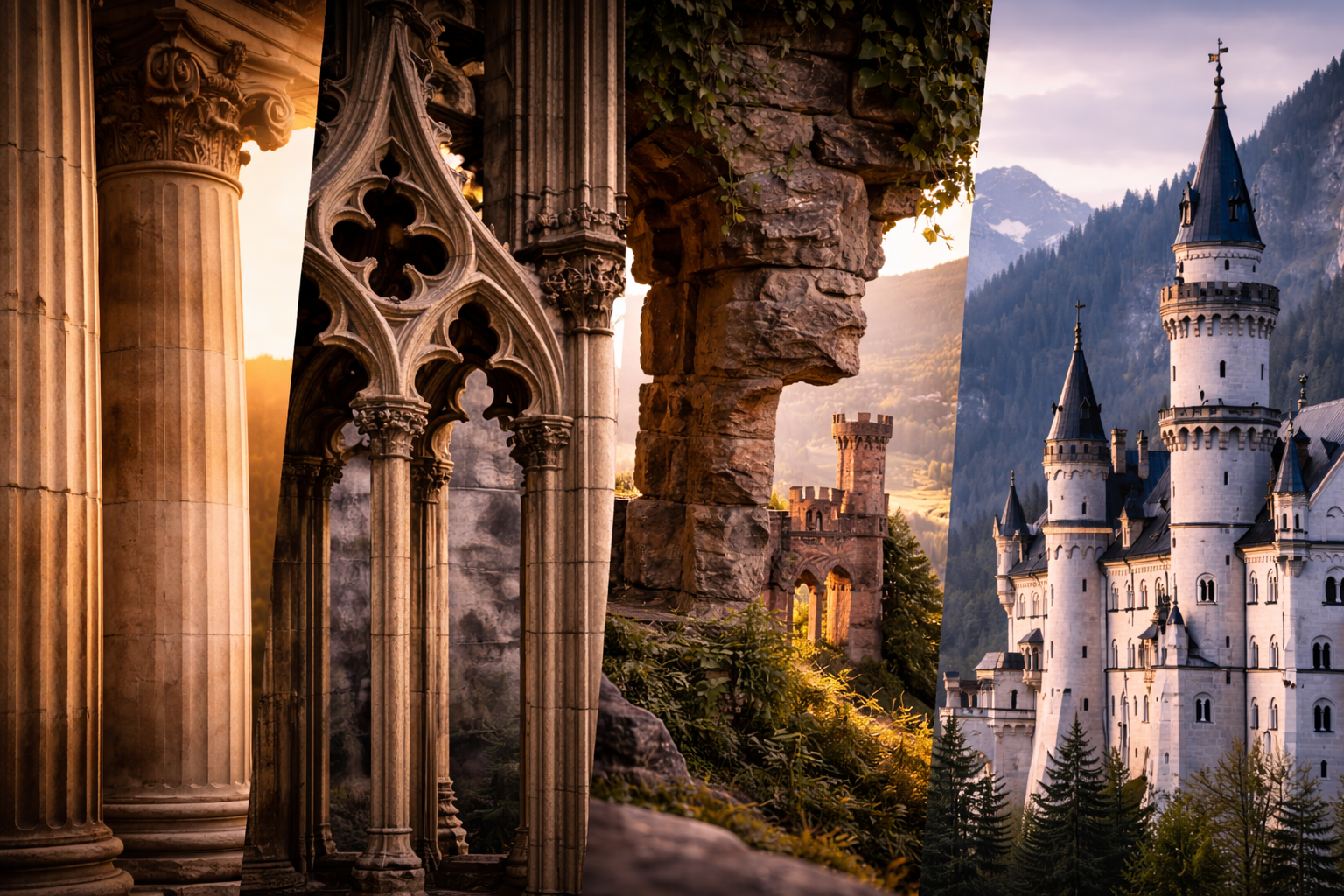
One reason these places remain so important is that they do more than decorate postcards or travel brochures. They help explain how Germany remembers itself and how different regions express their own identities through architecture and public space. The Brandenburg Gate Berlin speaks to national memory and reunification, Cologne Cathedral reflects spiritual and artistic ambition, Heidelberg Castle evokes the beauty of historical layers and romantic ruin, and Neuschwanstein Castle captures the power of royal self-invention. Each site tells a different story, and together they create a richer picture of the country.
This is what makes visiting historical landmarks in Germany more rewarding than simply checking off famous sights. The value lies in understanding why these places still matter, what they represented in their time, and how they continue to shape the way travelers experience German cities and regions today. That deeper layer is what transforms sightseeing into something more meaningful. It is also what gives this kind of cultural travel such lasting appeal.
A Stronger Way to Experience Germany’s Past
Travelers often get more from these sites when they see them as part of a larger cultural journey rather than as isolated icons. A landmark visit becomes more memorable when paired with city walks, local museums, old town districts, or even regional food and landscape. This broader approach helps history feel lived-in rather than abstract. It also makes the trip more dynamic and less repetitive.

That is why Germany works so well for travelers who want substance as well as visual appeal. Its landmarks are varied in style, mood, and historical meaning, which keeps the experience moving from one era and tone to another. For a broader official overview, the Germany Travel Historic Highlights page is a useful external reference. It complements the idea that historical landmarks in Germany are best understood as part of a wider cultural landscape.
Conclusion
The most memorable historical landmarks in Germany do more than impress with scale or beauty. They reveal the country through symbols of unity, masterpieces of Gothic architecture, romantic ruins, and castles shaped by imagination and royal ambition. From the layered meaning of the Brandenburg Gate Berlin to the grandeur of Cologne Cathedral, the atmosphere of Heidelberg Castle, and the dreamlike presence of Neuschwanstein Castle, these sites turn a trip through Germany into something vivid, emotional, and deeply rewarding. For travelers who want to understand Germany through the places that shaped its story, these landmarks are some of the strongest places to begin.