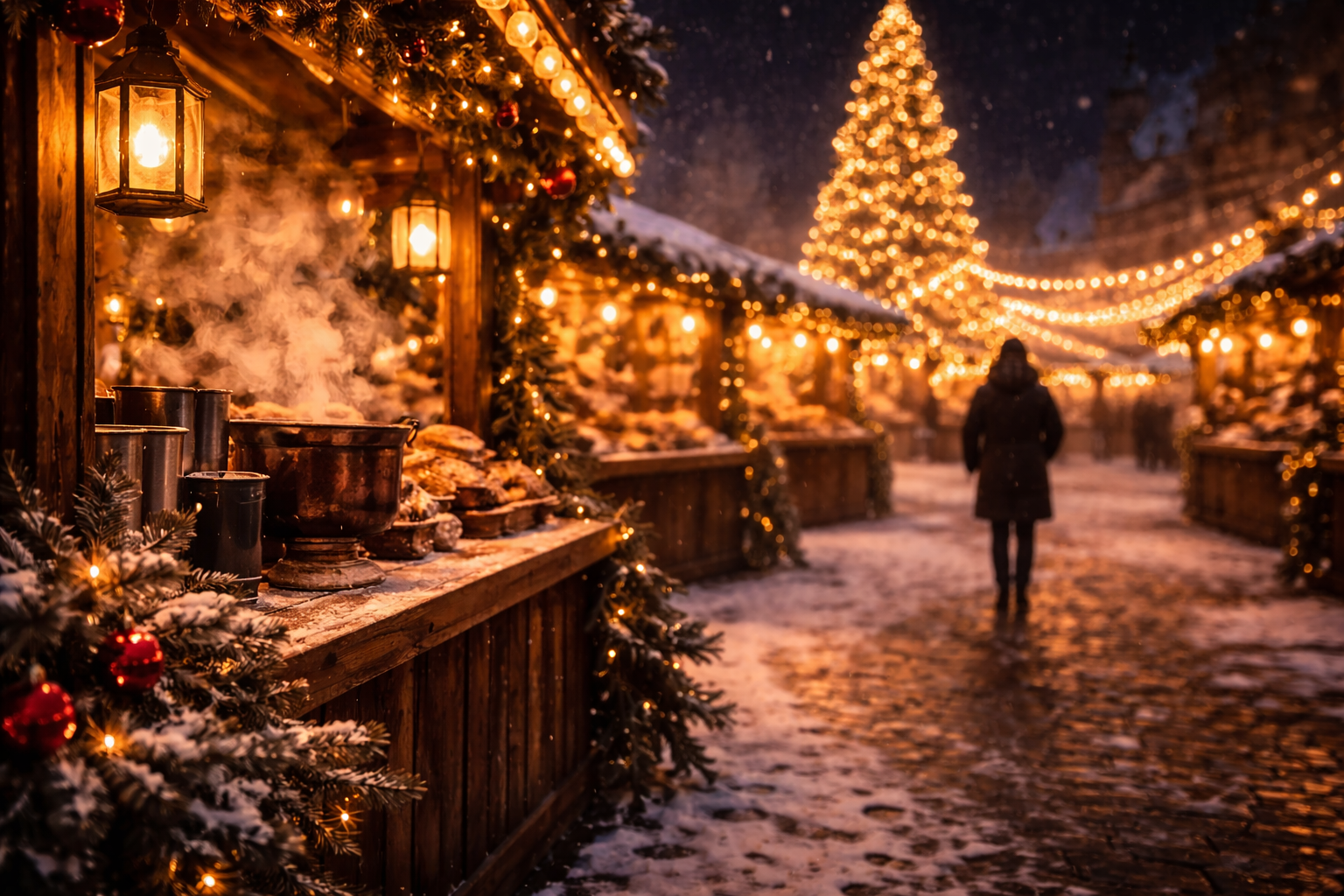
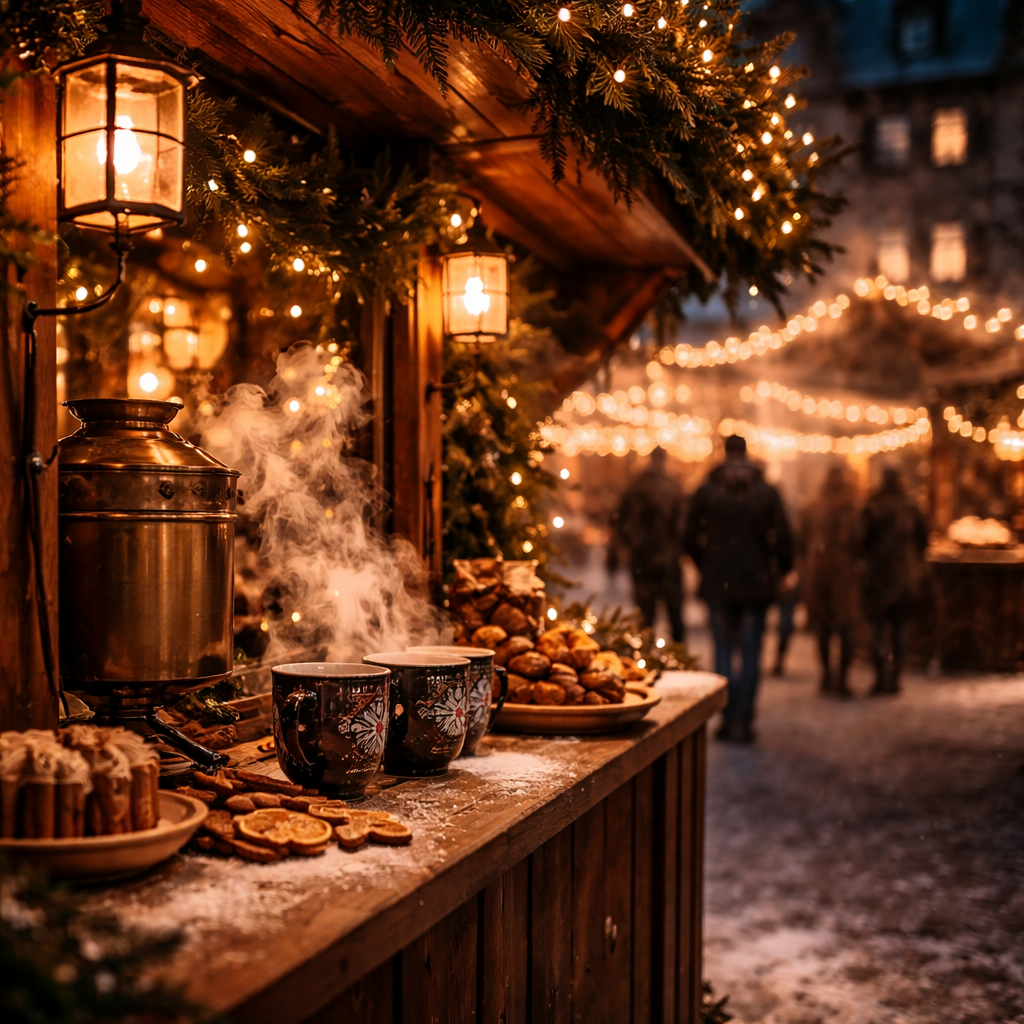
Few winter experiences in Europe feel as enchanting as exploring Germany Christmas markets. As the holiday season begins, city squares across the country transform into glowing gathering places filled with twinkling lights, seasonal music, wooden stalls, and the comforting aroma of mulled wine. What makes these markets so memorable is not just their beauty, but the way they bring together history, food, craftsmanship, and local tradition in one atmosphere. For travelers seeking a festive escape, Germany offers one of the richest Christmas experiences anywhere in the world.
Part of the charm lies in the variety. Some markets feel grand and theatrical, framed by historic architecture and large public squares, while others feel intimate and rooted in local customs. Every region adds its own flavors, decorations, and traditions, giving visitors something different at each stop. That is why Germany Christmas markets are not just a seasonal attraction, but a meaningful part of the country’s cultural identity.
Why Christmas Markets in Germany Feel So Special
Germany’s Christmas markets, known as Weihnachtsmärkte, have deep historical roots that stretch back centuries. Originally created as winter markets where people could buy seasonal goods, they gradually evolved into festive events that celebrate community, tradition, and the joy of the holiday season. Today, they still retain that sense of warmth and authenticity, even in the country’s largest cities. This blend of old-world tradition and modern holiday energy is what makes them so appealing.
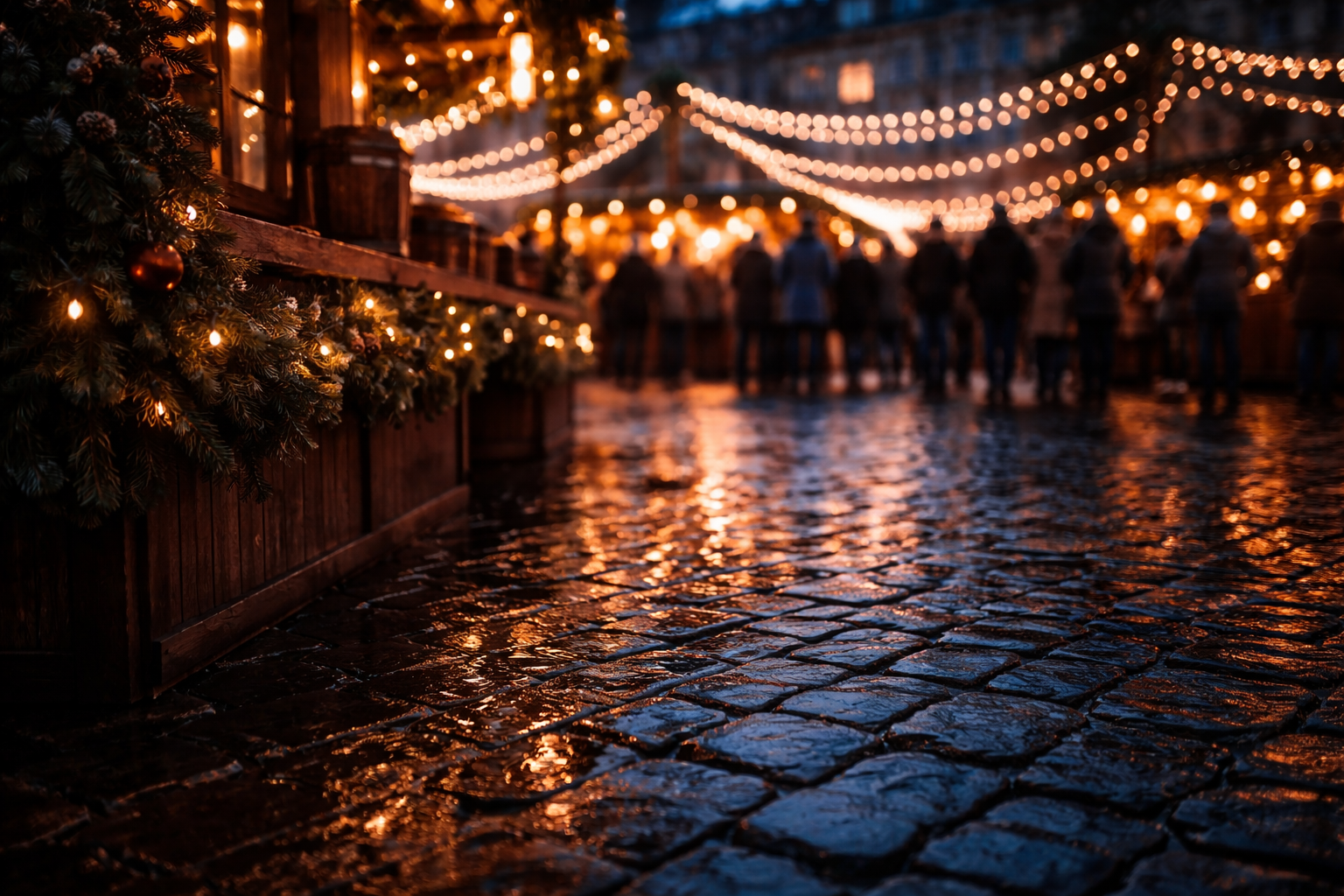
Another reason these markets stand out is the atmosphere they create after dark. Strings of lights, decorated stalls, and festive choirs turn ordinary public spaces into places that feel almost cinematic. Visitors are not simply shopping or sightseeing, but stepping into an environment designed to slow them down and invite them to enjoy the season. That immersive quality is what makes Germany Christmas markets so easy to remember long after the trip ends.
What You Can Expect at a German Christmas Market
A typical visit to a German Christmas market offers much more than browsing stalls. You will usually find handcrafted ornaments, candles, wooden toys, seasonal decorations, and gifts made by local artisans. Food is a major part of the experience too, with visitors stopping for roasted nuts, sausages, potato dishes, gingerbread, and other winter specialties. A warm cup of Glühwein often becomes part of the ritual, especially on cold evenings.
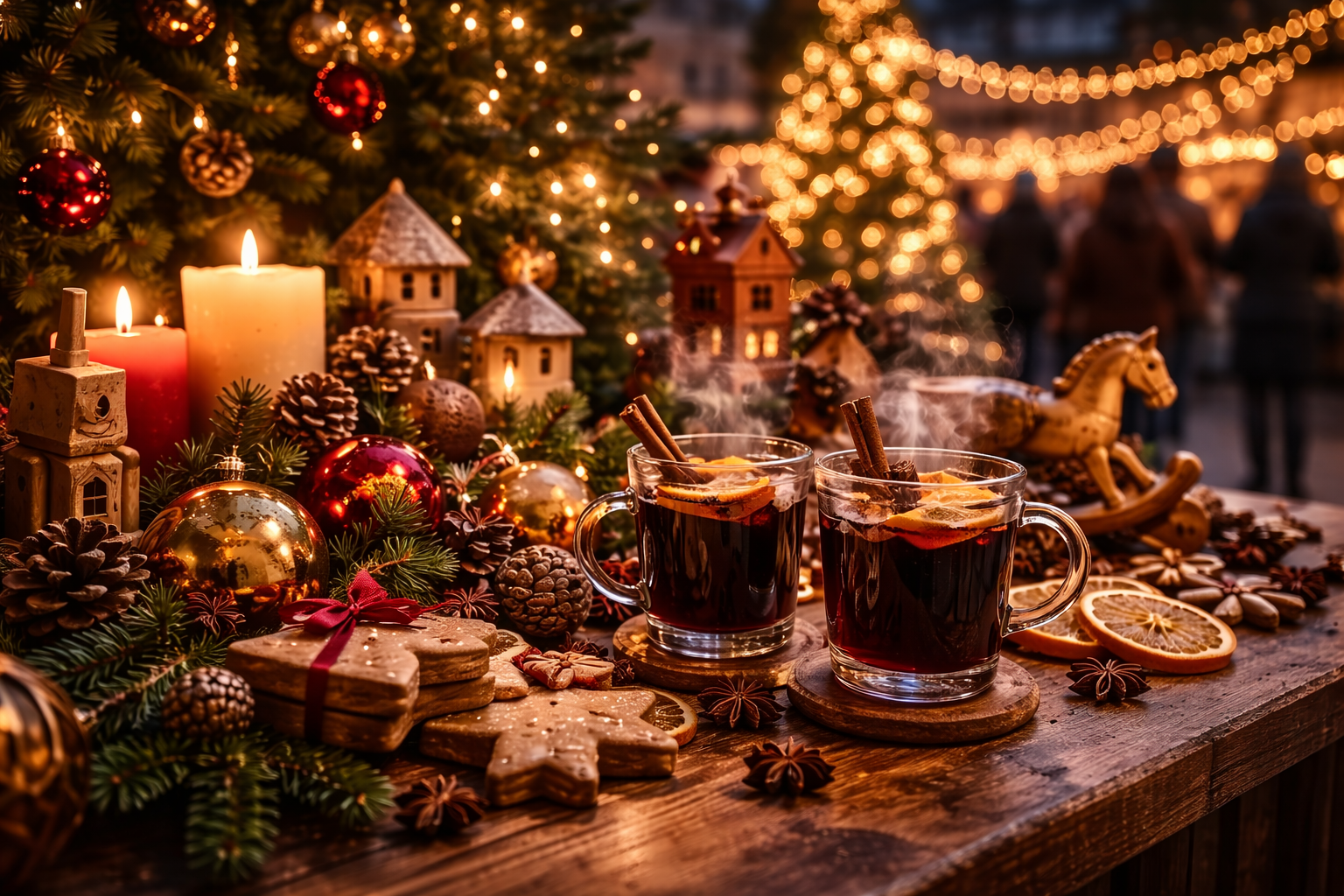
The atmosphere is equally important. Many markets feature live music, nativity scenes, festive performances, and beautifully decorated trees that serve as gathering points for locals and tourists alike. Some are elegant and refined, while others feel playful and family-oriented. This variety allows travelers to choose the kind of holiday mood they want, whether that means romance, nostalgia, or a more energetic celebration.
Berlin Christmas Market: A Capital Full of Holiday Energy
A Berlin Christmas market experience is ideal for travelers who want variety and a big-city holiday atmosphere. Berlin hosts dozens of Christmas markets every season, each with its own character, style, and local flavor. Some focus on crafts and gourmet food, while others lean into entertainment, skating, or contemporary holiday design. This range makes Berlin one of the most exciting places in the country for festive exploration.
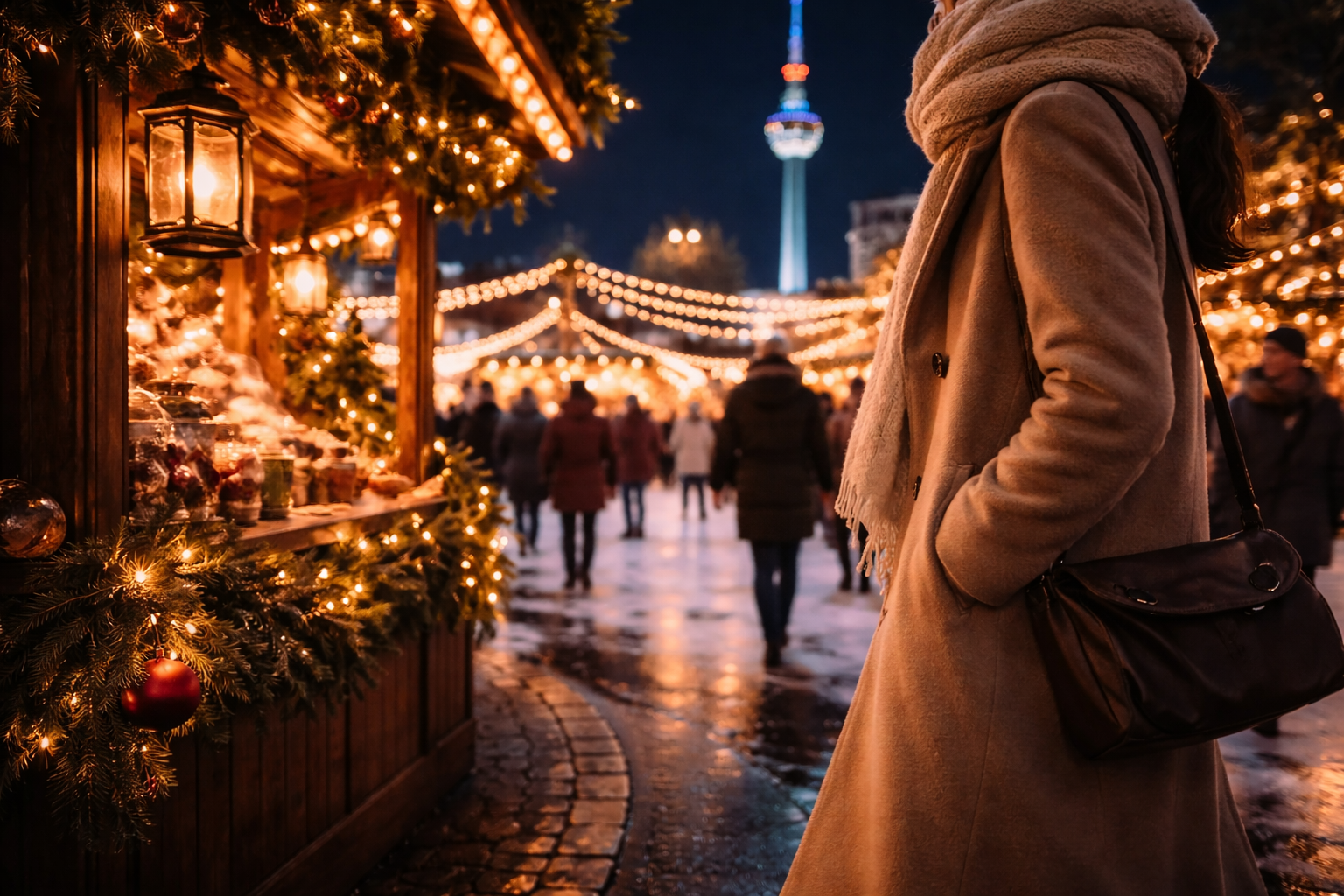
One of the city’s most iconic settings is the market historically associated with Gendarmenmarkt, surrounded by impressive architecture that adds elegance to the entire experience. Walking through Berlin during December means moving from one festive scene to another, with lights, music, and seasonal aromas following you from district to district. The city feels energetic without losing its winter charm. For travelers who want both tradition and variety, Berlin is a strong place to begin.
Munich Christkindlmarkt: Tradition in the Heart of Bavaria
The Munich Christkindlmarkt brings together tradition, atmosphere, and a distinctly Bavarian sense of hospitality. Set around Marienplatz, it unfolds against the backdrop of the city’s historic town hall, where Gothic details and festive lighting create a dramatic seasonal setting. The market feels deeply rooted in local tradition, and that historical continuity adds real character to the visit. It is a place where the holiday season feels both elegant and warmly familiar.
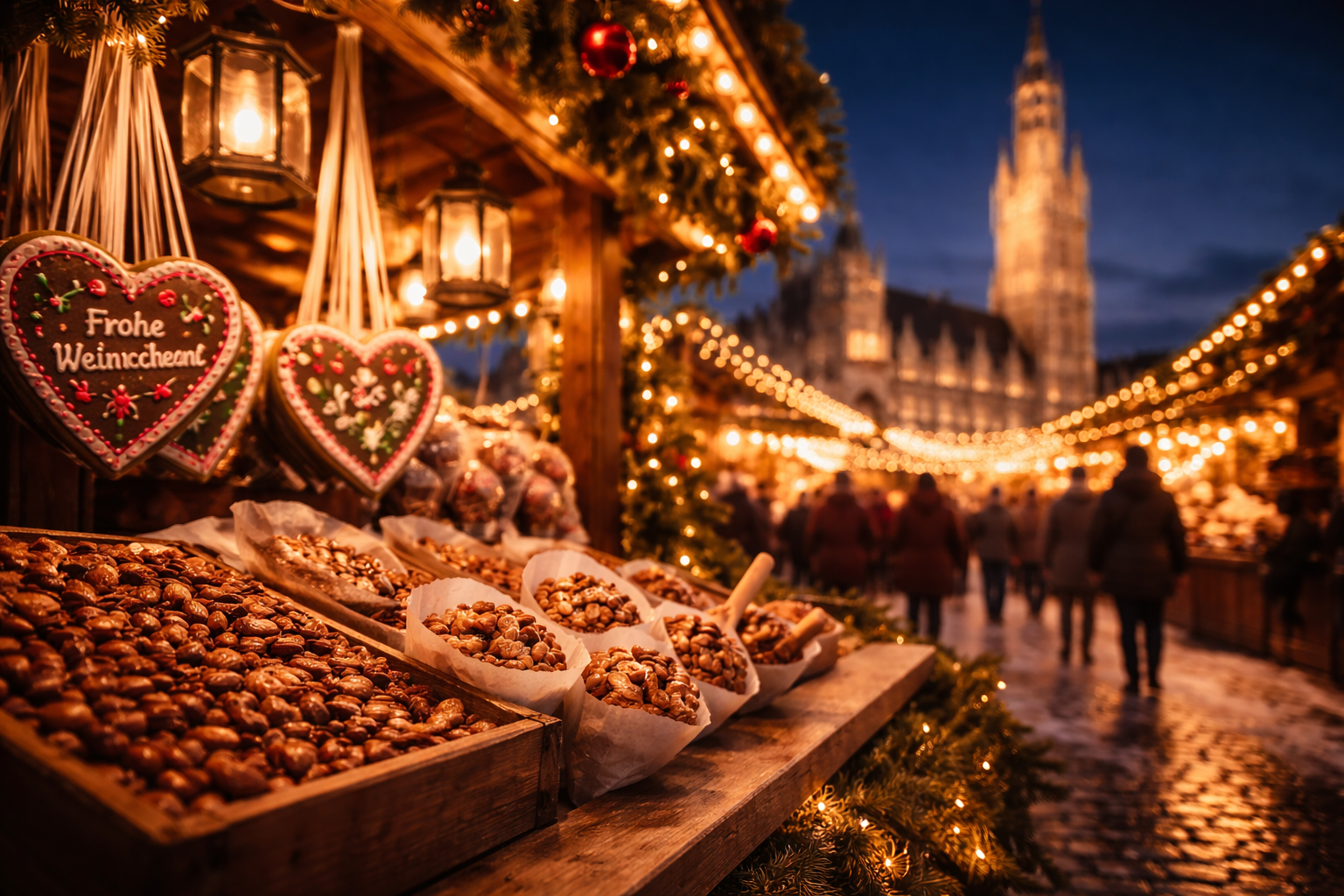
Food plays a major role here, and the market is especially appealing to travelers who enjoy experiencing local flavors as part of their journeys. Gingerbread, roasted almonds, sausages, and sweet seasonal pastries create a rich sensory experience that matches the festive surroundings. Stalls selling ornaments, handmade gifts, and traditional decorations give the market a strong visual identity as well. The Munich Christkindlmarkt is a perfect stop for anyone looking for a classic German Christmas setting with authentic regional charm.
Dresden Striezelmarkt: History, Baking, and Local Craft
The Dresden Striezelmarkt is one of the oldest and most historically significant Christmas markets in Germany, and that legacy can still be felt throughout the experience. It is especially famous for its connection to Stollen, the traditional fruit bread that has become one of Dresden’s best-known holiday specialties. The market’s long history gives it a sense of authenticity that is difficult to replicate. For many visitors, it represents the more traditional and craft-centered side of Germany’s festive culture.
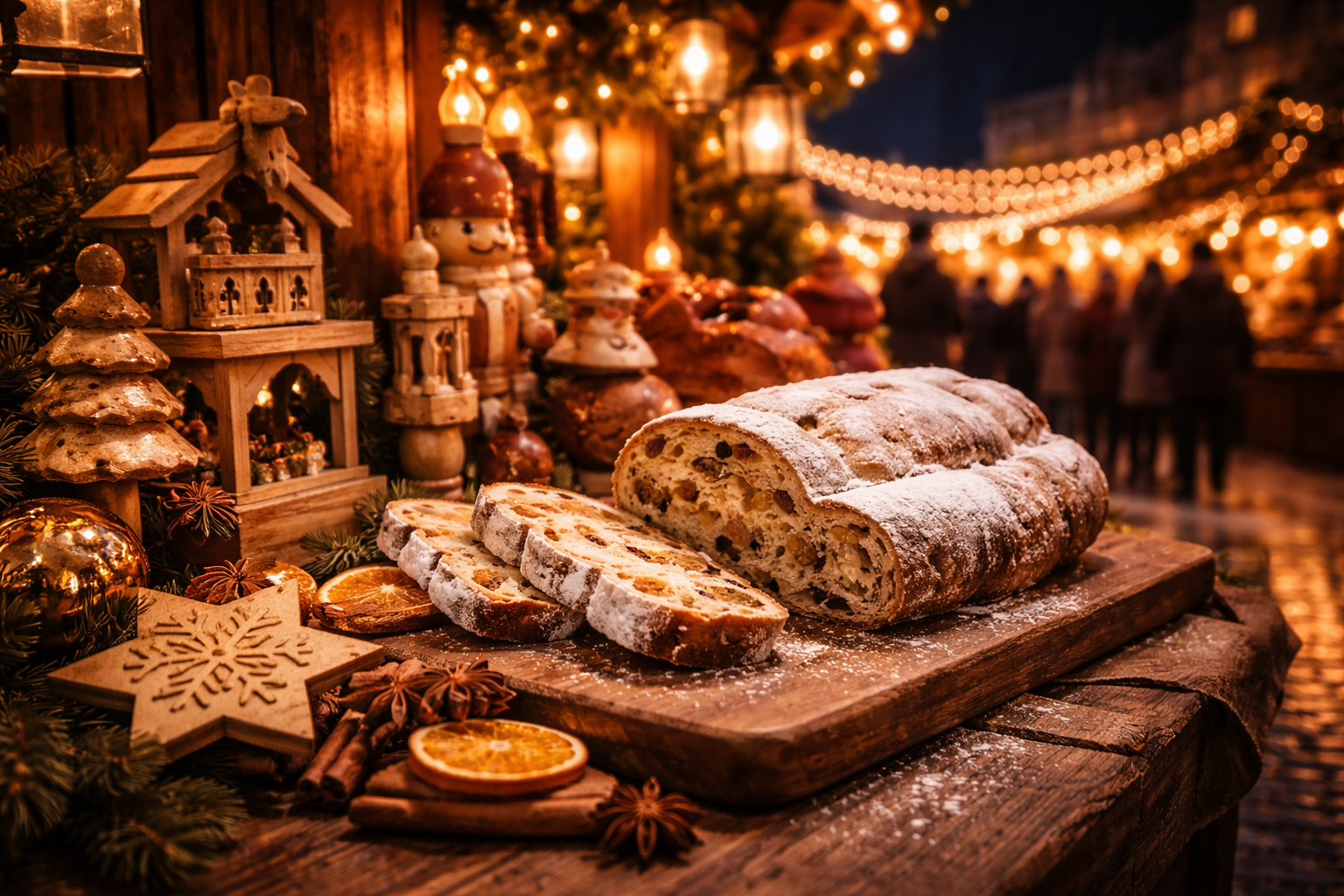
Beyond food, Dresden’s market is also known for its regional craftsmanship. Visitors can browse handmade decorations, woodwork, pottery, and other artisan products that reflect the creative traditions of Saxony. The setting feels welcoming rather than overly commercial, which helps preserve the atmosphere people often hope to find during the holiday season. The Dresden Striezelmarkt is especially rewarding for travelers who appreciate markets with strong historical identity and local flavor.
Nuremberg Christkindlesmarkt: A Classic Fairytale Setting
The Nuremberg Christkindlesmarkt is often described as one of the most iconic Christmas markets in Europe, and it is easy to see why. Set in the city’s historic center, it combines medieval atmosphere, traditional wooden stalls, and long-standing seasonal customs in a way that feels almost storybook-like. The market’s visual identity is strong, but what really makes it special is how consistently it delivers a classic holiday atmosphere. It feels traditional, festive, and unmistakably German.
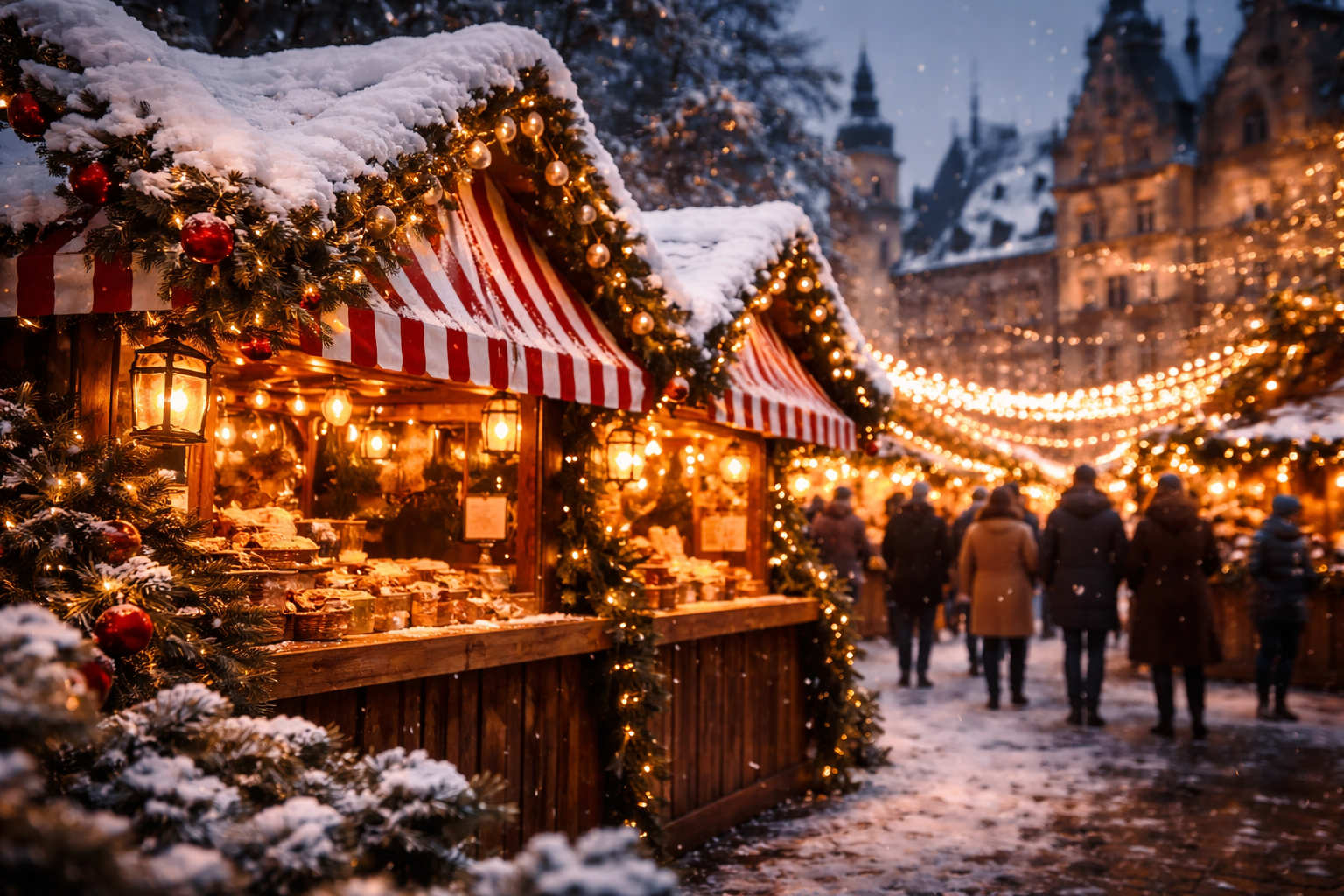
Nuremberg is also known for regional specialties that add depth to the experience. Visitors come not only for the decorations and gifts, but also for famous gingerbread, grilled sausages, and the small festive details that define the city’s seasonal identity. The market feels lively without becoming overwhelming, and its setting makes every evening visit especially memorable. For travelers who want the most recognizable version of the Christmas market tradition, the Nuremberg Christkindlesmarkt is hard to beat.
For official visitor information and seasonal details, visit the official Nuremberg Christkindlesmarkt website.
The Food That Defines the Experience
One of the biggest reasons people fall in love with German Christmas markets is the food. Seasonal dishes and treats are not just side attractions, but an essential part of the atmosphere and cultural experience. Warm drinks like Glühwein help create a sense of comfort, while traditional sweets, breads, and savory street food turn every market visit into a sensory event. Even travelers who are not focused on shopping often leave remembering the flavors first.
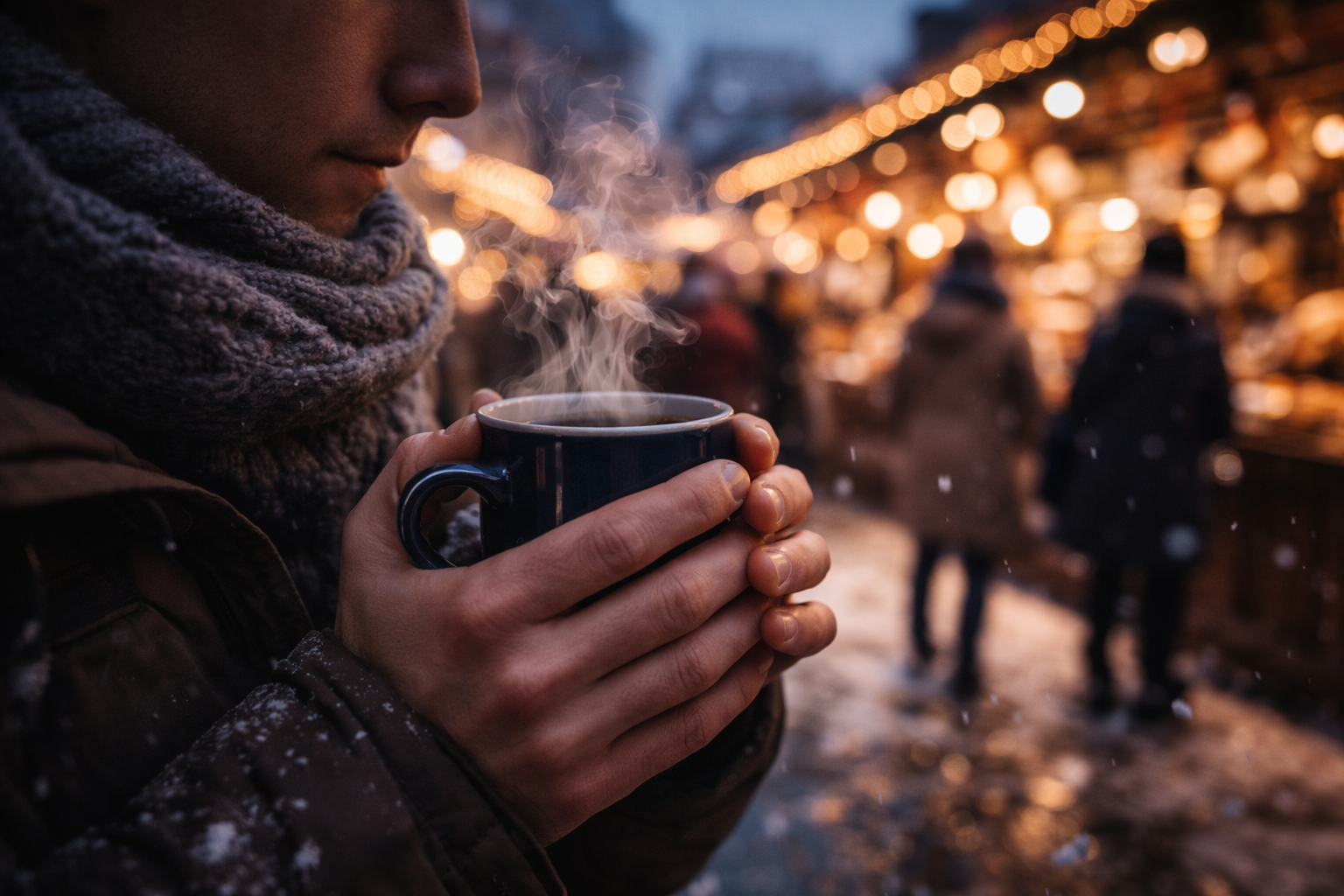
Each city adds its own specialties, which makes it worth visiting more than one market during the same trip. In one place you may focus on gingerbread and roasted almonds, while another is known for sausages, fruit bread, or regional pastries. These culinary differences help each destination maintain its own identity. They also make market-hopping across Germany feel more varied and rewarding.
Handmade Gifts, Decorations, and Local Craftsmanship
Christmas markets in Germany are also a celebration of traditional craftsmanship. Many stalls feature ornaments, candles, wooden figurines, textiles, and handmade gifts that feel more personal than typical mass-produced souvenirs. This focus on craft gives the markets an artisanal quality that many visitors find especially appealing. Buying something small from a local maker often becomes part of the emotional memory of the trip.
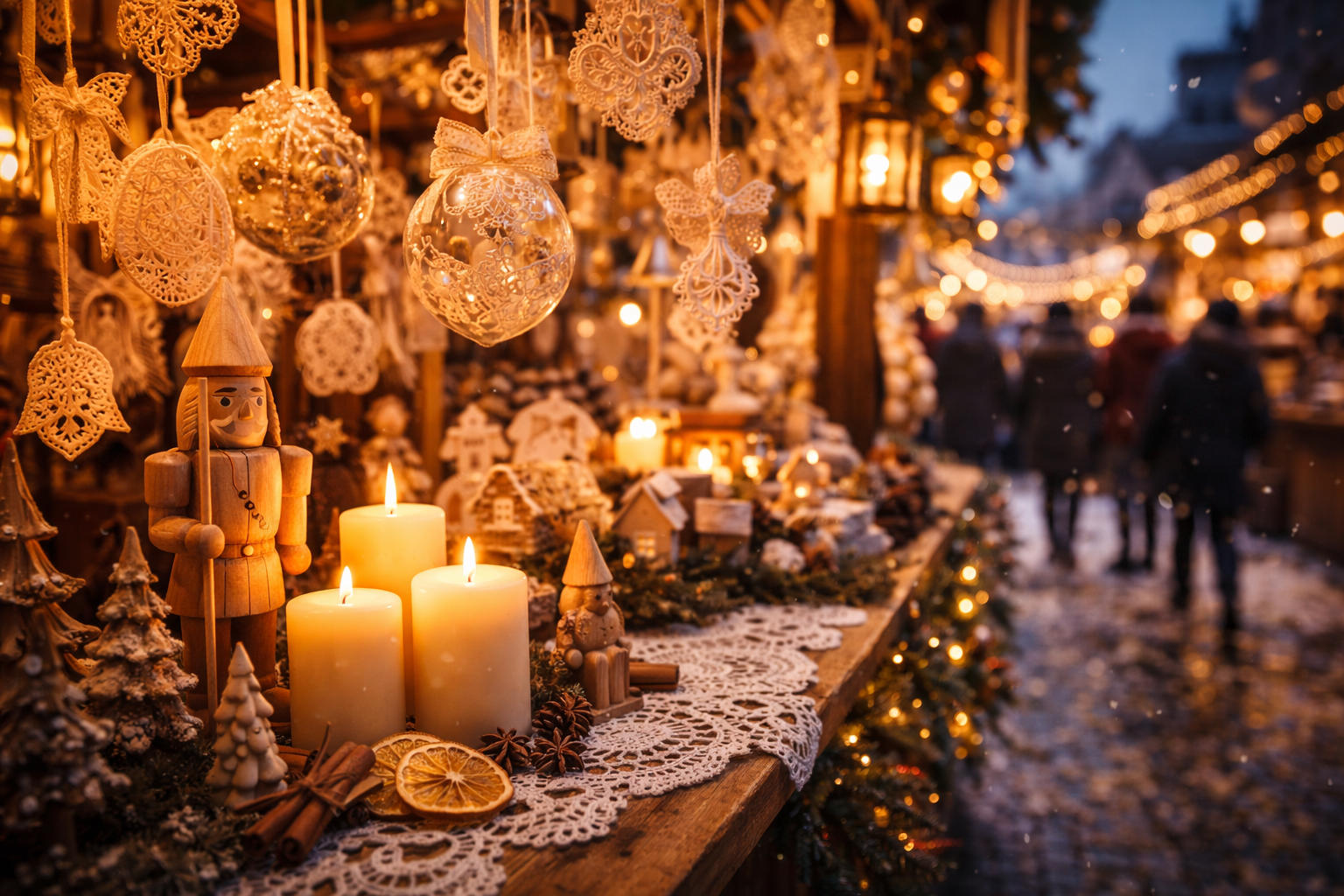
These products also reflect regional traditions in subtle but meaningful ways. Some markets are known for woodcarving, others for pottery, lacework, or handmade holiday decor tied to local customs. This means shopping at a Christmas market can also feel like discovering a piece of local culture. It is one more reason the experience feels richer than a typical seasonal fair.
When to Visit Germany Christmas Markets
Timing can make a noticeable difference when planning a festive trip through Germany. Most Christmas markets open in late November and run until just before Christmas, although dates can vary slightly by city and year. Weekdays usually offer a calmer atmosphere, while weekends tend to be busier and more festive. Travelers who prefer a more relaxed experience may enjoy arriving earlier in the day, while evening visits are best for lights and atmosphere.
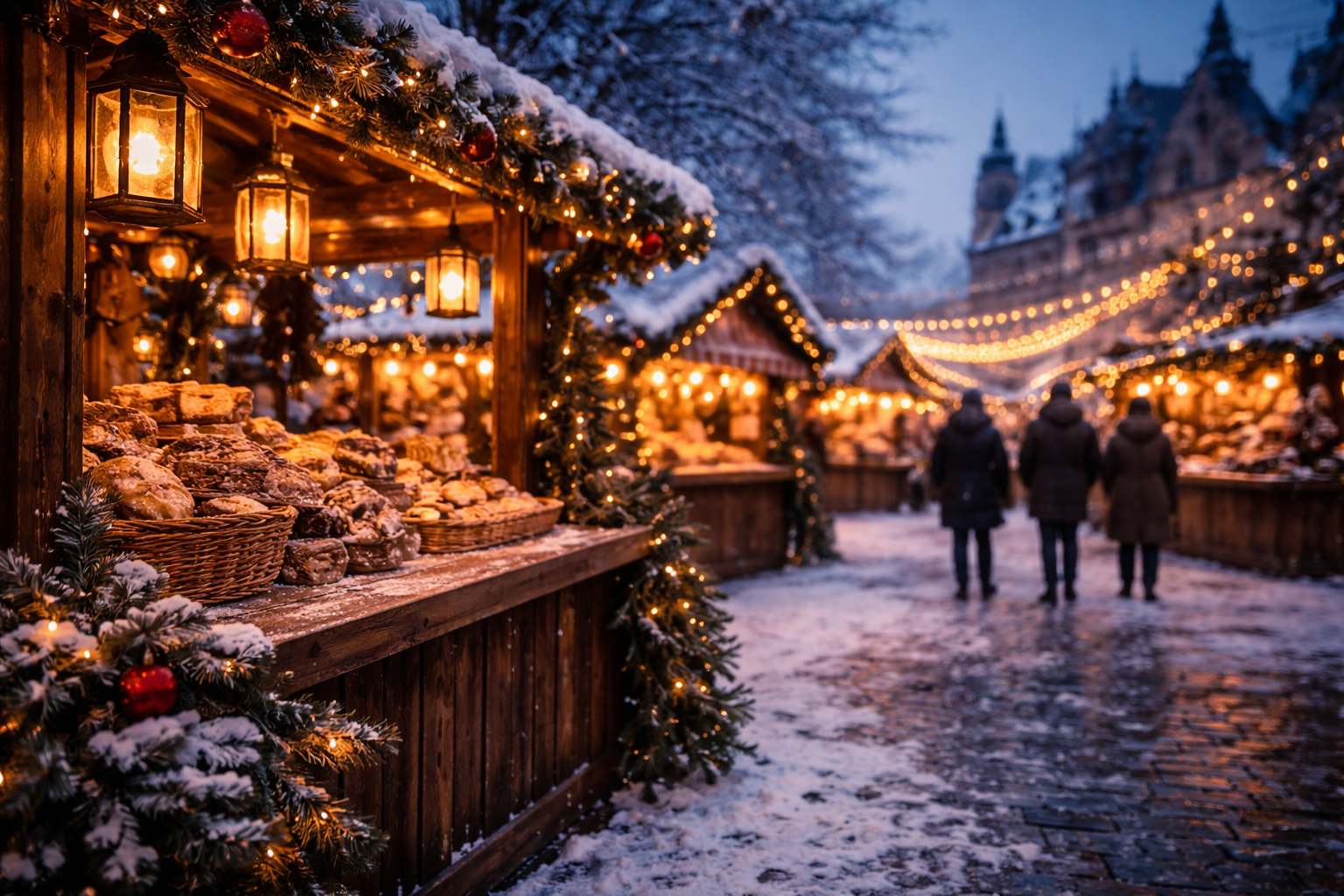
Weather also shapes the experience in a positive way. Cold air, warm drinks, and illuminated stalls create the exact winter mood many people hope for when planning a holiday getaway. Packing well for low temperatures makes it easier to enjoy longer walks and slower evenings outdoors. Once you are comfortable, the winter setting becomes part of the charm rather than an obstacle.
How to Plan a Christmas Market Trip Through Germany
If you want to explore several markets in one journey, it helps to build an itinerary around a few key cities rather than trying to see everything. Berlin, Munich, Dresden, and Nuremberg create a strong route because each destination offers a different style of market and a distinct regional atmosphere. This allows the trip to feel varied instead of repetitive. Even a short itinerary can feel rich if each stop offers its own personality.

It is also smart to leave room for unplanned moments. Some of the most memorable parts of a Christmas market trip happen between major landmarks, when you discover a smaller square, a beautiful side street, or a local stall you were not expecting to find. A flexible schedule often leads to a better experience than trying to move too quickly. The goal is not to rush through the markets, but to enjoy the mood each one creates.
If you want to broaden the trip beyond festive city stops, you can also continue with this guide to sustainable travel in Germany.
Conclusion
A journey through Germany Christmas markets is about much more than holiday shopping. It is an opportunity to experience the country through its winter traditions, regional specialties, historic city centers, and deeply rooted festive culture. From the energy of Berlin to the elegance of Munich, the heritage of Dresden, and the storybook charm of Nuremberg, each destination offers its own version of holiday magic. For travelers looking for warmth, beauty, and unforgettable seasonal atmosphere, Germany remains one of the best Christmas destinations in Europe.