
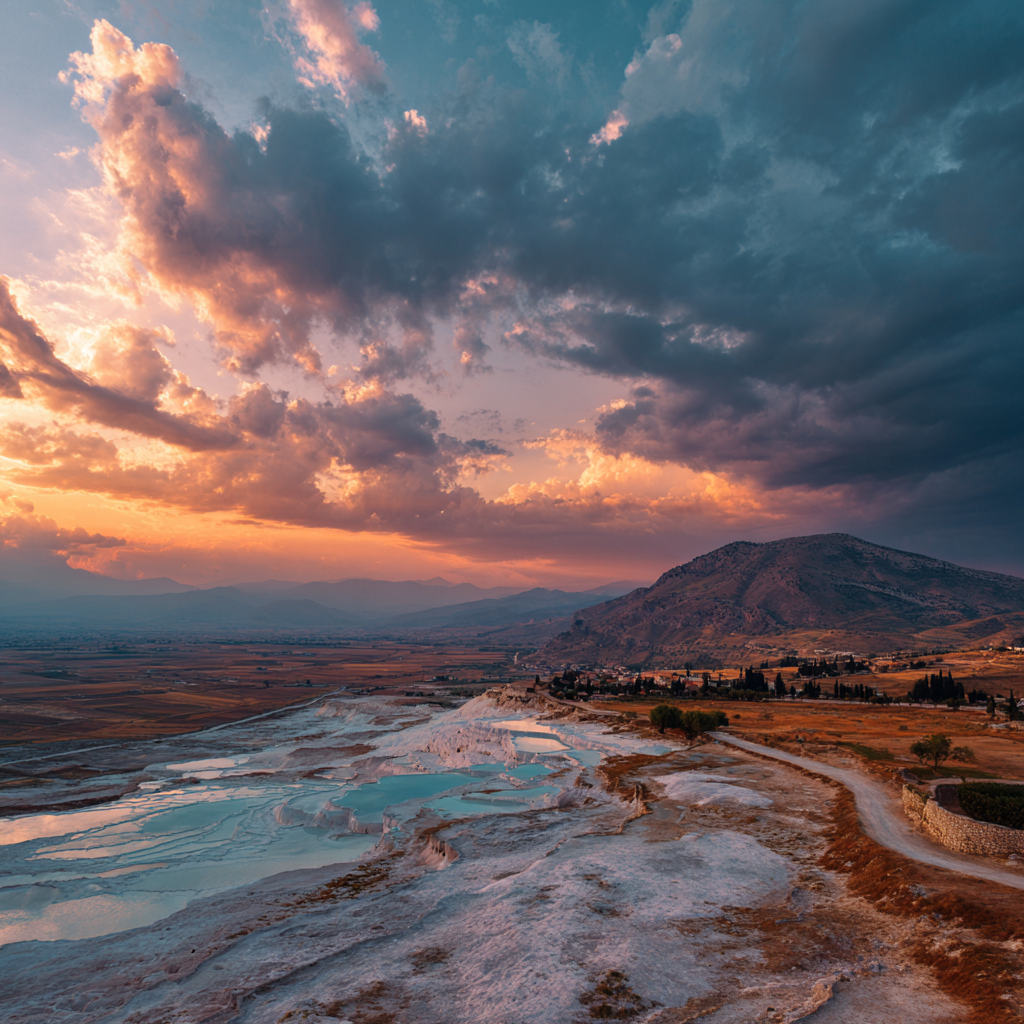
Turkey is often introduced through Istanbul, ancient ruins, bazaars, and Ottoman architecture, but the country’s landscapes deserve just as much attention. The natural wonders of Turkey are unusually diverse: white mineral terraces, volcanic valleys, high mountains, turquoise bays, deep canyons, pine-covered trails, salt lakes, and dramatic coastlines all fit within one country. This variety is part of what makes Turkey such a rewarding destination for travelers who want more than a city break or beach holiday.
What makes Turkish nature especially powerful is the way it connects with history. Ancient cities were built near springs, harbors, mountains, valleys, and trade routes because geography shaped human life. Cappadocia’s churches were carved into soft volcanic rock, Pamukkale’s thermal waters sit beside the ruins of Hierapolis, and the Mediterranean coast still carries traces of Lycian, Greek, Roman, Byzantine, and Ottoman worlds. Nature in Turkey is rarely just scenery. It is part of the story.
Why Turkey’s Landscapes Feel So Varied
Turkey sits between Europe, Asia, the Mediterranean, the Black Sea, the Caucasus, and the Middle East. That position creates a remarkable mix of climates and landscapes. The country has snowy peaks in the east, dry central plateaus, humid northern forests, Mediterranean beaches, volcanic valleys, and fertile river basins.
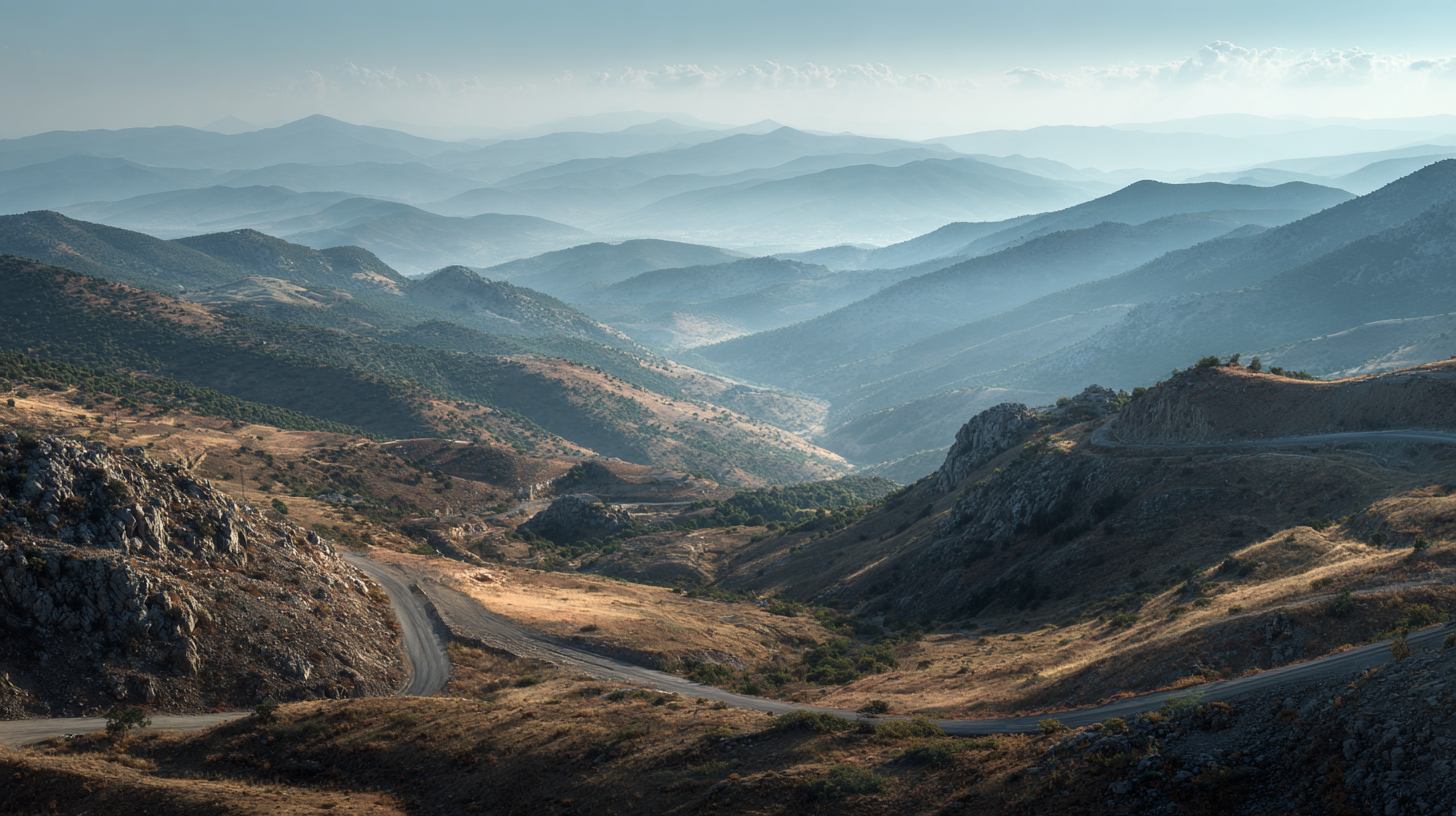
This diversity means travelers can build very different trips around the natural wonders of Turkey. One itinerary might focus on thermal pools and ancient ruins, while another follows coastal trails, mountain villages, or surreal rock formations. The best way to approach Turkey’s nature is not as a checklist, but as a series of contrasting worlds. Each region has its own light, texture, pace, and atmosphere.
Pamukkale Turkey: The White Terraces of the “Cotton Castle”
Pamukkale Turkey is one of the country’s most famous natural landmarks, and it is easy to understand why. Mineral-rich thermal waters flow down a hillside, leaving behind bright white travertine terraces that look almost unreal in the sunlight. The name Pamukkale means “Cotton Castle,” and the landscape really does feel like something soft, pale, and dreamlike from a distance.
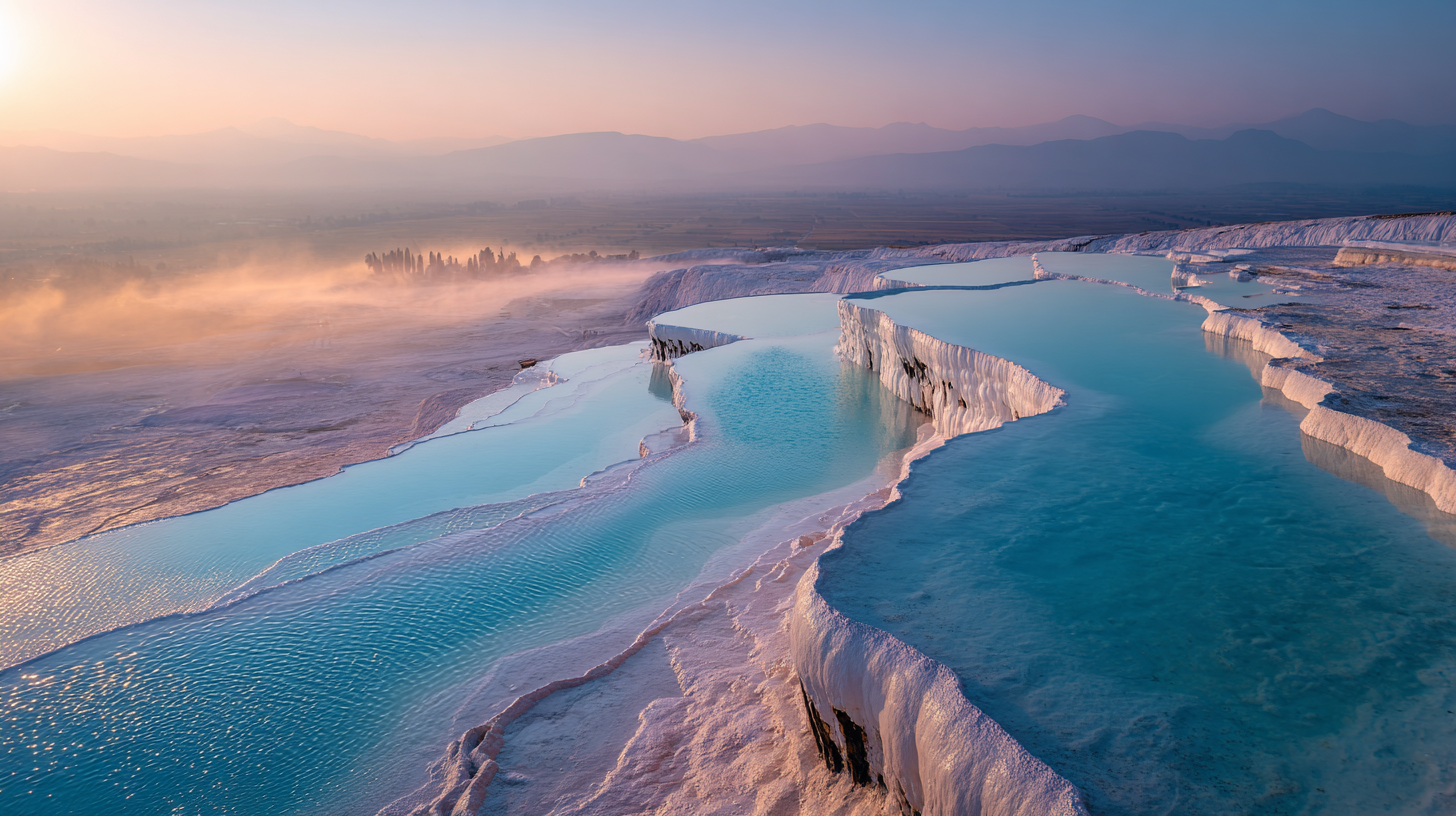
The site is not only beautiful, but also geologically fascinating. The terraces were formed by calcium-rich waters that created layers of white deposits over time. UNESCO describes Hierapolis-Pamukkale as a landscape shaped by calcite-laden springs, petrified waterfalls, and terraced basins. For travelers, this is one of the clearest places in Turkey where natural wonder and ancient history stand side by side.
Hierapolis and the Human Story Behind Pamukkale
Pamukkale is often photographed as a natural site, but the nearby ancient city of Hierapolis gives it deeper meaning. People have been drawn to these thermal waters for centuries, not only for beauty but also for healing, ritual, and leisure. The ruins of baths, streets, temples, theater spaces, and tombs show how strongly water shaped life here.
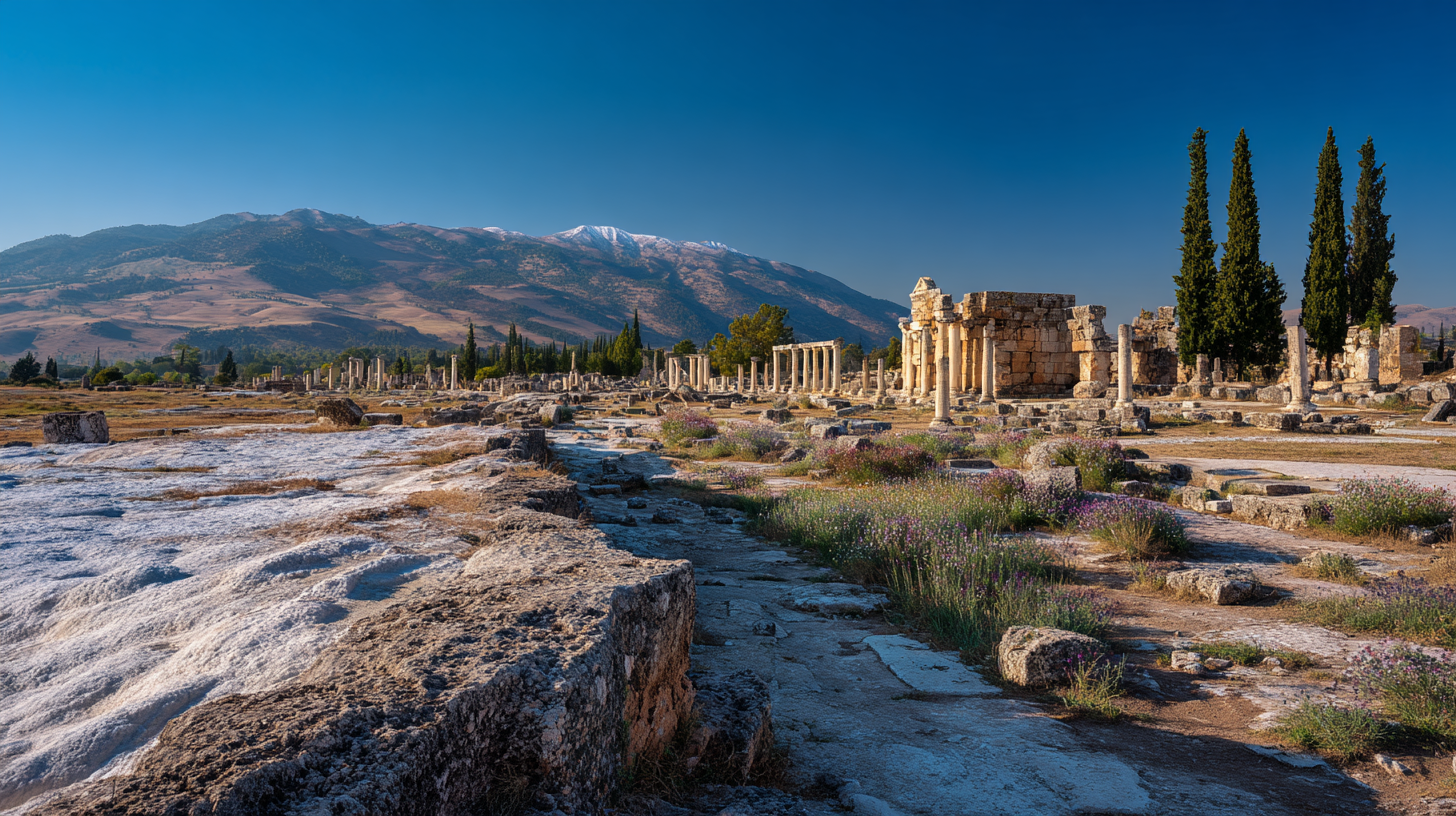
This is a good example of how nature and civilization overlap in Turkey. The hot springs helped make Hierapolis important, and the ancient city gives Pamukkale more context than a simple photo stop could offer. If you are building a broader historical route, this landscape connects naturally with Turkey’s deeper story of Anatolian civilizations. The land and the people who lived on it are impossible to separate.
Cappadocia Landscapes: Fairy Chimneys, Valleys, and Volcanic Imagination
Few places in the world look like Cappadocia. Its valleys are filled with fairy chimneys, cave dwellings, soft rock formations, and sculpted ridges shaped by volcanic activity and erosion. The Cappadocia landscapes are surreal, but they are also deeply human because people carved homes, churches, storage rooms, and underground cities into the stone.
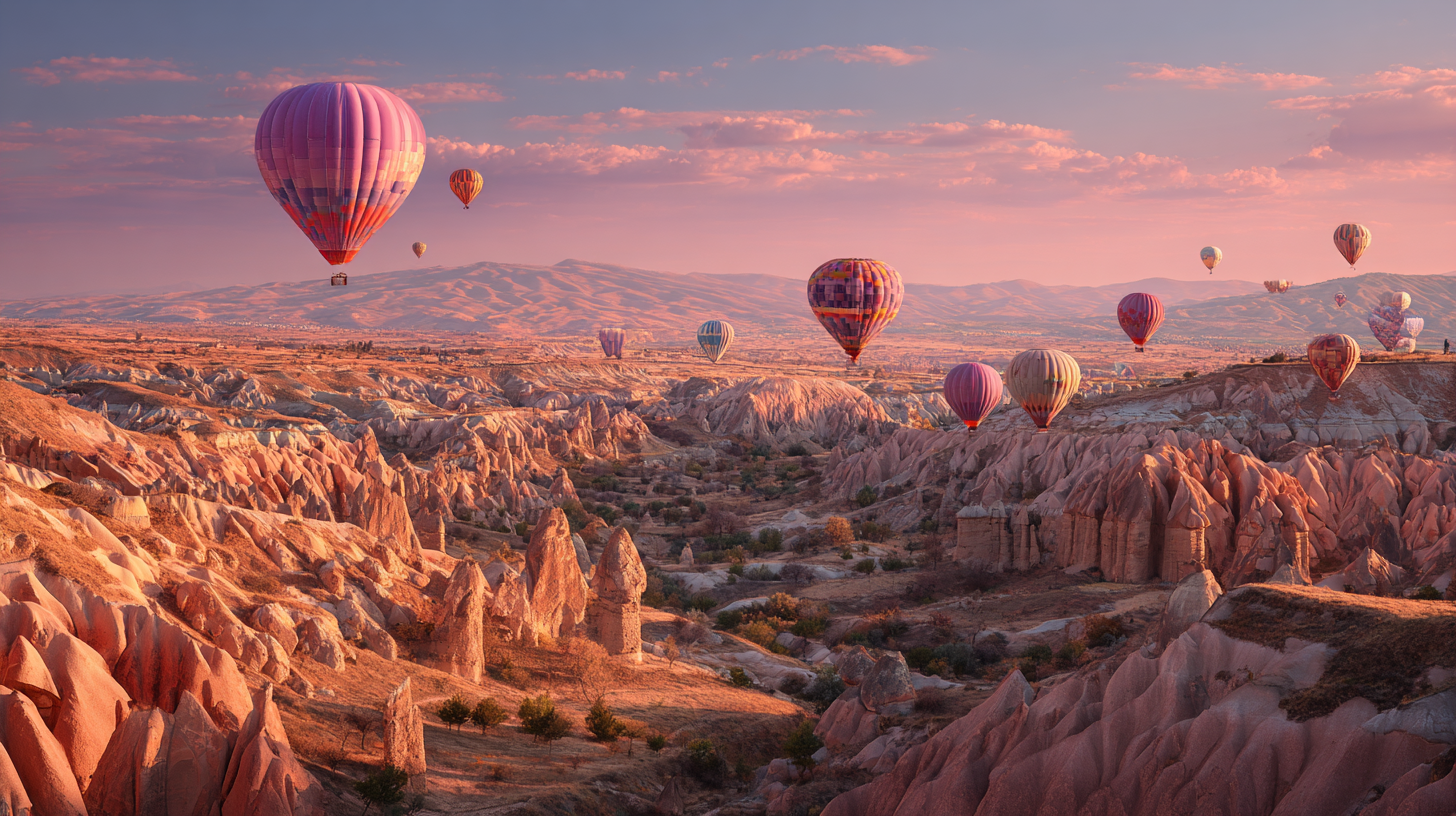
The best way to experience Cappadocia is slowly. Sunrise balloon flights are famous, but walking through valleys such as Rose Valley, Red Valley, Pigeon Valley, and Love Valley gives a more grounded sense of the place. The colors shift through the day, from pale gold to pink, red, and soft gray. Cappadocia is not only a landscape to look at from above; it is a landscape to move through, touch, and understand step by step.
Göreme, Rock Churches, and Nature as Architecture
In Cappadocia, nature becomes architecture. The region’s soft volcanic rock made it possible for communities to carve churches, homes, monasteries, and underground spaces directly into the landscape. This makes Cappadocia one of the most unusual cultural landscapes in Turkey: neither fully natural nor fully man-made, but a fusion of both.
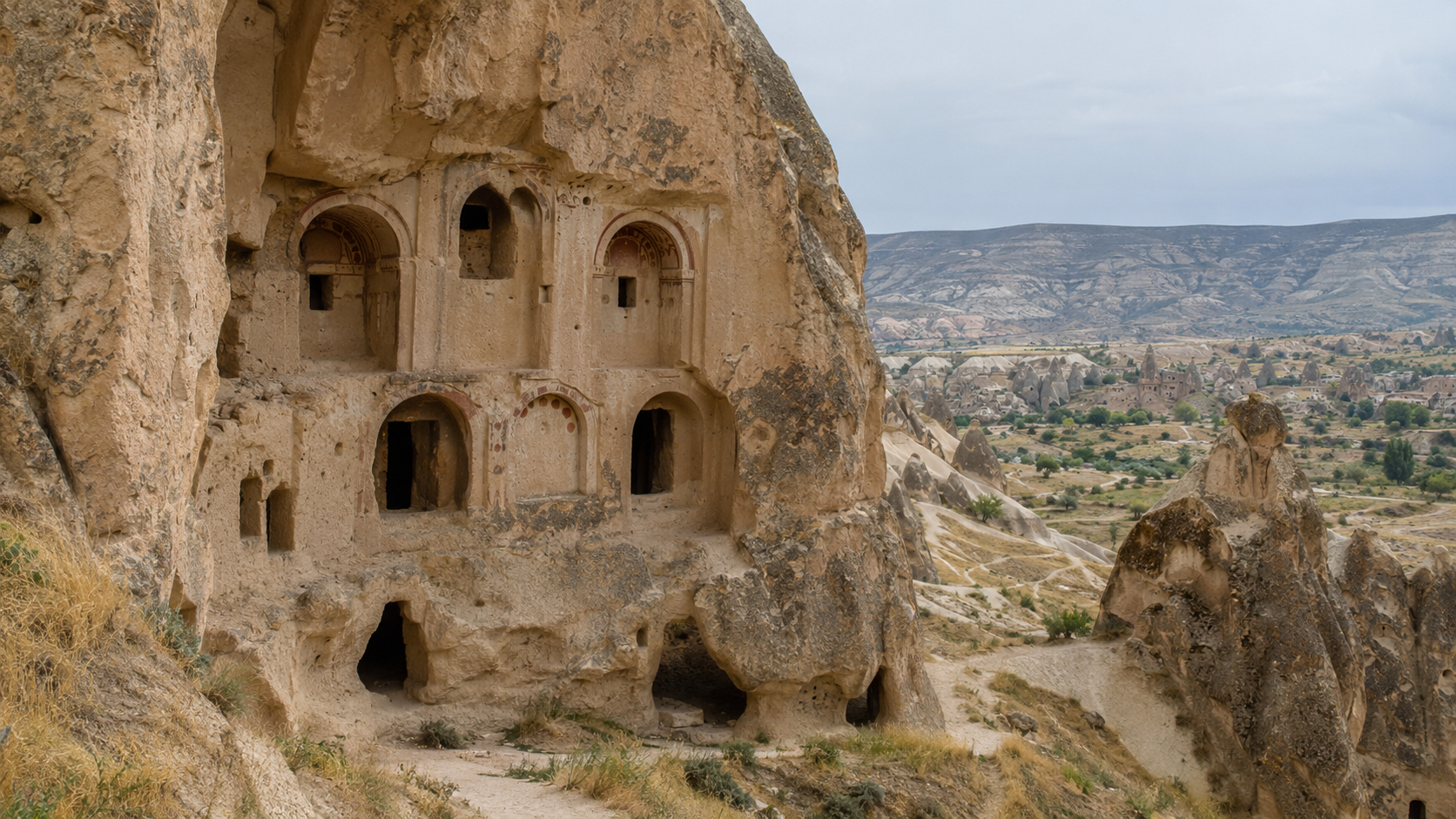
Göreme is especially important because its rock-cut churches preserve Byzantine religious art in a setting unlike anywhere else. Frescoes, cave chapels, tunnels, and weathered stone valleys create a sense of sacred geography. This is why Cappadocia should not be treated only as an Instagram destination. It is one of the most meaningful natural wonders of Turkey because it shows how people adapted to geology with imagination and faith.
Mount Ararat: Turkey’s Legendary Eastern Giant
Mount Ararat rises in eastern Turkey near the borders with Armenia and Iran, and it carries both natural and symbolic weight. As the highest mountain in Turkey, it dominates the surrounding landscape with a powerful, isolated presence. Its snow-covered summit and volcanic shape make it one of the most recognizable peaks in the region.
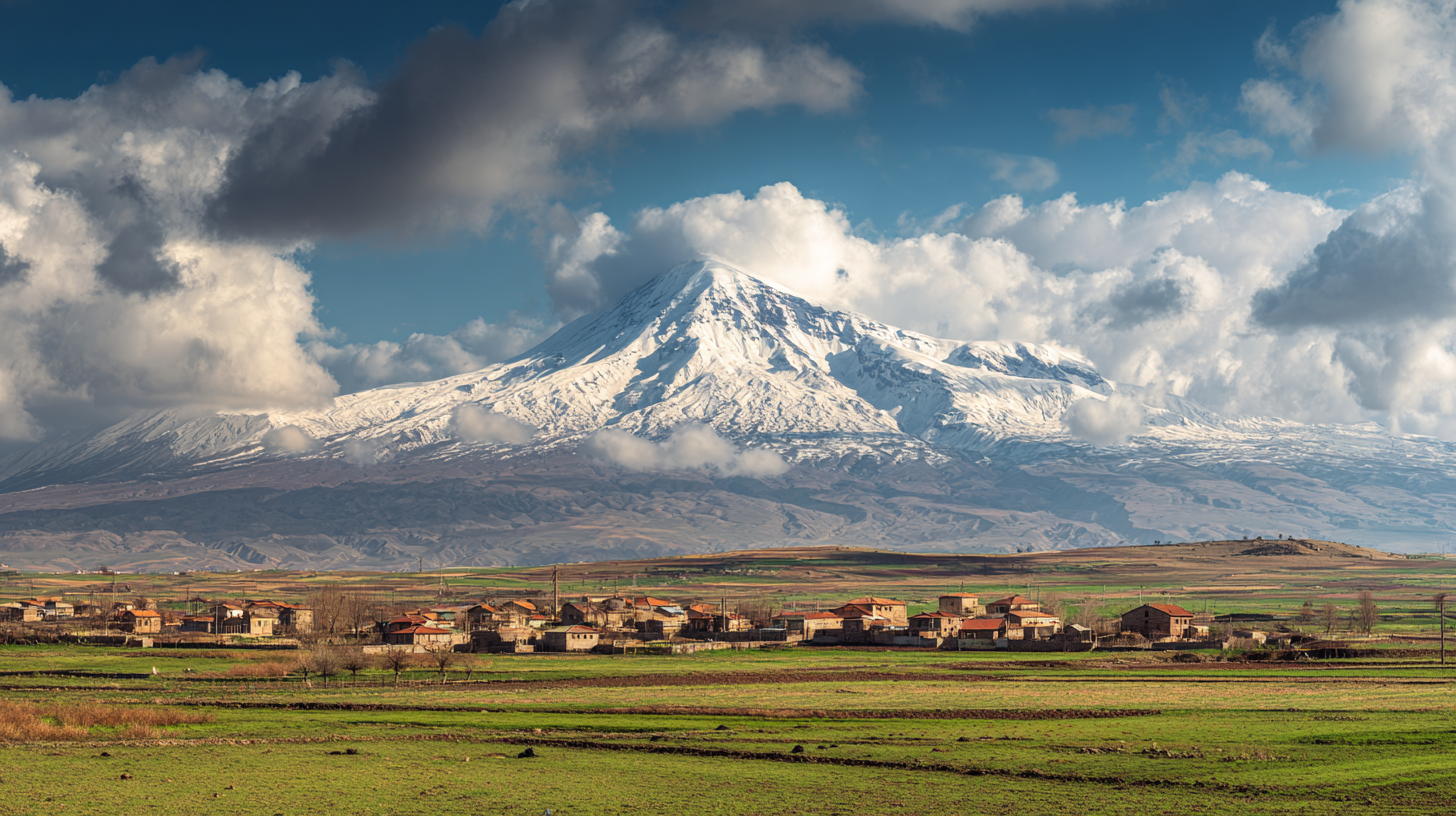
Mount Ararat is also famous for its association with the story of Noah’s Ark, which gives it a mythic place in religious and cultural imagination. But even beyond legend, the mountain is impressive as a natural landmark. It belongs to a different Turkey from the Mediterranean coast or Cappadocia: colder, harsher, more remote, and more dramatic. For adventurous travelers, Ararat represents the wild eastern edge of the country.
The Taurus Mountains and Turkey’s Rugged Interior
The Taurus Mountains stretch across southern Turkey, shaping climate, travel routes, settlements, and coastal scenery. In many places, the mountains rise sharply behind the Mediterranean, creating a dramatic contrast between blue sea and rocky highlands. This region is one of the reasons Turkey’s southern coast feels so striking.
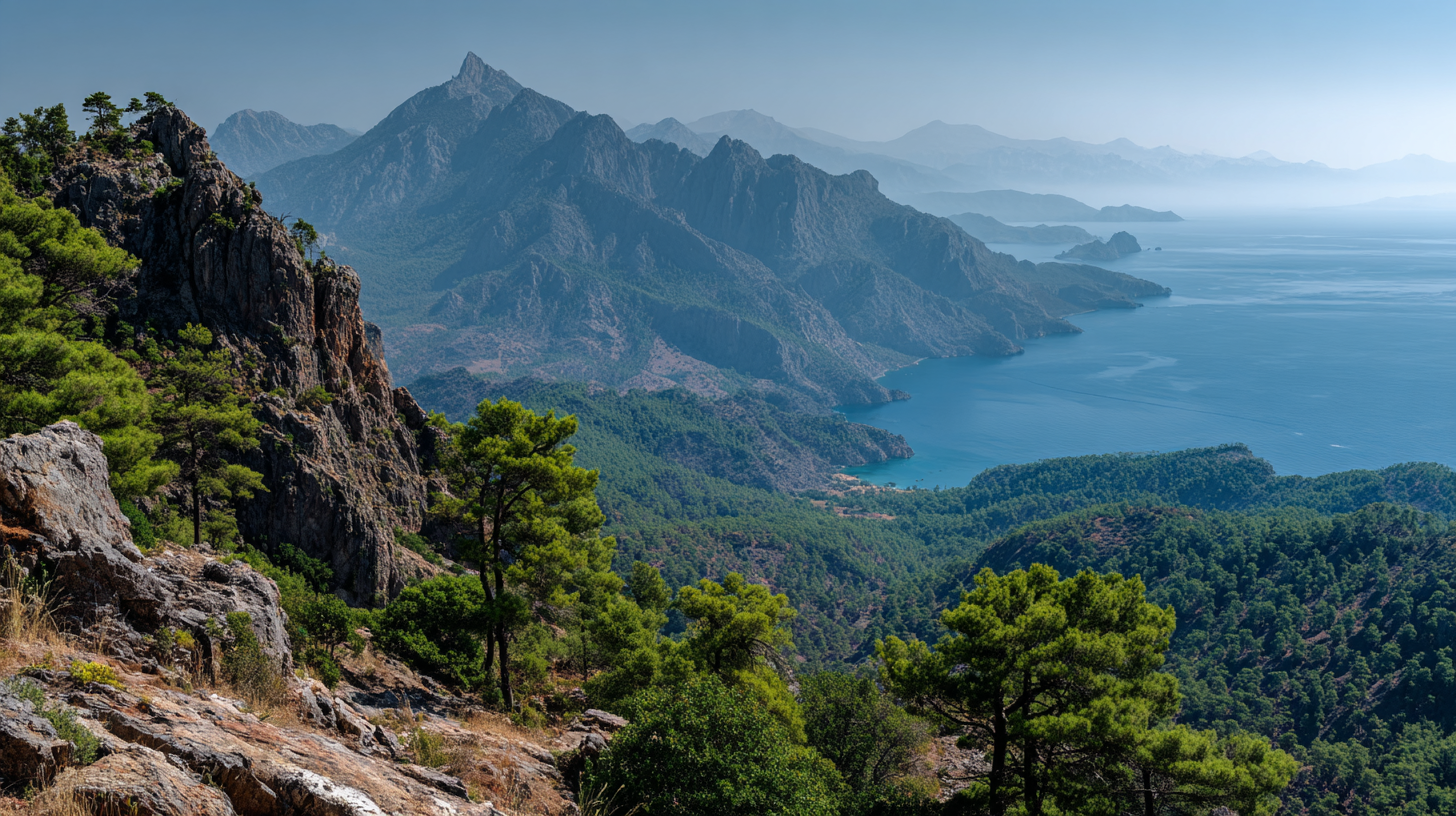
The Taurus Mountains are not only scenic; they also shaped history. Passes through these mountains influenced trade, migration, military movement, and settlement patterns. Villages, forests, plateaus, and ancient routes still show how closely people adapted to the terrain. For travelers, the Taurus range offers hiking, mountain roads, cool summer escapes, and a deeper sense of the landscape behind Turkey’s beach resorts.
The Lycian Way: Walking Between Sea, Mountains, and Ancient Ruins
The Lycian Way is one of the best ways to experience Turkey’s Mediterranean nature on foot. This long-distance walking route follows parts of the southwestern coast, linking cliffs, forests, villages, beaches, mountain paths, and ancient Lycian sites. It is not just a hiking trail; it is a journey through landscape and history at the same time.
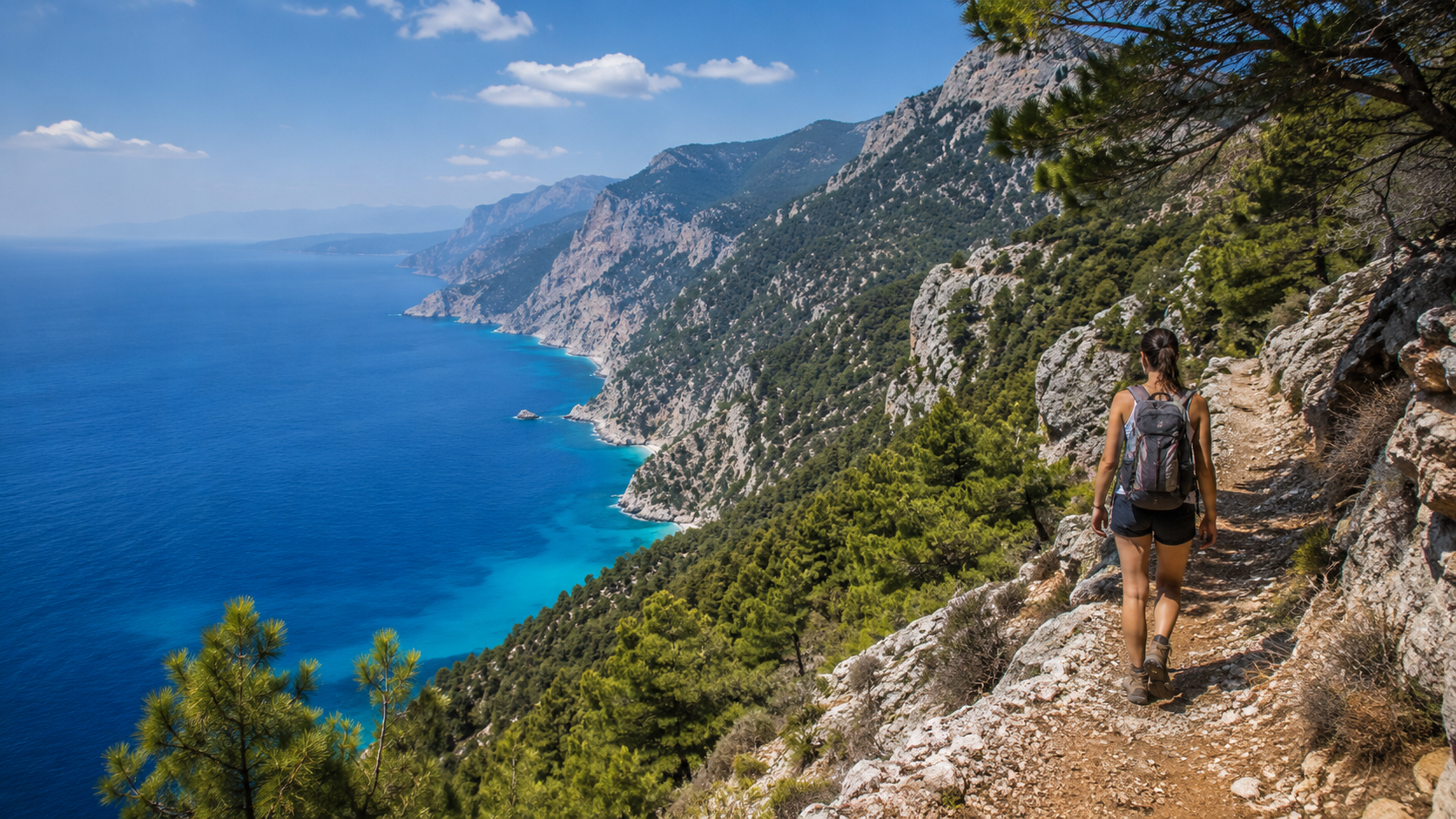
GoTürkiye describes the  Lycian Way as a marked long-distance route of approximately 540 kilometers from the Fethiye area toward Antalya. Most travelers do not need to walk the whole thing. Short sections near places like Ölüdeniz, Faralya, Patara, Kaş, or Olympos can still give a strong sense of the route. The Lycian Way is especially appealing because it combines sea views, pine forests, ancient ruins, and small settlements in a way that feels both adventurous and deeply Mediterranean.
Antalya’s Coast: Beaches with a Mountain Backdrop
Antalya is often associated with resorts, but its coastline is more varied than that suggests. The region offers clear Mediterranean water, pebbled beaches, pine-covered hills, waterfalls, cliffs, and mountain views. In some places, the landscape feels polished and touristic; in others, it still feels rugged and surprisingly wild.
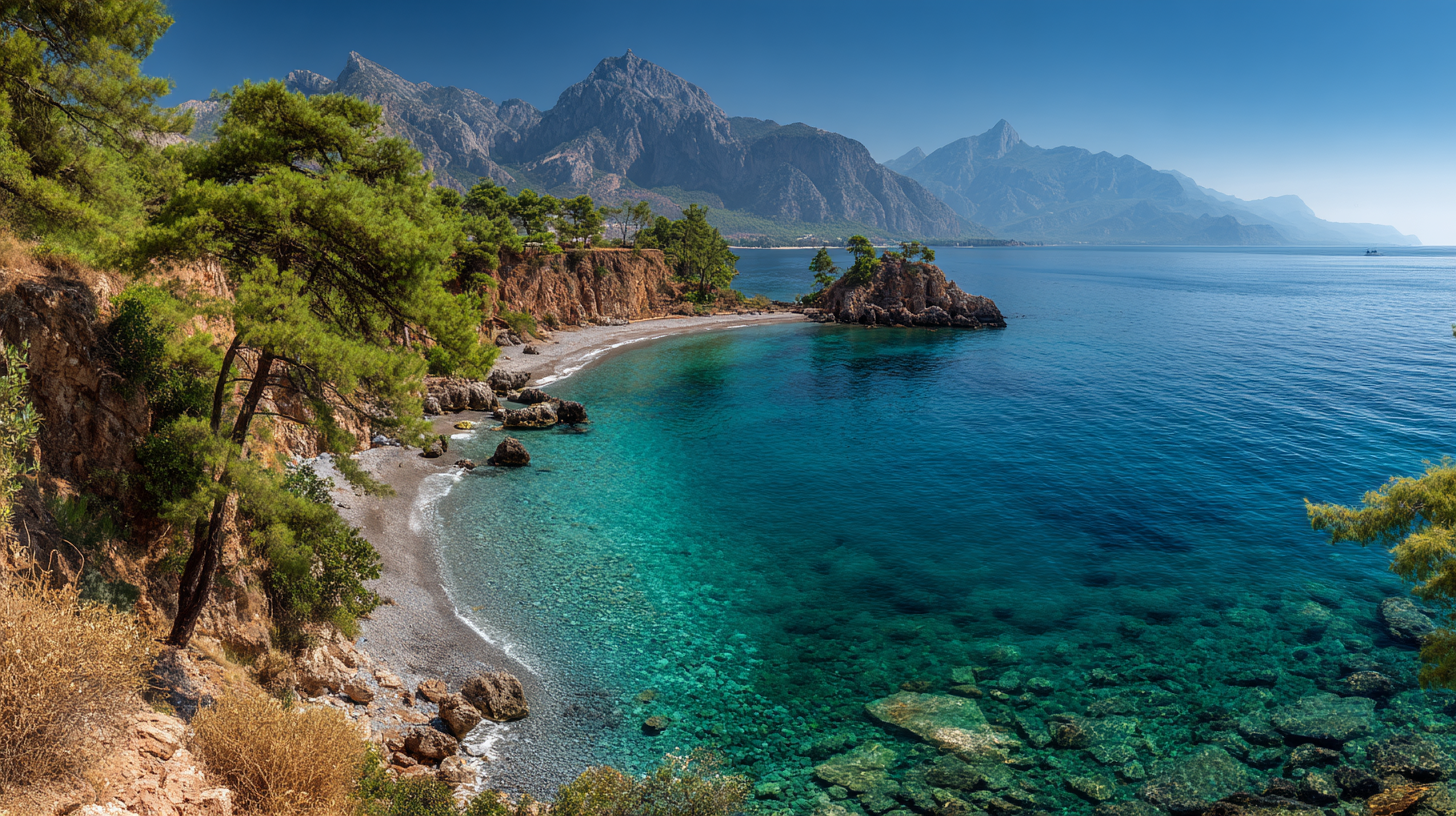
The strongest parts of the Antalya coast are where nature and history meet. Ancient cities such as Phaselis, Olympos, Perge, and Termessos sit within landscapes of forest, sea, mountains, or dramatic ruins. This makes the coast a natural companion to Turkey’s magnificent landmarks. A traveler can swim in the morning, walk through ruins in the afternoon, and watch mountains turn purple at sunset.
Ölüdeniz, Blue Lagoon, and the Turquoise Coast
Ölüdeniz is one of Turkey’s most photographed coastal landscapes, famous for its Blue Lagoon and the dramatic mountain scenery around it. The water can shift between deep blue, turquoise, and pale green depending on light and depth. From above, especially from the slopes of Babadağ, the coastline looks almost unreal.
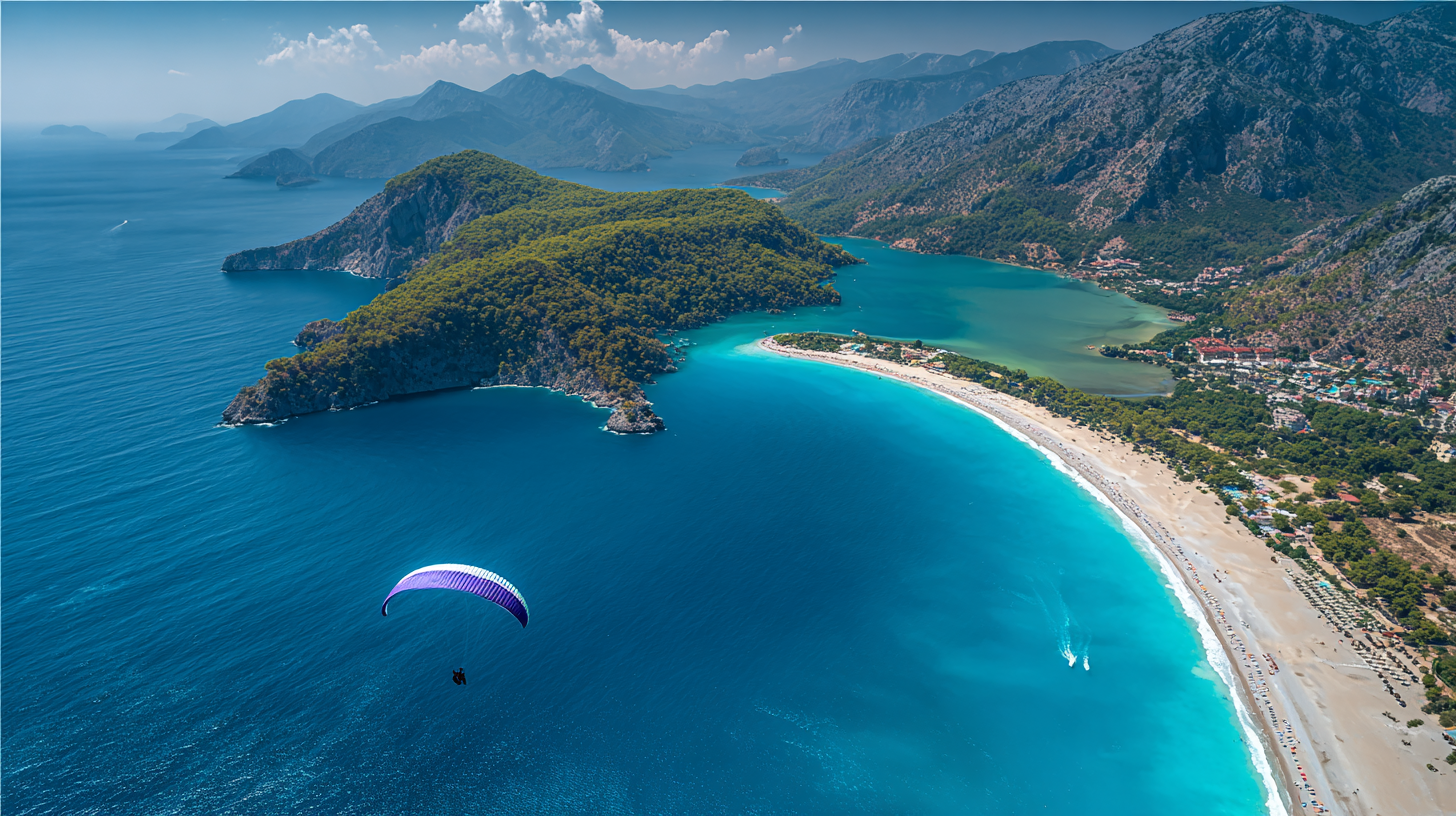
This part of the Turquoise Coast is popular, so it is not a secret escape. But popularity does not erase its beauty. The key is to visit with realistic expectations and, if possible, explore beyond the busiest beach areas. Nearby viewpoints, boat trips, quieter coves, and sections of the Lycian Way can make the experience feel richer than a simple beach day.
Lake Van and the Eastern Landscapes
Lake Van in eastern Turkey offers another completely different natural world. It is large, high, and surrounded by mountains, creating a sense of space that feels far from the Mediterranean coast. The lake’s deep blue water, volcanic surroundings, and historic island sites make it one of Turkey’s most atmospheric landscapes.
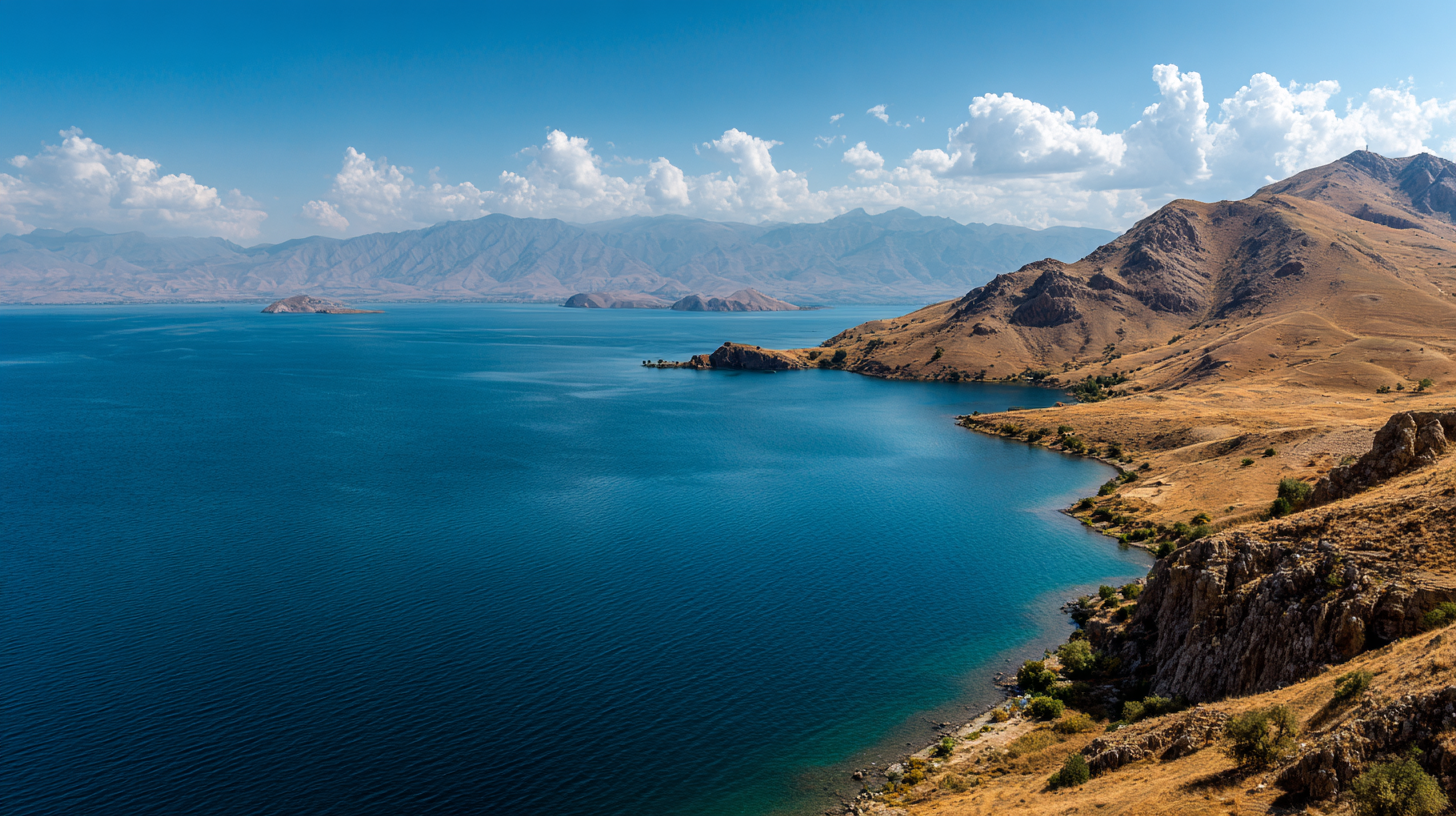
This region is less visited by many international travelers, which can make it feel more remote and memorable. The combination of water, mountains, old churches, local villages, and wide horizons gives Lake Van a quiet power. It is a reminder that the natural wonders of Turkey are not concentrated only in the west or south. Eastern Turkey has some of the country’s most dramatic scenery.
Kaçkar Mountains and the Green North
The Kaçkar Mountains in northeastern Turkey show yet another face of the country. Instead of dry plateaus or Mediterranean light, this region is green, misty, alpine, and connected to the Black Sea climate. High pastures, wooden houses, rushing rivers, tea-growing regions, and mountain trails create a landscape that feels closer to the Caucasus than to the Aegean.
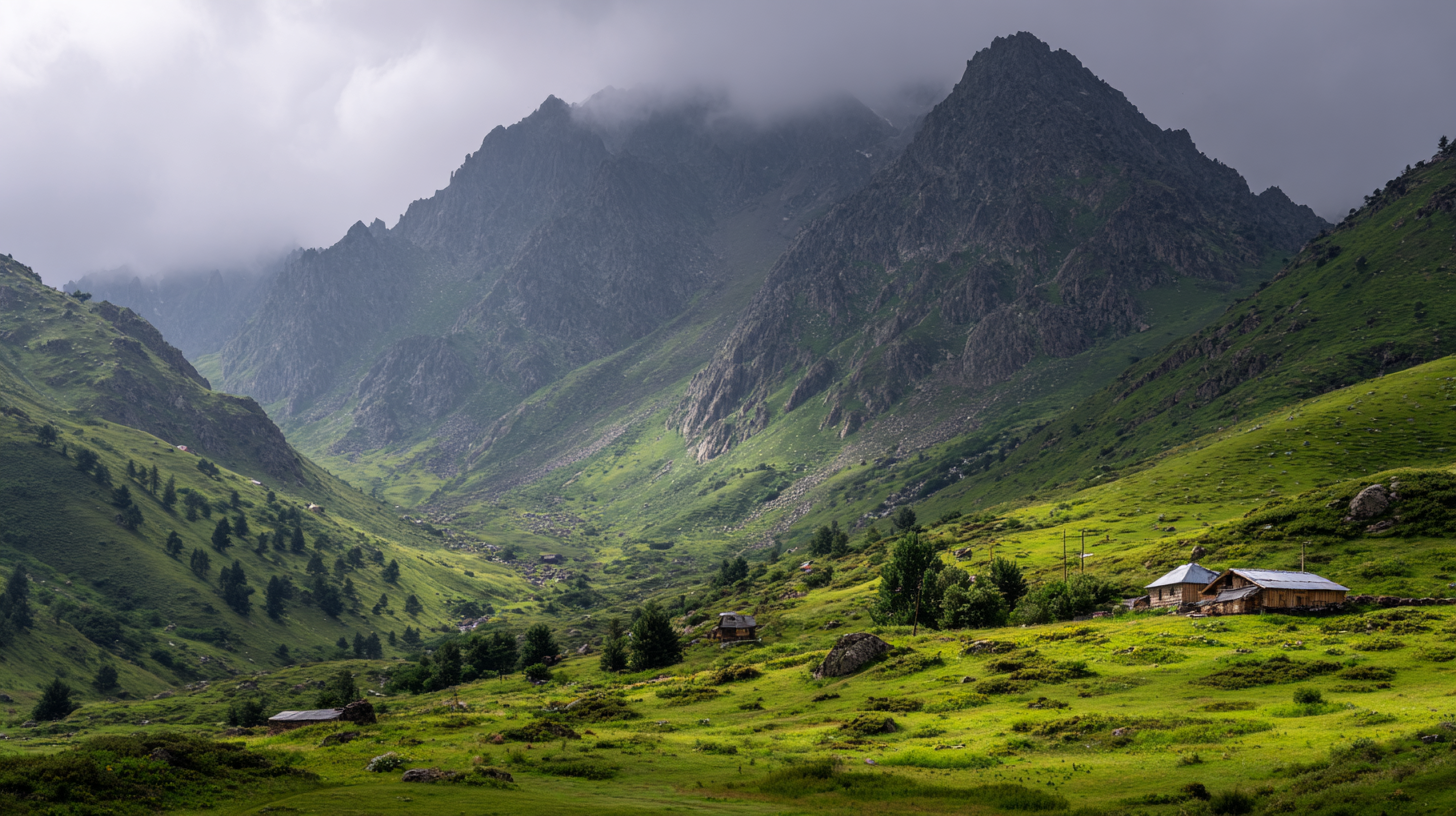
For hikers and nature lovers, the Kaçkar region can be one of Turkey’s most rewarding surprises. It offers summer pastures, glacial lakes, traditional highland villages, and dramatic peaks. The atmosphere is very different from Cappadocia or Pamukkale. It is cooler, wetter, and more rugged, with a strong sense of local culture tied to mountain life.
Saklikent Gorge and Turkey’s Canyon Landscapes
Turkey also has impressive canyon landscapes, and Saklikent Gorge is one of the most accessible examples for travelers near the southwest coast. Its narrow walls, cold water, and dramatic scale make it a refreshing contrast to hot summer beaches. Walking through parts of the gorge can feel like entering a hidden natural corridor.
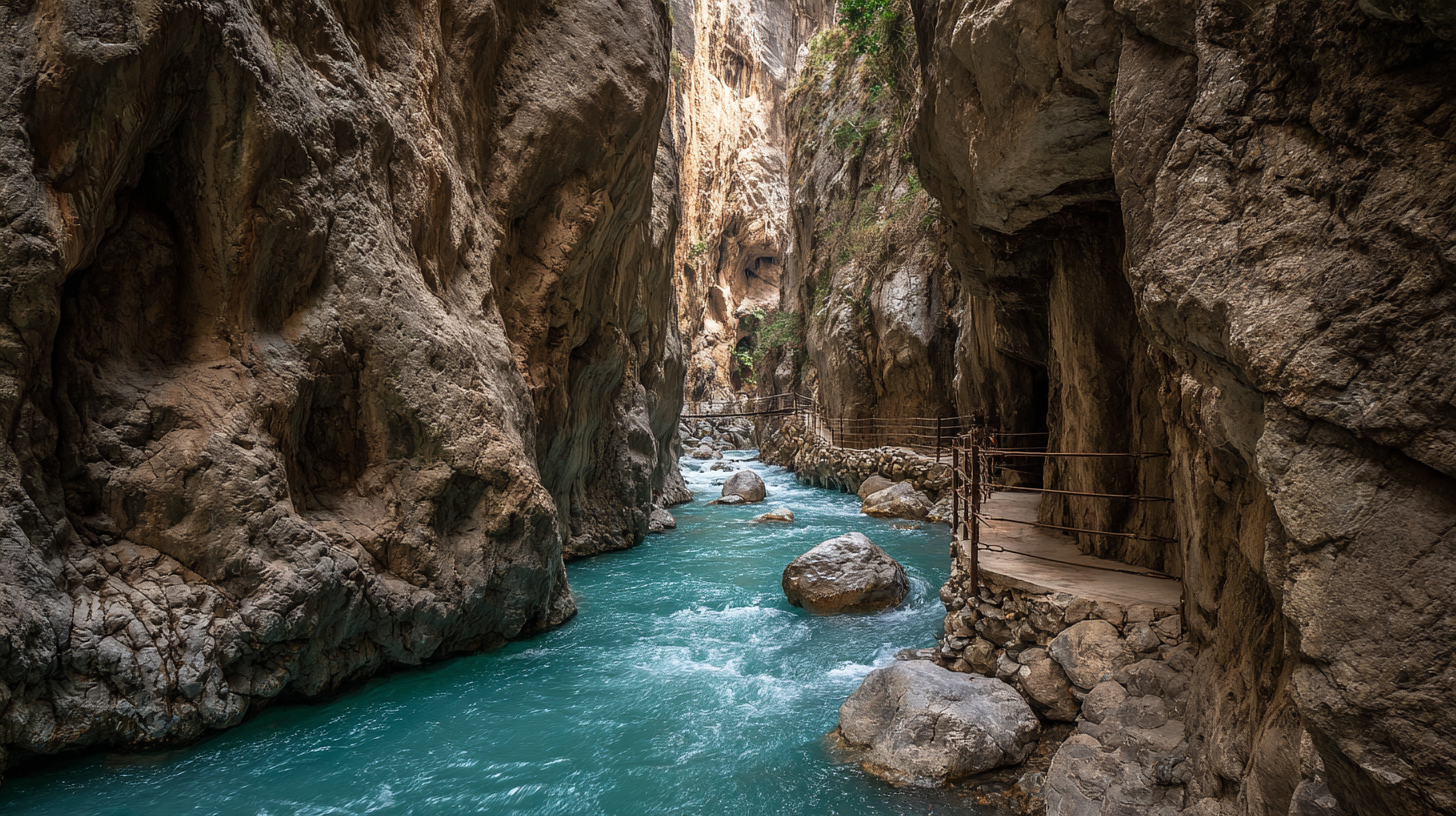
Canyons like Saklikent show that Turkey’s nature is not only wide and scenic, but also intimate and physical. You feel the temperature change, hear the water, and move through the rock rather than simply looking at it from a viewpoint. This kind of landscape works well for travelers who want light adventure without committing to major mountain expeditions.
Salt Lake, Wetlands, and Unexpected Minimalism
Not all of Turkey’s natural beauty is lush or dramatic in the obvious sense. Tuz Gölü, or Salt Lake, offers a more minimalist kind of beauty. Depending on season and water levels, the landscape can appear as a flat white expanse, a pale reflective surface, or a surreal horizon of salt and sky.
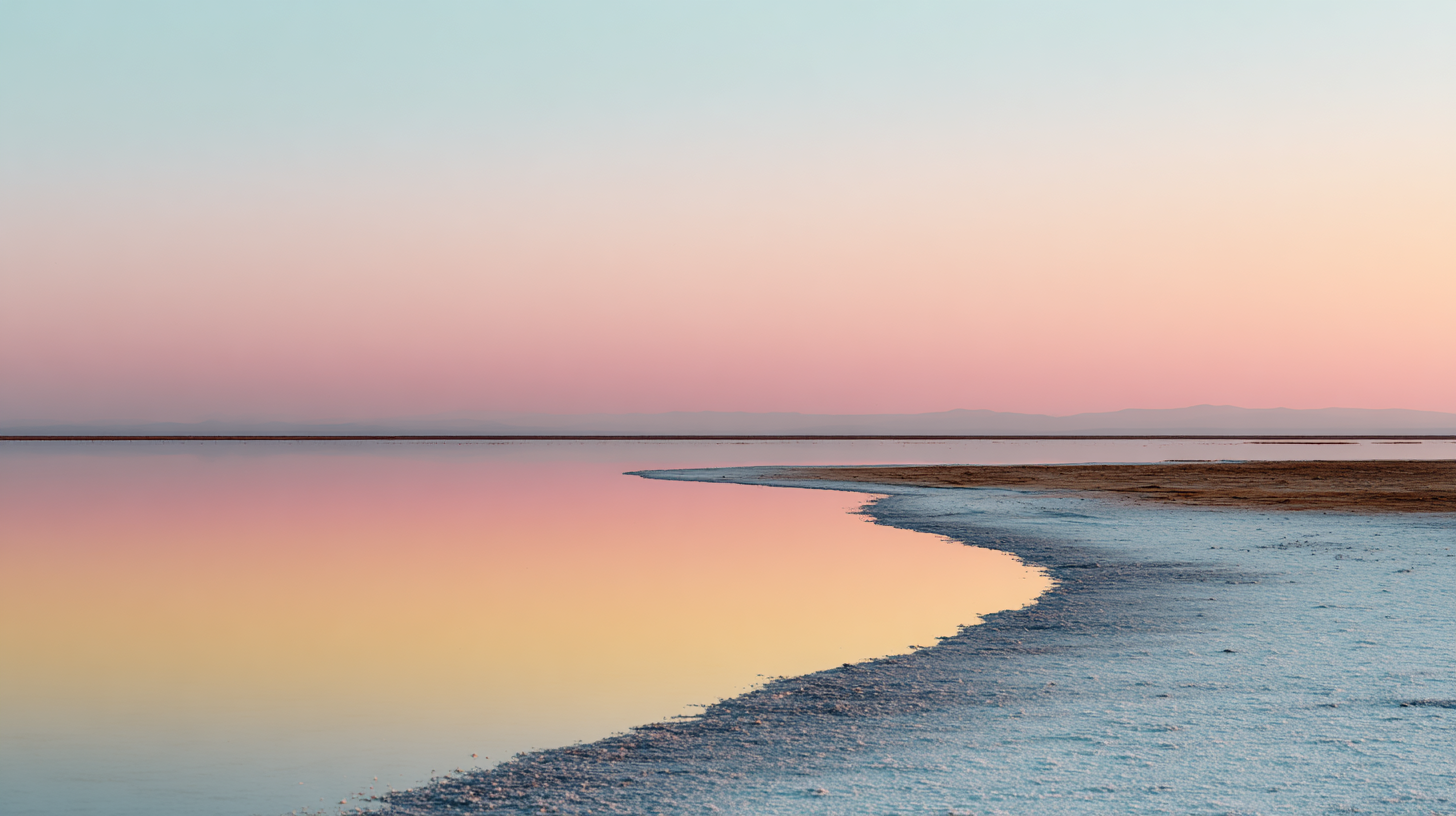
Wetlands and lakes across Turkey also support important birdlife, including flamingos in certain areas. These landscapes are quieter than Pamukkale or Cappadocia, but they add ecological variety to the country’s natural map. They are especially interesting for travelers who enjoy photography, birdwatching, or unusual open spaces. Turkey’s nature is not only about mountains and beaches; it also includes fragile, subtle environments that deserve attention.
How to Plan a Nature-Focused Trip in Turkey
A nature-focused trip through Turkey works best when you choose a region rather than trying to see everything at once. Western and southwestern routes can combine Pamukkale Turkey, Ephesus, Antalya, Ölüdeniz, and sections of the Lycian Way. A central route can focus on Ankara, Cappadocia landscapes, underground cities, valleys, and perhaps Hattusha. Eastern routes can include Mount Ararat, Lake Van, and remote mountain scenery.
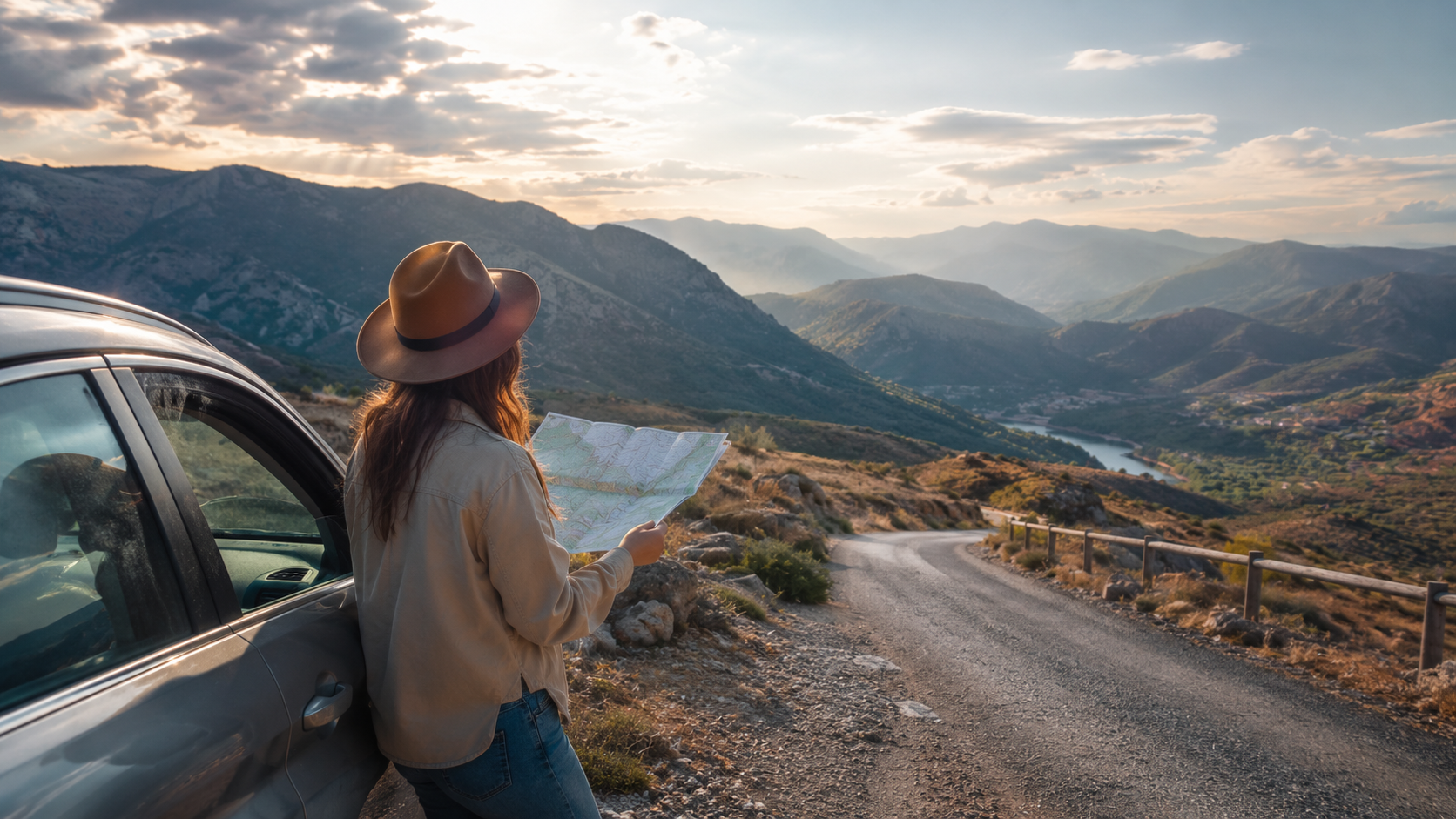
Season matters. Spring and autumn are often the most comfortable for hiking, sightseeing, and coastal exploration. Summer works well for beaches and high mountain regions, but some inland sites can be very hot. Winter can be beautiful in Cappadocia and the mountains, though travel conditions may require more planning. Turkey is a year-round destination, but the best natural experience depends heavily on where you go and when.
Responsible Travel in Turkey’s Natural Places
Many of Turkey’s most beautiful places are also fragile. Travertine terraces, cave valleys, coastal trails, wetlands, and mountain ecosystems can be damaged by careless tourism. Staying on marked paths, respecting local rules, avoiding litter, and choosing responsible guides or operators all matter.
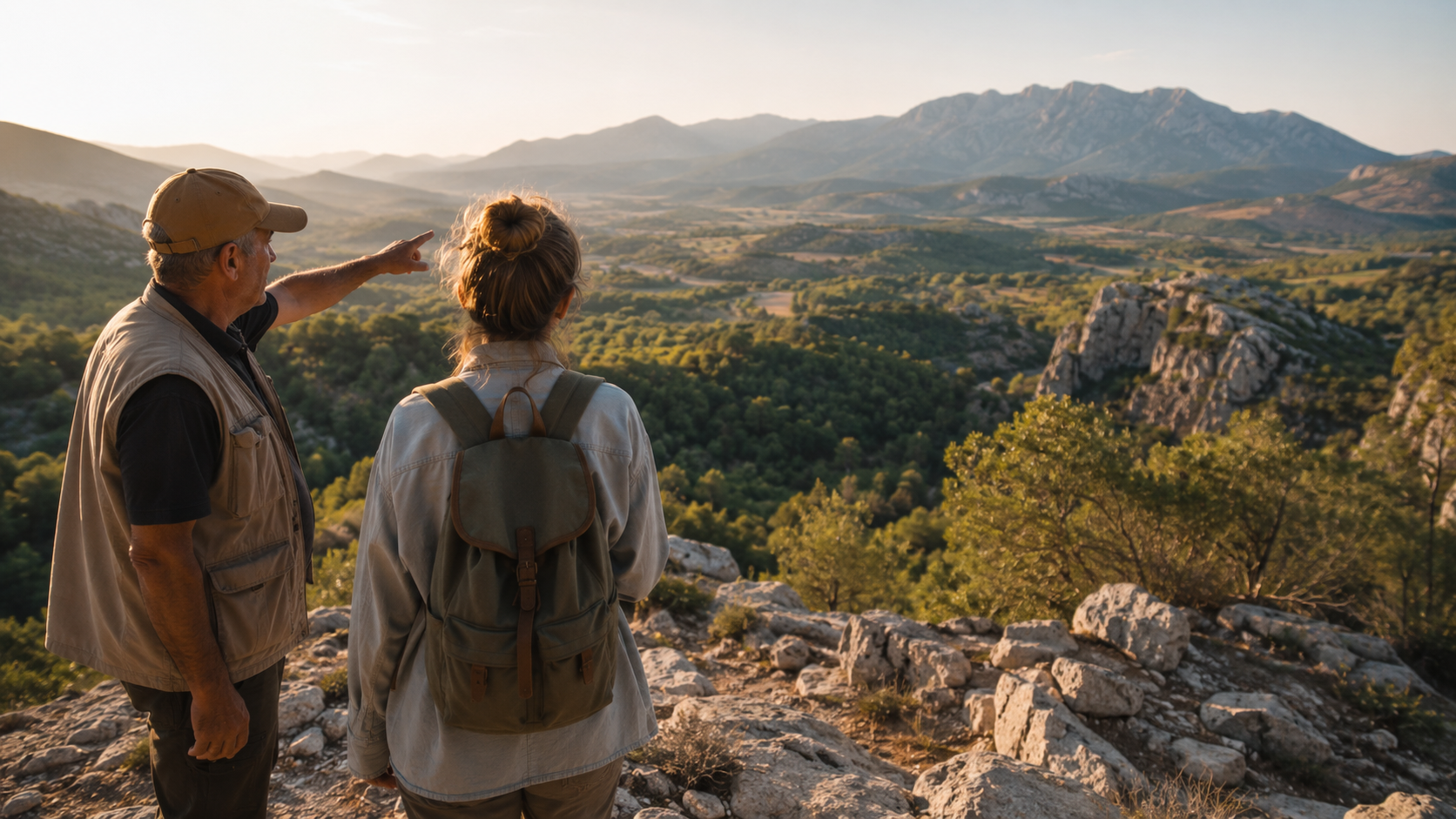
It is also important to remember that many natural areas are connected to local communities. Villages, farmers, herders, boat operators, guides, and artisans all form part of the travel experience. Responsible travel should benefit the people who live near these landscapes, not just extract photos from them. The best trips leave room for respect, patience, and curiosity.
Conclusion
The natural wonders of Turkey reveal a country far more varied than a simple beach or city destination. Pamukkale’s white terraces, Cappadocia’s volcanic valleys, Mount Ararat’s legendary peak, the Lycian Way’s coastal trails, Lake Van’s eastern horizons, and the Kaçkar Mountains’ green highlands all show different sides of the same country. Together, they create a landscape map that is as rich as Turkey’s history.
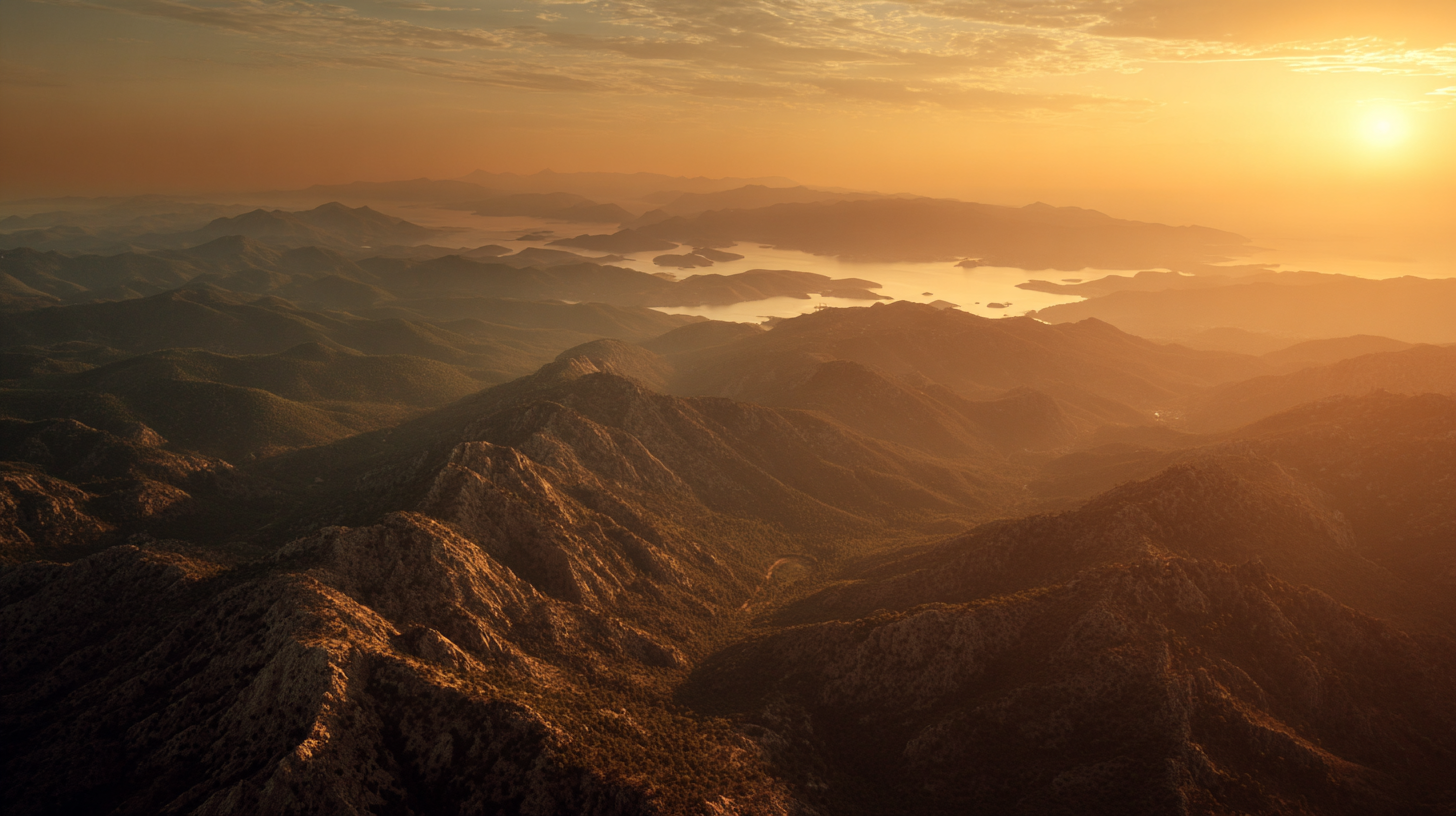
What makes these places especially memorable is the connection between nature and human life. Thermal waters shaped ancient cities, volcanic rock became homes and churches, mountains formed borders and routes, and coastlines carried trade, myth, and settlement. To explore Turkey’s nature is not to step away from culture. It is to see the land that made culture possible.