
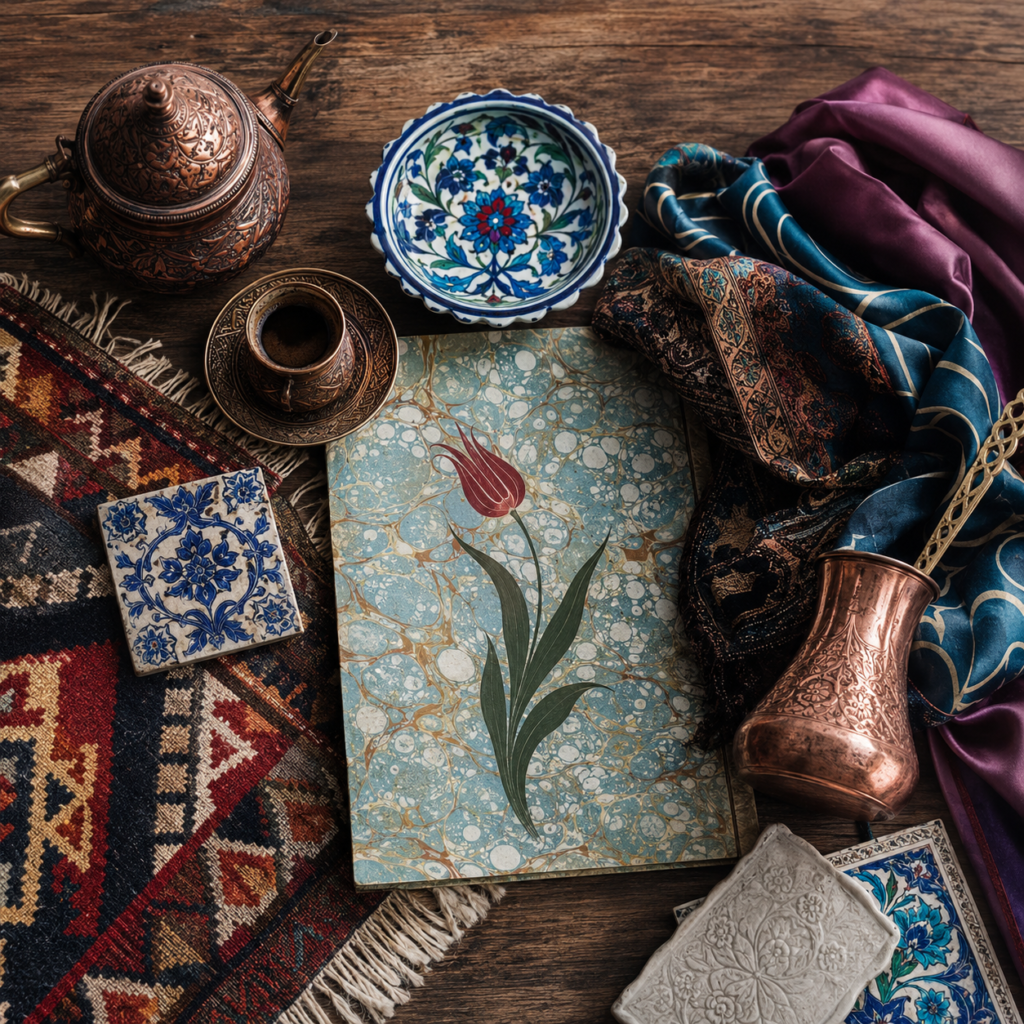
Turkish crafts and arts are not just beautiful souvenirs. They are a living language of pattern, color, faith, trade, memory, and daily life. Across Turkey, traditional skills have been passed through families, workshops, guilds, markets, palaces, mosques, villages, and modern studios. A carpet, ceramic tile, marbled paper, copper tray, or calligraphy panel can carry centuries of cultural meaning in a single object.
What makes these traditions so fascinating is that they are still alive. You can see them in Istanbul bazaars, Cappadocia workshops, Anatolian villages, contemporary design stores, mosque interiors, boutique hotels, and family-run ateliers. Some crafts are deeply connected to Ottoman court culture, while others come from nomadic life, regional identity, or the long history of trade across Anatolia. To understand Turkey more deeply, it is worth looking not only at monuments, but also at the hands that made beauty part of everyday life.
Why Turkish Craft Traditions Matter
Turkey’s artistic traditions grew from many layers of history. Anatolia was shaped by Hittites, Greeks, Romans, Byzantines, Seljuks, Ottomans, nomadic communities, Islamic art, Mediterranean exchange, and Central Asian influences. That mixture gave Turkish crafts and arts a rich visual vocabulary: geometry, floral motifs, calligraphy, symbolic animals, protective patterns, deep blues, warm reds, gold details, and rhythmic repetition.
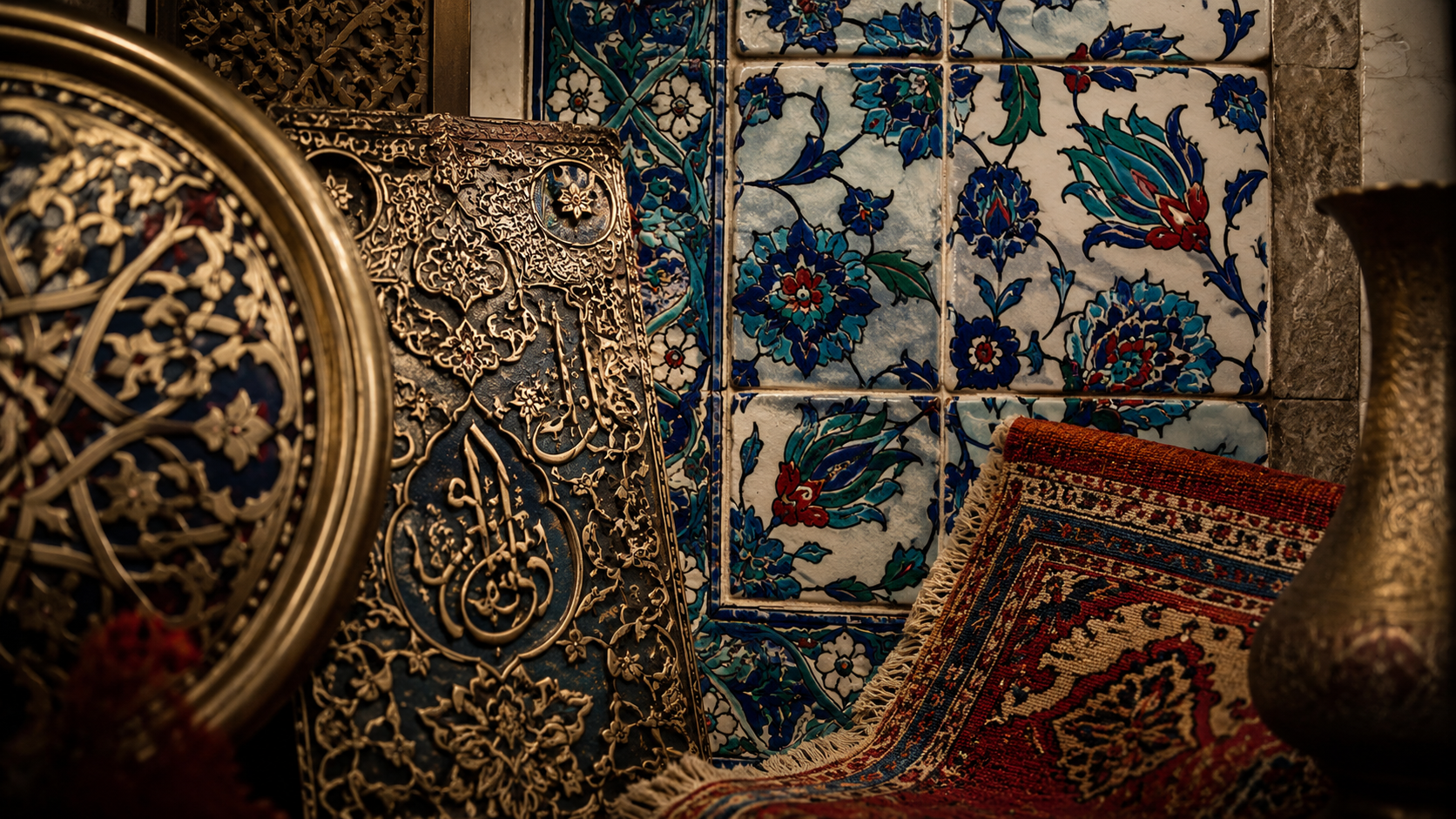
These crafts also connect daily life with history. A carpet was not only decoration; it could mark family identity, dowry tradition, regional style, or nomadic mobility. A ceramic tile was not only a surface; it could transform a mosque, palace, or fountain into a space of color and meaning. A piece of ebru paper was not only an image; it could become part of a book, document, or calligraphic composition. This is why Turkish craft is best understood as culture in physical form.
Turkish Carpets and Kilims: Stories Woven by Hand
Turkish carpets are among the most recognizable craft traditions in the country. Their beauty comes not only from color and pattern, but from the relationship between material, region, and meaning. Wool, cotton, silk, natural dyes, knotting techniques, and symbolic motifs all shape the final piece. Some carpets feel formal and refined, while others carry the direct energy of village weaving.
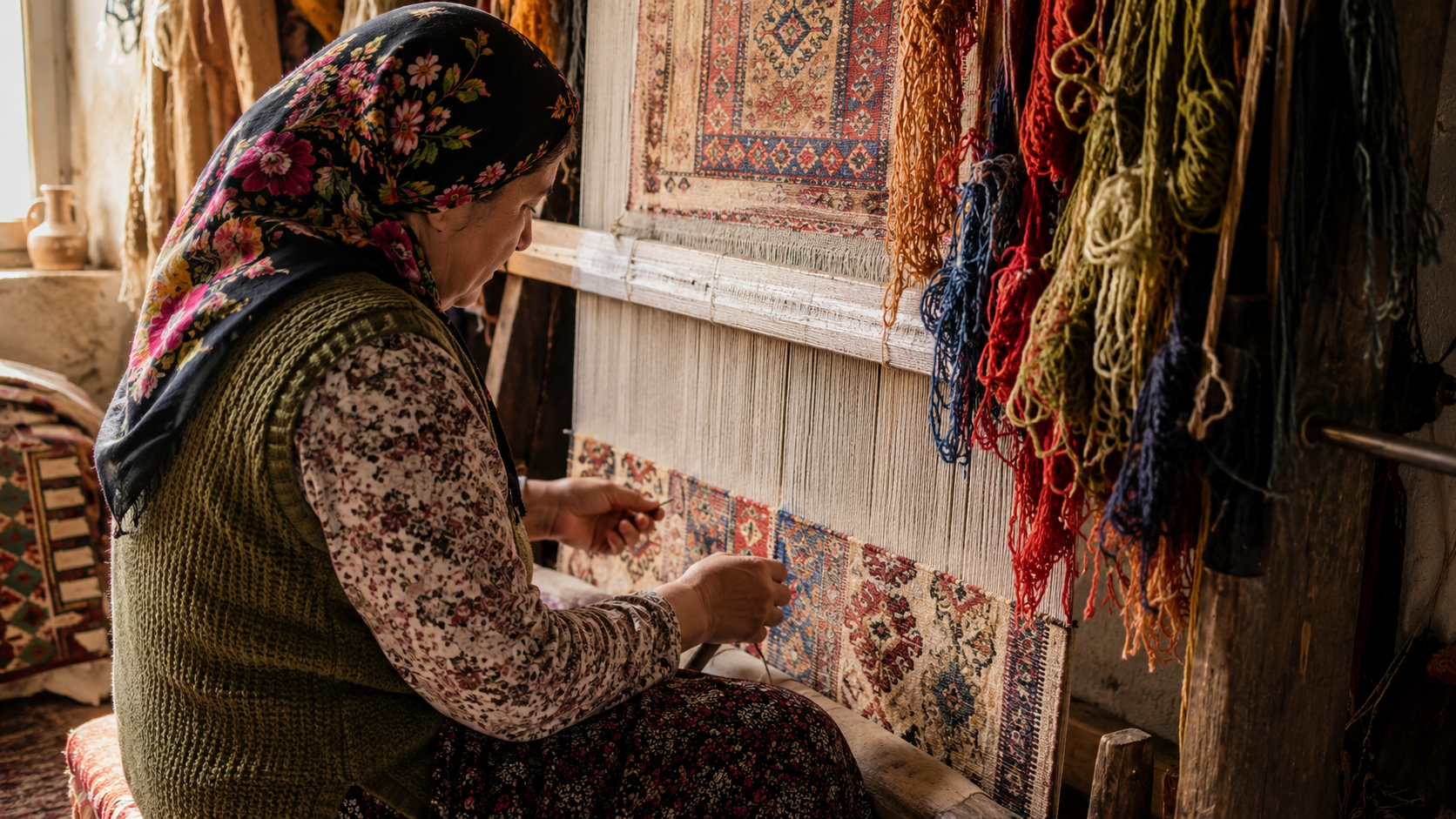
Kilims, which are flat-woven textiles, are especially important for understanding the practical side of Turkish weaving. They are lighter than pile carpets and were often used in everyday domestic and nomadic life. Motifs could reflect protection, fertility, family, nature, or regional identity. For travelers, learning even a little about Turkish carpets makes market visits more meaningful, because you begin to see them as cultural documents rather than generic decorative objects.
How to Look at a Turkish Carpet
A good carpet is not judged only by whether the colors look attractive. Look at the material, the density of the weave, the balance of the design, the quality of the dyes, and the feel of the surface. Handmade pieces often have small irregularities, and those imperfections can be part of their character. Machine-made carpets may look perfect, but they do not carry the same story of labor and regional craft.
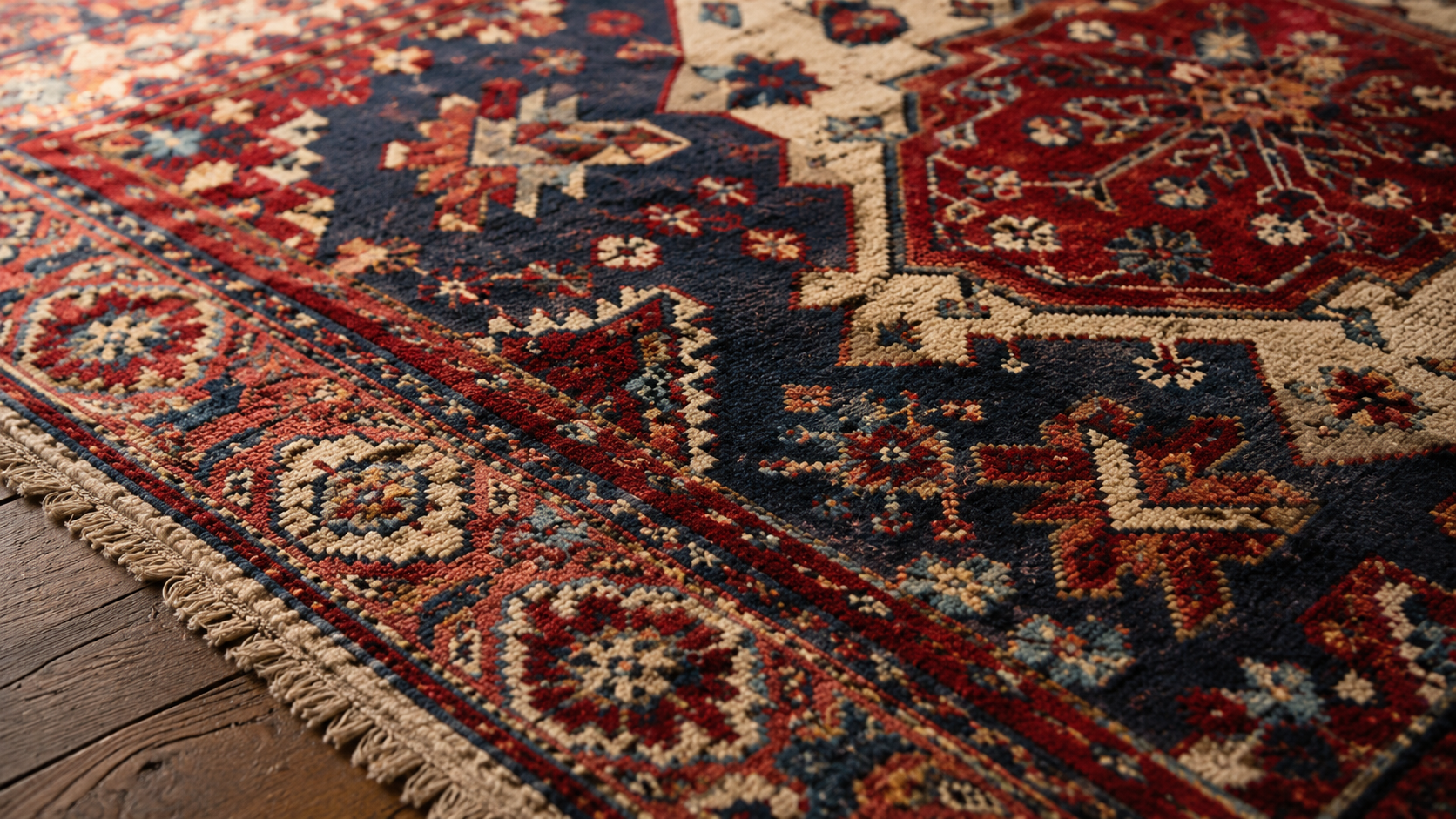
It is also worth asking where a carpet comes from. Different regions have different traditions, and sellers may mention places such as Hereke, Konya, Kayseri, Uşak, or Cappadocia. You do not need to become an expert before buying anything, but curiosity helps. The more questions you ask, the more likely you are to understand what you are actually seeing.
Turkish Ceramics and the Beauty of Çini
Turkish ceramics are another essential part of the country’s artistic identity. The tradition of çini, often associated with glazed tiles and ceramic decoration, became especially important in Seljuk and Ottoman architecture. Blue, turquoise, white, red, and green designs appear in mosques, palaces, fountains, and historic interiors, creating surfaces that feel both architectural and poetic.
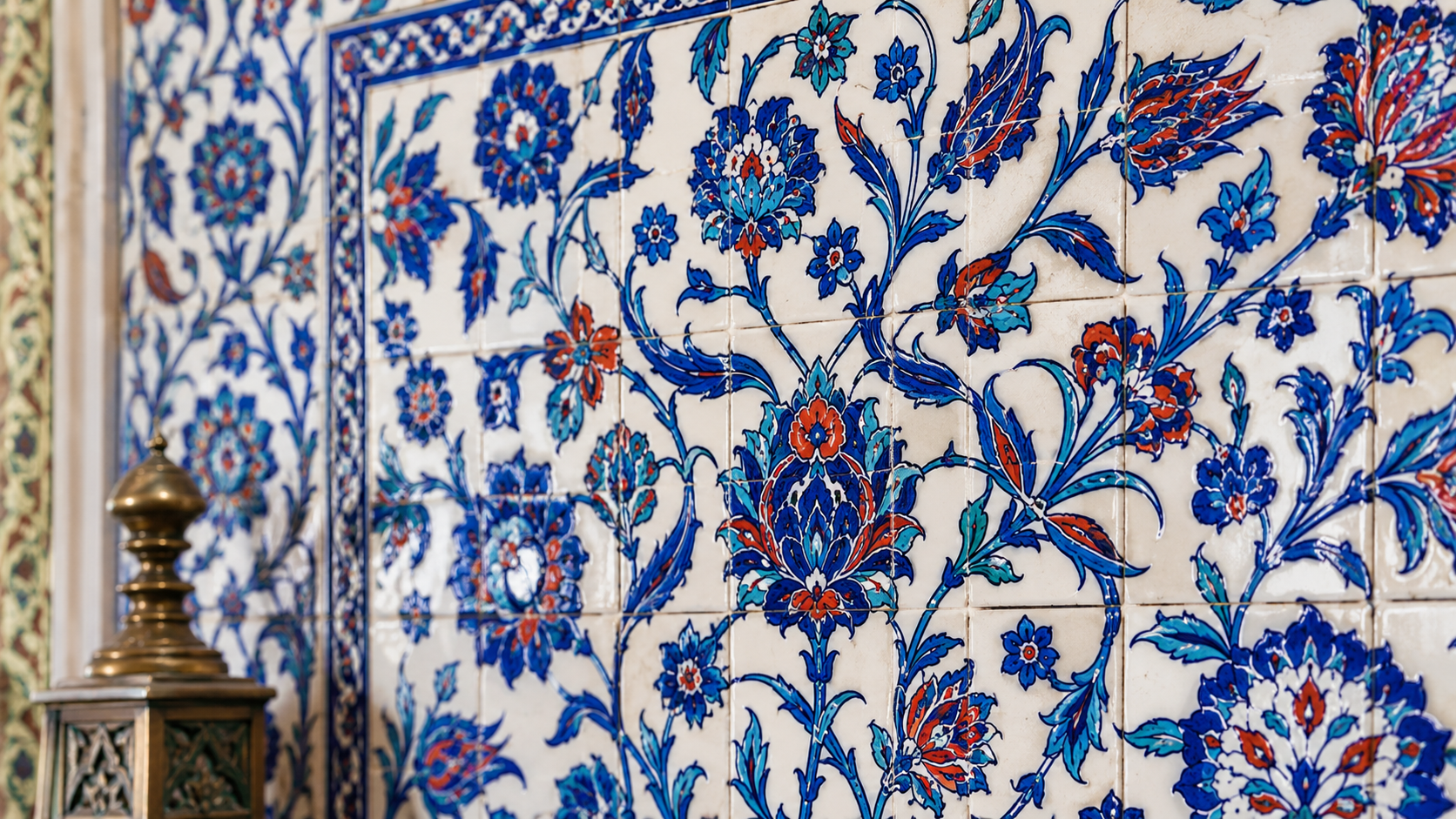
İznik ceramics are particularly famous for their luminous colors and elegant floral designs. Tulips, carnations, hyacinths, saz leaves, and geometric elements appear again and again, turning ceramic surfaces into gardens of pattern. The Turkish Ministry of Culture and Tourism notes that traditional çini-making has its own production and decoration techniques, with roots reaching back centuries. For travelers, ceramics are one of the easiest ways to bring home a piece of Turkey’s visual culture.
Ebru Art: Painting on Water
Ebru art, often called Turkish paper marbling, is one of Turkey’s most poetic traditional arts. The artist floats pigments on the surface of thickened water, shapes them with tools, and then transfers the design onto paper. The result can look like stone, clouds, flowers, waves, or pure movement captured in color.
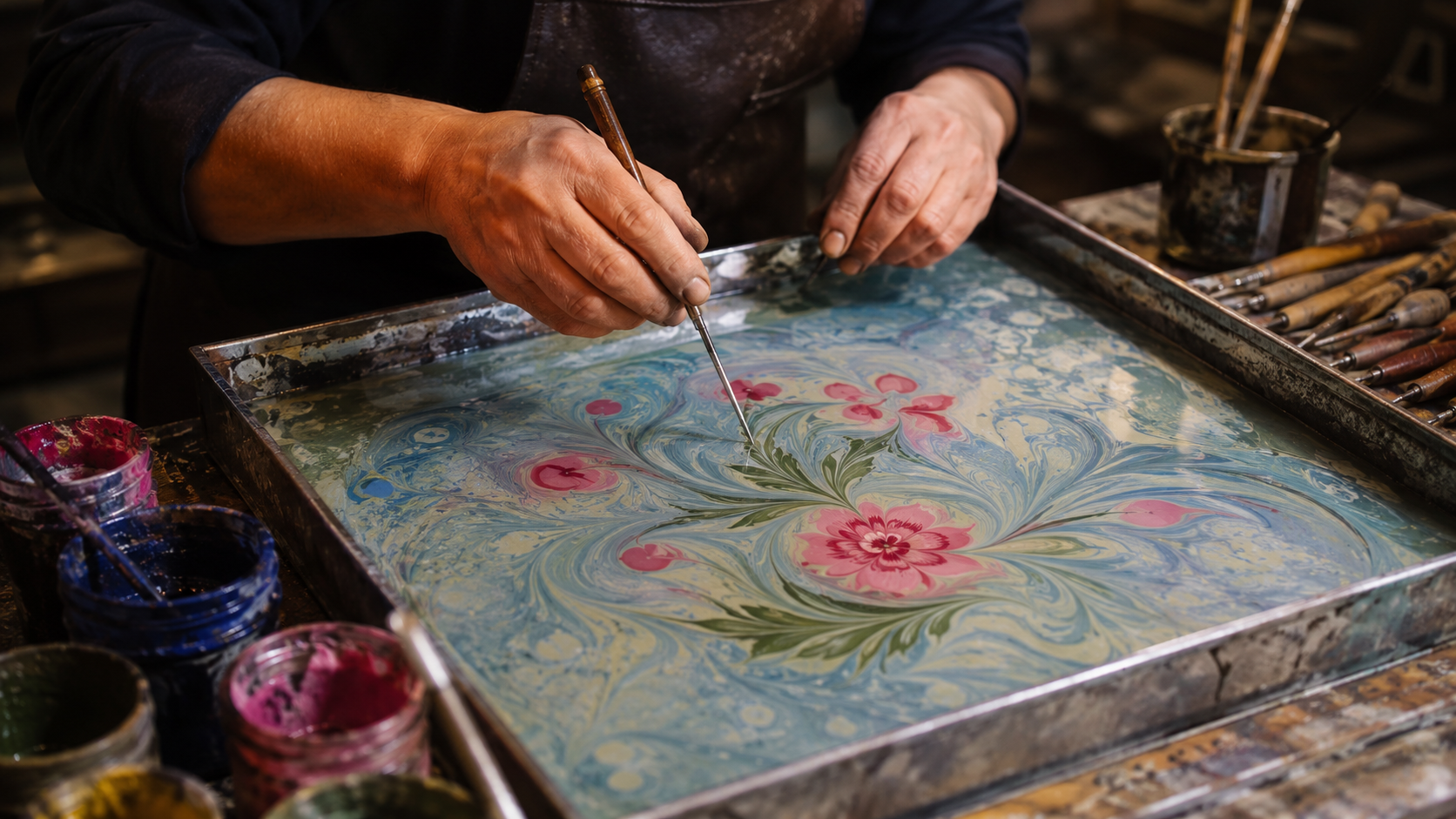
What makes ebru so mesmerizing is the balance between control and chance. The artist guides the pattern, but the water always has its own role. UNESCO recognizes ebru, Turkish art of marbling, highlighting its place in intangible cultural heritage. In Ottoman culture, marbled paper was often used in book arts, calligraphy panels, and official documents. Today, it is also practiced as a standalone art form, taught in workshops, and adapted by contemporary artists.
Ottoman Calligraphy and the Art of the Written Word
Ottoman calligraphy is one of the most refined expressions of Islamic art in Turkey. Because figurative imagery was limited in many religious contexts, the written word became a central artistic form. Qur’anic verses, prayers, imperial monograms, poetic lines, and decorative inscriptions were transformed into visual compositions of balance, rhythm, and grace.
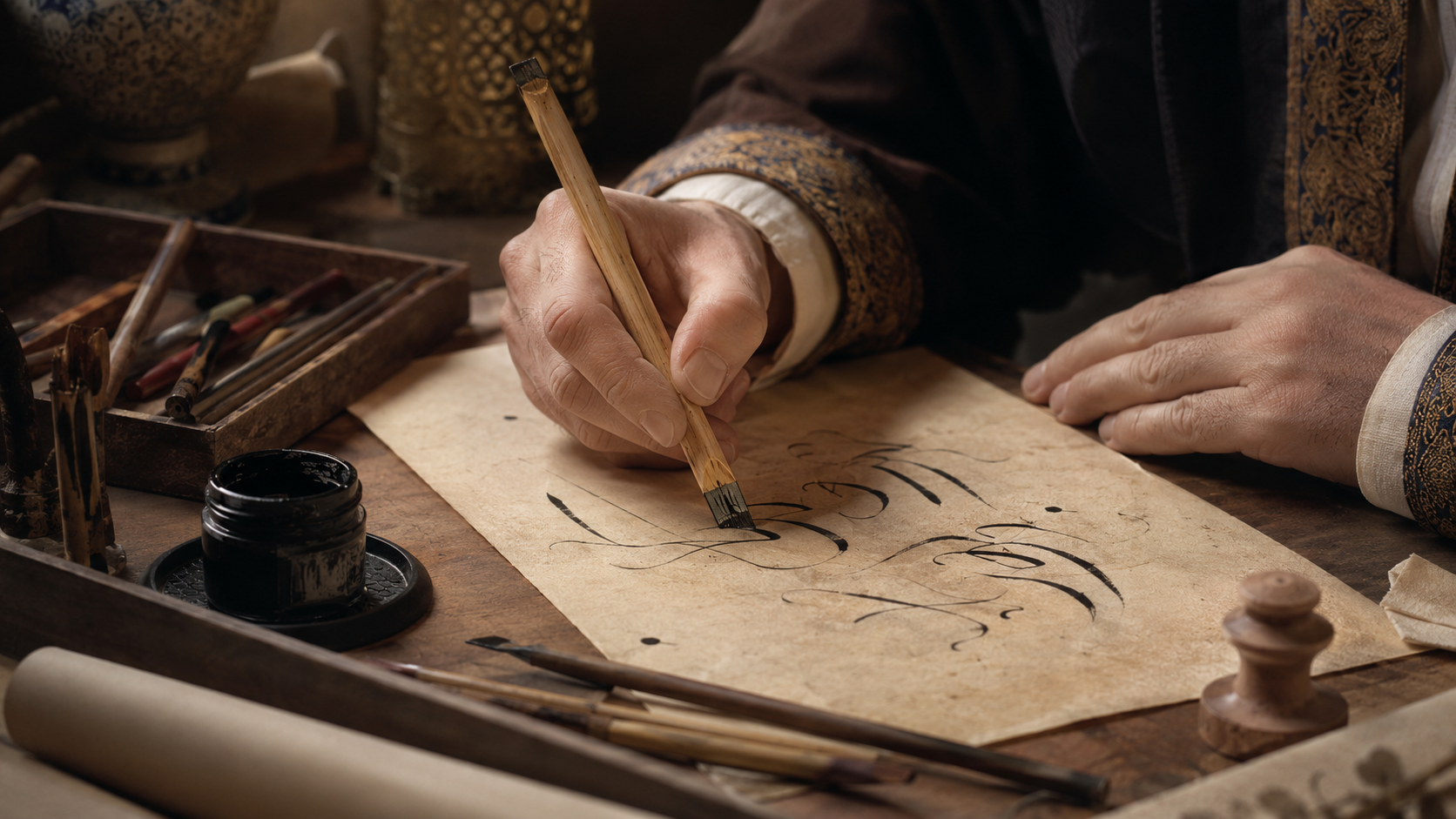
Calligraphy appears in mosques, manuscripts, panels, fountains, tombs, and architectural decoration. It is not only writing, but disciplined movement. Every curve, proportion, and pause matters. For travelers, noticing calligraphy changes the way you see historic interiors. A mosque wall or doorway is no longer just decorated; it is speaking through form. This is also why calligraphy connects naturally with Turkey’s wider historical layers, from Seljuk design to Ottoman architecture and the broader story of Anatolian civilizations.
Miniature Painting and Book Arts
Turkish miniature painting developed as part of manuscript culture, especially in Ottoman court settings. These works often illustrated historical events, ceremonies, battles, cities, landscapes, and literary scenes. Unlike Western perspective-based painting, miniatures used a different visual logic: flattened space, careful detail, symbolic arrangement, and rich color.
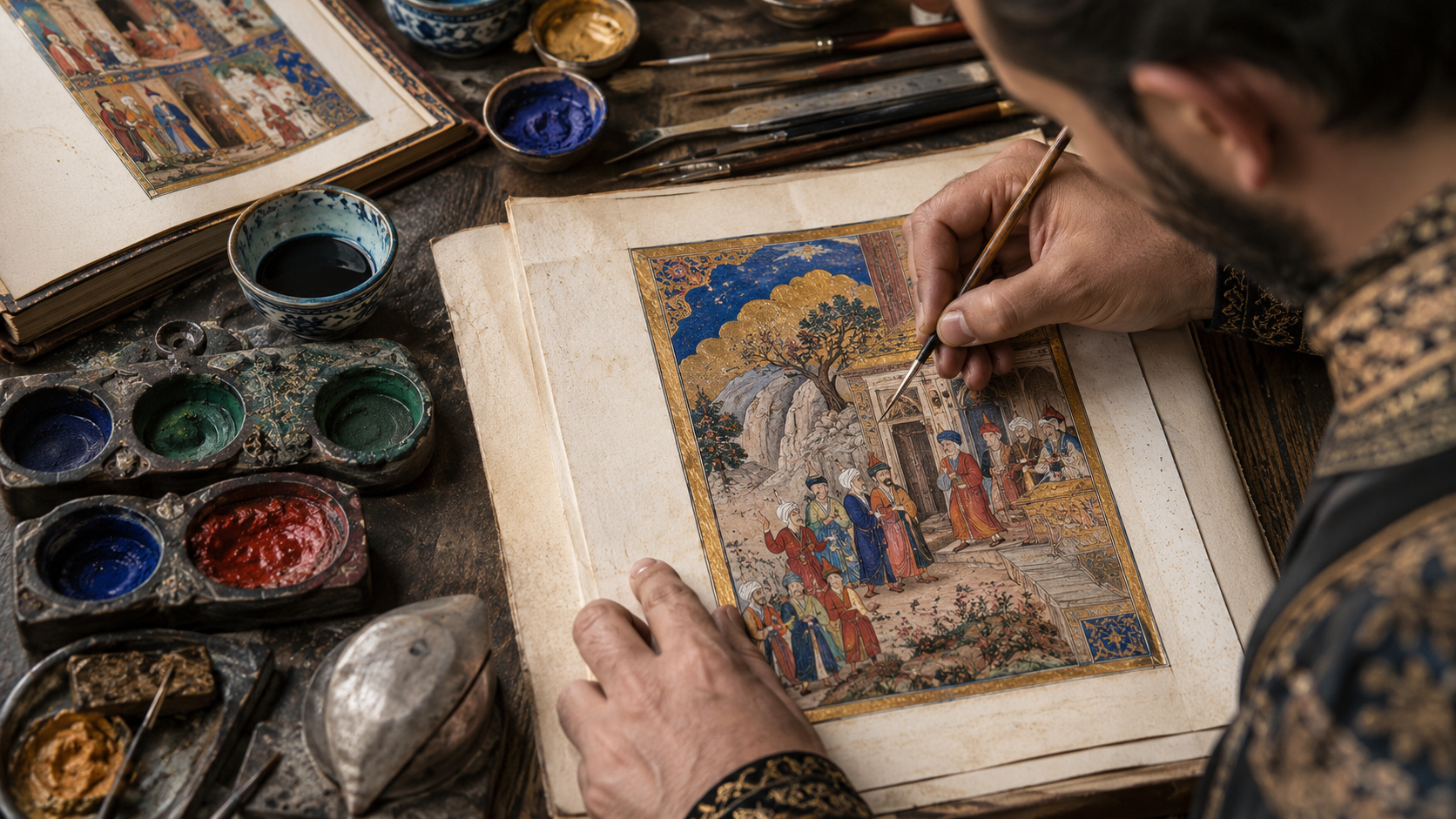
Miniature art is important because it preserves how the Ottoman world wanted to record and imagine itself. It offers a visual archive of clothing, architecture, court life, festivals, and social hierarchy. Today, miniature painting continues through artists who study traditional techniques while also experimenting with contemporary subjects. It is a quieter tradition than carpets or ceramics, but it opens a beautiful window into Turkey’s manuscript heritage.
Copper, Metalwork, and Everyday Beauty
Copperwork is one of the most tactile Turkish crafts. In old bazaars and workshops, you may still find hammered trays, coffee pots, bowls, lamps, pitchers, and decorative plates. Some pieces are practical, while others are made mainly for display. The sound of metal being shaped by hand is part of the atmosphere in traditional craft districts.
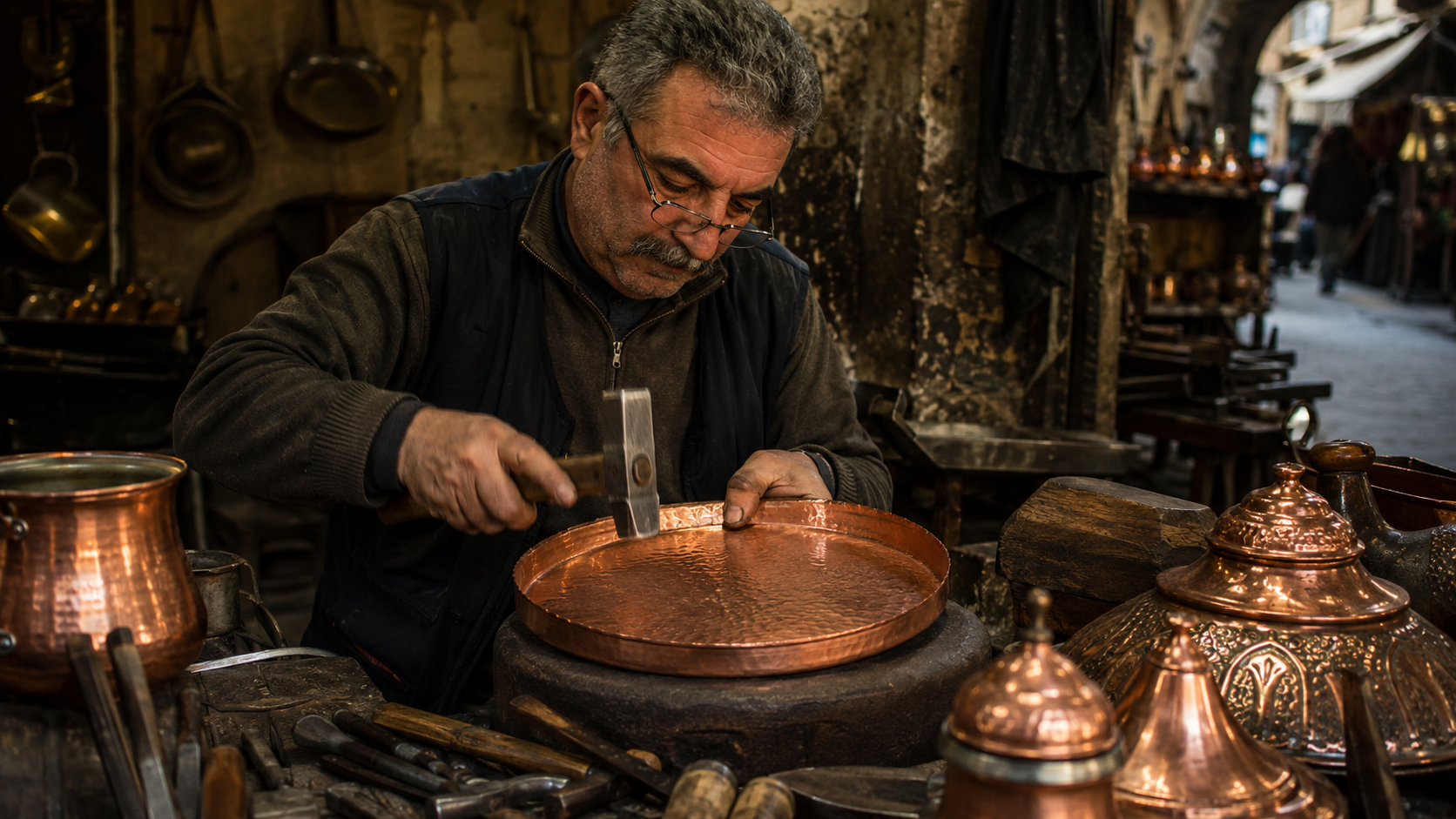
Metalwork also connects to Turkish coffee culture, hospitality, and kitchen life. A copper cezve, used for making Turkish coffee, is both a tool and an object of beauty. This is where craft becomes part of daily ritual. The same is true of engraved trays, serving dishes, and tea sets. They remind us that art in Turkey often enters the home not as something distant, but as something used, touched, and shared.
Textiles, Embroidery, and Regional Identity
Beyond carpets and kilims, Turkey has a rich textile culture that includes embroidery, felt, silk, towels, scarves, and regional clothing traditions. Textile work often reflects local identity, family skill, and women’s artistic labor. Patterns could be decorative, symbolic, or connected to life events such as marriage and dowry preparation.
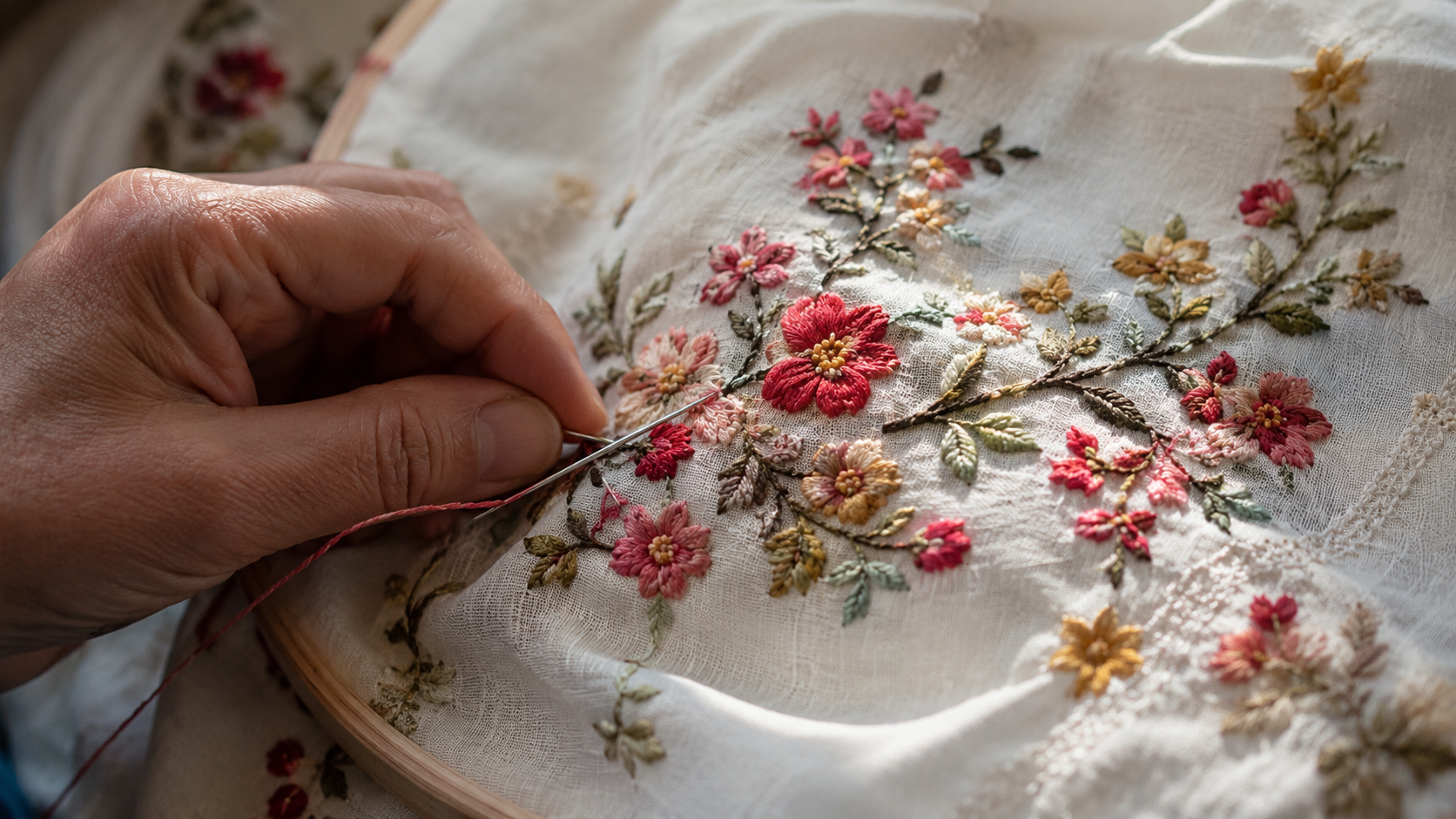
Embroidery is especially meaningful because it turns everyday cloth into a surface of memory. Towels, headscarves, table linens, and garments may carry delicate stitched motifs that speak quietly about place and tradition. Travelers often focus on large objects like carpets, but smaller textiles can be just as revealing. They show how beauty was woven into ordinary domestic life.
Bazaars, Workshops, and Where to See Turkish Crafts
The best places to experience Turkish crafts are not always museums. Bazaars, workshops, family studios, pottery towns, textile villages, and small artisan shops often give a more immediate sense of how these traditions survive. Istanbul’s Grand Bazaar and Spice Bazaar are famous, but craft culture can also be found in places like Cappadocia, Kütahya, İznik, Gaziantep, Safranbolu, and smaller towns across Anatolia.
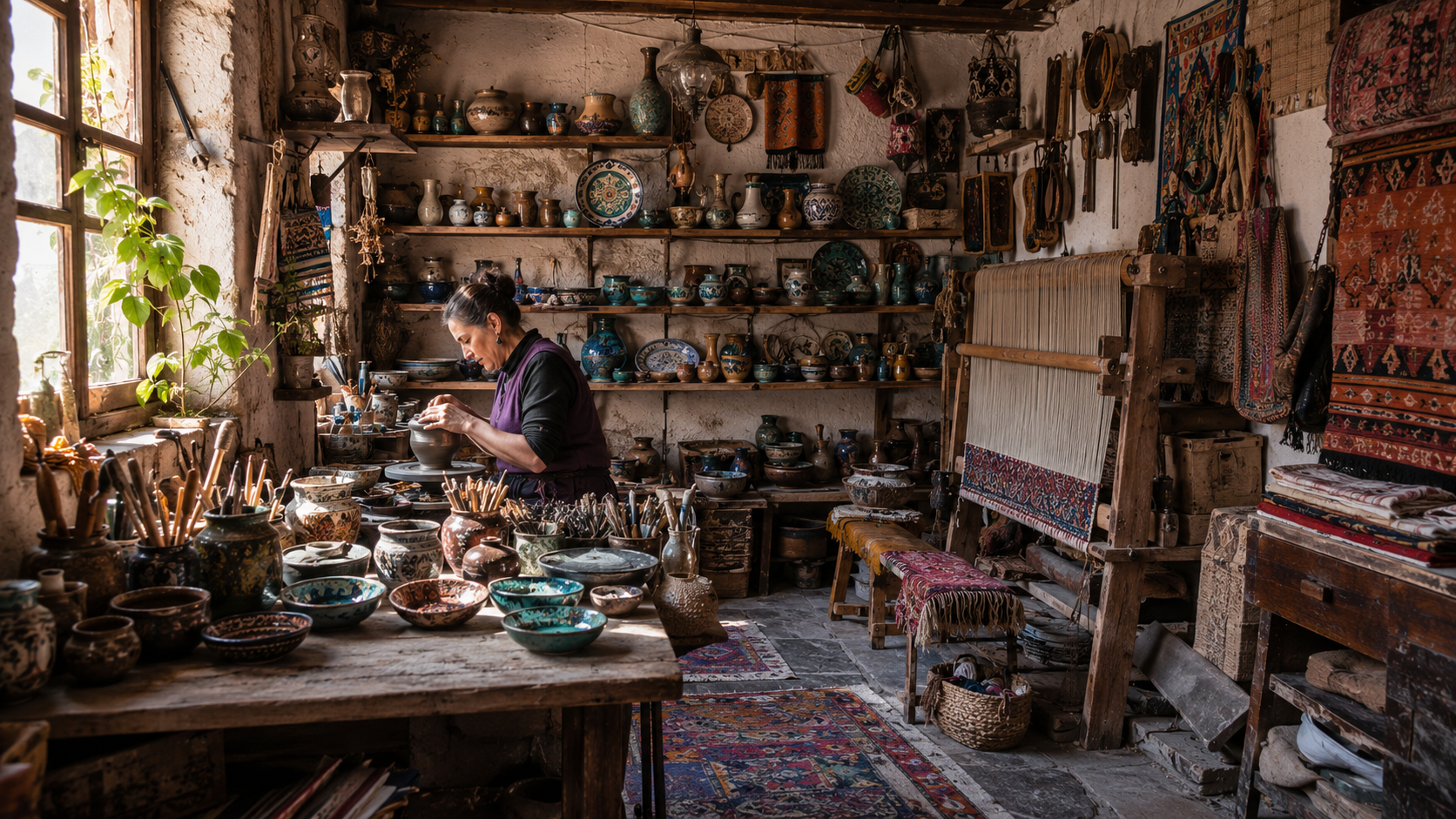
Bazaars can be overwhelming, but they are part of the story. They continue the long tradition of trade, display, bargaining, and sensory abundance. For travelers, bazaars and shopping in Turkey are not only about buying things. They are about seeing how craft, commerce, conversation, and cultural performance come together in one place.
Turkish Crafts in Modern Design
One of the most exciting things about Turkish crafts and arts today is how they continue to evolve. Contemporary designers, ceramicists, textile artists, jewelry makers, and calligraphers often work with traditional forms while giving them a modern voice. A classic tile motif may appear in a minimalist interior. Ebru patterns may be used in fashion or graphic design. Carpet-inspired geometry may influence contemporary textiles.
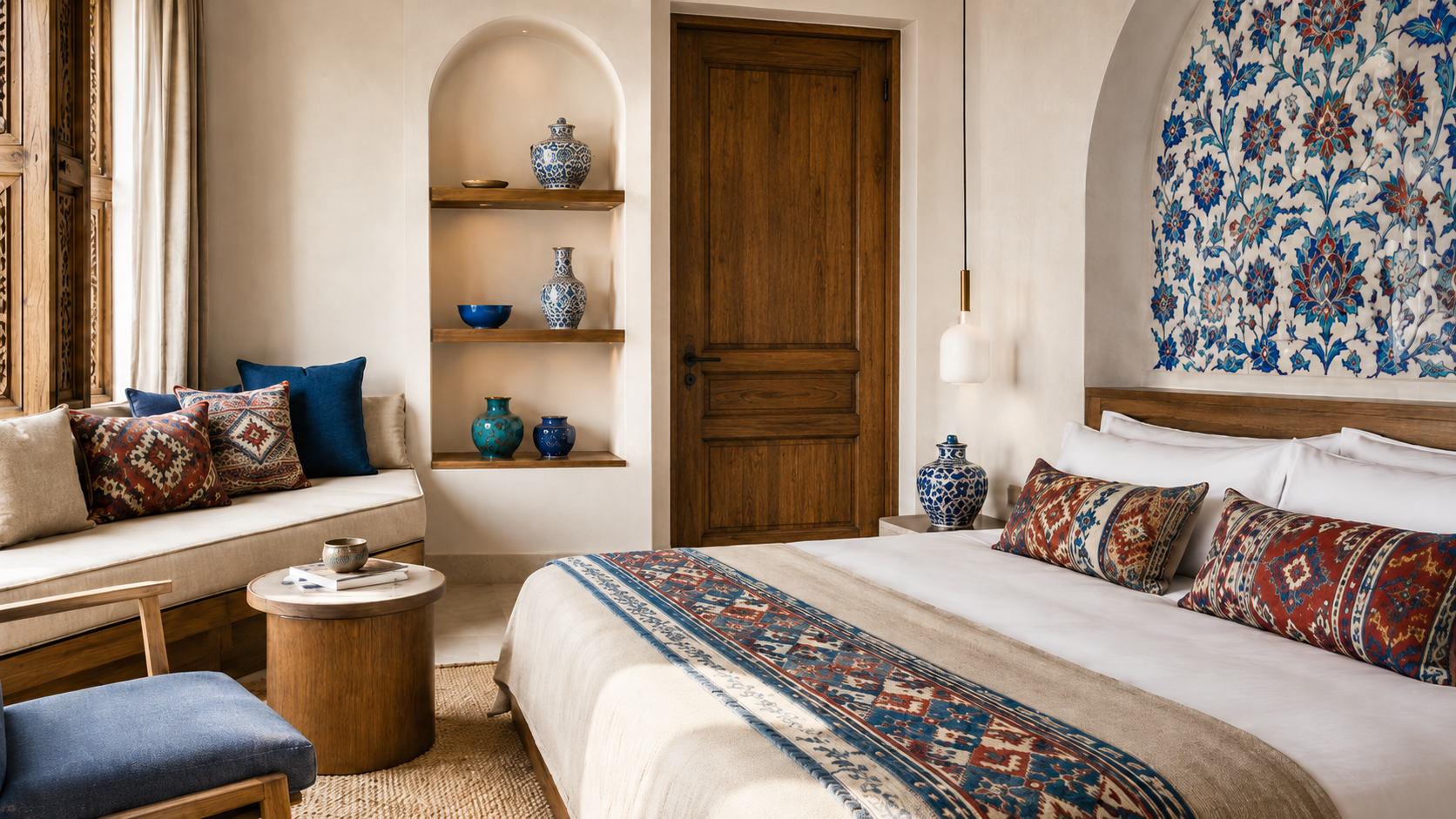
This modern adaptation keeps the traditions from becoming museum pieces. It also helps younger generations connect with heritage in a way that feels relevant. The best modern craft does not simply copy the past. It understands the past well enough to continue the conversation. For travelers, this means Turkey offers both historic craftsmanship and fresh creative energy.
How to Buy Turkish Crafts Responsibly
Buying crafts in Turkey can be a wonderful experience, but it helps to shop with care. Ask whether an item is handmade, where it was produced, what materials were used, and whether the seller can explain the technique. Real craftsmanship takes time, and very cheap prices can sometimes mean mass production rather than traditional work.
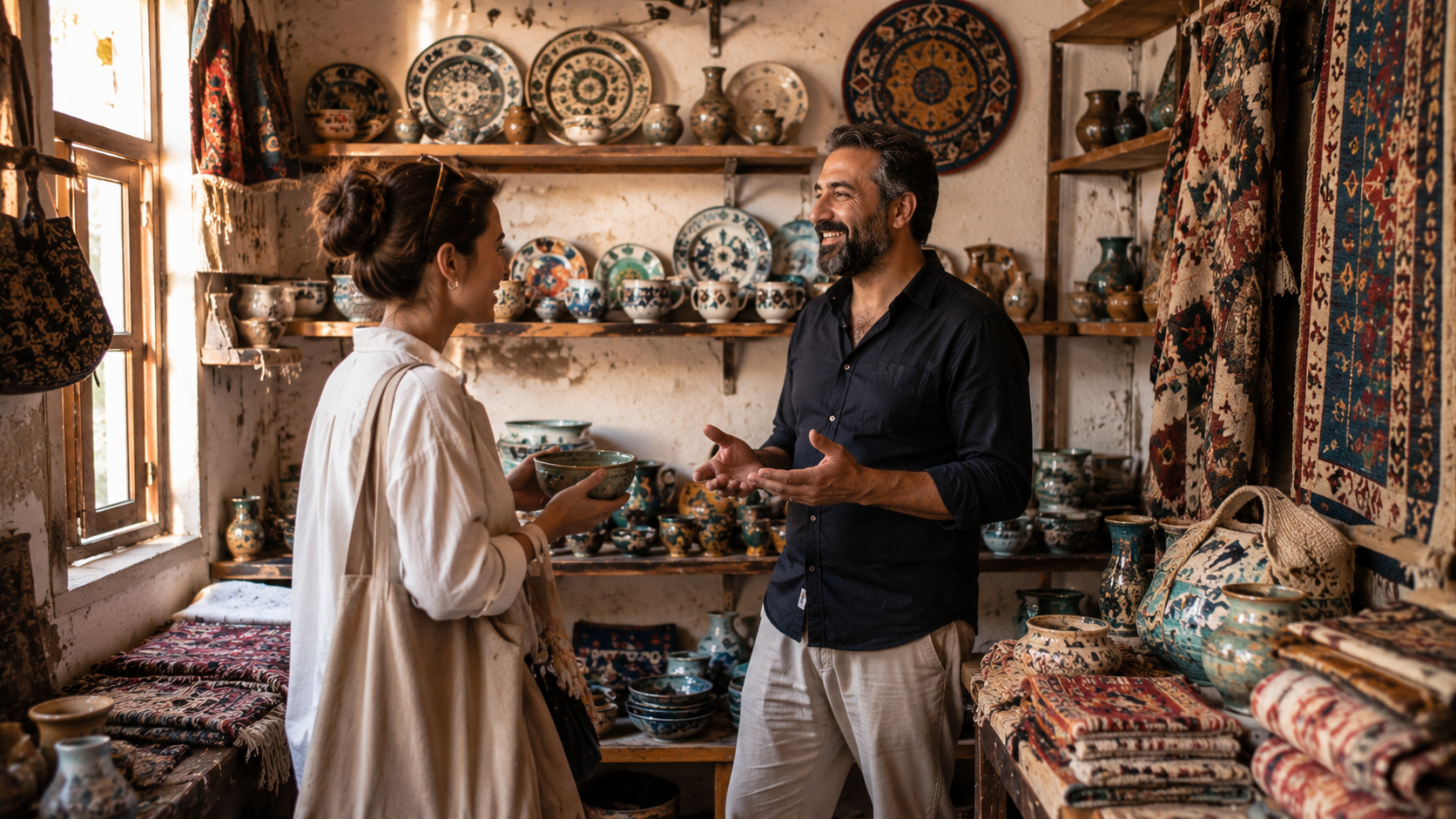
It is also worth supporting small workshops, cooperatives, and artisans when possible. A handmade object carries more than visual appeal; it supports knowledge, labor, and cultural continuity. Whether you buy a ceramic bowl, a small textile, a marbled paper, or a copper coffee pot, the goal is not just to collect souvenirs. It is to choose objects with a story.
Conclusion
Turkish crafts and arts reveal a side of Turkey that monuments alone cannot show. Carpets, ceramics, ebru, calligraphy, miniature painting, copperwork, textiles, and embroidery all carry pieces of the country’s history, spirituality, trade, and domestic life. They show how beauty moved from palaces and mosques into homes, markets, workshops, books, and everyday rituals.
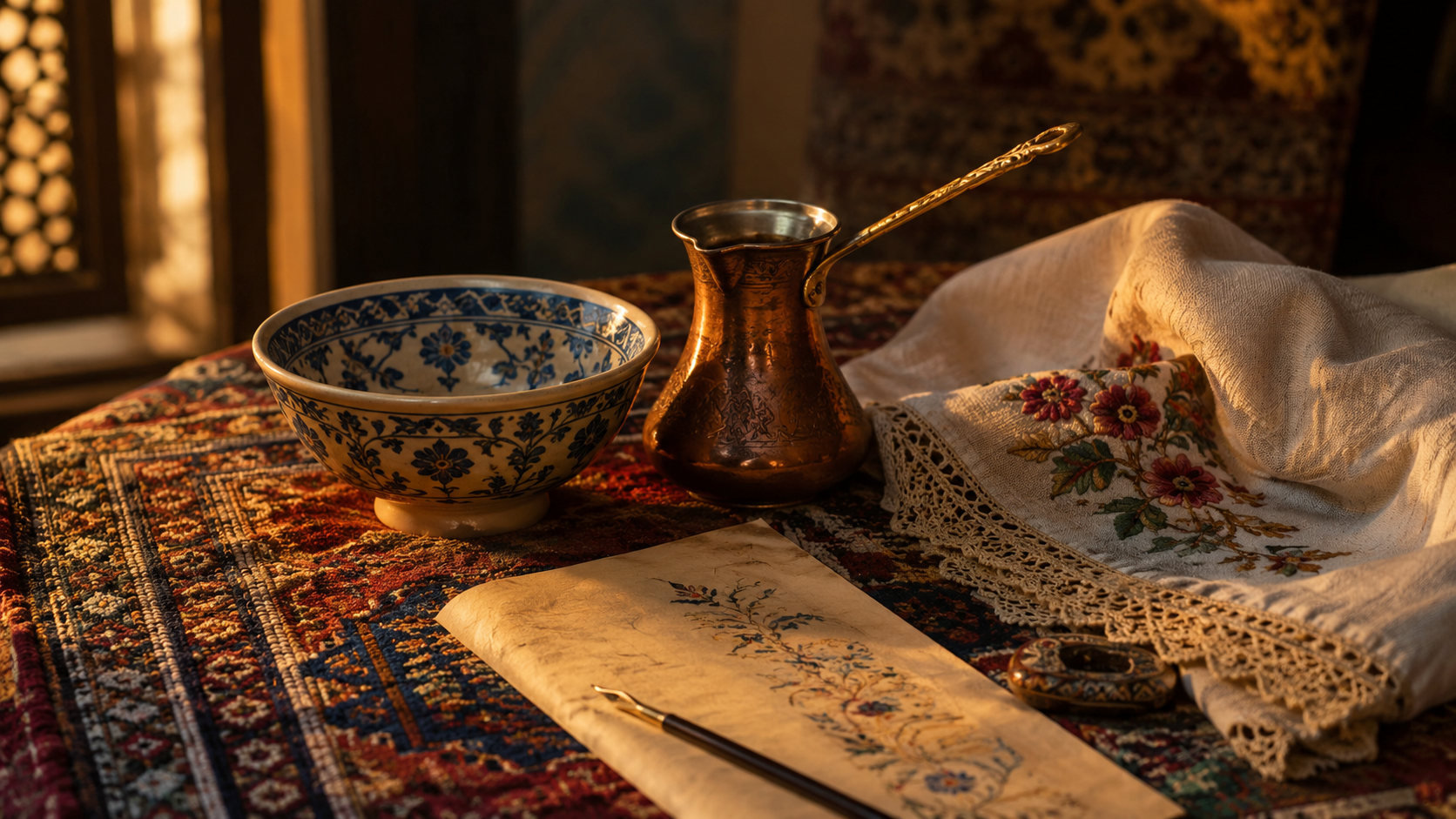
For travelers, these traditions offer a deeper way to experience Turkey. A craft object is not just something to look at or buy. It is a connection to hands, regions, materials, and centuries of cultural exchange. To understand Turkish crafts is to understand Turkey as a place where art is not separate from life, but woven directly into it.