
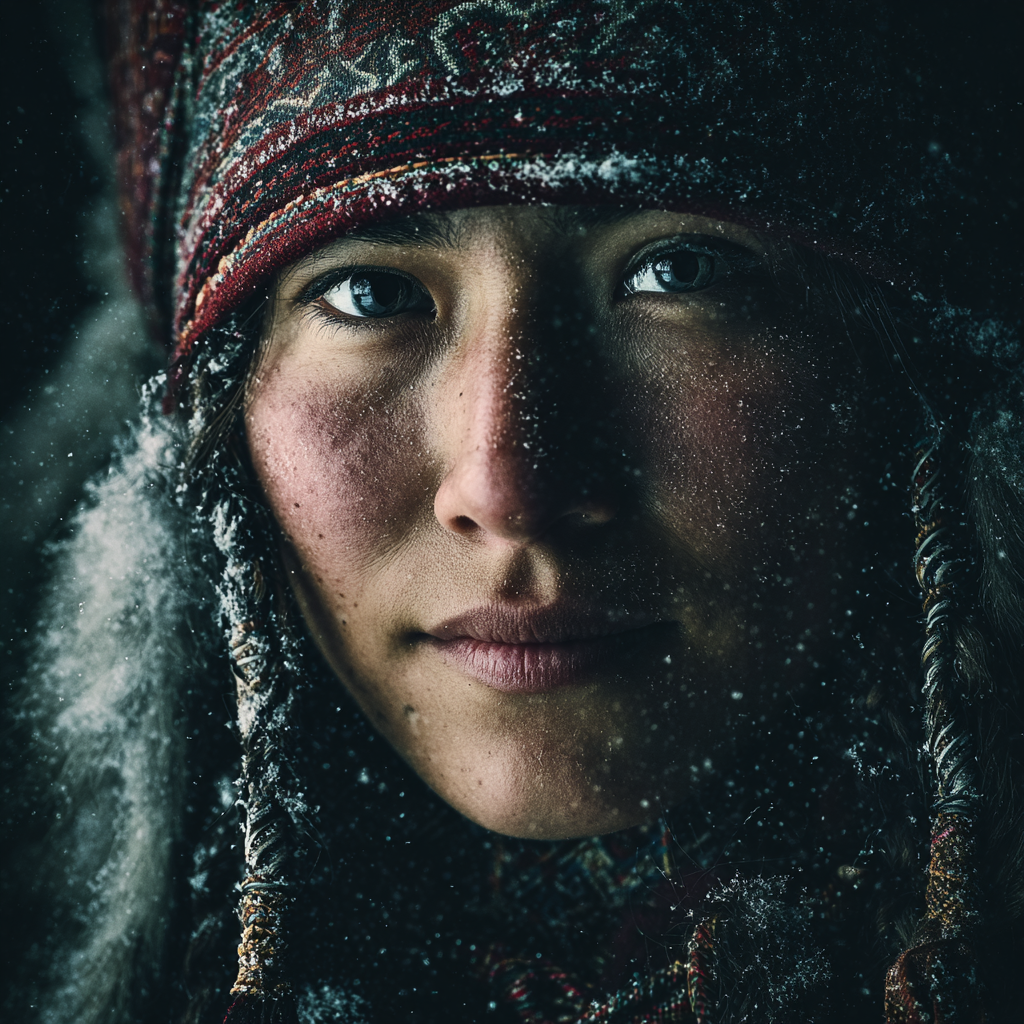
Sámi people are the Indigenous people of Sápmi, a homeland extending across northern Norway, Sweden, Finland and the Kola Peninsula in Russia. Their culture includes several languages, regional clothing traditions, distinctive music and skilled craftsmanship, alongside the everyday realities of contemporary life.
For travellers, understanding that diversity changes how you see the north. A reindeer encounter introduces one important livelihood, but coastal fishing communities, urban artists and language revitalisation tell other parts of the story.
This guide explains nine connected aspects of Sámi culture, then helps you choose a museum, cultural visit or festival with more confidence. You do not need to fit every tradition into one trip. Start with the region you are visiting and the people sharing their own knowledge there.
Who Are the Sámi People, and Where Is Sápmi?
Sápmi is a cultural and historical homeland rather than a separate country. Its communities cross modern state borders, and the word itself comes from Northern Sámi. Other Sámi languages have their own forms of the name.
There is no single Sámi way of life. Communities along the coast, in forests and around inland waterways have different histories from those associated with mountain reindeer herding. Fishing, hunting, gathering and other livelihoods also belong to that history.

Many Sámi people now live in towns and cities, including places outside Sápmi. Being Sámi does not depend on working with reindeer, wearing traditional clothing every day or speaking a Sámi language fluently. Family histories of assimilation have affected language transmission, and people relate to their heritage in different ways.
The Arctic Council’s introduction to the Saami Council provides a useful starting point for understanding the homeland and its range of traditional livelihoods.
For a first visit, avoid treating Sápmi as one sightseeing destination. Tromsø, inland Finnmark, Swedish Sápmi and Inari in Finland involve different journeys and cultural settings. Choose an experience that fits your route rather than adding a distant stop because it appears in a general Arctic itinerary.
1. Yoik: Music, Memory and Personal Connections
A yoik, also written joik, is a Sámi vocal tradition. Depending on the tradition and performer, it may evoke a person, animal or place through a recognisable musical expression rather than describe a subject in the way a conventional verse does.
That distinction helps explain why a short repeated phrase can carry substantial meaning. You may hear words, vocables or a combination of the two. Regional styles differ, so one performance should not be taken as a model for all Sámi music.

Contemporary Sámi musicians work across pop, folk, rock, electronic music and other genres. Yoik can be part of those settings, but Sámi artists are not limited to making music that visitors immediately recognise as traditional.
If music interests you, look for a public concert, festival programme or performance led by a Sámi artist. Read the introduction and listen to how the performer explains their work. A personal yoik may have a context that is not obvious to an outside listener.
Ask before recording, even when photography is permitted at the venue. Buying a recording or following an artist’s own channels is also a way to continue exploring the music after the trip.
2. Reindeer Herding: An Important Livelihood, with Regional Differences
Reindeer herding is closely associated with Sámi culture, but only some Sámi people are involved in it. It is a living occupation requiring knowledge of animals, grazing conditions, weather and seasonal movement.
Herding practices differ between regions. Mountain, forest and coastal landscapes present different conditions, and the movement of animals cannot be reduced to one identical annual route. Modern equipment is part of contemporary work, rather than evidence that a livelihood has become less authentic.
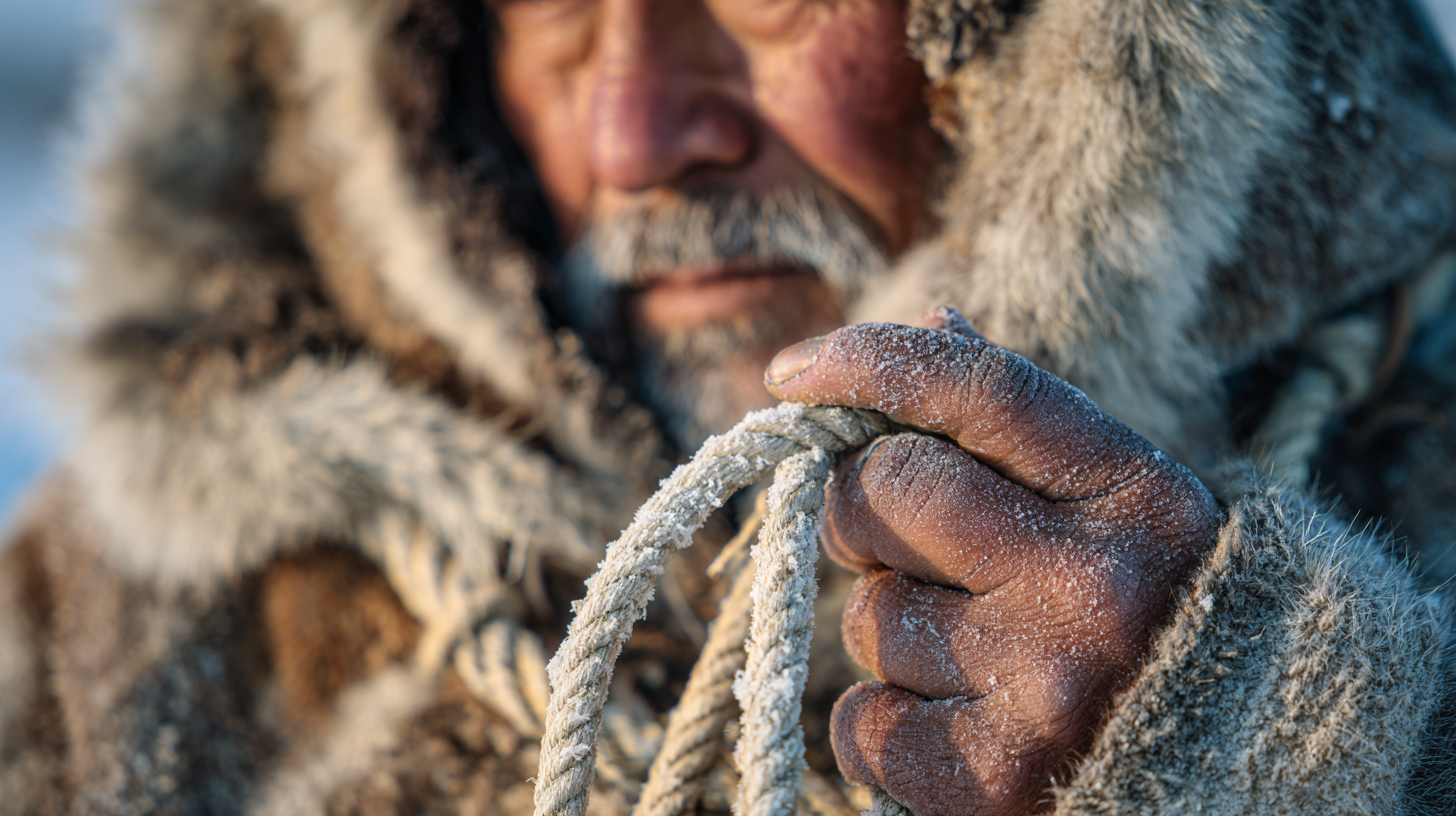
For visitors, a scheduled encounter with a herding family can introduce those practical realities. The most useful visits leave time for questions about the work and its local context, rather than making feeding or photographing animals the entire experience.
Read the description carefully. A cultural talk, a feeding session and a sled ride are separate activities; the presence of one does not mean the others are included. Ask which parts depend on snow or other conditions, and what happens if the advertised activity cannot run.
Outside an organised visit, keep your distance from animals and working equipment. Do not enter an enclosure, follow a herd or approach a gathering of reindeer because it looks like a photographic opportunity. Working events are not automatically public attractions.
3. Duodji: Craftsmanship You Can Understand Through the Maker
Duodji is a Sámi craft tradition combining practical knowledge, materials and design. Depending on the region and craftsperson, work can involve wood, antler, leather, textiles and other materials.
A wooden drinking cup, a carefully fitted knife sheath or a sewn garment can reveal the relationship between use and skilled making. Look beyond a familiar decorative pattern: construction, material choice and the maker’s knowledge are part of the object’s value.
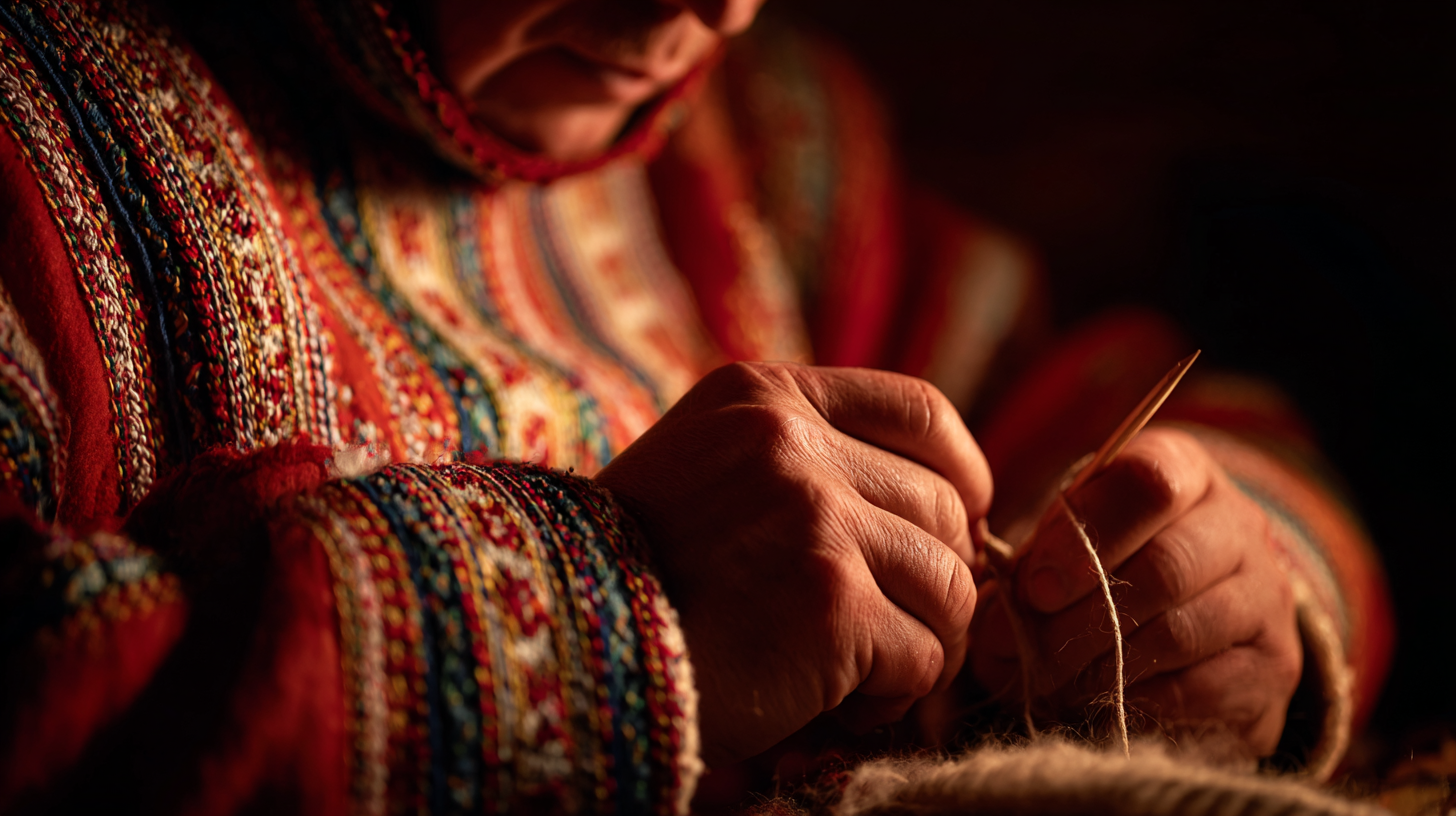
When buying, ask who made the item and where it was produced. A named craftsperson or a shop able to explain an object’s origin gives you more to work with than a generic label saying “Arctic souvenir”.
The Saami Council’s Sámi Duodji and Sámi Made marks make a useful distinction. Sámi Duodji identifies traditional Sámi handicraft meeting the scheme’s criteria. Sámi Made identifies products made by Sámi people and can include a broader range of production. The two labels do not mean exactly the same thing.
A maker may also sell directly without displaying a certification mark, so a missing logo is not a reason by itself to dismiss their work. Ask about provenance rather than trying to judge identity or quality from a pattern.
For an accessible introduction in Inari, Siida’s museum shop brings together Sámi handicrafts, design and literature. Comparing a few pieces and reading about their makers can make shopping a more meaningful part of the visit.
4. Gákti: Clothing with Local and Personal Meaning
Gákti is the Northern Sámi term commonly used in English for Sámi traditional clothing. Names and styles vary across the Sámi language areas. Clothing can express regional connections, belonging and personal choices, but the details need local explanation.
Colours, cuts, headwear, belts and jewellery differ between communities. It is too simplistic to read every outfit as a fixed code revealing someone’s family, marital status and social role.

Gákti is worn in contemporary life, including celebrations, political occasions and other settings chosen by the wearer. Designs and making practices continue to develop, as clothing traditions do elsewhere.
A museum display or a conversation with a maker is a better way to learn than assigning universal meanings to each colour or accessory. Visit Norway’s introduction to Sámi clothing includes perspectives on both regional traditions and present-day use.
For travellers, the practical point is straightforward: appreciate the clothing without treating it as a costume for a holiday photograph. Ask before taking a close portrait, and let your host decide what they wish to explain.
5. The Lavvu: A Portable Shelter with a Continuing Role
A lavvu is a traditional Sámi tent structure associated with portable shelter. Its poles and covering create a space that can be erected where needed. It belongs to a wider history of Sámi dwellings, which also includes other kinds of structures.
Today, you may encounter a lavvu in herding contexts, at cultural events or during a hosted visitor experience. It does not follow that Sámi families generally live in tents, any more than seeing a historic farmhouse explains how everyone in a country lives now.
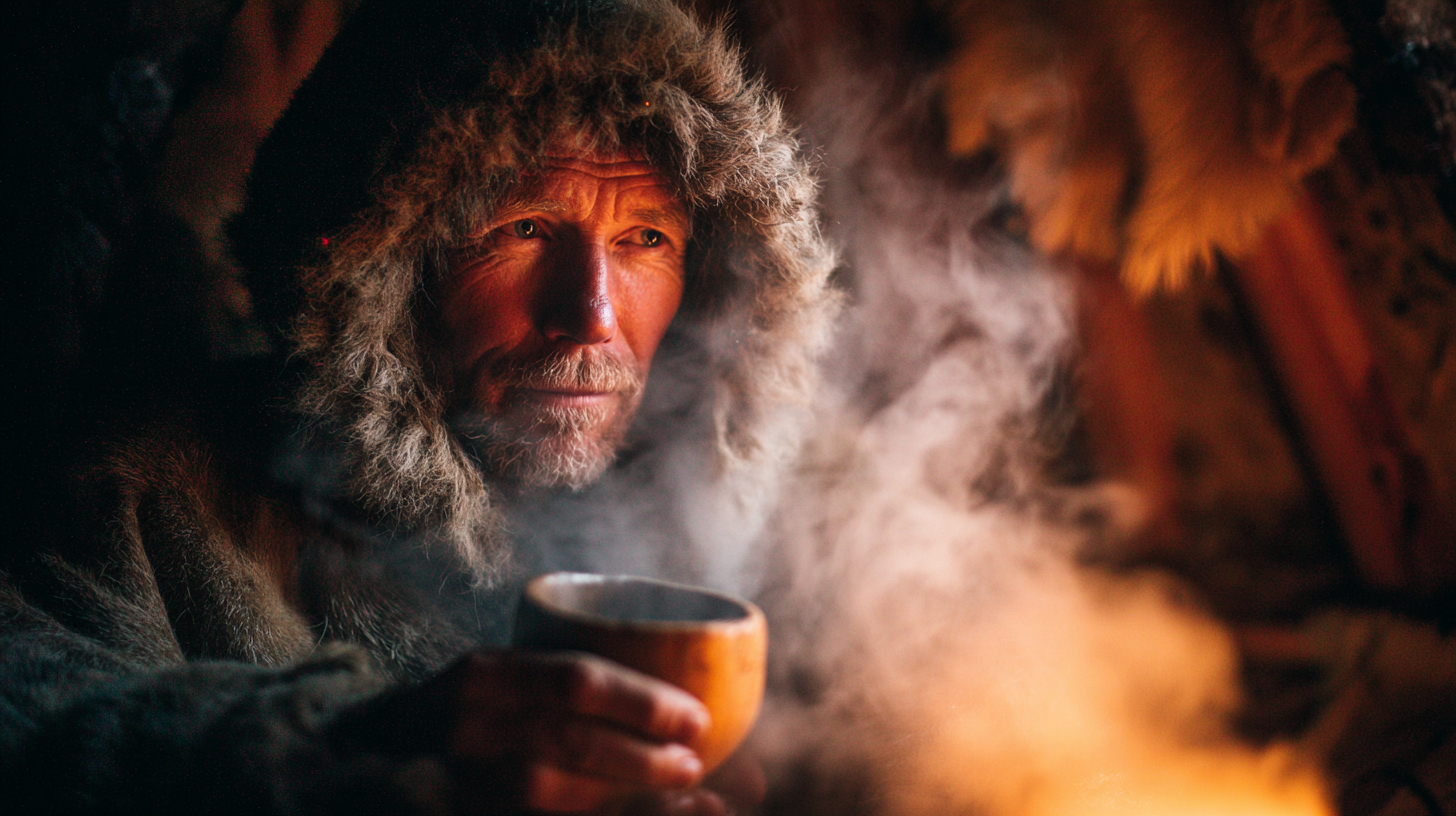
A visit inside can be a useful setting for conversation, food or storytelling when the host includes those elements. Ask what the experience actually involves rather than assuming that every lavvu visit includes a fire, a meal or a musical performance.
Practical details matter in winter. Check the seating, heating arrangements, toilet access and the time spent outside, especially if anyone in your group has reduced mobility or finds smoke uncomfortable. A photograph of a warm interior does not answer those questions.
6. Sámi Languages: Distinct Languages, Not One Set of Dialects
The Sámi languages belong to the Uralic language family. Northern Sámi, Southern Sámi, Lule Sámi, Inari Sámi and Skolt Sámi are examples of distinct languages, rather than interchangeable dialects of one language.
The Sámi Parliament of Finland’s overview describes nine Sámi languages spoken today and identifies Northern Sámi as the most widely spoken. In Finland, Northern Sámi, Inari Sámi and Skolt Sámi have different histories and speaker communities.

Language loss is connected to historical assimilation policies and interruptions in transmission between generations. Revitalisation involves education, family learning, publishing, broadcasting and creating more opportunities to use the languages in everyday life.
Not every Sámi person has had the chance to learn a heritage language. Fluency should not become a test that a visitor uses to decide whether someone is “really” Sámi.
While travelling, notice place names and multilingual signs. Ask which language is used locally before learning a greeting: a Northern Sámi phrase will not represent every community you encounter. Books, recordings and museum material created by local speakers offer a better starting point than a list of supposedly untranslatable Arctic words.
7. Historical Beliefs, Drums and Sacred Places
Historical Sámi religious traditions included relationships with places, animals and spiritual beings, with substantial regional variation. Ritual specialists, often referred to using the Northern Sámi word noaidi, and ceremonial drums are part of that history.
Missionary activity and state pressure disrupted religious practices. Objects were confiscated or destroyed, and surviving drums now carry histories of both cultural knowledge and suppression. The Milwaukee Public Museum’s overview of Sámi religion introduces this historical context.

Historical beliefs should not be presented as the personal religion of every Sámi person today. Individual relationships with Christianity, other beliefs and secular life differ. A drum in a museum also does not imply that a commercial “shaman experience” is an accurate representation of contemporary Sámi culture.
Use a museum or a knowledgeable local guide to understand the context of objects and sites. Follow access instructions at places identified as sacred or culturally sensitive, and avoid touching objects or arranging your own ritual for a photograph.
8. Contemporary Art, Film and the Riddu Riddu Festival
Sámi culture is also made in studios, cinemas, concert venues and design workshops. Contemporary artists can explore language, identity, family, land and political questions without being expected to reproduce a visitor’s idea of an Arctic past.
A cultural trip can therefore include a current exhibition or film as naturally as a historic collection. Check who curated an exhibition and read the artists’ introductions; those voices help explain what you are seeing.

Riddu Riddu, officially styled Riddu Riđđu, is an international Indigenous festival in Manndalen in Kåfjord, northern Norway. Its beginnings are connected to local young people and the affirmation of Sea Sámi identity.
The festival brings together music and other cultural forms, with participants from beyond Sápmi as well as Sámi artists. That wider Indigenous programme is part of its character, rather than every performance being specifically Sámi.
Use the festival’s own introduction to understand its background, then consult the current programme for the edition you want to attend. Dates, tickets, transport and accommodation need checking together. Manndalen is a destination to plan for, rather than an evening event in central Tromsø.
9. Sámi Identity, Public Life and National Day
Public institutions, community organisations and cultural events are another part of the story. Norway, Sweden and Finland have Sámi parliaments, although their responsibilities and national contexts differ. They should not be confused with the Saami Council, a separate cross-border organisation.
Sámi National Day falls on 6 February. It commemorates the first Sámi congress held in Trondheim in 1917, which brought together participants from Norway and Sweden. Skansen’s National Day introduction explains the connection.
For travellers, a public celebration can offer a way to hear music, attend a talk or learn about local community activity. Check the actual public programme and booking arrangements; the date does not make every community gathering open to visitors.

These forms of public life help place the cultural traditions in the present. Sápmi is a homeland where people work, study, raise families and debate the future, alongside welcoming visitors on their own terms.
How to Choose a Sámi Cultural Experience
Start with what you want to understand. A museum, a hosted visit and a festival answer different interests. The comparison below helps you choose one substantial experience without expecting a single booking to cover all Sámi culture.