
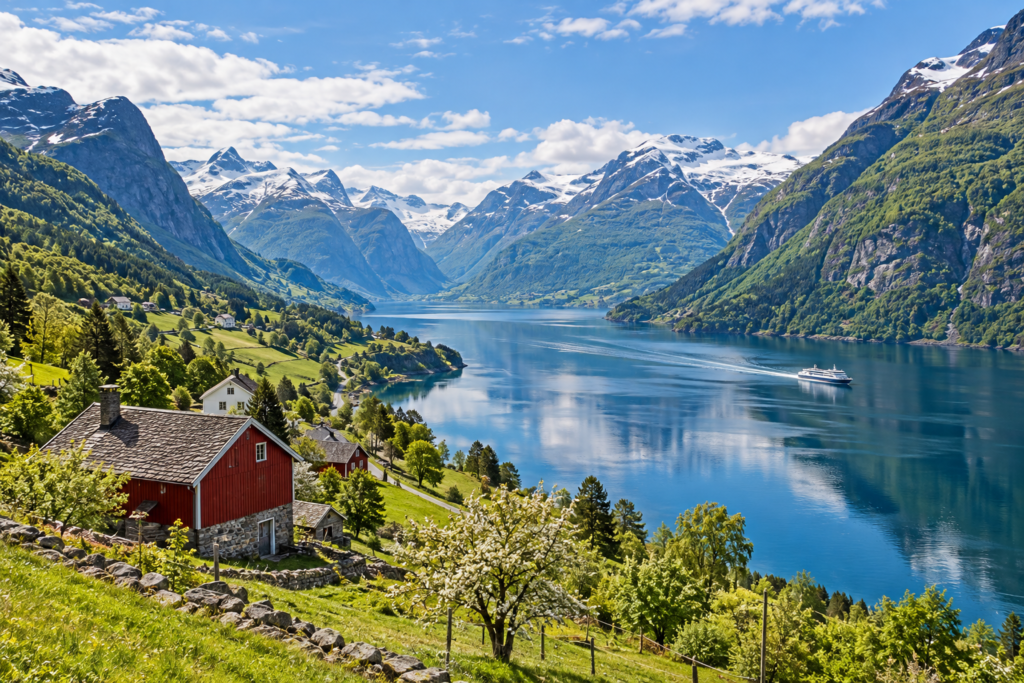
These are planning windows rather than guarantees. The same week can bring spring conditions beside a fjord and lingering snow on a mountain trail.
Why the Region Matters as Much as the Month
Norway stretches across different climates and daylight patterns. A single national temperature average is therefore a poor guide to what your trip will feel like.
Oslo and Eastern Norway
Oslo works for a city break throughout the year. Warmer months make waterfront walks, parks, and outdoor meals easier to include, while winter suits a more indoor-focused itinerary with outdoor activities added according to conditions.
Eastern inland areas generally have a more pronounced contrast between summer and winter than the western coast.
Bergen and the Western Fjords
The western coast has a maritime climate. Rain can affect a visit in any season, and conditions beside the water may differ considerably from those at higher elevations.
A mild day in Bergen does not tell you whether a mountain road or hiking trail is accessible.
Tromsø and Northern Norway
In the north, daylight becomes a major part of planning. Summer brings long light hours and, in suitable locations, midnight sun. The darker season creates opportunities for northern lights and winter activities.
Coastal and inland conditions also differ. Visit Norway’s climate overview explains these regional contrasts.
Norway in Summer: June to August
Norway in summer is a practical choice for a first visit, particularly if you want to combine several kinds of sightseeing.
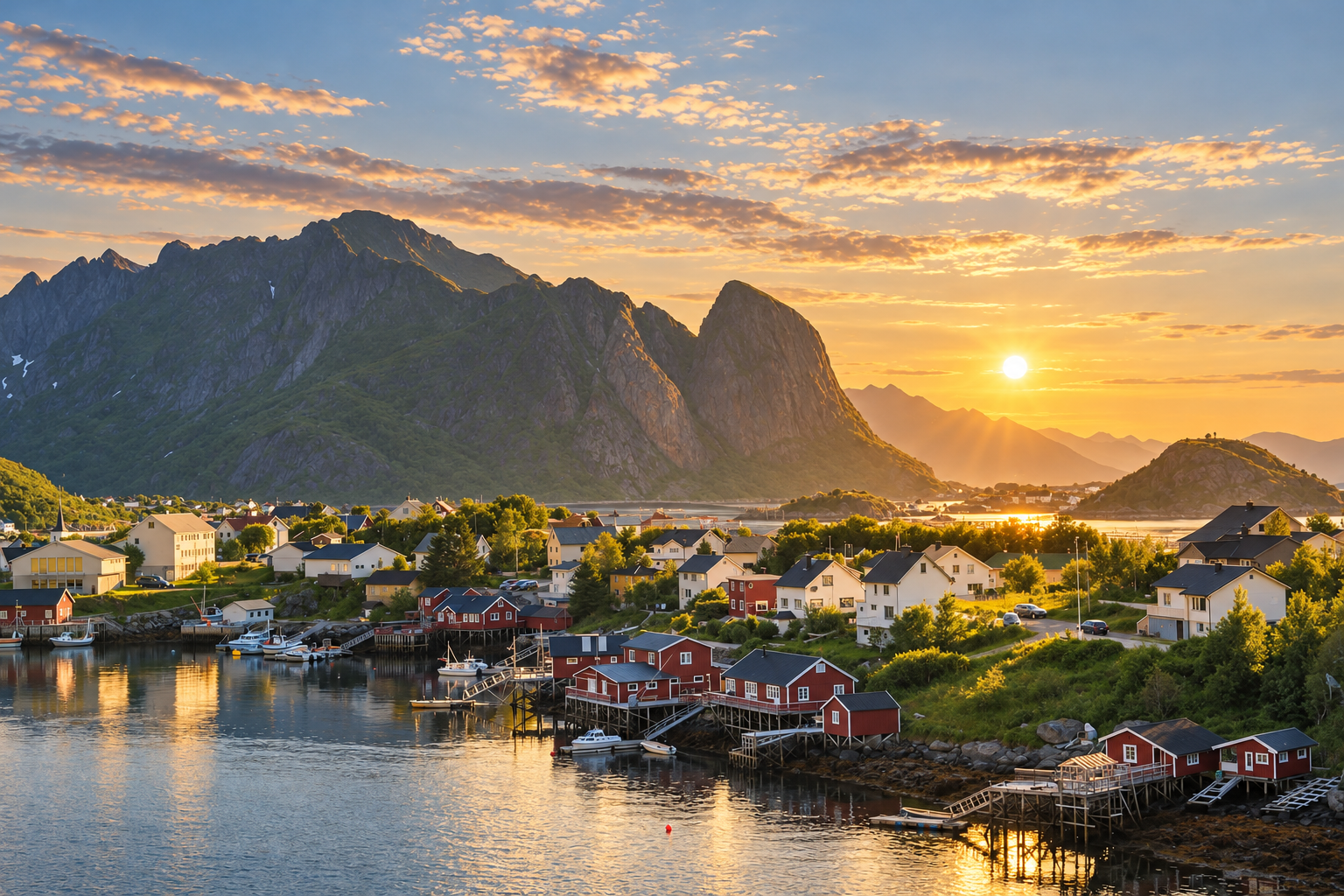
Long daylight hours give you more flexibility for boat trips, village visits, and time outdoors. You can build a trip around cities and fjords without making winter transport conditions central to the itinerary.
What Summer Suits Best
Choose summer if your priorities include:
- A western fjord trip with several activities.
- Scenic drives on routes confirmed open for your dates.
- Outdoor time alongside an Oslo or Bergen stay.
- Hiking during the appropriate season for your chosen trail.
- Midnight sun in Northern Norway.
Summer weather still varies. Bring waterproof clothing and layers rather than packing only for warm days. Visit Norway’s summer guide outlines the season’s conditions.
What to Plan Ahead
Book accommodation early when your route depends on staying in a small village or a particular location.
Reserve popular excursions once your itinerary is settled, especially when there is only one departure that fits your onward travel.
Long daylight can also make an overloaded day look deceptively manageable. You still need time for meals, transfers, and rest.
Spring in Norway: March to May
Spring is a transition season, and its arrival depends heavily on the region and elevation.
You may find greener lowland landscapes and outdoor café weather in the south while northern or mountain areas remain wintry.
March and April
These months can suit a winter-focused northern trip or skiing holiday. They are less suitable for assuming that a summer mountain itinerary will already be available.
City breaks can work well if you are comfortable with changeable conditions and a mixture of indoor and outdoor activities.
May
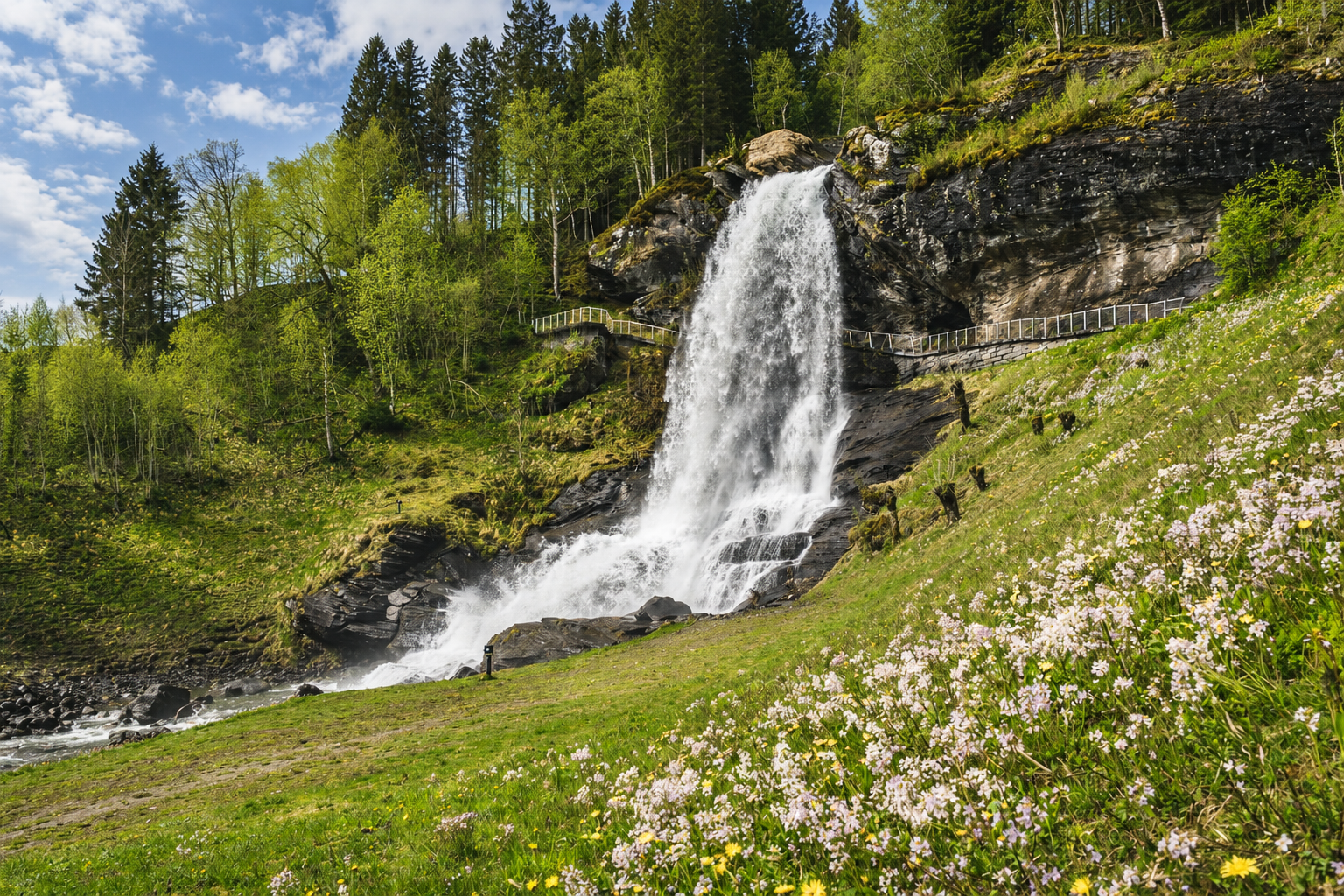
May is worth considering for cities, lower-elevation sightseeing, and selected fjord trips. Snowmelt can contribute to striking waterfall scenery, but mountain access still needs checking.
Norway celebrates its national day on 17 May. If your trip includes that date, plan around celebrations and public-holiday arrangements. Visit Norway’s May guide provides an introduction.
The official spring overview explains why the season varies across the country.
Choose spring if: you are happy to build a flexible route around confirmed services rather than expecting the full summer offering.
Autumn in Norway: September to November
Autumn gives you different opportunities as the season progresses.
Early September may still suit selected outdoor trips. Later autumn requires more attention to shorter days, weather, and seasonal closures.
September
September is a useful option to investigate if you prefer travelling outside peak summer.
Some hiking and fjord activities may still be available, while northern destinations move into the aurora season. Check each activity separately rather than assuming that September offers everything summer does.
October and November
These months suit trips built around cities, northern lights, or specific operating excursions.
They are less convenient for a broad itinerary relying on several seasonal boat services and high mountain roads.
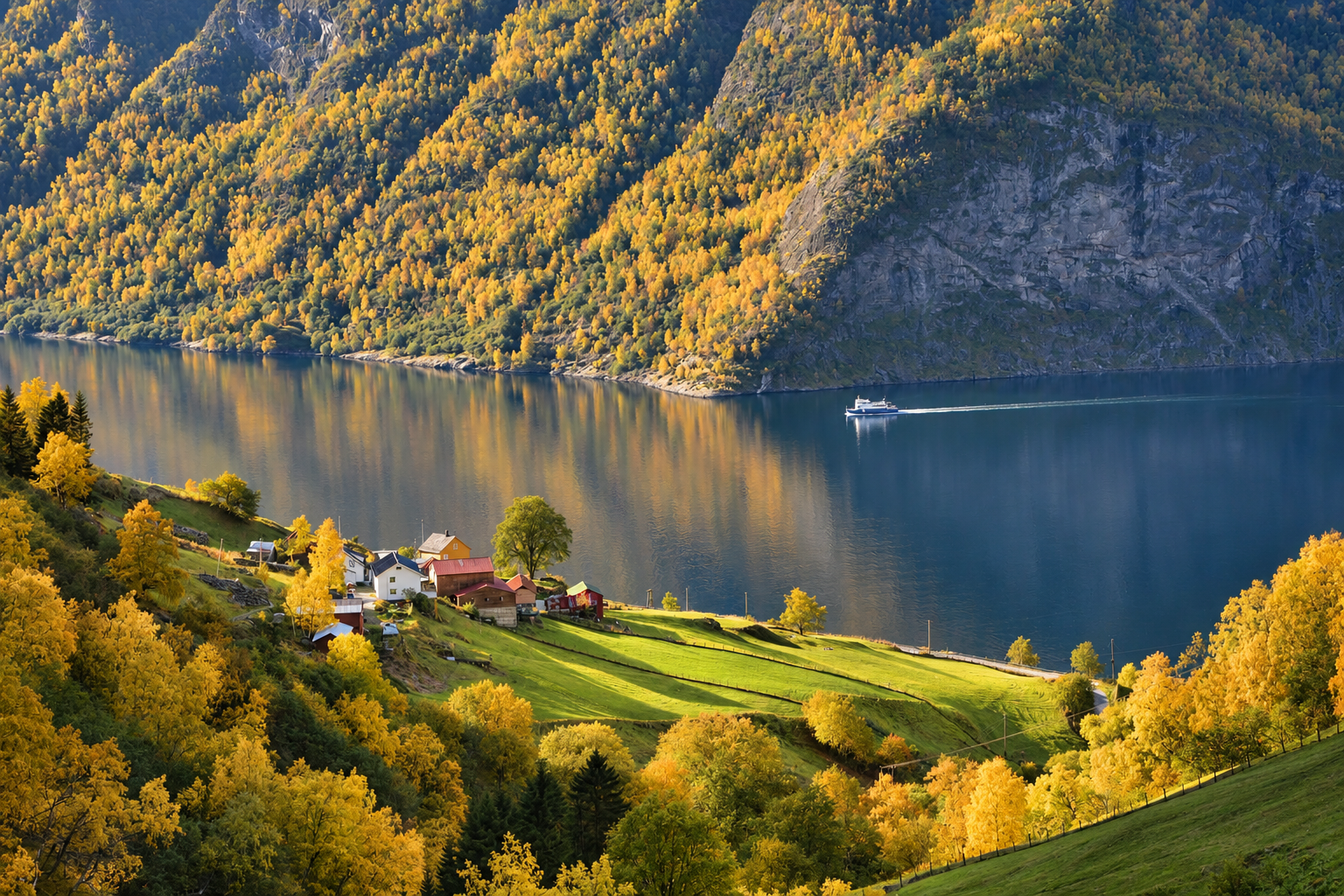
Autumn colours can be part of the appeal, but their timing varies by location and elevation. Visit Norway’s autumn guide describes the season.
Choose autumn if: you can adapt your plans to the services and conditions available on your dates.
Norway in Winter: December to February
Norway in winter is best planned around a winter experience: skiing, northern lights, snow activities, or a city break with time indoors.
A winter fjord trip is also possible on selected routes, but it needs a different itinerary from a summer road trip.
Daylight Changes the Schedule
In Northern Norway, polar night occurs in some locations. In Tromsø, it lasts approximately from late November to mid-January.
Polar night means that the sun does not rise above the horizon. It does not mean that every hour is completely dark; twilight can still be part of the day. See Visit Norway’s polar-night guide.
In southern cities, daylight is also shorter than in summer. Put important outdoor activities into the available light rather than leaving them until the end of a busy day.
Winter Is Not Automatically the Quiet Season
An aurora destination or popular ski resort can have strong winter demand. Do not assume that travelling outside summer will mean lower prices or easy last-minute availability.
Road journeys require appropriate preparation. Visit Norway’s winter guide includes advice about cold-season travel.
Choose winter if: the season itself is a central reason for your trip.
Best Time to Visit Norway Fjords
For a first visit combining cruises, viewpoints, and time outdoors, the best time to visit Norway fjords is generally June to August.
May and September are also worth considering when your chosen transport and activities operate. Winter can provide a quieter, different experience on selected routes.
The essential question is whether the particular journey you want is available:
- Does the boat run on your date?
- Is your planned road open?
- Can you reach the viewpoint?
- Does return transport connect with your arrival?
- Is your accommodation convenient for operating services?
For choosing between Nærøyfjord, Geirangerfjord, Hardangerfjord, and other regions, use our Norway fjords guide.
Avoid treating an entire region as either “open” or “closed.” Individual roads, excursions, and trails have their own seasons.
Best Time to See Northern Lights in Norway
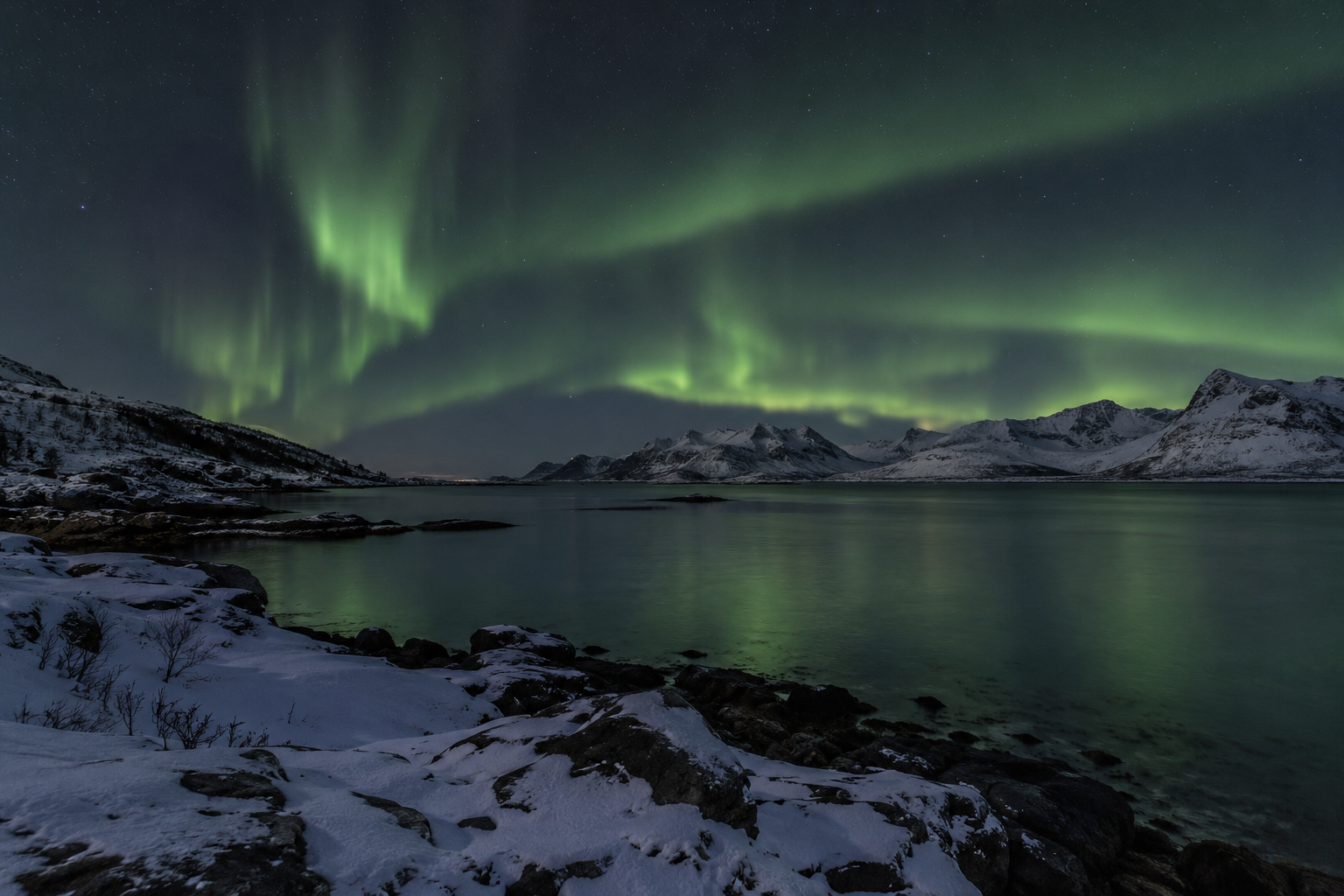
For most travellers, a practical period to investigate is September to March, with the trip focused on Northern Norway.
The precise viewing season varies. Visit Tromsø states that northern lights may be visible from late August to early April, provided there is sufficient darkness and clear sky. Its northern-lights guide explains the local conditions.
The best time to see northern lights in Norway is therefore about more than choosing the darkest month.
Choose the Location First
Plan around a northern destination with suitable excursion options. An occasional sighting farther south does not make Oslo an equivalent choice for an aurora-focused holiday.
Allow Several Nights
Several nights give you more opportunities if clouds affect one evening. No trip length guarantees a sighting.
Match the Month to Your Other Activities
Autumn can suit travellers interested in aurora without making snow activities essential.
Winter and early spring may suit those who also want winter excursions. Check their operating dates and snow requirements separately.
Keep Daytime Plans
Choose a destination you would enjoy even if the weather prevents an aurora sighting.
For more about the two light phenomena, see our guide to northern lights and midnight sun in Norway.
When Can You Experience the Midnight Sun?
Midnight sun requires a northern location and the right summer dates. It is not a countrywide experience.
Tromsø’s midnight-sun period runs roughly from late May to late July. Other places have different windows according to latitude. Consult Visit Tromsø’s midnight-sun information when planning there.
Oslo and Bergen have long summer days, but they do not experience midnight sun.
If this phenomenon is a main priority, confirm the dates for your destination before booking. An eye mask may also help if continuous daylight affects your sleep.
Best Time for Hiking in Norway
Choose your trail before choosing your month.
The Norwegian Trekking Association, DNT, gives a general high-mountain summer trekking season of late June to mid-September. Lower mountain and forest routes can have longer seasons. Read its summer trekking guidance.
July and August
These are sensible months to investigate for high-mountain routes, but conditions still need checking.
June
Early summer does not automatically mean snow-free trails. Elevation and local conditions matter.
September
Some routes remain suitable, but shorter daylight and changing weather can reduce flexibility.
Winter hiking and skiing require different preparation. Do not use a summer walking itinerary unchanged for a winter trip.
Norway Month by Month
Use this table to shortlist dates, then verify the conditions and services for your destination.