
Seoul is one of those cities where shopping doesn’t feel like an “activity” you squeeze between landmarks—it feels like a language the city speaks. Neon-lined streets push cosmetics and streetwear into your hands, department stores turn into carefully curated museums of modern taste, and markets layer everyday life over decades of commerce. A good Seoul shopping guide isn’t about telling you to “go to Myeongdong and Dongdaemun” and calling it a day. It’s about helping you understand how the city’s shopping ecosystems work, so you don’t waste half your trip wandering in circles with tired feet and random bags.
The secret is that Seoul rewards strategy, not stamina. The city is too dense to “do everything,” but it’s perfectly built for choosing a style of shopping and letting the day unfold inside that rhythm. You can do fast, bright, snack-fueled street shopping; you can do sleek and curated; you can do late-night, warehouse-like fashion hunts; you can do indie boutiques and design-minded neighborhoods that feel like a creative stroll. Once you align the district with your mood and budget, Seoul stops being overwhelming and starts feeling generous.
This Seoul shopping guide is written for real travel. It’s for the person who wants to come home with things that feel Korean—not just tourist souvenirs, but pieces of Seoul’s everyday style and culture. It’s also for anyone who wants their shopping day to be smooth: where to start, what to expect, when to go, and how to avoid the classic mistakes first-timers make.
For official shopping information and current events, visit the Korea Tourism Organization’s Seoul Shopping Guide.
How to Plan a Shopping Day in Seoul Without Burning Out
Seoul shopping works best when you treat it like a route, not a list. Pick one “main” district and one “supporting” district nearby, and give yourself permission to skip the rest. The city is huge, walking distances are deceptive, and the biggest energy drain isn’t walking—it’s decision fatigue, because every street offers another option. Planning your route reduces friction and makes the day feel like discovery instead of chaos.
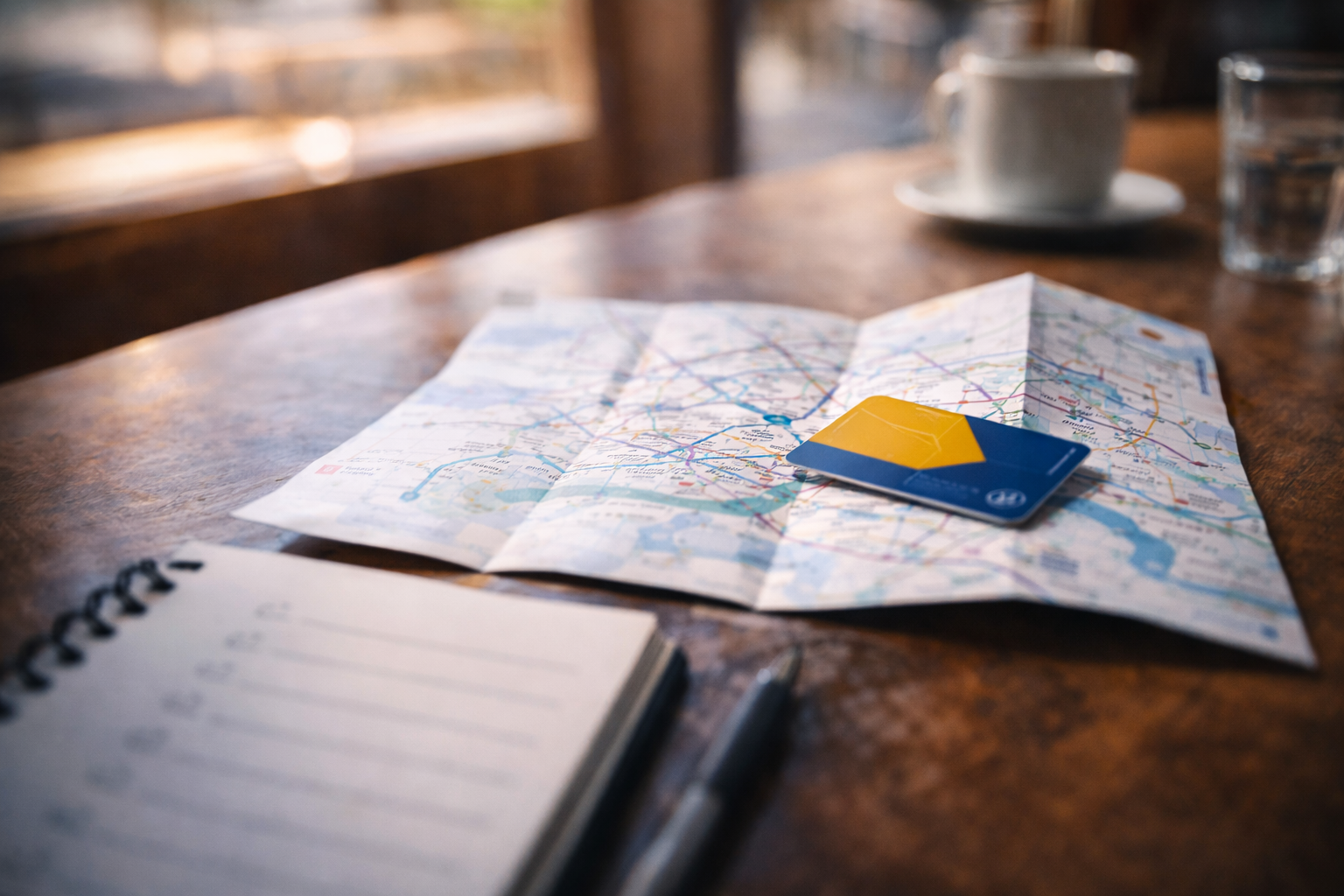
Timing matters more than people expect. Street-heavy areas start feeling alive in the afternoon and peak into the evening, while department stores and malls are stronger earlier in the day when your focus is sharp. Late-night shopping exists, but not everywhere, and the best nights feel intentional rather than accidental. If you build your day around “early curated, late chaotic,” Seoul often delivers the most satisfying shopping rhythm.
Budget planning also becomes easier when you define what you’re hunting. If your goal is wardrobe staples, you’ll shop differently than if your goal is skincare, gifts, accessories, or one iconic piece. Seoul is a city that can make you overspend simply because options are endless, so defining your “anchor purchases” makes it easier to enjoy everything else without regret.
Myeongdong: Fast, Bright, and Perfect for Beauty and Small Wins
Myeongdong is the place where Seoul turns shopping into street theater. Signs stack vertically, music spills from storefronts, samples appear in your hands, and the sidewalks feel like a moving crowd inside a glowing tunnel. It’s not calm, it’s not subtle, and it’s not where you go for “quiet browsing.” It’s where you go when you want momentum and quick wins—especially if cosmetics and small gifts are on your list.

This district is also the most beginner-friendly because it’s built around clear categories: beauty stores, accessible fashion, simple accessories, and snack stalls that keep you fueled without stopping the day. You’ll see shoppers comparing sheet masks like currency, grabbing socks and basics, and dipping into shops for five minutes at a time. If you’re unsure how to start shopping in Seoul, Myeongdong is a strong first chapter because it teaches you the city’s pace.
[GetYourGuide Tip]: If you want to explore Seoul’s best shopping districts without the guesswork, book a Seoul Shopping Tour with a local guide — it helps you navigate hidden markets and get authentic finds.
Myeongdong is strongest when you treat it as a “harvest” area, not a “treasure hunt.” Come with a short list—skincare, cosmetics, small souvenirs, maybe a couple of affordable style items—and let the rest be impulse discoveries. If you want slow fashion browsing, save that for other neighborhoods. In Myeongdong, the skill is knowing when to say “enough” and leave while your energy is still high.
Dongdaemun: The City’s Fashion Engine, Especially After Dark
Dongdaemun is Seoul’s fashion heartbeat in industrial form. It’s bigger, louder, and more intense than it looks in photos, and it can feel like a machine that never fully turns off. This is where many people go when they want volume: more stalls, more options, more fabric, more repetition, more chances to find something unexpectedly good. If Myeongdong is sparkle, Dongdaemun is scale.
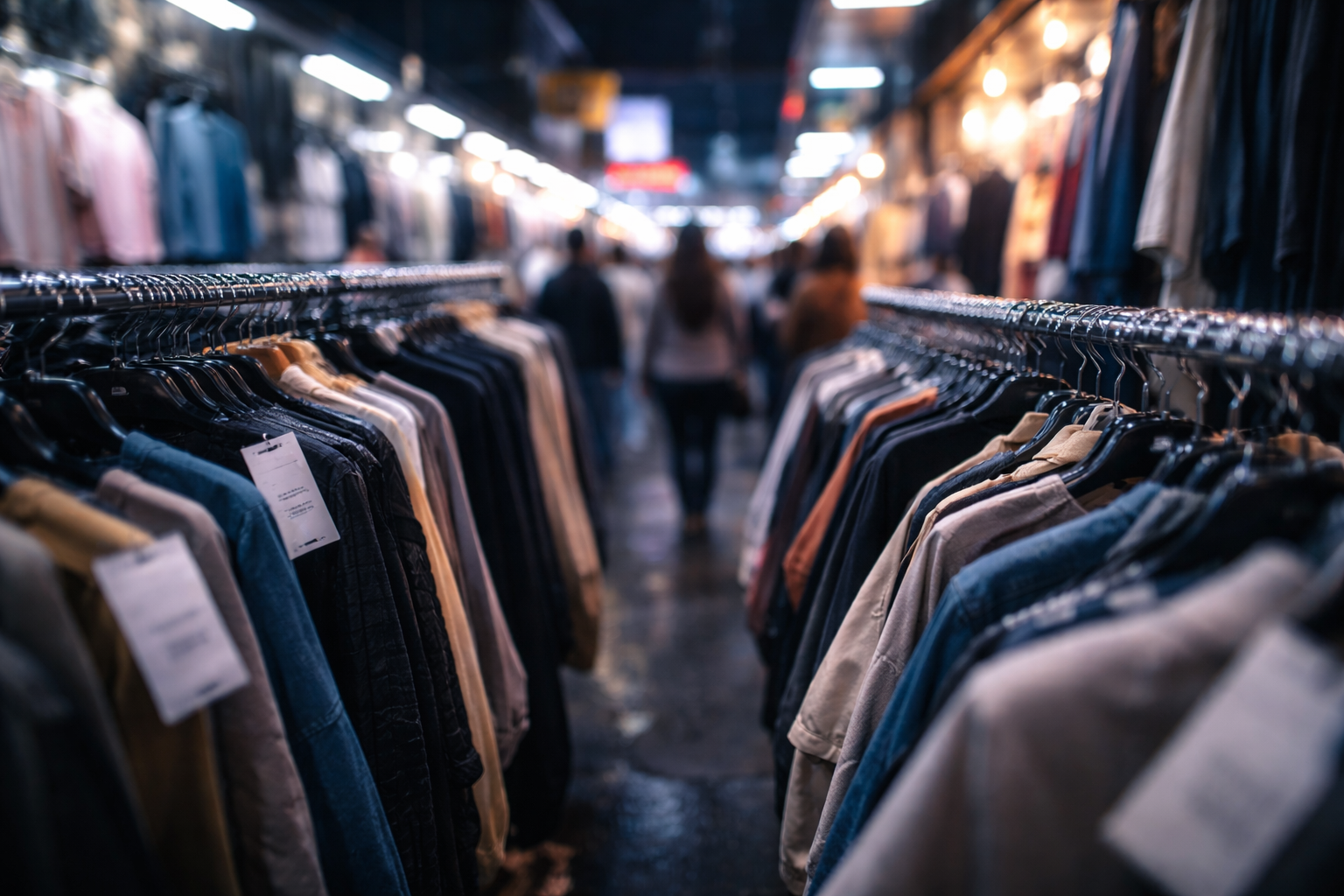
The district feels different depending on time and location. Some parts are built around large shopping complexes and structured retail, while others feel like endless corridors of clothing and accessories where you compare, bargain, and move quickly. It’s a place that rewards patience and a sharp eye, because not everything is high quality—but the finds can be excellent if you know what you want. Think of it as a place for targeted hunting: outerwear, statement pieces, basics in bulk, fabrics, or trend-driven items that change fast.
Dongdaemun is also where you learn the reality of Seoul’s fashion ecosystem. Trends appear here quickly because turnover is rapid, and the city’s appetite for newness is visible in real time. If your trip includes building a wardrobe rather than buying a few souvenirs, Dongdaemun becomes one of the most important stops. It’s not romantic, but it’s powerful.
Hongdae: Youth Style, Indie Energy, and Shopping That Feels Like Culture
Hongdae isn’t just a shopping area—it’s an atmosphere. Built around student energy and creative spillover, it feels like streetwear, performance, and identity all happening at the same time. Here, browsing clothes is often part of a wider evening: cafés, street performances, music, and a crowd that dresses like they’re participating in the city. Shopping in Hongdae tends to feel more personal and expressive than in more commercial districts.
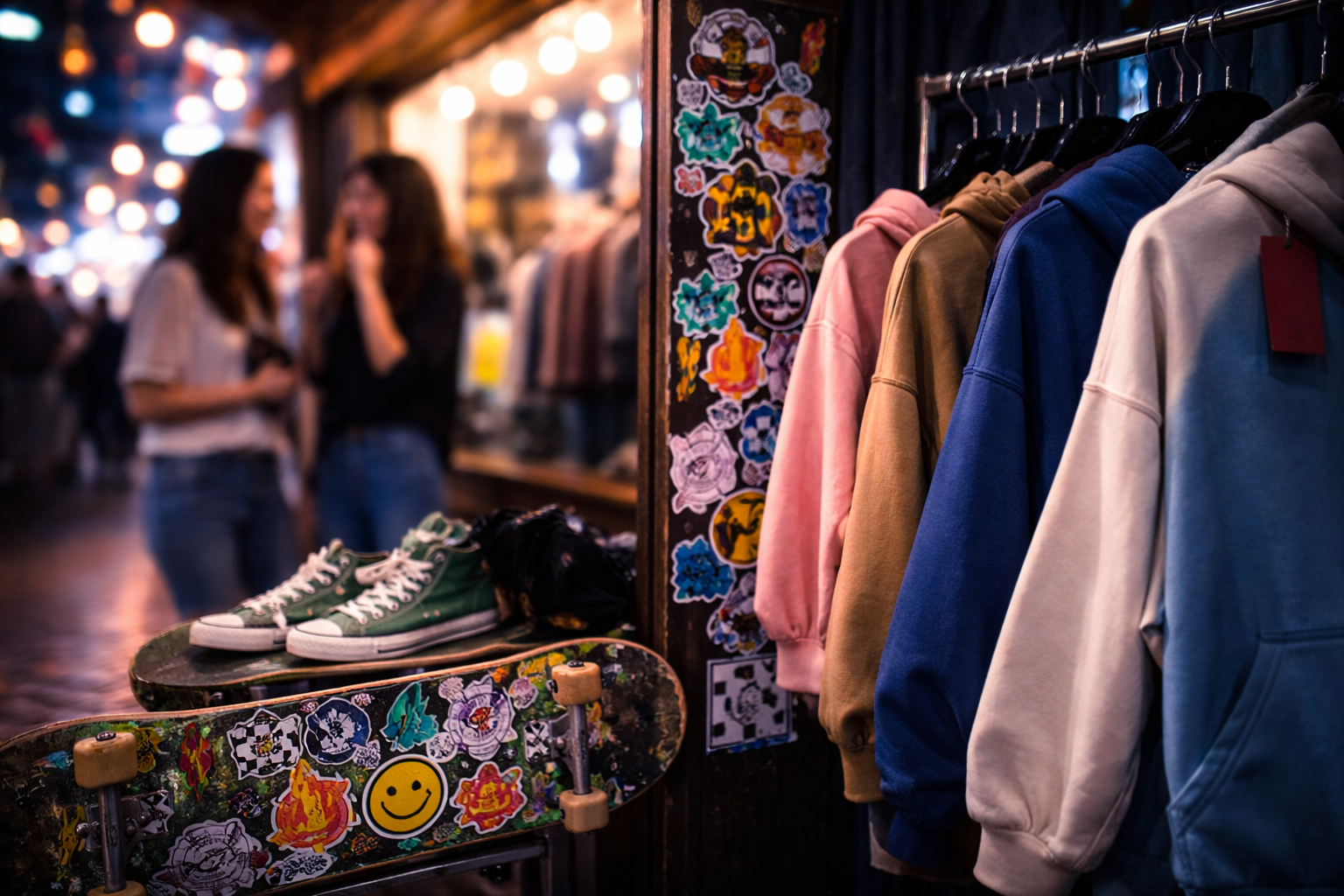
This is where you come for trend-forward pieces, playful accessories, and small boutiques that feel like they’re reacting to youth culture rather than selling to tourists. You’ll find both curated indie shops and fast-moving trend stores, often side by side, and the fun is learning to read the difference. Even if you don’t buy much, Hongdae teaches you what “young Seoul” looks like right now.
The district is also a great reminder that shopping doesn’t always need to be a heavy mission. In Hongdae, you can browse for an hour, pick up one perfect piece, and still feel like you experienced the neighborhood. It’s ideal if you want your shopping to be woven into a lived-in evening rather than isolated as a daytime task.
For the evening side of Seoul, check out our Local Guide to Seoul Nightlife and Entertainment.
Beyond the Obvious: Where Seoul’s Style Gets Quiet and Curated
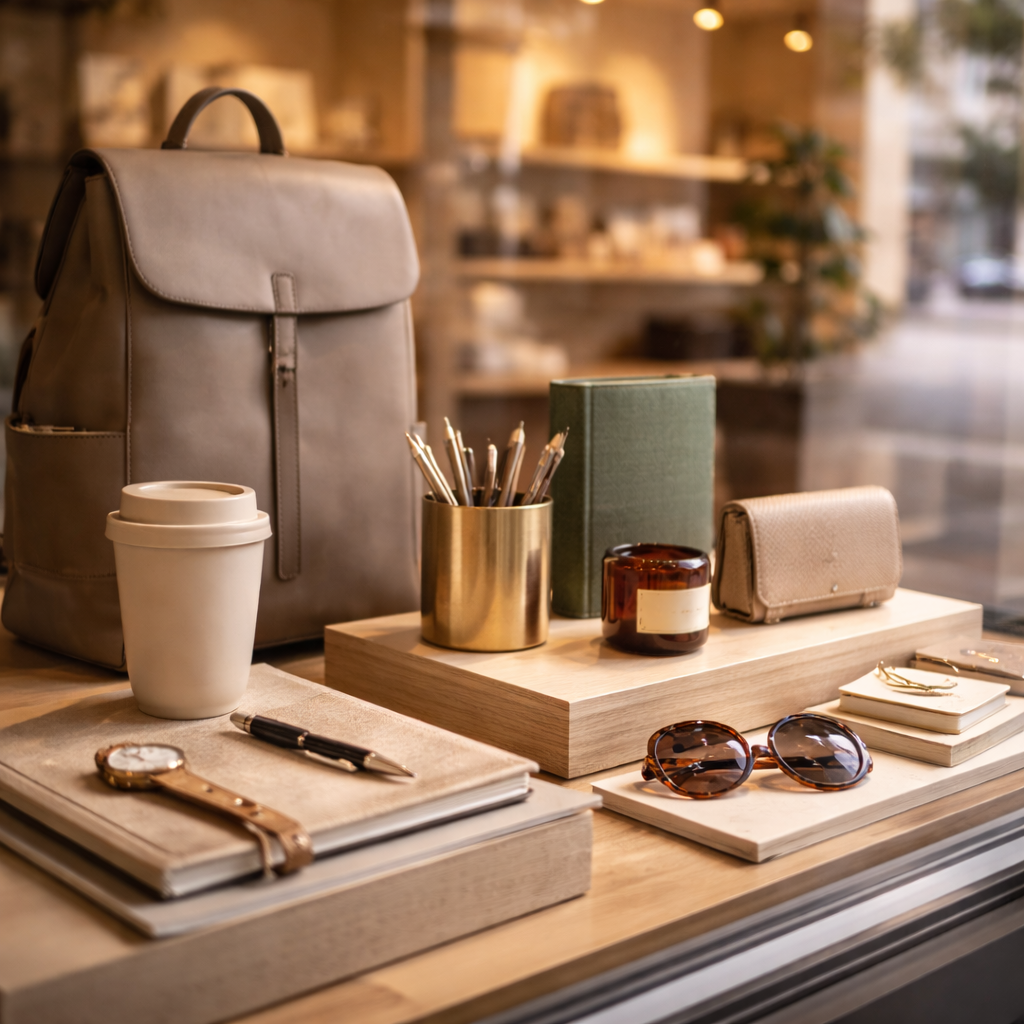
If Myeongdong is loud and Dongdaemun is massive, there’s another side of Seoul shopping that feels quieter, more curated, and more design-forward. This side lives in neighborhoods where cafés, concept stores, and minimalist boutiques create an aesthetic ecosystem. You don’t go here to buy twenty items; you go here to buy one or two things that feel like they belong to Seoul’s modern taste.
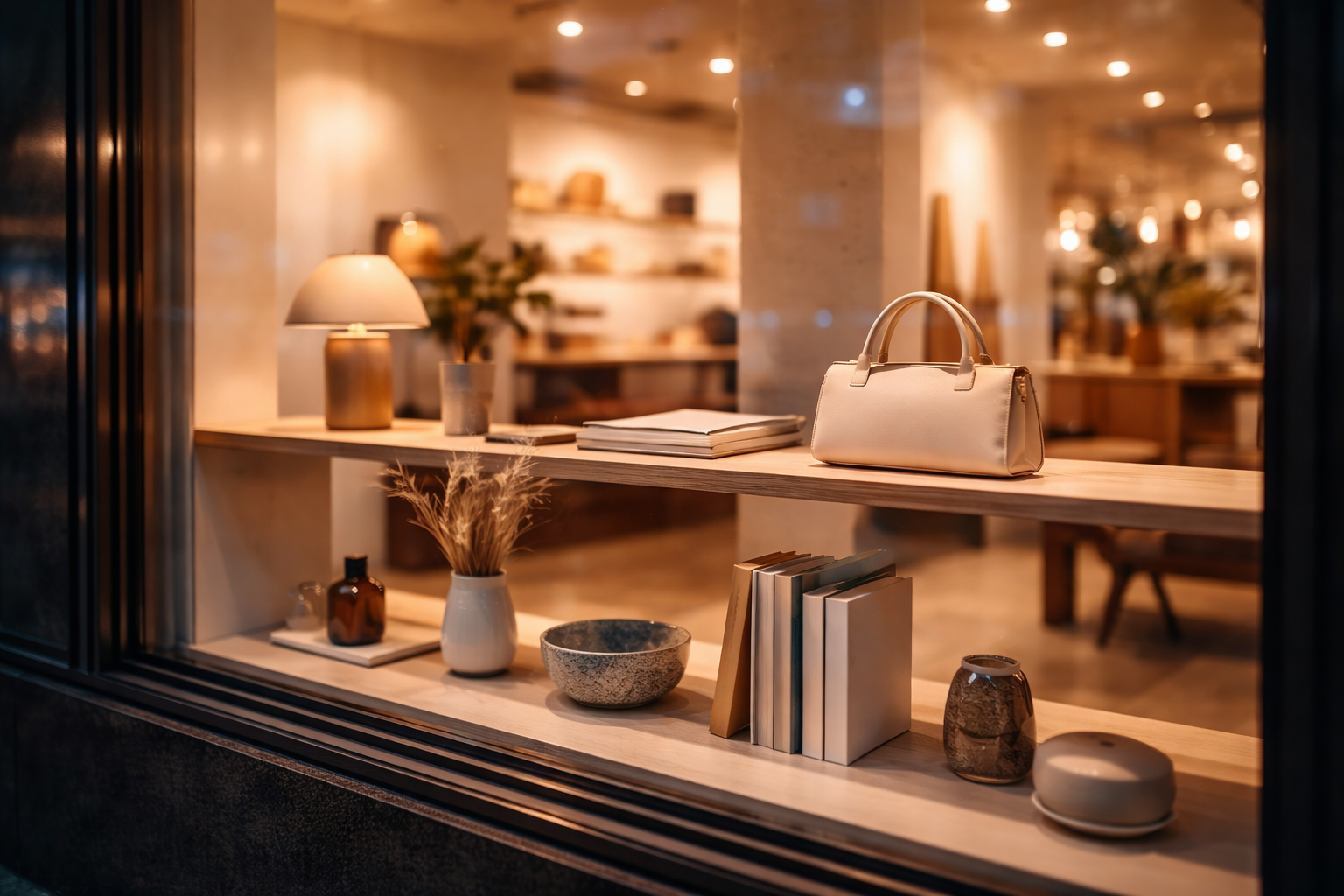
These districts are where the “shopping day” turns into a lifestyle walk. You’ll notice materials, silhouettes, and design choices that feel more intentional than trend-chasing. The experience is slower, and it’s often better for people who want quality basics, understated pieces, or locally designed items rather than mass retail. Even the act of browsing feels different, because the stores are curated like galleries, and your attention is treated as valuable.
If you’re building a trip around the best shopping districts in Seoul, this curated layer is what makes the city feel complete. It balances the chaos with calm and shows why Seoul is often seen as both trend-driven and design-literate. It’s also where you can buy gifts that don’t scream “souvenir,” but still feel distinctly Korean in style.
K-Beauty: How to Shop Smart Without Buying Random Hype
K-beauty is not just products—it’s a system: skincare philosophy, packaging psychology, and a culture that treats daily routines as both self-care and identity. The problem for travelers is that Seoul can make you buy too much too fast. Bright stores, limited editions, bundles, samples, and influencer language can turn your basket into a blur of things you don’t actually understand. The goal isn’t to buy “the most,” it’s to buy what you will actually use.
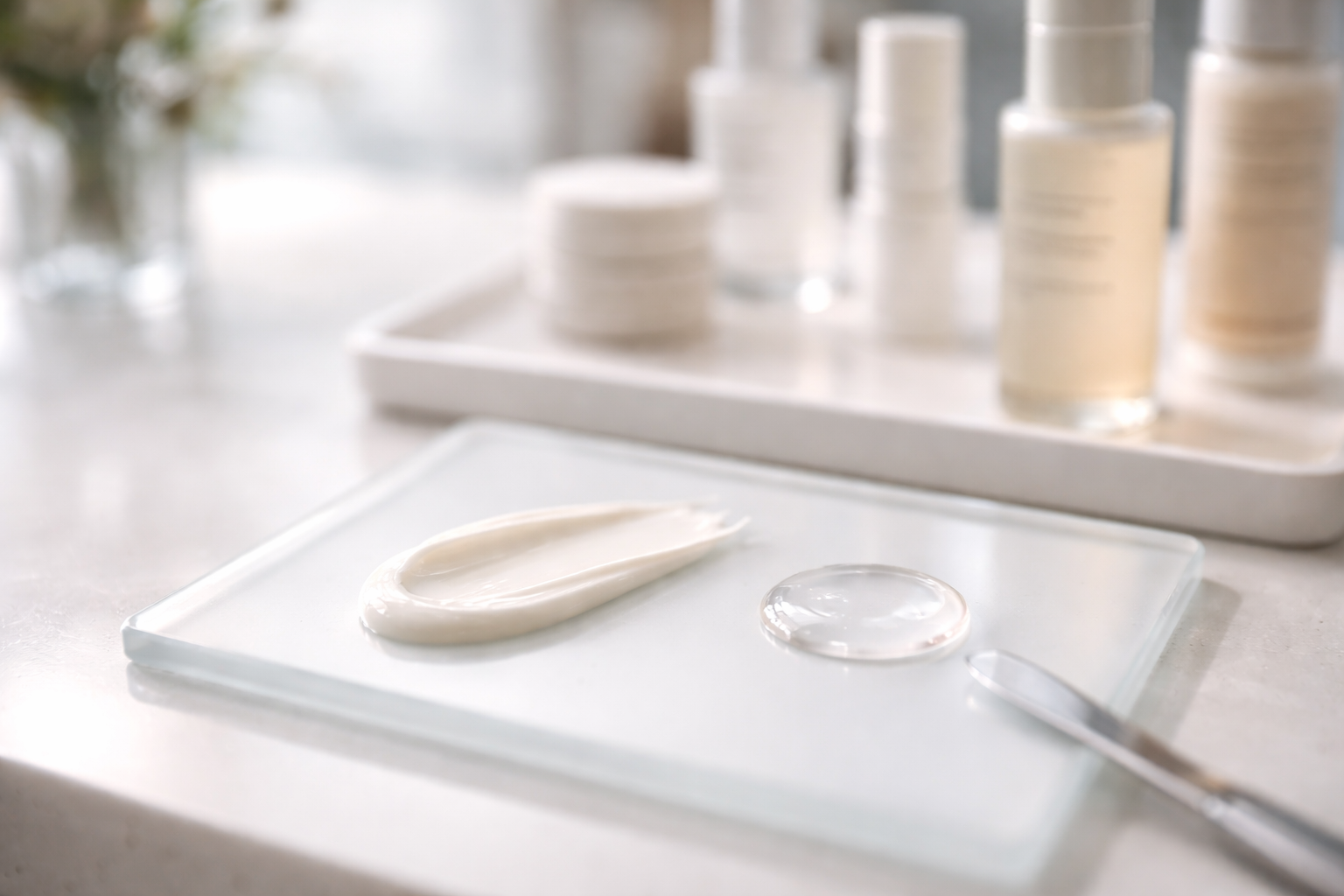
The smartest approach is to shop by function: cleanser, moisturizer, sunscreen, targeted treatment, makeup basics. If you already have a routine, look for upgrades instead of replacements; if you don’t, keep it simple and focus on essentials that travel well. A good rule is to choose a few hero items and let the rest be exploration, because K-beauty shopping rewards curiosity, but punishes impulse hoarding.
If you want the experience to feel intentional, treat it as K-beauty shopping in Seoul rather than “buying skincare.” That mindset helps you ask better questions in-store, compare textures and ingredients with more focus, and stop before your suitcase becomes a cosmetic warehouse. Seoul will always offer more—what matters is choosing the items that make sense for you when you’re back home.
What to Buy in Seoul (So It Doesn’t Feel Like a Random Haul)
Seoul shopping is most satisfying when your purchases connect to the city you experienced. That can mean a piece of streetwear that feels like Hongdae energy, a minimalist design item that reflects Seoul’s modern aesthetic, or skincare that fits the city’s self-care culture. Even small things—socks, accessories, simple stationery, or beauty tools—can feel meaningful if they match the Seoul you walked through. The goal is coherence, not quantity.
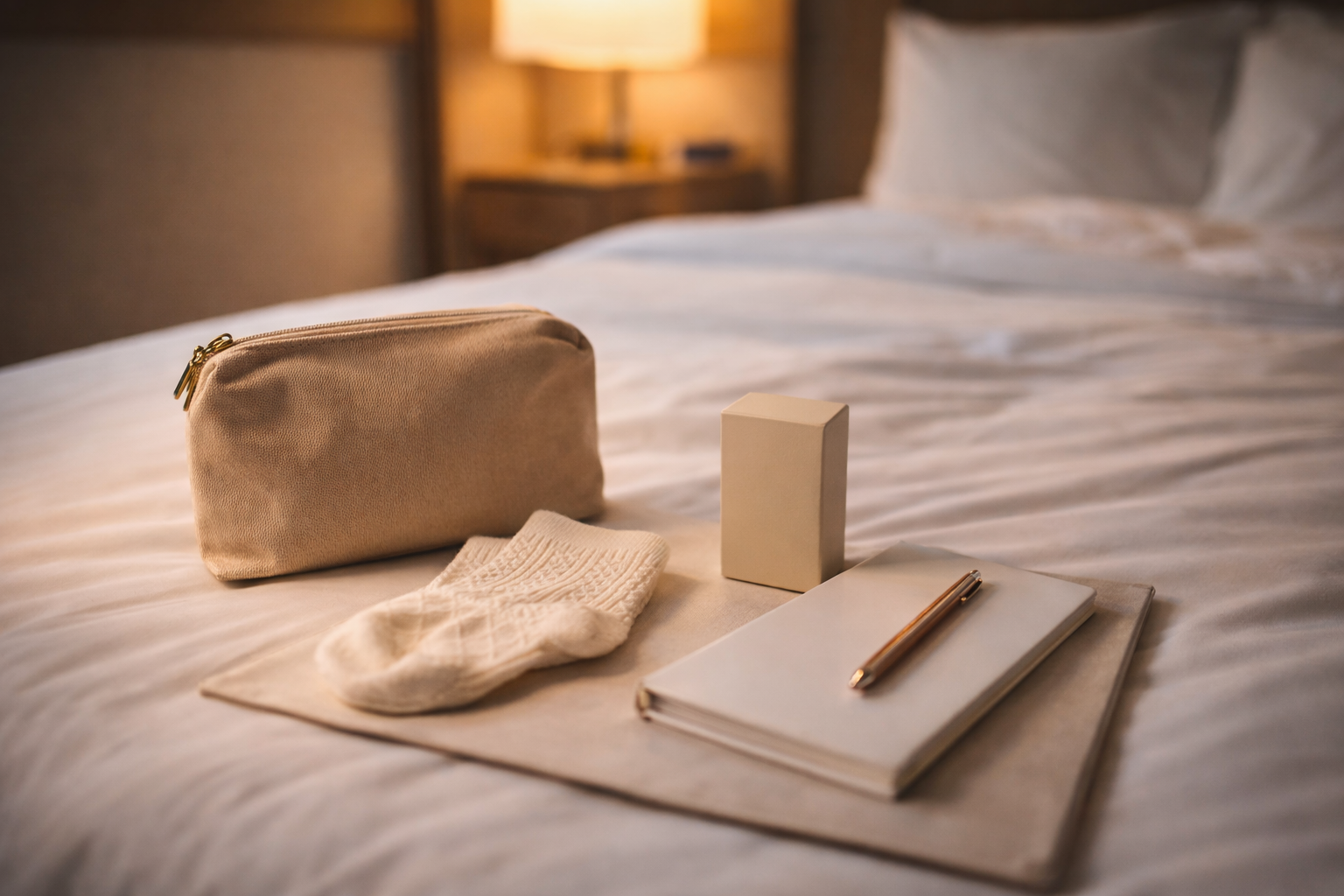
If you’re traveling with limited luggage, prioritize items that are lightweight, useful, and easy to pack. Skincare, accessories, small fashion pieces, and compact gifts are usually the safest. If you’re buying clothes, think about your home climate and your existing wardrobe; the excitement of Seoul trends can fade quickly if the piece doesn’t fit your real life. A Seoul souvenir that becomes a regular part of your routine is better than a “cool” purchase that never leaves the closet.
Seoul also rewards buying “one level above your usual.” Not necessarily more expensive—just more intentional. Choose the better-fitting version of the jacket, the nicer fabric, the cleaner silhouette, the sunscreen you’ll actually re-buy. When you do that, your shopping stops being clutter and starts being memory you wear.
Practical Tips: Prices, Payment, and Tax Refund Reality
Seoul is generally easy for payments, and most places accept cards, but it’s still smart to keep a small amount of cash for street snacks and smaller stalls. Prices vary dramatically by district and category, so it helps to calibrate quickly: if something looks too cheap to be true, the fabric usually tells the truth. For skincare and beauty, “bundle deals” can be great, but only if you already know you’ll use the product long-term. Otherwise you end up carrying weight, not value.
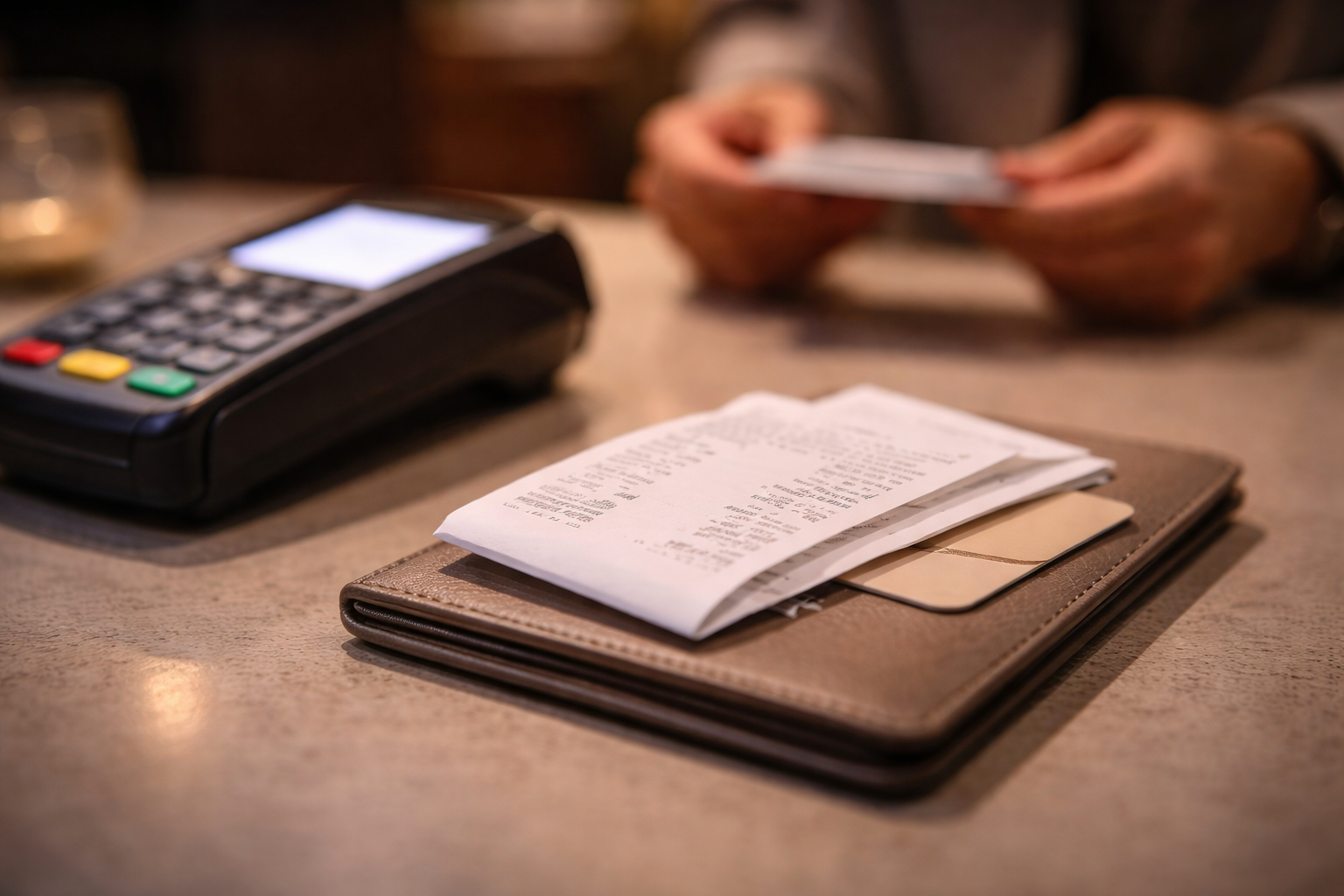
Tax refund systems exist, but the best way to think about them is as a bonus, not a reason to overspend. If you’re already making a bigger purchase, it’s worth doing properly, but don’t let the idea of a refund push you into buying things you didn’t plan. Keep receipts organized and give yourself time, because rushing at the end of a trip is where people lose refunds or forget steps. A calm traveler saves more than a frantic bargain hunter.
Finally, remember that shopping days have a cost beyond money: time and energy. Seoul is intense, and your mood matters. If you feel overstimulated, step into a café and reset—your next hour will be twice as effective. In a city like Seoul, pacing is a shopping skill.
A Simple Shopping Route That Works for Most Travelers
If you want one reliable pattern, start the day in a curated environment and end it in a street environment. Morning and early afternoon are perfect for department stores, design-oriented districts, or calmer browsing, because your attention is sharp. Late afternoon and evening are better for Myeongdong or Hongdae, because the streets feel more alive, the lighting adds atmosphere, and the night energy makes the experience feel “Seoul.” This structure also keeps your mood stable and prevents the day from collapsing into noise too early.
If you have only one shopping day, don’t try to cover the entire city. Pick one axis: beauty + street shopping (Myeongdong), fashion scale + late-night intensity (Dongdaemun), or youth culture + browsing (Hongdae). Seoul is better when you do one story well than when you try to sample everything superficially. The city rewards depth, even in shopping.
And if you want your trip to feel coherent, treat this as part of a bigger narrative. Shopping is one way to understand Seoul, not the whole Seoul. The best trips are the ones where your purchases feel like souvenirs of lived moments, not proof that you went somewhere famous. That’s what makes a Seoul shopping guide worth following.
Conclusion: Shopping in Seoul, Without the Chaos
Seoul can give you the kind of shopping day that feels like a movie: neon, crowds, music, and bags that carry real discoveries. But it can also drain you if you approach it with zero structure, because the city doesn’t naturally slow down for you. When you choose a district that matches your mood and shop with a simple plan, Seoul stops feeling overwhelming and starts feeling deeply fun. That’s the difference between a random haul and a trip you can still feel a month later.
This Seoul shopping guide isn’t trying to turn you into a bargain warrior. It’s trying to help you shop like someone who understands the city. Take your time, choose your rhythm, and let Seoul show you its style through the places that carry it best.
Continue your trip planning with our South Korea Travel Guide: Culture, Cities, Nature & Beyond.