
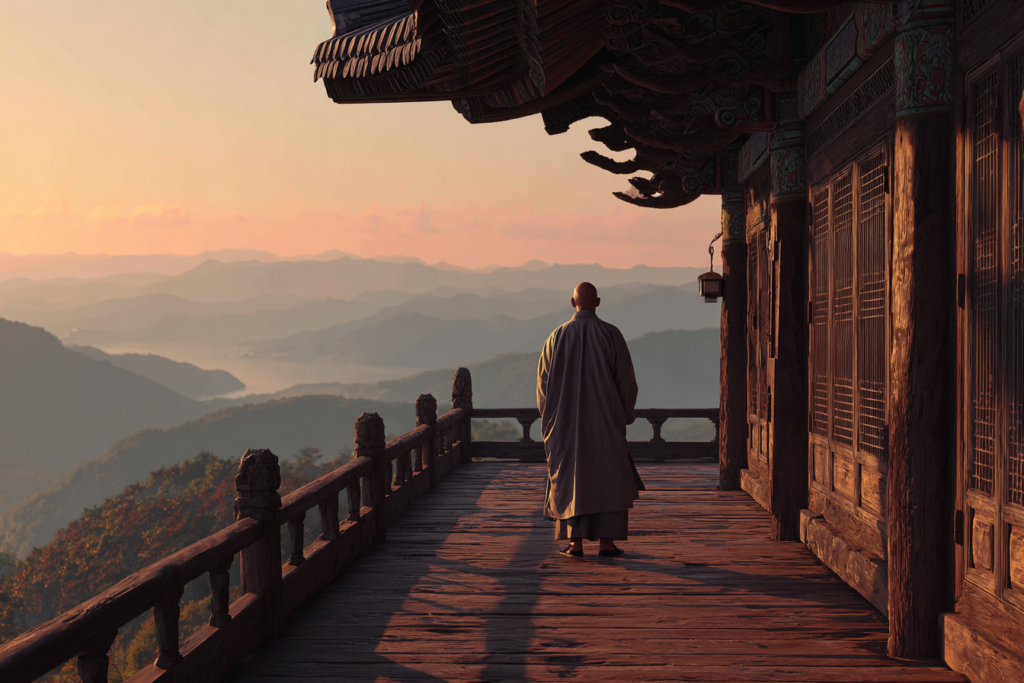
Finding the Zen: Escaping the “Pali-Pali” Culture
South Korea is a land of extreme contrasts. On one side, there is the “Pali-Pali” (Hurry-Hurry) culture—a relentless drive that built the neon skyscrapers of Seoul and the world’s fastest internet. On the other side, hidden between granite peaks and ancient pine forests, lies a sanctuary of absolute silence.
By 2026, South Korea sustainable travel has evolved from a niche trend into a necessary antidote to modern burnout. For the traveler, this means you can ride a high-speed KTX train in the morning and be meditating in a 14th-century monastery by sunset.
In this South Korea sustainable travel guide, we take you far beyond the shopping streets of Myeongdong. From the meditative rigor of mountain temple stays to the healing power of slow-fermented cuisine, here is your roadmap to experiencing the true “Land of the Morning Calm.”
1. The Soul of Korea: Temple Stay & Spiritual Reset
If you only do one cultural activity in Korea, make it a Temple Stay. It is not just accommodation; it is a rigorous, beautiful crash course in Korean Buddhism that has welcomed foreigners for decades.
What to Expect:
108 Prostrations (Bows): This is the physical core of the stay. You bow 108 times to cleanse the mind of 108 worldly anxieties (defilements). It is a test of endurance that leaves you feeling incredibly light.
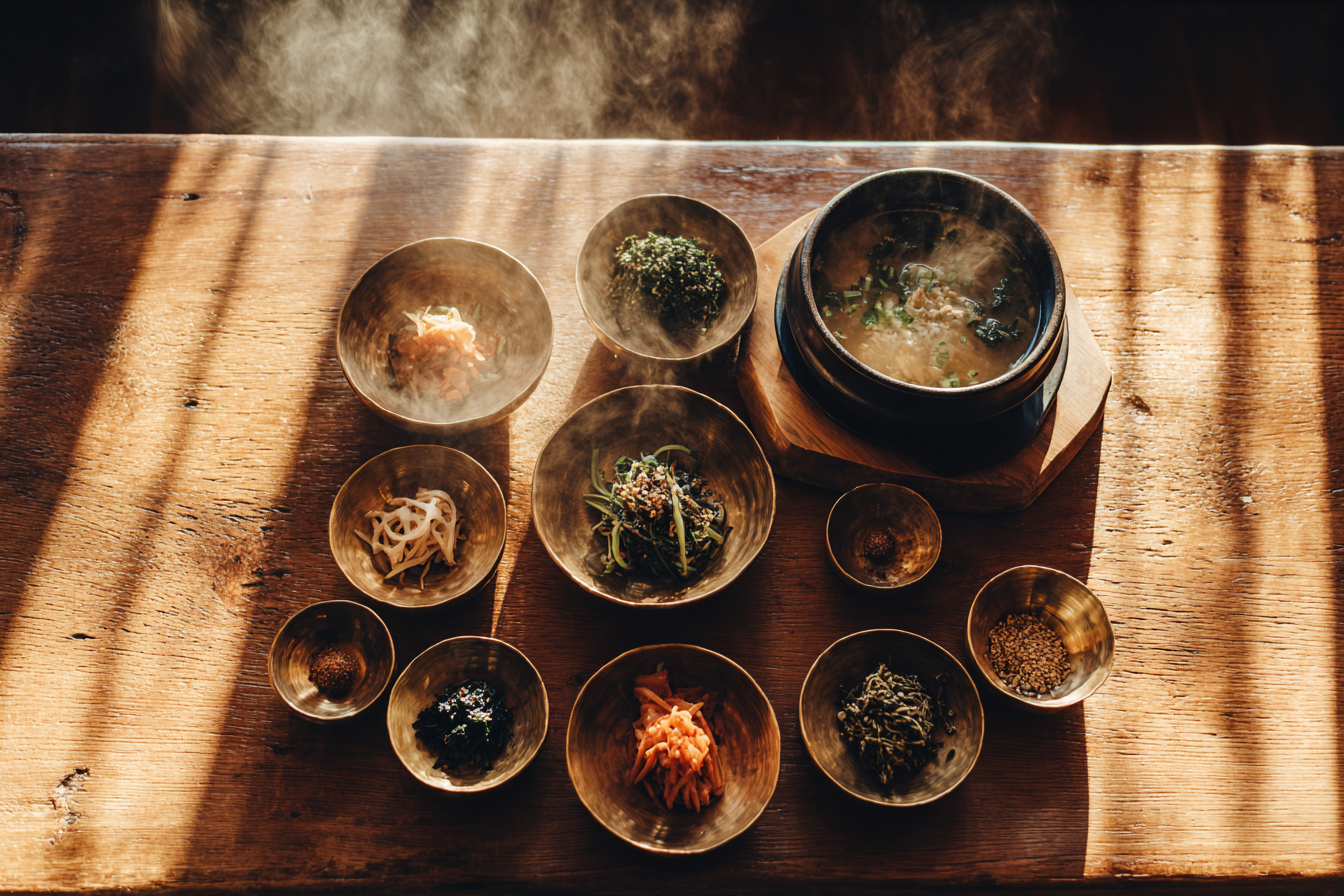
Baru Gongyang: The monastic meal ritual. You eat entirely in silence using four wooden bowls. The golden rule is zero waste—you must finish every grain of rice and clean the bowl with water and a slice of pickled radish, which you then drink.
Dawn Chanting: Waking up at 3:30 AM. The sound of the Moktak (wooden percussion instrument) echoing through the misty mountains before sunrise is a sound you will never forget.
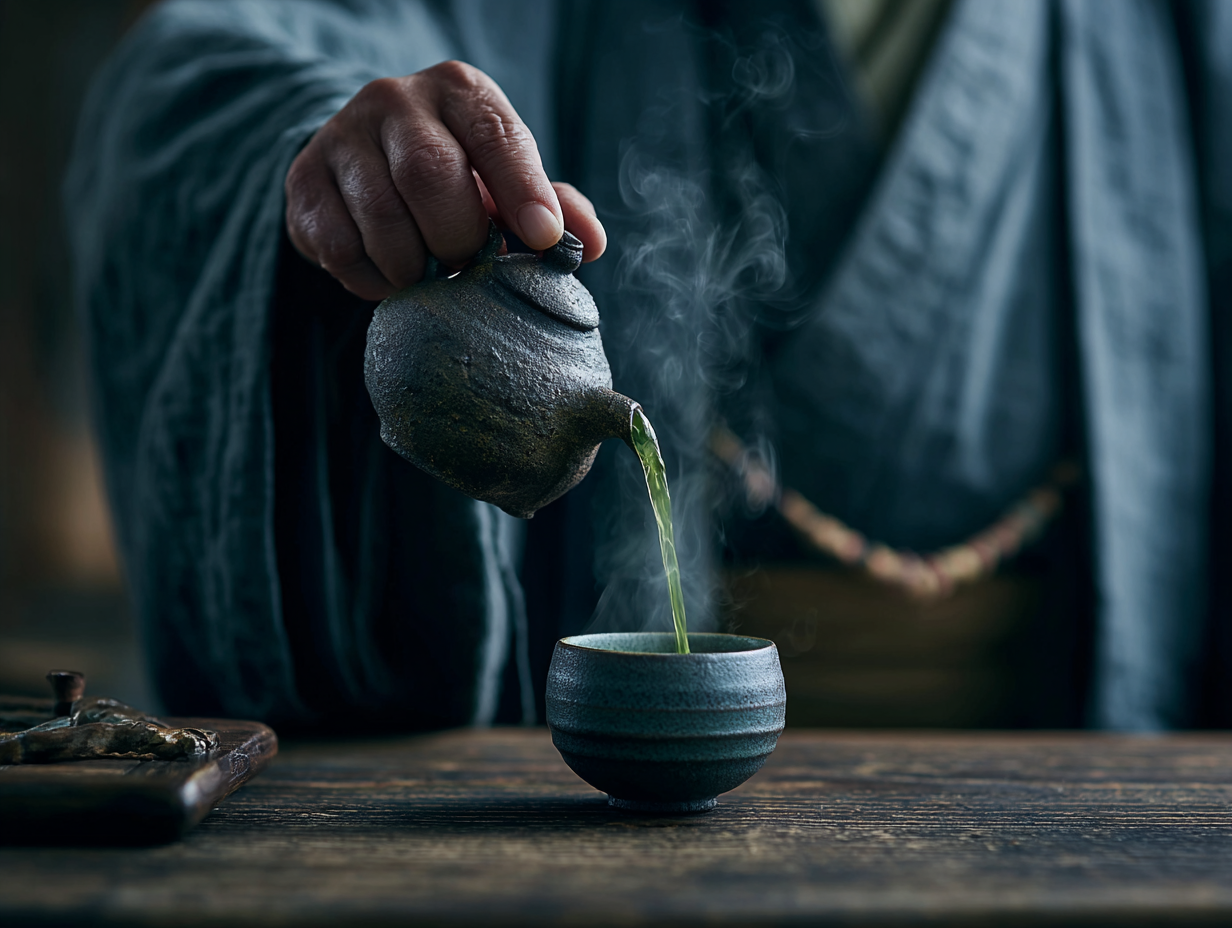
Dado (Tea Ceremony): A quiet conversation with a monk over endless cups of green tea. This is your chance to ask deep questions about life, stress, and happiness.
[GetYourGuide Tip]: Booking remote mountain temples can be tricky due to language barriers on local sites. We recommend booking a “Seoul: Buddhist Temple & Market Tour” to have a local guide explain the deep philosophy behind the rituals so you don’t feel lost during the ceremony.
2. The Green Lungs: Hiking National Parks
Korea is 70% mountainous terrain. Hiking here isn’t a casual hobby; it is a national obsession akin to football in Europe. The trails are impeccably maintained, making it the perfect destination for eco-tourism.

The Hiker’s Bucket List:
Seoraksan National Park: Known for the “Dinosaur Ridge,” which offers jagged granite peaks that look like a traditional ink wash painting. Visit in mid-October for world-class autumn foliage (Danpung), when the mountains burn with red and orange maples.
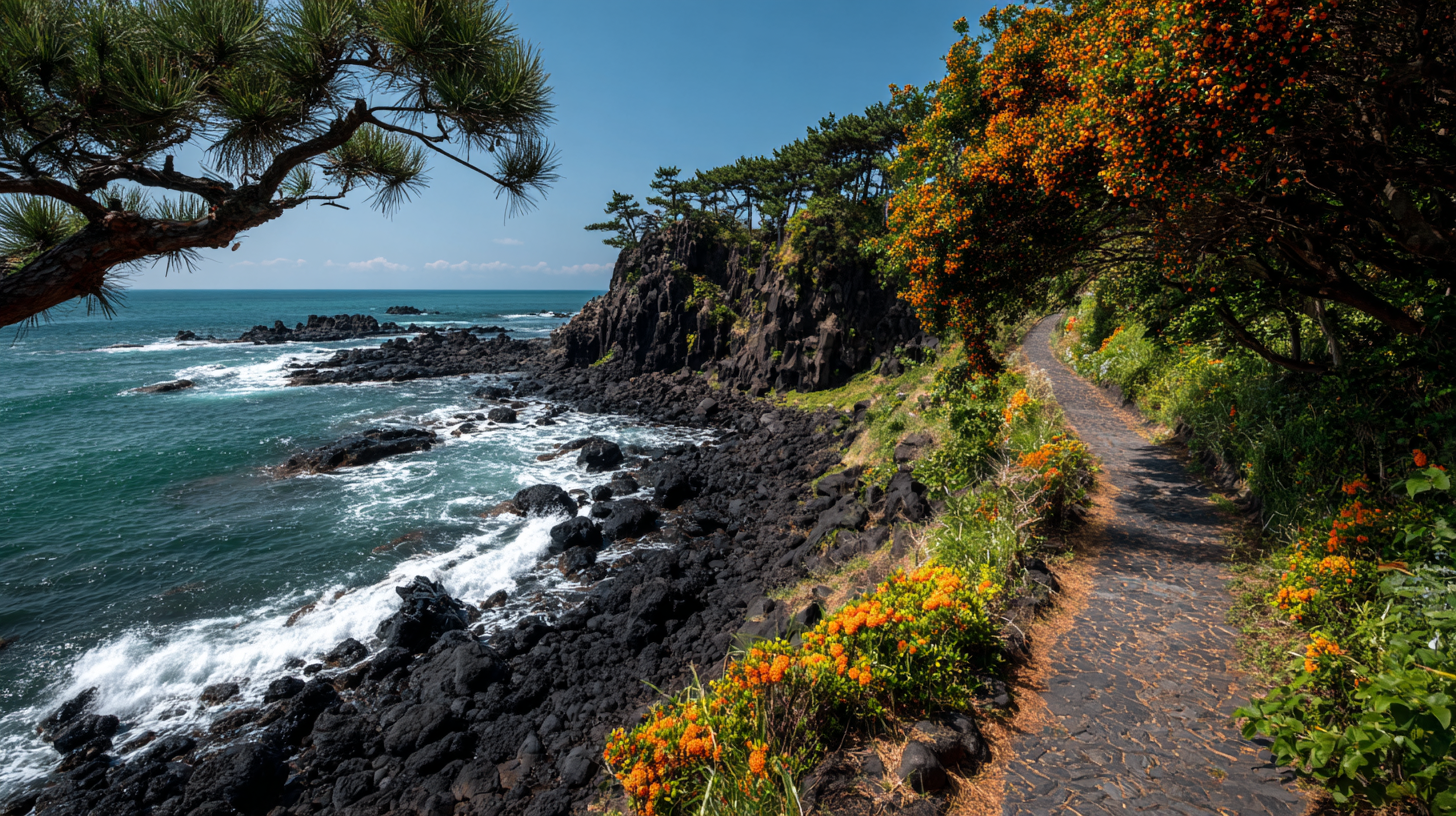
Jeju Olle Trail: A network of 26 routes circling the entire Jeju Island. Route 7 is the superstar, hugging the southern coastline with dramatic views of black lava rocks, tangerine farms, and the famous Oedolgae Rock.
Juknokwon Bamboo Forest: Located in Damyang, this isn’t a mountain hike but a forest bath (Shinrin-yoku). Walking through the towering green bamboo stalks produces high levels of oxygen and anions, instantly lowering stress levels.
Burn off those calories by exploring more routes in our South Korea Hiking & Adventure Guide.
3. Healing Foods: Temple Cuisine & Fermentation
Korean food is naturally aligned with sustainable eating. It is rooted in vegetables (namul), roots, and the magic of time (fermentation). In 2026, the “Green Eats” movement has brought these ancient traditions into modern dining.
What to Eat:
Bibimbap (Jeonju Style): The ultimate eco-meal. Rice topped with seasonal mountain herbs, vegetables, and an egg. The colors represent the five elements of the universe. In the city of Jeonju, this dish is an art form protected by UNESCO.
Temple Cuisine: Completely vegan (no meat, no fish) and void of the “five pungent spices” (garlic, onion, chives, leeks). Flavor is built using Doenjang (soybean paste) aged for 5 to 10 years. Try it at Balwoo Gongyang in Seoul for a Michelin-starred experience of vegan temple food Seoul.
Dotori-muk (Acorn Jelly): A staple food for hikers. It is a salad made from acorn starch jelly, tossed with soy sauce, sesame oil, and vegetables. It is earthy, refreshing, and purely local.
4. Tea Over Coffee: The Slow Sipping Culture
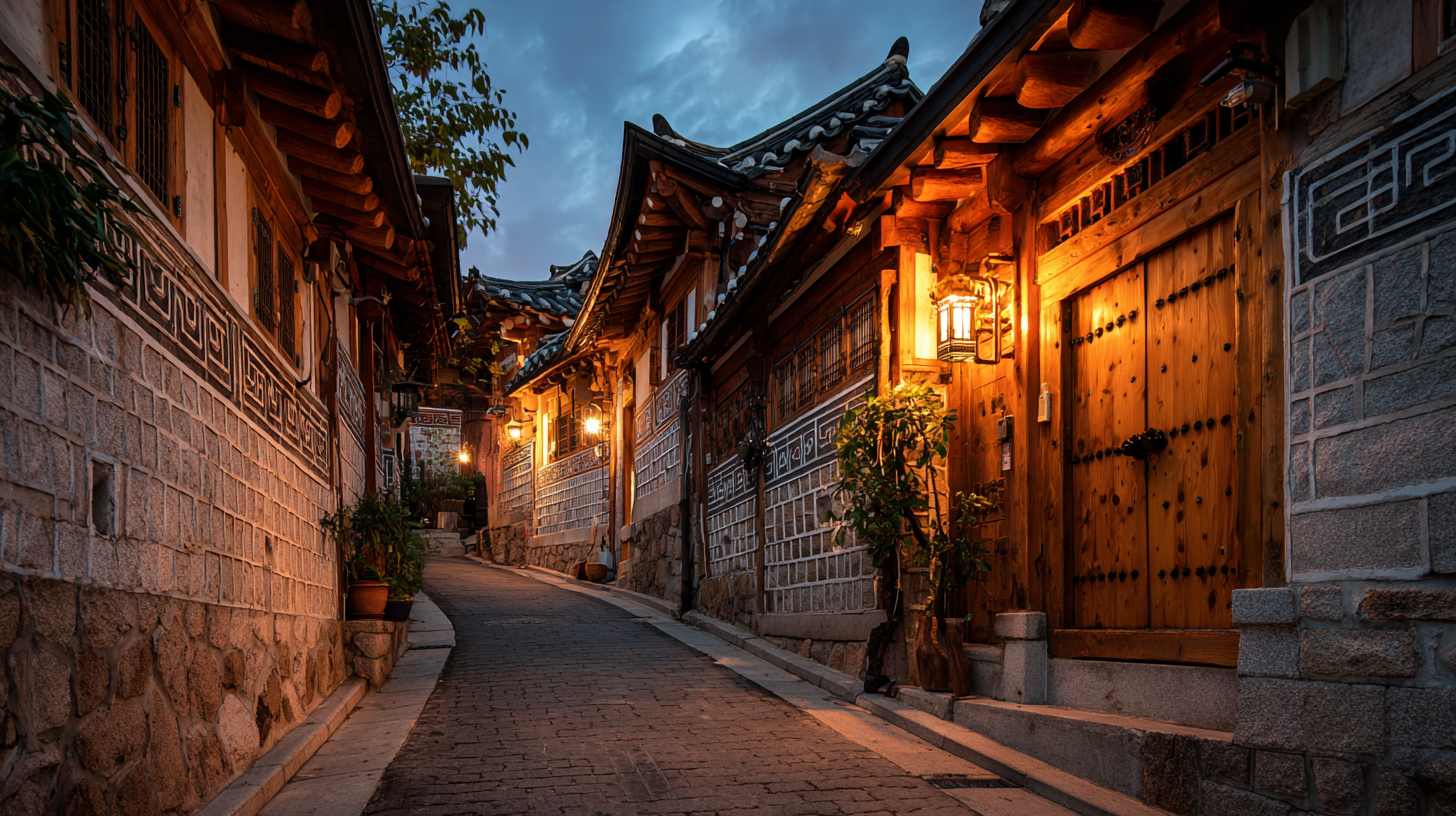
While Koreans love their iced Americanos, the slow travel Korea movement is bringing travelers back to traditional tea houses (Chatjip). These are quiet spaces designed for contemplation, often located in preserved Hanok (traditional house) villages.
Must-Haves:
Omija Tea: The “Five Flavor Berry” tea. It tastes sweet, sour, salty, bitter, and pungent all at once. It is said to reflect the condition of your body and mind.
Boseong Green Tea: Sourced from the rolling green tea fields in the south. Visit the plantations to drink tea that was picked that very morning—the ultimate farm-to-table experience.
Yujacha: A citron tea made like a marmalade. Perfect for soothing a throat after a long hike in the crisp mountain air.
Want to sleep among the tea fields? Check our Guide to Rural Stays in Korea for the best eco-lodges and Hanok stays.
5. When to Go: Chasing the Seasons
Sustainability also means traveling when nature allows. Korea has four distinct seasons, each offering a completely different version of the country.
Spring (April-May): The season of Cherry Blossoms. It is beautiful but crowded. For a greener experience, head to the Boseong tea fields which are at their greenest.
Autumn (September-November): The absolute best time for Jeju Olle Trail hiking. The humidity drops, the sky turns a piercing blue, and the mountains turn red.
Winter (December-February): Harsh and cold, but perfect for quiet contemplation in temples. The snow-covered pagodas are breathtakingly silent.
6. Korean Eco-Etiquette: Rules of the Road
To travel sustainably, you need to respect the local systems. Korea is extremely efficient, but it expects compliance with its unwritten rules.
Recycling is Law: Korea has one of the strictest recycling systems on earth. If you are in an Airbnb, you must separate food waste (biodegradable), vinyl, plastic, glass, and paper. Failing to do so can result in fines for your host.
No Shoes Inside: Never wear shoes into a home, a temple hall, or certain traditional restaurants where you sit on the floor. It is a sign of respect for the cleanliness of the space.
Silence on Transit: The subway and buses are library-quiet. Talking loudly on your phone or having a loud conversation is considered extremely rude.
No Tipping: Tipping is not part of the culture and can sometimes be seen as offensive. Good service is expected as the standard.
Conclusion
South Korea in 2026 is a country of harmony. It is a place where you can use a 5G connection to book a stay in a hut that hasn’t changed in 500 years. It is a destination that asks you to slow down, bow low, and eat well.
Whether you are hiking the ridges of Seoraksan or sipping Omija tea in a hidden alley of Insadong, you are participating in a tradition of respect—for nature, for the body, and for the mind.
So take a deep breath, respect the silence, and Buon Viaggio (or as they say in Korea, Jal Danyeo Oseyo)!