
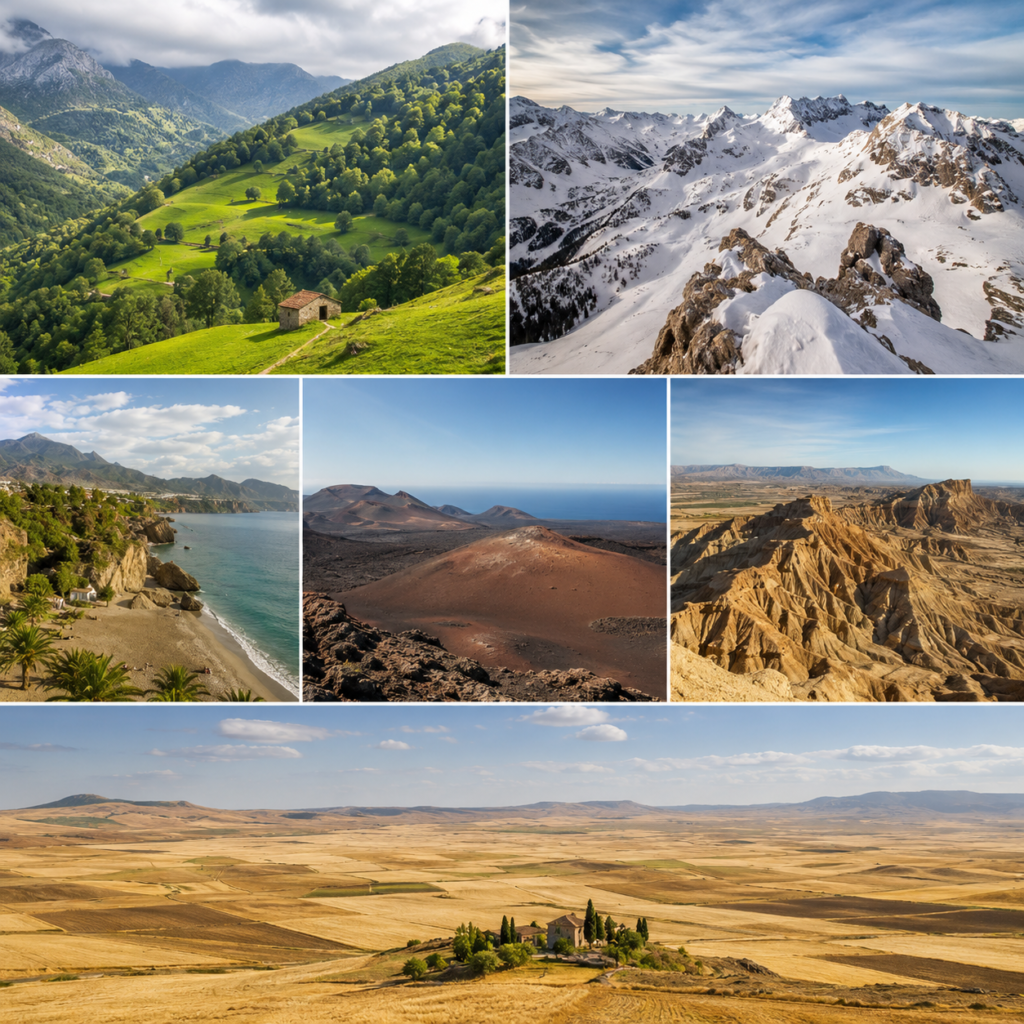
Spain landscapes are far more diverse than the familiar image of sunny beaches and Mediterranean cities. This is a country where volcanic islands rise from the Atlantic, green mountains roll across the north, dry badlands look like film sets, snowy peaks stand above Andalusia, and rugged coastlines hide coves between cliffs. Spain is not one natural mood. It is many landscapes layered across one country.
That variety makes Spain especially rewarding for travelers who want nature with character. You do not need to frame the trip as “outdoor adventure” to enjoy it. The real beauty is in contrast: misty valleys in the north, ochre deserts in Almeria, black volcanic rock in the Canary Islands, pine-scented Mediterranean coves, high plateaus, wetlands, and mountain villages. To understand Spain more deeply, you have to look at the land as much as the cities.
Why Spain’s Landscapes Feel So Different
Spain’s geography is unusually varied because it sits between the Atlantic, the Mediterranean, North Africa, the Pyrenees, and the wide interior of the Iberian Peninsula. The result is a country of strong contrasts. The north is greener and wetter, the south is drier and brighter, the center is broad and elevated, and the islands feel like worlds of their own.
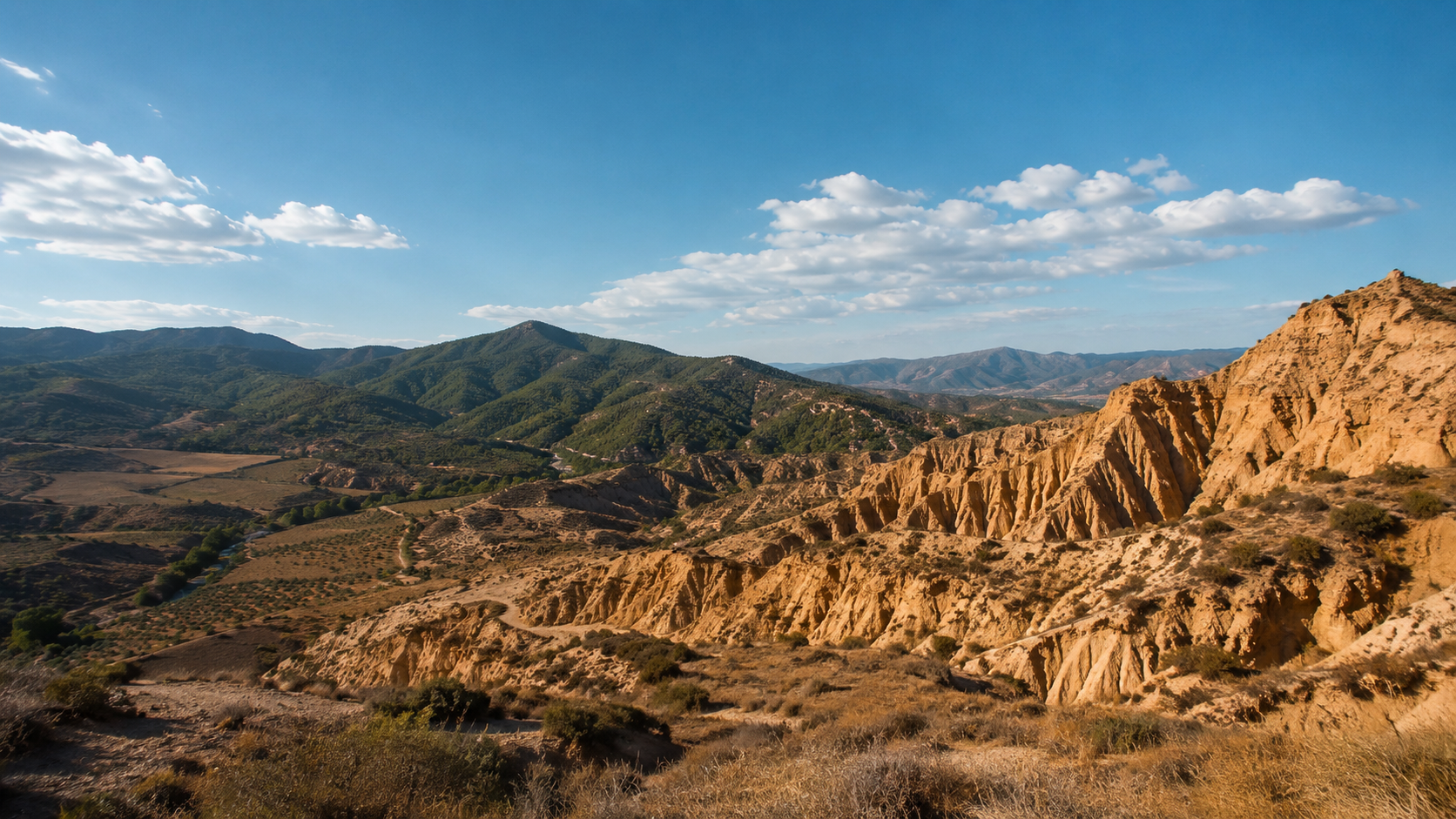
This diversity also shaped culture. Food, architecture, local traditions, and even language often reflect the land around them. Coastal regions developed around fishing, olive oil, trade, and sea routes. Mountain areas kept stronger rural identities. Dry inland regions built life around wheat, livestock, wine, and endurance. Spain landscapes are not just scenery. They explain how people lived, moved, cooked, built, and imagined their home.
The Green North: Picos de Europa and Atlantic Spain
The north of Spain surprises many travelers because it feels nothing like the dry postcard version of the country. Asturias, Cantabria, Galicia, and the Basque Country are greener, cooler, and shaped by mountains, cliffs, forests, rain, and Atlantic light. This is the Spain of misty valleys, stone villages, wild coastlines, and deep local food traditions.
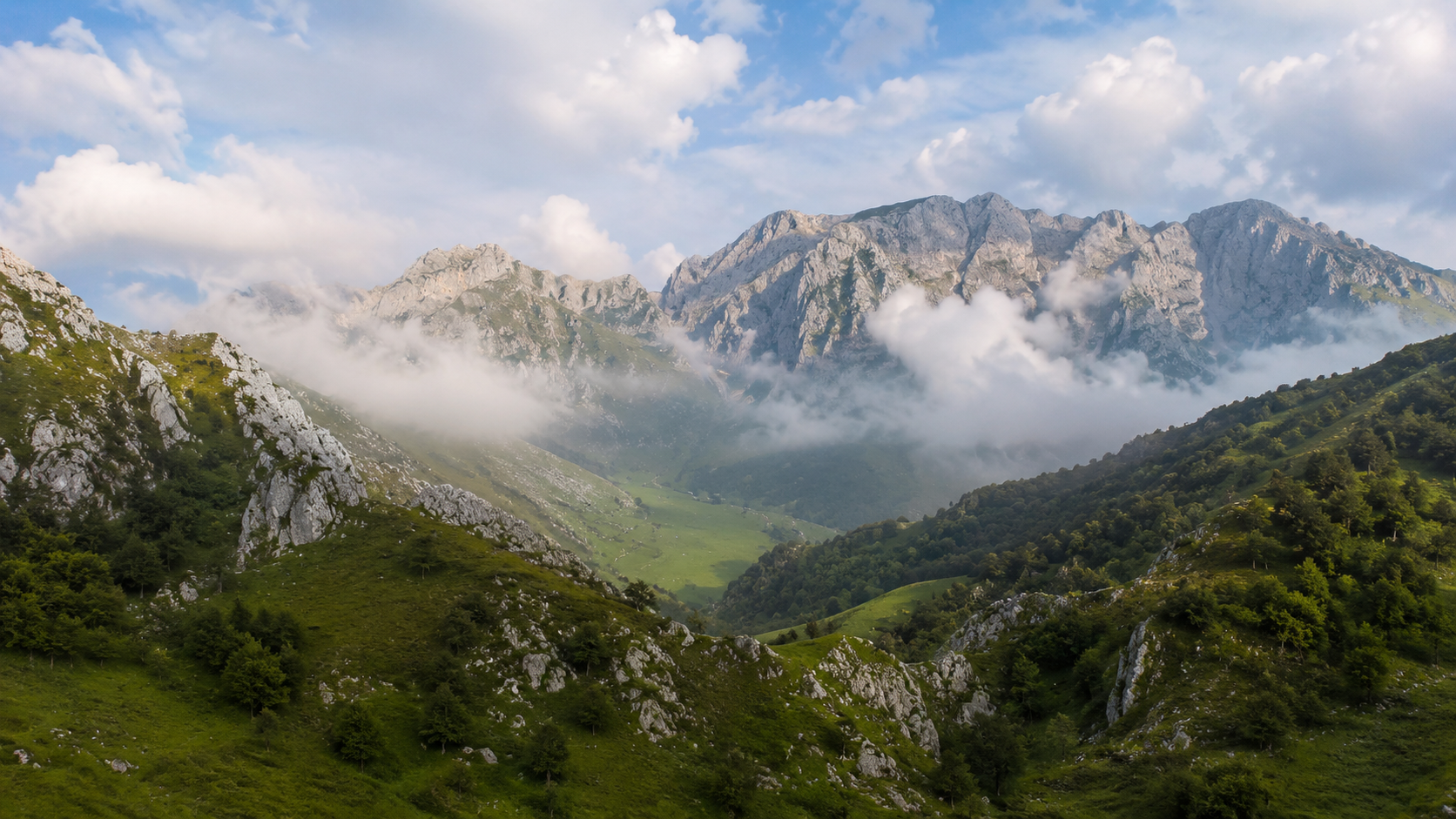
The Picos de Europa are one of the strongest symbols of this northern landscape. Limestone peaks rise dramatically above valleys, pastures, and small settlements, creating scenery that feels almost alpine but still deeply Spanish. Spain’s official tourism site lists Picos de Europa among the country’s most famous national parks, highlighting its wooded areas, mountain pastures, and rocky limestone massifs. For travelers, the region offers a slower, greener, more rugged Spain.
The Pyrenees: High Valleys and Borderland Beauty
The Pyrenees form Spain’s great northern mountain wall, stretching along the border with France. This is a landscape of high valleys, glacial lakes, forests, stone villages, and dramatic peaks. It is also a cultural borderland, where Catalan, Aragonese, Basque, and mountain traditions add layers of identity to the scenery.
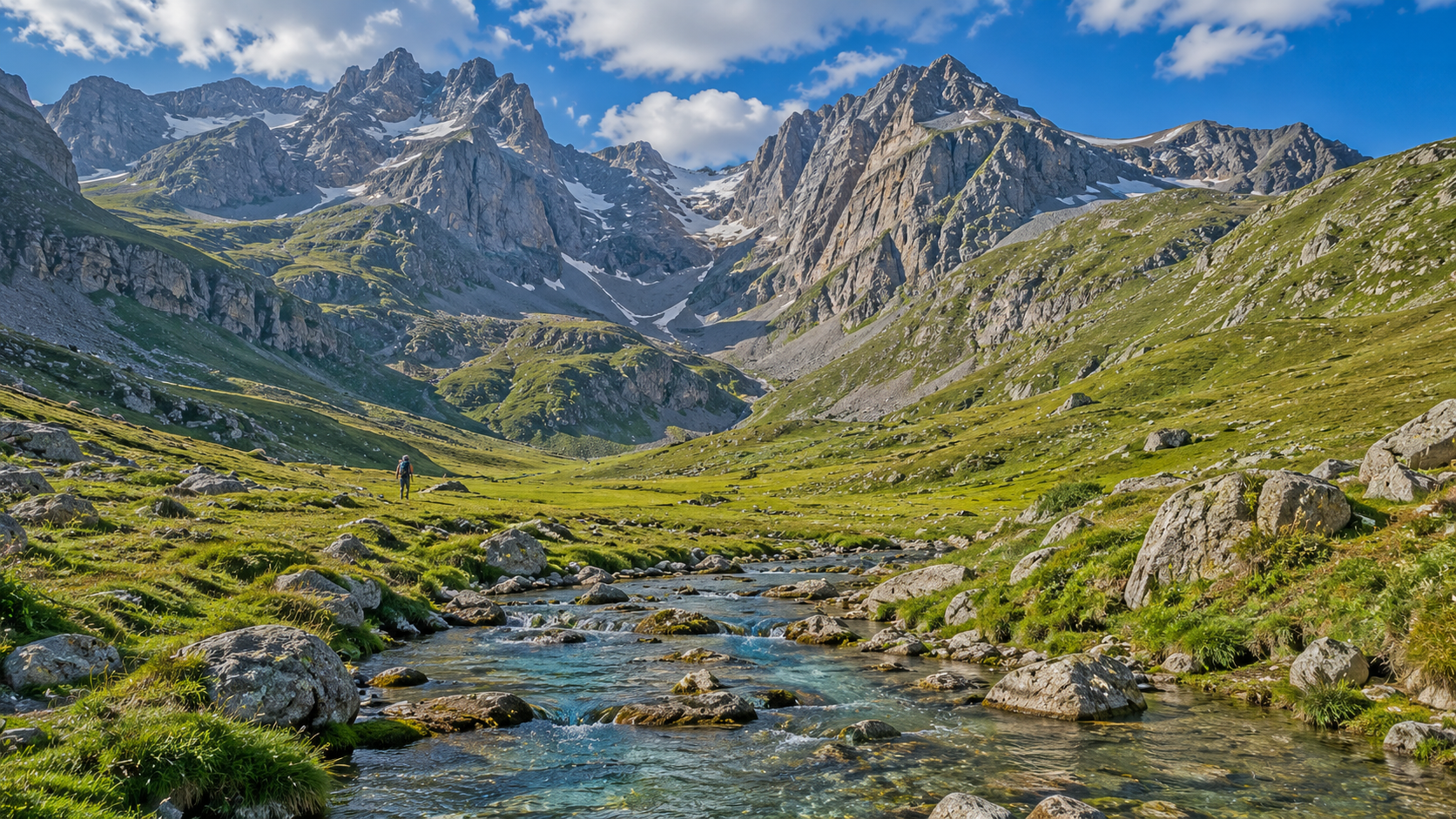
Unlike some mountain destinations that feel separated from history, the Spanish Pyrenees are full of lived-in landscapes. Villages, Romanesque churches, pastoral routes, and old paths show how people adapted to altitude and isolation. The Pyrenees work especially well for travelers who want a quieter alternative to Spain’s busier coastal routes. Here, the country becomes vertical, cool, and deeply textured.
Tabernas Desert: Spain’s Cinematic Badlands
The Tabernas Desert in Almeria is one of the most unexpected Spain landscapes. Dry ravines, eroded hills, dusty valleys, and pale rock formations create a dramatic semi-arid world that looks more like the American West than the Europe many travelers imagine. It is no accident that many western films were shot here.
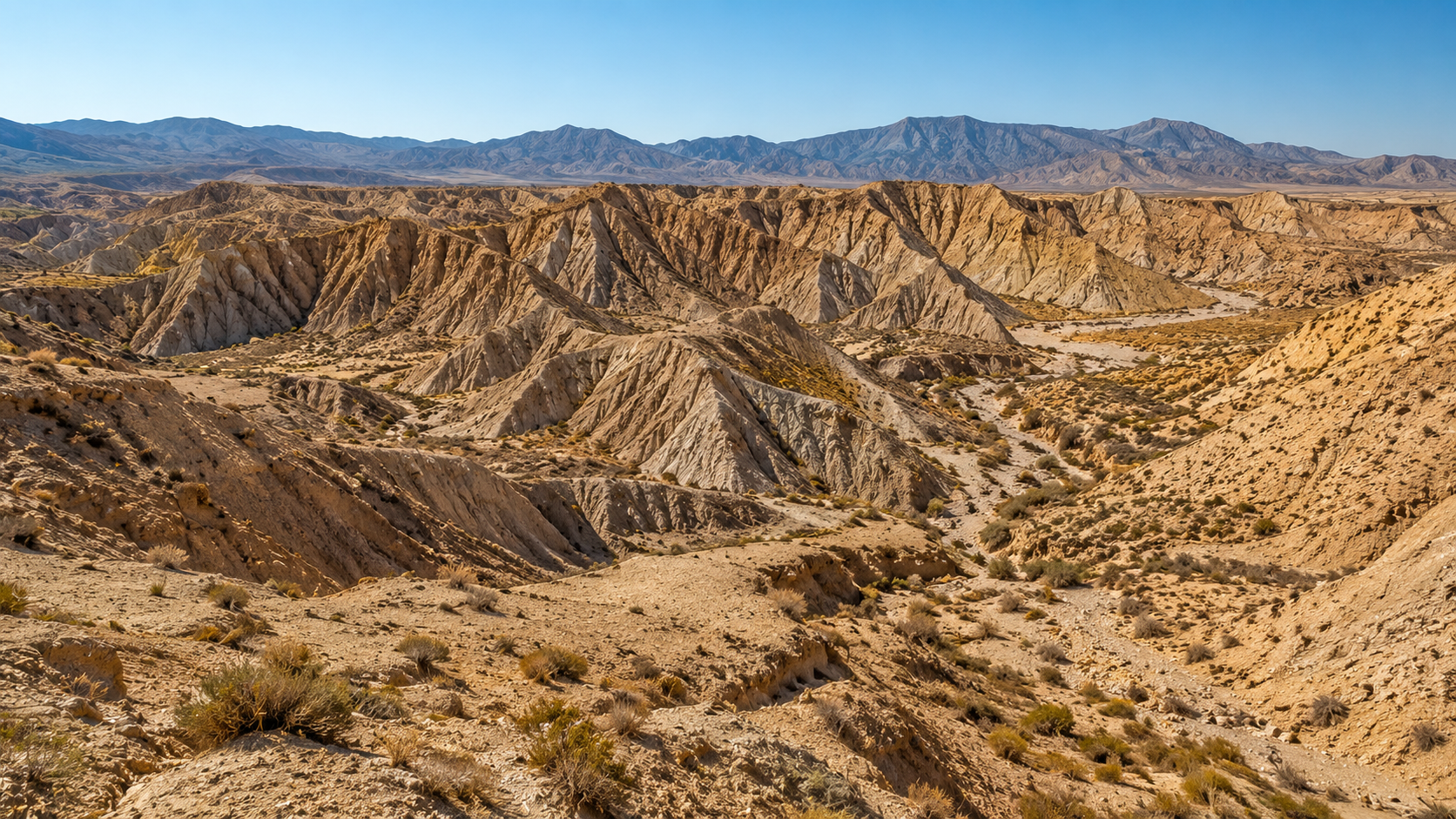
What makes Tabernas Desert special is its visual strangeness. The landscape feels open, harsh, and sculpted by light. In the morning and evening, shadows deepen the ravines and the colors become warmer. The official Andalusia tourism site describes the Desierto de Tabernas as a singular desert-like landscape with distinctive dryland vegetation and protected natural value. For a Spain itinerary, Tabernas adds a completely different tone from beaches, cities, and green mountains.
Canary Islands Nature: Volcanoes, Forests, and Atlantic Worlds
The Canary Islands are not simply beach destinations. They are some of the most extraordinary natural landscapes in Spain. Each island has its own personality: Tenerife has Teide’s volcanic highlands, La Gomera has ancient laurel forest, Lanzarote has black lava fields, Gran Canaria has dramatic ravines, and La Palma offers deep green slopes and volcanic terrain.
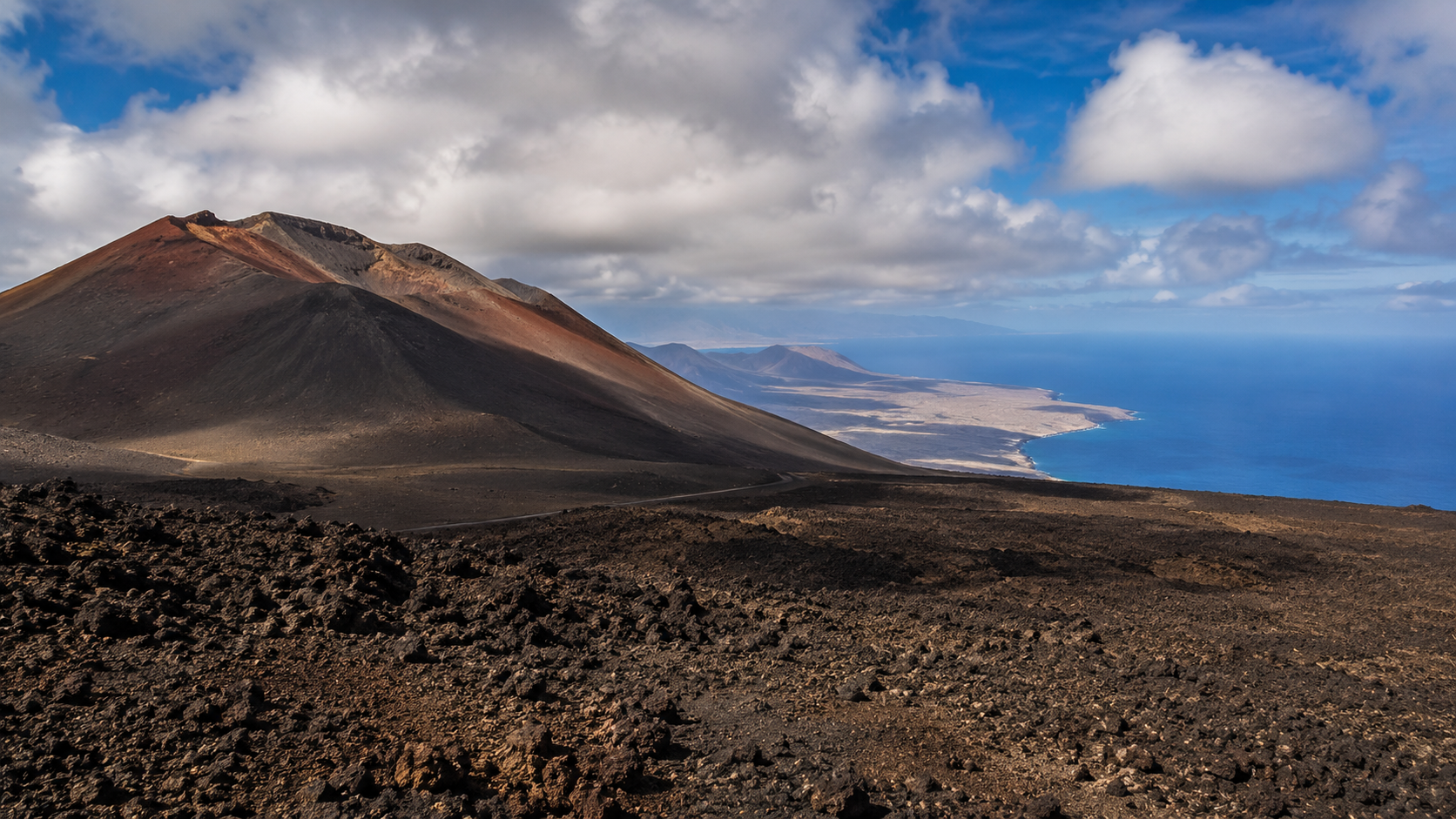
Canary Islands nature is especially powerful because it feels elemental. Rock, wind, cloud, ocean, and fire all shape the scenery. Teide National Park in Tenerife is one of the most important volcanic landscapes in Europe. UNESCO describes Teide National Park as a site of global importance for understanding the geological processes behind oceanic islands. For travelers, it feels almost lunar: vast, mineral, and unlike mainland Spain.
Garajonay and the Ancient Forests of La Gomera
If Teide shows the volcanic face of the Canary Islands, Garajonay National Park shows their enchanted green side. Located on La Gomera, Garajonay protects laurel forest, misty paths, mossy trees, and humid mountain ecosystems that feel ancient and dreamlike. It is a very different expression of Canary Islands nature.
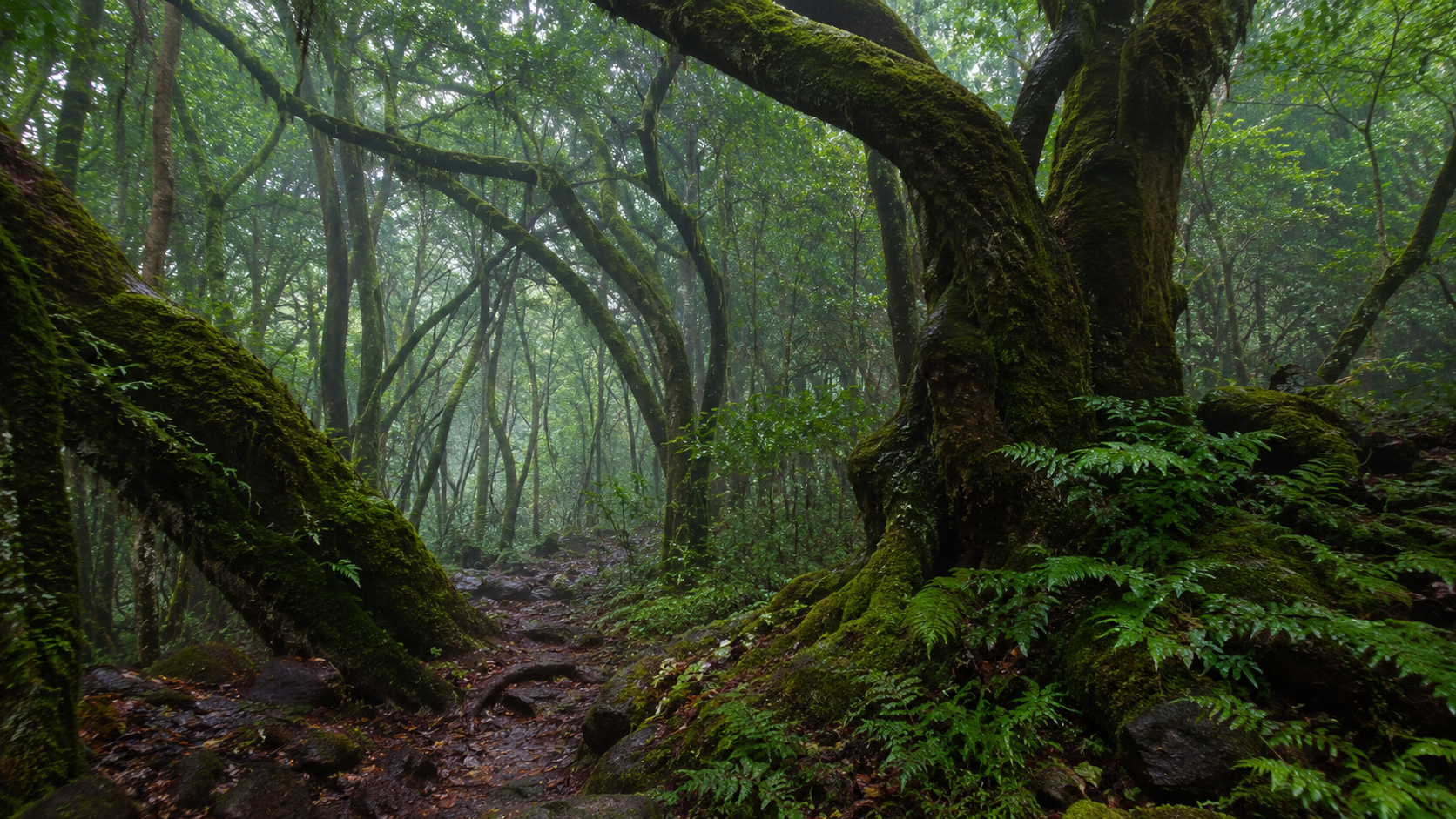
UNESCO recognizes Garajonay National Park for its exceptional natural value and its subtropical forest ecosystem. Walking there can feel like entering a cloud forest from another era. This contrast between Teide and Garajonay is one reason the Canary Islands deserve more attention as landscape destinations. They are not one island mood, but a whole Atlantic geography.
Costa Brava Coastline: Coves, Cliffs, and Mediterranean Light
The Costa Brava coastline is one of Spain’s most beautiful Mediterranean landscapes. Its name means “wild coast,” and at its best, it still deserves that title. Rocky coves, pine trees, clear water, fishing villages, coastal paths, and cliffside views create a landscape that feels both elegant and rugged.
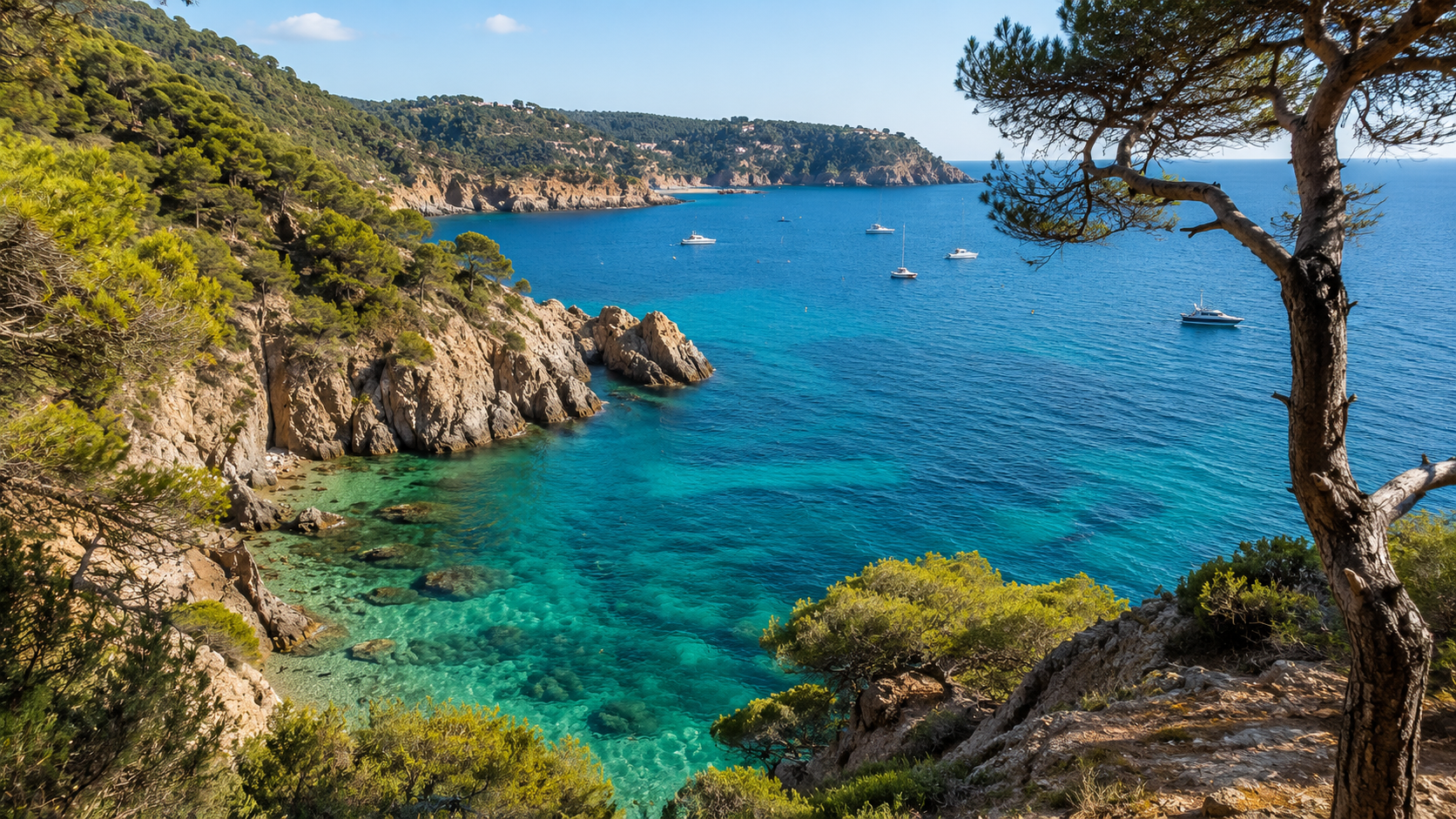
What makes Costa Brava different from a simple beach destination is the relationship between sea and stone. The coast is broken into small inlets, headlands, and hidden swimming spots rather than endless flat sand. Towns like Cadaques, Begur, Calella de Palafrugell, and Tossa de Mar add cultural texture to the scenery. The Costa Brava coastline is ideal for travelers who want Mediterranean beauty without reducing Spain to resort tourism.
Sierra Nevada: Snow Above Andalusia
Sierra Nevada is one of Spain’s most striking mountain ranges because of its contrast with the south. Near Granada, high peaks rise above Andalusia, creating a dramatic meeting of snow, dry slopes, mountain villages, and Mediterranean light. In winter, the range becomes a ski destination, but its identity is much broader than winter sports.
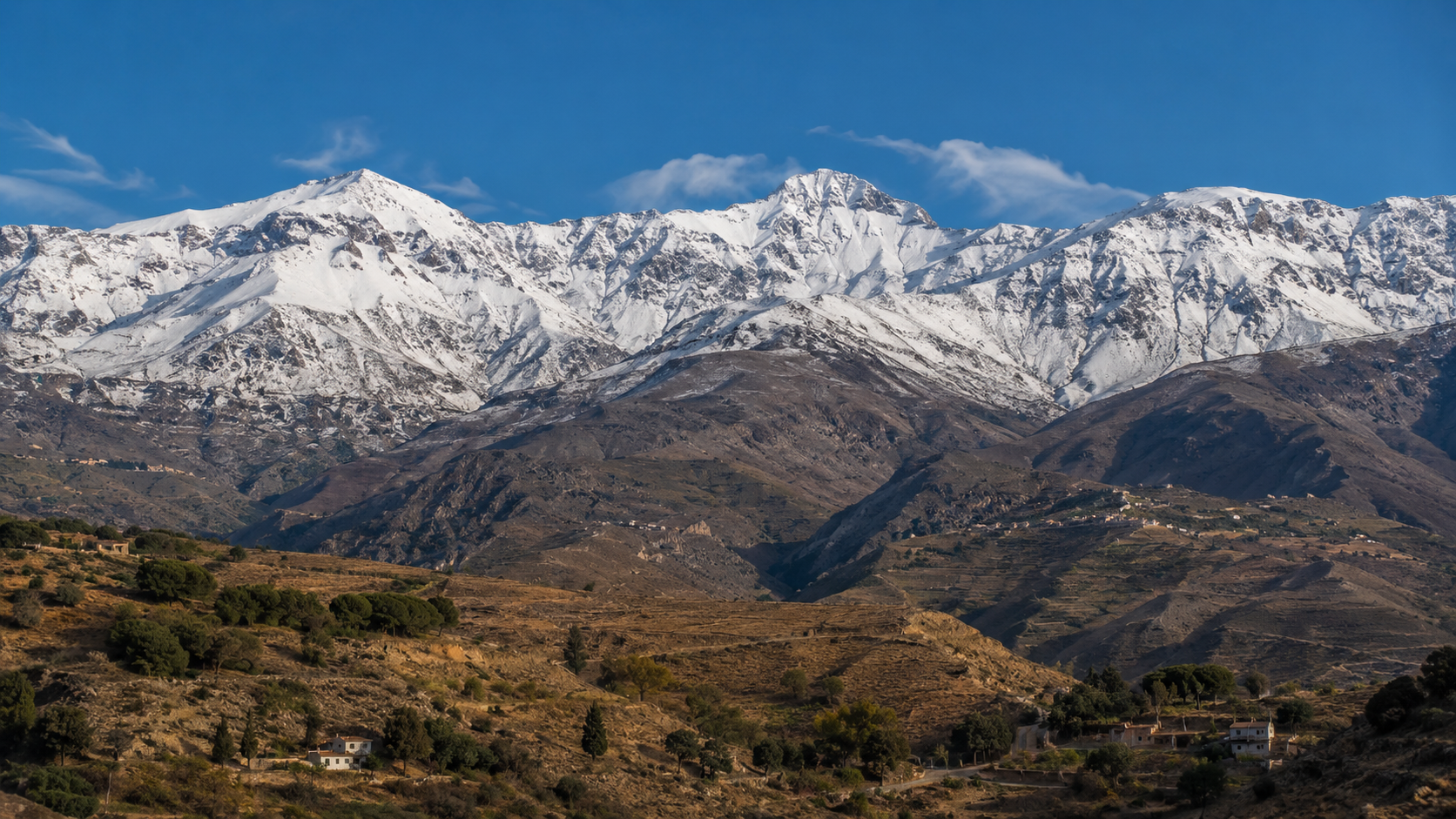
The Sierra Nevada also shapes the atmosphere of Granada and the Alpujarras. White villages cling to hillsides, old paths connect valleys, and the mountains create a powerful backdrop to one of Spain’s most historic regions. This is a good reminder that Spain landscapes often work best when nature and culture are seen together. The mountains are not separate from the human story. They frame it.
Doñana and Spain’s Wetland World
Doñana National Park reveals yet another side of Spain: wetlands, marshes, dunes, pine forests, birds, and shifting water landscapes. Located in Andalusia near the mouth of the Guadalquivir River, Doñana is one of Europe’s important wetland areas. It is especially valuable for birdlife and migration.
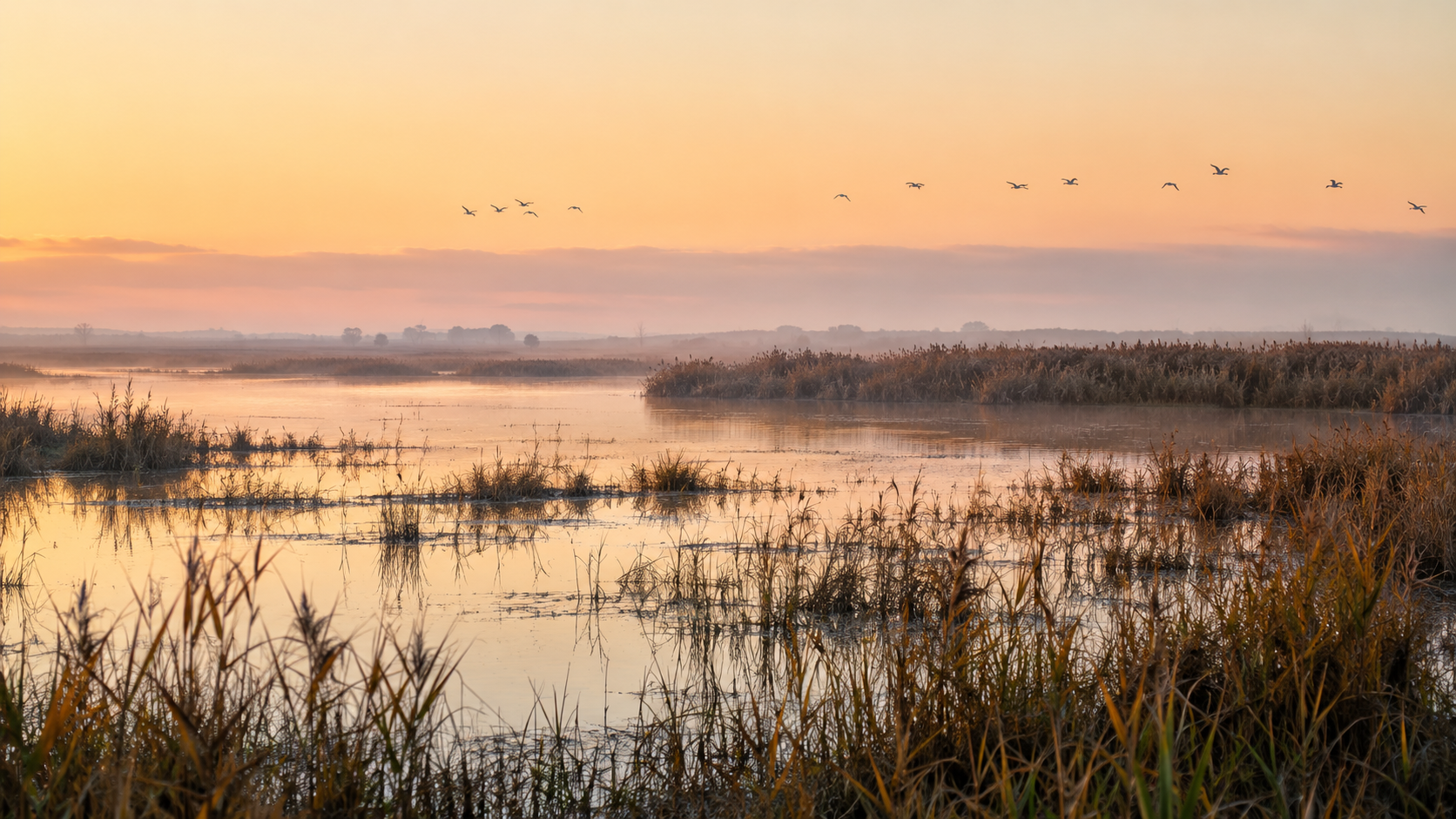
This landscape is quieter than Teide, Costa Brava, or the Pyrenees, but it adds ecological depth to Spain’s natural map. Wetlands are fragile, and Doñana has faced environmental pressure, including water management concerns. For travelers, it is a place to approach with respect rather than as a casual attraction. It shows that Spain’s beauty is not only dramatic, but also delicate.
Inland Spain: Plateaus, Plains, and Big Skies
Central Spain is often overlooked by travelers rushing between Madrid, Barcelona, Andalusia, and the coast. But the interior has its own powerful atmosphere. Wide plains, wheat fields, vineyards, dry hills, stone towns, and open skies create a slower, more spacious landscape. This is the Spain of La Mancha, Castile, Extremadura, and long roads between historic cities.
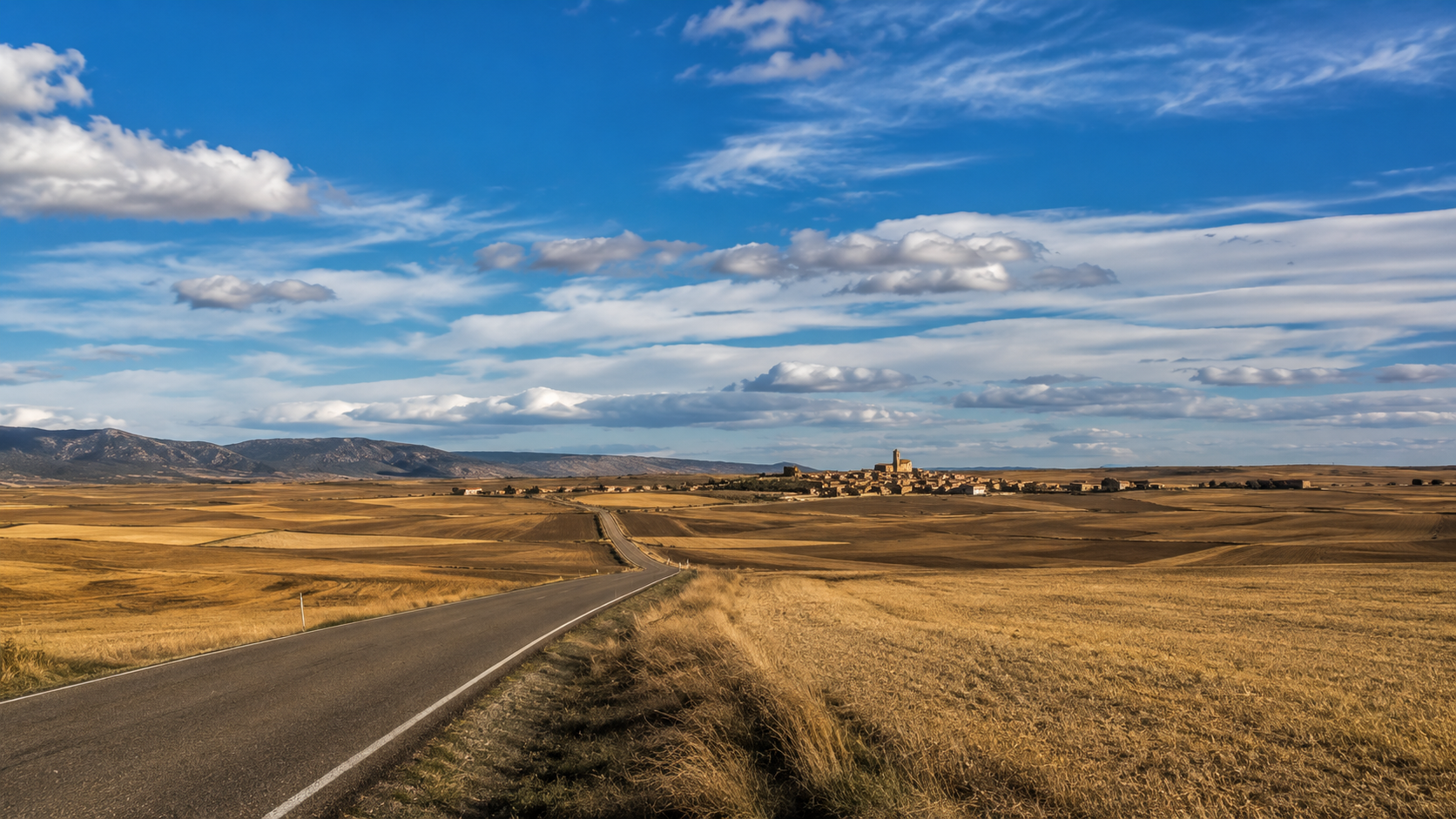
Inland Spain may not always feel spectacular at first glance, but it is deeply atmospheric. The landscape carries literature, history, and silence. Windmills, castles, vineyards, and old towns make the interior feel like a place where geography becomes memory. This quieter side connects naturally with Spanish language and literature, especially the imagined landscapes of Don Quixote and Castilian identity.
Landscapes and Spanish Culture
The land shapes Spain’s culture in ways travelers can taste, hear, and see. Galicia’s green coast feels different from Andalusia’s dry heat. Catalonia’s Mediterranean villages feel different from the volcanic Canary Islands. Basque fishing towns, Castilian plains, and Valencian rice fields all produce different moods and traditions.
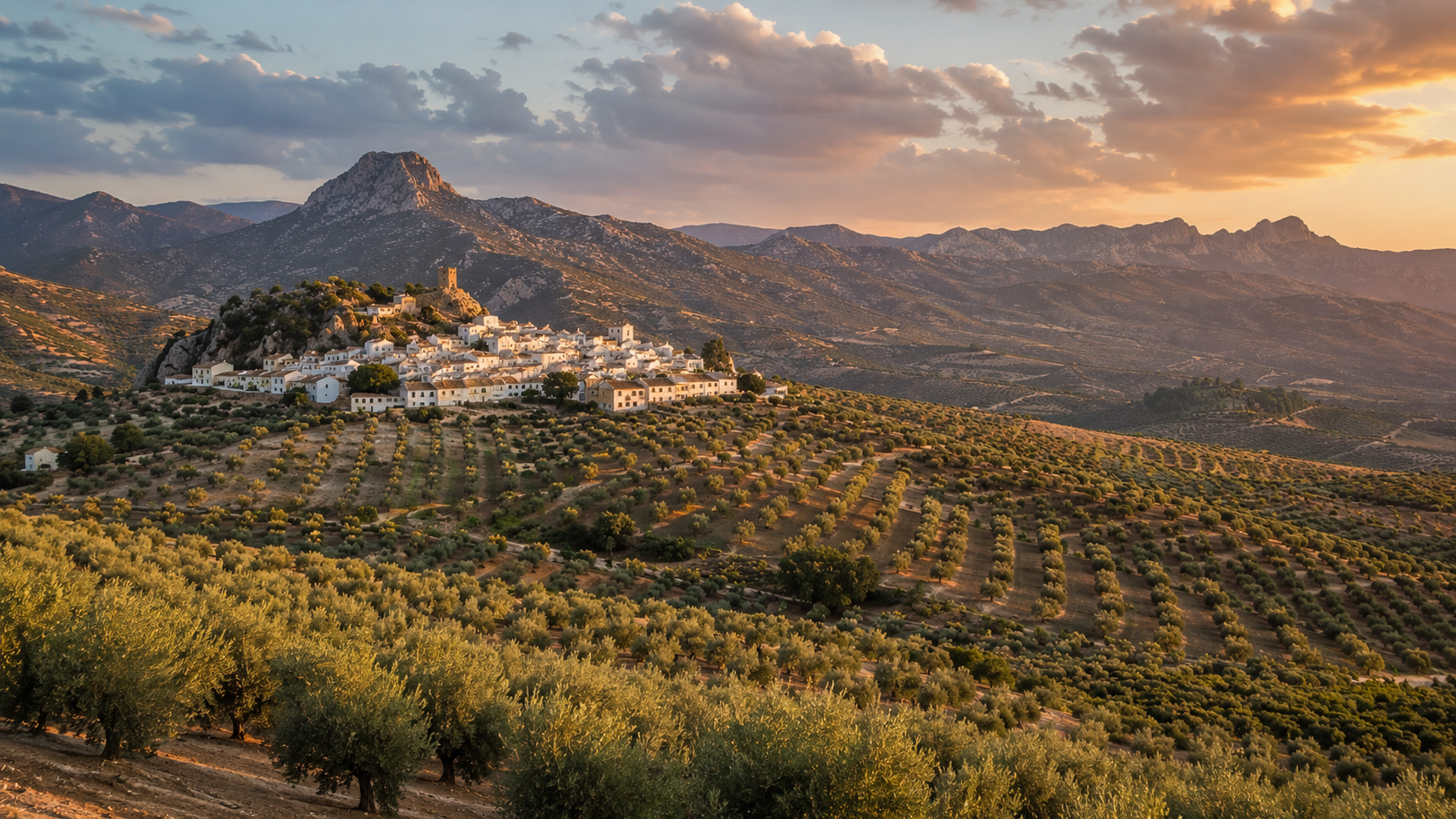
This is why landscape travel pairs so well with regional food. Olive oil, seafood, wine, cheese, rice, cured meats, citrus, mountain stews, and island ingredients all come from specific environments. For a deeper food-focused route, Spanish regional cuisine is a natural companion to landscape travel. Food becomes more meaningful when you understand the land behind it.
How to Plan a Landscape-Focused Trip in Spain
A landscape-focused trip works best when you choose contrasts rather than trying to see everything. One route could combine Madrid, La Mancha, Granada, Sierra Nevada, and Tabernas Desert. Another could focus on northern Spain, linking the Basque coast, Cantabria, Asturias, Picos de Europa, and Galicia. A Mediterranean route might connect Costa Brava, Catalonia, Valencia, and the Balearic Islands.
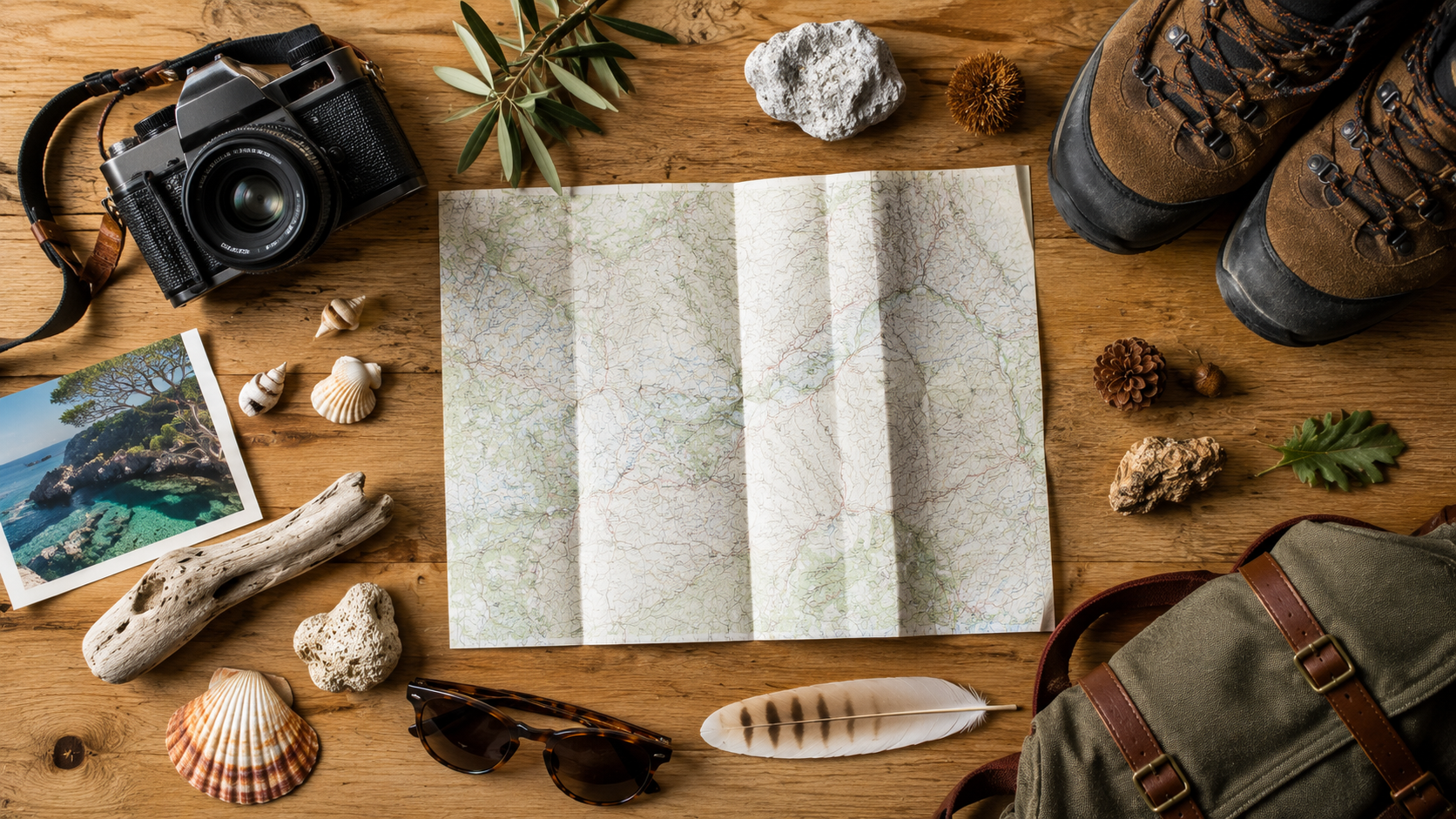
The Canary Islands can be a whole landscape journey on their own. Tenerife, La Gomera, Lanzarote, and La Palma each offer different natural worlds. Instead of asking which region is “best,” it is better to ask what kind of Spain you want to feel: green, volcanic, desert-like, coastal, mountainous, quiet, or cinematic.
Traveling Spain’s Landscapes Responsibly
Spain’s landscapes are beautiful, but many are also fragile. Coastal paths suffer from overuse, wetlands depend on careful water management, and popular national parks need respectful visitors. Stay on marked trails, follow local regulations, avoid litter, and check whether permits are required for sensitive areas.
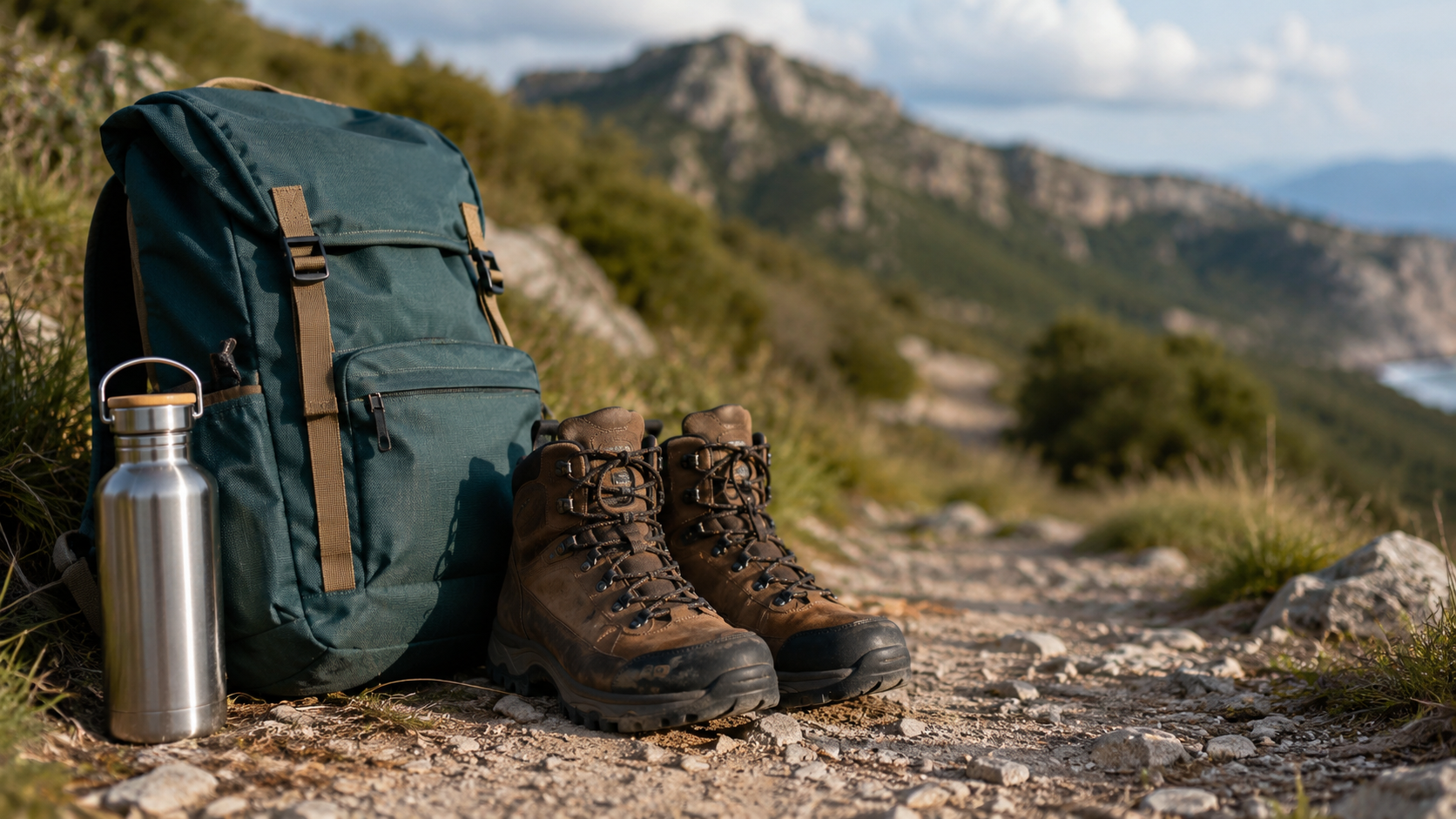
Responsible travel also means slowing down. Many of Spain’s best landscapes are connected to local communities, farming traditions, fishing towns, mountain villages, and island ecosystems. Spending time locally, eating regional food, using local guides, and avoiding rushed photo-only travel can make the experience more meaningful. Spain landscapes deserve attention, not just consumption.
Conclusion
Spain landscapes are among the most diverse in Europe. The country holds the green mountains of Picos de Europa, the cinematic dryness of Tabernas Desert, volcanic Canary Islands nature, the Mediterranean beauty of the Costa Brava coastline, the high drama of Sierra Nevada, and the wide silence of inland plains. Together, they show a Spain far richer than the usual beach-and-city image.
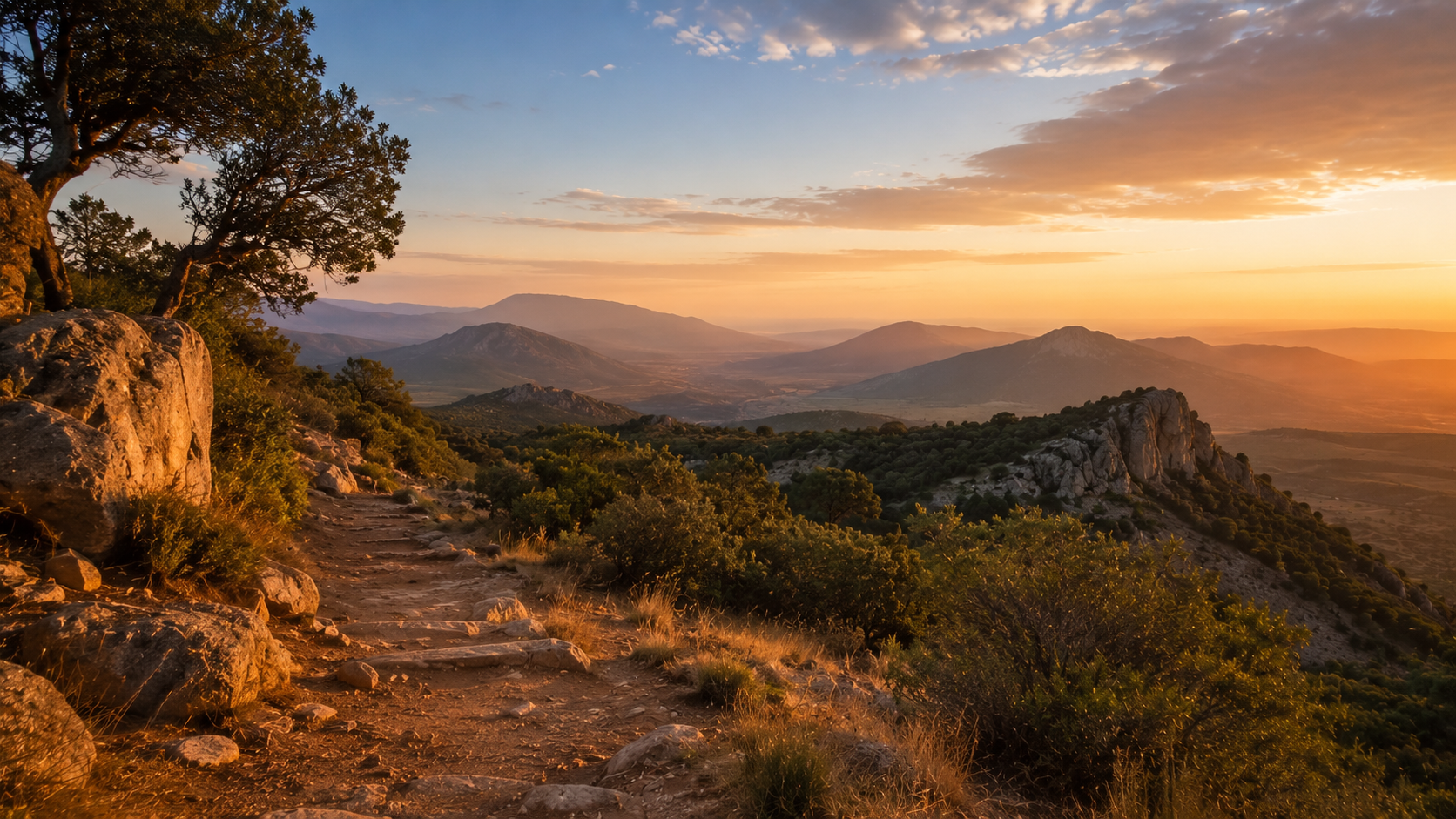
This is the better way to understand Spain’s natural side: not as a generic outdoor playground, but as a country of strong geographical personalities. Each landscape changes the rhythm of travel. Some invite walking, some silence, some photography, some food, some history, and some simply ask you to stand still and look. Spain is not one view. It is a whole atlas of moods.